
Updated planning guide for 2026, 2027-2028
Moshi Community Tour: Complete Guide 2026-2027-2028
Discover the heart of Tanzania with a Moshi Community Tour. This comprehensive guide covers everything from cultural immersion to practical planning for your 2026-2027 adventure.
WhatsApp +255616946642 | topguideadventures@gmail.com | info@topguideadventures.com
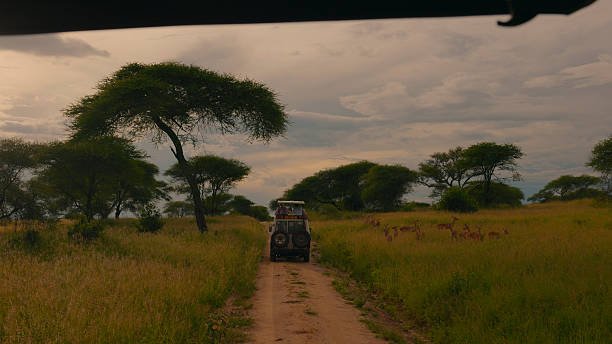
Moshi Community Tour: Your Comprehensive Guide to Authentic Tanzanian Experiences
A Moshi community tour offers a profound connection to the vibrant culture and daily life of the Chagga people, who call the fertile slopes of Mount Kilimanjaro home. Unlike standard tourist excursions, these tours prioritize genuine interaction, allowing travelers to witness firsthand the traditions, livelihoods, and hospitality that define this unique region. If you’re seeking an experience that goes beyond the typical safari or Kilimanjaro climb, a Moshi community tour provides an unparalleled opportunity for cultural exchange and personal growth. This guide will walk you through everything you need to know to plan an enriching visit, from understanding the local context to preparing for your adventure in 2026 and 2027.
Quick Facts About Moshi and Community Tourism
| Aspect | Details |
|---|---|
| Primary Location | Moshi town and surrounding Chagga villages, Kilimanjaro Region, Tanzania. |
| Key Activities | Village visits, coffee farm tours, local cooking lessons, traditional craft workshops, school visits, market exploration, cultural performances. |
| Cultural Focus | Chagga traditions, Kilimanjaro livelihoods, local agriculture (especially coffee and bananas), community development projects. |
| Best Time to Visit | Dry seasons: June to October, and December to February. Shoulder seasons can also be pleasant. |
| Traveler Type | Culturally curious, socially conscious travelers, families, solo adventurers, those seeking authentic experiences. |
| Duration | Typically 1 to 3 days, but can be integrated into longer Tanzania itineraries. |
| Language | Swahili is the national language; local Chagga dialect spoken; English is understood in tourist areas and by guides. |
Understanding the Moshi Community Tour Experience
The essence of a Moshi community tour lies in its direct engagement with local people and their way of life. These tours are typically organized in partnership with local community-based tourism initiatives or responsible tour operators who ensure that the economic benefits directly support the communities visited. You won’t just observe; you’ll participate.
Imagine spending a morning learning the intricate process of coffee cultivation, from bean to cup, directly from Chagga farmers. You might then share a traditional meal prepared with locally sourced ingredients, perhaps learning to cook ugali or pilau. Evenings could involve listening to local stories, music, or witnessing traditional dances. Visits to local schools or health centers can offer insights into community development efforts and the challenges and successes faced by the people.
This type of travel fosters mutual respect and understanding. It’s an opportunity to learn about sustainable living practices, the importance of family and community in Tanzanian culture, and the resilience of people living in the shadow of Africa’s highest peak.
Why Choose a Moshi Community Tour?
In a world increasingly focused on sustainable and responsible travel, a Moshi community tour stands out for several compelling reasons:
- Authentic Cultural Immersion: Move beyond staged performances and engage in genuine daily activities. Understand local customs, social structures, and historical context directly from the people who live it.
- Direct Economic Benefit: Your participation contributes directly to the local economy, supporting families, education, and community projects. This ensures that tourism provides tangible advantages to the residents.
- Unique Learning Opportunities: Learn practical skills like coffee farming, traditional cooking, or craft making. Gain a deeper appreciation for the challenges and rewards of rural Tanzanian life.
- Meaningful Connections: Build relationships with local hosts and guides, creating lasting memories and fostering a global perspective.
- Complementary to Other Adventures: A community tour can perfectly complement a Kilimanjaro trek or a safari in nearby national parks like Arusha or Tarangire, offering a well-rounded Tanzanian experience.
The Chagga People and Their Heritage
The Chagga (or Wachagga) are the dominant ethnic group in the Moshi area, renowned for their industrious nature, strong community organization, and rich cultural heritage. Historically, they were known for their sophisticated agricultural systems, particularly their terraced farms on Kilimanjaro’s slopes, which allowed them to cultivate crops like bananas, beans, and notably, coffee.
Coffee cultivation is deeply ingrained in Chagga culture and economy. The fertile volcanic soil and favorable climate of Kilimanjaro provide ideal conditions for growing high-quality Arabica beans. A significant part of any Moshi community tour involves understanding this coffee heritage, often including visits to smallholder farms where you can see the entire process, from picking the cherries to drying and roasting the beans.
Chagga society is also characterized by a strong emphasis on education and community development. Historically, they were among the first Tanzanian groups to embrace formal education, leading to high literacy rates and a significant presence in various professions across Tanzania. This forward-thinking attitude is often reflected in their community projects and their engagement with visitors.
Best Time to Visit for a Moshi Community Tour
While Moshi is accessible year-round, certain periods offer more comfortable weather for exploring villages and engaging in outdoor activities. Tanzania generally experiences two main rainy seasons and two dry seasons.
- Long Dry Season (June to October): This is often considered the prime time to visit. The weather is generally sunny and dry, with cooler temperatures, making it ideal for walking and village exploration. It’s also a popular time for Kilimanjaro climbs, meaning many international travelers are in the region.
- Short Rains (November to early December): These rains are typically brief and localized, often occurring in the afternoon. They can bring lush greenery to the landscape. Some travelers find this a good time to visit as tourist numbers might be slightly lower.
- Long Rains (March to May): This is the wettest period. While it doesn’t rain constantly, heavy downpours can disrupt travel plans and make some paths muddy. This is generally the low season for tourism.
- Short Dry Season (December to February): This period offers warm, sunny weather, often with brief afternoon showers. It’s a popular time for both community tours and safaris, especially around the Christmas and New Year holidays.
For a Moshi community tour, the dry seasons (June-October and December-February) are generally preferred for ease of travel and outdoor activities. However, the shoulder months bordering the rainy seasons can offer a different perspective, with greener landscapes and fewer crowds. Planning your Moshi community tour for 2026 or 2027 should consider these seasonal patterns to maximize your comfort and experience.
Sample Moshi Community Tour Itinerary (2-Day Example)
This is a sample itinerary that can be customized. It focuses on cultural immersion and practical activities.
| Day | Morning | Afternoon | Evening |
|---|---|---|---|
| Day 1: Coffee and Village Life | Arrival in Moshi & Transfer to Village: Meet your local guide and transfer to a selected Chagga village. Introduction to the community and your host family (if applicable). Coffee Plantation Tour: Visit a local coffee farm. Learn about the entire process from planting and tending to harvesting, washing, drying, and roasting the beans. Participate in grinding beans manually and enjoy a freshly brewed cup. |
Traditional Lunch: Share a home-cooked meal with your hosts or community members, featuring local staples like bananas, beans, and ugali. Village Walk & Local Crafts: Explore the village on foot. Visit local homes, learn about traditional housing, and perhaps observe or participate in local craft making (e.g., basket weaving, wood carving). |
Cultural Exchange & Dinner: Engage in conversation with community members, share stories, and learn about local customs. Enjoy another traditional dinner. Overnight in the village or a nearby guesthouse. |
| Day 2: Education, Markets & Departure | Visit a Local School: Interact with students and teachers (if arranged respectfully and with prior consent). Understand the importance of education and the role of community support. This is a sensitive visit and requires careful planning to ensure it is beneficial and not disruptive. | Local Market Visit: Experience the vibrant atmosphere of a local market. Observe the trade of fresh produce, local goods, and interact with vendors (your guide will assist with any negotiations or explanations). Traditional Cooking Lesson: Learn to prepare a local dish under the guidance of a community member. |
Farewell & Departure: Enjoy a final local meal. Receive a small traditional gift or souvenir from the community. Transfer back to Moshi town or your next destination. |
Detailed Itinerary Logic and Customization
The logic behind this itinerary is to provide a balanced and immersive experience. The first day focuses on the most iconic aspect of Chagga culture and economy: coffee. This is followed by a deeper dive into daily life through a village walk and craft observation. The second day introduces the community’s focus on education and the bustling local economy through a market visit, concluding with a hands-on cooking experience.
Customization Options:
- Longer Stays: For stays of 3-5 days or more, you could spend more time in a single village, participate in farming activities (depending on the season), learn more complex crafts, explore nearby natural attractions like waterfalls, or visit community development projects in more detail.
- Focus on Specific Interests: If you’re particularly interested in education, more time can be allocated to school visits (ensuring ethical engagement). For art enthusiasts, extended craft workshops can be arranged.
- Integration with Kilimanjaro Treks: Many trekkers choose to do a community tour before or after their climb. A pre-climb tour can offer a grounding cultural introduction, while a post-climb tour provides a relaxing way to connect with the local culture after the physical exertion.
- Day Trips: Shorter, focused experiences are possible as day trips, such as a dedicated coffee tour and lunch, or a village visit with a craft demonstration.
What to Expect During Your Moshi Community Tour
Expect an experience that is both educational and deeply human. The pace is generally relaxed, allowing for genuine interaction rather than a rushed checklist of sights.
- Warm Hospitality: The Chagga are known for their welcoming nature. You will likely be greeted with smiles and genuine interest.
- Simple Living: While Moshi town is a hub, the villages offer a glimpse into a simpler way of life. Accommodations might be basic (homestays) or in simple guesthouses, but they are clean and comfortable.
- Sensory Experiences: Engage your senses with the aroma of roasting coffee, the sounds of village life, the taste of local foods, and the vibrant colors of the markets and landscapes.
- Language Barrier: While guides will translate, there may be moments of communication where local dialects are spoken. This can be part of the charm, encouraging non-verbal communication and shared laughter.
- Cultural Etiquette: Be mindful of local customs. Dress modestly, ask permission before taking photos of people, and be respectful of elders and traditions. Your guide will provide specific advice.
- Limited Amenities: In remote villages, expect limited access to electricity and running water, though this varies. Embrace the opportunity to disconnect and be present.
Inclusions and Exclusions: What to Budget For
When booking a Moshi community tour, understanding what is included is crucial for managing expectations and budgeting. While exact inclusions vary by tour operator and specific package, here’s a general breakdown:
| Typically Included | Typically Excluded |
|---|---|
| Local English-speaking guide | International flights |
| Transportation to/from Moshi town or accommodation | Visa fees |
| All planned activities (e.g., coffee tour, cooking class, market visit) | Travel insurance |
| Meals as specified in the itinerary (usually lunch and dinner on day 1, breakfast and lunch on day 2) | Tips for guides and community members |
| Entrance fees to community projects or farms | Personal expenses (souvenirs, drinks, etc.) |
| Donations to community projects (often built into the tour cost or suggested) | Accommodation before or after the tour (if not specified) |
| Homestay or local guesthouse accommodation (if part of the package) | Vaccinations and medical expenses |
Cost Considerations: The cost of a Moshi community tour can range depending on the duration, the specific activities, the level of accommodation, and whether it’s a private or group tour. Community-based tours often have a set contribution that goes directly to the community. It’s important to work with reputable operators who transparently explain how the costs are distributed.
Packing Essentials for Your Moshi Community Tour
Packing light but smart is key. Focus on comfort, practicality, and respect for local culture.
- Clothing: Lightweight, breathable clothing suitable for warm weather. Long-sleeved shirts and trousers are advisable for sun protection and to ward off insects, especially in the evenings. Include a light jacket or fleece for cooler mornings/evenings. Modest clothing is appreciated, especially when visiting villages and schools (e.g., avoid very short shorts or revealing tops).
- Footwear: Comfortable walking shoes or sturdy sandals are essential for village walks and farm visits.
- Sun Protection: High SPF sunscreen, a wide-brimmed hat, and sunglasses are crucial.
- Insect Repellent: Especially important for evenings.
- Personal First-Aid Kit: Include any personal medications, basic wound care, and remedies for common ailments.
- Camera and Extra Batteries/Power Bank: You’ll want to capture the memories, but always ask permission before photographing people. A power bank is useful as electricity can be intermittent in villages.
- Small Backpack: For carrying water, snacks, camera, and personal items during day excursions.
- Water Bottle: A reusable water bottle is recommended. Filtered water or bottled water will be available.
- Hand Sanitizer: Useful for maintaining hygiene, especially before meals.
- Small Gifts (Optional): While not mandatory, small, practical gifts like school supplies (pens, notebooks) for children or useful items for families can be appreciated. Discuss this with your tour operator to ensure appropriateness. Avoid giving money directly unless advised.
Common Mistakes to Avoid
To ensure a respectful and enriching experience, be aware of potential pitfalls:
- Treating it as a Spectacle: Remember this is people’s lives, not a performance. Approach interactions with genuine curiosity and respect.
- Taking Photos Without Permission: Always ask before photographing individuals, especially children. Some people may decline, and their wishes must be respected.
- Imposing Your Own Culture: Be open to learning and understanding local customs and perspectives without judgment.
- Expecting Western Standards: Embrace the local reality, which may include simpler amenities and a different pace of life.
- Not Engaging Your Guide: Your local guide is your bridge to understanding the culture. Ask questions, listen to their explanations, and use them to facilitate respectful interactions.
- Ignoring Cultural Norms: Dress modestly and be mindful of local customs regarding greetings, eating, and social interactions.
- Focusing Only on the Transaction: While you are paying for a service, aim for genuine human connection rather than just ticking off activities.
Who is a Moshi Community Tour Best For?
This type of tour appeals to a specific type of traveler seeking more than just a holiday:
- The Culturally Curious: Individuals and groups eager to understand different ways of life, traditions, and social structures.
- Socially Conscious Travelers: Those who want their travel to have a positive impact and support local communities directly.
- Families: A Moshi community tour can be a fantastic educational experience for families, teaching children about different cultures and the importance of global citizenship.
- Solo Adventurers: Provides a safe and structured way for solo travelers to engage deeply with local life.
- Post-Kilimanjaro Trekkers: A perfect way to decompress and connect with the local culture after a challenging climb.
- Safari Enthusiasts: Offers a contrast to wildlife viewing, providing a human-centric perspective on Tanzania.
- Responsible Tourism Advocates: Travelers committed to sustainable and ethical tourism practices.
Alternatives to a Moshi Community Tour
While a Moshi community tour offers a unique experience, other options in Tanzania provide different facets of cultural engagement:
- Maasai Village Visits: Often integrated into Northern Circuit safaris, these visits offer insight into the semi-nomadic Maasai culture. While popular, ensure they are organized ethically and provide genuine benefit to the community, avoiding overly staged encounters.
- Zanzibar Cultural Tours: Explore Stone Town’s history and Swahili culture, visit spice farms, or engage with local fishing communities on the island.
- Arusha Cultural Heritage Centre: While more of a curated experience, it offers a look at various Tanzanian cultures, crafts, and a museum.
- Homestays in other Regions: Various community-based tourism projects exist across Tanzania, offering homestays and cultural immersion in areas like the Usambara Mountains or Lake Victoria regions.
The key differentiator for a Moshi community tour is its direct focus on the Chagga people, their agricultural heritage, and their specific way of life on Kilimanjaro’s slopes, often with a strong emphasis on community-led initiatives.
Planning Your Moshi Community Tour for 2026-2027
Planning ahead is essential for securing the best experiences and ensuring your trip aligns with your interests. Here’s a planning timeline and considerations for 2026 and 2027:
| Timeframe | Action |
|---|---|
| 12+ Months Prior | Research tour operators specializing in community-based tourism. Read reviews and compare offerings. Define your interests (coffee, crafts, education, etc.). |
| 9-12 Months Prior | Shortlist 2-3 operators. Request detailed itineraries and quotes. Discuss customization options. Consider booking your international flights if prices are favorable. |
| 6-9 Months Prior | Confirm your chosen operator and itinerary. Pay the initial deposit. Start researching visa requirements for Tanzania. Check recommended vaccinations with your doctor. |
| 3-6 Months Prior | Book your international flights. Obtain necessary visas. Purchase travel insurance that covers medical emergencies and trip cancellation. Begin packing list development. |
| 1-3 Months Prior | Make final payments to the tour operator. Purchase any specific gear or clothing needed. Confirm all travel documents are in order. Inform your bank of your travel dates. |
| 2-4 Weeks Prior | Finalize packing. Confirm airport transfers and accommodation details. Print important documents. Learn a few basic Swahili phrases. |
| During Your Trip | Be present, respectful, and open to new experiences. Engage with your guide and the community. Enjoy the journey! |
Booking for 2026 and 2027: As global travel resumes and interest in authentic experiences grows, popular community tours, especially those around peak seasons, can get booked up. Booking 6-12 months in advance is highly recommended for 2026 and 2027 to secure your preferred dates and operators.
Booking Advice: Choosing the Right Operator
Selecting a responsible and experienced tour operator is paramount for an authentic and ethical Moshi community tour. Here’s what to look for:
- Community Partnership: Ensure the operator has genuine, long-standing partnerships with the communities they work with. They should be able to explain how the benefits are shared and how the community is involved in decision-making.
- Transparency: Look for operators who are transparent about their pricing, what’s included, and how the money benefits the local people.
- Local Expertise: Choose operators who employ local guides and staff, demonstrating a commitment to the local economy and culture. Local guides offer invaluable insights.
- Reviews and Reputation: Check independent reviews on platforms like TripAdvisor, Google, or specialized travel forums. Look for consistent positive feedback regarding authenticity, guide quality, and ethical practices.
- Communication: A good operator will be responsive to your queries, patient in explaining details, and willing to customize the experience to your needs.
- Focus on Sustainability: Inquire about their approach to sustainable tourism, waste management, and minimizing environmental impact.
When contacting operators for 2026-2027 bookings, be sure to ask specific questions about their community engagement model and how they ensure a positive impact.
Frequently Asked Questions (FAQs)
What is a Moshi community tour?
A Moshi community tour is an immersive travel experience focused on cultural exchange and interaction with the local Chagga people in and around Moshi, Tanzania. It involves participating in daily activities, learning about local traditions, agriculture (especially coffee), and community life, ensuring that tourism benefits the local residents directly.
Is a Moshi community tour safe?
Yes, Moshi community tours are generally safe when organized through reputable operators. Guides are experienced and knowledgeable about local conditions. Standard travel precautions apply, such as being aware of your surroundings and respecting local customs. Your safety and well-being are prioritized by responsible tour providers.
What is the best way to book a Moshi community tour?
The best way to book is by contacting a reputable Tanzanian tour operator that specializes in community-based tourism. Look for operators with strong local partnerships and transparent practices. You can reach out directly via email or WhatsApp to discuss your needs and get a customized itinerary. Booking for 2026 and 2027 is recommended several months in advance.
How much does a Moshi community tour cost?
The cost varies based on the duration, activities, and inclusions. Community tours often have a significant portion of the fee directly supporting the local community. Expect prices to reflect the value of authentic experiences and direct contributions. Exact pricing should be obtained from tour operators.
What should I wear on a Moshi community tour?
Pack comfortable, modest clothing suitable for warm weather. Long-sleeved shirts and trousers are recommended for sun and insect protection. Comfortable walking shoes are essential. Avoid overly revealing attire out of respect for local customs.
Can I visit a Moshi community tour in 2026?
Yes, community tours in Moshi are available throughout the year, with the best weather typically during the dry seasons (June-October and December-February). Planning your visit for 2026 is highly feasible, and booking in advance is advisable, especially for peak travel periods.
What kind of food can I expect?
You can expect traditional Chagga and Tanzanian cuisine, often featuring staples like bananas (prepared in various ways), beans, maize (ugali), rice, and local vegetables. Meals are usually prepared with fresh, locally sourced ingredients. You might also have the opportunity to learn how to cook some of these dishes.
Are there opportunities to buy local crafts?
Yes, opportunities to purchase local crafts often exist, either directly from artisans in the villages or at local markets. This provides another way to support the community economically. Your guide can help you find authentic items.
What is the main difference between this and a safari?
A safari focuses on wildlife viewing in national parks and game reserves. A Moshi community tour, in contrast, is centered on human culture, daily life, and interaction with local people, offering a deep dive into the social and agricultural aspects of Tanzania, particularly the Chagga heritage.
Can I combine a Moshi community tour with Kilimanjaro trekking?
Absolutely. Many travelers combine a Moshi community tour with a Kilimanjaro climb. It’s an excellent way to experience the local culture before or after the trek, providing a grounding perspective and a chance to relax and connect with the people of the region.
Plan Your Authentic Moshi Community Tour
A Moshi community tour offers a unique window into the heart of Tanzanian culture, providing experiences that resonate long after your journey ends. It’s an opportunity to connect, learn, and contribute in a meaningful way. Whether you are planning for 2026, 2027, or 2028, the principles of responsible and immersive travel remain the same.
Ready to arrange your enriching cultural experience? We specialize in creating authentic and impactful travel adventures. Let us help you craft the perfect Moshi community tour that aligns with your interests and supports local livelihoods.
Contact us today to start planning your unforgettable Moshi community tour:
WhatsApp: +255616946642
Email: topguideadventures@gmail.com
Backup Email: info@topguideadventures.com
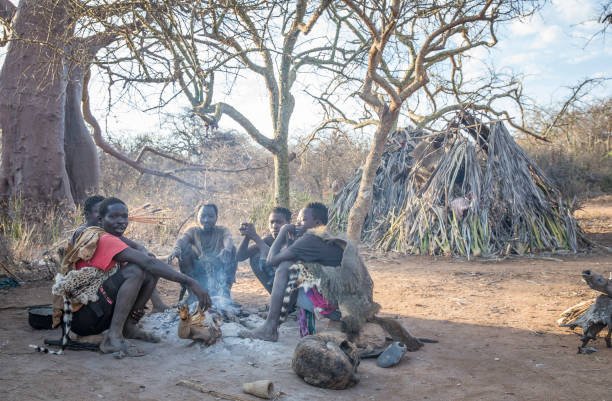
Hadzabe Tribe Day Trip Cost From Moshi/Zanzibar 2026-2027
Hadzabe tribe Day trip cost from Moshi/Zanzibar is explained with current 2026-2027 planning, price, itinerary and booking information.
View package detailsNo related package matches those filters. Clear one or more filters to see the other topic-matched options.
Plan your Moshi Community Tour with Top Guide Adventures
Tell us your travel dates, group size, comfort level, and dream experience. We will help you shape a clear, realistic, and memorable Tanzania itinerary.



