
Updated planning guide for 2026, 2027-2028
Moshi Bike Tour: Complete Guide 2026-2027-2028
Explore the vibrant landscapes and local culture around Moshi, Tanzania, on an unforgettable bike tour. This comprehensive guide covers everything from planning your route to essential packing tips for 2026-2027 adventures.
WhatsApp +255616946642 | topguideadventures@gmail.com | info@topguideadventures.com
Discover Moshi by Bicycle: Your Ultimate Guide to a Moshi Bike Tour
A Moshi bike tour offers a unique perspective on the Tanzanian landscape, culture, and the majestic Mount Kilimanjaro. Moving at a human pace, cycling allows you to connect with local communities, witness daily life unfold, and experience the natural beauty of the region in a way that motorized travel simply cannot match. This guide is crafted to provide you with all the essential information needed to plan, prepare for, and fully enjoy a cycling adventure around Moshi, Tanzania, whether you are considering a trip in 2026 or 2027-2028.
For travelers seeking an authentic Tanzanian experience beyond the typical safari or Kilimanjaro climb, a Moshi bike tour presents an excellent opportunity. It’s an activity that can be tailored to various fitness levels and interests, from leisurely village explorations to more challenging rides through rural farmlands and foothills.
Table of Contents
- Quick Facts About Moshi Bike Tours
- Understanding the Moshi Bike Tour Experience
- Why Choose a Bike Tour in Moshi?
- Best Time to Plan Your Moshi Bike Tour (2026-2027)
- Exploring the Moshi Cycling Routes
- Sample Moshi Bike Tour Itinerary
- What to Expect on Your Cycling Adventure
- Typical Inclusions and Exclusions
- Packing and Preparation Essentials
- Common Mistakes to Avoid
- Who is a Moshi Bike Tour Best Suited For?
- Alternatives to a Dedicated Bike Tour
- Planning Your 2026-2027 Moshi Bike Tour
- Booking Your Moshi Bike Tour
- Frequently Asked Questions
Quick Facts About Moshi Bike Tours
| Aspect | Details |
|---|---|
| Location | Moshi, Kilimanjaro Region, Tanzania |
| Primary Activity | Cycling through rural villages, farmlands, and scenic landscapes. |
| Duration | Typically 1 day to multi-day tours. |
| Difficulty | Varies from easy to moderate, depending on the chosen route and terrain. |
| Best For | Culture enthusiasts, nature lovers, active travelers, families with older children. |
| Key Sights | Mount Kilimanjaro views, local Chagga villages, coffee plantations, waterfalls, local markets. |
| Best Season | Dry seasons: June to October, and January to February. |
| What to Bring | Cycling gear, sunscreen, hat, insect repellent, comfortable clothing, camera, water bottle. |
Understanding the Moshi Bike Tour Experience
A Moshi bike tour is more than just a physical activity; it’s an immersive journey into the heart of Tanzania’s northern highlands. Unlike the fast-paced nature of vehicle-based safaris or the demanding ascent of Kilimanjaro, cycling provides a gentle rhythm that allows for genuine interaction and observation. You’ll pedal past vibrant green coffee and banana plantations, wave to children playing by the roadside, and perhaps stop for a cup of locally grown coffee or a taste of fresh sugarcane juice.
The terrain around Moshi is varied. Some routes are relatively flat, following well-trodden paths through villages and agricultural land. Others might involve gentle inclines as you approach the foothills of Kilimanjaro, offering increasingly spectacular views of the world’s highest freestanding mountain. Your guide will be instrumental in navigating these paths, sharing insights into the local culture, flora, and fauna, and ensuring your safety.
The experience is deeply rooted in connecting with the local Chagga people, who are known for their agricultural prowess and warm hospitality. You might visit a traditional homestead, learn about the coffee-making process from bean to cup, or witness the workings of a local market. These encounters are often the most memorable aspects of the tour, offering a glimpse into a way of life that is both distinct and inspiring.
Why Choose a Bike Tour in Moshi?
Moshi is a gateway to adventure, but its surroundings offer compelling reasons to explore on two wheels.
- Authentic Cultural Immersion: Cycling allows you to access areas and interact with people that might be missed on a typical tourist route. You’ll see daily life in villages, farms, and markets up close.
- Spectacular Scenery: The backdrop of Mount Kilimanjaro is unparalleled. Cycling routes often weave through lush landscapes, offering breathtaking views of the mountain, as well as surrounding valleys and plains.
- Active and Healthy Exploration: It’s a fantastic way to stay active while traveling. The moderate physical activity is rewarding and complements other Tanzanian adventures like safaris or treks.
- Environmental Friendliness: Cycling is a low-impact way to explore, minimizing your environmental footprint and allowing for a quieter, more natural experience.
- Flexibility and Customization: Tours can be adapted to different fitness levels, interests, and time constraints. Whether you want a short village visit or a longer exploration of the Kilimanjaro foothills, options exist.
- Support Local Communities: Many bike tours partner with local guides and community projects, ensuring that your travel directly benefits the people whose lives you are experiencing.
Best Time to Plan Your Moshi Bike Tour (2026-2027)
The weather plays a significant role in the enjoyment of any outdoor activity, and cycling in Moshi is no exception. Tanzania experiences distinct wet and dry seasons, and timing your trip carefully can ensure more comfortable riding conditions.
Dry Seasons:
- June to October: This is generally considered the prime time for visiting northern Tanzania. The weather is dry and sunny, with cooler temperatures, making it ideal for cycling. Mount Kilimanjaro is often clear of clouds, offering magnificent views. This period is also popular for safaris and trekking.
- January to February: These months also fall within a drier period. The weather is typically warm and sunny, offering excellent conditions for cycling. It’s a good alternative if you cannot travel during the June-October window.
Rainy Seasons:
- March to May: This is the long rainy season, characterized by heavy and frequent rainfall. Roads can become muddy and challenging, and visibility of Kilimanjaro may be poor. Cycling during this period is possible but can be less comfortable and may require more flexible itinerary planning.
- November to December: This is the short rainy season. Rainfall is usually less intense than in the long rains but can still occur in the form of afternoon showers. It’s generally manageable for cycling, but some days might be interrupted by rain.
Considerations for 2026-2027 Planning:
When planning your Moshi bike tour for 2026 or 2027-2028, aim for the dry seasons for the best experience. Booking in advance is recommended, especially for the peak months of June-October, as popular tour operators and accommodations fill up quickly.
Exploring the Moshi Cycling Routes
The beauty of a Moshi bike tour lies in its diverse route options, catering to different interests and fitness levels. While specific routes are often customized by tour operators, here are some common areas and types of cycling experiences you can expect:
Route Areas & Types:
| Area/Focus | Terrain | Typical Sights | Difficulty |
|---|---|---|---|
| Moshi Town Outskirts | Paved and dirt roads, mostly flat | Local markets, bustling streets, residential areas, initial views of Kilimanjaro | Easy |
| Chagga Villages (e.g., Marangu, Machame) | Undulating dirt tracks, some paved sections, gentle inclines | Traditional round houses, banana and coffee farms, local schools, community interactions | Easy to Moderate |
| Coffee Plantations | Dirt roads, often with rolling hills | Coffee processing areas, learning about cultivation, tasting fresh coffee, scenic plantation views | Moderate |
| Waterfalls (e.g., Materuni) | Mix of dirt roads and trails, can be steep in sections leading to the falls | Lush vegetation, impressive waterfalls, opportunities for swimming, local village life | Moderate to Challenging (depending on approach) |
| Kilimanjaro Foothills | Dirt roads, significant inclines, varied surfaces | Expansive views of the plains, closer (but still distant) views of Kilimanjaro, rural farming communities | Challenging |
Illustrative Route Outline (Sample Day Trip):
A common day trip might start from Moshi town. You would typically be picked up and driven a short distance to your starting point to avoid initial urban traffic. The ride could then proceed through:
- Village Exploration: Cycle through villages like Mweka or Marangu, observing daily life and interacting with residents.
- Coffee Farm Visit: Journey to a local coffee plantation. Participate in a demonstration of the coffee-making process, from bean to cup, and enjoy a tasting.
- Scenic Landscapes: Pedal through agricultural lands, with views of Mount Kilimanjaro dominating the horizon.
- Local Lunch: Enjoy a traditional Tanzanian meal prepared with local ingredients, possibly at a village home or a local eatery.
- Waterfall Detour (Optional): Depending on the route, a visit to a nearby waterfall like Materuni might be included, involving a short walk or a more challenging cycle track.
- Return to Moshi: Conclude the tour with a transfer back to your accommodation in Moshi.
The exact route will depend on your chosen operator, your fitness level, and the specific interests you communicate during the booking process. Always discuss your preferences with your tour provider.
Sample Moshi Bike Tour Itinerary (3-Day Cultural Immersion)
This sample itinerary is designed for travelers who want to experience the culture and landscapes around Moshi at a relaxed pace, focusing on cycling and local interactions. It’s suitable for 2026 or 2027-2028 travel.
Day 1: Arrival in Moshi & Local Village Cycling
- Morning: Arrive in Moshi, meet your local guide, and have a briefing about the upcoming tour. If you’re arriving from Kilimanjaro International Airport (JRO), a transfer will be arranged.
- Afternoon: After lunch, begin your cycling adventure. Start with a ride through the outskirts of Moshi, gradually moving into nearby villages. The focus is on gentle cycling on mostly flat, dirt roads.
- Activities: Visit a local family compound, learn about their daily routines, and perhaps see how traditional meals are prepared. Stop at a local school (if possible and appropriate) or a community center.
- Evening: Return to your accommodation in Moshi. Enjoy dinner and rest.
Day 2: Coffee Plantations and Kilimanjaro Views
- Morning: After breakfast, cycle towards the coffee-growing regions on the slopes of Mount Kilimanjaro. The terrain will become more undulating.
- Activities: Visit a working coffee plantation. Participate in the entire process from picking the beans to roasting and grinding. Enjoy a fresh cup of coffee while learning about its cultural significance.
- Lunch: Have a picnic lunch amidst the coffee plants or at a local eatery.
- Afternoon: Continue cycling through scenic routes, with increasingly impressive views of Kilimanjaro. Depending on the route, you might visit a local market or a small craft workshop.
- Evening: Return to Moshi. Relax and prepare for the final day.
Day 3: Waterfalls, Local Crafts & Departure
- Morning: Today’s ride takes you to a beautiful waterfall, such as Materuni. This route might involve some steeper sections and potentially a short hike.
- Activities: Explore the lush surroundings of the waterfall, take a refreshing dip in the cool waters, and learn about the local ecosystem. Visit a community involved in traditional crafts.
- Lunch: Enjoy a final local lunch.
- Afternoon: Complete the cycling portion of the tour. You will be transferred back to your accommodation in Moshi or to the airport for your onward journey.
Note: This is a sample. Actual itineraries will vary based on the tour operator and your specific requests. Multi-day tours often include accommodation in local guesthouses or homestays, offering a deeper cultural experience.
What to Expect on Your Cycling Adventure
A Moshi bike tour is designed to be an engaging and often eye-opening experience. Here’s what you can generally anticipate:
- Guides: You will be accompanied by knowledgeable local guides who are proficient in cycling, understand the local culture and environment, and often speak English. They are your key to understanding the nuances of the places you visit.
- Bicycles: Tour operators typically provide well-maintained mountain bikes or hybrid bikes suitable for the terrain. Ensure you communicate any specific needs (e.g., helmet size, bike size) in advance.
- Terrain: Expect a mix of surfaces. Roads can range from paved town roads to dusty, bumpy, or muddy tracks in rural areas. Some routes involve gentle to moderate inclines, especially as you get closer to Kilimanjaro.
- Pace: The pace is generally relaxed, allowing ample time for photos, interactions, and enjoying the scenery. It’s not a race.
- Interactions: Be prepared for friendly greetings from locals. Children will often wave and shout “Jambo!” (Hello!). Engaging respectfully with communities is a core part of the experience.
- Scenery: The ever-present, often stunning, views of Mount Kilimanjaro are a constant backdrop. You’ll also see vibrant agricultural landscapes, diverse vegetation, and local settlements.
- Weather: While planned for dry seasons, weather can change. Be ready for sunshine, heat, and potentially brief rain showers, especially outside the peak dry months.
- Food and Drink: Local meals are often included and offer a taste of Tanzanian cuisine. Ample water will be provided, but carrying your own reusable bottle is recommended.
Typical Inclusions and Exclusions
Understanding what your Moshi bike tour package includes is crucial for budgeting and preparation. While packages vary, here’s a general breakdown:
Common Inclusions:
- Bicycle Rental: A quality mountain or hybrid bicycle.
- Helmet: Safety helmet.
- Guide Services: Experienced local guide(s).
- Vehicle Support (Optional/On Request): For longer tours or specific sections, a support vehicle might be available for luggage or for riders needing a break.
- Entrance Fees: Fees for any specific sites visited (e.g., waterfalls, community projects).
- Meals: Typically includes lunch on day tours, and potentially breakfast/dinner on multi-day tours.
- Water: Bottled or filtered water during the cycling portions.
- Cultural Activities: Guided tours of coffee farms, village visits, etc.
Common Exclusions:
- Flights: International and domestic airfare.
- Visas: Tanzania visa fees.
- Travel Insurance: Comprehensive travel and medical insurance is essential.
- Personal Expenses: Souvenirs, tips, alcoholic beverages, laundry, and other personal items.
- Accommodation: Usually excluded for day tours, but included for multi-day tours (check the specific package).
- Tips: Gratuities for guides and support staff are customary and appreciated.
- Optional Activities: Any activities not explicitly mentioned in the itinerary.
Always confirm the exact inclusions and exclusions with your tour operator before booking. For 2026-2027 trips, this clarity is vital for accurate planning.
Packing and Preparation Essentials
Proper preparation ensures a comfortable and safe Moshi bike tour. Here’s what you should consider packing:
Cycling Gear:
- Cycling Shorts/Padded Trousers: For comfort on the saddle.
- Jerseys/Breathable Tops: Lightweight, moisture-wicking shirts.
- Cycling Gloves: For grip and to protect hands in case of a fall.
- Cycling Shoes (Optional): If you prefer them, otherwise sturdy athletic shoes are fine.
- Helmet: While usually provided, you might prefer your own for fit and comfort.
Clothing:
- Lightweight Trousers/Convertible Pants: For cycling and cooler evenings.
- Shorts: For warmer days or relaxing.
- T-shirts and Long-Sleeved Shirts: Breathable fabrics. Long sleeves are good for sun protection.
- Light Jacket or Fleece: For cooler mornings or evenings.
- Rain Jacket: A lightweight, waterproof jacket is advisable, especially outside the main dry season.
- Comfortable Shoes: For evenings and non-cycling activities.
- Socks: Plenty of pairs, moisture-wicking if possible.
Health and Safety:
- Sunscreen: High SPF, broad-spectrum.
- Insect Repellent: Especially for evenings.
- Personal First-Aid Kit: Include any personal medications, pain relievers, antiseptic wipes, bandages.
- Hand Sanitizer: For hygiene on the go.
- Water Bottle: A reusable one is environmentally friendly.
Other Essentials:
- Backpack/Daypack: For carrying water, snacks, camera, and personal items during rides.
- Camera: To capture the stunning scenery and experiences.
- Power Bank: For charging devices on the go.
- Sunglasses: For eye protection from sun and dust.
- Hat/Cap: For sun protection.
- Identification and Travel Documents: Passport, visa, insurance details.
Preparation:
- Fitness: While not overly strenuous, having a basic level of fitness will enhance your enjoyment. Try to cycle or engage in cardio activities in the weeks leading up to your trip.
- Hydration: Start hydrating well before your trip.
- Bike Fit: If you have specific bike fit needs or concerns, discuss them with your tour operator.
Common Mistakes to Avoid
To ensure your Moshi bike tour is as smooth and enjoyable as possible, be aware of these common pitfalls:
- Underestimating the Terrain and Climate: While seemingly flat, rural roads can be challenging, and the equatorial sun can be intense. Don’t assume it will be easy.
- Not Staying Hydrated: Dehydration can quickly lead to fatigue and illness. Drink water constantly, even if you don’t feel thirsty.
- Insufficient Sun Protection: The equatorial sun is strong. Forgetting sunscreen, hats, or sunglasses can lead to painful sunburn, impacting your entire trip.
- Wearing Inappropriate Clothing: Tight, non-breathable clothing or heavy fabrics will make cycling uncomfortable. Opt for light, moisture-wicking materials.
- Ignoring Your Body: Pushing yourself too hard and ignoring signs of fatigue or discomfort can lead to injury or illness. Listen to your body and communicate with your guide.
- Cultural Insensitivity: Remember you are visiting local communities. Dress respectfully, ask permission before taking photos of people, and be mindful of local customs.
- Not Booking with Reputable Operators: Choosing a cheap, unverified operator can lead to poor quality bikes, unqualified guides, and safety issues. Research and book with trusted companies.
- Forgetting Travel Insurance: An accident or illness without adequate insurance can be financially devastating. Always have comprehensive coverage.
- Not Communicating Needs: If you have dietary restrictions, physical limitations, or specific interests, inform your tour operator well in advance.
- Overpacking: While it’s good to be prepared, pack light. You’ll likely be carrying your own daypack, and excessive weight can be tiring.
Who is a Moshi Bike Tour Best Suited For?
A Moshi bike tour appeals to a wide range of travelers, but it particularly shines for those who:
- Seek Authentic Cultural Experiences: If you want to go beyond tourist sites and connect with local people and their way of life, this is ideal.
- Enjoy Active Travel: Travelers who like to incorporate physical activity into their holidays will find this rewarding. It’s a great way to see a lot without being sedentary.
- Appreciate Nature and Scenery: The stunning backdrop of Kilimanjaro and the lush agricultural landscapes make it a visually rich experience.
- Are Adventurous but Not Extreme Athletes: The routes are generally manageable for most people with a moderate fitness level. It’s an adventure, but not necessarily a high-intensity endurance test.
- Are Traveling with Family (with considerations): Families with older children (teenagers and above) can enjoy this together. Younger children might find it challenging unless specific family-friendly routes are arranged.
- Want a Different Perspective on Tanzania: For those who have done safaris or Kilimanjaro climbs, this offers a complementary and grounded experience.
- Are Environmentally Conscious: Cyclists who prefer low-impact tourism will appreciate the eco-friendly nature of this activity.
It might be less suitable for those seeking purely luxurious, relaxed experiences without any physical exertion, or for travelers with significant mobility issues.
Alternatives to a Dedicated Bike Tour
If a full Moshi bike tour isn’t quite right for you, or if you want to combine it with other activities, consider these alternatives:
- Guided Walking Tours: Explore villages and local areas on foot for a more intimate connection with the immediate surroundings. This is excellent for very short distances and detailed observation.
- Cultural Village Visits (Vehicle-Assisted): If cycling is not feasible, many operators offer day trips to villages or cultural sites using vehicles, with opportunities to walk around the specific locations.
- Day Hikes in Kilimanjaro National Park: For more strenuous outdoor activity with incredible views, consider guided day hikes on the lower slopes of Kilimanjaro (e.g., to Mandara Hut, though this is a significant trek).
- Coffee Tour with Tasting: Focus specifically on the coffee-making process, often combined with a visit to a plantation and a tasting session, without extensive cycling.
- Waterfall Excursions: Trips to waterfalls like Materuni can be done via vehicle, with walking involved at the site.
- Local Market Visits: Explore Moshi’s vibrant markets with a guide to understand local commerce and culture.
- Day Trips to Nearby Attractions: Combine a shorter cycling experience with a visit to other attractions like Lake Chala or the Shira Plateau via vehicle.
Many tour operators can help you craft a custom itinerary that blends cycling with these other activities, ensuring you experience the Moshi region in a way that perfectly suits your interests and capabilities.
Planning Your 2026-2027 Moshi Bike Tour
Planning ahead is key for a successful trip, especially when considering future travel dates like 2026 or 2027-2028. Here’s a planning timeline and checklist:
Timeline for 2026-2027 Planning:
- 12-18 Months Before: Start researching tour operators, destinations, and potential dates. Consider the best time to visit (dry seasons). Book international flights if you find good deals.
- 6-12 Months Before: Finalize your chosen tour operator and itinerary. Book your Moshi bike tour. Apply for your Tanzania visa if required.
- 3-6 Months Before: Purchase travel insurance. Start planning your packing list and begin any necessary fitness preparations. Book internal flights or onward travel arrangements.
- 1-3 Months Before: Purchase any specific gear you need (e.g., cycling shorts, good walking shoes). Confirm all booking details with your tour operator.
- 2-4 Weeks Before: Get any necessary vaccinations or malaria prophylaxis (consult your doctor). Inform your bank about your travel dates. Pack your bags.
- 1 Week Before: Double-check all documents, make copies, and store them separately. Confirm airport transfers.
Planning Checklist:
| Task | Status |
|---|---|
| Research Tour Operators | |
| Select Tour & Itinerary | |
| Book Moshi Bike Tour | |
| Book International Flights | |
| Book Domestic/Onward Travel | |
| Obtain Tanzania Visa | |
| Purchase Travel Insurance | |
| Consult Doctor (Vaccinations/Meds) | |
| Fitness Preparation | |
| Pack Essential Gear | |
| Prepare Travel Documents (Copies) | |
| Inform Bank of Travel Dates | |
| Arrange Airport Transfers |
By following this guide and checklist, you can ensure your 2026 or 2027-2028 Moshi bike tour is well-organized and a fantastic experience.
Booking Your Moshi Bike Tour
Choosing the right tour operator is paramount for a safe, enjoyable, and authentic Moshi bike tour. Here’s how to approach booking:
- Research Reputable Operators: Look for tour companies with a strong presence in Tanzania, particularly those specializing in cycling or cultural tours. Check online reviews (TripAdvisor, Google Reviews), but also look for testimonials on their own websites. Best Tanzania Tour operator, like Top Guide Adventures, is a great starting point.
- Verify Experience and Local Knowledge: Ensure the operator employs local guides who possess deep knowledge of the area, culture, and cycling routes. This enhances authenticity and supports the local economy.
- Check Inclusions and Exclusions Carefully: As detailed earlier, understand exactly what is covered. Don’t assume anything. A clear itinerary with inclusions/exclusions is a sign of a professional operator.
- Inquire About Bike Quality and Safety: Ask about the type and maintenance of the bicycles provided. Ensure helmets are mandatory and in good condition. Safety should be a top priority.
- Discuss Customization Options: If you have specific interests (e.g., photography, bird watching, specific villages) or fitness concerns, ask if the tour can be customized. Operators like Top Guide Adventures are known for their flexibility in creating tailored experiences.
- Clarify Support and Emergency Procedures: For longer or more remote tours, understand if a support vehicle is available and what emergency protocols are in place.
- Payment Terms: Understand the deposit requirements, payment schedule, and cancellation policy. Reputable operators will have clear, fair terms.
- Communication: Choose an operator that communicates clearly and responds promptly to your inquiries. This is often an indicator of their service quality.
Contacting Top Guide Adventures:
For a reliable and enriching Moshi bike tour experience, consider reaching out to local experts. Top Guide Adventures is a well-regarded Tanzanian tour operator known for its commitment to authentic experiences and customer satisfaction. They can help you craft the perfect cycling adventure for 2026 or 2027-2028.
WhatsApp: +255616946642
Email: topguideadventures@gmail.com
Backup Email: info@topguideadventures.com
Discuss your interests, desired duration, and fitness level with them. They can provide tailored recommendations and create a personalized itinerary for your Moshi bike tour.
Frequently Asked Questions
Q1: What is the average fitness level required for a Moshi bike tour?
A1: Most Moshi bike tours are designed for a moderate fitness level. The terrain can be hilly, and you’ll be cycling on dirt roads. However, tours can be customized. If you’re concerned, opt for shorter routes or discuss your fitness with the operator. Basic cycling ability and reasonable stamina are usually sufficient.
Q2: Can I bring my own bicycle?
A2: While you can, it’s generally not necessary or practical. Tour operators provide well-maintained bikes suitable for the local terrain. Bringing your own can involve complex logistics and customs procedures. It’s best to use the provided bikes unless you have very specific needs.
Q3: What happens if it rains during my bike tour?
A3: If it rains, your guide will assess the situation. For light showers, you might continue with rain gear. For heavy downpours that make conditions unsafe or unpleasant, the tour might be shortened, altered, or rescheduled if possible. Reputable operators have contingency plans.
Q4: Are guides available in English?
A4: Yes, English-speaking guides are standard for most tours catering to international visitors. They are essential for communication, cultural insights, and safety.
Q5: What should I do about tipping my guide?
A5: Tipping is customary and greatly appreciated in Tanzania for good service. While not mandatory, a tip of 10-20 USD per person per day for the guide is a common guideline, but this can vary based on the tour length and group size. Your tour operator can provide specific recommendations.
Q6: Is it safe to cycle in Moshi?
A6: Yes, Moshi bike tours are generally safe when conducted with a reputable operator. Guides are experienced with local conditions, traffic (though minimal on rural routes), and potential hazards. Following your guide’s instructions is crucial for safety.
Q7: Can I book a Moshi bike tour for 2026 or 2027?
A7: Absolutely! Planning for 2026 and 2027-2028 is a great idea. Booking in advance, especially for peak seasons, is highly recommended to secure your preferred dates and operators.
Q8: What are the visa requirements for Tanzania?
A8: Visa requirements vary by nationality. Many nationalities can obtain a visa on arrival or apply online in advance. It’s essential to check the latest requirements for your specific passport well before your travel dates.
Q9: What currency is used in Moshi?
A9: The official currency is the Tanzanian Shilling (TZS). However, US Dollars are widely accepted for tourist services, especially for larger payments and tips. It’s advisable to have some local currency for smaller purchases in markets or local shops.
Q10: Can I charge my electronic devices during the tour?
A10: On day tours, charging facilities might be limited. For multi-day tours with accommodation, your guesthouses or lodges will likely have charging points. Carrying a power bank is a practical solution for keeping devices charged while on the move.
Ready for Your Moshi Bike Tour Adventure?
A Moshi bike tour offers an unparalleled way to connect with the heart of Tanzania. From the vibrant Chagga culture to the breathtaking vistas of Mount Kilimanjaro, cycling through this region provides memories that last a lifetime. Whether you are planning for 2026 or looking ahead to 2027-2028, now is the perfect time to start organizing your adventure.
Let the experts at Top Guide Adventures help you craft the perfect Moshi bike tour. With their local knowledge and commitment to authentic experiences, they can tailor an itinerary to suit your interests, fitness level, and timeframe. Don’t miss the chance to explore Moshi from a unique perspective.
Contact us today to begin planning your unforgettable Moshi bike tour:
WhatsApp: +255616946642
Email: topguideadventures@gmail.com
Backup Email: info@topguideadventures.com
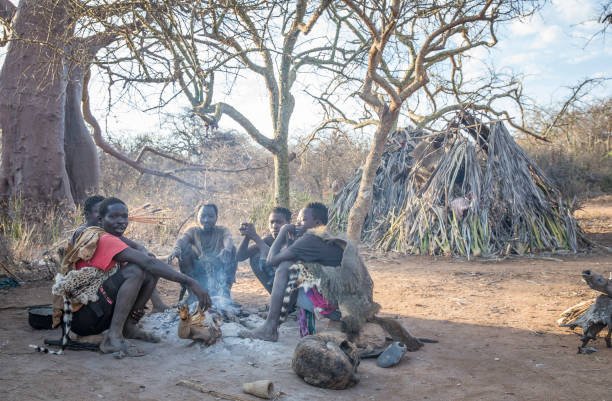
Hadzabe Tribe Day Trip Cost From Moshi/Zanzibar 2026-2027
Hadzabe tribe Day trip cost from Moshi/Zanzibar is explained with current 2026-2027 planning, price, itinerary and booking information.
View package detailsNo related package matches those filters. Clear one or more filters to see the other topic-matched options.
Plan your Moshi Bike Tour with Top Guide Adventures
Tell us your travel dates, group size, comfort level, and dream experience. We will help you shape a clear, realistic, and memorable Tanzania itinerary.



