
Updated planning guide for 2026, 2027
Masai Mara Ecotourism: A Guide to Responsible Safari Adventures in Kenya
Embark on a journey into the heart of Kenya's iconic Masai Mara National Reserve with our comprehensive guide to ecotourism. Learn how to experience its breathtaking wildlife and vibrant culture responsibly, ensuring your adventure contributes positively to conservation efforts and local communities. Discover the best times to visit, ethical safari practices, accommodation options, and practical planning advice for your 2026 or 2027 trip.
WhatsApp +255616946642 | info@topguideadventures.com | topguideadventures@gmail.com
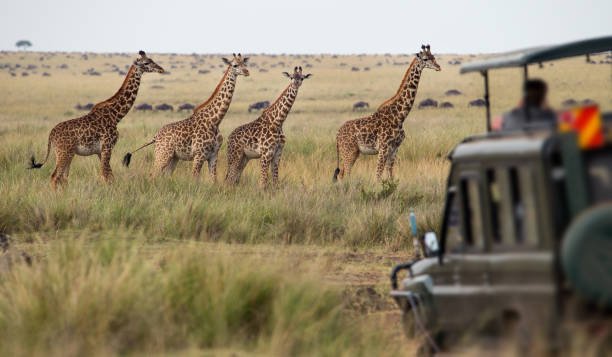
Understanding Masai Mara Ecotourism: More Than Just a Safari
The Masai Mara National Reserve in Kenya is a name synonymous with the quintessential African safari. Its vast savannahs teem with an unparalleled density of wildlife, offering dramatic predator-prey interactions, the awe-inspiring Great Migration, and a profound connection to the natural world. However, in an era of increasing global awareness about environmental impact and community welfare, the concept of masai mara ecotourism has become paramount. This isn’t just about observing wildlife; it’s about engaging with this magnificent ecosystem in a way that ensures its preservation for future generations and benefits the people who call this land home.
Ecotourism, at its core, is responsible travel to natural areas that conserves the environment, sustains the well-being of the local people, and involves interpretation and education. When applied to the Masai Mara, it means choosing safari operators, accommodations, and activities that adhere to strict environmental and social guidelines. It’s about minimizing our footprint, respecting local cultures, and actively contributing to conservation initiatives. For travelers planning a trip in 2026 or 2027, understanding and embracing ecotourism principles will transform a standard safari into a deeply meaningful and impactful experience.
Why Choose Masai Mara Ecotourism for Your Next Safari?
The allure of the Masai Mara is undeniable, but the ‘why’ behind choosing an ecotourism approach is multifaceted and deeply rewarding:
1. Preserving an Irreplaceable Ecosystem
The Masai Mara is a UNESCO World Heritage site and a vital part of the Serengeti-Mara ecosystem. Ecotourism directly supports conservation efforts by funding anti-poaching patrols, habitat management, research, and the protection of endangered species. By choosing eco-friendly lodges and tour operators, you contribute to a system that prioritizes the long-term health of the Mara’s flora and fauna.
2. Empowering Local Communities
The Maasai people are the traditional custodians of this land. True ecotourism fosters partnerships that provide direct economic benefits to local communities through employment, sourcing local produce and crafts, and supporting community-led conservation projects. This ensures that the people who live alongside wildlife have a vested interest in its protection.
3. Authentic and Immersive Experiences
Eco-lodges and responsible tour operators often offer more authentic experiences. This can include guided walks with Maasai warriors, visits to local villages (conducted respectfully and with community consent), and educational talks about conservation challenges and successes. These interactions provide a deeper understanding of the Mara beyond just wildlife sightings.
4. Minimizing Environmental Impact
Responsible ecotourism operators implement sustainable practices such as waste management, water conservation, renewable energy use, and minimizing noise and light pollution. They also adhere to strict rules within the park, such as staying on designated tracks to prevent soil erosion and avoiding off-road driving that can disturb wildlife.
5. Educating Travelers
A key component of ecotourism is education. Responsible operators and guides will share insights into the ecosystem, the challenges it faces, and the importance of conservation. This knowledge empowers travelers to become advocates for wildlife and sustainable tourism long after their trip concludes.
Best Time to Visit the Masai Mara for Ecotourism
While the Masai Mara is a year-round destination, certain periods offer distinct advantages, especially when considering ecotourism and wildlife viewing. Planning your visit for 2026 or 2027 requires understanding these nuances.
The Great Migration (July – October)
This is arguably the most famous wildlife spectacle on Earth. Millions of wildebeest, zebras, and gazelles traverse the plains in search of fresh grazing, crossing the Mara River in dramatic fashion. This period attracts significant visitor numbers, making it crucial to choose operators committed to managing tourist impact responsibly. Ecotourism efforts during this peak time focus on minimizing disturbance to the migrating herds and ensuring visitor numbers at river crossings are managed.
The Dry Season (June – October)
Outside of the migration river crossings, the dry season is excellent for game viewing. The grass is shorter, making animals easier to spot, and wildlife congregates around water sources. This is also a good time for birdwatching. Lodges often implement water-saving measures during this period.
The Green Season (November – May)
This period offers lush landscapes, dramatic skies, and newborn wildlife. It’s a fantastic time for photography and offers a more tranquil experience with fewer crowds. Birdlife is particularly spectacular during these months. Ecotourism providers often highlight the unique beauty and tranquility of the Mara during the green season, showcasing the ecosystem’s resilience.
Planning Tip for 2026/2027: If you aim to witness the Great Migration, book well in advance, especially for eco-certified accommodations. For a quieter, equally rewarding experience with abundant wildlife, consider the shoulder months of June or late October/early November, or the green season.
Crafting Your Masai Mara Ecotourism Itinerary
A well-planned itinerary is key to a fulfilling and responsible Masai Mara experience. Here’s a sample itinerary focusing on ecotourism principles, designed for a 7-day safari. This can be customized for your 2026 or 2027 adventure.
Day 1: Arrival in Nairobi & Introduction to Kenya
Arrive at Jomo Kenyatta International Airport (NBO), Nairobi. You’ll be met by your guide and transferred to a comfortable, sustainably-minded hotel. Depending on your arrival time, you might have a briefing about your upcoming safari and the principles of ecotourism in Kenya.
Accommodation: Eco-conscious hotel in Nairobi.
Day 2: Fly to the Masai Mara & First Game Drive
After breakfast, transfer to Wilson Airport for a scenic bush flight to the Masai Mara. This reduces travel time and carbon footprint compared to road travel. Upon landing at a local airstrip, you’ll be met by your lodge’s guide and vehicle. Enjoy a game drive en route to your eco-lodge, settling in before an afternoon game drive.
Focus: Understanding lodge’s sustainability practices, initial wildlife spotting.
Accommodation: Eco-lodge in the Masai Mara.
Day 3: Exploring the Mara Plains – Game Drives
Embark on morning and afternoon game drives in open-top 4×4 vehicles designed for minimal environmental impact. Your experienced Maasai guide will share insights into animal behavior, conservation challenges, and the delicate balance of the ecosystem. Focus on observing wildlife ethically, maintaining a respectful distance.
Focus: Big Five spotting, predator-prey dynamics, birdwatching.
Accommodation: Eco-lodge in the Masai Mara.
Day 4: Cultural Immersion & Maasai Village Visit
Today offers a chance for cultural exchange. Visit a Maasai village (manyungata) that partners with your lodge, ensuring a respectful and mutually beneficial interaction. Learn about their traditions, social structures, and connection to the land. Some tours may include a visit to a local school or women’s group supported by tourism revenue.
Focus: Understanding Maasai culture, community-based conservation initiatives.
Accommodation: Eco-lodge in the Masai Mara.
Day 5: Walking Safari & Conservation Focus
Experience the Mara on foot with a guided walking safari led by an armed ranger and Maasai guide. This offers a different perspective, allowing you to appreciate the smaller details of the bush, track animals, and learn about medicinal plants. This activity is typically conducted in areas outside the main reserve or in community conservancies, supporting local guiding initiatives.
Focus: Tracking skills, bush knowledge, appreciating smaller flora and fauna.
Accommodation: Eco-lodge in the Masai Mara.
Day 6: Optional Hot Air Balloon Safari & Farewell Drive
Consider an optional early morning hot air balloon safari for a breathtaking aerial view of the Mara. This is a low-impact activity offering unparalleled photographic opportunities. The rest of the day is dedicated to a final game drive, perhaps seeking out specific species or revisiting favorite spots.
Focus: Unique perspectives, final wildlife encounters.
Accommodation: Eco-lodge in the Masai Mara.
Day 7: Departure from the Mara
Enjoy a final breakfast at your lodge before a game drive to the airstrip for your flight back to Nairobi. Connect with your international flight or spend an additional night in Nairobi.
Focus: Reflecting on the experience, departure.
What to Expect from Masai Mara Ecotourism Providers
When selecting a tour operator or lodge for your masai mara ecotourism adventure, look for commitments and practices that align with responsible travel principles. Here’s what you can expect:
Eco-Certified Accommodations
Reputable eco-lodges often hold certifications from organizations like Ecotourism Kenya, Fair Trade Tourism, or Green Globe. They typically feature:
- Sustainable Construction: Built using local, natural materials with minimal disruption to the environment.
- Renewable Energy: Primarily powered by solar energy, with backup generators used sparingly.
- Water Conservation: Efficient water usage, rainwater harvesting, and effective wastewater treatment systems.
- Waste Management: Comprehensive recycling programs, composting, and minimizing single-use plastics.
- Local Employment: Prioritizing hiring and training staff from local communities.
- Community Support: Direct contributions to local schools, healthcare, or conservation projects.
Responsible Safari Operations
Your tour operator and guides should demonstrate:
- Ethical Wildlife Viewing: Maintaining safe and respectful distances, avoiding off-road driving that damages vegetation, minimizing time spent with any single sighting to allow other vehicles access, and never feeding or baiting animals.
- Trained and Certified Guides: Knowledgeable guides who understand wildlife behavior, conservation issues, and local culture. Many are local Maasai, providing authentic insights.
- Low-Impact Vehicles: Well-maintained 4×4 safari vehicles designed for minimal disturbance.
- Small Group Sizes: Limiting the number of guests per vehicle to enhance the experience and reduce impact.
- Cultural Sensitivity: Ensuring any community visits are conducted with respect, authenticity, and community consent, with a portion of the fee directly benefiting the community.
- Contribution to Conservation: A portion of your safari cost may directly fund conservation initiatives or park fees that support the reserve.
Practical Tips for Responsible Masai Mara Travel
Maximize your positive impact and ensure a smooth, enjoyable trip with these practical tips:
Packing Essentials for Ecotourism
- Neutral-Colored Clothing: Avoid bright colors that can startle wildlife. Think khaki, beige, olive green.
- Layers: Mornings and evenings can be cool, while midday is warm. Pack light layers.
- Sun Protection: High SPF sunscreen, a wide-brimmed hat, and sunglasses are essential.
- Insect Repellent: Especially important during the green season. Choose eco-friendly options if possible.
- Reusable Water Bottle: Many lodges provide filtered water stations to refill your bottle, significantly reducing plastic waste.
- Binoculars: Essential for spotting distant wildlife and appreciating details.
- Camera with Extra Batteries/Memory Cards: You’ll want to capture every moment.
- Biodegradable Toiletries: Minimize your impact on water sources.
- Small Backpack: For day trips and carrying essentials during game drives.
During Your Safari
- Respect Wildlife: Never approach or feed animals. Stay in your vehicle unless instructed otherwise by your guide. Avoid loud noises.
- Conserve Resources: Be mindful of water and electricity usage at your lodge. Turn off lights and fans when not in use.
- Minimize Waste: Avoid single-use plastics. Pack out everything you pack in, especially on walking safaris.
- Support Local: Purchase authentic Maasai crafts directly from artisans or community cooperatives.
- Ask Questions: Engage with your guides and lodge staff about their conservation efforts and community initiatives.
- Be Culturally Sensitive: When visiting villages, ask permission before taking photos of people. Dress modestly.
Health and Safety
- Consult your doctor regarding necessary vaccinations (e.g., Yellow Fever) and malaria precautions well in advance of your 2026/2027 trip.
- Drink only bottled or purified water.
- Follow your guide’s instructions at all times, especially during walking safaris or when encountering wildlife.
- Ensure you have adequate travel insurance.
Who is Masai Mara Ecotourism For?
Masai Mara ecotourism appeals to a wide range of travelers, particularly those who:
- Are Environmentally Conscious: Travelers who prioritize minimizing their ecological footprint and supporting conservation.
- Seek Authentic Experiences: Those looking for genuine cultural interactions and a deeper understanding of the destination beyond surface-level tourism.
- Value Community Impact: Individuals who want their travel spending to directly benefit local populations and contribute to sustainable development.
- Appreciate Quality Over Quantity: Travelers who prefer smaller, more intimate lodges and experiences over mass tourism.
- Are Passionate About Wildlife: Anyone with a deep love for animals and a desire to see them in their natural habitat while ensuring their protection.
- Families: Educational opportunities abound for children, teaching them about conservation, different cultures, and the natural world. Choose family-friendly eco-lodges.
- Couples and Honeymooners: The romantic and secluded nature of many eco-lodges provides a perfect setting for special occasions.
Essentially, if you believe that travel should be a force for good, then masai mara ecotourism is the ideal way to experience this incredible part of Kenya.
Choosing the Right Eco-Lodge and Tour Operator
Selecting the right partners is crucial for a successful ecotourism safari. Here’s what to look for:
Eco-Lodges:
- Location: Some lodges are situated within the reserve, while others are in adjacent community conservancies. Conservancies often offer more exclusive experiences, walking safaris, and night drives, with a direct benefit model for local communities.
- Sustainability Credentials: Research their environmental policies, energy sources, waste management, and water practices. Look for evidence of community engagement and support.
- Guest Reviews: Read reviews focusing on sustainability, community interaction, and the overall guest experience.
Tour Operators:
- Reputation: Look for operators with a strong track record in responsible tourism and deep knowledge of the Masai Mara.
- Transparency: They should be clear about how your money is used, including park fees, community contributions, and conservation efforts.
- Customization: A good operator will work with you to tailor an itinerary that meets your interests while adhering to ecotourism principles.
- Local Partnerships: Operators who work closely with local communities and employ local guides often provide a more authentic and beneficial experience.
Booking for 2026/2027: Planning Ahead
The demand for responsible and high-quality safari experiences in the Masai Mara is growing. For peak seasons, especially the Great Migration, booking your 2026 or 2027 safari at least 9-12 months in advance is highly recommended. This ensures availability at top eco-lodges and with reputable tour operators.
Frequently Asked Questions about Masai Mara Ecotourism
What makes a safari in Masai Mara ‘eco-friendly’?
An eco-friendly safari prioritizes minimizing environmental impact and maximizing benefits to local communities and conservation efforts. This includes staying at lodges with sustainable practices (renewable energy, waste management, water conservation), using responsible tour operators who adhere to ethical wildlife viewing guidelines, respecting local culture, and contributing to conservation initiatives.
How does ecotourism help wildlife conservation in the Masai Mara?
Ecotourism provides a vital revenue stream that directly funds conservation. Park fees, lodge revenues, and contributions from responsible tour operators support anti-poaching units, habitat preservation, wildlife research, and anti-poaching patrols. It also creates economic incentives for local communities to protect wildlife rather than view it as a threat or resource to be exploited.
Are Maasai community visits respectful and beneficial?
When organized ethically by responsible tour operators and eco-lodges, Maasai community visits can be highly respectful and beneficial. They provide income for the community through entrance fees or the sale of handicrafts, foster cultural understanding, and allow visitors to see firsthand how tourism can support traditional ways of life. It’s crucial that these visits are conducted with community consent and transparency.
Is Masai Mara safe for ecotourism?
Yes, the Masai Mara is generally very safe for ecotourism when undertaken with reputable operators. Guides are highly trained in wildlife behavior and safety protocols. Standard safety precautions apply, such as following guide instructions, not leaving vehicles unsupervised, and being aware of your surroundings. Health precautions, like malaria prevention, should be discussed with your doctor before your 2026 or 2027 travel dates.
What is the difference between staying inside the reserve vs. a conservancy?
Lodges inside the reserve offer direct access to the main wildlife viewing areas. Lodges in adjacent community conservancies often provide a more exclusive experience with fewer vehicles, opportunities for walking safaris, and night drives (which are usually restricted in the main reserve). Conservancies typically have a stronger direct benefit-sharing model with local Maasai communities.
How can I minimize my plastic waste on a Masai Mara safari?
Bring a reusable water bottle and refill it at lodges that provide filtered water. Avoid purchasing single-use plastic water bottles. Say no to plastic straws and unnecessary plastic packaging. Many eco-lodges are actively working to eliminate single-use plastics from their operations.
What are the best months for wildlife viewing in Masai Mara, and how does ecotourism play a role?
The dry season (June to October) is prime for wildlife viewing as animals congregate around water sources and the Great Migration occurs (July-October). During this peak time, ecotourism principles are vital for managing visitor impact, ensuring wildlife is not overly disturbed, and distributing benefits equitably. The green season (November-May) offers lush landscapes and fewer crowds, showcasing the ecosystem’s different beauty.
Your Responsible Masai Mara Adventure Awaits
The Masai Mara is a treasure, offering some of the most spectacular wildlife viewing on the planet. By choosing masai mara ecotourism, you ensure that your journey not only creates lifelong memories but also contributes positively to the preservation of this iconic landscape and the well-being of its people. Whether you’re planning for 2026, 2027, or beyond, embracing responsible travel practices will elevate your safari experience from ordinary to extraordinary.
At Top Guide Adventures, we are passionate about creating authentic, sustainable, and unforgettable safari experiences in Tanzania and Kenya. We partner with eco-lodges and operators committed to conservation and community empowerment. Let us help you craft your perfect Masai Mara ecotourism adventure, ensuring a trip that is both breathtaking and beneficial.
Ready to plan your responsible safari? Contact us today to discuss your dream trip:
WhatsApp: +255616946642
Email: info@topguideadventures.com
Backup Email: topguideadventures@gmail.com
Plan your masai mara ecotourism with Top Guide Adventures
Tell us your travel dates, group size, comfort level, and dream experience. We will help you shape a clear, realistic, and memorable Tanzania itinerary.



