
Updated planning guide for 2026, 2027-2028
Lake Natron Ol Doinyo Lengai Hike From Moshi: Complete Guide 2026-2027-2028
Your comprehensive guide to undertaking the Lake Natron and Ol Doinyo Lengai hike originating from Moshi. Discover detailed planning advice, itinerary options, essential preparation, and booking insights for your 2026-2027 adventure.
WhatsApp +255616946642 | topguideadventures@gmail.com | info@topguideadventures.com
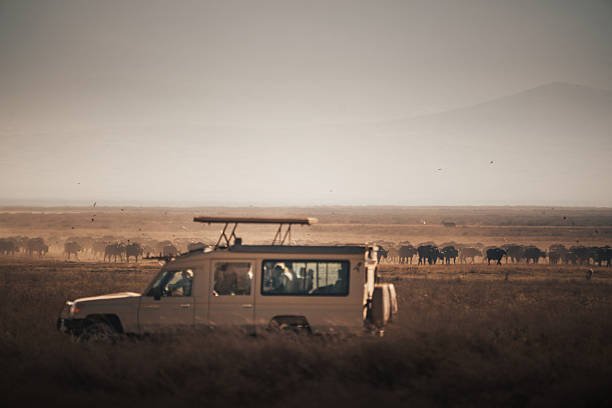
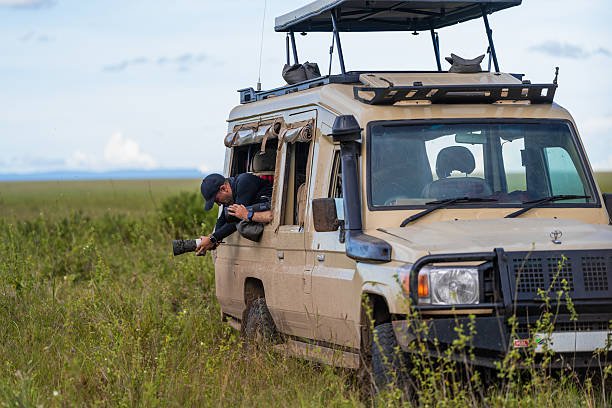
Lake Natron Ol Doinyo Lengai Hike From Moshi: Your Ultimate Planning Guide
The prospect of hiking Ol Doinyo Lengai, the ‘Mountain of God,’ and experiencing the stark beauty of Lake Natron is a powerful draw for adventurous travelers. Many journeys to this unique region begin in Moshi, a town well-known as the gateway to Mount Kilimanjaro. This guide provides an in-depth look at organizing a Lake Natron Ol Doinyo Lengai hike from Moshi, covering everything from initial planning and itinerary options to practical preparation and what to expect on the ground. Whether you are considering this adventure for 2026, 2027, or 2028, this resource aims to equip you with the knowledge needed for a successful trip.
This journey is more than just a trek; it’s an immersion into a landscape sculpted by volcanic forces and inhabited by the Maasai people. Ol Doinyo Lengai stands as the world’s only active volcano erupting natrocarbonatite lava, giving its slopes a distinct appearance. Lake Natron, its alkaline waters teeming with brine shrimp and algae, creates a stunning, often surreal, visual spectacle, especially during migratory bird seasons.
Quick Facts: Lake Natron & Ol Doinyo Lengai Adventure
| Feature | Details |
|---|---|
| Starting Point (Typical) | Moshi, Tanzania |
| Primary Activity | Hiking Ol Doinyo Lengai, Exploring Lake Natron |
| Ol Doinyo Lengai Elevation | Approx. 2,960 meters (9,711 feet) |
| Lake Natron Features | Highly alkaline lake, salt crusts, soda ash deposits, birdlife |
| Best Time to Visit | June to October (dry season), January to February |
| Typical Duration | 3 to 5 days (including travel from Moshi) |
| Required Fitness Level | Moderate to High (for Ol Doinyo Lengai climb) |
| Accommodation | Campsites, basic lodges/guesthouses |
| Key Considerations | Heat, altitude, rugged terrain, limited facilities, cultural sensitivity |
Understanding the Lake Natron Ol Doinyo Lengai Hike From Moshi
Embarking on a Lake Natron Ol Doinyo Lengai hike from Moshi involves a significant journey. Moshi is located in the Kilimanjaro region, while Lake Natron and Ol Doinyo Lengai are situated in the Great Rift Valley, a considerable distance away. This means that travel time and logistics are crucial components of any itinerary.
The typical route from Moshi involves a drive of several hours, often on rough roads, to reach the vicinity of Lake Natron. From there, arrangements are made for the Ol Doinyo Lengai climb itself, which is usually undertaken at night to avoid the extreme daytime heat and to witness the sunrise from the summit. Exploring the lake and its surroundings typically takes place during daylight hours.
Why Choose This Adventure?
This trip appeals to those seeking a raw, less-commercialized African experience. It offers:
- Unique Geology: Witness an active volcano and a highly alkaline lake, geological marvels found nowhere else.
- Cultural Immersion: Interact with the Maasai people, who consider Ol Doinyo Lengai sacred.
- Challenging Trek: The climb up Ol Doinyo Lengai is steep and demanding, offering a sense of accomplishment.
- Stunning Landscapes: The stark beauty of the Rift Valley, dotted with acacia trees and arid plains, provides a dramatic backdrop.
- Wildlife Encounters: While not a typical safari destination, you might see zebras, gazelles, ostriches, and a variety of birdlife, especially flamingos at certain times.
The Allure of Ol Doinyo Lengai
Ol Doinyo Lengai, meaning ‘The Mountain of God’ in the Maasai language, is an active stratovolcano. Its eruptions are unique because they spew natrocarbonatite lava, a type of lava low in silica and high in sodium carbonate. This results in a fluid, black lava that cools to a lighter greyish-white, giving the mountain its distinctive appearance. The climb is steep, with scree slopes and loose volcanic ash making the ascent challenging. The reward is a panoramic view of the Rift Valley, Lake Natron, and on clear days, even Mount Kilimanjaro and Mount Meru.
The Mystique of Lake Natron
Lake Natron is one of Tanzania’s most visually striking and ecologically unique features. Its high alkalinity (pH up to 9) and salinity are a result of volcanic ash and minerals from the Great Rift Valley. This extreme environment is inhospitable to most aquatic life but provides a rich feeding ground for organisms that thrive in such conditions. The lake is renowned for its flocks of lesser flamingos, which use it as their primary breeding ground in Africa. The stark white crusts of soda ash around the lake’s edges, combined with the reddish hues of the water, create an otherworldly landscape.
Best Time for Your Lake Natron Ol Doinyo Lengai Hike
Choosing the right time of year for your Lake Natron Ol Doinyo Lengai hike from Moshi is crucial for comfort and safety. Tanzania has distinct wet and dry seasons, which significantly impact the conditions in this remote region.
Dry Seasons (June – October, January – February)
- June to October: This is generally the best period. The weather is dry, skies are usually clear, and temperatures are more manageable, though daytime heat can still be intense. The roads are in better condition, making travel from Moshi easier. The climb up Ol Doinyo Lengai is less affected by rain, reducing the risk of slippery slopes.
- January to February: This is another dry spell, often referred to as the ‘short dry season.’ It’s a good alternative if you cannot travel during the main dry season. Conditions are similar, with less rain and more stable travel routes.
Wet Seasons (November – May)
- November to December: This period marks the ‘long rains.’ Expect frequent and heavy rainfall, which can make road travel from Moshi very difficult, sometimes impassable. The climb up Ol Doinyo Lengai can become dangerous due to muddy and slippery conditions.
- March to May: This is the peak of the long rains. Travel is severely impacted, and the volcanic slopes of Ol Doinyo Lengai are extremely treacherous. It is generally advisable to avoid this period for this specific adventure.
Specific Considerations for 2026-2027 Planning:
When planning for 2026 or 2027, aim for the June-October window for the most comfortable experience. If you are looking at the early part of the year, January-February is a viable option. Always check current weather patterns and road conditions with your tour operator closer to your travel dates.
Best Time to Visit Comparison
| Period | Pros | Cons | Suitability for Hike |
|---|---|---|---|
| June – Oct (Dry) | Dry, clear skies, good road conditions, moderate temperatures (daytime heat still present) | Peak tourist season, can be busier | Excellent |
| Jan – Feb (Dry) | Dry, clear skies, good road conditions | Can be hot | Good |
| Nov – Dec (Rain) | Fewer tourists | Rainfall, difficult roads, potential for slippery climbs | Challenging / Risky |
| Mar – May (Rain) | Fewer tourists | Heavy rain, very difficult/impassable roads, dangerous climbs | Not Recommended |
Sample Itinerary: Lake Natron Ol Doinyo Lengai Hike From Moshi (4 Days)
This sample itinerary is designed to give you a realistic idea of how a trip from Moshi might be structured. It balances travel time, the climb, and exploration. Note that this is a template, and custom itineraries are common.
Day 1: Moshi to Lake Natron Area
- Morning: After breakfast in Moshi, meet your guide and driver. The journey to Lake Natron is a long one, typically 6-8 hours, depending on road conditions. You’ll travel in a 4×4 vehicle.
- En Route: The drive takes you through varied landscapes, from agricultural areas to more arid savannah. You’ll pass through small towns and Maasai villages. Stops can be made for photos or to purchase local crafts.
- Afternoon: Arrive at your campsite or basic lodge near Lake Natron. Settle in, have dinner, and prepare for the Ol Doinyo Lengai climb the following night. Briefing with your guide about the climb.
- Evening: Relax and acclimatize to the environment. The heat can be significant, so stay hydrated.
Day 2: Lake Natron Exploration & Preparation
- Morning: After breakfast, explore the shores of Lake Natron. Depending on the season and water levels, you might see flamingos and other birdlife. Visit the beautiful waterfalls near Engaresero village, a refreshing escape from the heat.
- Midday: Return to your camp for lunch. Rest during the hottest part of the day. This is crucial preparation for the night climb. Hydration and light meals are key.
- Afternoon: Final gear check and briefing with your guide for the Ol Doinyo Lengai ascent. Ensure you have enough water, snacks, and appropriate clothing.
- Evening: Early dinner. Rest as much as possible before starting the climb.
Day 3: Ol Doinyo Lengai Night Climb & Descent
- Late Night (around 11:00 PM / midnight): Begin the ascent of Ol Doinyo Lengai. The climb is steep and challenging, often involving scrambling over loose scree and volcanic ash. Your guide will lead the way, using headlamps.
- Early Morning: Reach the summit of Ol Doinyo Lengai as the sun rises. Witness the spectacular panorama of the Great Rift Valley, Lake Natron, and surrounding landscapes. You might observe active vents emitting steam.
- Morning: Begin the descent. This is often as challenging as the ascent, especially on loose scree.
- Late Morning/Midday: Arrive back at the base camp, exhausted but exhilarated. Rest, have a late breakfast or early lunch.
- Afternoon: Depending on energy levels and road conditions, you might have a brief visit to a Maasai boma (homestead) to learn about their culture, or simply relax at the camp.
Day 4: Lake Natron Area to Moshi
- Morning: Enjoy a final breakfast by Lake Natron.
- Late Morning: Begin the drive back to Moshi. The journey will again take approximately 6-8 hours.
- Afternoon/Evening: Arrive back in Moshi. You can arrange for onward travel or an overnight stay.
Note: A 5-day itinerary could include an extra day for more in-depth exploration of Lake Natron, visiting local communities, or allowing for a more relaxed pace after the strenuous climb.
Route Overview: Moshi to Lake Natron & Ol Doinyo Lengai
This is a simplified illustration of the route. Actual distances and travel times can vary significantly.
| Start: Moshi | → (Approx. 6-8 hours drive, rough roads) | Mid-Point: Lake Natron Area (Engaresero) | → (Night hike, steep & challenging) | Summit: Ol Doinyo Lengai Peak | → (Descent & return drive) | End: Moshi |
What to Expect During Your Trek
The Lake Natron Ol Doinyo Lengai hike from Moshi is an adventure that requires a good understanding of what to anticipate. It’s a different kind of challenge compared to Kilimanjaro, focusing more on volcanic terrain and extreme heat.
The Ol Doinyo Lengai Climb
- Steepness & Terrain: The mountain is very steep, often at gradients of 45 degrees or more. The surface is primarily loose volcanic ash, scree, and rocky sections. This makes footing difficult and requires concentration.
- Night Ascent: The climb is almost always done at night to avoid the brutal daytime heat. This means you’ll be navigating by headlamp.
- Physical Exertion: It’s a strenuous climb. While the altitude is lower than Kilimanjaro, the steepness and the need to maintain a steady pace in the dark make it demanding.
- Descent: Descending on loose scree can be hard on the knees and challenging to control your speed.
- Volcanic Activity: You may see steam vents and feel warmth from the volcano, especially near the summit. It is an active volcano, though eruptions are typically minor and well-documented.
Lake Natron Environment
- Heat: The area around Lake Natron is extremely hot and dry, especially during the day. Hydration is paramount.
- Alkalinity: The lake’s water is highly alkaline. Avoid direct contact with the water as it can irritate skin and eyes. The salt crusts can also be sharp.
- Dust & Sand: The landscape is arid, so expect dust and sand, particularly during windy conditions.
- Wildlife: While not a prime safari destination, you might see local wildlife. The main attraction is birdlife, particularly flamingos if you visit during their breeding season.
- Scenery: The landscape is starkly beautiful, with dramatic Rift Valley views, the shimmering lake, and the imposing presence of Ol Doinyo Lengai.
Cultural Context
The Maasai people are the traditional inhabitants of this region, and Ol Doinyo Lengai holds significant spiritual importance for them. It is essential to approach the local communities with respect. Your tour operator will arrange visits to Maasai bomas, and it’s customary to dress modestly and be mindful of local customs and traditions.
Inclusions, Packing, and Preparation
Proper preparation is key to a comfortable and safe Lake Natron Ol Doinyo Lengai hike from Moshi. Your tour package will typically include certain services, but you’ll need to pack wisely.
Typical Inclusions in a Tour Package
When booking with a reputable operator, expect the following to be included:
| Included | Details |
|---|---|
| Transportation | 4×4 vehicle for transfers from Moshi and to/from the trailhead. |
| Accommodation | Campsites with tents and basic facilities, or basic lodges/guesthouses. |
| Meals | All meals during the trip (breakfast, lunch, dinner), usually prepared by a cook if camping. |
| Guide Services | Experienced local guides for the Ol Doinyo Lengai climb and Lake Natron exploration. |
| Park/Conservation Fees | Fees for Ol Doinyo Lengai and any relevant conservation areas. |
| Crew | Cook and porters if camping, depending on the package. |
| Water | Drinking water during the trek and drives. |
What to Pack: Essential Gear List
Pack light but smart. Focus on items that protect you from the sun, heat, and the rigors of the climb.
Clothing:
- Lightweight, breathable hiking trousers: 2-3 pairs. Avoid jeans.
- T-shirts and long-sleeved shirts: Moisture-wicking materials are best. Long sleeves protect from sun and insects.
- Warm layers: A fleece jacket or similar for cooler evenings or higher altitudes on the mountain.
- Waterproof and windproof jacket: Essential for unpredictable weather.
- Sun hat: Wide-brimmed for maximum protection.
- Bandana or buff: Useful for dust and sun protection.
- Comfortable camp clothes: For relaxing in the evenings.
- Underwear and socks: Several pairs of moisture-wicking socks.
Footwear:
- Sturdy hiking boots: Broken-in and waterproof. Essential for the volcanic terrain.
- Camp shoes or sandals: For comfort after hiking.
Climbing Gear:
- Headlamp or flashlight: With extra batteries. Crucial for the night climb.
- Trekking poles: Highly recommended for stability on steep, loose terrain.
- Gloves: Lightweight gloves can protect your hands during the climb.
Health & Hygiene:
- Sunscreen: High SPF.
- Insect repellent: With DEET.
- Personal first-aid kit: Including blister treatment, pain relievers, antiseptic wipes, and any personal medications.
- Hand sanitizer.
- Toiletries: Biodegradable soap, toothbrush, toothpaste.
- Quick-dry towel.
Other Essentials:
- Reusable water bottles or hydration reservoir: At least 3-4 liters capacity.
- Snacks: Energy bars, nuts, dried fruit.
- Camera and extra batteries/power bank.
- Sunglasses.
- Small backpack (daypack): For essentials during the climb (water, snacks, camera, jacket).
- Duffel bag or backpack: For your main gear.
- Passport and visa copies.
- Cash: For tips and personal purchases.
Physical Preparation
The Ol Doinyo Lengai climb is physically demanding. While it’s not as high as Kilimanjaro, its steepness and difficult terrain require good cardiovascular fitness and leg strength. Ideally, you should:
- Engage in regular aerobic exercise (running, cycling, swimming) for at least 2-3 months prior.
- Include strength training, focusing on legs and core.
- Practice hiking on steep trails with a backpack if possible.
Mental Preparation
The night climb can be disorienting. Being mentally prepared for challenging conditions, limited visibility, and physical exertion will significantly enhance your experience. Trust your guide and focus on one step at a time.
Common Mistakes to Avoid
Many travelers make similar errors when planning or undertaking this adventure. Being aware of these can help you avoid them.
- Underestimating the Climb: Ol Doinyo Lengai is deceptively steep and the terrain is challenging. Don’t treat it lightly, even if the altitude is lower than other major peaks.
- Inadequate Hydration: The heat around Lake Natron is intense. Dehydration can set in quickly and lead to serious health issues. Always drink more water than you think you need.
- Poor Footwear: Wearing unsupportive or ill-fitting shoes can lead to blisters, ankle injuries, and difficulty on the scree slopes. Ensure your boots are well broken-in.
- Insufficient Sun Protection: The African sun is strong. Not using sunscreen, a hat, and protective clothing can lead to severe sunburn.
- Ignoring the Heat: During the day, especially around Lake Natron, the heat can be oppressive. Schedule strenuous activities for cooler parts of the day or night.
- Choosing the Wrong Season: Attempting the hike during the rainy season (March-May) can make roads impassable and the climb extremely dangerous.
- Not Packing a Headlamp: Essential for the night climb. Forgetting this means you won’t be able to ascend.
- Not Bringing Trekking Poles: These are invaluable for stability on the steep, loose scree.
- Cultural Insensitivity: The Maasai people are guardians of this land. Approach them with respect, dress modestly when visiting villages, and ask permission before taking photos.
- Booking with Unreliable Operators: Ensure your tour operator is experienced, licensed, and has a good safety record. This is crucial for remote trips like this.
Who is the Lake Natron Ol Doinyo Lengai Hike Best Suited For?
This adventure is ideal for a specific type of traveler. It’s not a leisurely vacation and requires a certain mindset and physical capacity.
- Adventurous Travelers: Those who enjoy unique, off-the-beaten-path experiences and are not deterred by challenging conditions.
- Nature Enthusiasts: Individuals fascinated by geology, unique ecosystems, and dramatic landscapes.
- Cultural Explorers: Travelers interested in learning about and interacting with indigenous communities like the Maasai.
- Fit Hikers: People with good cardiovascular fitness and leg strength who are comfortable with steep ascents and descents on difficult terrain.
- Those Seeking a Challenge: Hikers who have perhaps climbed Kilimanjaro and are looking for a different, but still demanding, mountain experience.
- Photography Buffs: The stark beauty and unique geological features offer incredible photographic opportunities.
Not Recommended For:
- Travelers with significant health issues, especially heart or respiratory conditions.
- Those who prefer comfort and luxury, as accommodations are basic.
- Families with very young children due to the strenuous nature of the climb.
- Anyone uncomfortable with heights or extreme heat.
Alternatives and Similar Adventures
If the Lake Natron Ol Doinyo Lengai hike doesn’t perfectly match your interests or capabilities, consider these alternatives:
- Mount Kilimanjaro Climb: The classic East African trekking challenge. Offers various routes with different durations and difficulty levels, culminating in Uhuru Peak, Africa’s highest point. Still departs from Moshi.
- Mount Meru Climb: A less crowded but equally rewarding trek. Mount Meru is a beautiful, steep volcano offering stunning views of Kilimanjaro and diverse wildlife in Arusha National Park. Also accessible from Moshi.
- Goddess of the Desert Trek (Mount Elgon): Located on the border of Uganda and Kenya, Mount Elgon offers crater hikes, caves, and unique flora. Less volcanic, more jungle-like.
- Safari in Northern Tanzania: Combine your trip with a safari in Serengeti National Park, Ngorongoro Crater, Tarangire National Park, or Lake Manyara National Park for wildlife viewing. These can be arranged from Moshi.
- Zanzibar Holiday: For a contrasting experience of beaches, history, and relaxation after a strenuous trek.
Planning Your 2026-2027 Trip
Booking your Lake Natron Ol Doinyo Lengai hike from Moshi for 2026 or 2027 requires early planning, especially if you aim for the peak dry season. Here’s a guide to help you.
Booking Timeline
- 12+ Months Ahead: If you have specific dates in mind, especially for peak season (June-October), start researching tour operators and securing your spot. This is also the time to consider custom itineraries.
- 6-9 Months Ahead: Finalize your choice of operator and book your trip. This gives you ample time to prepare physically and gather necessary gear. Confirm inclusions and exclusions.
- 3-6 Months Ahead: Begin your physical training regimen. Start looking into visa requirements and necessary vaccinations. Purchase travel insurance.
- 1-3 Months Ahead: Purchase most of your gear. Confirm flight bookings.
- 1 Month Ahead: Finalize packing. Reconfirm details with your tour operator.
Choosing a Tour Operator
Selecting the right operator is paramount for safety and enjoyment. Look for:
- Experience: Operators with a proven track record in operating trips to Lake Natron and Ol Doinyo Lengai.
- Safety Standards: Clear safety protocols, experienced guides, and emergency procedures.
- Local Knowledge: Guides who understand the terrain, weather patterns, and local culture.
- Reputation: Check reviews and testimonials from previous clients.
- Transparency: Clear pricing, inclusions, and exclusions.
Budget Considerations for 2026-2027
While exact prices fluctuate, understanding the cost components will help you budget. Key factors include:
- Tour Operator Fees: This is the largest component, covering transportation, guides, accommodation, meals, and park fees.
- Transportation: The long drive from Moshi in a 4×4 is a significant cost.
- Accommodation: Camping is generally more budget-friendly than lodges.
- Park and Conservation Fees: These are mandatory and contribute to the upkeep of the area and support for local communities.
- Tips: For guides, cooks, and porters.
- Personal Expenses: Souvenirs, extra snacks, drinks.
- Flights: To Kilimanjaro International Airport (JRO) and then to Moshi.
- Visa Fees.
- Travel Insurance.
Expect prices to be competitive but prioritize value and safety over the absolute cheapest option. For the 2026-2027 season, factor in potential inflation when budgeting.
Pre-Trip Planning Checklist (2026-2027)
- [ ] Research and select tour operator
- [ ] Book your Lake Natron Ol Doinyo Lengai hike
- [ ] Secure flights to Kilimanjaro (JRO)
- [ ] Obtain necessary visas
- [ ] Consult doctor for vaccinations and health advice
- [ ] Purchase comprehensive travel insurance
- [ ] Begin physical training program
- [ ] Create detailed packing list
- [ ] Purchase or rent required gear
- [ ] Inform bank of travel dates
- [ ] Make copies of important documents (passport, visa, insurance)
- [ ] Arrange airport transfers in Moshi
- [ ] Learn basic Swahili phrases (optional but appreciated)
- [ ] Understand local customs and etiquette
Booking Your Adventure: Contact Us
Ready to plan your unforgettable Lake Natron Ol Doinyo Lengai hike from Moshi? We specialize in creating custom Tanzania adventures tailored to your interests and fitness levels. Whether you’re aiming for 2026, 2027, or beyond, our expert team is here to guide you every step of the way. We ensure safety, authenticity, and an unparalleled experience in one of Africa’s most extraordinary landscapes.
Contact us today to discuss your itinerary, get a personalized quote, and start planning your journey to the ‘Mountain of God’ and the vibrant shores of Lake Natron.
WhatsApp: +255616946642
Email: topguideadventures@gmail.com
Backup Email: info@topguideadventures.com
Frequently Asked Questions (FAQs)
Is the Lake Natron Ol Doinyo Lengai hike suitable for beginners?
While the hike from Moshi to the region is accessible, the climb up Ol Doinyo Lengai itself is considered strenuous due to its steepness and loose terrain. It’s best suited for individuals with a good level of fitness and some hiking experience. Beginners might find it very challenging.
What is the best way to get from Moshi to Lake Natron?
The most common and recommended way is by a private 4×4 vehicle. The journey takes approximately 6-8 hours on rough roads, and a 4×4 is essential for navigating the terrain, especially during and after the rainy seasons. This is typically arranged by your tour operator.
Can I visit Lake Natron and Ol Doinyo Lengai without climbing the mountain?
Yes, absolutely. Many visitors choose to explore the fascinating landscapes around Lake Natron, visit local Maasai villages, and see the waterfalls without undertaking the challenging climb of Ol Doinyo Lengai. The lake itself offers unique photographic opportunities and a glimpse into a rare ecosystem.
What are the accommodation options like?
Accommodation is generally basic. Options include camping in designated campsites with basic facilities (latrines, sometimes showers) or staying in simple lodges or guesthouses in nearby villages like Engaresero. These are functional rather than luxurious.
Is it safe to climb Ol Doinyo Lengai?
Ol Doinyo Lengai is an active volcano, but its eruptions are typically small and well-documented. The main safety concerns are the challenging terrain (steep, loose scree), the potential for extreme heat during the day, and the darkness during the night climb. Climbing with an experienced guide and proper preparation significantly mitigates risks. Always follow your guide’s instructions.
How much water should I carry for the Ol Doinyo Lengai climb?
For the night climb up Ol Doinyo Lengai, it’s recommended to carry at least 3-4 liters of water. Dehydration is a serious risk due to the exertion and potentially warm temperatures even at night. Your tour operator will ensure you have sufficient water available at the base camp.
What should I wear for the Ol Doinyo Lengai hike?
For the climb, wear sturdy, broken-in hiking boots, moisture-wicking socks, comfortable hiking trousers (not jeans), and layered tops. A headlamp is essential, and lightweight gloves can be helpful. For exploring Lake Natron during the day, light, breathable clothing, a wide-brimmed hat, and sunscreen are crucial.
Can I see flamingos at Lake Natron?
Yes, Lake Natron is a critical breeding ground for lesser flamingos in East Africa. The best time to see large numbers of flamingos is typically during their breeding season, which can vary but often occurs between September and December. However, the lake’s alkaline nature means they can be present year-round.
What is the cost of a Lake Natron Ol Doinyo Lengai hike from Moshi?
The cost varies significantly based on the tour operator, duration, inclusions, and accommodation style. A typical 3-4 day trip from Moshi can range from several hundred to over a thousand US dollars per person. This usually covers transportation, guides, meals, and camping fees. It’s best to get a detailed quote from operators for your specific needs for 2026-2027.
Do I need any special permits for Ol Doinyo Lengai?
Yes, entry and climbing permits are required for Ol Doinyo Lengai. These are typically arranged by your tour operator as part of the package. They include conservation fees and climbing permits.
When is the best time to plan for 2027?
For the best weather conditions and road accessibility for your 2027 Lake Natron Ol Doinyo Lengai hike from Moshi, the dry season months of June to October are ideal. January and February also offer dry conditions. Always check with your operator for the most current recommendations.
What are the Maasai people’s views on Ol Doinyo Lengai?
Ol Doinyo Lengai is deeply sacred to the Maasai people, who consider it the ‘home of God.’ They have a profound spiritual connection to the mountain, and it plays a significant role in their traditional beliefs and ceremonies. Respect for this sacredness is paramount when visiting the region.
Your Adventure Awaits: Book Your Lake Natron Ol Doinyo Lengai Hike From Moshi
The Lake Natron Ol Doinyo Lengai hike from Moshi is an extraordinary opportunity to witness some of Tanzania’s most unique natural wonders and experience the rugged beauty of the Great Rift Valley. It’s a journey that tests your limits and rewards you with unforgettable vistas and cultural insights. Whether you are planning for 2026, 2027, or 2028, our team is ready to help you craft the perfect adventure.
Don’t miss out on this incredible experience. Contact us to begin planning your tailor-made trip. Our expertise ensures a safe, well-organized, and deeply memorable journey.
Get in touch today:
WhatsApp: +255616946642
Email: topguideadventures@gmail.com
Backup Email: info@topguideadventures.com
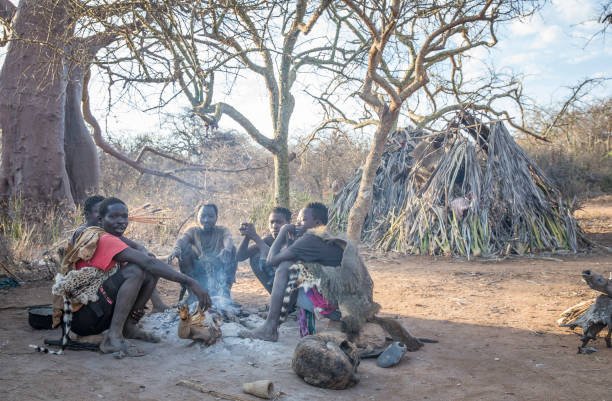
Hadzabe Tribe Day Trip Cost From Moshi/Zanzibar 2026-2027
Hadzabe tribe Day trip cost from Moshi/Zanzibar is explained with current 2026-2027 planning, price, itinerary and booking information.
View package details
Joining Group Climbs On Kilimanjaro When Traveling Alone In 2026-2027
Traveling to Kilimanjaro alone? Discover how you can easily join an existing group climb, making your solo adventure more social and cost-effective for 2026-2027. Learn about departure...
View package details
Kilimanjaro Climb With A Personal Support Assistant: Your Ultimate Guide
Climbing Mount Kilimanjaro with a personal support assistant offers unparalleled safety, comfort, and focus on your summit goals. This guide details what a personal assistant entails, its...
View package details
How To Know Whether You Are Ready For Kilimanjaro: A Comprehensive Guide
Climbing Mount Kilimanjaro is a significant undertaking. This guide helps you evaluate your physical, mental, and logistical readiness to ensure a safe and successful trek in 2026 or 2027...
View package details
Kilimanjaro Hydration Mistakes Climbers Make And How To Avoid Them 2026-2027
Proper hydration is critical for a successful Kilimanjaro climb. This guide details common hydration mistakes climbers make, from under-drinking to choosing the wrong fluids, and provides...
View package detailsNo related package matches those filters. Clear one or more filters to see the other topic-matched options.
Plan your Lake Natron Ol Doinyo Lengai Hike From Moshi with Top Guide Adventures
Tell us your travel dates, group size, comfort level, and dream experience. We will help you shape a clear, realistic, and memorable Tanzania itinerary.



