
Updated planning guide for 2026, 2027-2028
Lake Manyara National Park Safari From Moshi: Best Guide 2026-2027-2028
Discover the wonders of Lake Manyara National Park on a safari starting from Moshi. This detailed guide covers everything from planning and best times to visit, to potential itineraries and what to expect.
WhatsApp +255616946642 | topguideadventures@gmail.com | info@topguideadventures.com
Lake Manyara National Park Safari From Moshi: Your Complete Planning Guide
A Lake Manyara National Park safari from Moshi offers a captivating glimpse into Tanzania’s diverse ecosystems and abundant wildlife. Often overshadowed by its larger neighbours like the Serengeti and Ngorongoro Crater, Lake Manyara provides a unique and rewarding safari experience, especially for those beginning their journey in the northern safari circuit town of Moshi. This guide is designed to provide you with all the essential information needed to plan an unforgettable adventure, covering everything from the best times to visit and what wildlife to expect, to practical planning details and booking advice for 2026 and 2027.
Many travelers choose Moshi as their starting point due to its proximity to Mount Kilimanjaro and its accessibility for international flights. From Moshi, a day trip or an overnight excursion to Lake Manyara is a feasible and highly recommended addition to any Tanzania itinerary. Whether you are on a tight schedule or looking for a shorter safari experience, Lake Manyara delivers a concentrated dose of African wildlife and stunning landscapes.
| Feature | Details |
|---|---|
| Location | Northern Tanzania, near the town of Mto wa Mbu |
| Distance from Moshi | Approximately 180-200 km (110-125 miles) |
| Travel Time from Moshi | 3-4 hours by road |
| Key Attractions | Tree-climbing lions, large elephant herds, diverse birdlife, alkaline lake, groundwater forests |
| Park Size | 330 sq km (127 sq miles) |
| Elevation | 960 meters (3,150 feet) above sea level |
| Best Time to Visit | Dry seasons (June to October, December to February) for easier wildlife viewing; Green season (November, March to May) for lush scenery and fewer crowds. |
| Safari Activities | Game drives (day and night), walking safaris, cultural tours |
| Accommodation | Lodges and tented camps inside and outside the park, budget-friendly options in Mto wa Mbu. |
Table of Contents
- Lake Manyara National Park: An Overview
- Why Choose Lake Manyara for Your Safari From Moshi?
- When is the Best Time for a Lake Manyara Safari From Moshi (2026-2027)?
- Lake Manyara: Location and Route from Moshi
- Sample Itinerary Options for a Lake Manyara Safari From Moshi
- What to Expect on Your Lake Manyara Safari
- Lake Manyara Wildlife Highlights
- Safari Activities in Lake Manyara
- Planning and Preparation for Your Safari
- Essential Packing List
- Common Mistakes to Avoid
- Who is a Lake Manyara Safari From Moshi Best Suited For?
- Alternatives to Lake Manyara
- Planning Your 2026-2027 Safari: Key Considerations
- Booking Your Lake Manyara Safari From Moshi
- Frequently Asked Questions (FAQs)
Lake Manyara National Park: An Overview
Nestled at the base of the Great Rift Valley, Lake Manyara National Park is a relatively small but incredibly biodiverse park. Its landscape is a mosaic of habitats, including an alkaline shallow lake, lush groundwater forests, acacia woodlands, and grassy plains. This variety of environments supports a surprisingly dense population of wildlife, making it a prime destination for game viewing. The park’s namesake, Lake Manyara, is a vast alkaline lake that attracts a multitude of bird species, particularly flamingos, pelicans, and storks, especially during the wet season when water levels are higher.
The park was established in 1960 and covers 330 square kilometers. Despite its modest size, it is renowned for its tree-climbing lions, a behavior not commonly observed in other parts of Africa. The dense groundwater forests, fed by underground springs, create a cool, green oasis where elephants, baboons, monkeys, and a variety of forest-dwelling birds thrive. The open grasslands and acacia woodlands are home to buffalo, giraffes, zebras, wildebeest, hippos, and a host of other mammals.
Why Choose Lake Manyara for Your Safari From Moshi?
For travelers starting their Tanzanian adventure in Moshi, Lake Manyara presents several compelling advantages:
- Accessibility: It is one of the most accessible national parks from Moshi, making it ideal for day trips or short overnight stays. The drive is scenic and manageable, typically taking 3-4 hours.
- Diverse Ecosystems: Within a relatively small area, you encounter distinct habitats – the lake, the forest, the woodlands, and the plains. This diversity concentrates wildlife, offering varied viewing opportunities.
- Iconic Wildlife: Lake Manyara is famous for its large elephant herds, the elusive tree-climbing lions, and its incredible birdlife. The sheer number of flamingos can be breathtaking.
- Unique Landscape: The dramatic escarpment of the Great Rift Valley forms a stunning backdrop to the park, enhancing the visual appeal of the safari experience.
- Complementary to Other Destinations: It fits perfectly into a northern circuit itinerary, often visited alongside Tarangire National Park, Ngorongoro Crater, and Serengeti National Park.
- Shorter Safari Option: If time is limited, a single day spent in Lake Manyara can provide a fulfilling safari experience, showcasing key Tanzanian wildlife.
When is the Best Time for a Lake Manyara Safari From Moshi (2026-2027)?
The best time to visit Lake Manyara National Park depends on your priorities, whether it’s optimal wildlife viewing, birdwatching, or enjoying lush landscapes. The park is accessible year-round, but certain periods offer distinct advantages.
| Period | Conditions | Wildlife Viewing | Birdwatching | Crowds |
|---|---|---|---|---|
| Dry Season (June – October 2026 & 2027) | Cooler temperatures, less rainfall, vegetation thins out. Roads are in good condition. | Excellent. Animals congregate around permanent water sources, making them easier to spot. Elephants are abundant. | Good, but migratory birds are absent. Resident birds are visible. | Moderate to High. This is peak safari season. |
| Short Rains (November 2026 & 2027) | Sporadic showers, landscape begins to green up. | Good. Wildlife is still relatively concentrated. | Excellent. Migratory birds begin to arrive. | Moderate. |
| Long Rains (March – May 2027) | Heavy rainfall, lush green scenery, muddy roads. | Fair. Wildlife disperses due to abundant water, making them harder to find. Some roads may be impassable. | Excellent. Peak season for resident and migratory birds. | Low. This is the low season. |
| Shoulder Seasons (Late May, Early June, November) | Transitional weather, often a mix of sun and rain. | Good to Very Good. | Very Good. | Moderate. |
For most travelers seeking the classic safari experience, the dry seasons (June to October 2026 and December to February 2027) are ideal. The vegetation is less dense, and animals are drawn to limited water sources, increasing sightings. If birdwatching is your primary interest, the wet seasons (especially November and March to May) offer spectacular opportunities, though game viewing can be more challenging.
Lake Manyara: Location and Route from Moshi
Lake Manyara National Park is situated in the Arusha Region of Tanzania, to the west of Arusha and south of the Serengeti. Its strategic location makes it a convenient stop on the northern safari circuit.
Route Illustration: Moshi to Lake Manyara
- Start in Moshi, heading west towards Arusha.
- Continue from Arusha on the main road (A14) towards Mto wa Mbu. This route passes through agricultural areas and small towns, offering glimpses of local life.
- The journey from Arusha to Mto wa Mbu is approximately 1.5 to 2 hours.
- Upon reaching the bustling town of Mto wa Mbu, you will find the main entrance gate for Lake Manyara National Park.
- The park entrance is directly off the main road, making it easy to access.
Note: The total travel time from Moshi to Lake Manyara is typically 3 to 4 hours, depending on road conditions and traffic, especially around Arusha.
The drive itself is an integral part of the experience, showcasing the diverse Tanzanian landscape. You’ll pass through vibrant local markets, coffee plantations, and banana farms, offering a contrast to the wilderness you are heading towards.
Sample Itinerary Options for a Lake Manyara Safari From Moshi
Lake Manyara can be visited as a day trip or as part of a multi-day safari. Here are a few sample itineraries to illustrate the possibilities.
Option 1: Lake Manyara Day Trip from Moshi
This is the most popular option for those with limited time.
- Morning (Approx. 6:00 AM): Early departure from your hotel in Moshi with a packed lunch.
- Drive (Approx. 6:00 AM – 10:00 AM): Scenic drive through Arusha towards Lake Manyara National Park.
- Game Drive (Approx. 10:00 AM – 4:00 PM): Full day of game viewing within the park. Explore the diverse habitats, search for tree-climbing lions, observe elephant herds, and enjoy the birdlife around the lake. Lunch will be at a picnic spot within the park.
- Late Afternoon (Approx. 4:00 PM): Depart from Lake Manyara National Park.
- Evening (Approx. 7:00 PM – 8:00 PM): Arrive back at your hotel in Moshi.
Option 2: Overnight Safari to Lake Manyara (Including Tarangire or Ngorongoro)
This itinerary combines Lake Manyara with another nearby park for a richer experience.
- Day 1: Moshi to Tarangire National Park
- Morning: Depart from Moshi after breakfast.
- Drive to Tarangire National Park (approx. 4-5 hours).
- Full day game drive in Tarangire, famous for its large elephant herds and baobab trees.
- Overnight stay at a lodge or tented camp near Tarangire.
- Day 2: Tarangire to Lake Manyara, then back to Moshi
- Morning: Optional early morning game drive in Tarangire or direct drive to Lake Manyara (approx. 1-1.5 hours).
- Game drive in Lake Manyara National Park, focusing on its unique features like tree-climbing lions and groundwater forests.
- Lunch at a lodge or picnic site.
- Afternoon: Drive back to Moshi (approx. 3-4 hours), arriving in the evening.
Option 3: Lake Manyara and Ngorongoro Crater (2 Days/1 Night)
A classic Northern Circuit introduction.
- Day 1: Moshi to Lake Manyara & Drive to Ngorongoro Area
- Morning: Depart from Moshi for Lake Manyara National Park (approx. 3-4 hours).
- Morning game drive in Lake Manyara.
- Lunch at a lodge or picnic site.
- Afternoon: Drive to the Ngorongoro Conservation Area (approx. 1-1.5 hours).
- Check into your lodge or tented camp on the crater rim or nearby.
- Day 2: Ngorongoro Crater Tour & Return to Moshi
- Early morning descent into the Ngorongoro Crater for a 4-6 hour game drive. The crater is a UNESCO World Heritage Site and home to an incredible density of wildlife, including the Big Five.
- Ascend the crater and have lunch at a lodge.
- Afternoon: Drive back to Moshi (approx. 4-5 hours), arriving in the evening.
What to Expect on Your Lake Manyara Safari
A safari in Lake Manyara is characterized by its varied landscapes and the concentrated wildlife within its borders. You can expect:
- Scenic Drives: The park’s layout allows for continuous game viewing along its roads, with opportunities to stop at designated viewpoints.
- Varied Terrain: You will drive through dense groundwater forests, open savannas, and along the edges of the alkaline lake.
- Wildlife Encounters: Expect to see large herds of elephants, especially in the forest areas. Giraffes are abundant and often seen feeding on acacia trees. Baboons and various monkey species are common, particularly in the forested areas. You’ll also likely see buffalo, zebras, wildebeest, and hippos.
- Birdlife: The lake shore and surrounding areas are a haven for birdwatchers. Keep an eye out for flamingos, pelicans, storks, cormorants, and various raptors.
- Tree-Climbing Lions: While not guaranteed, Lake Manyara is one of the best places in Africa to spot lions that have a habit of climbing trees. Your guide will know the best areas to look for them.
- Park Regulations: Game drives must follow designated tracks. You will be accompanied by a knowledgeable guide who understands the park’s wildlife and ecology.
- Duration: A full day is usually sufficient to explore Lake Manyara and see most of its highlights. For those on a day trip from Moshi, this means a substantial amount of time spent on game drives.
Lake Manyara Wildlife Highlights
Lake Manyara National Park is home to an impressive array of wildlife, with several species being particular draws for visitors:
- African Elephants: The park hosts large herds of elephants, which are often seen browsing in the groundwater forests and acacia woodlands. They are known for their habit of digging for water during the dry season.
- Tree-Climbing Lions: Lake Manyara’s lions are famous for their unusual behavior of climbing trees, likely to escape the heat or avoid biting insects. Spotting them lounging in the branches of acacia trees is a memorable experience.
- Large Mammals: Beyond elephants and lions, you can expect to see large numbers of buffalo, zebras, wildebeest, giraffes, hippos, waterbucks, impalas, and dik-diks.
- Primates: The dense forests are home to large troops of baboons and various monkey species, including the Blue Monkey and the Velvet Monkey. They are often seen along the roadside.
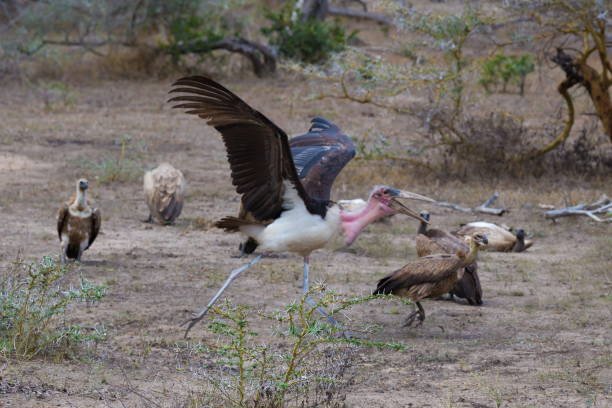
- Birdlife: With over 400 bird species recorded, Lake Manyara is a birdwatcher’s paradise. The lake itself attracts vast flocks of flamingos, pelicans, storks, and spoonbills. The forests and woodlands are home to kingfishers, hornbills, rollers, and many other colorful species.
Safari Activities in Lake Manyara
While game drives are the primary activity, Lake Manyara offers other engaging safari experiences:
- Daytime Game Drives: The classic safari experience. Your guide will drive you through the park’s diverse habitats, maximizing wildlife viewing opportunities. These typically last from morning to late afternoon.
- Night Game Drives: Available from lodges located just outside the park boundary or from specific accommodations within the park. Night drives offer a chance to see nocturnal animals like genets, civets, bushbabies, and possibly leopards or lions on the hunt. This is a unique perspective on the park’s wildlife.
- Walking Safaris: Guided walking safaris are offered in areas outside the main park boundaries, often in concessions managed by lodges. These provide an intimate connection with the bush, allowing you to learn about smaller flora and fauna, animal tracks, and the sounds of the wilderness. Some walking safaris may be available within designated areas of the park itself, depending on the tour operator and park regulations.
- Cultural Tours: The nearby town of Mto wa Mbu is a vibrant cultural melting pot, home to over 30 different Tanzanian tribes. You can arrange guided cultural tours to visit local villages, markets, and learn about traditional farming practices and local life. This offers a valuable insight into the human element of the region.
Planning and Preparation for Your Safari
Effective planning is key to a successful safari. Here’s what you need to consider for your Lake Manyara safari from Moshi:
- Choose Your Tour Operator: Select a reputable tour operator based in Tanzania. Look for companies with good reviews, clear communication, and experienced guides. Best Tanzania Tour Operator is a trusted choice for custom itineraries and reliable service.
- Decide on Duration: A day trip is feasible, but an overnight stay allows for a more relaxed pace and the possibility of activities like night game drives or visiting nearby attractions.
- Accommodation: Options range from budget-friendly guesthouses in Mto wa Mbu to mid-range lodges and luxury tented camps both inside and outside the park. Book in advance, especially during peak seasons.
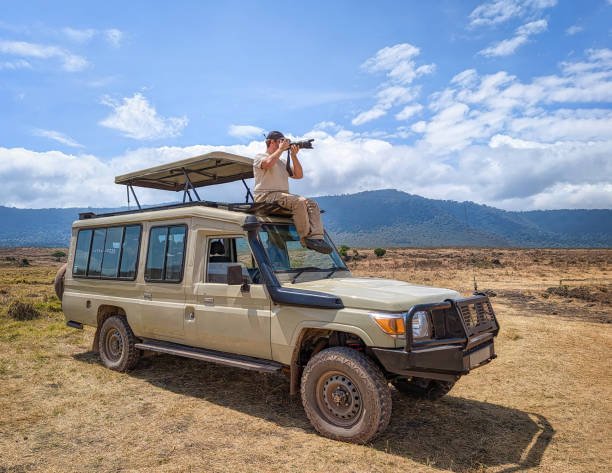
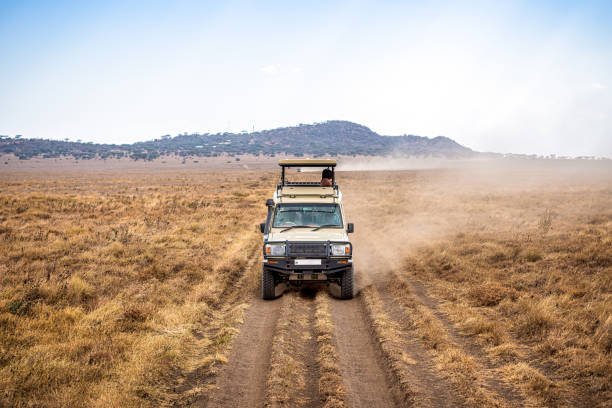
- Transportation: Most safaris from Moshi will use a 4×4 safari vehicle with a pop-up roof for game viewing. Ensure your vehicle is well-maintained and comfortable for the journey.
- Guides: A knowledgeable guide is crucial. They understand animal behavior, the park’s layout, and can significantly enhance your wildlife spotting success and overall experience.
- Park Fees: Park entrance fees are set by the Tanzania National Parks Authority (TANAPA) and are usually included in your tour package price.
- Health Precautions: Consult your doctor about necessary vaccinations and malaria prophylaxis before traveling to Tanzania.
- Travel Insurance: Essential for any trip. Ensure it covers medical emergencies, trip cancellations, and lost belongings.
Essential Packing List
Pack light and smart for your safari. Layers are key due to temperature fluctuations.
- Clothing:
- Lightweight, neutral-colored clothing (khaki, beige, olive green). Avoid bright colors and dark blue/black, which can attract insects.
- Long-sleeved shirts and long trousers for sun and insect protection.
- T-shirts and shorts for warmer parts of the day.
- A warm fleece or jacket for cool mornings and evenings.
- A waterproof/windproof jacket, especially during the rainy seasons.
- Comfortable walking shoes or hiking boots (if planning walking safaris).
- Sandals or flip-flops for relaxing at the lodge.
- Socks.
- Swimsuit (if your lodge has a pool).
- Accessories:
- Sun hat with a wide brim.
- Sunglasses.
- Scarf or bandana for dust protection.
- Binoculars (essential for wildlife viewing).
- Camera with extra batteries and memory cards.
- Power bank or adapter for charging devices.
- Reusable water bottle.
- Health & Personal Items:
- Personal first-aid kit with any prescribed medications.
- Insect repellent (with DEET).
- Sunscreen (high SPF).
- Hand sanitizer.
- Personal toiletries.
- Any necessary prescription medications.
- Documents:
- Passport (with at least 6 months validity).
- Visa (if required).
- Flight details.
- Travel insurance documents.
- Copies of important documents (stored separately).
Common Mistakes to Avoid
To ensure your safari is as smooth and enjoyable as possible, be aware of these common pitfalls:
- Underestimating Travel Time: Moshi to Lake Manyara is a significant drive. Factor in time for stops and potential delays.
- Not Booking in Advance: Especially for peak season (2026-2027), accommodation and popular tour slots fill up quickly.
- Overpacking: Most safaris utilize 4×4 vehicles with limited luggage space. Soft duffel bags are preferred over hard suitcases.
- Wearing the Wrong Clothing: Bright colors can scare wildlife, and dark colors can attract insects. Stick to neutral tones.
- Not Bringing Binoculars: They are invaluable for spotting distant animals and appreciating details.
- Relying Solely on Mobile Phone Cameras: While convenient, they often lack the zoom and quality for capturing distant wildlife. Bring a dedicated camera.
- Not Informing Your Operator of Dietary Needs: If you have allergies or specific dietary requirements, communicate them well in advance.
- Expecting to See Everything: Wildlife sightings are never guaranteed. Embrace the experience and enjoy what you do see.
- Ignoring Your Guide’s Advice: Guides are experienced professionals. Follow their instructions for your safety and the well-being of the animals.
- Not Budgeting for Extras: While tour packages cover most essentials, remember to budget for tips, souvenirs, and personal expenses.
Who is a Lake Manyara Safari From Moshi Best Suited For?
A Lake Manyara National Park safari from Moshi is an excellent choice for a wide range of travelers:
- Time-Constrained Travelers: Its proximity to Moshi makes it perfect for a fulfilling day trip or a short overnight safari, maximizing wildlife viewing in a limited timeframe.
- First-Time Safari Goers: Lake Manyara offers a fantastic introduction to the safari experience with diverse wildlife and stunning scenery.
- Bird Enthusiasts: The park’s rich birdlife, especially around the lake, makes it a top destination for ornithologists and casual birdwatchers alike.
- Photography Enthusiasts: The varied landscapes and abundant wildlife provide excellent photographic opportunities, from close-ups of elephants to panoramic shots of the Rift Valley.
- Travelers Combining with Kilimanjaro: Those who have just completed a Kilimanjaro climb often choose Lake Manyara as a relaxing and rewarding post-trek experience.
- Families: The park’s relatively compact size and high density of animals make it engaging for children, with plenty of sightings to keep them entertained.
- Budget-Conscious Travelers: As a day trip from Moshi, it can be a more affordable safari option compared to longer, more remote expeditions.
Alternatives to Lake Manyara
While Lake Manyara is a gem, other parks in the northern circuit offer different but equally rewarding safari experiences. Consider these if your interests or schedule differ:
- Tarangire National Park: Located south of Lake Manyara, Tarangire is famous for its massive elephant herds, particularly during the dry season (June to October). It also boasts a high concentration of baobab trees and diverse birdlife. It’s a great option for a 1-2 day safari.
- Ngorongoro Conservation Area (Ngorongoro Crater): A UNESCO World Heritage Site, the Ngorongoro Crater offers an unparalleled wildlife density within its caldera. It’s one of the best places to see the Big Five, including the endangered black rhino. It requires a full day for the crater floor tour.
- Serengeti National Park: The most famous safari destination in Tanzania, known for its vast plains, the Great Migration, and exceptional predator sightings. A visit to Serengeti typically requires at least 3-4 days due to its size and remoteness.
- Arusha National Park: Closer to Moshi than Lake Manyara, this park offers stunning views of Mount Kilimanjaro and Mount Meru. It’s known for its diverse landscapes, including the Momella Lakes and the Ngurdoto Crater. It’s ideal for shorter visits, walking safaris, and canoeing.
Often, Lake Manyara is combined with Tarangire and the Ngorongoro Crater to form a comprehensive 3-4 day northern circuit safari, which can be easily arranged from Moshi.
Planning Your 2026-2027 Safari: Key Considerations
Planning ahead is crucial for a memorable safari, especially when looking at travel dates in 2026 and 2027. Here are some points to focus on:
- Book Early for Peak Season: If you plan to travel during the popular dry months (June-October 2026 and December-February 2027), secure your safari package and accommodation at least 6-12 months in advance. This ensures availability and potentially better pricing.
- Consider Shoulder Seasons: For a balance of good weather, fewer crowds, and potentially lower prices, consider the shoulder months like November 2026, March, April, or May 2027. Be prepared for some rain, but wildlife viewing is still excellent.
- Customization is Key: Work with your tour operator to tailor your itinerary. Whether you want a focused Lake Manyara day trip or a multi-park adventure, customization ensures your safari meets your expectations.
- Budgeting: While exact prices vary, factor in park fees, accommodation, transport, guide services, meals, and any optional activities like night drives or cultural tours. Discuss your budget openly with your operator.
- Health and Vaccinations: Start researching and consulting your doctor about necessary health precautions and vaccinations for Tanzania at least 2-3 months before your trip.
- Visa Requirements: Check the latest visa regulations for your nationality well in advance of your 2026-2027 travel dates. Many nationalities can obtain a visa on arrival or apply online.
Booking Your Lake Manyara Safari From Moshi
Choosing the right tour operator is paramount for a successful and stress-free safari experience. When booking your Lake Manyara National Park safari from Moshi, consider the following:
- Reputation and Reviews: Look for operators with consistently positive reviews on platforms like TripAdvisor or Google. Testimonials from past clients can offer valuable insights.
- Local vs. International Operators: Local operators, like Best Tanzania Tour Operator, often have a deeper understanding of the region, better local contacts, and can offer more competitive pricing.
- Communication: A good operator will be responsive, clear, and helpful in answering all your questions. They should be able to provide detailed itineraries and cost breakdowns.
- Inclusions and Exclusions: Carefully review what is included in your package (e.g., park fees, accommodation, meals, guide, vehicle) and what is not (e.g., tips, drinks, personal expenses).
- Vehicle Quality: Ensure the operator uses well-maintained 4×4 safari vehicles with pop-up roofs for optimal game viewing.
- Guide Expertise: Inquire about the experience and qualifications of their guides. A good guide significantly enhances the safari experience.
- Payment Terms: Understand the deposit requirements, payment schedule, and cancellation policy. Reputable operators typically require a deposit and the balance closer to the travel date.
Contact Best Tanzania Tour Operator for a personalized safari quote and expert advice.
WhatsApp: +255616946642
Email: topguideadventures@gmail.com
Backup Email: info@topguideadventures.com
Frequently Asked Questions (FAQs)
What is the best way to do a Lake Manyara safari from Moshi?
The most common and practical way is to book a safari package with a reputable tour operator based in Moshi or Arusha. They will arrange transportation in a 4×4 safari vehicle, a knowledgeable guide, park fees, and potentially accommodation and meals, depending on your chosen itinerary. A day trip is feasible, but an overnight stay allows for a more comprehensive experience.
Can I visit Lake Manyara as a day trip from Moshi?
Yes, absolutely. Lake Manyara National Park is accessible for a full-day safari trip from Moshi. This involves an early start (around 6 AM) and a 3-4 hour drive each way, allowing for approximately 6-7 hours of game driving within the park. It’s a great option for those with limited time.
What wildlife can I expect to see in Lake Manyara?
Lake Manyara is famous for its large elephant herds, tree-climbing lions, baboons, and diverse birdlife, including numerous flamingos. You can also expect to see giraffes, zebras, wildebeest, buffalo, hippos, various antelope species, and many smaller mammals and birds.
Is Lake Manyara safe for tourists?
Yes, Lake Manyara National Park is generally very safe for tourists. The park is well-managed, and your safari will be conducted with an experienced guide who prioritizes your safety. Standard travel precautions apply, such as staying within your vehicle during game drives unless instructed otherwise by your guide.
How much does a Lake Manyara safari from Moshi cost?
The cost varies significantly based on the duration of your safari (day trip vs. overnight), the type of accommodation chosen, and the inclusions of the package. A day trip from Moshi typically includes vehicle, guide, park fees, and lunch. Overnight safaris will add accommodation and potentially other park fees. It’s best to get a personalized quote from a tour operator like Best Tanzania Tour Operator for accurate pricing for 2026-2027.
What should I pack for a Lake Manyara safari?
Pack light, neutral-colored clothing, layers for varying temperatures, a warm jacket for evenings, a hat, sunglasses, sunscreen, insect repellent, binoculars, and a camera. Comfortable walking shoes are recommended if you opt for walking safaris. A detailed packing list is provided in this guide.
Can I do a night game drive in Lake Manyara?
Night game drives are typically offered by lodges located just outside the park boundaries or by specific accommodations within the park that have special permits. If this is a priority for your 2026-2027 safari, discuss it with your tour operator when booking.
What’s the difference between Lake Manyara and Serengeti?
Lake Manyara is a smaller park with diverse habitats concentrated in a smaller area, making it excellent for shorter safaris and birdwatching. It’s known for tree-climbing lions. The Serengeti is vast, famous for the Great Migration, large predator populations, and classic savanna landscapes, requiring longer durations to explore effectively.
When is the best time to visit Lake Manyara in 2026 or 2027?
The dry seasons (June to October 2026 and December to February 2027) offer the best wildlife viewing conditions as animals congregate around water sources. However, the green season (November and March-May 2027) is excellent for birdwatching and offers lush scenery with fewer crowds.
Are there walking safaris available in Lake Manyara?
Walking safaris are generally offered in areas outside the main park boundaries or in specific concessions managed by lodges. These guided walks provide a different perspective on the bush. Inquire with your tour operator about the availability of walking safaris when planning your trip.
Ready for Your Lake Manyara National Park Safari From Moshi?
A Lake Manyara National Park safari from Moshi promises a rich and diverse wildlife experience, easily accessible from the foot of Kilimanjaro. Whether you’re seeking a single-day adventure or incorporating it into a larger northern circuit tour for 2026 or 2027, Best Tanzania Tour Operator is here to craft your perfect Tanzanian safari. Our expert guides and personalized itineraries ensure an unforgettable journey.
Contact us today to start planning your dream safari:
WhatsApp: +255616946642
Email: topguideadventures@gmail.com
Backup Email: info@topguideadventures.com
4-Day Nyerere National Park Safari From Zanzibar: Your Ultimate Wildlife
start an unforgettable 4-day safari adventure from Zanzibar to Nyerere National Park, Tanzania's largest game reserve. This itinerary offers a unique blend of classic game drives and...
View package details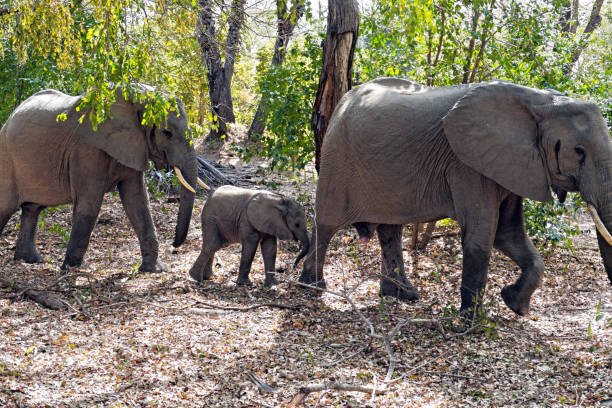
3-Day Nyerere National Park Safari From Zanzibar: Budget Price 2026-2027
A 3-day safari from Zanzibar to Nyerere National Park offers a compact yet incredibly rewarding wildlife experience, focusing on boat safaris along the Rufiji River and game drives in a...
View package details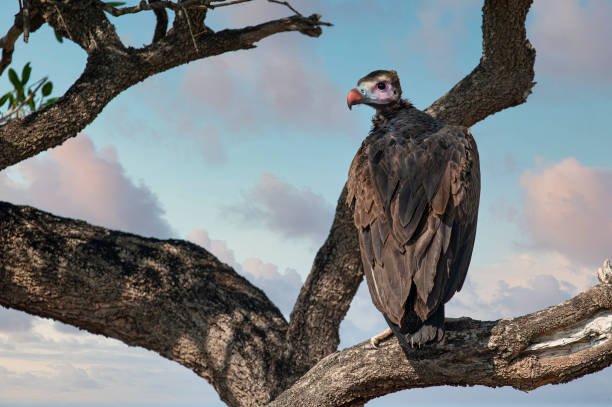
1-Day Nyerere National Park Fly-In Safari From Zanzibar: Your Ultimate Guide
Discover the thrill of a 1-day Nyerere National Park fly-in safari from Zanzibar. This comprehensive guide covers everything from flight details and wildlife expectations to itinerary...
View package details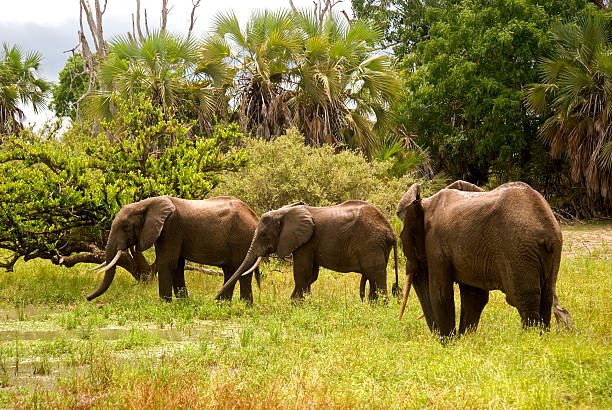
1-Day Mikumi National Park Fly-In Safari From Zanzibar 2026-2027
Discover the thrill of a 1-day Mikumi National Park fly-in safari from Zanzibar. This comprehensive guide details how to experience Tanzania's diverse wildlife in a single, action-packed...
View package details
2-Day Mikumi National Park Safari From Zanzibar: Your Essential Guide
Discover the thrill of a 2-day Mikumi National Park safari departing from Zanzibar. This guide covers essential details for planning your short but impactful wildlife adventure, including...
View package details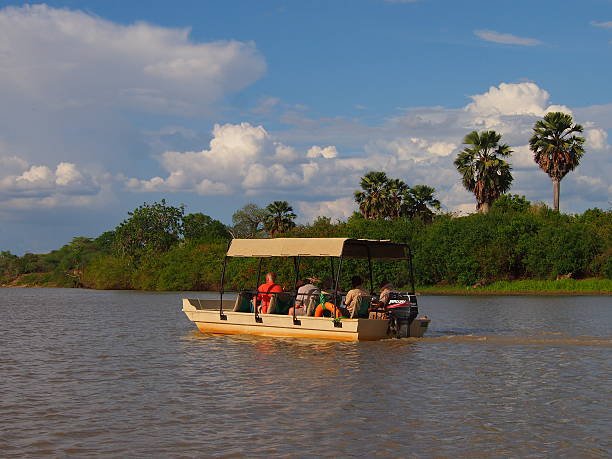
2-Day Nyerere National Park Safari From Zanzibar: Best Itinerary 2026-2027
A 2-day safari to Nyerere National Park (formerly Selous Game Reserve) from Zanzibar offers a condensed yet impactful wildlife adventure, perfect for those with limited time. This quick...
View package details
3-Day Nyerere Safari With Accommodation Inside The Park 2026-2027
3-Day Nyerere Safari with Accommodation Inside the Park is explained with current 2026-2027 planning, price, itinerary and booking information.
View package details
Which Tanzania Safari Gives The Best Value For Money? 2026-2027
Which Tanzania safari gives the best value for money? is explained with current 2026-2027 planning, price, itinerary and booking information.
View package details
How To Avoid Safari Scams In Tanzania: A Top Guide Adventures Expert 2026-2027
Navigating a safari in Tanzania is a dream for many, but a few precautions can ensure your adventure is scam-free. This guide from Top Guide Adventures provides essential advice for...
View package details
Which Local Tanzania Safari Companies Are Trustworthy In ? 2026-2027
Choosing a trustworthy local Tanzania safari company is crucial for a memorable and safe adventure. This guide helps you identify reliable operators for your 2026-2027 trip, covering...
View package detailsHow Far In Advance Should You Book A Tanzania Safari? Your Planning Guide
Securing your dream Tanzania safari requires strategic planning. This comprehensive guide details the optimal booking timeline for 2026-2027, considering peak seasons, lodge availability...
View package detailsHow Much Should I Tip My Safari Guide In Tanzania? Your 2026-2027
Understand the tipping culture for safari guides and staff in Tanzania. This guide provides clear, actionable recommendations for tipping your safari crew in 2026-2027, covering guides...
View package detailsNo related package matches those filters. Clear one or more filters to see the other topic-matched options.
Plan your Lake Manyara National Park Safari From Moshi with Top Guide Adventures
Tell us your travel dates, group size, comfort level, and dream experience. We will help you shape a clear, realistic, and memorable Tanzania itinerary.



