
Updated planning guide for 2026-2027
Is Namibia Safe For Tourists: Complete Guide
Considering Namibia for your next adventure? This comprehensive guide addresses traveler concerns about safety, offering practical advice for a secure and memorable trip in 2026 and 2027.
WhatsApp +255616946642 | topguideadventures@gmail.com | info@topguideadventures.com
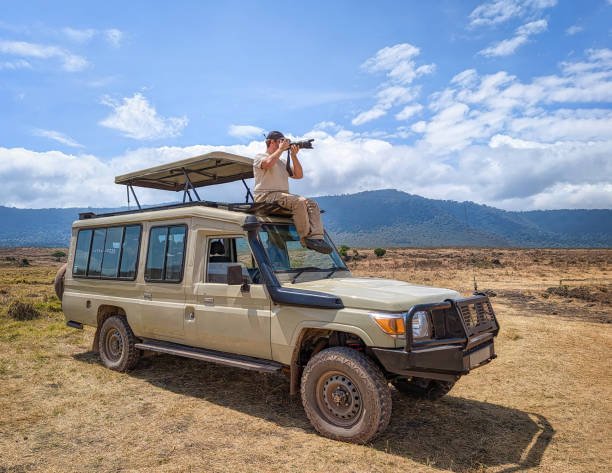
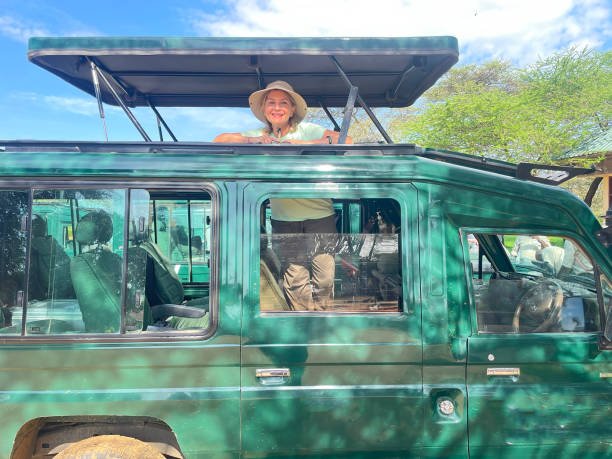
Is Namibia Safe for Tourists? Your Comprehensive 2026-2027 Planning Guide
Namibia, a land of stark desert beauty, abundant wildlife, and dramatic landscapes, draws travelers from around the globe. For many planning a visit, especially for the first time, a primary question emerges: Is Namibia safe for tourists? Understanding the safety landscape is crucial for a well-prepared and enjoyable experience. This guide aims to provide an in-depth look at safety in Namibia, covering everything from general security to health considerations, transport, and what to expect on the ground, with specific planning insights for 2026 and 2027.
As a tour operator specializing in African adventures, we’ve guided countless travelers through Namibia. Our experience shows that with proper planning and awareness, Namibia is a remarkably safe destination for tourists. This article is designed to equip you with the knowledge to travel confidently, addressing common concerns and offering practical tips for a secure journey.
Table of Contents
- Namibia Safety: Quick Facts
- Understanding Namibia’s Safety Landscape
- Why Understanding Safety in Namibia Matters
- Best Time to Visit Namibia (and Safety Considerations)
- Popular Tourist Routes & Areas in Namibia
- Sample Namibia Itinerary: Safety Focused (10 Days)
- What to Expect on the Ground: Safety Realities
- Health and Medical Safety in Namibia
- Transportation Safety in Namibia
- Common Mistakes to Avoid for a Safe Trip
- Who is Namibia Best Suited For?
- Alternatives to Consider (If Safety is a Major Concern)
- Planning Your Namibia Trip for 2026-2027: Safety First
- Booking Your Namibia Adventure: Safety & Reliability
- Frequently Asked Questions About Namibia Safety
- Ready to Plan Your Safe Namibia Adventure?
Namibia Safety: Quick Facts
| Aspect | Assessment for Tourists |
|---|---|
| General Crime (Petty) | Low to moderate in cities, very low in rural/tourist areas. Awareness advised. |
| Violent Crime | Very low for tourists, particularly outside major urban centers. |
| Road Safety | Moderate to high risk due to road conditions, wildlife, and driving habits. Caution essential. |
| Wildlife Encounters | Manageable with guides and adherence to park rules. High risk if rules are ignored. |
| Health Risks | Malaria in certain regions (seasonal), sun exposure, dehydration. Consult doctor. |
| Political Stability | High. Namibia is a stable democracy. |
| Scams/Fraud | Rare for tourists, but standard travel precautions apply. |
| Solo Female Travel | Generally safe with standard precautions, especially when using reputable tour operators. |
Understanding Namibia’s Safety Landscape
When asking is Namibia safe for tourists, it’s important to differentiate between petty crime and serious threats, and between urban and rural environments. Namibia is generally considered one of the safer countries in Southern Africa for tourists. Its low population density and vast open spaces contribute to a sense of peace and security. However, like any destination, it’s not entirely without risks, and awareness is key.
Urban Areas: In cities like Windhoek, petty crime such as pickpocketing and bag snatching can occur, particularly in crowded areas or at night. It’s advisable to be aware of your surroundings, avoid displaying valuables openly, and not walk alone in poorly lit areas after dark. These are standard precautions applicable to many cities worldwide.
Rural and Tourist Areas: Outside of the main cities, Namibia is exceptionally safe. The vast national parks, desert landscapes, and small towns have very low crime rates. The focus here is more on environmental safety – extreme weather, remote locations, and wildlife – rather than human-induced threats.
Political Stability: Namibia is a stable, democratic country with a good record of peace and human rights. Political unrest is uncommon and typically does not affect tourist areas. This stability is a significant factor in its overall safety for visitors.
Why Understanding Safety in Namibia Matters
For any traveler, safety is paramount. Knowing what to expect allows for better preparation, reducing anxiety and enabling you to fully immerse yourself in the experience. For Namibia, understanding its safety profile means:
- Informed Decision-Making: Whether you’re planning a self-drive adventure or a guided safari for 2026 or 2027, knowing the safety aspects helps you choose the right mode of travel and accommodation.
- Risk Mitigation: Being aware of potential risks, like driving hazards or health precautions, allows you to take steps to minimize them.
- Maximizing Enjoyment: When you feel secure, you can relax and appreciate Namibia’s incredible sights and experiences without constant worry.
- Responsible Travel: Understanding local conditions helps you travel respectfully and avoid situations that could put yourself or others at risk.
Best Time to Visit Namibia (and Safety Considerations)
Namibia’s climate is characterized by distinct dry and wet seasons, which can influence both your travel experience and certain safety considerations. The best time to visit often depends on what you want to see and do.
| Season | Months | Weather | Wildlife Viewing | Safety Notes |
|---|---|---|---|---|
| Dry Season (Peak Tourist Season) | May – October | Cooler temperatures, clear skies, very little rain. Days are pleasant, nights can be cold. | Excellent. Animals congregate around waterholes, making them easier to spot. Vegetation is sparse. | Ideal for game drives. Malaria risk is lower in most areas. Road conditions generally good. Be prepared for cold desert nights. |
| Wet Season (Green Season) | November – April | Hotter temperatures, higher humidity, potential for thunderstorms and rain, especially in the north-east. | Good, but animals are more dispersed as water is plentiful. Birdwatching is superb. Newborn animals are common. | Malaria risk is higher in northern and eastern regions. Some roads may become impassable due to rain, especially in the Caprivi Strip. Dust is less of an issue. Beautiful landscapes. |
Safety in relation to season:
- Malaria: The risk of malaria is highest during the warmer, wetter months (November to April), particularly in the northern regions like the Caprivi Strip and Okavango Delta border areas. Consult your doctor about malaria prophylaxis well in advance of your 2026 or 2027 trip.
- Road Conditions: While gravel roads are common year-round, heavy rains in the wet season can lead to washouts, potholes, and impassable routes. This is especially true for the Caprivi region. The dry season generally offers better road conditions, but dust can be a factor, and driving at night remains a significant hazard due to wildlife.
- Heat: Summer months (December-February) can be extremely hot, especially inland. Ensure adequate hydration and sun protection.
Popular Tourist Routes & Areas in Namibia
Namibia’s tourism is concentrated along well-trodden routes, which means infrastructure is generally geared towards visitors, enhancing safety and convenience. Understanding these routes helps in planning your journey.
The Classic Tourist Circuit:
- Windhoek: The capital city, usually the entry and exit point. Safety precautions are similar to other capital cities.
- Sossusvlei / Namib-Naukluft Park: Famous for its towering red dunes. Extremely safe within the park, focus is on desert survival (heat, water, getting lost).
- Swakopmund & Walvis Bay: Coastal towns offering adventure activities. Generally very safe, with standard petty crime awareness.
- Damaraland: Known for desert-adapted elephants and ancient rock art. Remote, focus on vehicle preparedness and wildlife awareness.
- Etosha National Park: Namibia’s premier wildlife viewing destination. Very safe within the park, managed camps and roads. Wildlife viewing is regulated.
- Caprivi Strip (Zambezi Region): Lush, riverine environment offering a different safari experience. Higher malaria risk and potentially challenging road conditions during the wet season.
Illustration of a Common Route Flow:
Windhoek -> Sossusvlei -> Swakopmund -> Etosha -> Windhoek
Or a longer loop:
Windhoek -> Sossusvlei -> Swakopmund -> Damaraland -> Etosha -> Windhoek
The more extensive routes might include Kaokoveld or the Caprivi Strip, requiring more robust planning and potentially specialized vehicles or guides, especially for 2026-2027 travel.
Sample Namibia Itinerary: Safety Focused (10 Days)
This sample itinerary balances iconic sights with practical safety considerations, suitable for first-time visitors planning for 2026 or 2027. It emphasizes reputable lodges and guided transfers or self-drive with a well-prepared vehicle.
| Day | Location | Activities | Safety Focus |
|---|---|---|---|
| 1 | Windhoek | Arrival, transfer to hotel, city orientation. | Airport transfers with trusted companies. Avoid walking alone at night. Secure valuables. |
| 2 | Sossusvlei Region | Scenic drive (approx. 5-6 hours) to lodge near Namib-Naukluft Park. Settle in. | Self-drive: Ensure vehicle is in good condition, carry water, avoid night driving. Guided transfer: Relax and enjoy the scenery. |
| 3 | Sossusvlei | Sunrise at Dune 45, explore Deadvlei and Sossusvlei. Visit Sesriem Canyon. | Stay hydrated, wear sun protection. Stick to marked paths. Park entry times are strict. |
| 4 | Swakopmund | Drive to Swakopmund (approx. 4-5 hours). Check into accommodation. Explore town. | Road conditions can vary. Watch for wildlife on roads. Secure vehicle in town. |
| 5 | Swakopmund / Walvis Bay | Marine cruise from Walvis Bay (dolphins, seals), Sandwich Harbour 4×4 tour, or quad biking/sandboarding. | Book activities with reputable operators. Follow guide instructions for adventure sports. |
| 6 | Damaraland (Optional / Longer Trip) or Drive towards Etosha | Option 1: Drive towards Damaraland (e.g., Twyfelfontein area – approx. 5-6 hours). Option 2: Drive towards Etosha’s southern gate (approx. 5-6 hours). | Long driving days. Ensure sufficient fuel. Stay aware of surroundings in remote areas. |
| 7 | Etosha National Park (Southern/Central) | Enter Etosha, game drive en route to Okaukuejo Camp or similar. Afternoon game drive. | Stay inside vehicle on game drives unless at designated rest stops. Adhere to park rules. Secure camp at night. |
| 8 | Etosha National Park (Central/Eastern) | Full day game driving, moving towards Halali or Namutoni Camp. Visit waterholes. | Continue adhering to park safety regulations. Watch road signs and speed limits. |
| 9 | Return to Windhoek | Morning game drive, then drive back to Windhoek (approx. 4-5 hours). Farewell dinner. | Final long drive. Ensure vehicle is checked. Avoid driving after dark. |
| 10 | Departure | Transfer to Hosea Kutako International Airport for departure. | Pre-booked airport transfer. |
What to Expect on the Ground: Safety Realities
Namibia’s safety is characterized by its low population density and vast distances. This translates to:
- Remoteness: Many attractions are far apart. This means long driving days. Ensure your vehicle is reliable and you have sufficient fuel and water. Mobile phone reception can be patchy outside towns.
- Wildlife: While wildlife is abundant and thrilling, it’s also wild. Maintain a safe distance, never feed animals, and always follow your guide’s instructions or park regulations. Roadside encounters with wildlife, especially at dawn and dusk, are common and dangerous if not handled carefully.
- Infrastructure: Major tourist routes are generally well-maintained gravel roads. However, conditions can vary, and driving requires concentration. Smaller roads can be rougher. Accommodation in tourist areas is typically of a high standard and safe.
- Local Interaction: Namibians are generally friendly and welcoming. Be respectful of local customs. While scams are rare, standard travel awareness applies – be cautious of overly pushy vendors or unsolicited offers of help.
- Solo Travel: Namibia is a viable destination for solo travelers, including women. Using reputable tour operators, staying in well-regarded lodges, and using guided activities significantly enhances safety. Self-driving solo requires extra vigilance and preparation.
Health and Medical Safety in Namibia
Health is a critical aspect of safety. Namibia has made strides in its healthcare system, but preparedness is essential, especially for those planning trips in 2026 or 2027.
- Malaria: As mentioned, malaria is a concern in certain regions during the wet season. Consult your doctor or a travel clinic at least 4-6 weeks before your trip for advice on anti-malarial medication, insect repellent, and preventative measures.
- Sun Exposure: The Namibian sun is intense. Always wear sunscreen (SPF 30+), a wide-brimmed hat, and sunglasses. Stay hydrated by drinking plenty of water throughout the day.
- Water: Tap water in Windhoek and other larger towns is generally safe to drink. However, in more remote areas or if you have a sensitive stomach, it’s best to stick to bottled or purified water.
- Medical Facilities: Windhoek has the most advanced medical facilities, including private hospitals and clinics. Outside of Windhoek, medical services are more basic. Major towns may have clinics, but serious emergencies often require evacuation to Windhoek or South Africa. Ensure you have comprehensive travel insurance that covers medical evacuation.
- Vaccinations: Check with your doctor or a travel clinic for recommended vaccinations. Routine immunizations should be up-to-date.
- First-Aid Kit: Carry a well-stocked personal first-aid kit including antiseptic wipes, bandages, pain relievers, anti-diarrhea medication, and any personal prescriptions.
Transportation Safety in Namibia
Getting around Namibia is a significant part of the adventure, but it also presents the most common safety risks.
- Self-Driving: This is a popular way to explore Namibia. However, it requires careful planning and adherence to safety rules:
- Vehicle Choice: A 4×4 or a robust SUV with good ground clearance is recommended, especially if venturing off main routes. Ensure it is well-maintained.
- Road Conditions: Most roads outside main towns are gravel. Drive slowly and cautiously, especially around bends. Avoid driving at night at all costs – wildlife on roads is a major hazard, leading to accidents.
- Fuel and Supplies: Distances between fuel stations can be vast. Always refuel when you have the opportunity. Carry plenty of water and some non-perishable food.
- Navigation: A good GPS device or reliable map is essential. Mobile phone coverage is not guaranteed.
- Tires: Flat tires are common on gravel roads. Know how to change a tire and carry a spare, plus a tire repair kit.
- Guided Tours/Transfers: Opting for guided tours or private transfers significantly reduces transportation risks. Reputable tour operators use experienced drivers and well-maintained vehicles, and they handle logistics, allowing you to relax and enjoy the scenery. This is often the safest and most stress-free way to see Namibia, especially for those concerned about driving in remote areas.
- Flying: Light aircraft charters are available for longer distances, offering a faster and scenic way to travel between remote lodges. This is a safe and efficient option, though more expensive.
Common Mistakes to Avoid for a Safe Trip
Avoiding common pitfalls can greatly enhance your safety and enjoyment in Namibia.
- Driving at Night: This cannot be stressed enough. Wildlife (kudu, oryx, warthogs, etc.) are frequently on roads after dark, and hitting them can cause severe damage to vehicles and serious injury or death.
- Underestimating Distances: Namibia is huge. Distances between attractions can be hundreds of kilometers, often on gravel roads. Factor in ample time for travel and don’t overschedule your days.
- Insufficient Water and Sun Protection: The desert climate is harsh. Dehydration and sunstroke are real risks if you don’t take precautions.
- Ignoring Wildlife Rules: In national parks, maintain a safe distance from animals. Never feed them, as this can lead to aggressive behavior and disease transmission.
- Not Informing Someone of Your Plans: Especially when self-driving in remote areas, let someone (your lodge, a friend back home, or your tour operator) know your intended route and expected arrival times.
- Carrying Valuables Openly: In towns, be discreet with cameras, phones, and jewelry. Keep valuables out of sight in your vehicle.
- Not Having Comprehensive Travel Insurance: Medical emergencies or evacuations can be extremely expensive. Ensure your insurance covers these eventualities.
- Assuming All Roads Are Paved: Most tourist routes involve gravel roads. If you’re not comfortable driving on them, a guided tour is a better option.
Who is Namibia Best Suited For?
Namibia appeals to a wide range of travelers, but its unique characteristics mean it particularly suits:
- Adventure Seekers: Those who enjoy self-driving, exploring vast landscapes, and engaging in activities like dune boarding, quad biking, and trekking.
- Photographers: The dramatic scenery, unique light, and abundant wildlife offer unparalleled photographic opportunities.
- Nature and Wildlife Enthusiasts: Namibia’s national parks, especially Etosha, provide exceptional game viewing, while its unique desert-adapted wildlife is fascinating.
- Those Seeking Solitude and Vastness: The low population density and immense open spaces offer a profound sense of peace and escape.
- Culture and History Buffs: Exploring ancient rock art sites, colonial towns, and learning about diverse local cultures.
- Travelers Prioritizing Safety with Planning: For those who do their homework and plan carefully (or use expert guides), Namibia offers a safe and rewarding experience, making it suitable for couples, families (with older children), and even solo travelers.
For travelers in 2026 and 2027, Namibia continues to offer these incredible experiences, with ongoing efforts to maintain tourism infrastructure and safety standards.
Alternatives to Consider (If Safety is a Major Concern)
While Namibia is generally safe, if you have significant concerns or specific travel restrictions, other African destinations offer different, yet equally compelling, experiences. For instance, if your primary worry is extensive self-driving on gravel roads, consider:
- Botswana: Known for its high-end, low-impact tourism model, often involving fly-in safaris. This minimizes road travel and focuses on exceptional wildlife viewing in pristine environments like the Okavango Delta and Chobe National Park. It’s very safe with guided experiences.
- Kenya or Tanzania: These countries offer classic safari experiences with more developed tourist infrastructure in many areas. While self-driving is possible, many opt for guided tours or lodge-based safaris, which are very safe and offer incredible wildlife encounters (e.g., the Great Migration). Your operator, Best Tanzania Tour Operator, specializes in these regions.
- South Africa: Offers a diverse range of experiences, from well-developed national parks like Kruger (where self-driving is safe and easy) to cosmopolitan cities and wine regions. It has a more extensive road network and more readily available medical facilities, though urban crime awareness is higher than in Namibia’s rural areas.
These alternatives provide different landscapes and wildlife opportunities, often with more readily available support services, should that be a priority for your 2026-2027 travel plans.
Planning Your Namibia Trip for 2026-2027: Safety First
Planning a trip to Namibia for 2026 or 2027 requires attention to detail, with safety as a core consideration.
- Book in Advance: Namibia is a popular destination. Secure flights, accommodation, and any guided tours well in advance, especially for peak season. This also ensures you book with reputable providers.
- Choose Your Operator Wisely: If you’re not self-driving, select a tour operator with a strong safety record and excellent reviews. They will manage logistics, provide experienced guides, and ensure your itinerary is safe and well-paced.
- Vehicle Preparation (Self-Drive): If self-driving, ensure your vehicle is equipped for the terrain (spare tire, tools, extra water, fuel). Consider a satellite phone for truly remote areas.
- Health Preparations: Consult your doctor about vaccinations and malaria prophylaxis months before travel.
- Travel Insurance: Get comprehensive travel insurance covering medical emergencies, evacuation, trip cancellation, and lost luggage. Read the policy carefully.
- Research Your Route: Understand the distances, road conditions, and availability of services along your planned route.
- Pack Appropriately: Layers are key for Namibia’s temperature fluctuations. Include sun protection, insect repellent, and a basic first-aid kit.
- Stay Informed: Check government travel advisories for Namibia closer to your departure date.
Booking Your Namibia Adventure: Safety & Reliability
When booking your Namibia adventure for 2026 or 2027, prioritize reliability and safety. Here’s how:
- Reputable Tour Operators: Work with established companies that have a proven track record. Look for reviews, testimonials, and clear communication regarding safety protocols. A good operator will answer all your questions about safety and logistics.
- Accommodation Standards: Choose lodges and hotels with good reputations for security and service. Many lodges in popular areas are well-equipped and managed.
- Transportation Options: Decide if self-drive is right for you. If not, book guided tours or private transfers. Ensure rental companies provide well-maintained vehicles and adequate insurance.
- Clear Inclusions/Exclusions: Understand what your booking covers. This prevents surprises and ensures you’re prepared for any additional costs or requirements.
- Payment Security: Use secure payment methods and ensure you receive clear booking confirmations.
- Emergency Contacts: Keep a list of important emergency contacts, including your tour operator, embassy, and local emergency services.
For a stress-free and safe journey, consider partnering with experienced operators. We at Best Tanzania Tour Operator can assist with custom itineraries that prioritize safety and unique experiences across Southern Africa, including Namibia.
Frequently Asked Questions About Namibia Safety
Is Namibia safe for solo travelers?
Yes, Namibia is generally safe for solo travelers, including women. The country has a low crime rate outside of urban centers, and the vast landscapes offer a sense of peace. However, standard precautions apply: be aware of your surroundings, avoid walking alone at night in cities, and if self-driving, ensure your vehicle is reliable and you have sufficient supplies. Using reputable tour operators or guided activities significantly enhances safety for solo explorers planning for 2026 or 2027.
What are the main safety concerns for tourists in Namibia?
The primary safety concerns revolve around road travel (driving on gravel, wildlife on roads, long distances, vehicle breakdowns), environmental factors (extreme heat, dehydration, sunstroke), and health risks (malaria in certain regions during wet seasons). Petty crime exists in cities but is not a major issue for tourists who take basic precautions.
Is it safe to drive in Namibia?
Driving in Namibia can be safe if you are well-prepared and cautious. The main risks are driving on gravel roads, which requires a slower speed and more concentration, and the significant danger of encountering wildlife on roads, especially at dawn, dusk, and night. Avoid night driving at all costs. Ensure your vehicle is in excellent condition, carry ample water and fuel, and inform someone of your travel plans if going to remote areas.
What health precautions should I take before visiting Namibia in 2026-2027?
Consult your doctor or a travel clinic 4-6 weeks before your trip. Recommended precautions often include malaria prophylaxis (especially for the wet season in northern regions), vaccinations against diseases like Hepatitis A and Typhoid, and ensuring routine immunizations are up-to-date. Pack a comprehensive first-aid kit and be diligent with sun protection and hydration.
Is Namibia safe for families?
Namibia is a fantastic destination for families, particularly those with older children who can appreciate the vast landscapes and wildlife. The safety concerns are similar to those for other travelers, with a strong emphasis on managing the risks of driving and environmental exposure. Many lodges offer family-friendly accommodations and activities. Guided tours can be an excellent way for families to explore safely.
What is the risk of encountering dangerous animals in Namibia?
In national parks like Etosha, you will see wildlife, including potentially dangerous animals like lions, elephants, and rhinos. However, the risk to tourists is very low when following park rules. Always stay in your vehicle during game drives (unless in designated safe areas), maintain a safe distance, and never approach or feed wild animals. Your guide will ensure your safety.
Are there any areas in Namibia that tourists should avoid?
Generally, the main tourist routes and national parks are safe and well-traversed. There are no specific ‘no-go’ zones for tourists due to safety issues in the same way as in some other countries. However, as with any travel, it’s wise to avoid poorly lit or deserted areas in cities at night and exercise caution in unfamiliar urban environments.
What should I do if I have a medical emergency in Namibia?
For serious emergencies, contact your tour operator or lodge first, as they will know the best local procedures. In towns, seek out clinics or hospitals. For critical situations, medical evacuation may be necessary, which is why comprehensive travel insurance is vital. Ensure your insurance provider’s emergency contact number is readily accessible.
Is Namibia safe for LGBTQ+ travelers?
Namibia is generally considered accepting of LGBTQ+ travelers, especially within the tourism sector. While same-sex relations are not criminalized, public displays of affection should be kept discreet, as is often advised for any couple in many African countries. The main tourist areas and lodges are accustomed to international visitors from all backgrounds.
Can I trust local guides in Namibia?
Yes, local guides are typically highly trained, knowledgeable, and essential for a safe and enriching experience in Namibia. They are experts in wildlife behavior, navigation, and local conditions. Always book guides through reputable tour operators or lodges to ensure they are certified and experienced.
Ready to Plan Your Safe Namibia Adventure?
Namibia offers an unforgettable journey into one of Africa’s most stunning and unique landscapes. By understanding its safety aspects and planning diligently, you can ensure a secure and deeply rewarding travel experience for your trip in 2026 or 2027.
Whether you’re drawn to the towering dunes of Sossusvlei, the wildlife-rich plains of Etosha, or the dramatic coastlines, we can help craft the perfect itinerary for you. If you have concerns about self-driving or want a fully guided experience, our expertise ensures your safety and comfort are prioritized.
Contact us today to start planning your safe and incredible Namibia adventure:
- WhatsApp: +255616946642
- Email: topguideadventures@gmail.com
- Backup Email: info@topguideadventures.com
Let us help you discover the magic of Namibia with confidence. We are committed to making your journey safe, memorable, and perfectly tailored to your interests.
Plan your is Namibia safe for tourists with Top Guide Adventures
Tell us your travel dates, group size, comfort level, and dream experience. We will help you shape a clear, realistic, and memorable Tanzania itinerary.



