
Updated planning guide for 2026-2027
Independent Exploration Journeys In Africa: Complete Guide 2026-2027
Discover how to plan and execute independent exploration journeys in Africa. This guide covers everything from choosing destinations and creating itineraries to packing, budgeting, and booking your adventure for 2026-2027.
WhatsApp +255616946642 | topguideadventures@gmail.com | info@topguideadventures.com
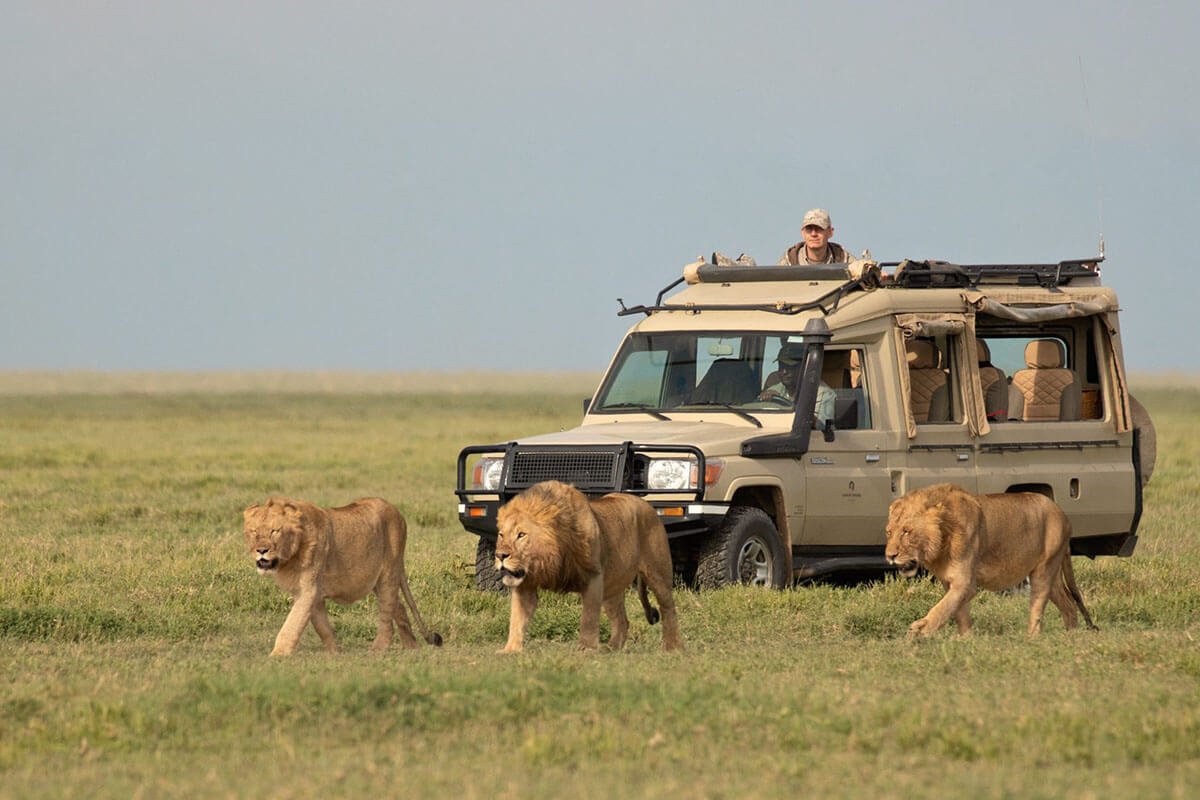
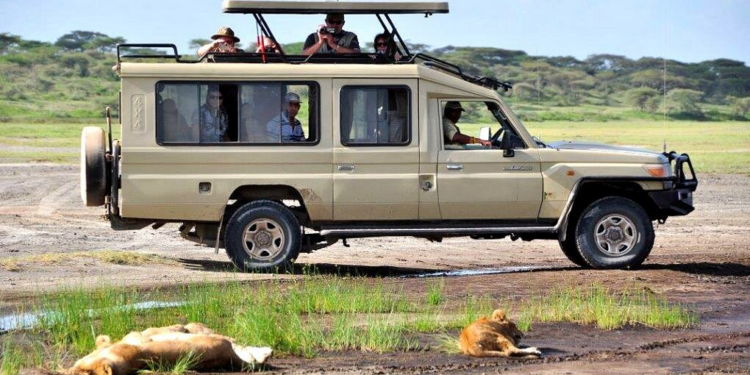
Independent Exploration Journeys in Africa: The Ultimate Planning Guide
Africa is a continent that calls to the adventurous spirit, offering unparalleled diversity in landscapes, wildlife, cultures, and experiences. For those seeking a more personal and flexible way to discover its wonders, independent exploration journeys in Africa present a deeply rewarding path. Unlike pre-packaged tours, this approach allows you to tailor every aspect of your trip, from the pace and destinations to the specific activities that capture your interest. Whether your dream involves tracking gorillas in Rwanda, witnessing the Great Migration in Tanzania, or relaxing on the spice-scented beaches of Zanzibar, planning your own adventure requires careful consideration and preparation.
This guide is designed to equip you with the knowledge and tools needed to craft successful independent exploration journeys in Africa, focusing on practical advice for travelers looking to navigate the continent on their own terms. We will cover key aspects such as choosing destinations, understanding seasonality, budgeting, essential packing, safety considerations, and how to make informed booking decisions for your 2026-2027 adventures.
Quick Overview: Independent Exploration Journeys in Africa
| Aspect | Details |
|---|---|
| Travel Style | Self-guided, flexible, personalized itineraries. |
| Key Benefits | Freedom, customization, deeper cultural immersion, potential cost savings. |
| Main Considerations | Research, planning time, logistics, safety, local knowledge. |
| Popular Activities | Safaris, trekking, cultural tours, beach holidays, city exploration. |
| Best For | Independent travelers, couples, small groups, those seeking unique experiences. |
Why Choose Independent Exploration Journeys in Africa?
Opting for independent exploration journeys in Africa means stepping away from the standard tourist trail and crafting an experience that truly resonates with you. This style of travel offers several distinct advantages:
- Unmatched Flexibility: You decide where to go, how long to stay, and what to do. Spontaneous detours or extended stays in places you love are entirely possible.
- Personalized Experiences: Whether you’re a wildlife enthusiast, a history buff, a cultural explorer, or a beach lover, you can design an itinerary that perfectly matches your interests.
- Deeper Immersion: By handling your own arrangements, you often interact more directly with local communities, markets, and transport, leading to richer cultural understanding.
- Potential Cost Efficiency: While not always cheaper, independent travel can offer significant savings by allowing you to choose accommodations, transport, and activities that fit your budget. You can avoid markups associated with group tours.
- Sense of Accomplishment: Successfully planning and executing a complex trip across a continent like Africa provides a profound sense of achievement and self-reliance.
Understanding Your Destinations for Independent Exploration Journeys
Africa is vast and incredibly diverse. For independent exploration, it’s wise to focus on one or two countries or a specific region to avoid spending too much time in transit. Here are some popular starting points, particularly relevant to Tanzania and its neighbors, offering a good balance of accessibility and incredible experiences:
Tanzania: The Crown Jewel
Tanzania is a premier destination for independent exploration journeys, offering iconic wildlife, majestic mountains, and tropical islands. It’s relatively well-developed for tourism, with established infrastructure that aids independent travelers.
- Serengeti National Park & Ngorongoro Crater: Famous for the Great Migration and abundant wildlife. Independent travel here often involves booking park fees and accommodations in advance, and arranging internal transport or game drives.
- Mount Kilimanjaro: Africa’s highest peak. Independent trekkers must book with a licensed operator for safety and environmental regulations. You can choose your route and pace.
- Zanzibar: An archipelago known for its history, spice tours, and stunning beaches. Independent exploration is easy here, with a range of accommodations and activities.
- Other Parks: Tarangire, Lake Manyara, and Ruaha offer incredible wildlife viewing with potentially fewer crowds.
Kenya: The Neighboring Giant
Kenya shares much of the Great Migration with Tanzania and offers its own unique safari experiences.
- Masai Mara National Reserve: Famous for its high density of predators and the annual wildebeest migration.
- Amboseli National Park: Known for its large elephant herds with Mount Kilimanjaro as a backdrop.
- Nairobi: A vibrant capital city with excellent museums and conservation centers.
Uganda & Rwanda: Gorilla Trekking Havens
For those specifically interested in primate encounters, these countries are top choices.
- Bwindi Impenetrable National Park (Uganda): Home to mountain gorillas. Permits are essential and must be booked well in advance.
- Volcanoes National Park (Rwanda): Another prime location for gorilla trekking, often considered more accessible but also more expensive than Uganda.
- Chimpanzee Trekking: Available in Kibale Forest National Park (Uganda) and Gombe Stream National Park (Tanzania).
When to Plan Your Independent Exploration Journeys
The ‘best time’ to travel depends heavily on your chosen destinations and what you want to see. Africa’s climate varies significantly by region.
| Region/Activity | Best Time (Dry Season) | Shoulder Seasons | Green Season (Wet) |
|---|---|---|---|
| Tanzania (Serengeti/Ngorongoro) | June – October (Great Migration herds in Serengeti plains, fewer crowds) | January – February (Calving season in southern Serengeti), March – May (Lush landscapes, fewer tourists) | November – December (Short rains, dramatic skies, good for birding) |
| Tanzania (Kilimanjaro) | January – March, June – October (Clear skies, stable weather) | N/A | April – May (Heavy rains, difficult conditions) |
| Zanzibar | June – October, January – February (Dry, sunny, pleasant temperatures) | November – December (Short rains, can be humid) | March – May (Long rains, heavy downpours, humid) |
| Uganda/Rwanda (Gorilla Trekking) | June – August, December – February (Drier, easier trekking) | March – May, September – November (Lush, good for photography) | N/A (Rainy season can make trails muddy but wildlife is present year-round) |
Note on 2026-2027 Planning: When planning for 2026-2027, consider booking key elements like Kilimanjaro permits, gorilla permits, and popular safari lodge accommodations at least 6-12 months in advance, especially if traveling during peak dry seasons.
Crafting Your Itinerary: A Sample Route for Independent Exploration in Tanzania
For a well-rounded independent exploration journey in Tanzania, combining wildlife, culture, and relaxation is ideal. This sample itinerary focuses on the northern safari circuit and Zanzibar, suitable for a 10-14 day trip.
Focus: Northern Tanzania Safari & Zanzibar Relaxation
Travel Style: Independent with pre-booked transfers and internal flights/drives.
| Day | Location | Activities | Accommodation Type | Notes |
|---|---|---|---|---|
| 1 | Arrive Kilimanjaro International Airport (JRO) | Meet & greet, transfer to Arusha. | Lodge/Guesthouse in Arusha | Rest and acclimatize. Briefing for safari. |
| 2 | Arusha to Tarangire National Park | Full-day game drive in Tarangire, known for its baobab trees and large elephant herds. | Tented Camp/Lodge inside or near the park | Arrange for a private vehicle and guide for flexibility. |
| 3 | Tarangire to Ngorongoro Conservation Area | Morning game drive in Tarangire, then drive to Karatu (near Ngorongoro). Visit a local Maasai village if interested. | Lodge in Karatu or on the crater rim | Enjoy views of the crater. |
| 4 | Ngorongoro Crater | Full-day game drive inside the Ngorongoro Crater, a UNESCO World Heritage Site teeming with wildlife. | Same as Day 3 | Picnic lunch on the crater floor. |
| 5 | Ngorongoro to Serengeti National Park | Drive to the Serengeti, with optional stop at Olduvai Gorge. Afternoon game drive in Serengeti. | Tented Camp/Lodge in Central Serengeti | Consider flying into a Serengeti airstrip to save driving time. |
| 6-7 | Serengeti National Park | Two full days of game drives exploring different areas of the Serengeti. Focus on predator sightings and migration movements (seasonal). | Same as Day 5 | Optional: Hot air balloon safari at sunrise. |
| 8 | Serengeti to Zanzibar | Morning game drive, then transfer to a Serengeti airstrip for a flight to Zanzibar. Transfer to your beach resort. | Beach Resort/Boutique Hotel in Zanzibar | Fly to save significant travel time. |
| 9-11 | Zanzibar | Relax on the beach, explore Stone Town (UNESCO site), take a spice tour, snorkeling/diving in Mnemba Atoll, Jozani Forest. | Same as Day 8 | Customize activities based on interest. |
| 12 | Depart Zanzibar | Enjoy a final morning on the island. Transfer to Zanzibar International Airport (ZNZ) for your departure. | N/A | Allow ample time for airport transfer. |
Logistics and Internal Transport
For independent exploration journeys in Africa, managing logistics is key:
- Flights: Major international airports include Kilimanjaro (JRO), Nairobi (NBO), Entebbe (EBB), and Zanzibar (ZNZ). Internal flights are common between safari destinations and to Zanzibar, often operated by companies like Precision Air or Coastal Aviation.
- Road Travel: Self-driving is generally not recommended for first-time independent travelers in East Africa due to road conditions, signage, and local driving habits. Hiring a private 4×4 vehicle with a driver/guide is the standard and most practical method for safaris. This provides local expertise and ensures you can navigate park roads and track wildlife effectively.
- Transfers: Reliable airport and inter-hotel transfers can be pre-booked.
What to Expect: Realities of Independent Travel in Africa
Independent exploration journeys in Africa are incredibly rewarding, but come with their own set of expectations:
- Pace: You control the pace. You can spend more time with wildlife, take longer breaks, or move quickly through areas of less interest.
- Accommodation: A wide range is available, from budget guesthouses and camping to mid-range lodges and luxury tented camps or resorts. Booking in advance is crucial, especially for popular locations.
- Wildlife Viewing: While parks like the Serengeti and Ngorongoro offer high chances of sightings, wildlife is wild. Patience and a good guide are essential.
- Cultural Encounters: Be open and respectful. Learning a few basic phrases in Swahili or the local dialect can go a long way.
- Connectivity: Wi-Fi is available in most lodges and hotels, but can be slow or intermittent, especially in remote areas. Consider purchasing a local SIM card for better mobile data access.
- Power Outages: Power cuts can occur, particularly in rural areas. Bring a power bank and consider a travel adapter with surge protection.
Packing Essentials for Independent Exploration Journeys
Packing smart is crucial for comfort and practicality. Focus on lightweight, versatile items.
| Category | Items | Notes |
|---|---|---|
| Clothing | Neutral-colored safari clothing (khaki, olive, beige), long-sleeved shirts, t-shirts, comfortable trousers/safari pants, shorts, fleece jacket or warm sweater, light waterproof jacket, swimwear. | Avoid bright colors and dark blue/black (can attract tsetse flies). Layers are key. Pack light for internal flights. |
| Footwear | Comfortable walking shoes/hiking boots (broken in), sandals or flip-flops. | Sturdy boots are essential for Kilimanjaro. Light shoes for evenings. |
| Health & Hygiene | Personal first-aid kit, insect repellent (with DEET), sunscreen (high SPF), after-sun lotion, hand sanitizer, prescription medications, motion sickness medication, malaria prophylaxis (consult your doctor). | Pack a comprehensive kit. Consult your doctor about necessary vaccinations and malaria precautions well in advance. |
| Gear & Accessories | Binoculars, camera with extra batteries and memory cards, power bank, universal travel adapter, headlamp or flashlight, reusable water bottle, sunglasses, wide-brimmed hat, dry bag (for boat trips/rain). | A good pair of binoculars enhances wildlife viewing significantly. |
| Documents | Passport (valid for at least 6 months), visas (check requirements), flight tickets, accommodation confirmations, travel insurance details, copies of all important documents (digital and physical). | Keep copies separate from originals. |
Common Mistakes to Avoid on Independent Exploration Journeys
To ensure your independent exploration journeys in Africa are smooth and enjoyable, be aware of potential pitfalls:
- Underestimating Planning Time: Africa requires significant research and booking in advance, especially for permits and popular accommodations.
- Not Budgeting for Everything: Beyond flights and accommodation, factor in park fees, guide fees, internal transfers, tips, meals, drinks, and personal expenses.
- Over-Scheduling: Trying to fit too much into a short trip leads to exhaustion and less enjoyment. Allow for downtime and flexibility.
- Ignoring Local Advice: Guides and local operators have invaluable knowledge. Listen to their recommendations regarding safety, wildlife, and cultural etiquette.
- Packing Inappropriately: Wearing the wrong colors or bringing unsuitable gear can detract from the experience.
- Not Securing Necessary Permits: For activities like Kilimanjaro climbs or gorilla trekking, permits are mandatory and sell out quickly.
- Failing to Get Travel Insurance: Comprehensive travel insurance is non-negotiable for Africa, covering medical emergencies, trip cancellations, and lost luggage.
Who Are Independent Exploration Journeys Best For?
This travel style is ideal for:
- Adventurous Individuals: Those who enjoy problem-solving, spontaneity, and a sense of discovery.
- Budget-Conscious Travelers: While luxury is possible, independent travel allows for more control over spending.
- Curious Cultural Explorers: People who want to interact deeply with local life and understand different perspectives.
- Repeat Visitors to Africa: Travelers who are already familiar with the continent and its logistics.
- Couples and Small Groups: Friends or partners who can collaborate on planning and share the experience.
- Photographers and Wildlife Enthusiasts: Those who want the flexibility to spend extra time at sightings or explore specific areas.
Alternatives to Fully Independent Travel
If the idea of full independence feels overwhelming, several hybrid options can offer a good balance:
- Customizable Group Tours: Some operators allow you to select your group size, pace, and specific interests, with a set itinerary.
- Private Guided Tours: You hire a private vehicle and guide for a specific itinerary. This offers flexibility within a structured framework.
- Day Trips and Local Excursions: Use a base in a city or town and book day tours for specific activities (e.g., a day trip to a national park from Arusha, a spice tour in Zanzibar).
- Self-Drive with Pre-Arranged Accommodation: For countries with better road infrastructure and navigation systems, this might be an option, but less common in East Africa for safaris.
Planning Your Independent Exploration Journeys for 2026-2027
Planning for 2026-2027 should begin well in advance. Here’s a timeline to guide you:
| Timeframe Before Travel | Key Actions |
|---|---|
| 12-18 Months Out | Define your primary destinations and interests (e.g., safari, Kilimanjaro, Zanzibar). Research visa requirements. Start saving and budgeting. Identify potential tour operators for specific needs (e.g., Kilimanjaro, private safaris). |
| 9-12 Months Out | Book Kilimanjaro climbs or gorilla/chimpanzee permits (essential). Book international flights. Secure preferred accommodation for peak seasons. Confirm private safari vehicle and guide arrangements. |
| 6-9 Months Out | Book internal flights. Arrange travel insurance. Start thinking about vaccinations and malaria prophylaxis (consult your doctor). Plan your detailed itinerary. |
| 3-6 Months Out | Apply for visas if required. Purchase necessary gear (e.g., hiking boots, binoculars). Confirm all bookings and itineraries. |
| 1-3 Months Out | Finalize packing list. Get necessary prescriptions filled. Inform your bank of travel dates. Download offline maps and useful apps. |
| 2-4 Weeks Out | Make copies of all important documents. Exchange some currency. Confirm airport transfers. Pack your bags. |
| 1 Week Out | Confirm flight times. Double-check weather forecasts. Rest and prepare for departure. |
Booking Advice for Independent Exploration Journeys
When booking components for your independent exploration journeys in Africa, consider the following:
- Reputable Operators: For Kilimanjaro, safaris, and complex transfers, work with established and reputable local or international tour operators. Look for reviews, clear communication, and transparent pricing.
- Direct Bookings: For accommodations in Zanzibar or lodges outside national parks, booking directly can sometimes offer better rates or more flexibility.
- Package Components: Sometimes, booking a safari package that includes vehicle, guide, park fees, and accommodation can be more cost-effective and logistically simpler than arranging each element separately.
- Payment Terms: Understand deposit requirements, payment schedules, and cancellation policies.
- Communication is Key: Maintain clear and consistent communication with any operator or service provider you engage.
Get Expert Assistance for Your Independent Journey
While you’re planning independent exploration journeys in Africa, leveraging local expertise can significantly enhance your trip. We specialize in creating custom itineraries, booking reliable safaris, Kilimanjaro treks, and Zanzibar holidays. Let us handle the complex logistics so you can focus on the adventure.
Contact us today to discuss your dream African adventure:
WhatsApp: +255616946642
Email: topguideadventures@gmail.com
Backup Email: info@topguideadventures.com
Frequently Asked Questions (FAQs)
What is the difference between a group tour and independent exploration journeys in Africa?
Group tours follow a fixed itinerary with a set group of travelers. Independent exploration journeys in Africa allow you to create your own itinerary, travel at your own pace, and choose your companions, offering maximum flexibility and personalization.
Is it safe to travel independently in Africa?
Safety is paramount. While independent travel is generally safe, it requires thorough research, staying informed about local conditions, respecting local customs, and taking sensible precautions. Using reputable local guides and transport providers is highly recommended, especially for safaris and remote areas.
How much does an independent exploration journey in Africa cost?
Costs vary widely based on destinations, duration, accommodation choices, activities, and travel style. For a safari in Tanzania, budget anywhere from $250-$600+ per person per day for mid-range to luxury independent travel (including vehicle, guide, park fees, accommodation). Kilimanjaro climbs typically range from $1,500-$3,000+. Zanzibar holidays can be more budget-friendly, from $100-$300+ per day depending on luxury level. Planning for 2026-2027 allows for better budgeting and booking.
Do I need a visa for Tanzania?
Most nationalities require a visa for Tanzania. This can often be obtained online (e-visa) or upon arrival at the airport. It’s crucial to check the latest requirements for your specific nationality well before your trip.
What are the essential vaccinations for Tanzania in 2026-2027?
Consult your doctor or a travel clinic at least 6-8 weeks before your trip. Common recommendations include Yellow Fever (required if arriving from or transiting through a country with risk of Yellow Fever), Hepatitis A & B, Typhoid, and Tetanus. Malaria prophylaxis is often recommended for most areas.
Can I self-drive on safari in Tanzania?
Self-driving in national parks in Tanzania is technically possible with a 4×4 vehicle, but it is not recommended for most independent travelers. Navigating park roads can be challenging, and without a guide, you miss out on crucial wildlife spotting knowledge and safety advice. Hiring a guide and vehicle is the standard and most effective way to experience a Tanzanian safari.
How far in advance should I book Kilimanjaro climbs for 2027?
For Kilimanjaro climbs in 2027, it’s advisable to book at least 6-9 months in advance, especially if you have specific dates or prefer a particular route or operator. Permits and park fees are limited.
What is the best way to travel between safari parks in Tanzania independently?
The most common and efficient method for independent exploration journeys in Tanzania’s northern circuit is to have a dedicated safari vehicle and driver/guide who transports you between parks. Internal flights are also an option between major hubs like Serengeti and Zanzibar, saving considerable travel time.
Is tipping customary for guides and drivers?
Yes, tipping is customary and greatly appreciated for safari guides, drivers, and Kilimanjaro porters/guides. A general guideline is $10-$20 per person per day for a safari guide, and a pooled amount for the Kilimanjaro crew. Your tour operator will provide specific recommendations.
What currency is used in Tanzania?
The official currency is the Tanzanian Shilling (TZS). However, US Dollars are widely accepted for tourist services, especially park fees, accommodation, and safari packages. It’s advisable to have some local currency for smaller purchases in markets or local eateries.
Begin Your Independent Exploration Journeys in Africa
Planning independent exploration journeys in Africa is an exciting endeavor. It offers the freedom to craft an adventure that is uniquely yours, creating memories that last a lifetime. From the vast plains of the Serengeti to the summit of Kilimanjaro and the turquoise waters of Zanzibar, Africa offers endless possibilities for the independent traveler. By understanding the logistics, seasonality, and cultural nuances, and by preparing thoroughly, you can ensure your 2026-2027 adventure is both successful and deeply fulfilling.
Ready to Plan Your African Adventure?
Let us help you design the perfect independent exploration journey in Africa. Whether you envision a thrilling safari, a challenging Kilimanjaro trek, or a relaxing Zanzibar escape, our expertise can bring your dream trip to life. We offer custom itineraries tailored to your interests and budget.
Get in touch with our travel specialists:
WhatsApp: +255616946642
Email: topguideadventures@gmail.com
Backup Email: info@topguideadventures.com
We look forward to helping you plan your unforgettable African experience!
Plan your Independent Exploration Journeys in Africa with Top Guide Adventures
Tell us your travel dates, group size, comfort level, and dream experience. We will help you shape a clear, realistic, and memorable Tanzania itinerary.



