
Updated planning guide for 2026-2027
How Tourists Move Between Tanzania Parks: Complete Guide 2026-2027
Navigate the logistics of moving between Tanzania's iconic national parks. This comprehensive guide details transport options, route planning, cost considerations, and expert advice for your 2026-2027 safari adventure.
WhatsApp +255616946642 | topguideadventures@gmail.com | info@topguideadventures.com
Understanding How Tourists Move Between Tanzania Parks
Tanzania, a land of unparalleled natural beauty and iconic wildlife destinations, offers some of the world’s most memorable safari experiences. From the vast plains of the Serengeti to the unique ecosystem of the Ngorongoro Crater and the abundant game in Tarangire, planning your safari involves more than just booking game drives. A critical, often underestimated, aspect of a successful Tanzanian adventure is understanding how tourists move between Tanzania parks. The distances can be significant, and the choice of transportation profoundly impacts your itinerary, budget, and overall experience.
This guide provides an in-depth look at the various methods tourists use to travel between Tanzania’s renowned national parks and conservation areas. We will cover everything from private 4×4 transfers and light aircraft flights to shared shuttles and even self-drive considerations, offering practical advice for 2026 and 2027 travel planning.
| Quick Facts: Tanzania Park Transfers |
|---|
| Primary Transport Modes: 4×4 Safari Vehicles, Light Aircraft, Private Shuttles |
| Key Regions Covered: Northern Circuit (Serengeti, Ngorongoro, Tarangire, Lake Manyara), Southern Circuit (Selous/Nyerere, Ruaha), Western Circuit (Gombe, Mahale) |
| Typical Travel Times: Highly variable (e.g., Arusha to Tarangire: 2-3 hrs; Serengeti to Ngorongoro: 3-4 hrs; Arusha to Zanzibar: 1 hr flight) |
| Cost Factors: Vehicle type, flight vs. ground, distance, group size, season |
| Best for: Maximizing wildlife viewing, scenic routes, comfort, flexibility |
Why Understanding Park Transfers is Crucial
The logistics of moving between parks directly influence your safari’s pace, efficiency, and cost. Choosing the right method can:
- Maximize Wildlife Viewing Time: Efficient transfers mean less time traveling and more time on game drives.
- Enhance Comfort and Safety: Well-maintained vehicles and experienced drivers ensure a comfortable and secure journey.
- Control Your Budget: Different transport options have vastly different price points.
- Access Remote Areas: Some parks are only accessible by specific types of transport.
- Experience Diverse Landscapes: Ground transfers offer a chance to see the Tanzanian countryside.
For travelers planning safaris in 2026 or 2027, early consideration of these movements is key to crafting an itinerary that flows logically and meets expectations.
Table of Contents
- Tanzania’s Safari Circuits: A Geographic Overview
- Ground Transportation: The Safari Vehicle Experience
- Air Transfers: Speeding Up Your Safari
- Road vs. Air: Making the Right Choice
- Common Tourist Routes and Transfer Logic
- Key Planning Considerations for 2026-2027
- Understanding the Costs
- What to Expect on Transfer Days
- Packing and Preparation for Transfers
- Common Mistakes to Avoid
- Who Are These Transfers Best For?
- Alternatives and Unique Travel Styles
- Booking Your Tanzania Park Transfers
- Frequently Asked Questions (FAQs)
Tanzania’s Safari Circuits: A Geographic Overview
Tanzania is broadly divided into three main safari circuits, each offering distinct experiences and requiring different logistical approaches for movement between parks:
The Northern Circuit
This is the most popular and well-developed circuit, famous for the Serengeti’s Great Migration, the Ngorongoro Crater’s dense wildlife, Tarangire’s elephant herds, and Lake Manyara’s tree-climbing lions. Parks include:
- Serengeti National Park
- Ngorongoro Conservation Area (Crater)
- Tarangire National Park
- Lake Manyara National Park
- Arusha National Park (often a starting point or end point)
- Mount Kilimanjaro (trekking, not a typical safari park but a key destination)
Movement within the Northern Circuit is primarily by 4×4 safari vehicle, with internal flights available for longer distances within Serengeti or to/from Arusha. Roads can be dusty and challenging, especially during the rainy season.
The Southern Circuit (The “Real Africa”)
Less visited but offering wilder, more remote experiences, the Southern Circuit is known for its vast, undeveloped landscapes and large predator populations. Key parks are:
- Nyerere National Park (formerly Selous Game Reserve)
- Ruaha National Park
- Mikumi National Park
- Udzungwa Mountains National Park (for hiking and biodiversity)
Transfers here often rely heavily on light aircraft due to the immense distances between parks and from major hubs like Dar es Salaam. Ground transfers are possible but extremely time-consuming and challenging.
The Western Circuit
This circuit is for travelers seeking unique primate encounters, particularly chimpanzees. It’s the most remote and least visited circuit.
- Gombe Stream National Park
- Mahale Mountains National Park
Access to Gombe and Mahale is almost exclusively by boat from Kigoma town, which itself is usually reached by a domestic flight from Dar es Salaam or other major centers. These parks are not connected by road to the Northern or Southern circuits for practical tourist travel.
Ground Transportation: The Safari Vehicle Experience
For most travelers, especially those exploring the Northern Circuit, ground transportation via a dedicated safari vehicle is the standard. This is the quintessential safari experience.
Types of Safari Vehicles
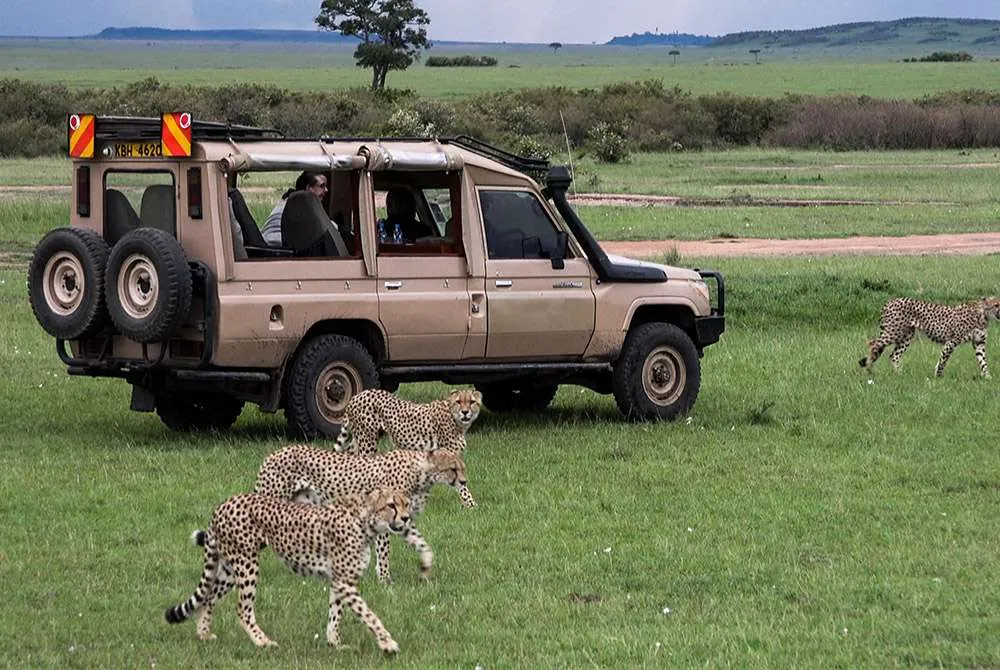
- 4×4 Land Cruisers: The most common and preferred vehicle for Tanzanian safaris. They are robust, offer excellent ground clearance for rough terrain, and are equipped with pop-up roofs for optimal game viewing and photography. They typically seat 4-7 passengers comfortably, plus the driver-guide.
- 4×4 Land Rovers: Also used, offering similar capabilities to Land Cruisers but sometimes with slightly less legroom or comfort for longer journeys.
What to Expect on Ground Transfers
When you move between parks like Tarangire, Lake Manyara, Ngorongoro, and Serengeti using a safari vehicle, you’re typically:
- Accompanied by Your Driver-Guide: Your guide is knowledgeable about wildlife, local culture, and navigation. They will often share insights and point out interesting sights even between parks.
- Traveling on Dirt Roads: Expect bumpy rides, dust, and scenic views of rural Tanzanian life. Road conditions can vary significantly, especially after rain.
- Making Stops: Your guide may stop for photo opportunities, to visit local craft stalls (if pre-arranged or requested), or for a packed lunch.
- Timing: Journeys can take several hours. For instance, traveling from Karatu (near Ngorongoro) to a central Serengeti lodge can take 3-4 hours, factoring in park gate procedures and road conditions.
Advantages of Ground Transfers:
- Immersive Experience: You see the landscape change, observe local life, and can stop spontaneously.
- Flexibility: Can adjust stops and route slightly based on opportunities or preferences.
- Cost-Effective for Northern Circuit: Generally more affordable than flying when covering multiple parks within a circuit.
- Luggage Capacity: Safari vehicles can accommodate standard safari luggage (soft duffel bags).
Disadvantages of Ground Transfers:
- Time-Consuming: Long distances mean significant travel time, reducing time in parks.
- Comfort: Can be tiring due to rough roads and heat.
- Limited Access: Not practical for remote parks like Gombe or Mahale.
Air Transfers: Speeding Up Your Safari
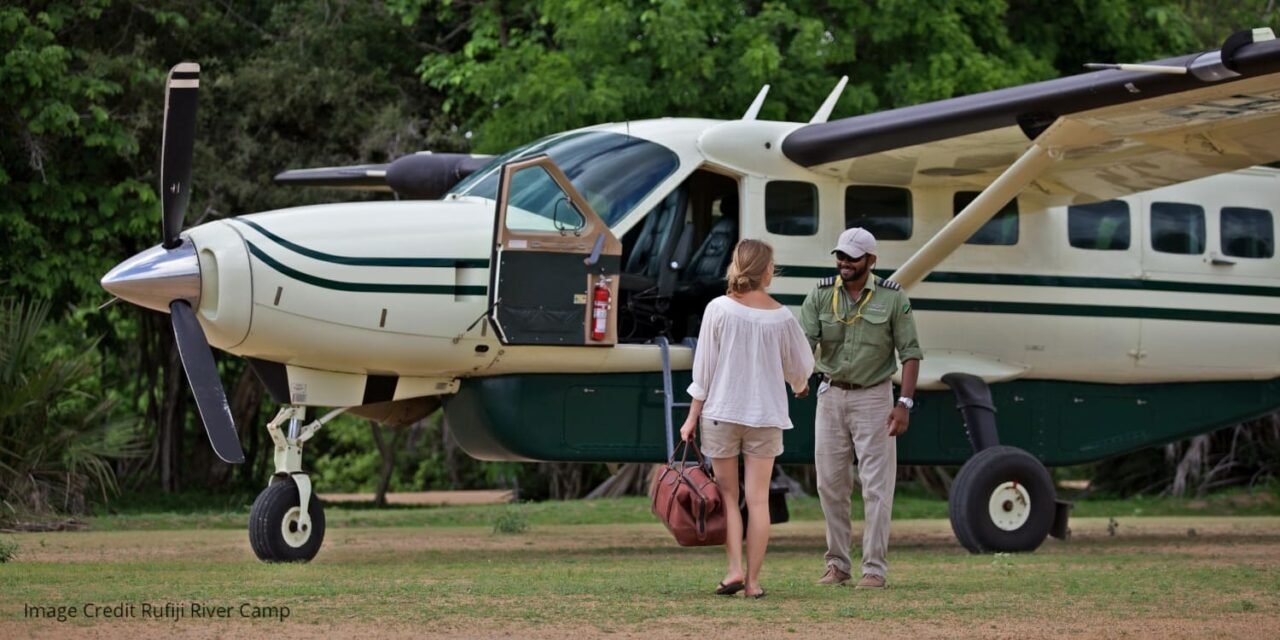
For travelers with limited time, those covering vast distances, or heading to remote circuits, light aircraft transfers are a popular and efficient option.
Types of Air Transfers
- Scheduled Bush Flights: Operated by companies like Coastal Aviation, Auric Air, or Precision Air, these flights connect major hubs (like Arusha, Kilimanjaro International Airport – JRO, Zanzibar, Dar es Salaam) to airstrips within national parks (e.g., Seronera, Kogatende in Serengeti; Ruaha; Nyerere).
- Charter Flights: More expensive but offer complete flexibility in timing and routing, suitable for very specific itinerary needs or groups.
What to Expect on Air Transfers
- Departure Points: Usually from small airports or dedicated terminals in Arusha (like Arusha Airport – ARK) or Dar es Salaam.
- Aircraft: Typically small propeller planes (e.g., Cessna Caravan, Twin Otter) seating 6-12 passengers.
- Luggage Restrictions: Strict weight limits (usually 15-20 kg per person) and soft-sided duffel bags are mandatory. This is crucial for packing.
- Airstrip to Lodge: Upon landing at a park airstrip, you’ll be met by your lodge’s vehicle or a representative for a short transfer to your accommodation, often including a game drive en route.
Advantages of Air Transfers:
- Time-Saving: Dramatically reduces travel time. A flight from Arusha to Serengeti takes about 1-1.5 hours, compared to a 6-8 hour drive.
- Access to Remote Areas: Essential for reaching parks like Gombe, Mahale, and parts of the Southern Circuit.
- Scenic Views: Offers spectacular aerial perspectives of the Tanzanian landscape and wildlife.
- Comfort: Avoids rough roads and long hours of driving.
Disadvantages of Air Transfers:
- Cost: Significantly more expensive than ground transfers.
- Luggage Limits: Requires careful packing and potentially leaving items behind.
- Less Immersion: You miss the overland scenery and interactions.
- Weather Dependent: Flights can be delayed or canceled due to poor weather.
Road vs. Air: Making the Right Choice
The decision between ground and air transfers is one of the most significant for itinerary planning and budget. Here’s a comparison:
| Feature | Ground Transfers (4×4 Safari Vehicle) | Air Transfers (Light Aircraft) |
|---|---|---|
| Cost | Lower (especially for multiple stops in Northern Circuit) | Higher (significant cost per leg) |
| Time Efficiency | Lower (long travel times) | Higher (drastically reduces travel time) |
| Comfort/Experience | Immersive, scenic, can be bumpy/dusty | Comfortable, avoids rough roads, aerial views |
| Luggage | More flexible (standard safari bags) | Strict weight and size limits (soft duffels) |
| Access | Excellent for Northern Circuit, limited for remote areas | Essential for Southern & Western Circuits, efficient for long Northern Circuit hops |
| Flexibility | Some flexibility with stops | Fixed schedules, limited flexibility |
| Best For | Budget travelers, Northern Circuit focus, immersive experience seekers | Time-constrained travelers, remote parks, luxury safaris, covering long distances |
Common Tourist Routes and Transfer Logic
Most safari itineraries are designed to minimize backtracking and maximize time in prime wildlife areas. Understanding typical routes helps visualize how tourists move between Tanzania parks.
Typical Northern Circuit Route (Ground Focus)
This is a common flow for 7-10 day safaris:
Route Illustration (Text-Based):
- Day 1: Arrive Kilimanjaro (JRO) / Arusha. Transfer to Arusha town. Overnight in Arusha.
- Day 2: Arusha to Tarangire National Park. (Approx. 2-3 hours drive). Game drive in Tarangire. Overnight near Tarangire.
- Day 3: Tarangire to Lake Manyara National Park. (Short drive, approx. 1 hour). Game drive in Lake Manyara. Afternoon transfer to Karatu/Ngorongoro area. Overnight Karatu.
- Day 4: Ngorongoro Crater Tour. Descend into the crater for a half-day game drive. Afternoon drive to Serengeti National Park (central area). (Approx. 3-4 hours drive from Karatu to Central Serengeti, including park gate). Overnight Central Serengeti.
- Day 5-6: Serengeti National Park. Full days of game drives. Depending on the season, you might move to other areas like Seronera, Lobo, or the far north/west for migration viewing.
- Day 7: Serengeti to Arusha. Morning game drive, then transfer to Seronera airstrip for a flight back to Arusha. OR a long drive back to Arusha (6-8 hours).
- Day 8: Departure or Zanzibar. Depart from Arusha/JRO, or take a flight to Zanzibar.
Combining Ground and Air (Northern Circuit)
For a faster-paced or more comfortable Northern Circuit trip:
Route Illustration (Text-Based):
- Day 1: Arrive JRO. Transfer to Arusha.
- Day 2: Arusha to Serengeti. Morning flight from Arusha to Seronera airstrip. Met by lodge vehicle for transfer and game drive. Overnight Serengeti.
- Day 3-4: Serengeti National Park. Game drives.
- Day 5: Serengeti to Ngorongoro. Morning game drive, then transfer to Seronera airstrip for flight to Manyara or Kilimanjaro. (Alternatively, drive to Ngorongoro area).
- Day 6: Ngorongoro Crater Tour. Descend into the crater. Afternoon transfer to Karatu or back to Arusha.
- Day 7: Departure or Zanzibar. Depart from Arusha/JRO, or fly to Zanzibar.
Southern Circuit Example (Air Focus)
A typical 4-5 day Southern Circuit itinerary:
Route Illustration (Text-Based):
- Day 1: Arrive Dar es Salaam (DAR). Connect to a flight to Nyerere National Park (Selous) or Ruaha National Park. Met at airstrip for transfer to lodge. Overnight Nyerere/Ruaha.
- Day 2-3: Nyerere/Ruaha National Park. Game drives, boat safaris (Nyerere), walking safaris.
- Day 4: Nyerere/Ruaha to Dar es Salaam. Morning activity, then flight back to Dar es Salaam. Overnight Dar es Salaam or connect to international flight.
Note: Moving between parks within the Southern Circuit (e.g., Nyerere to Ruaha) is almost always done by light aircraft due to the vast distances and poor road infrastructure.
Key Planning Considerations for 2026-2027
When planning your 2026 or 2027 Tanzanian safari, think about transfers early. Here are key points:
1. Itinerary Flow and Duration
- Pace Yourself: Don’t try to cram too many parks into a short trip. Allow ample time for travel between locations.
- Logical Sequencing: Plan routes that minimize backtracking. For the Northern Circuit, this usually means a linear progression (e.g., Tarangire -> Manyara -> Ngorongoro -> Serengeti).
- Time of Year: Consider how the rainy season might affect road conditions for ground transfers.
2. Budget Allocation
- Ground vs. Air: Air transfers add significant cost. If budget is a primary concern, focus on ground transfers for the Northern Circuit.
- Number of Transfers: Each flight leg adds up. Minimize flights if cost is critical.
- Vehicle Type: Private 4x4s are more expensive than shared transfers (though less common for multi-park safaris).
3. Luggage Restrictions
- Soft Duffel Bags Only: This is non-negotiable for light aircraft. Ensure all your gear fits into soft-sided bags.
- Weight Limits: Typically 15-20 kg per person, including hand luggage. Pack light and efficiently.
- Storage: If you have excess luggage, your tour operator can often arrange storage in Arusha or Dar es Salaam.
4. Time of Year and Seasonality
- Dry Season (June-October): Roads are generally in better condition for ground travel. This is peak season, so book well in advance for 2026-2027.
- Wet Season (November-May): Roads can become very challenging, potentially leading to delays or cancellations for ground transfers. Light aircraft are less affected but can still face weather disruptions. Some areas might become inaccessible.
- Migration: If viewing the Great Migration is a priority, your itinerary will dictate which Serengeti airstrip or ground route is best, influencing transfer choices.
5. Group Size
- Solo/Couple: Shared scheduled flights or private transfers are options.
- Family/Group: A private 4×4 is often the most practical and cost-effective for the Northern Circuit. For larger groups, multiple vehicles or charter flights might be necessary.
Understanding the Costs
Exact prices fluctuate based on the season, operator, and specific vehicle or flight type. However, here are the general cost drivers:
Ground Transfers (4×4 Safari Vehicle)
- Daily Vehicle Hire: This is the standard model. You pay a daily rate for the vehicle and driver-guide, which covers their time, fuel, and vehicle maintenance. This cost is then spread across the passengers in the vehicle.
- Park Entry Fees: While not a transfer cost directly, you’ll pay daily park fees for each park you enter, which adds up.
- Concession Fees: Some private concessions have separate fees.
- Road Conditions: Extremely poor conditions might necessitate longer travel times and more fuel, potentially impacting costs if not on a fixed itinerary.
Air Transfers (Light Aircraft)
- Per Person, Per Leg: Flights are typically priced per person for each flight segment (e.g., Arusha to Serengeti is one leg, Serengeti to Zanzibar is another).
- Operator Pricing: Different airlines have different pricing structures.
- Airstrip Fees: Small landing fees may apply at some airstrips.
- Lodge Transfers: The transfer from the airstrip to the lodge is usually included in the lodge rate or handled by the lodge.
General Note on Pricing: Tour operators will bundle these costs into your safari package. It’s essential to get a clear breakdown of what is included. For 2026-2027 bookings, expect prices to reflect general inflation and operational costs.
What to Expect on Transfer Days
Transfer days are different from full safari days. They require patience and an open mind.
Morning Departures
- Early Starts: Most transfers, whether by road or air, require early starts to make the most of the day and avoid midday heat.
- Check-out: Ensure you’ve settled any bills at your lodge or camp the evening before.
- Luggage Loading: For ground transfers, your driver will load your luggage. For flights, ensure it meets the soft duffel and weight requirements.
During the Transfer
- Road: Expect dust, bumps, and varying scenery. Your driver-guide will share information, but focus is usually on reaching the destination. Stops for lunch or restrooms are standard.
- Air: A quick check-in process, boarding the small aircraft, and a scenic flight. In-flight commentary is rare, but the views are the main attraction.
Arrival and Next Steps
- Ground: You’ll typically arrive at your next lodge or camp in the afternoon, often with a game drive en route.
- Air: Upon landing at an airstrip, you’ll be met by your lodge’s representative or vehicle for a transfer to your accommodation, which usually includes your first game drive in the new area.
Transfer days are essential travel days. While they might not be as action-packed as a full game drive day, they are a vital part of the safari experience.
Packing and Preparation for Transfers
Proper packing is crucial, especially considering luggage restrictions for flights.
Essential Packing Tips for Transfers:
- Soft-Sided Duffel Bags: Absolutely essential for light aircraft. No rigid suitcases.
- Lightweight and Quick-Drying Clothing: Layers are key. Neutral colors are best for safaris.
- Pack Light: Aim for the weight limit if flying. Consider laundry services at lodges if needed.
- Essentials in Hand Luggage: Keep cameras, binoculars, medications, a change of clothes, and valuables with you on flights.
- Comfortable Shoes: For walking around camps and lodges.
- Sun Protection: Hat, sunglasses, high SPF sunscreen.
- Insect Repellent: Especially for evenings and in areas near water.
Preparation Checklist:
- Confirm luggage restrictions with your tour operator.
- Pack all necessary items into soft duffel bags well in advance.
- Ensure all travel documents (passport, visa, yellow fever certificate if required) are easily accessible.
- Inform your operator of any special dietary needs or medical conditions.
- Have local currency (Tanzanian Shilling) or USD for tips and personal expenses.
Common Mistakes to Avoid
To ensure smooth travel between parks, be aware of these common pitfalls:
- Ignoring Luggage Limits: Arriving with suitcases for a flight will cause significant problems and potential re-packing on the spot.
- Underestimating Travel Times: Tanzania’s road network can be slow. Don’t assume distances are covered quickly.
- Not Planning Transfers in Advance: Last-minute arrangements can be costly and inconvenient. Book transfers with your safari package.
- Assuming All Parks are Connected by Road: Gombe, Mahale, and many Southern Circuit parks require flights or boat transfers.
- Over-Scheduling: Trying to fit too many parks into a short timeframe leads to excessive travel and less time for actual wildlife viewing.
- Not Considering the Season: Traveling during the peak rainy season can make ground transfers difficult or impossible.
- Not Clarifying Inclusions: Understand if park fees, driver-guide expenses, and fuel are included in your transfer costs.
Who Are These Transfers Best For?
The methods for how tourists move between Tanzania parks cater to various traveler types:
- Budget-Conscious Travelers (Northern Circuit): Relying on ground transfers for the Northern Circuit is the most economical way to see multiple parks.
- Time-Constrained Travelers: Light aircraft transfers are essential for maximizing wildlife viewing when time is limited.
- Comfort Seekers: Flights bypass rough roads, offering a more comfortable journey.
- First-Time Safari Goers: The Northern Circuit with a private 4×4 offers a classic, accessible, and well-supported safari experience.
- Wildlife Enthusiasts: Strategic use of flights can position you in remote areas (like northern Serengeti for migration) quickly.
- Adventure Travelers: While ground transfers can be adventurous due to road conditions, they offer a more grounded experience of the country.
- Luxury Travelers: Often opt for a combination of private 4x4s and light aircraft for ultimate convenience and access.
Alternatives and Unique Travel Styles
While 4x4s and light aircraft dominate, other considerations exist:
Shared Shuttles/Buses
These are generally not used by tourists for inter-park travel due to their slow speed, multiple stops, and lack of flexibility. They are for local transport.
Self-Drive Safaris
While possible in some areas (like parts of the Northern Circuit), self-driving in Tanzania is challenging for tourists. It requires extensive knowledge of roads, park regulations, vehicle maintenance, and navigation. Most tourists opt for a driver-guide for safety, expertise, and convenience.
Walking Safaris
These are activities within specific areas (e.g., near Arusha, in some concessions, or outside certain parks) rather than primary transfer methods between distant parks. They offer a different perspective on the environment.
Boat Transfers
Crucial for accessing Gombe and Mahale National Parks from Kigoma town. This is a unique transfer experience in itself.
Booking Your Tanzania Park Transfers
Booking your safari package with a reputable tour operator is the most straightforward way to handle inter-park transfers. Here’s how to approach it:
Booking Checklist:
- Choose a Reputable Operator: Look for experienced companies with good reviews and clear communication.
- Discuss Your Itinerary: Clearly outline the parks you wish to visit and your timeframe.
- Specify Your Preferences: State whether you prefer ground or air transfers, or a mix.
- Ask About Inclusions: Ensure your quote details what is covered (vehicle, driver, fuel, park fees, flight costs, meals, accommodation).
- Luggage Considerations: Reiterate luggage restrictions, especially if flights are involved.
- Payment Schedule: Understand deposit requirements and final payment deadlines. For 2026-2027 trips, booking 6-12 months in advance is advisable, especially for peak season.
- Confirmation: Get all arrangements in writing.
A good tour operator will guide you through the best transfer options based on your itinerary, budget, and preferences. They handle all the bookings and logistics, allowing you to focus on the excitement of your safari.
Contact us to plan your seamless Tanzanian safari, including all necessary park transfers.
WhatsApp: +255616946642
Email: topguideadventures@gmail.com
Backup Email: info@topguideadventures.com
Frequently Asked Questions (FAQs)
What is the most common way tourists move between Tanzania parks?
For the popular Northern Circuit, the most common method is by private 4×4 safari vehicle, driven by a professional guide. For longer distances or travel to more remote parks like the Southern or Western circuits, light aircraft transfers are frequently used.
Are light aircraft transfers essential for visiting the Serengeti?
Not essential, but highly recommended if you are short on time or want to avoid a long drive. Driving to the Serengeti from Arusha takes 6-8 hours, whereas flying takes about 1-1.5 hours. Flights also allow access to different sections of the Serengeti more quickly.
What are the luggage restrictions for light aircraft in Tanzania?
Typically, luggage is restricted to a maximum of 15-20 kg (33-44 lbs) per person, and it must be in a soft-sided duffel bag. This is to ensure the aircraft can safely accommodate the weight and that bags can fit into the limited storage space.
Can I drive myself between Tanzania’s national parks?
While technically possible for experienced drivers in some parts of the Northern Circuit, self-driving is not recommended for most tourists. It requires significant knowledge of local road conditions, park rules, navigation, and vehicle maintenance. Using a professional driver-guide is safer, more efficient, and provides valuable local insights.
How long does it take to travel between parks by road?
Travel times vary greatly. For example: Arusha to Tarangire is 2-3 hours; Tarangire to Ngorongoro area is 2-3 hours; Ngorongoro to Central Serengeti is 3-4 hours (including park gates); Central Serengeti back to Arusha can be 6-8 hours by road. These times do not include game drives or significant stops.
What happens if my flight transfer is cancelled due to weather?
Reputable tour operators will have contingency plans. This might involve switching to a ground transfer if feasible, adjusting your itinerary, or arranging for you to stay an extra night at your current location. Communication is key in such situations.
How do I move between parks in the Southern Circuit (e.g., Nyerere to Ruaha)?
Due to vast distances and poor road infrastructure, movement between parks in the Southern Circuit is almost exclusively done by light aircraft. You would typically fly from an airstrip in one park to an airstrip in another, connecting via Dar es Salaam if necessary.
Is it possible to combine ground and air transfers in one safari?
Yes, this is very common and often recommended for optimizing time and experience. For instance, you might drive between Tarangire, Lake Manyara, and Ngorongoro, then fly from the Serengeti to Zanzibar, or vice-versa.
When should I book my transfers for a 2026 or 2027 safari?
It’s advisable to book your safari, including all transfers, at least 6-12 months in advance, especially if you plan to travel during the peak season (June-October) or around holidays. This ensures availability of preferred lodges, vehicles, and flights.
Are park entrance fees included in transfer costs?
This depends on your tour operator’s package. Typically, park entrance fees are charged daily for each park visited. When you book a safari package that includes transfers, confirm whether these daily park fees are itemized or included in the overall safari cost.
Plan Your Tanzania Safari Movement
Understanding how tourists move between Tanzania parks is fundamental to crafting an unforgettable safari. Whether you opt for the immersive journey of a 4×4 or the speed and convenience of light aircraft, each choice shapes your adventure. Our team specializes in creating seamless itineraries that balance wildlife viewing, travel comfort, and your budget.
Let us help you navigate the logistics for your 2026-2027 Tanzanian safari. We ensure every detail, from the first game drive to the final transfer, is meticulously planned.
Get in touch today to start planning your dream Tanzania safari:
WhatsApp: +255616946642
Email: topguideadventures@gmail.com
Backup Email: info@topguideadventures.com
Plan your How Tourists Move Between Tanzania Parks with Top Guide Adventures
Tell us your travel dates, group size, comfort level, and dream experience. We will help you shape a clear, realistic, and memorable Tanzania itinerary.



