
For travelers seeking an alternative way to experience the stunning landscapes and vibrant culture surrounding Mount Kilimanjaro, a horse riding tour from Moshi offers a truly memorable adventure. Moving beyond the standard safari jeep or trekking boots, this unique perspective allows you to connect with the environment and local communities in a deeply personal way. Whether you’re an experienced rider or a beginner, these excursions provide an exhilarating and authentic glimpse into the heart of Tanzania. Planning for 2026 or 2027? Now is the perfect time to consider this distinctive travel experience.
Discovering Kilimanjaro’s Charm on Horseback
Moshi, a bustling town nestled at the foothills of Africa’s highest peak, serves as an ideal starting point for horse riding adventures. The surrounding areas are characterized by rolling hills, lush coffee plantations, traditional Chagga villages, and breathtaking views of Kilimanjaro itself. A horse riding tour here isn’t just about the ride; it’s an immersion into a rich cultural and natural environment.
Unlike a typical safari where you observe wildlife from a distance, horse riding in this region focuses more on cultural interaction and scenic exploration. The pace of the horse allows for a more intimate encounter with the landscape. You can hear the sounds of village life, smell the coffee blossoms, and feel the gentle breeze as you traverse paths often used by locals. This is a chance to see Tanzania from a different angle, one that is often overlooked.
For those planning their trips for 2026 or 2027, incorporating a horse riding excursion from Moshi into a broader Tanzanian itinerary—perhaps combined with a safari or a Zanzibar beach holiday—provides a well-rounded experience. It breaks up longer travel days and offers a refreshing contrast to more strenuous activities like Kilimanjaro treks.
What to Expect from a Horse Riding Tour from Moshi
A typical horse riding tour from Moshi is designed to be accessible and enjoyable for a wide range of participants. Here’s a breakdown of what you can generally anticipate:
- Duration: Tours can range from a few hours to a full day, depending on your preference and the chosen itinerary. Half-day rides are popular for those with limited time or as a relaxed activity.
- Riding Experience: Most operators cater to all levels of riders. Beginners will be paired with calm, well-trained horses and receive a thorough briefing on riding basics. Experienced riders can often request horses that offer a more spirited ride.
- Horses: The horses used are typically a mix of local breeds and imported horses, chosen for their temperament, sure-footedness, and suitability for the terrain. They are well-cared for and accustomed to carrying riders through varied landscapes.
- Guides: Knowledgeable local guides will accompany you. They are not only skilled riders but also possess deep insights into the local culture, flora, and fauna, enhancing your experience with informative commentary.
- Itinerary: Rides often take you through coffee and banana plantations, past local homesteads, and along scenic trails with stunning views of Kilimanjaro. Some tours might include a stop at a local village or a traditional lunch.
- What to Bring: Comfortable long trousers (like jeans or riding pants), closed-toe shoes (boots are ideal), sunscreen, a hat, sunglasses, and a camera are essential. A light jacket might be useful for cooler mornings.
The focus is on a relaxed pace, allowing you to soak in the scenery and interact with your surroundings. It’s an opportunity to engage with the local community, perhaps wave to children on their way to school or greet farmers tending their fields.
Choosing Your Horse Riding Adventure: Popular Routes and Experiences
While the specific routes can be customized, several popular options highlight the diverse beauty of the Moshi region. When planning your horse riding tour from Moshi for 2026 or 2027, consider these experiences:
Option 1: Coffee Plantation & Village Exploration
This is perhaps the most classic horse riding route from Moshi. You’ll typically start from a ranch or farm on the lower slopes of Kilimanjaro.
- Morning: After meeting your horse and guide, you’ll receive a brief riding lesson if needed. The ride begins, taking you through lush coffee plantations. Learn about the coffee-growing process from your guide, and perhaps even see local women and men tending to the crops.
- Midday: The trail winds through small Chagga villages. You’ll have opportunities to see traditional housing, local markets (depending on the day), and the daily rhythm of village life. This is a fantastic chance for cultural exchange, though it’s important to be respectful of local customs.
- Lunch: Many tours include a stop for a delicious, home-cooked Tanzanian meal, often prepared with local ingredients, either at a village home or a scenic picnic spot.
- Afternoon: Continue your ride, enjoying panoramic views of the plains below and, weather permitting, the majestic snow-capped peak of Kilimanjaro above. The ride concludes back at the starting point.
Ideal for: Cultural enthusiasts, beginners, and those seeking scenic beauty.
Option 2: Kilimanjaro Foothills Scenic Ride
For those who want to get closer to the mountain’s grandeur, this route takes you higher into the foothills.
- Terrain: The paths become more rugged, offering a slightly more adventurous ride. You’ll ascend through montane forests and grasslands, with increasingly dramatic views.
- Flora and Fauna: Keep an eye out for diverse birdlife and smaller mammals that inhabit these higher altitudes. Your guide will point out interesting plants and trees native to the Kilimanjaro ecosystem.
- Views: The primary draw here is the unparalleled proximity to Kilimanjaro. On clear days, the sight of the glaciers and the volcanic cones is awe-inspiring.
- Duration: These rides might be slightly longer or more physically demanding due to the elevation changes.
Ideal for: Nature lovers, photographers, and those seeking more challenging terrain.
Option 3: Multi-Day Horse Trek (Less Common, Highly Unique)
While less common as a standard offering, some operators can arrange for longer, multi-day treks for experienced riders. This would involve camping or staying in local guesthouses along the route.
- Scope: These treks could potentially explore different sections of Kilimanjaro’s lower slopes or even venture towards the Usambara Mountains, depending on the operator’s capabilities and your desired adventure level.
- Logistics: Requires more detailed planning regarding accommodation, meals, and horse care.
- Immersion: Offers the deepest level of immersion into the Tanzanian countryside and a true sense of exploration.
Ideal for: Experienced riders looking for an extended, off-the-beaten-path adventure.
When booking for 2026 or 2027, discuss your interests and fitness level with your tour operator to select the most suitable route. Remember that weather can influence visibility, especially for mountain views, making the dry seasons (June-October and December-February) generally preferable.
Preparing for Your Horse Riding Tour from Moshi
Proper preparation ensures you have a safe, comfortable, and enjoyable experience. Here are some key considerations:
Physical Fitness and Riding Ability
While most tours are suitable for beginners, a basic level of fitness is beneficial. You should be comfortable sitting for extended periods and have a reasonable range of motion. If you have any physical limitations, it’s crucial to inform your tour operator in advance. For those with prior riding experience, communicate this clearly so you can be matched with an appropriate horse.
What to Wear
Clothing:
- Long Trousers: Comfortable, sturdy long trousers are a must to prevent chafing. Jeans or riding breeches are suitable. Avoid shorts or skirts.
- Tops: Lightweight, breathable long-sleeved shirts are recommended to protect you from the sun and potential scratches from vegetation.
- Footwear: Sturdy, closed-toe shoes with a slight heel are ideal. Boots (like hiking boots or riding boots) are preferable to sneakers, as they offer better ankle support and protection. Ensure they are comfortable for walking around the stables.
- Hat: A wide-brimmed hat or a cap with a chin strap is essential for sun protection.
Other Essentials:
- Sunscreen: Apply high SPF sunscreen generously, especially to exposed skin.
- Sunglasses: Protect your eyes from the sun.
- Insect Repellent: While not always a major issue on well-traveled trails, it’s wise to have some on hand, particularly for the mornings and evenings.
- Camera: You’ll want to capture the stunning scenery and cultural moments. Ensure you have a secure way to carry it.
- Water Bottle: Stay hydrated. Most tours provide water, but having your own reusable bottle is good practice.
- Small Backpack: To carry your personal items.
Health and Safety
Vaccinations: Consult your doctor or a travel clinic well in advance of your 2026 or 2027 trip regarding recommended vaccinations and malaria precautions for Tanzania.
Insurance: Ensure you have comprehensive travel insurance that covers adventure activities, including horse riding.
Safety Briefing: Always listen carefully to the safety instructions provided by your guide before mounting your horse. Understand how to control the horse, what to do in different situations, and the signals your guide uses.
The Cultural Significance of Horse Riding in the Region
While not a traditional mode of transport for the Chagga people who predominantly inhabit the Kilimanjaro slopes, horse riding has been introduced and embraced as a way to share their beautiful land with visitors. The tours offer a unique lens through which to appreciate the local way of life:
- Community Interaction: Riding through villages allows for natural, albeit brief, interactions. Children often wave excitedly, and you might see elders observing the passing riders. It’s a gentle way to be present in the community without being intrusive.
- Agricultural Landscape: The Chagga are renowned farmers, particularly for their coffee and bananas. The horse riding routes often traverse these fertile lands, showcasing the agricultural heart of the region. Understanding the significance of these crops adds depth to the journey.
- Respectful Tourism: Horse riding tours, when conducted responsibly, can offer economic benefits to local communities through employment of guides and use of local resources. Choosing operators who prioritize ethical practices and community engagement is important for sustainable tourism in 2026 and beyond.
By engaging in a horse riding tour from Moshi, you are not just enjoying a scenic ride; you are participating in a form of tourism that can foster positive connections between visitors and the local population.
Horse Riding vs. Other Ways to Explore Kilimanjaro’s Surroundings
Moshi offers various ways to explore its environs. Comparing horse riding to these alternatives helps in choosing the best fit for your travel style and objectives.
Comparison of Exploration Methods
| Method | Pros | Cons | Best For |
|---|---|---|---|
| Horse Riding | Unique perspective, cultural immersion, connection with nature, suitable for various fitness levels, scenic views. | Limited to specific trails, potential for weather dependency, requires basic comfort with animals. | Cultural explorers, scenic riders, those seeking a relaxed yet engaging experience. |
| Walking/Hiking | Intimate connection with environment, excellent for fitness, access to more remote areas, low impact. | Slower pace, can be physically demanding, limited range for day trips, requires good footwear. | Nature enthusiasts, hikers, budget travelers, those wanting a close-up experience. |
| Vehicle Safari (4×4) | Covers large distances, ideal for wildlife viewing, comfortable, access to national parks. | Less personal connection to landscape, can be noisy, limited interaction with local life outside parks. | Wildlife enthusiasts, those on a tight schedule, families with younger children. |
| Bicycle Tours | Active exploration, covers moderate distances, good for seeing local life, eco-friendly. | Requires good physical fitness, can be challenging on hills, weather dependent, potential safety concerns on roads. | Active adventurers, cyclists, those interested in local communities and landscapes. |
For a horse riding tour from Moshi, the unique blend of gentle exploration, cultural insight, and stunning vistas makes it a standout option, especially for travelers looking for something beyond the typical safari or trek. Planning for 2026 or 2027 allows ample time to research and book an experience that perfectly matches your desires.
Planning Your 2026-2027 Horse Riding Adventure from Moshi
Booking your adventure in advance is always recommended, especially for popular travel periods in 2026 and 2027. Here’s how to approach your planning:
When to Go
The best time for horse riding around Moshi aligns with Tanzania’s dry seasons, which offer the most pleasant weather and clearer views:
- June to October: This is the peak dry season, offering sunny days and cooler temperatures. It’s ideal for riding with excellent visibility of Kilimanjaro.
- December to February: Another dry period, though often warmer than the June-October window. It’s still a great time for outdoor activities.
The shoulder seasons (March-May and November) can be rainy, which might affect trail conditions and visibility, but can also offer fewer crowds and lusher landscapes. Always check the weather forecast closer to your travel date.
Choosing a Reputable Tour Operator
Selecting the right operator is crucial for a safe and enjoyable experience. Look for companies that:
- Have a strong track record and positive reviews (check platforms like TripAdvisor).
- Prioritize the welfare and care of their horses.
- Employ experienced, knowledgeable local guides.
- Offer clear itineraries and pricing.
- Are transparent about what is included and excluded in their tours.
For personalized service and expert guidance on a horse riding tour from Moshi, consider reaching out to local operators. For example, Top Best Tanzania Tour operator can help craft the perfect itinerary. You can contact them via WhatsApp at +255616946642 or email at topguideadventures@gmail.com (backup: info@topguideadventures.com).
Booking and Costs
Booking Window: For 2026 or 2027 travel, it’s advisable to book at least 3-6 months in advance, especially if you plan to travel during peak seasons or require specific customizations. For multi-day treks, even earlier booking might be necessary.
Cost Factors: The price of a horse riding tour from Moshi typically depends on:
- Duration: Half-day tours are less expensive than full-day or multi-day excursions.
- Inclusions: Whether meals, transfers from Moshi town, and guide services are included.
- Group Size: Private rides are generally more expensive per person than shared rides.
- Operator: Prices can vary between different tour companies.
While exact pricing requires a direct quote, expect a half-day tour to range roughly from $70 to $150 USD per person, and a full-day tour from $120 to $250 USD per person, depending on the inclusions and operator. These are estimates for planning purposes for 2026-2027 and should be confirmed directly with your chosen provider.
Example Pricing Considerations (Estimates for 2026-2027)
Half-Day Horse Riding Tour (approx. 3-4 hours):
- Shared Tour: $70 – $120 USD per person
- Private Tour: $100 – $150 USD per person
Full-Day Horse Riding Tour (approx. 6-8 hours, including lunch):
- Shared Tour: $120 – $200 USD per person
- Private Tour: $150 – $250 USD per person
Note: Prices typically include horse rental, guide, basic riding instruction, and sometimes lunch. Transfers from Moshi town may be extra. Always request a detailed quote.
Integrating Horse Riding into Your Tanzania Itinerary
A horse riding tour from Moshi can be a fantastic addition to a larger Tanzanian adventure. Here are a few ideas for 2026-2027:
- Pre-Kilimanjaro Warm-up: Spend a day or two in Moshi before your trek to acclimatize and enjoy a relaxing horse ride, experiencing the mountain’s presence from a different perspective.
- Post-Safari Relaxation: After an exciting safari in the northern circuit parks (Serengeti, Ngorongoro, Tarangire), wind down with a serene horse ride near Moshi.
- Cultural Immersion Day: Combine a horse ride through villages with visits to local markets or coffee processing facilities for a deeper cultural understanding.
- Standalone Excursion: If you’re based in Moshi for a shorter period, a half-day or full-day horse ride can be a rewarding experience in itself.
Consider combining this with other day trips from Moshi, such as visiting Materuni waterfalls or hiking in the lower slopes of Kilimanjaro. The key is to balance activity with relaxation and cultural engagement.
FAQs About Horse Riding Tours from Moshi
Do I need to be an experienced rider to go on a horse riding tour from Moshi?
No, most tours are designed for beginners. You’ll receive instruction and be paired with a suitable horse. Experienced riders can often request a more spirited horse.
What is the best time of year for a horse riding tour from Moshi?
The dry seasons, from June to October and December to February, are generally best for clear views and comfortable riding conditions. However, tours operate year-round.
Are the horses well-treated?
Reputable tour operators prioritize the welfare of their horses. It’s important to choose operators with good reviews and ethical practices.
What should I wear for a horse riding tour?
Wear long trousers (like jeans), closed-toe shoes with a heel (boots are ideal), and a hat for sun protection. Bring sunscreen and a camera.
Can I combine a horse riding tour with a Kilimanjaro climb?
Yes, a horse riding tour can be a great way to relax and acclimatize in Moshi before or after your Kilimanjaro trek.
Your Unforgettable Horse Riding Adventure Awaits
A horse riding tour from Moshi offers a unique and rewarding way to experience the beauty and culture of Tanzania’s Kilimanjaro region. It’s an opportunity to connect with the land and its people in a way that few other activities can provide. Whether you’re planning for 2026 or 2027, this adventure promises lasting memories.
For a personalized and expertly guided horse riding tour from Moshi, consider partnering with experienced local guides. Contact Top Best Tanzania Tour operator to discuss your ideal itinerary. Reach them via WhatsApp at +255616946642, email at topguideadventures@gmail.com, or their backup email info@topguideadventures.com. Let them help you plan an extraordinary journey through the stunning landscapes at the foot of Mount Kilimanjaro.
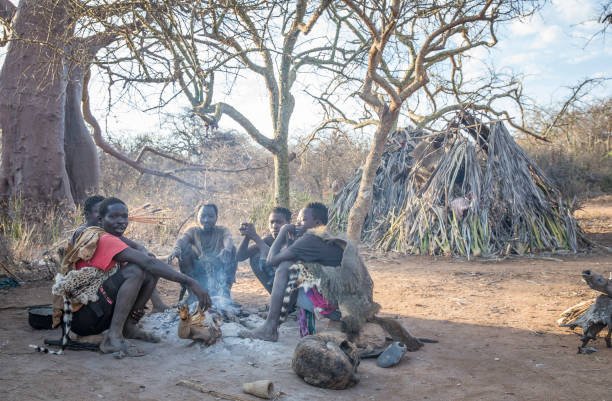
Hadzabe Tribe Day Trip Cost From Moshi/Zanzibar 2026-2027
Hadzabe tribe Day trip cost from Moshi/Zanzibar is explained with current 2026-2027 planning, price, itinerary and booking information.
View package detailsNo related package matches those filters. Clear one or more filters to see the other topic-matched options.



