
Updated planning guide for 2026, 2027
Game Controlled Areas in Tanzania: Your Ultimate Safari Guide
A comprehensive guide to Game Controlled Areas (GCAs) in Tanzania, detailing their significance, the wildlife you can expect, and essential planning advice for an unforgettable safari experience in 2026 and 2027.
WhatsApp +255616946642 | info@topguideadventures.com | topguideadventures@gmail.com
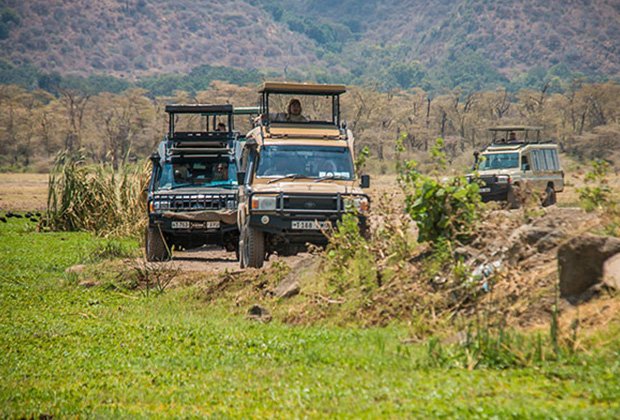
Understanding Game Controlled Areas (GCAs) in Tanzania
Tanzania is a world-renowned safari destination, boasting an unparalleled diversity of wildlife and breathtaking landscapes. At the heart of its conservation success lies a meticulously managed system of protected areas, among which the Game Controlled Areas (GCAs) in Tanzania play a crucial role. Unlike National Parks or Game Reserves, GCAs are designated areas where wildlife conservation is paramount, but with specific regulations that allow for controlled human activities, often including regulated hunting (though this is less common for typical tourist safaris) and more flexible tourism operations. Understanding these areas is key to planning an authentic and impactful Tanzanian safari experience, especially as you look towards prime safari seasons in 2026 and 2027.
These areas are vital buffer zones, connecting larger protected ecosystems and providing essential corridors for wildlife migration. They also offer unique safari experiences that can differ from the more restricted National Parks, often providing a sense of wildness and exclusivity. For travelers seeking a deeper connection with nature and a more nuanced understanding of conservation efforts, exploring the GCAs in Tanzania offers a rewarding perspective.
Why Choose a Safari Focused on Game Controlled Areas?
Choosing to explore Tanzania’s GCAs for your safari adventure offers several distinct advantages that cater to different traveler preferences. While National Parks are the crown jewels, GCAs provide a complementary and often more intimate wildlife viewing experience.
Unique Wildlife Encounters
GCAs are often teeming with wildlife, sometimes even rivalling the density found in National Parks. Because they are managed with conservation as a priority, they support robust populations of iconic African animals. You can expect to see the Big Five (lion, leopard, elephant, rhino, and buffalo), along with a vast array of other species, including giraffes, zebras, wildebeest, antelopes, diverse birdlife, and numerous predators.
Off-the-Beaten-Path Experiences
Many GCAs are less frequented by mass tourism compared to the most popular National Parks. This means you’re more likely to enjoy a sense of solitude and have vast landscapes seemingly all to yourself. Imagine witnessing a lion pride without another vehicle in sight – a truly magical and exclusive experience that GCAs often provide.
Flexibility in Safari Activities
While regulations vary, GCAs can sometimes offer more flexibility in terms of safari activities. Depending on the specific GCA and its management, options like walking safaris or night drives might be more readily available than in strictly regulated National Parks. These activities offer a different perspective on the bush, allowing you to connect with the environment on a more intimate level.
Contribution to Conservation
Your visit to a GCA directly contributes to conservation efforts and local community development. Revenue generated from tourism fees and park entries in these areas often funds anti-poaching patrols, habitat preservation, and community projects, making your safari a force for good.
Strategic Locations and Connectivity
Many GCAs are strategically located around or between major National Parks and Game Reserves. This makes them ideal for multi-destination itineraries, serving as excellent transit points or offering diverse experiences within a single trip. For instance, a safari might include a few days in a GCA before or after visiting a well-known park like the Serengeti or Selous.
The Best Time to Visit Game Controlled Areas in Tanzania
The optimal time to visit Tanzania’s Game Controlled Areas (GCAs) largely depends on your specific interests, particularly if you’re aiming for the Great Migration or seeking optimal weather conditions for wildlife viewing. The year can be broadly divided into dry and wet seasons, each offering unique advantages.
The Dry Season (June to October)
This is widely considered the prime time for safaris across Tanzania, including its GCAs. During these months:
- Low Vegetation: The dry conditions lead to sparser foliage, making it easier to spot wildlife. Animals tend to congregate around permanent water sources, increasing the chances of significant sightings.
- The Great Migration: While the Serengeti is the main stage, the migration’s path can extend into surrounding GCAs. June and July are particularly exciting as the herds cross rivers, and later in the season, they may be found grazing in the western and northern parts of the Serengeti ecosystem, which often includes adjacent GCAs.
- Pleasant Weather: Days are generally sunny and warm, with cooler evenings and mornings. Rainfall is minimal, reducing the chances of safari disruptions.
- Ideal for Photography: The clear skies and abundant wildlife make this period excellent for photographers.
For travelers planning their safaris for 2026 or 2027, aiming for the dry season will maximize your chances of incredible wildlife viewing, especially if witnessing the Great Migration is a priority.
The Wet Season (November to May)
The wet season offers a different, yet equally rewarding, safari experience:
- Lush Landscapes: The rains transform the landscape into vibrant green scenery, which is stunningly beautiful and provides excellent photographic opportunities.
- Calving Season: For areas like the southern Serengeti and its surrounding GCAs, the short rains (November to December) often coincide with the wildebeest calving season (January to February). This is a spectacular time to witness predators in action as they prey on vulnerable newborns.
- Birdwatching Paradise: Migratory birds arrive from Europe and Asia, turning the GCAs into a haven for birdwatchers. Resident birds are also in breeding plumage, making for spectacular sightings.
- Fewer Crowds: Generally, the wet season sees fewer tourists, offering a more exclusive and tranquil experience.
- Lower Prices: Some lodges and tour operators may offer discounted rates during the low season, making it a more budget-friendly option.
It’s important to note that ‘wet season’ doesn’t mean constant rain. Typically, there are short, intense showers followed by sunshine. Roads can become challenging in some areas, but experienced tour operators like Top Guide Adventures are adept at navigating these conditions.
Shoulder Seasons (March-May & November-December)
These periods offer a good balance:
- March-May (Long Rains): While this is the peak of the long rains, the landscapes are incredibly lush, and wildlife is plentiful. It’s a quieter time, and you might find great deals.
- November-December (Short Rains): The short rains bring relief after the dry season, rejuvenating the land. Wildlife is abundant, and the scenery is beautiful. This is often a great time for birding and witnessing predator activity.
When planning for 2026 or 2027, consider what kind of experience you prioritize. For classic game drives and migration viewing, June-October is ideal. For dramatic landscapes, abundant birdlife, and fewer crowds, the wet season or shoulder months can be exceptional.
Key Game Controlled Areas in Tanzania
Tanzania boasts a network of GCAs, each with its unique characteristics and wildlife. While some are well-established and frequently visited, others offer a more remote and exclusive experience. Here are some of the prominent GCAs and their significance:
1. Maswa Game Controlled Area
Located adjacent to the western Serengeti National Park, Maswa is a crucial corridor for the Great Migration. It offers excellent game viewing year-round, with opportunities to see the Big Five. Maswa is known for its beautiful acacia woodlands and open plains, providing diverse habitats for wildlife. It’s particularly famous for its leopard sightings and is a prime area for walking safaris, offering a more intimate bush experience.
2. Ikorongo Game Controlled Area
Also bordering the Serengeti, Ikorongo is another vital part of the ecosystem. It provides a sanctuary for wildlife moving between the Serengeti and Lake Victoria. This GCA is less visited than the main Serengeti but offers fantastic game viewing, especially for predators like lions and cheetahs, as well as elephants and buffaloes. Its rolling hills and riverine forests create a varied and scenic landscape.
3. Grumeti Game Controlled Area
Situated to the west of the main Serengeti, Grumeti is famous for the Grumeti River, which hosts large Nile crocodiles and is a critical crossing point for wildebeest during the migration (typically around May/June). The area is characterized by its dramatic riverine landscapes and is home to a healthy population of lions, hippos, and abundant birdlife. It’s also known for its exclusive, high-end lodges that offer unparalleled safari experiences.
4. Kilombero Game Controlled Area
Located in the south-central part of Tanzania, the Kilombero GCA is part of the vast Selous ecosystem (now Nyerere National Park and Selous Game Reserve). This area is known for its vast floodplains and Miombo woodlands, supporting large herds of buffalo, elephants, and a variety of antelope species. It’s a less-explored region, offering a sense of true wilderness and excellent opportunities for birdwatching.
5. Rungwa Game Controlled Area
Adjacent to the Rungwa Game Reserve and the western side of Ruaha National Park, Rungwa GCA is a vast and wild area. It’s known for its large elephant and buffalo populations, as well as significant numbers of predators. The landscape is diverse, featuring open plains, woodlands, and river systems. This GCA offers a more rugged and remote safari experience, often favored by seasoned safari-goers.
6. Ruaha National Park buffer zones and adjacent GCAs
While Ruaha National Park is a protected area in itself, the surrounding areas often fall under GCA regulations or are managed as buffer zones. These areas are critical for maintaining the ecological integrity of Ruaha, which is renowned for its large elephant herds, impressive lion prides, and high diversity of predators and birds. Exploring these adjacent GCAs can offer incredible game viewing with fewer vehicles.
7. Selous Game Reserve buffer zones and adjacent GCAs
Similarly, the vast Selous Game Reserve (now Nyerere National Park and Selous Game Reserve) has surrounding GCAs that are integral to its ecosystem. These areas support the immense wildlife populations of the Selous, including elephants, hippos, wild dogs, and crocodiles. Boat safaris on the Rufiji River and walking safaris are often key activities in and around these areas.
Planning Your Game Controlled Area Safari: A Step-by-Step Guide
Planning a safari to Tanzania’s Game Controlled Areas (GCAs) requires careful consideration to ensure you maximize your experience and align with your interests. Here’s a practical guide to help you plan your trip for 2026 or 2027.
Step 1: Define Your Safari Goals
Before diving into logistics, consider what you want from your safari:
- Wildlife Focus: Are you primarily interested in seeing the Big Five, witnessing the Great Migration, or focusing on birdlife and smaller mammals?
- Experience Type: Do you prefer classic game drives, walking safaris, fly-camping, or a combination?
- Level of Exclusivity: Are you looking for a remote, off-the-beaten-path adventure, or a more comfortable lodge-based experience?
- Budget: GCAs can range from very exclusive and high-end to more rustic and budget-friendly options.
Understanding these priorities will help narrow down the best GCAs and the type of safari that suits you.
Step 2: Choose the Right Game Controlled Area(s)
Based on your goals, select the most appropriate GCA(s). For example:
- For Migration & Serengeti Proximity: Maswa, Ikorongo, Grumeti GCAs are excellent choices.
- For Wilderness & Large Mammals: Kilombero, Rungwa, or buffer zones around Ruaha and Nyerere National Park offer remote experiences.
- For Walking Safaris: Maswa and some areas around Selous are renowned.
It’s often beneficial to combine a GCA visit with a National Park or Game Reserve for a diverse experience.
Step 3: Determine the Best Time to Travel
As discussed earlier, the dry season (June-October) is generally best for wildlife viewing and migration. The wet season (November-May) offers lush landscapes, birding, and calving seasons. Consider your travel dates for 2026 or 2027 based on these factors.
Step 4: Select Your Accommodation
GCAs offer a range of accommodation options:
- Luxury Lodges: Offer comfort, fine dining, and excellent service, often in prime locations.
- Tented Camps: Provide a more immersive bush experience, ranging from comfortable to luxurious.
- Mobile Camps: These camps move seasonally to follow the wildlife, offering a dynamic safari experience.
- Fly Camps: Basic, temporary camps often used for walking safaris, providing a truly wild feel.
The choice depends on your budget, desired comfort level, and the specific activities you plan to undertake.
Step 5: Plan Your Itinerary and Activities
A typical GCA safari can range from 3 days to over a week. A well-rounded itinerary might look like this:
Sample 7-Day GCA & National Park Combo Itinerary (Example)
Day 1-3: Maswa GCA (Western Serengeti Ecosystem)
- Arrive at Kilimanjaro International Airport (JRO) or Arusha Airport (ARK).
- Fly to a local airstrip near Maswa GCA.
- Check into your lodge/camp.
- Activities: Game drives focusing on predator sightings, leopard tracking, and exploring the woodlands. Consider a guided walking safari for a different perspective. If timing aligns, witness migration herds.
Day 4-6: Serengeti National Park (Central or Western Corridor)
- Short flight or drive to your Serengeti accommodation.
- Activities: Classic game drives in the heart of the Serengeti, seeking out the Big Five and vast herds. Explore different areas based on wildlife movements.
Day 7: Departure
- Morning game drive (optional).
- Fly from Serengeti airstrip back to Arusha for your onward international flight.
This is just an example; itineraries can be customized extensively based on your interests and the specific GCAs you wish to explore.
Step 6: Book Your Safari
Work with a reputable tour operator. They will handle park fees, accommodation bookings, internal flights, vehicle hire, and guide arrangements. Booking well in advance, especially for peak seasons in 2026 and 2027, is highly recommended.
Step 7: Pack Appropriately
Pack light, neutral-colored clothing, comfortable walking shoes, a hat, sunglasses, sunscreen, insect repellent, a good camera, binoculars, and any personal medications.
Practical Tips for Your GCA Safari
To ensure a smooth and enjoyable safari experience in Tanzania’s Game Controlled Areas (GCAs), keep these practical tips in mind:
Health and Safety
- Vaccinations: Consult your doctor or a travel clinic about recommended vaccinations (e.g., Yellow Fever, Hepatitis A & B, Typhoid) and malaria prophylaxis.
- First-Aid Kit: Carry a basic first-aid kit with essentials like pain relievers, antiseptic wipes, bandages, and any personal prescriptions.
- Hydration: Drink plenty of bottled water to stay hydrated, especially during game drives and hot weather.
- Sun Protection: Use high SPF sunscreen, wear a wide-brimmed hat, and sunglasses to protect yourself from the strong African sun.
- Insect Repellent: Use repellent containing DEET, especially during dawn and dusk, to protect against mosquito bites.
- Listen to Your Guide: Always follow the instructions of your experienced safari guide. They are trained to ensure your safety and provide expert knowledge. Never leave the vehicle or camp without their explicit permission.
What to Pack
Pack smart for comfort and practicality:
- Clothing: Lightweight, breathable clothing in neutral colours (khaki, beige, olive green). Avoid bright colours and dark colours like black or blue, which can attract insects or be too hot. Include layers for cooler mornings and evenings.
- Footwear: Comfortable walking shoes or sturdy trainers for game drives and walking safaris. Sandals or flip-flops for relaxing at the lodge/camp.
- Outerwear: A light jacket or fleece for cooler mornings and evenings. A waterproof jacket is advisable during the wet season.
- Accessories: Wide-brimmed hat, sunglasses, scarf or bandana, binoculars (essential for wildlife viewing), camera with extra batteries and memory cards, power bank/adapter.
- Personal Items: Toiletries, hand sanitizer, wet wipes, personal medications, and a small backpack for day trips.
Connectivity and Power
Be prepared for limited connectivity in remote areas. Mobile phone signal can be patchy, and Wi-Fi might only be available in main lodges. Power outlets may vary, so a universal adapter and a power bank are highly recommended for charging electronics.
Respecting Wildlife and Culture
- Maintain Distance: Always keep a safe distance from wildlife. Never attempt to feed or provoke animals.
- Quiet Observation: Observe wildlife quietly to avoid disturbing them.
- Photography Ethics: Ask for permission before photographing local people. Avoid using flash photography directly at animals, as it can startle them.
- Cultural Sensitivity: When visiting local communities, dress modestly and be respectful of customs and traditions.
Currency and Payments
The local currency is the Tanzanian Shilling (TZS). However, US Dollars are widely accepted for tourist services like park fees, accommodation, and safari packages. It’s advisable to carry some smaller denominations of USD for tips and personal expenses. ATMs are available in major towns like Arusha, but may be scarce in remote areas.
Tipping
Tipping is customary and appreciated for good service. Your tour operator will usually provide guidelines on tipping your guide, lodge staff, and camp crew. A general guideline might be $10-$20 per person per day for your guide.
Who is a Game Controlled Area Safari For?
Tanzania’s Game Controlled Areas (GCAs) offer a diverse range of experiences that can appeal to various types of travelers. If you’re considering a safari in 2026 or 2027, a GCA-focused trip might be perfect for you if:
- You seek exclusivity and fewer crowds: GCAs are often less visited than the major National Parks, offering a more private and intimate safari experience.
- You appreciate flexibility in activities: Depending on the specific GCA, you might find more opportunities for walking safaris or night drives, allowing for a deeper connection with the wilderness.
- You are an experienced safari-goer: Those who have already visited the popular parks and are looking for a new perspective or a more off-the-beaten-path adventure will find GCAs particularly rewarding.
- You are interested in conservation: Visiting GCAs directly supports conservation efforts and local communities, making your trip a contribution to preserving Tanzania’s natural heritage.
- You want to witness the Great Migration: GCAs bordering the Serengeti, such as Maswa and Grumeti, are crucial parts of the migration’s path and offer incredible viewing opportunities.
- You are a keen photographer: The solitude and unique light conditions in some GCAs, combined with abundant wildlife, can lead to spectacular photographic opportunities.
- You are looking for a more immersive bush experience: Options like fly-camping or staying in remote tented camps within GCAs provide a raw and authentic connection to the African wild.
- You are planning a multi-destination safari: GCAs often serve as excellent connectors between major parks or reserves, adding variety and depth to your overall itinerary.
Whether you’re a solo traveler, a couple on a honeymoon, a family with older children, or a group of friends, a GCA safari can be tailored to your needs. However, due to the wilder nature and potential remoteness, it might be less suitable for families with very young children or individuals with significant mobility challenges, unless specifically arranged with a specialized operator.
Booking Your Game Controlled Area Safari with Top Guide Adventures
Embarking on a safari to Tanzania’s Game Controlled Areas (GCAs) is an adventure that promises unparalleled wildlife encounters and a deep connection with nature. At Top Guide Adventures, we specialize in crafting bespoke safari experiences that showcase the very best of Tanzania, including its incredible GCAs. We understand the nuances of these areas and are dedicated to creating journeys that are not only thrilling but also responsible and sustainable.
Why Choose Top Guide Adventures?
- Expert Knowledge: Our team has extensive experience and in-depth knowledge of Tanzania’s GCAs, National Parks, and Game Reserves. We know the best times to visit, the most rewarding areas, and how to navigate the specific regulations of each GCA.
- Tailored Itineraries: We believe every traveler is unique. We work closely with you to understand your interests, budget, and travel style to design a personalized itinerary that perfectly matches your dream safari. Whether you seek the thrill of the Great Migration, the serenity of a walking safari, or the luxury of a remote lodge, we create it for you.
- Commitment to Conservation: We are passionate about preserving Tanzania’s natural heritage. We partner with lodges and camps that share our commitment to eco-tourism, community engagement, and wildlife conservation. Your safari with us directly contributes to these vital efforts.
- Experienced Guides: Our guides are the backbone of our safaris. They are highly trained, knowledgeable about flora and fauna, skilled drivers, and passionate about sharing their love for Tanzania. They ensure your safety, enhance your wildlife viewing, and enrich your understanding of the ecosystem.
- Seamless Logistics: From airport transfers and internal flights to accommodation and daily activities, we handle all the logistical details, allowing you to relax and immerse yourself in the safari experience.
- Value for Money: We strive to offer competitive pricing without compromising on quality. We provide clear, transparent quotes, ensuring you understand exactly what is included in your safari package.
Ready to Plan Your Dream Safari?
The magic of Tanzania’s Game Controlled Areas in Tanzania awaits. Imagine waking up to the sounds of the African bush, witnessing a leopard silently stalking through the undergrowth, or watching a herd of elephants traverse the plains at sunset. These are the moments that create lifelong memories, and we are here to make them happen for you.
Whether you’re planning for the upcoming seasons of 2026 or 2027, or simply dreaming of your next adventure, let Top Guide Adventures be your trusted partner. We are ready to help you craft an unforgettable journey into the wild heart of Tanzania.
Contact us today to start planning your bespoke GCA safari:
- WhatsApp: +255616946642
- Email: info@topguideadventures.com
- Backup Email: topguideadventures@gmail.com
Frequently Asked Questions (FAQs) about Game Controlled Areas in Tanzania
What exactly are Game Controlled Areas (GCAs) in Tanzania?
Game Controlled Areas (GCAs) in Tanzania are designated regions where wildlife conservation is a primary objective, but with specific regulations that allow for controlled human activities. They often serve as buffer zones around National Parks and Game Reserves, facilitating wildlife movement and offering unique safari experiences that can include more flexible activities than in strictly protected areas.
Are GCAs safe for tourists?
Yes, GCAs are generally safe for tourists when visited with reputable tour operators and experienced guides. Safety protocols are in place, and guides are trained to manage wildlife encounters and ensure the well-being of guests. As with any safari, it’s crucial to follow your guide’s instructions at all times.
What kind of wildlife can I expect to see in Tanzanian GCAs?
You can expect to see a wide variety of wildlife in GCAs, including the Big Five (lion, leopard, elephant, rhino, and buffalo), as well as numerous other species like giraffes, zebras, various antelopes, hippos, crocodiles, and abundant birdlife. The specific wildlife concentrations can vary depending on the GCA and the time of year.
Can I go on a walking safari in a GCA?
Yes, walking safaris are often a key activity offered in many Game Controlled Areas, such as Maswa GCA. These areas can provide more flexibility for such activities compared to National Parks. Always confirm with your tour operator about the availability and specific regulations for walking safaris.
What is the difference between a GCA and a National Park?
National Parks are strictly protected areas with very limited human activity allowed, primarily focused on conservation and tourism within set rules. GCAs, while also focused on conservation, may allow for more diverse or regulated human activities, such as controlled hunting (though less common for typical tourist safaris) or more flexible tourism operations like walking safaris. They often act as important buffer zones.
When is the best time to visit Game Controlled Areas in Tanzania for the Great Migration?
For the Great Migration, the best time to visit GCAs adjacent to the Serengeti, like Maswa, Grumeti, and Ikorongo, is typically from May to July when the herds cross the Grumeti River and move west, and again from late October to December as they move south. However, wildlife is present year-round, and GCAs offer excellent viewing opportunities regardless of the migration’s exact location.
Are there specific regulations for tourists in GCAs?
Yes, regulations exist and vary by GCA. These typically involve rules about where you can drive, camping restrictions, and specific activities permitted. Reputable tour operators are well-versed in these regulations and ensure your safari adheres to them while maximizing your experience.
How do GCAs contribute to conservation efforts?
Revenue generated from tourism fees, permits, and the operations within GCAs often directly funds anti-poaching patrols, habitat management, wildlife research, and community development projects. This makes tourism in GCAs a vital tool for their ongoing protection and the well-being of surrounding communities.
Can I plan a safari in Game Controlled Areas for 2026 or 2027?
Absolutely! Planning for 2026 and 2027 is highly recommended, especially for peak seasons. Game Controlled Areas offer fantastic safari opportunities, and booking in advance ensures availability for your preferred accommodation and activities. Contacting a tour operator like Top Guide Adventures early is the best way to secure your safari.
What should I pack for a GCA safari?
Pack light, neutral-colored clothing, comfortable walking shoes, a hat, sunglasses, sunscreen, insect repellent, binoculars, and a camera. Layers are recommended for varying temperatures. Consult your tour operator for a detailed packing list specific to your itinerary.
Ready to explore the wild and untamed beauty of Tanzania’s Game Controlled Areas in Tanzania? Let Top Guide Adventures craft your perfect safari adventure. We specialize in creating unforgettable experiences that connect you with nature while contributing to vital conservation efforts. Contact us today to begin planning your dream safari for 2026, 2027, or any year you wish to experience the magic of Tanzania.
Get in touch:
- WhatsApp: +255616946642
- Email: info@topguideadventures.com
- Backup Email: topguideadventures@gmail.com
Plan your game controlled areas in tanzania with Top Guide Adventures
Tell us your travel dates, group size, comfort level, and dream experience. We will help you shape a clear, realistic, and memorable Tanzania itinerary.



