
Updated planning guide for 2026-2027
Festival-Based Travel In West Africa: Complete Guide 2026-2027
Explore the rich cultural landscape of West Africa through its dynamic festivals. This comprehensive guide provides insights for planning your 2026-2027 festival-based travel, from understanding key events to practical logistics.
WhatsApp +255616946642 | topguideadventures@gmail.com | info@topguideadventures.com

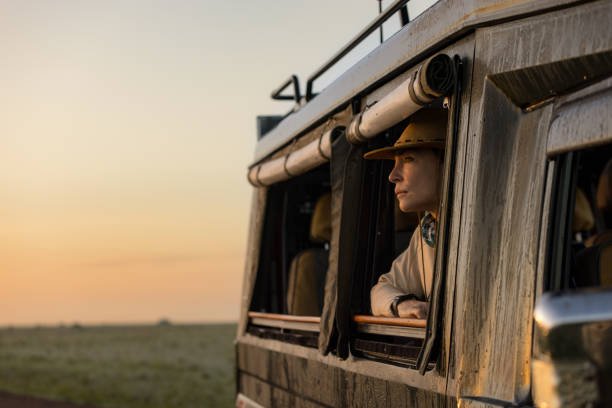
Festival-Based Travel in West Africa: Your Comprehensive Guide
West Africa pulsates with a rhythm unlike any other. Its diverse cultures, rich histories, and warm people are perhaps best experienced through its numerous festivals. These celebrations are not just events; they are living expressions of heritage, spirituality, and community. For travelers seeking authentic, immersive experiences, festival-based travel in West Africa offers a unique lens through which to view the region’s soul. Whether you’re drawn to the vibrant colours of a traditional ceremony, the powerful beats of ancestral drums, or the communal joy of a harvest celebration, planning a trip around these events requires specific knowledge and preparation. This guide is designed to help you navigate the complexities and rewards of such journeys, ensuring your 2026-2027 travels are as enriching as they are memorable.
This guide will walk you through understanding the significance of these festivals, identifying key events, planning your itinerary, considering practicalities like transport and accommodation, and making informed booking decisions. We will explore how to make the most of your cultural immersion and avoid common pitfalls, making your adventure a success.
Quick Facts: Festival-Based Travel in West Africa
| Aspect | Details |
|---|---|
| Primary Focus | Experiencing cultural and traditional festivals. |
| Key Regions | Senegal, Mali, Ghana, Benin, Togo, Nigeria, Burkina Faso, Ivory Coast. |
| Travel Style | Cultural immersion, community engagement, adventure. |
| Best Time to Travel | Varies greatly by festival; generally dry seasons (approx. Nov-May) are more accessible, but some key festivals fall in the rainy season. |
| Challenges | Logistics, language barriers, infrastructure, varying safety levels. |
| Rewards | Deep cultural understanding, unique human connections, unforgettable memories. |
Understanding the West African Festival Landscape
West Africa is a mosaic of ethnic groups, each with its own distinct traditions, languages, and belief systems. Festivals are often tied to agricultural cycles, religious observances, historical events, or rites of passage. They serve as crucial moments for social cohesion, spiritual connection, and the transmission of cultural knowledge from one generation to the next.
When planning festival-based travel, it’s important to recognize that dates can sometimes shift due to lunar calendars, local leadership decisions, or agricultural needs. Flexibility is key. Researching specific festivals well in advance, and ideally confirming dates with local contacts or reliable sources, is crucial for a smooth trip.
Why Choose Festival-Based Travel?
- Authentic Cultural Immersion: Festivals offer a direct window into the heart of local life, far beyond typical tourist encounters.
- Vibrant Spectacles: Expect dazzling costumes, intricate dances, compelling music, and communal feasting.
- Unique Photographic Opportunities: The visual richness of West African festivals is unparalleled.
- Meaningful Connections: Participating in or observing these events can foster deep connections with local communities.
- Educational Value: Learn about history, mythology, social structures, and traditional practices firsthand.
Key Festivals Across West Africa
The sheer number of festivals can be overwhelming, but here are some of the most prominent and accessible for international travelers, categorized by country. Keep in mind that this is not exhaustive, and local events abound.
Senegal
- Saint-Louis Jazz Festival (Late April/Early May): While modern, it has deep roots in local music and attracts international artists. It’s a sophisticated event in a historic city.
- Festival National des Arts et Cultures (FESTNAC) (Dates vary): This national festival showcases the diverse arts and cultures of Senegal’s various regions, with rotating host cities.
- Grape Harvest Festival (Nguethap) (August): Celebrates the grape harvest in regions like the Petite Côte, featuring local traditions and wine tasting.
Mali
- Festival au Désert (Timbuktu) (Early February – though recent editions have been affected by security concerns, it’s worth monitoring for future possibilities): Historically, this was an iconic event celebrating Tuareg music and culture in the Sahara. Its future remains uncertain, but its legacy is significant.
- Biennale de Bamako (Photography Festival) (October/November, bi-annual): A major contemporary art event focused on photography, attracting artists and curators from across Africa and the world.
Ghana
- Chale Wote Street Art Festival (Accra) (August): A vibrant, contemporary festival celebrating street art, music, fashion, and performance in the Jamestown district.
- Homowo Festival (Accra, Ga people) (August/September): A traditional harvest festival of the Ga people, involving unique rituals, drumming, dancing, and feasting.
- Aboakyer Festival (Winneba, Effutu people) (First weekend of May): A lively festival where two groups compete to catch a wild antelope, symbolizing the Effutu people’s historical migration.
- Fetu Afahye (Cape Coast, Oguaa people) (First Saturday in September): A major festival celebrating the harvest and the historical founding of Cape Coast, with processions and traditional ceremonies.
Benin
- Ouidah Voodoo Festival (January 10th): A significant national holiday celebrating traditional Vodun beliefs, with ceremonies, processions, and spiritual rituals in the historic town of Ouidah.
- Festival de la Rivière (Porto-Novo) (Dates vary): Celebrates the culture and traditions associated with the Ouémé River.
Togo
- Gatope Festival (Tamberma Valley) (Dates vary): Celebrates the unique Tamberma culture and their iconic fortified dwellings (Tata Somba).
- Evala Festival (Kpalimé region, Kabye people) (July): A traditional wrestling festival marking the transition to manhood for young Kabye men, accompanied by music and dance.
Nigeria
- Calabar Carnival (December): Often called “Africa’s Biggest Street Party,” this is a massive, modern carnival with elaborate costumes, parades, and music.
- Osun-Osogbo Festival (Osogbo) (August): A major annual festival honoring the Yoruba goddess of fertility and fresh water, Osun. It features a large procession to the Sacred Grove, a UNESCO World Heritage site.
Burkina Faso
- Festival International de la Culture Mossi (FICO) (Dates vary): Celebrates the rich culture of the Mossi people, the largest ethnic group in Burkina Faso.
- SIAO (Semaine Nationale de l’Artisanat) (Late October/Early November, bi-annual): A major international craft fair showcasing artisanal products from across West Africa and beyond.
Best Time to Travel for Festivals in 2026-2027
Timing is everything when planning festival-based travel. West Africa’s climate varies, but generally, the dry season (November to May) is considered the most comfortable for travel, with less rain and more predictable weather. However, many significant festivals occur outside this window.
| Month | Potential Festivals/Events | Climate Notes |
|---|---|---|
| January | Ouidah Voodoo Festival (Benin) | Dry season, warm to hot. |
| February | Festival au Désert (Mali – historically, check status) | Dry season, cooler temperatures, especially at night. |
| March-April | Various local celebrations, Easter-related events. | End of dry season, temperatures rise. |
| May | Aboakyer Festival (Ghana) | Beginning of rainy season in some coastal areas. |
| June-July | Evala Festival (Togo), some harvest festivals. | Rainy season in full effect in many regions. Lush landscapes. |
| August | Chale Wote (Ghana), Homowo (Ghana), Osun-Osogbo (Nigeria), Grape Harvest (Senegal) | Peak rainy season in many areas, though often characterized by heavy but short downpours. Travel can be more challenging but landscapes are vibrant. |
| September | Fetu Afahye (Ghana) | End of rainy season in many coastal areas. |
| October | Biennale de Bamako (Mali), SIAO (Burkina Faso – bi-annual) | Beginning of dry season, pleasant temperatures. |
| November-December | Calabar Carnival (Nigeria) | Dry season, ideal travel weather, warm and sunny. |
Traveler Tip for 2026-2027: If your primary goal is festival attendance, identify 1-2 key festivals and then plan your travel window around them. Researching the specific region’s climate during the festival month is vital. For instance, August in Ghana can be wet, impacting road travel, while November in Senegal is typically dry and pleasant.
Planning Your Festival Itinerary
Crafting an itinerary for festival-based travel requires careful consideration of logistics, potential travel disruptions, and the desire to experience more than just the festival itself. A balanced approach is often best.
Step-by-Step Itinerary Planning
- Choose Your Festival(s): Based on your interests, time of year, and desired region.
- Determine Duration: Factor in travel time to and from the festival location, the festival days themselves, and time for exploring the surrounding area. A minimum of 7-10 days per major festival is often recommended.
- Select Your Route: Will you focus on one country, or combine 2-3 neighboring countries? Consider flight routes and overland travel possibilities.
- Book Flights: Secure international flights to major hubs (e.g., Dakar, Accra, Lagos, Abidjan) well in advance, especially if traveling during peak festival times.
- Arrange Local Transport: This is critical. Options include private drivers, shared taxis, buses, and domestic flights. For festival areas, transport can become scarce and expensive closer to the date.
- Secure Accommodation: Hotels in festival locations can fill up months in advance. Consider guesthouses, homestays, or even camping where appropriate and safe.
- Factor in Buffer Days: Delays are common. Add extra days for unexpected travel issues or to simply relax and absorb the experience.
- Research Visa Requirements: Ensure you have the necessary visas for all countries you plan to visit.
- Health Precautions: Consult your doctor about necessary vaccinations and malaria prophylaxis.
Sample Itinerary Logic: Ghana’s Homowo & Chale Wote (10 Days)
This is a conceptual route focusing on two distinct festivals in Ghana, highlighting logistical considerations.
Day 1-2: Arrival in Accra
- Arrive at Kotoka International Airport (ACC).
- Transfer to accommodation in Accra.
- Rest and acclimatize. Explore parts of the city like Jamestown or Makola Market.
Day 3-5: Homowo Festival (Accra)
- Engage with local communities celebrating Homowo. Witness traditional rituals (like the sprinkling of Kpokpoi).
- Visit Ga Mashie or other traditional areas. Seek opportunities for respectful interaction.
- Explore Accra’s history (National Museum, Independence Square).
Day 6: Travel to Cape Coast/Elmina (Approx. 3-4 hours)
- Hire a private driver or take a bus.
- Visit the Cape Coast and Elmina Castles (UNESCO World Heritage sites), crucial for understanding the region’s history.
- Settle into accommodation.
Day 7: Return to Accra / Prepare for Chale Wote
- Travel back to Accra.
- Depending on Chale Wote dates, explore more of Accra or prepare for the street art festival.
Day 8-9: Chale Wote Street Art Festival (Accra)
- Immerse yourself in the vibrant atmosphere of Jamestown.
- Experience street art, live music, performances, and local fashion.
- Connect with artists and attendees.
Day 10: Departure
- Last-minute souvenir shopping or relaxation.
- Transfer to Kotoka International Airport (ACC) for departure.
Route Illustration:
Accra (Arrival/Homowo/Chale Wote) -> Cape Coast/Elmina (Historical Sites) -> Accra (Departure)
Notes on this itinerary:
- This assumes festivals are timed conveniently. Always verify dates.
- Homowo and Chale Wote are in different parts of Accra and can require travel within the city.
- The travel between Accra and Cape Coast is manageable but requires planning.
- Accommodation in Accra can range from luxury hotels to budget guesthouses and Airbnb. Booking early is essential for festival periods.
What to Expect During West African Festivals
West African festivals are rarely passive experiences. They are often loud, crowded, energetic, and deeply communal. Be prepared for:
- Vibrant Spectacle: Expect an explosion of colour in traditional attire, elaborate masks, body paint, and symbolic decorations.
- Rhythm and Music: Drums, chants, and traditional instruments are central to most celebrations. Music often accompanies dancing and processions.
- Crowds: Festivals draw large numbers of people, both locals and sometimes international visitors. Patience and awareness are necessary.
- Spontaneity: Events may not run to a strict schedule. Be open to the flow and unexpected moments.
- Communal Participation: You might be invited to dance, share food, or join a procession. Embrace these opportunities respectfully.
- Spiritual Elements: Many festivals have deep spiritual or religious significance. Observe rituals with respect and seek permission before photographing sacred practices.
- Sensory Overload: The combination of sights, sounds, smells (incense, food, natural elements), and the sheer energy can be intense.
Inclusions, Packing, and Preparation
Successful festival travel hinges on being well-prepared. This means understanding what your tour might include (if you book a package) and what you need to bring yourself.
Typical Inclusions (Tour Packages)
If you opt for a tour operator, common inclusions for festival-based travel might be:
- Airport transfers.
- Accommodation (often mid-range hotels or guesthouses).
- Private vehicle with a driver/guide for specified days/routes.
- Some meals (breakfast usually included, sometimes lunch/dinner).
- Entrance fees to specific sites mentioned in the itinerary.
- Local guides for festival insights or site visits.
- Pre-trip planning assistance and advice.
Essential Packing List
Pack light but smart. Focus on comfort, versatility, and respect for local customs.
- Clothing:
- Lightweight, breathable fabrics (cotton, linen).
- Long-sleeved shirts and long trousers/skirts (for sun protection, insect repellent, and cultural modesty).
- Modest outfits (shoulders and knees covered) for visiting villages or religious sites.
- A light jacket or sweater for cooler evenings.
- Comfortable walking shoes/sandals.
- A rain jacket or poncho, especially if traveling during the rainy season.
- A wide-brimmed hat.
- Health & Hygiene:
- Personal first-aid kit (band-aids, antiseptic wipes, pain relievers, motion sickness medication, any personal prescriptions).
- Insect repellent (with DEET).
- Sunscreen.
- Hand sanitizer.
- Anti-malarial medication (as prescribed by your doctor).
- Basic toiletries.
- Documents & Money:
- Passport (with at least 6 months validity) and copies.
- Visas (if required) and copies.
- Flight tickets and booking confirmations.
- Travel insurance details.
- Credit/debit cards and some local currency/USD/Euros for exchange.
- Emergency contact information.
- Electronics:
- Universal travel adapter.
- Power bank for charging on the go.
- Camera and extra memory cards/batteries.
- Phone and charger.
- Miscellaneous:
- Small backpack for day trips.
- Reusable water bottle.
- Sunglasses.
- A small phrasebook or translation app.
- A positive attitude and open mind!
Preparation Checklist
- Health Consultations: Visit your doctor 4-6 weeks before travel for vaccinations and malaria advice.
- Visa Applications: Start early, as processing times can vary significantly.
- Travel Insurance: Ensure comprehensive coverage, including medical emergencies and trip cancellation.
- Currency: Research the local currency and exchange rates. Have some USD or Euros for initial expenses.
- Language Basics: Learn a few key phrases in French (common in Francophone West Africa) or local languages.
- Cultural Etiquette: Read up on local customs, greetings, and respectful behaviour.
- Research Festival Specifics: Understand the dress code, photography rules, and any specific customs related to the festivals you plan to attend.
Common Mistakes to Avoid
Travelers eager to experience the magic of West African festivals can sometimes fall into common traps. Being aware of these can help you bypass potential issues.
- Underestimating Logistics: Assuming transport and accommodation will be readily available, especially close to festival dates. Book as far in advance as possible.
- Ignoring Cultural Nuances: Not dressing appropriately, taking photos without permission, or being disrespectful during ceremonies can cause offense. Always observe and ask.
- Over-Scheduling: Trying to cram too many festivals or locations into a short trip. West Africa rewards slower travel and deeper immersion.
- Not Budgeting for the Unexpected: Prices can fluctuate, especially during peak festival times. Always have a contingency fund.
- Failing to Get Travel Insurance: Essential for covering medical emergencies, trip cancellations, or lost belongings.
- Relying Solely on Technology: While useful, internet access can be spotty. Have offline maps, phrasebooks, and important documents printed.
- Ignoring Safety Advice: While West Africa is generally welcoming, some areas may have safety concerns. Stay informed and follow local guidance.
- Not Being Flexible: Festivals can change dates, transport can be delayed. An adaptable mindset is crucial for enjoying the experience.
Who is Festival-Based Travel in West Africa Best For?
This style of travel is ideal for:
- Cultural Enthusiasts: Those deeply interested in understanding traditions, history, and the arts.
- Adventurous Travelers: People comfortable with less predictable journeys and who enjoy stepping outside their comfort zone.
- Photographers: The visual richness offers incredible opportunities, but requires sensitivity.
- Sociology and Anthropology Students/Professionals: An unparalleled field study opportunity.
- Independent Spirits: While tours are available, those who enjoy piecing together their own journey will find great reward.
- Travelers Seeking Authenticity: Those who want to connect with local people and experience life beyond curated tourist attractions.
It may be less suitable for:
- Travelers seeking highly structured, predictable, and luxurious holidays with minimal effort.
- Those who are uncomfortable with crowds, heat, or basic facilities.
- Individuals who prefer to stay in large, international hotel chains and eat familiar food.
Alternatives to Festival-Based Travel
If attending a specific festival isn’t feasible, or if you prefer a different pace, consider these related travel styles in West Africa:
- Cultural Heritage Tours: Focus on historical sites, ancient cities (like Timbuktu, Djenné – subject to current conditions), colonial architecture, and museums.
- Art and Craft Tours: Explore artisan workshops, markets, and galleries, focusing on textiles, pottery, sculpture, and more.
- Music and Dance Tours: Tailored trips to experience the region’s renowned musical traditions, perhaps attending concerts or workshops.
- Wildlife Safaris: While not West Africa’s primary strength compared to East Africa, national parks in countries like Senegal, Benin, and Ghana offer unique wildlife viewing opportunities.
- Beach and Relaxation Holidays: Coastal areas in Senegal, Ghana, and Ivory Coast offer beautiful beaches and a more laid-back experience.
- Culinary Tours: Focus on the diverse and flavourful West African cuisine, visiting markets, cooking classes, and local eateries.
Planning Your 2026-2027 Festival Travel
Planning for trips in 2026 and 2027, especially for festival-based travel in West Africa, requires foresight. Lead times for complex trips are longer.
2026-2027 Planning Timeline
| Timeframe | Action |
|---|---|
| 12-18 Months Prior | Research potential festivals and regions. Identify key events for 2026/2027. Start a rough itinerary idea. |
| 9-12 Months Prior | Confirm festival dates for 2026/2027. Book international flights. Begin researching tour operators or independent travel logistics. |
| 6-9 Months Prior | Apply for necessary visas. Book key accommodations in festival locations. Arrange internal transport if possible. Purchase comprehensive travel insurance. |
| 3-6 Months Prior | Finalize itinerary. Book any remaining internal flights or long-distance transport. Confirm tour operator bookings. Obtain necessary vaccinations. |
| 1-3 Months Prior | Pack essential items. Research local customs and basic phrases. Exchange some currency. Confirm all bookings. Share itinerary with family/friends. |
| Weeks Before | Final health checks. Purchase any last-minute items. Prepare a travel first-aid kit. Download offline maps and translation apps. |
For 2026-2027: Given the potential for shifting travel patterns and the desire for more meaningful experiences, booking popular festival dates early is highly recommended. Consider working with experienced local operators who have on-the-ground knowledge and can adapt to changing circumstances.
Booking Advice for Festival-Based Travel
Booking your festival-based trip in West Africa can be done independently or through a tour operator. Each has its pros and cons.
Independent Booking
- Pros: Maximum flexibility, potential cost savings, complete control over your itinerary.
- Cons: Requires significant research time, potentially more stressful logistics, language barriers can be challenging, navigating local transport and accommodation can be difficult without prior knowledge.
Booking with a Tour Operator
- Pros: Stress reduction, expert local knowledge, assistance with complex logistics (transport, accommodation, guides), often better access to festival insights, safety support, can handle visa assistance.
- Cons: Less flexibility, potentially higher cost, itinerary is pre-determined (though customisation is often possible).
Choosing a Tour Operator
When selecting an operator for festival-based travel in West Africa, look for:
- Specialization: Do they have specific experience with West African festivals or cultural tours?
- Local Presence: Operators with offices or strong local partnerships often have better on-the-ground access and knowledge.
- Reviews and Testimonials: Look for feedback from previous travelers, especially those who attended festivals.
- Clear Inclusions/Exclusions: Understand exactly what is covered in the price.
- Responsiveness: How quickly and thoroughly do they answer your queries?
Recommendation for 2026-2027: For a first-time festival trip to West Africa, using a reputable tour operator is highly advisable. It significantly reduces the logistical burden and allows you to focus on the cultural experience. For example, at Top Guide Adventures, we specialize in creating immersive West African experiences and can help you navigate the intricacies of festival travel.
Contact us to discuss your festival travel plans:
WhatsApp: +255616946642
Email: topguideadventures@gmail.com
Backup Email: info@topguideadventures.com
Frequently Asked Questions (FAQs)
Q1: Is festival-based travel in West Africa safe?
Safety varies by country and region. While major festivals are often well-attended and can feel safe due to the crowds, it’s essential to stay informed about current conditions, avoid displaying valuables, and be aware of your surroundings. Traveling with a reputable local guide or tour operator can significantly enhance your safety and experience. Always heed local advice.
Q2: What is the best way to get around during a festival?
Getting around can be challenging. Within cities, taxis and ride-sharing apps (where available) might work for shorter distances. For longer distances or to reach festival sites, private drivers are often the most reliable option, though more expensive. Public buses and shared taxis are budget-friendly but can be slow and crowded. Book transport in advance where possible.
Q3: Can I take photos at festivals?
Photography is generally welcome, especially for vibrant scenes. However, always be respectful. Ask for permission before taking close-up photos of individuals, particularly elders or during sacred ceremonies. Some spiritual practices may be considered sacred and photography may be prohibited. Observe what others are doing and follow suit or ask your guide.
Q4: What kind of accommodation can I expect?
Accommodation options range widely. In major cities, you’ll find international hotels, boutique hotels, and guesthouses. In smaller towns or near festival sites, options may be more basic, including local hotels, guesthouses, or even homestays. Booking well in advance is crucial, as popular spots fill up quickly during festivals.
Q5: How much does festival-based travel in West Africa cost?
Costs vary greatly depending on the country, the duration of your trip, the festivals you attend, your accommodation choices, and whether you book independently or with a tour operator. Generally, West Africa can be an affordable destination for budget travelers, but festival periods see price increases for accommodation and transport. Budget for flights, visas, accommodation, food, local transport, activities, and a contingency fund.
Q6: Do I need a visa for West African countries?
Visa requirements depend on your nationality and the specific countries you plan to visit. Many West African countries require visas for international travelers. It is essential to check the embassy or consulate websites of each country well in advance of your travel dates for 2026-2027 to understand the application process and requirements.
Q7: What is the best time of year for festivals in West Africa for 2026-2027?
The best time depends on the specific festival. While the dry season (November to May) is generally more comfortable for travel, many significant festivals occur during the rainy season (June to October), such as August festivals in Ghana and Nigeria. Researching individual festival dates and their associated climate is key to planning your 2026-2027 trip.
Q8: How can I respectfully engage with local communities during festivals?
Learn a few basic greetings in the local language. Dress modestly, especially when not at the main festival grounds. Ask permission before taking photos of people. Be open to invitations for food or participation, but do not feel obligated. Observe and respect local customs and traditions. Showing genuine interest and a willingness to learn goes a long way.
Q9: What if a festival’s dates change?
This is a common occurrence. Dates can be influenced by lunar calendars, agricultural cycles, or local leadership decisions. If you are working with a local tour operator, they will often be informed of changes and can help you adapt your plans. If traveling independently, maintain communication with local contacts and be prepared to adjust your itinerary.
Q10: What currency is used in West Africa?
There isn’t one single currency. Countries in the West African CFA franc zone (e.g., Senegal, Ivory Coast, Benin, Togo) use the CFA franc (XOF). Other countries like Ghana use the Cedi (GHS), Nigeria uses the Naira (NGN), and Mali uses the CFA franc (XOF). It’s best to research the specific currency for each country on your itinerary and plan your money exchange accordingly.
Experience the Heartbeat of West Africa
Festival-based travel in West Africa is an unparalleled way to connect with the continent’s vibrant spirit. It offers deep cultural immersion, unforgettable visual spectacles, and genuine human connections that resonate long after you return home. While it requires careful planning and an adventurous mindset, the rewards are immense. By understanding the festivals, preparing thoroughly, and embracing the journey with an open heart and mind, you can create a truly meaningful travel experience for 2026-2027 and beyond.
Ready to plan your unique festival adventure? Let us help you craft an unforgettable itinerary. We specialize in creating authentic cultural experiences across West Africa and can guide you through every step of the planning process.
Contact Top Guide Adventures today:
WhatsApp: +255616946642
Email: topguideadventures@gmail.com
Backup Email: info@topguideadventures.com
Let’s make your festival-based travel in West Africa a reality!
Plan your Festival-Based Travel in West Africa with Top Guide Adventures
Tell us your travel dates, group size, comfort level, and dream experience. We will help you shape a clear, realistic, and memorable Tanzania itinerary.



