
Updated planning guide for 2026-2027
Dar Es Salaam Food Guide: Best Local Dishes To Try: Complete
Discover the rich flavors of Dar es Salaam with our expert guide to the best local dishes. From aromatic pilau to fresh seafood and sweet mandazi, learn what to eat and where to find authentic Tanzanian cuisine.
WhatsApp +255616946642 | topguideadventures@gmail.com | info@topguideadventures.com

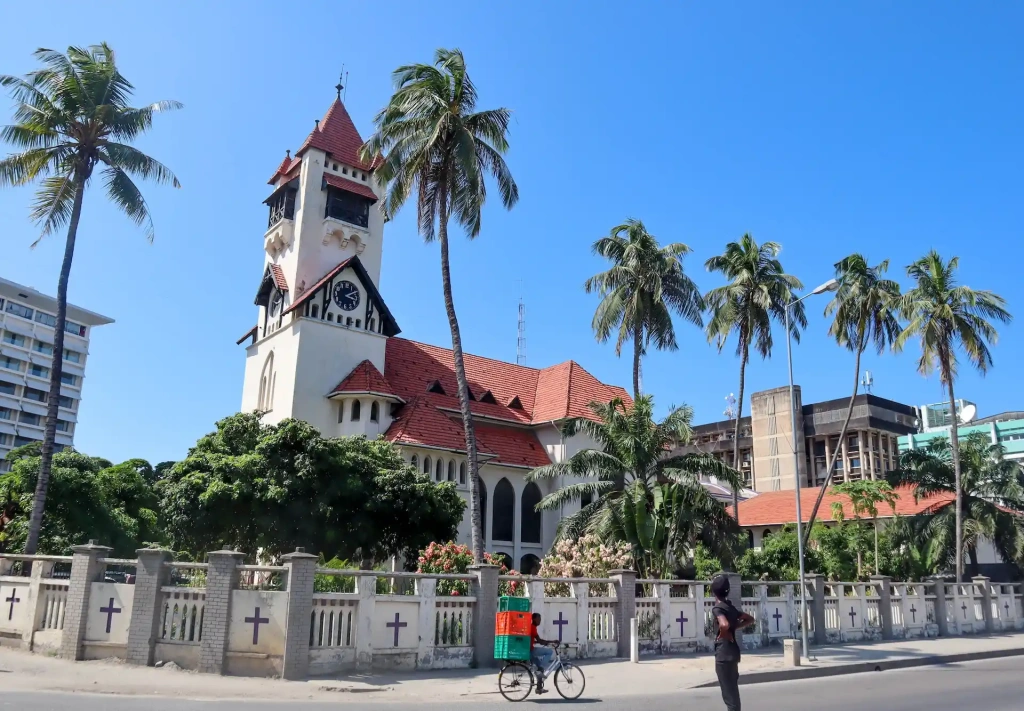
Dar es Salaam Food Guide: Best Local Dishes to Try
Dar es Salaam, Tanzania’s bustling economic hub, offers a culinary journey as diverse and vibrant as its culture. For travelers planning a visit in 2026 or 2027, understanding the local food scene is key to an enriching experience. This comprehensive Dar es Salaam food guide dives deep into the must-try dishes, authentic dining spots, and practical tips for navigating the city’s delicious offerings.
Quick Answer: The best local dishes to try in Dar es Salaam include Pilau, Biryani, Wali wa Nazi, Ugali with various stews (like Kuku Paka, Mishkaki, Samaki), Zanzibar Pizza, Chapati, Mandazi, and fresh seafood. Exploring local markets and street food stalls offers the most authentic taste.
Table of Contents
- Quick Facts About Dar es Salaam Cuisine
- An Overview of Dar es Salaam’s Culinary Landscape
- Why Exploring Local Food Matters for Your Trip
- Best Time to Visit Dar es Salaam for Food Lovers
- Dar es Salaam Culinary Hotspots: A Route Overview
- Must-Try Local Dishes in Dar es Salaam
- Exploring Dar es Salaam’s Street Food Scene
- Dining Etiquette and Tips
- Where to Eat: From Local Joints to Upscale Dining
- Common Mistakes to Avoid When Trying Local Food
- Who is This Dar es Salaam Food Experience For?
- Alternatives to a Full Culinary Immersion
- Planning Your 2026-2027 Dar es Salaam Food Adventure
- Booking Your Tanzanian Culinary Journey
Quick Facts About Dar es Salaam Cuisine
| Aspect | Details |
|---|---|
| Dominant Flavors | Coconut, spices (cardamom, cumin, cloves), chili, tamarind, fresh herbs. |
| Staple Foods | Rice, Ugali (maize porridge), Chapati, Cassava. |
| Key Influences | Swahili, Indian, Arab, African tribal cuisines. |
| Popular Cooking Methods | Stewing, grilling, frying, steaming. |
| Vegetarian Options | Available, often bean-based or vegetable stews. |
| Typical Meal Structure | Main course often a carbohydrate base with a flavorful stew or grilled item. |
An Overview of Dar es Salaam’s Culinary Landscape
Dar es Salaam’s food scene is a reflection of its history as a major trading port. Influences from Arab traders, Indian immigrants, and various indigenous African cultures have blended to create a unique Swahili cuisine. This fusion is evident in the aromatic spices, the use of coconut milk, and the variety of rice dishes. You’ll find everything from simple, hearty street food to sophisticated dining experiences that showcase the best of Tanzanian ingredients.
The city is divided into different areas, each offering a slightly different culinary vibe. The city center, with its bustling markets and older buildings, is a great place to find traditional eateries. Areas like Kariakoo are famous for their vibrant markets where you can sample local snacks and produce. Along the coast, fresh seafood is, of course, a highlight. The culinary journey in Dar es Salaam is not just about the food itself, but also the experience of discovering it.
Why Exploring Local Food Matters for Your Trip
Tasting the local food is one of the most direct ways to connect with a destination’s culture. In Dar es Salaam, the flavors tell stories of trade routes, historical migrations, and daily life. For travelers seeking authentic experiences, food is an accessible and enjoyable entry point. It allows you to interact with locals, understand local ingredients, and appreciate the country’s agricultural richness.
Beyond simple sustenance, food is often at the heart of social gatherings and celebrations in Tanzania. By trying local dishes, you are participating in these traditions. For visitors planning for 2026 or 2027, making an effort to seek out these culinary experiences will undoubtedly enhance the overall enjoyment and memorability of your trip. It’s about more than just eating; it’s about understanding the heart of Tanzania through its cuisine.
Best Time to Visit Dar es Salaam for Food Lovers
While Dar es Salaam is a year-round destination, certain times offer a slightly better experience for food enthusiasts. The dry seasons, generally from June to October and December to February, are ideal. During these periods, traveling is more comfortable, making it easier to explore markets and street food stalls without the hindrance of heavy rains.
The harvest seasons for certain fruits and vegetables can also influence the freshness and availability of specific ingredients. While specific seasonal produce varies, the generally pleasant weather of the dry seasons allows for more relaxed exploration of Dar es Salaam’s diverse dining options. For your 2026-2027 travels, aiming for these dry periods will maximize your ability to enjoy outdoor markets and beachside seafood restaurants.
Dar es Salaam Culinary Hotspots: A Route Overview
While Dar es Salaam is a large city, certain areas are particularly known for their culinary offerings. Think of this as a culinary exploration route rather than a strict itinerary.
| Area | Culinary Focus | Key Experiences |
|---|---|---|
| Kariakoo Market Area | Street food, local snacks, fresh produce, bustling atmosphere. | Sample Mandazi, Chapati, local fruits, discover hidden eateries for authentic stews. |
| City Center (Posta/Oyster Bay) | Mix of traditional Swahili, Indian restaurants, cafes, and upscale dining. | Find popular Pilau and Biryani spots, enjoy seafood at restaurants overlooking the ocean. |
| Msasani Peninsula / Masaki | Seafood restaurants, international cuisine, vibrant nightlife with food options. | Freshly grilled fish, lobster, and prawns in beachfront settings. |
| Ferry Terminal Area (Magogoni) | Simple, local eateries catering to commuters. | Quick bites, local snacks, and basic meals for a truly local experience. |
Must-Try Local Dishes in Dar es Salaam
This is the heart of our Dar es Salaam food guide. These dishes represent the best of Tanzanian flavors and are essential for any visitor wanting to taste the country’s culinary soul.
Pilau
Pilau is a fragrant rice dish, a staple across Tanzania and a cornerstone of Swahili cuisine. It’s cooked with a blend of aromatic spices like cumin, cardamom, cloves, and cinnamon, often with meat (usually beef or chicken) and sometimes vegetables. The rice absorbs all the delicious flavors, making each bite a delight. It’s commonly served as a main dish and is a true taste of East African home cooking.
Biryani
While variations exist worldwide, Tanzanian Biryani, particularly in Dar es Salaam, carries a distinct local character, heavily influenced by Indian Muslim traditions. It features rice layered with spiced meat (chicken, lamb, or beef) or sometimes vegetables, cooked slowly to allow the flavors to meld. The use of local spices gives it a unique aroma and taste profile compared to its South Asian counterparts.
Wali wa Nazi (Coconut Rice)
A simple yet incredibly flavorful dish, Wali wa Nazi is rice cooked in coconut milk. This gives the rice a creamy texture and a subtle sweetness that pairs beautifully with savory stews and grilled meats. It’s a common accompaniment to many main courses and is a testament to the importance of coconuts in coastal Tanzanian cooking.
Ugali with Stews
Ugali is arguably Tanzania’s national dish. Made from maize flour cooked with water to a stiff porridge consistency, it’s the carbohydrate base for many meals. It has a neutral flavor, making it a perfect vehicle for the rich, flavorful stews served alongside it. You eat Ugali by breaking off a piece, shaping it into a small ball or scoop with your hand, and using it to pick up the stew.
Kuku Paka (Chicken in Coconut Curry)
This is a delightful dish where chicken is simmered in a rich, creamy coconut milk sauce, infused with local spices and often a hint of tomato and chili. The tender chicken absorbs the aromatic flavors, creating a comforting and deeply satisfying meal. It’s a perfect pairing for Ugali or Wali wa Nazi.
Mishkaki (Skewered Meats)
Mishkaki are popular street food skewers, typically made with marinated beef, chicken, or goat meat. The meat is grilled over charcoal, giving it a smoky flavor. Often seasoned with a simple blend of spices, onions, and sometimes a touch of chili, they are a delicious and convenient snack or appetizer. You’ll find vendors grilling these everywhere, especially in the evenings.
Samaki (Fish)
Given Dar es Salaam’s coastal location, fresh fish is abundant and a culinary highlight. Whether grilled whole, fried, or cooked in a flavorful sauce (like a coconut-based curry or a tomato stew), fish is a must-try. Popular choices include tilapia, snapper, and kingfish. Many restaurants, especially along the coast, offer the catch of the day.
Nyama Choma (Grilled Meat)
While Mishkaki are skewers, Nyama Choma refers to larger pieces of meat, typically goat, beef, or chicken, grilled over charcoal until tender and slightly charred. It’s a celebratory dish often enjoyed with friends and family, usually served with Ugali, Kachumbari (a fresh tomato and onion salad), and perhaps some chili sauce.
Zanzibar Pizza
Don’t let the name fool you; this isn’t a traditional dessert pizza. Found in various forms, it’s essentially a savory crepe or thin dough filled with ingredients like minced meat, egg, onions, and spices, then folded and fried until crispy. It’s a popular evening snack and a unique culinary experience.
Chapati
Chapati is a type of unleavened flatbread, similar to Indian roti, but with its own Tanzanian twist. Made from wheat flour, water, and often a little oil or ghee, it’s cooked on a griddle. It’s a versatile accompaniment, perfect for scooping up stews, curries, or simply enjoyed on its own.
Mandazi (Slightly Sweet Fried Dough)
These are soft, slightly sweet, and often triangular-shaped fried dough pastries. They are a popular breakfast item or snack, commonly enjoyed with tea or coffee. Made with flour, sugar, yeast, and coconut milk or regular milk, they are fluffy on the inside and slightly crisp on the outside. They are a ubiquitous street food and cafe item.
Fresh Seafood
Beyond specific fish preparations, the general availability of fresh seafood is a major draw. Think grilled prawns, lobster, calamari, and various types of fish, often prepared simply with local spices, garlic, and lemon. Many restaurants along the coast offer beautiful settings to enjoy these ocean delights.
Matoke (Plantain Stew)
Matoke refers to green bananas that are cooked, often in a stew with meat, vegetables, and spices. It’s a hearty and flavorful dish, providing a different carbohydrate base from rice or Ugali. It’s a common comfort food and showcases the use of plantains in Tanzanian cuisine.
Maharage (Bean Stew)
Beans are a vital source of protein in Tanzania, and Maharage is a popular preparation. Often cooked with coconut milk, tomatoes, onions, and spices, it creates a rich, flavorful, and filling stew. It’s a common vegetarian option and a staple in many households.
Exploring Dar es Salaam’s Street Food Scene
Dar es Salaam’s street food is where you’ll find some of the most authentic and delicious flavors. It’s an integral part of daily life and a fantastic way for visitors to experience local tastes on a budget. Be adventurous and try:
- Mishkaki: As mentioned, these grilled skewers are everywhere and incredibly satisfying.
- Mandazi: Perfect for breakfast or a snack.
- Chapati: Often sold by street vendors, sometimes with a simple vegetable or egg filling.
- Kachori: Fried dough balls, often savory and spiced, a popular snack.
- Mchemsho: A type of street food where various ingredients like potatoes, eggs, and sometimes meat are boiled together and served with a flavorful broth or sauce.
- Fresh Fruit: Don’t miss out on delicious local fruits like mangoes, pineapples, passion fruit, and bananas.
When trying street food, look for vendors with a steady stream of local customers, which usually indicates freshness and good taste. Hygiene can be a concern, so choose busy stalls where food is cooked fresh in front of you.
Dining Etiquette and Tips
Understanding local customs can enhance your dining experience:
- Hand Washing: In many local eateries, you might be offered a bowl of water with lemon to wash your hands before eating, especially if eating with your hands.
- Eating with Hands: For dishes like Ugali, it’s customary to eat with your right hand. Roll a small piece of Ugali into a ball, make a hollow in it, and use it to scoop up the stew.
- Modesty: While Dar es Salaam is relatively cosmopolitan, dressing modestly when visiting local markets and casual eateries is respectful.
- Tipping: Tipping is not as ingrained as in Western cultures but is appreciated for good service. 5-10% is common in restaurants where a service charge isn’t already included.
- Asking for Recommendations: Don’t hesitate to ask your server or local hosts for their favorite dishes or recommendations.
- Spice Levels: Tanzanian food is often flavorful but not always intensely spicy. If you like heat, ask for ‘pilipili’ (chili sauce) on the side.
Where to Eat: From Local Joints to Upscale Dining
Dar es Salaam offers a spectrum of dining experiences:
- Local Eateries (Magenge): These are small, often simple establishments serving authentic, home-style food at very affordable prices. Look for places filled with locals.
- Street Food Stalls: Found in markets and busy street corners, offering quick, delicious, and budget-friendly snacks and meals.
- Mid-Range Restaurants: These offer a comfortable dining environment with a good selection of local and some international dishes. Many are found in areas like Oyster Bay or the city center.
- Upscale Restaurants: For a more refined experience, Dar es Salaam has restaurants offering gourmet Swahili fusion, international cuisine, and excellent seafood, often with sea views.
- Hotel Restaurants: Many hotels offer good dining options, ranging from buffets to à la carte menus, often catering to an international clientele.
Common Mistakes to Avoid When Trying Local Food
To ensure a positive culinary adventure, be aware of these potential pitfalls:
- Drinking Tap Water: Always stick to bottled or purified water. This applies to ice cubes in drinks as well.
- Eating at Empty Stalls: For street food, a busy stall with high turnover is generally safer and tastier.
- Being Afraid to Try New Things: Step outside your comfort zone! Some of the best flavors are found in unexpected places.
- Ignoring Local Customs: Familiarize yourself with basic dining etiquette to show respect.
- Over-Reliance on Hotel Food: While convenient, hotel food often doesn’t represent the true culinary diversity of Dar es Salaam. Venture out!
- Not Trying the Spices: Tanzanian cuisine relies heavily on spices. Appreciate the complex flavor profiles.
Who is This Dar es Salaam Food Experience For?
This culinary exploration is ideal for:
- Adventurous Eaters: Those who love to try new flavors and aren’t afraid of street food.
- Culture Enthusiasts: Travelers who see food as a window into a destination’s history and traditions.
- Budget Travelers: Street food and local eateries offer incredibly affordable and authentic meals.
- Foodies: Anyone who enjoys discovering the unique tastes of a place and wants to experience the best local dishes.
- Tourists Planning for 2026-2027: Visitors looking for a comprehensive understanding of what to eat and how to approach dining in Dar es Salaam for upcoming trips.
Alternatives to a Full Culinary Immersion
If a deep dive into street food or local eateries isn’t your style, there are still ways to enjoy Dar es Salaam’s food scene:
- Guided Food Tours: Book a local guide who can lead you to reputable eateries and explain the dishes. This offers a curated and safer introduction.
- Cooking Classes: Some establishments offer Swahili cooking classes where you can learn to prepare local dishes yourself.
- Mid-Range to Upscale Restaurants: Focus on restaurants known for their authentic Tanzanian or Swahili cuisine, which offer a more controlled and comfortable environment.
- Seafood Restaurants: Enjoying fresh, locally sourced seafood at reputable beachside restaurants is a quintessential Dar es Salaam experience.
Planning Your 2026-2027 Dar es Salaam Food Adventure
When planning your trip for 2026 or 2027, consider these food-related planning tips:
| Planning Aspect | Considerations for 2026-2027 |
|---|---|
| Research | Look for recent blog posts or travel forums discussing food experiences. Restaurant scenes can change. |
| Accommodation Location | Choosing accommodation near areas with good local food options (e.g., Oyster Bay for restaurants, or closer to Kariakoo for street food access) can be beneficial. |
| Dietary Needs | If you have specific dietary restrictions (vegetarian, allergies), research options in advance or be prepared to communicate clearly. Many dishes can be adapted. |
| Budgeting | Street food is very affordable. Mid-range meals are reasonable. Upscale dining can be comparable to international prices. Factor this into your overall trip budget for 2026-2027. |
| Pace Yourself | Don’t try to eat everything in one day. Spread out your culinary explorations to fully enjoy each meal and avoid overindulgence. |
| Local Transport | Understand how to use local transport (dala-dalas, taxis, ride-sharing apps) to reach different food destinations. |
Booking Your Tanzanian Culinary Journey
While this guide focuses on Dar es Salaam’s food, it’s part of a larger Tanzanian travel experience. When booking your trip, consider how culinary experiences can be integrated:
- Custom Itineraries: Work with a tour operator who understands your interest in local culture and cuisine. They can suggest accommodations with good food access, arrange local market visits, or even book guided food tours.
- Safari Integration: If you’re combining Dar es Salaam with a safari, inquire about opportunities to taste local dishes at lodges or during cultural visits.
- Zanzibar Extension: Zanzibar offers its own unique culinary heritage, especially its famous spiced dishes and seafood. Combining Dar es Salaam with Zanzibar provides a broader taste of coastal Tanzanian food.
- Local Guides: For the best insights into the Dar es Salaam food scene, hiring a local guide for a day or a specific food tour can be invaluable. They know the hidden gems and authentic spots.
When planning your 2026-2027 Tanzanian adventure, remember that the best culinary experiences often come from integrating them into your overall travel plans. Let us help you craft an itinerary that includes the vibrant flavors of Dar es Salaam.
Ready to explore the delicious side of Tanzania? Whether you’re planning a safari, a Kilimanjaro climb, a Zanzibar getaway, or a custom adventure for 2026-2027, we can help you discover the best local food experiences. Contact us to create your perfect trip!
WhatsApp: +255616946642
Email: topguideadventures@gmail.com
Backup Email: info@topguideadventures.com
Let us guide you through the best of Dar es Salaam and beyond, including its incredible local dishes!
Frequently Asked Questions (FAQs)
What is the most iconic dish to try in Dar es Salaam?
Pilau is often considered the most iconic and representative Swahili rice dish. It’s flavorful, aromatic, and widely loved.
Is it safe to eat street food in Dar es Salaam?
Generally, yes, but it’s advisable to eat at busy stalls where food is cooked fresh and turnover is high. Look for vendors with good hygiene practices. Bottled water is always recommended.
What are good vegetarian options in Dar es Salaam?
Maharage (bean stew, often cooked with coconut milk), Mchicha (spinach stew), various vegetable curries, and plantain dishes (Matoke) are excellent vegetarian choices.
How much should I budget for food in Dar es Salaam?
Street food and local eateries can be very inexpensive, often costing just a few US dollars per meal. Mid-range restaurants will be more, and upscale dining can be comparable to international prices. Budgeting around $15-30 USD per person per day for food can be a good starting point, depending on your dining style.
Can I find Indian food in Dar es Salaam?
Yes, due to historical Indian influence, Dar es Salaam has many excellent Indian restaurants, ranging from casual to upscale, offering authentic dishes.
What is the best way to experience the Dar es Salaam food scene for a first-time visitor in 2026?
For first-time visitors in 2026, start with a mix of popular local dishes at reputable mid-range restaurants and then venture into street food with a local guide or a curated food tour for a balanced and safe experience.
Are there specific regional specialties within Dar es Salaam?
While Dar es Salaam is a melting pot, dishes influenced by the coast (seafood, coconut) and the broader Swahili culture are most prominent. It’s less about distinct neighborhood specialties and more about the overall Swahili fusion.
What drinks should I try?
Besides bottled water, try fresh fruit juices (mango, passion fruit, pineapple), Tanzanian coffee, and local beers like Kilimanjaro or Safari. For a traditional feel, try Tamarind juice or Ginger juice.
This Dar es Salaam food guide aims to equip you with the knowledge to savor every bite of your Tanzanian culinary journey. Whether you’re planning for 2026 or 2027, the flavors of Dar es Salaam are waiting to be discovered. Let us help you plan an unforgettable trip that includes these amazing tastes.
Ready to plan your Tanzanian adventure and taste the best of Dar es Salaam? We specialize in creating custom safari, Kilimanjaro, Zanzibar, and city tours. Contact us to start planning your dream trip!
WhatsApp: +255616946642
Email: topguideadventures@gmail.com
Backup Email: info@topguideadventures.com
Let us craft your perfect Dar es Salaam food guide experience!

2-Day Mikumi Weekend Safari From Dar Es Salaam In 2026-2027
Discover the magic of Mikumi National Park on a convenient 2-day weekend safari from Dar es Salaam. This short trip offers incredible wildlife viewing opportunities, perfect for those with...
View package details
3-Day Budget Mikumi Safari From Dar Es Salaam Guide
Discover how to experience a thrilling 3-day budget Mikumi National Park safari starting from Dar es Salaam. This guide covers everything from wildlife viewing and essential packing to...
View package details
5 Days Southern Tanzania Safari From Dar Es Salaam: Ultimate Itinerary & Guide
Discover a 5-day Southern Tanzania safari adventure starting from Dar es Salaam, focusing on the wild beauty of Selous Game Reserve and Ruaha National Park. This comprehensive guide covers...
View package details
Best 6-Day Southern Tanzania Safari From Dar Es Salaam In 2026-2027
A 6-day Southern Tanzania safari from Dar es Salaam offers an unparalleled wildlife experience in vast, unspoiled parks like Ruaha and Nyerere (formerly Selous). This itinerary focuses on...
View package details
4 Days Southern Tanzania Lodge Safari From Dar Es Salaam: Your Ultimate Guide
Explore a 4-day Southern Tanzania lodge safari starting from Dar es Salaam. This itinerary focuses on the vast wilderness of Selous Game Reserve and Ruaha National Park, offering an...
View package details
6 Days Southern Tanzania Lodge Safari From Dar Es Salaam 2026-2027
Discover a curated 6-day Southern Tanzania lodge safari departing from Dar es Salaam, designed for an unforgettable wildlife adventure. This journey focuses on two of Tanzania's most...
View package detailsNo related package matches those filters. Clear one or more filters to see the other topic-matched options.
Plan your Dar es Salaam Food Guide: Best Local Dishes to Try with Top Guide Adventures
Tell us your travel dates, group size, comfort level, and dream experience. We will help you shape a clear, realistic, and memorable Tanzania itinerary.



