
Updated planning guide for 2026-2027
Cultural Immersion Journeys: Complete Guide 2026-2027
Discover the heart of Tanzania through authentic cultural immersion journeys. This comprehensive guide covers everything you need to plan an unforgettable trip, from local interactions to responsible travel practices.
WhatsApp +255616946642 | topguideadventures@gmail.com | info@topguideadventures.com
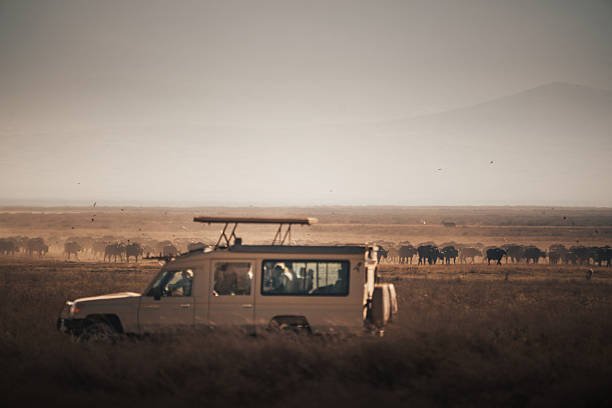
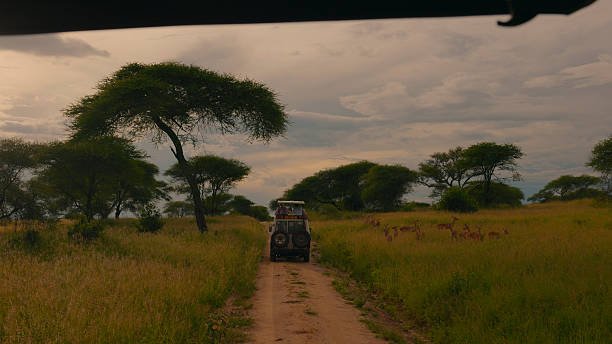
Understanding Cultural Immersion Journeys in Tanzania
Tanzania, a land of breathtaking landscapes and diverse peoples, offers more than just iconic safaris and Kilimanjaro ascents. For travelers seeking a deeper connection, cultural immersion journeys provide a pathway to understanding the rich traditions, daily life, and unique perspectives of its communities. These experiences move beyond superficial sightseeing, encouraging genuine interaction and mutual learning.
This guide is designed to help you craft your own meaningful cultural journey in Tanzania, covering what to expect, how to prepare, and how to make responsible choices. We’ll explore the different facets of Tanzanian culture, suggest ways to engage, and provide practical advice for planning your trip for 2026 and 2027.
Cultural immersion journeys are about more than just visiting; they are about participating, listening, and learning. Whether you’re interested in the Maasai way of life, the Swahili coast’s heritage, or the agricultural rhythms of the highlands, Tanzania offers profound opportunities.
Quick Facts: Cultural Immersion in Tanzania
| Key Regions for Cultural Exploration | Arusha Region (Maasai, Meru), Zanzibar (Swahili, Arab influences), Moshi Region (Chagga), Lake Eyasi (Datoga, Hadzabe), Iringa Region (Hehe) |
| Primary Languages | Swahili (national), English (widely spoken in tourism), local tribal languages |
| Currency | Tanzanian Shilling (TZS) |
| Best Time for Cultural Travel | June to October (dry season), January to February (short rains, less crowded) |
| Visa Requirements | Generally required for most nationalities; check with your embassy. Available on arrival for some. |
| Health Precautions | Consult your doctor regarding vaccinations (Yellow Fever often mandatory), malaria prevention. |
What Are Cultural Immersion Journeys?
Unlike standard tourist itineraries that focus on wildlife or natural landmarks, cultural immersion journeys prioritize direct engagement with local people and their way of life. This can take many forms:
- Homestays: Living with a local family, sharing meals, and participating in daily activities.
- Community Visits: Spending time in villages, learning about local crafts, farming, or traditional practices.
- Interactions with Indigenous Groups: Engaging respectfully with communities like the Maasai, Hadzabe, or Datoga to understand their unique customs and survival methods.
- Cultural Workshops: Learning traditional cooking, dance, music, or craft-making from local experts.
- Volunteering: Contributing to community projects, such as schools or conservation efforts, while living alongside locals.
The goal is to gain a deeper appreciation for the human element of Tanzania, fostering understanding and respect between cultures. These journeys are often more about the experiences and the people you meet than ticking off famous sights.
Why Choose Cultural Immersion in Tanzania?
Tanzania is a mosaic of cultures, each with its own history, traditions, and social structures. This diversity makes it an exceptional destination for cultural exploration.
- Rich Ethnic Diversity: With over 120 ethnic groups, Tanzania offers a vast spectrum of cultural experiences. From the pastoralist Maasai to the agricultural Chagga and the ancient hunter-gatherer Hadzabe, each group provides a unique window into human adaptation and tradition.
- Authenticity: While tourism is present, many communities remain deeply connected to their heritage, offering genuine interactions for those who seek them out respectfully.
- Warm Hospitality: Tanzanians are known for their friendly nature and welcoming attitude, making visitors feel at ease and appreciated.
- Complementary to Other Travel Styles: Cultural immersion can be seamlessly integrated into safaris, Kilimanjaro treks, or Zanzibar holidays, adding a profound layer to your adventure.
Best Times for Cultural Immersion Journeys (2026-2027)
The ideal time to visit Tanzania for cultural experiences often aligns with the dry seasons, as this facilitates easier travel between communities and more outdoor activities. However, shoulder seasons can also offer unique advantages.
| Season | Months | Pros for Cultural Travel | Cons for Cultural Travel |
|---|---|---|---|
| Dry Season (Peak) | June – October | Pleasant weather for travel and village visits. Easier access to remote areas. Many community events may coincide with good weather. | Higher tourist numbers, potentially impacting authentic interactions. Higher prices. |
| Short Rains | November – December | Lush landscapes, fewer tourists. Good for birdwatching alongside cultural visits. | Intermittent rain can disrupt travel to some remote villages. |
| Long Rains (Green Season) | March – May | Very few tourists, lowest prices. Beautiful green scenery. Good for understanding agricultural cycles. | Significant rainfall can make many roads impassable, isolating some communities. Not ideal for extensive travel. |
| Hot Dry Season | January – February | Warm, dry weather. Good for accessing most areas. Often coincides with calving season in Serengeti, which can be combined with visits to nearby Maasai communities. | Can be very hot, especially in lowland areas. |
For 2026-2027, consider the shoulder months of October/November or late February/early March for a balance of good weather, fewer crowds, and more authentic interactions. Planning well in advance for peak seasons is essential.
Key Regions and Communities for Cultural Immersion
Tanzania’s cultural richness is spread across its diverse geography. Here are some prime locations:
1. Maasai Lands (Arusha & Serengeti Regions)
The Maasai are perhaps Tanzania’s most globally recognized tribe, known for their distinctive red shukas, beaded jewelry, and semi-nomadic pastoralist lifestyle. Visiting a Maasai boma (village) offers insight into their traditions, social structure, and deep connection to their cattle and land.
What to Expect: Welcoming ceremonies, learning about traditional housing (enkaj), understanding their spiritual beliefs, and observing daily life. You might participate in a mock warrior ceremony or learn about traditional medicine.
Best for: Understanding traditional African pastoralism, social hierarchies, and unique cultural practices.
2. Chagga Villages (Kilimanjaro Region)
The Chagga people inhabit the fertile slopes of Mount Kilimanjaro. They are renowned for their advanced agricultural practices, particularly coffee cultivation, and their historical underground tunnel systems used for defense. Visiting a Chagga village offers a glimpse into a prosperous agricultural community.
What to Expect: Coffee farm tours (from bean to cup), learning about their history and the significance of Kilimanjaro, exploring banana plantations, and understanding their communal social structures. You might also learn about their unique clan system.
Best for: Agricultural insights, understanding community development, and learning about coffee production.
3. Hadzabe & Datoga Tribes (Lake Eyasi)
Lake Eyasi is home to some of Tanzania’s most ancient cultures. The Hadzabe are one of the last hunter-gatherer tribes in Africa, relying on traditional methods of hunting with bows and arrows and foraging for food. The Datoga are skilled blacksmiths and pastoralists.
What to Expect: Accompanying Hadzabe hunters on a morning hunt (if successful, you’ll see their incredible tracking skills), learning about their foraging techniques and medicinal plants. Visiting Datoga settlements to see their traditional metalwork and learn about their pastoral lifestyle.
Important Note: Interactions here require utmost sensitivity and respect for their way of life. It is crucial to engage with responsible tour operators who have established respectful relationships with these communities.
Best for: Experiencing ancient human survival techniques, understanding hunter-gatherer societies, and witnessing traditional crafts.
4. Swahili Culture (Zanzibar & Coastal Areas)
The Swahili coast is a melting pot of African, Arab, Persian, Indian, and European influences, creating a unique Afro-Arab culture. Zanzibar, with its historic Stone Town, is the heart of this heritage.
What to Expect: Exploring Stone Town’s narrow alleys, learning about its history as a trading hub, visiting spice farms, understanding Islamic traditions, and experiencing Swahili cuisine and music. You can also engage with local fishermen and artisans.
Best for: Understanding historical trade routes, Islamic influences in East Africa, unique architecture, and vibrant coastal traditions.
5. Meru and Arusha People (Arusha Region)
Living near the Maasai, the Meru people have a strong agricultural tradition, cultivating crops like maize, beans, and coffee. They have a distinct social structure and a history of cooperation and resilience.
What to Expect: Visits to local farms, learning about their irrigation systems, understanding their social organization, and experiencing their hospitality. They often have strong community initiatives.
Best for: Understanding settled agricultural communities and their social dynamics.
Sample Itinerary: A 10-Day Cultural Immersion Journey
This sample itinerary focuses on the northern circuit, combining cultural highlights with the possibility of adding a safari or Kilimanjaro trek.
Day 1-2: Arrival in Arusha & Meru Culture
Arrive at Kilimanjaro International Airport (JRO). Transfer to Arusha. Day 2: Visit a local Meru village, learn about their farming practices, enjoy a traditional meal, and understand their community life. You might visit a local market.
Day 3-4: Maasai Boma Experience
Travel to a Maasai community area near Arusha or towards the Serengeti. Spend two days living in or near a Maasai boma. Participate in daily activities, learn about their traditions, beadwork, and social customs. Engage in storytelling and learn about their relationship with nature.
Day 5-6: Chagga Heritage & Coffee Tour
Head towards Moshi, the gateway to Kilimanjaro. Visit a Chagga village. Tour a local coffee plantation, from bean to cup. Explore the fertile slopes and learn about Chagga history, including their ingenious tunnel systems. Enjoy local Chagga cuisine.
Day 7-8: Lake Eyasi – Hadzabe & Datoga
Journey to Lake Eyasi. Early morning with the Hadzabe to witness their hunting and gathering techniques. Afternoon: Visit a Datoga blacksmith and learn about their craft and pastoral life. This requires careful logistical planning and respectful engagement.
Day 9: Return to Arusha & Reflection
Drive back to Arusha. This day is for relaxation, souvenir shopping, or visiting a local cultural heritage center. Reflect on the diverse experiences of the past week.
Day 10: Departure
Transfer to JRO for your onward flight.
This is a template; itineraries can be customized based on your interests and the time available. For instance, you could extend your stay in any of these communities or add a few days of safari in Tarangire or the Serengeti.
What to Expect During Your Cultural Immersion
Cultural immersion is a dynamic and often unpredictable experience. It’s important to set realistic expectations.
- Authenticity vs. Performance: While genuine interactions are the goal, some communities may have developed ways to share their culture with visitors. Approach with an open mind, understanding that some elements might be presented for tourists. The key is to look for genuine moments of connection.
- Basic Living Conditions: In homestays or deep village visits, expect simpler amenities than you might be accustomed to. This could mean limited electricity, basic sanitation facilities, and different food preparations. This is part of the immersion.
- Language Barriers: While guides will translate, direct communication can sometimes be challenging. Non-verbal communication, patience, and a willingness to try basic Swahili phrases can go a long way.
- Sensory Experiences: Be prepared for new sights, sounds, smells, and tastes. Tanzanian villages can be bustling, with unique aromas from cooking fires, livestock, and local markets.
- Emotional Engagement: You might witness different perspectives on life, hardship, and community. Approach these moments with empathy and respect.
Planning Your Cultural Immersion Journey: Essential Steps
Planning is crucial for a successful and respectful cultural immersion trip. Here’s a step-by-step approach for 2026-2027 travel:
1. Define Your Interests
What aspects of Tanzanian culture are you most drawn to? Is it pastoralism, agriculture, ancient traditions, or historical influences? Knowing this will help tailor your itinerary.
2. Choose Your Destinations Wisely
Based on your interests, select the regions and communities you wish to visit. Consider the accessibility and the type of interaction you seek.
3. Select a Reputable Tour Operator
This is perhaps the most critical step. A good operator will:
- Have established, ethical relationships with communities.
- Ensure fair benefit sharing with the communities you visit.
- Provide experienced, culturally sensitive guides.
- Handle logistics reliably, especially for remote areas.
- Offer guidance on cultural etiquette.
Look for operators who emphasize community-based tourism and sustainability. For example, Top Guide Adventures has years of experience arranging authentic cultural experiences.
4. Determine Your Travel Style and Budget
Cultural immersion can range from basic homestays to more comfortable lodges located near villages. Your budget will influence the level of comfort and the duration of your stay.
5. Consider the Timing
As discussed, the season impacts accessibility and experience. For 2026-2027, early planning is advised, especially for peak dry season travel.
6. Health and Safety Preparations
Consult your doctor about necessary vaccinations and malaria prophylaxis well in advance. Pack a basic first-aid kit.
7. Pack Appropriately
Pack light, comfortable, and modest clothing. Include essentials like sunscreen, insect repellent, a hat, sturdy walking shoes, and any personal medications.
Planning Checklist:
- [ ] Define cultural interests
- [ ] Research and select regions/communities
- [ ] Choose a responsible tour operator
- [ ] Determine budget and travel style
- [ ] Select travel dates (consider seasonality)
- [ ] Book flights and initial accommodation
- [ ] Consult doctor for health advice (vaccinations, malaria)
- [ ] Obtain necessary visas
- [ ] Purchase travel insurance
- [ ] Pack appropriate clothing and gear
- [ ] Learn a few basic Swahili phrases
- [ ] Prepare for cultural etiquette
Cultural Etiquette: Respectful Engagement
Showing respect for local customs and traditions is paramount for meaningful cultural immersion. Here are some guidelines:
- Ask Before Photographing: Always seek permission before taking photos of people, especially elders and children. Some communities may charge a small fee for photos.
- Dress Modestly: Especially when visiting villages or religious sites. Shoulders and knees should generally be covered. Avoid overly revealing clothing.
- Greetings: A simple greeting like ‘Jambo’ (hello) or ‘Habari’ (how are you?) is appreciated. Learn to use ‘Shikamoo’ (a respectful greeting to elders) and the response ‘Marahaba’.
- Gift-Giving: If you wish to give gifts, consider practical items like school supplies for children or useful goods for families. Avoid giving sweets that can harm teeth or money directly, as it can create dependency. Consult your guide for appropriate gifts.
- Patience and Humility: Embrace a patient and humble attitude. Things may not always run on schedule, and understanding is key.
- Listen More Than You Speak: Show genuine interest by listening attentively to stories and explanations.
- Respect Elders: Elders are highly respected in Tanzanian society. Always show them deference.
- Avoid Controversial Topics: Unless initiated by locals and handled with extreme sensitivity, avoid discussing politics, religion, or sensitive social issues.
Common Mistakes to Avoid
To ensure your cultural immersion journey is positive for both you and the communities you visit, be aware of potential pitfalls:
- Treating Visits as a Spectacle: Avoid viewing communities as exhibits. Engage with people as individuals.
- Imposing Your Own Culture: Be open to different ways of life without judgment.
- Ignoring Local Customs: Failing to adhere to dress codes or social norms can cause offense.
- Disrupting Daily Life: Be mindful of not interfering with essential activities like farming, herding, or cooking.
- Making Unrealistic Promises: If you offer help or resources, ensure you can follow through.
- Being Unprepared for Basic Conditions: Expecting luxury in a village setting will lead to disappointment.
- Not Using a Reputable Guide: Navigating cultural interactions without local knowledge can lead to misunderstandings or disrespectful behavior.
Who Are Cultural Immersion Journeys Best For?
These journeys are ideal for:
- Curious Travelers: Those who want to understand the world beyond surface-level tourism.
- Inquisitive Minds: Individuals interested in anthropology, sociology, and human stories.
- Responsible Tourists: Travelers committed to ethical and sustainable tourism practices.
- Adventurous Spirits: People willing to step outside their comfort zone and embrace new experiences.
- Families Seeking Deeper Learning: Older children and teenagers can gain invaluable perspectives from these trips.
- Solo Travelers: Cultural immersion can be a safe and enriching way for solo travelers to connect with local people.
They are less suited for travelers seeking purely luxury resorts, constant entertainment, or those uncomfortable with basic amenities and direct interaction.
Alternatives to Pure Cultural Immersion
If a full cultural immersion isn’t your preference, you can still incorporate cultural elements into other types of trips:
- Cultural Day Trips: Many safari itineraries can include half-day visits to local villages or cultural centers near national parks.
- Cultural Centers and Museums: Visiting institutions like the Shanga workshop in Arusha or the National Museum in Dar es Salaam offers insights without deep immersion.
- Community-Based Tourism Projects: Some lodges or camps partner with local communities, offering opportunities to learn about their initiatives.
- Culinary Tours: Focusing on the food and drink of Tanzania, from spice tours in Zanzibar to local cooking classes.
- Craft Workshops: Participating in short workshops focused on specific crafts like pottery or basket weaving.
Planning for 2026-2027: Key Considerations
When planning your cultural immersion journeys for 2026-2027, consider these points:
- Book Early: Especially for peak seasons (June-October 2026 and 2027), popular community experiences and accommodations fill up quickly.
- Flexibility is Key: While planning is essential, be prepared for minor adjustments. Local transport, weather, or community schedules can sometimes cause delays.
- Sustainable Choices: Look for operators and accommodations that demonstrate a clear commitment to environmental sustainability and community benefit.
- Digital Detox: While some places may have connectivity, embrace the opportunity to disconnect and be present in your surroundings.
- Learn Basic Swahili: Even a few phrases show respect and can enhance your interactions.
- Understand Community Needs: Work with operators who ensure that tourism directly benefits the communities visited, supporting local economies and cultural preservation.
Booking Your Cultural Immersion Journey
Choosing the right tour operator is crucial for an authentic and responsible cultural immersion journey. We recommend working with experienced local providers who have a proven track record of ethical community engagement.
What to Look For in a Tour Operator:
- Local Expertise: Deep knowledge of the regions and communities.
- Ethical Partnerships: Clear evidence of fair benefit sharing with local communities.
- Experienced Guides: Guides who are not only knowledgeable about wildlife and landscapes but also culturally sensitive and fluent in translation.
- Customization: Ability to tailor itineraries to your specific interests and pace.
- Safety and Reliability: Strong logistical support and a commitment to traveler safety.
Consider Top Guide Adventures for your Tanzania cultural experiences. They specialize in creating personalized itineraries that connect travelers with the heart of Tanzania. With years of experience, they understand the nuances of respectful community engagement and can craft journeys that are both enriching and responsible.
Contact us to start planning your 2026-2027 cultural immersion:
WhatsApp: +255616946642
Email: topguideadventures@gmail.com
Backup Email: info@topguideadventures.com
Frequently Asked Questions (FAQs)
What is the difference between a safari and a cultural immersion journey?
A safari primarily focuses on wildlife viewing in national parks and reserves. A cultural immersion journey prioritizes direct interaction with local people, their traditions, and daily life, often outside of typical tourist zones.
Is it safe to visit remote communities in Tanzania?
Tanzania is generally a safe country for tourists. When visiting remote communities, it is essential to go with a reputable tour operator and experienced guides who understand local dynamics and safety protocols. Following their advice is key.
What kind of physical fitness is required for cultural immersion?
The physical requirements vary. Village visits and homestays typically involve walking around the community. Accompanying hunters or engaging in certain activities might require moderate fitness. Most cultural tours are not physically demanding, but it’s good to be able to walk comfortably.
How much should I budget for cultural immersion?
Costs vary significantly based on the duration, level of accommodation, and specific activities. A rough estimate for a 10-day cultural trip could range from $200-$500+ per person per day, covering accommodation, meals, guiding, community contributions, and transport. This excludes international flights and visas. It’s best to get a custom quote.
Can I arrange a cultural immersion trip independently?
While possible, it is highly recommended to use a reputable tour operator, especially for remote communities like the Hadzabe or Datoga. They have established relationships, understand cultural protocols, and can ensure your visit is respectful and beneficial to the community. Independent travel can sometimes lead to unintended disruptions or misunderstandings.
What are the best phrases to learn in Swahili for my trip?
Essential phrases include: ‘Jambo’ (Hello), ‘Habari?’ (How are you?), ‘Nzuri’ (Good/Fine), ‘Asante’ (Thank you), ‘Karibu’ (Welcome/Please), ‘Samahani’ (Excuse me/Sorry), ‘Pole pole’ (Slowly, slowly – a common and useful expression), ‘Sawa’ (Okay).
How can I ensure my visit is ethical and beneficial to the community?
Choose tour operators committed to responsible tourism, fair wages, and direct community benefit. Be respectful, ask permission for photos, purchase local crafts directly from artisans, and avoid intrusive behavior. Your guide will help navigate these aspects.
What if I want to combine cultural immersion with a safari or Kilimanjaro trek in 2026 or 2027?
This is a very popular and rewarding combination. Many operators, including Top Guide Adventures, specialize in creating integrated itineraries that blend wildlife viewing, trekking, and authentic cultural experiences. It allows for a comprehensive exploration of Tanzania.
Are there opportunities for volunteering during cultural immersion journeys?
Yes, some tours can be designed to include participation in community projects, such as assisting at a local school or contributing to a conservation initiative. It’s important to ensure these opportunities are well-managed and genuinely beneficial, not exploitative.
What should I pack for a cultural immersion trip in Tanzania?
Pack light, breathable clothing, modest attire (long skirts/trousers, tops covering shoulders), comfortable walking shoes, a hat, sunscreen, insect repellent, a reusable water bottle, a basic first-aid kit, and any personal medications. A small backpack for day trips is also useful.
Experience the True Heart of Tanzania
Cultural immersion journeys offer a profound way to connect with Tanzania’s soul. By engaging respectfully with its diverse communities, you gain insights that transcend typical travel experiences. These trips foster understanding, build bridges between cultures, and leave you with memories that last a lifetime.
Whether you’re planning for 2026 or 2027, a well-prepared cultural journey promises unparalleled richness. We invite you to explore the vibrant traditions, warm hospitality, and ancient ways of life that define this incredible East African nation.
Ready to plan your authentic Tanzanian adventure? Contact Top Guide Adventures today.
WhatsApp: +255616946642
Email: topguideadventures@gmail.com
Backup Email: info@topguideadventures.com
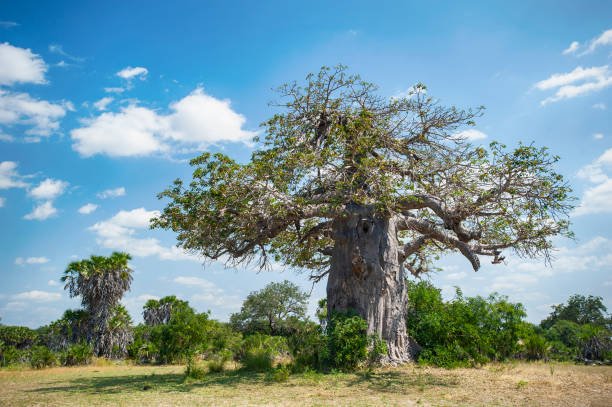
10-Day Southern Tanzania Safari And Zanzibar Package 2026-2027
Discover the ultimate 10-day Southern Tanzania safari and Zanzibar package, combining the wild heart of Africa with the tropical allure of the Spice Island. This itinerary offers an...
View package details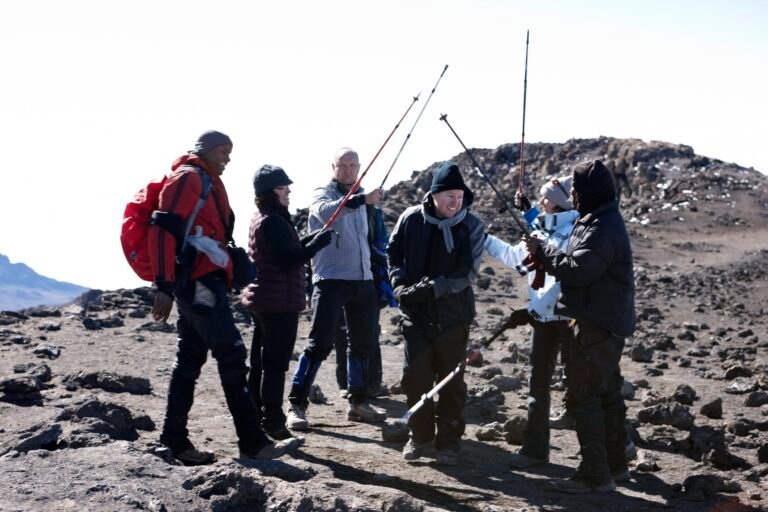
How Tourism Supports Kilimanjaro Communities: A Deep Dive With Top Guide
Explore the vital link between Kilimanjaro tourism and the well-being of local communities. Learn how your trek contributes to sustainable development, economic growth, and cultural...
View package detailsNo related package matches those filters. Clear one or more filters to see the other topic-matched options.
Plan your Cultural Immersion Journeys with Top Guide Adventures
Tell us your travel dates, group size, comfort level, and dream experience. We will help you shape a clear, realistic, and memorable Tanzania itinerary.



