
Updated planning guide for 2026-2027
Coastal Adventures In Southern Africa: Complete Guide 2026-2027
Explore the stunning coastlines of Southern Africa. This comprehensive guide covers everything from Mozambique's islands to South Africa's Garden Route, helping you plan unforgettable adventures for 2026-2027.
WhatsApp +255616946642 | topguideadventures@gmail.com | info@topguideadventures.com

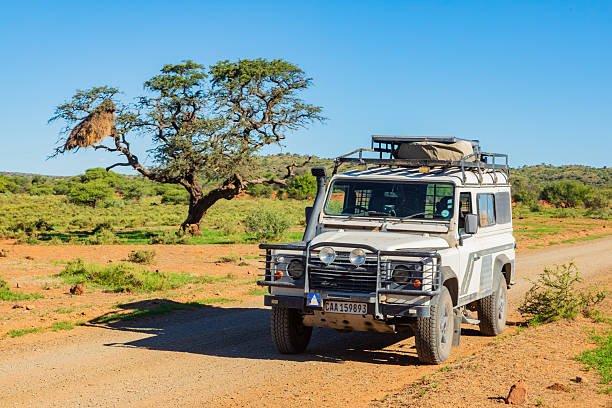
Coastal Adventures in Southern Africa: Your Ultimate Guide
Southern Africa boasts a coastline that stretches for thousands of kilometers, offering a diverse range of experiences for every traveler. From pristine, palm-fringed beaches and vibrant coral reefs to dramatic cliffs and bustling port cities, the coastal regions of countries like Mozambique, South Africa, and Namibia provide a wealth of opportunities for exploration and relaxation. Planning coastal adventures in Southern Africa involves understanding the unique attractions of each area, the best times to visit, and how to craft an itinerary that suits your interests. This guide aims to provide you with all the essential information to plan your perfect trip, whether you’re seeking thrilling water sports, serene beach escapes, or cultural immersion.
Quick Facts: Coastal Southern Africa
| Feature | Details |
|---|---|
| Key Countries | Mozambique, South Africa, Namibia, Tanzania (coastline) |
| Popular Activities | Diving, snorkeling, surfing, whale watching, sailing, beach relaxation, cultural tours, fishing, kayaking |
| Best Time to Visit | Varies by region; generally May to October for South Africa (whale watching), November to April for Mozambique (warmest seas) |
| Typical Duration | 7-21 days, depending on the scope of the trip |
| Travel Styles | Luxury resorts, budget guesthouses, self-drive, guided tours |
Why Choose Coastal Southern Africa for Your Next Adventure?
The allure of Southern Africa’s coastlines is multifaceted. It’s a region where adventure meets tranquility, offering a stark contrast to the inland safaris for which the continent is famous. Imagine diving in the crystal-clear waters of the Bazaruto Archipelago, spotting humpback whales along the South African coast, or exploring shipwrecks off the Namibian shore. These experiences are not just holidays; they are opportunities to connect with nature and discover unique cultures. For 2026-2027, planning a trip here means accessing some of the most unspoiled marine environments and diverse coastal landscapes on the planet.
Understanding the Diverse Coastal Regions
Southern Africa’s coastline is not a monolith. Each country and even different stretches within a country offer distinct experiences. Understanding these differences is key to planning effective coastal adventures in Southern Africa.
Mozambique: Tropical Paradise
Known for its long, sandy beaches, vibrant coral reefs, and clear turquoise waters, Mozambique is a quintessential tropical destination. The Bazaruto Archipelago, with islands like Bazaruto and Benguerra, is a highlight, offering world-class diving, snorkeling, and opportunities to see dugongs. Further north, the Quirimbas Archipelago presents a more remote and exclusive experience. The mainland coast offers surf spots and laid-back beach towns.
South Africa: The Garden Route and Beyond
South Africa’s coastline is incredibly varied. The famous Garden Route, stretching from Mossel Bay to Storms River Mouth, is known for its dramatic cliffs, indigenous forests, picturesque towns, and opportunities for hiking, kayaking, and whale watching. Further south, the Cape Peninsula offers stunning coastal drives and the chance to see penguins at Boulders Beach. The Wild Coast, to the east, is more rugged and less developed, ideal for those seeking true wilderness.
Namibia: The Skeleton Coast’s Stark Beauty
Namibia’s coast is characterized by its stark, dramatic beauty. The Skeleton Coast, a desolate stretch of desert meeting the Atlantic Ocean, is famous for its shipwrecks, seal colonies, and unique desert-adapted wildlife. It’s a destination for the adventurous, often explored by 4×4 or light aircraft, offering a completely different kind of coastal experience.
Tanzania: Spice Islands and Marine Parks
While often associated with safaris, Tanzania also boasts a significant and beautiful coastline, particularly the islands of Zanzibar and Pemba. These islands offer pristine beaches, historical Stone Town, and excellent diving and snorkeling in protected marine areas like Mnemba Atoll. Mafia Island is another gem, renowned for its whale shark encounters.
Best Time to Visit Southern Africa’s Coasts (2026-2027)
| Region | Dry Season (Best for general travel) | Wet Season (Considerations) | Specific Highlights |
|---|---|---|---|
| Mozambique (South) | May – October (Pleasant temperatures, lower humidity) | November – April (Hot, humid, potential for cyclones) | Diving/Snorkeling: Year-round, but visibility can be better in the dry season. Whale sharks: May-Oct. |
| Mozambique (North/Archipelagos) | May – October (Similar to South) | November – April (Similar to South) | Diving/Snorkeling: Year-round. |
| South Africa (Garden Route/Cape) | November – March (Warm, sunny summer) | June – August (Cool, wet winter) | Whale Watching: June – November. Surfing: Year-round, best swells in winter. |
| South Africa (Wild Coast) | May – October (Mild, dry) | November – April (Warm, humid, rain) | Hiking: Dry season. |
| Namibia (Skeleton Coast) | October – March (Warmer, less fog) | April – September (Cooler, frequent fog) | Wildlife viewing can be good year-round, but access can be weather-dependent. |
| Tanzania (Zanzibar/Pemba) | June – October (Dry, pleasant) | March – May (Long rains); Nov-Dec (Short rains) | Diving/Snorkeling: Generally good year-round, but visibility best in dry seasons. Whale sharks (Mafia): Oct-Mar. |
Crafting Your Coastal Itinerary: Sample Routes and Logic
The key to successful coastal adventures in Southern Africa is a well-planned itinerary. Here are a few sample routes to inspire your 2026-2027 trip, demonstrating different travel styles and durations.
Route 1: Mozambique’s Island Hopping Adventure (10-14 Days)
This route focuses on the tropical beauty of Mozambique’s islands, ideal for diving, snorkeling, and relaxation.
Days 1-4: Vilanculos & Bazaruto Archipelago
- Fly into Vilanculos. Transfer to your lodge on Bazaruto or Benguerra Island.
- Activities: Snorkeling at Two Mile Reef, diving, kayaking, dhow sunset cruises, exploring the islands by 4×4, visiting local villages.
Days 5-7: Inhambane Province Beaches
- Transfer back to Vilanculos and drive south (or take a short flight) to the Tofo/Barra region.
- Activities: Surfing, diving (e.g., Neptune’s Garden), swimming with whale sharks (seasonal), relaxing on the beaches.
Days 8-10: Southern Mozambique Coastal Charm
- Continue south to areas like Ponta do Ouro or Ponta Malongane (requires 4×4 access or a guided transfer).
- Activities: Scuba diving (famous for shark encounters), snorkeling in marine reserves, deep-sea fishing, enjoying the rustic beach atmosphere.
- Depart from Maputo (or return to Vilanculos for onward travel).
Logic: This route moves from the more organized island experience to the laid-back surf towns and then to the wilder southern tip. It minimizes internal travel by focusing on a geographical cluster.
Route 2: South Africa’s Garden Route & Marine Wonders (7-10 Days)
This itinerary combines scenic drives, adventure activities, and wildlife encounters along South Africa’s most famous coastal stretch.
Days 1-2: Cape Town & Peninsula Coast
- Start in Cape Town. Explore the city, then drive the Cape Peninsula, visiting Boulders Beach (penguins), Cape Point, and Chapman’s Peak Drive.
- Activities: Coastal hiking, seal watching, exploring historic lighthouses.
Days 3-4: Hermanus & Whale Watching
- Drive east to Hermanus, the whale-watching capital.
- Activities: Shore-based whale watching (June-Nov), boat-based whale watching tours, exploring coastal paths, kayaking.
Days 5-7: Garden Route Highlights (Wilderness, Knysna, Plettenberg Bay)
- Continue along the Garden Route. Stop in Wilderness for its lagoons and beaches.
- Activities in Knysna: Knysna Heads boat trip, oyster tasting, exploring the lagoon.
- Activities in Plettenberg Bay: Robberg Nature Reserve hike, surfing, boat trips for marine life spotting (dolphins, seals).
Days 8-9: Tsitsikamma National Park & Adventure
- Explore Tsitsikamma National Park, known for its rugged coastline and indigenous forests.
- Activities: Suspension bridge walk, kayaking in the Storms River Mouth, hiking, optional bungee jumping (Bloukrans).
- Depart from George Airport or Port Elizabeth.
Logic: This route follows the natural progression of the Garden Route, starting with the iconic Cape Town and moving eastwards, incorporating key marine and adventure stops.
Route 3: Tanzania’s Spice & Sea (7-12 Days)
This option focuses on the coastal and island experiences of Tanzania, perfect for combining with a safari or as a standalone beach holiday.
Days 1-3: Zanzibar – Stone Town & Spice Tour
- Arrive in Zanzibar. Explore the UNESCO World Heritage site of Stone Town, with its narrow alleys, historic buildings, and bustling markets.
- Take a spice tour to learn about the island’s history and agriculture.
Days 4-7: Zanzibar – Northern Beaches (Nungwi/Kendwa)
- Transfer to the northern coast for pristine white-sand beaches and clear waters.
- Activities: Swimming, sunbathing, snorkeling trips to Mnemba Atoll, sunset dhow cruises, visiting local fishing villages.
Days 8-10: Zanzibar – Eastern Beaches (Paje/Jambiani) or Mafia Island
- Option A (Zanzibar): Head to the east coast for kite surfing (Paje) and a more relaxed atmosphere (Jambiani).
- Option B (Mafia Island): Fly to Mafia Island for world-class diving and snorkeling, especially known for whale shark encounters (seasonal).
Day 11-12: Departure
- Return to Zanzibar Airport for your departure, or connect from Dar es Salaam if coming from Mafia.
Logic: This route balances cultural immersion in Stone Town with beach relaxation and marine activities, offering flexibility with the choice between more Zanzibar exploration or a dedicated marine park visit to Mafia.
What to Expect During Your Coastal Adventure
Coastal adventures in Southern Africa are diverse. Here’s a general overview of what you can anticipate:
- Stunning Scenery: Expect dramatic coastlines, pristine beaches, lush coastal forests, and vibrant underwater worlds.
- Marine Life: Opportunities to see whales, dolphins, sharks, turtles, dugongs, and a vast array of fish and coral.
- Water Activities: From leisurely swimming and snorkeling to exhilarating diving, surfing, and kayaking.
- Cultural Encounters: Interactions with local communities, fishing villages, and historic coastal towns.
- Accommodation: A wide range, from luxury resorts and boutique hotels to charming guesthouses and rustic beach bungalows.
- Travel Logistics: Depending on the region, travel might involve driving (self-drive or with a driver), short flights, boat transfers, or even 4×4 excursions.
Packing and Preparation for Coastal Southern Africa
Proper packing is crucial for enjoying your coastal adventures. Consider the climate, activities, and local customs.
Essential Packing List:
- Lightweight Clothing: Breathable fabrics like cotton and linen for warm weather.
- Swimwear: Multiple options for beach days and water activities.
- Sun Protection: High SPF sunscreen, wide-brimmed hat, sunglasses, and UV-protective rash guard.
- Footwear: Comfortable sandals or flip-flops, water shoes, and sturdy walking shoes for hikes or exploring towns.
- Insect Repellent: Especially for evenings and areas with standing water.
- Light Rain Jacket: For unexpected showers, particularly during shoulder seasons or tropical rainy periods.
- Camera & Accessories: Waterproof camera or casing for underwater shots.
- Snorkel Gear: If you prefer your own, though often available for hire.
- Dry Bag: To protect electronics and valuables on boat trips or beach excursions.
- Basic First-Aid Kit: Including any personal medications.
- Adapter: South Africa uses Type M plugs; Mozambique and Tanzania use Type D and G. Check specifics for your chosen destinations.
- Reusable Water Bottle: To stay hydrated and reduce plastic waste.
Preparation Considerations:
- Visas: Check visa requirements for your nationality for each country you plan to visit well in advance of 2026-2027 travel.
- Vaccinations & Health: Consult your doctor or a travel clinic about recommended vaccinations (e.g., Yellow Fever, Hepatitis A) and malaria precautions, especially for Mozambique and Tanzania.
- Travel Insurance: Comprehensive travel insurance covering medical emergencies, trip cancellations, and adventure activities is essential.
- Currency: Research local currencies (South African Rand, Mozambican Metical, Tanzanian Shilling) and the availability of ATMs. US Dollars are often accepted in tourist areas but having local currency is advisable.
- Language: English is widely spoken in tourist areas, but local languages are prevalent. Learning a few basic phrases can be helpful and appreciated.
Common Mistakes to Avoid When Planning
Even with the best intentions, travelers can make mistakes. Being aware of these can help ensure smoother coastal adventures in Southern Africa.
- Underestimating Travel Times: Distances can be long, and road conditions can vary. Always factor in ample travel time between locations.
- Not Considering Seasonality: Traveling to Mozambique during cyclone season or to the Cape during its winter rains can impact your experience.
- Over-Scheduling: Trying to cram too many destinations into a short trip leads to exhaustion and less enjoyment. Allow for relaxation and spontaneous moments.
- Ignoring Local Conditions: Weather can change rapidly, especially at sea. Always heed local advice regarding safety for water activities.
- Not Booking in Advance: Popular lodges, diving trips, and whale watching tours, especially during peak seasons for 2026-2027, can book up months ahead.
- Failing to Budget for Activities: Many coastal experiences, like diving, boat tours, and national park fees, add up. Ensure your budget accounts for these.
- Not Researching Specific Areas: Tofo is great for surfing and whale sharks, while Bazaruto is for diving and luxury. Knowing the nuances helps manage expectations.
Who Are Coastal Adventures Best Suited For?
The diverse nature of Southern Africa’s coastlines means these adventures appeal to a broad range of travelers.
- Adventure Seekers: Surfers, divers, kayakers, hikers, and those looking for adrenaline-pumping activities.
- Nature Lovers: Birdwatchers, marine life enthusiasts, and anyone who appreciates stunning natural landscapes.
- Couples & Honeymooners: Seeking romantic beach settings, luxurious resorts, and tranquil escapes.
- Families: With plenty of safe swimming beaches, snorkeling opportunities, and engaging wildlife encounters.
- Relaxation Seekers: Those who simply want to unwind on beautiful beaches, enjoy fresh seafood, and soak up the sun.
- Cultural Explorers: Interested in visiting coastal towns, learning about maritime history, and interacting with local communities.
Alternatives to Coastal Adventures
While the coast offers unique charms, Southern Africa is rich in other experiences:
- Classic Safari: Focusing on wildlife viewing in national parks like Kruger (South Africa), Serengeti/Maasai Mara (Tanzania), or Chobe (Botswana).
- Mountain Trekking: Including Mount Kilimanjaro or Mount Kenya.
- Cultural Immersion: Exploring the highlands of Lesotho or the cultural heartlands of Zimbabwe.
- Desert Exploration: Such as the Namib Desert or the Kalahari.
Often, the most rewarding trips combine a coastal element with a safari or cultural experience, offering a comprehensive taste of Southern Africa.
Planning Your Coastal Adventures in Southern Africa for 2026-2027
Planning ahead is crucial, especially for trips in the upcoming years. Here’s a breakdown of how to approach your 2026-2027 planning:
12-18 Months Out: Vision & Research
- Define your primary interests (diving, relaxation, adventure, culture).
- Identify the key regions you want to visit (e.g., Mozambique, South Africa’s Garden Route).
- Start researching the best time to visit for your chosen activities and regions.
- Get a general idea of your budget.
9-12 Months Out: Itinerary & Booking Key Elements
- Develop a draft itinerary, considering travel times between locations.
- Book international flights – often cheaper when booked well in advance.
- Book popular accommodations, especially unique lodges or resorts in high-demand areas.
- Book any specific tours or activities that are known to sell out (e.g., specific diving excursions, whale watching tours).
6-9 Months Out: Internal Logistics & Visas
- Book internal flights or hire vehicles if needed.
- Start the visa application process if required for your nationality.
- Consult your doctor or a travel clinic for vaccinations and malaria advice.
3-6 Months Out: Finalizing Details
- Purchase comprehensive travel insurance.
- Confirm all bookings and make any necessary payments.
- Begin researching local customs and essential phrases.
- Start compiling a detailed packing list.
1-3 Months Out: Preparations
- Get any necessary vaccinations.
- Exchange some currency for arrival or plan ATM withdrawals.
- Inform your bank of your travel dates to avoid card issues.
- Organize travel documents (passports, visas, insurance details).
Last Month: Final Checks
- Reconfirm flights and accommodation.
- Pack your bags, ensuring you have all essentials.
- Download offline maps or relevant travel apps.
- Get excited for your coastal adventures in Southern Africa!
Booking Your Coastal Adventure: Expert Advice
Choosing the right tour operator or booking method can significantly enhance your experience. For personalized coastal adventures in Southern Africa, consider the following:
- Work with a Local Expert: Companies like Top Guide Adventures, based in Tanzania, have in-depth knowledge of East and Southern Africa. They can craft custom itineraries, handle complex logistics, and provide on-the-ground support. This is particularly beneficial for navigating visa requirements, local transport, and selecting the best accommodations and activities.
- Consider Package Deals: Many operators offer pre-designed packages that can be a good starting point. These often include accommodation, some meals, and key activities. Ensure you understand what’s included and excluded.
- DIY Booking: For experienced travelers on a budget, booking flights, accommodations, and activities independently is an option. However, this requires significant research and time, and you miss out on the expertise and support of local operators.
- Ask About Inclusions/Exclusions: Always clarify what is covered in your booking. This might include accommodation, transfers, meals, guided tours, park fees, diving equipment, and more.
When planning your 2026-2027 trip, don’t hesitate to reach out to specialists. For tailored safari and coastal experiences in Southern Africa, connect with experienced operators who understand the nuances of the region.
Ready to Plan Your Southern Africa Coastal Adventure?
Let us help you craft an unforgettable journey along the coastlines of Southern Africa. Whether you dream of diving in Mozambique, exploring South Africa’s Garden Route, or experiencing Zanzibar’s charm, our expertise can make it a reality. We specialize in creating bespoke itineraries that match your interests and budget.
Contact us today to start planning your 2026-2027 coastal adventures:
- WhatsApp: +255616946642
- Email: topguideadventures@gmail.com
- Backup Email: info@topguideadventures.com
We look forward to helping you discover the magic of Southern Africa’s coast!
Frequently Asked Questions (FAQs)
1. Is Southern Africa safe for coastal travel?
Generally, yes. Major tourist areas in South Africa, Mozambique, and Tanzania are accustomed to international visitors. However, like any destination, it’s important to exercise common sense precautions: be aware of your surroundings, avoid displaying valuables, secure your accommodation, and research specific safety advice for the areas you plan to visit. For coastal adventures, water safety is paramount; always follow lifeguard instructions and guide recommendations.
2. What currency should I use in Mozambique and South Africa?
In Mozambique, the local currency is the Mozambican Metical (MZN). While US Dollars and South African Rand (ZAR) are sometimes accepted in tourist areas, it’s best to have Meticals for local purchases. ATMs are available in larger towns. In South Africa, the currency is the South African Rand (ZAR). ATMs are widely available, and credit cards are accepted in most establishments.
3. Do I need malaria precautions for coastal areas?
Malaria is present in coastal regions of Mozambique and Tanzania, especially during warmer, wetter months. Prophylactic medication and mosquito repellent are recommended. South Africa’s coastal areas are generally considered low-risk, but it’s always best to consult a travel doctor for the most up-to-date advice for your specific travel dates in 2026-2027.
4. What are the best islands for diving in Mozambique?
The Bazaruto Archipelago (Bazaruto, Benguerra, Magaruque islands) and the Quirimbas Archipelago (further north) are renowned for their exceptional diving and snorkeling. Expect vibrant coral reefs, diverse marine life, and opportunities to see whale sharks and manta rays.
5. Can I self-drive along the Garden Route in South Africa?
Yes, self-driving is a very popular and straightforward way to explore the Garden Route. The roads are generally well-maintained, and signage is good. Renting a car at Cape Town International Airport is common, and you can typically drop it off at George or Port Elizabeth airports. For some areas in Mozambique, a 4×4 vehicle is highly recommended or even necessary.
6. Are there direct flights from Europe/North America to coastal Southern Africa?
Direct flights to most coastal Southern African destinations are rare. You will typically fly into major hubs like Johannesburg (South Africa), Maputo (Mozambique), or Dar es Salaam (Tanzania), and then take a connecting flight to your coastal destination. Alternatively, you might fly into Zanzibar directly from some European cities.
7. What is the best way to experience whale watching in South Africa?
The prime whale-watching season along the Western and Eastern Cape coasts is from June to November, with the peak typically in August-October. Hermanus is the most famous land-based whale-watching spot, but boat-based tours are also available from places like Gansbaai and Plettenberg Bay. You can also spot whales on boat trips from Cape Town.
8. How can I book a trip with Top Guide Adventures?
To book your coastal adventures in Southern Africa with Top Guide Adventures, you can contact them directly via WhatsApp at +255616946642, or send an email to topguideadventures@gmail.com or info@topguideadventures.com. They can assist with custom itinerary planning, quotes, and booking arrangements for your 2026-2027 travels.
9. What kind of accommodation can I expect?
Accommodation varies greatly by region and budget. In Mozambique, you’ll find everything from luxury island resorts and beachfront villas to simple guesthouses and backpacker lodges. South Africa offers a wide range of hotels, guesthouses, self-catering apartments, and boutique lodges. Zanzibar offers beach bungalows, boutique hotels in Stone Town, and larger resorts. Mafia Island is known for its eco-lodges and diving resorts.
10. Is it possible to combine a safari with a coastal trip?
Absolutely! This is a very popular combination. For instance, you could combine a safari in Tanzania’s Serengeti with a beach holiday in Zanzibar, or a safari in South Africa’s Kruger National Park with a trip down the Garden Route or to Mozambique. Top Guide Adventures specializes in creating such multi-destination itineraries.
Plan your Coastal Adventures in Southern Africa with Top Guide Adventures
Tell us your travel dates, group size, comfort level, and dream experience. We will help you shape a clear, realistic, and memorable Tanzania itinerary.



