
Updated planning guide for 2026-2027
Best Places To Visit In Southern Tanzania: Complete Guide 2026-2027
Explore the wild heart of Tanzania in its southern parks. This guide covers the best places to visit in Southern Tanzania, offering unparalleled safari experiences away from the northern crowds. Plan your 2026-2027 adventure with expert insights.
WhatsApp +255616946642 | topguideadventures@gmail.com | info@topguideadventures.com
Discover the Untamed Beauty of Southern Tanzania
When most travelers think of a Tanzanian safari, their minds often go straight to the famous Northern Circuit – the Serengeti, Ngorongoro Crater, and Tarangire. While these destinations are undeniably spectacular, they represent only a fraction of what this vast and diverse country has to offer. For those seeking a more secluded, raw, and authentic wilderness experience, the southern circuit of Tanzania beckons. This region, often overlooked, boasts some of Africa’s most impressive national parks and game reserves, offering vast landscapes, incredible wildlife densities, and a profound sense of adventure.
This comprehensive guide is designed to help you navigate the captivating world of Southern Tanzania. We’ll explore the prime destinations, explain why they are worth your time, detail the best times to visit, outline potential itineraries, discuss what to expect on the ground, and provide practical advice for planning your unforgettable 2026-2027 safari. Whether you’re a seasoned safari-goer or a first-time visitor, understanding the unique allure of the south is key to crafting the ultimate Tanzanian adventure.
Why Choose Southern Tanzania?
The southern circuit offers a distinct contrast to its northern counterpart. It’s characterized by its immense size, less developed infrastructure (which translates to fewer crowds), and a wilder, more rugged feel. The parks here are vast, allowing for true exploration and a feeling of having the wilderness almost to yourself. This makes it ideal for travelers who value solitude, appreciate untouched landscapes, and are looking for a more intimate connection with nature.
Key advantages of a southern Tanzania safari include:
- Fewer Tourists: Experience a more personal safari with fewer vehicles at sightings, offering a more immersive wildlife viewing experience.
- Vast, Untamed Landscapes: Explore enormous protected areas with diverse ecosystems, from riverine forests and open plains to miombo woodlands.
- Unique Wildlife Encounters: While big cats are present, southern Tanzania is particularly famous for its large elephant herds, wild dogs, and a rich diversity of birdlife.
- Variety of Activities: Beyond traditional game drives, many southern parks offer walking safaris and boat safaris, providing different perspectives on the environment.
- Authentic Experience: The less commercialized nature of the south offers a more genuine and raw safari adventure.
Table of Contents
Quick Facts: Southern Tanzania Parks
| Park/Reserve | Location | Size (sq km) | Key Wildlife | Activities |
|---|---|---|---|---|
| Selous Game Reserve (Nyerere National Park) | South of Dar es Salaam | 50,000+ | Elephants, Buffalo, Lions, Wild Dogs, Hippos, Crocodiles, Birds | Boat Safari, Walking Safari, Game Drives |
| Ruaha National Park | South-Central Tanzania | 20,226 | Elephants, Lions (large prides), Wild Dogs, Cheetahs, Greater Kudu, Birds | Game Drives, Walking Safaris |
| Mikumi National Park | West of Dar es Salaam | 3,230 | Elephants, Zebras, Giraffes, Wildebeest, Lions, Buffalo | Game Drives |
| Udzungwa Mountains National Park | South-West of Dar es Salaam | 1,990 | Primates (including endemic species), Birds, Forest Elephants (rarely seen) | Hiking, Bird Watching, Primate Spotting |
| Kitulo National Park | South of Iringa | 440 | Endemic Orchids, Birds, Mountain Reedbuck | Hiking, Botanical Exploration |
Overview of Key Destinations in Southern Tanzania
The southern circuit is not a single entity but a collection of distinct parks and reserves, each offering a unique flavor of the Tanzanian wilderness. Understanding these differences is crucial for building an itinerary that matches your interests.
1. Selous Game Reserve (now Nyerere National Park)
Once the largest game reserve in Africa, the Selous is now officially part of Nyerere National Park, though the name Selous is still widely used. Located south of Dar es Salaam, it’s one of the most accessible southern parks. Its sheer size means it feels incredibly wild and remote, despite its proximity to the coast. The Rufiji River is the lifeblood of Selous, supporting vast populations of hippos and crocodiles, and attracting large herds of elephants and buffalo.
What makes it special: Selous is renowned for its boat safaris on the Rufiji River, offering incredible views of hippos, crocodiles, and abundant birdlife. Walking safaris are also a highlight here, allowing you to experience the bush on foot with an armed ranger, a truly exhilarating activity. The reserve is also a critical stronghold for the endangered African wild dog.
2. Ruaha National Park
The largest national park in Tanzania, Ruaha is a true wilderness gem. Located in the heart of the country, it’s more remote and requires a bit more effort to reach, but the rewards are immense. Ruaha is famous for its dramatic landscapes, characterized by rugged hills, vast plains, and the Great Ruaha River, which forms a vital water source during the dry season. The park is known for its exceptionally large elephant herds and one of the highest concentrations of lions in Africa, often seen in large, powerful prides. It’s also a crucial area for wild dogs and cheetahs.
What makes it special: Ruaha offers a sense of raw, untamed Africa. The sheer scale of the park and the relative lack of tourists create an unparalleled safari experience. Walking safaris are highly recommended here, offering a chance to learn about the smaller details of the bush and track animals on foot. The park’s unique flora, including the iconic baobab trees, adds to its visual appeal.
3. Mikumi National Park
Often visited as a day trip or a short stopover en route to other southern parks, Mikumi is the most accessible park in the southern circuit, situated along the main road between Dar es Salaam and Iringa. Despite its accessibility, it offers excellent game viewing opportunities. Mikumi is often referred to as a “mini-Serengeti” due to its open grasslands and abundant wildlife, including large herds of wildebeest, zebras, giraffes, and elephants. It’s known for its high chances of spotting lions, often found resting on the branches of acacia trees.
What makes it special: Its accessibility makes it a convenient option for those with limited time. The park’s relatively small size and open terrain mean that animals are often easy to spot. It’s a good introduction to Tanzanian wildlife and can be combined with other destinations.
4. Udzungwa Mountains National Park
For nature lovers and hikers, Udzungwa offers a completely different experience. This mountainous rainforest park is a biodiversity hotspot, famous for its primates, including the rare Iringa red colobus and the Sanje mangabey, both endemic to the area. The park is a hiker’s paradise, with trails leading through dense forests to stunning waterfalls, such as the Sanje waterfalls. Birdwatching is also exceptional here.
What makes it special: It’s a fantastic destination for combining a safari experience with hiking and exploring unique forest ecosystems. The chance to see endemic primates and experience a different type of Tanzanian landscape is a major draw.
5. Kitulo National Park
Known as the “Garden of God,” Kitulo is a unique botanical park, a plateau covered in an incredible diversity of wildflowers, especially during the rainy season. It’s a protected area for its floral diversity, featuring over 350 species of plants, including 45 species of orchids. While not a primary safari destination for big game, it’s a haven for birdwatchers and those interested in unique flora. It offers stunning mountain scenery and a peaceful retreat.
What makes it special: Its unparalleled floral displays and its status as a botanical wonderland make it a unique destination for those seeking something beyond traditional game viewing.
Why Southern Tanzania Stands Out
The allure of Southern Tanzania lies in its authenticity and scale. It provides an experience that feels more like an expedition into the wild rather than a curated tour. The sheer vastness of parks like Selous and Ruaha means that wildlife sightings are spread out, and you’re less likely to encounter numerous other vehicles at a sighting. This allows for a more profound connection with the animals and their natural habitat.
The conservation efforts in the south, particularly in Ruaha, are crucial for species like lions and wild dogs, which are facing increasing pressure in other parts of Africa. By visiting these parks, you contribute directly to their protection and the livelihoods of local communities. The diversity of activities, from the water-based safaris of Selous to the rugged trekking in Udzungwa, also sets the south apart, catering to a wider range of interests.
Best Time to Visit Southern Tanzania
The best time to visit Southern Tanzania largely depends on what you want to see and experience. The region has two main seasons: the dry season and the wet season.
| Period | Weather | Wildlife Viewing | Vegetation | Road Conditions | Birdlife |
|---|---|---|---|---|---|
| Dry Season (June – October) | Sunny, warm days, cooler nights. Low humidity. Minimal rainfall. | Excellent. Animals congregate around water sources, making them easier to spot. Vegetation is sparser. | Sparse, dry. Best for spotting animals. | Generally good, but can be dusty. | Good, but migratory birds are absent. Resident birds are visible. |
| Shoulder Season (Late May, Early Nov – Mid Dec) | Transitional weather, can be warm and humid. Occasional light rains. | Good. Animals are still relatively concentrated. | Starting to green up. | Improving. | Good. Migratory birds may start arriving. |
| Wet Season (Mid-December – April) | Hot and humid, with heavy rainfall, especially in March and April. Afternoon thunderstorms are common. | More challenging. Wildlife disperses, and the dense vegetation can make spotting difficult. However, it’s excellent for birdwatching and seeing young animals. Ruaha’s river is full. | Lush and green. Beautiful scenery. | Can be poor, especially in remote areas. Some camps may close. | Excellent. Migratory birds are present, and resident birds are in breeding plumage. Great for photographers. |
Key Considerations for 2026-2027 Planning:
- June to October: This is peak safari season for Southern Tanzania. Expect the best wildlife viewing and pleasant weather. However, it’s also the busiest and most expensive time.
- November to March: This is the green season, offering lush landscapes and excellent birdwatching. It’s a quieter and more affordable time, ideal for photographers and those who don’t mind occasional rain. Some camps in very remote areas might close or have limited accessibility.
- April to May: The end of the wet season. Landscapes are still green, and the shoulder season pricing can be attractive. Roads start to improve.
Southern Tanzania Route Overview
The southern circuit is geographically spread out, and travel between parks often involves flights or long drives. A typical itinerary might focus on 2-3 parks to allow sufficient time for exploration without rushing. Here’s a general overview of how the main parks are connected:
Conceptual Route:
- Start Point: Dar es Salaam (main international gateway).
- Option A (Classic Southern): Dar es Salaam -> Mikumi National Park (short drive) -> Selous Game Reserve (Nyerere NP) (drive or short flight) -> Fly out from Selous or return to Dar.
- Option B (Deep South & Ruaha): Dar es Salaam -> Fly to Ruaha National Park -> Fly to Selous Game Reserve (Nyerere NP) -> Fly back to Dar es Salaam.
- Option C (Adventure & Nature): Dar es Salaam -> Mikumi National Park -> Udzungwa Mountains National Park (hiking focus) -> Return to Dar.
- Option D (Extended South): Dar es Salaam -> Fly to Ruaha -> Fly to Selous -> Fly to Zanzibar (for beach relaxation).
Note: Travel between parks is often by light aircraft due to vast distances and poor road conditions in some areas. Driving is possible between some parks (e.g., Dar to Mikumi, Mikumi to Selous) but can be time-consuming.
Sample Itinerary: A Classic Southern Circuit (7 Days / 6 Nights)
This itinerary balances game drives with unique activities, focusing on two of the most popular southern destinations: Selous (Nyerere NP) and Ruaha.
| Day | Location | Morning Activity | Afternoon Activity | Accommodation Type |
|---|---|---|---|---|
| 1 | Dar es Salaam to Selous (Nyerere NP) | Arrive at Dar es Salaam (DAR), meet your guide. Transfer to Dar es Salaam domestic airport for a scheduled or private flight to the Selous airstrip. | Meet your lodge guide and transfer to your camp. Afternoon game drive in Selous. | Luxury Tented Camp / Lodge |
| 2 | Selous (Nyerere NP) | Morning boat safari on the Rufiji River, observing hippos, crocodiles, and abundant birdlife. | Afternoon walking safari with an armed ranger, exploring the bush on foot. | Luxury Tented Camp / Lodge |
| 3 | Selous (Nyerere NP) | Full-day game drive exploring different sectors of the park, searching for elephants, wild dogs, and big cats. Picnic lunch included. | Return to camp for relaxation. Optional evening game drive. | Luxury Tented Camp / Lodge |
| 4 | Selous to Ruaha National Park | After breakfast, transfer to the Selous airstrip for a flight to Ruaha National Park. | Arrive at Ruaha airstrip, meet your lodge guide, and transfer to your camp. Afternoon game drive in Ruaha. | Remote Tented Camp / Lodge |
| 5 | Ruaha National Park | Morning walking safari, exploring the diverse landscape and tracking animals on foot. | Afternoon game drive focusing on Ruaha’s large lion prides and elephant herds. | Remote Tented Camp / Lodge |
| 6 | Ruaha National Park | Full-day game drive, potentially exploring the Mdonya Falls area or the Great Ruaha River banks. Focus on cheetahs and unique antelope species. | Sundowners in a scenic spot, followed by return to camp. | Remote Tented Camp / Lodge |
| 7 | Ruaha to Dar es Salaam | Enjoy a final morning game drive or relax at the camp. | Transfer to the Ruaha airstrip for your scheduled flight back to Dar es Salaam. Connect with your international departure or overnight in Dar. | N/A |
Note: This is a sample. It can be customized to include Mikumi, Udzungwa, or extend stays in each park. Prices for 2026-2027 will vary based on accommodation choice, season, and group size.
What to Expect on a Southern Tanzania Safari
A safari in Southern Tanzania offers a distinct experience compared to the north. Here’s what you can anticipate:
- The Pace: Safaris here tend to be more relaxed. With vast distances and fewer vehicles, you’ll spend more time absorbing the environment and less time waiting for others to leave a sighting.
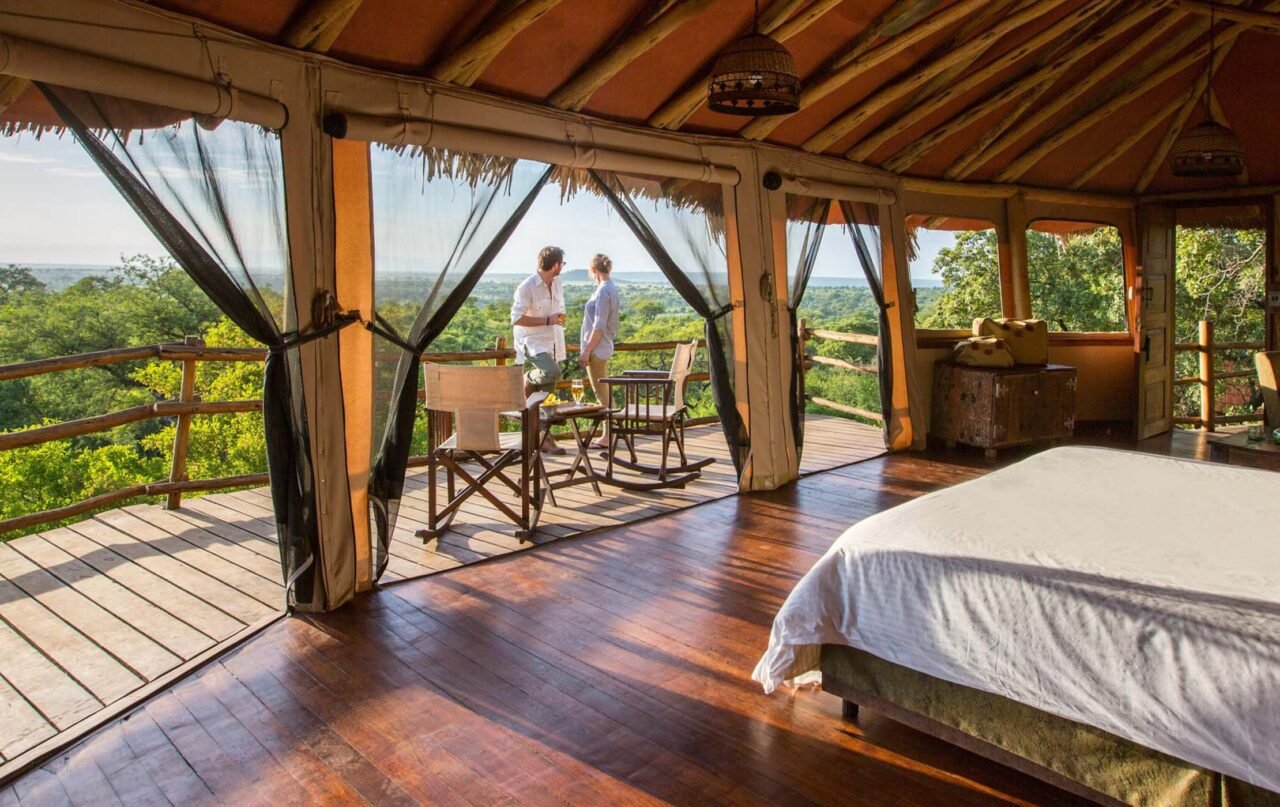
- Accommodation: Options range from comfortable mid-range lodges and tented camps to exclusive luxury properties. Camps in Selous and Ruaha often offer stunning locations, sometimes with direct river or plain views.
- Activities: Beyond game drives, walking safaris are a significant highlight, especially in Selous and Ruaha. Boat safaris are unique to Selous. Udzungwa is all about hiking.
- Wildlife Density vs. Diversity: While you might not see the sheer density of animals as in the Serengeti during migration, Southern Tanzania offers incredible opportunities to see large herds of elephants and buffalo, numerous predators (especially lions in Ruaha), and a wealth of birdlife. The chance to see wild dogs is higher here.
- Infrastructure: Parks are vast, and roads can be rough, especially in the wet season. This is why light aircraft transfers are common and often recommended for maximizing your time and comfort. Lodges and camps are generally well-equipped, but expect a more remote feel than in the north.
- Connectivity: Mobile phone service and Wi-Fi can be intermittent or unavailable in many camps, which is part of the appeal for those seeking to disconnect.
What’s Included and What to Pack
When booking a safari with a reputable operator, certain items and services are typically included. Packing correctly ensures you are comfortable and prepared for the diverse conditions.
Typical Inclusions:
- Park fees and conservation levies.
- Accommodation as per itinerary.
- All meals (breakfast, lunch, dinner) at lodges/camps.
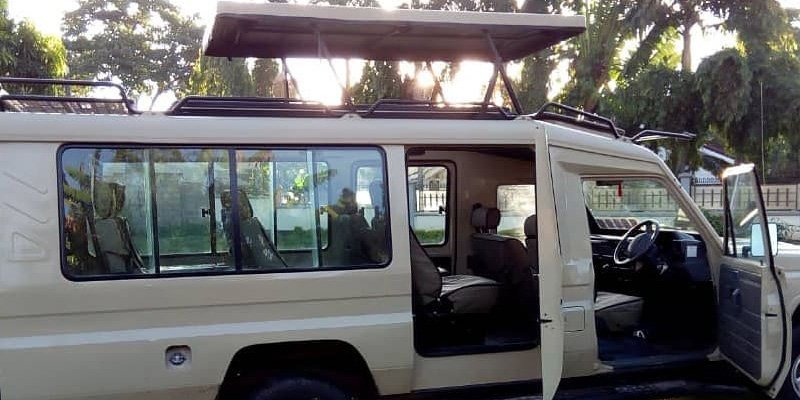
- Game drives in a 4×4 safari vehicle with a qualified guide.
- Scheduled or private internal flights (as specified in your package).
- Drinking water during game drives.
- Transfers to/from airports and lodges.
What to Pack:
| Category | Items | Notes |
|---|---|---|
| Clothing | Lightweight, neutral-colored clothing (khaki, beige, olive green). Long-sleeved shirts, T-shirts, trousers/safari pants. A warm fleece or jacket for cool evenings/early mornings. Comfortable walking shoes. Sandals or flip-flops. A wide-brimmed hat. Swimsuit (for lodges with pools). | Avoid bright colors and dark blue/black (can attract tsetse flies). Layers are key for changing temperatures. |
| Footwear | Comfortable walking shoes or hiking boots (especially if planning walking safaris or hikes in Udzungwa). Trainers/sandals for camp. | Ensure they are broken in. |
| Health & Hygiene | Insect repellent (with DEET). Sunscreen (high SPF). Personal first-aid kit. Any personal medications. Hand sanitizer. Antimalarial medication (consult your doctor). | Malaria precautions are essential. Pack a small personal medical kit. |
| Gear & Accessories | Binoculars (essential for wildlife viewing). Camera with extra batteries and memory cards. Power bank or adapter for charging devices. Headlamp or flashlight. Sunglasses. Small backpack for day trips. Reusable water bottle. | Check voltage and plug type for Tanzania (Type D and G). |
| Documents | Passport (valid for at least 6 months beyond your stay). Visa (check requirements for your nationality). Yellow Fever certificate (if required). Flight tickets. Travel insurance details. Copies of important documents. | Keep originals and copies separate. |
Packing Tip for 2026-2027: Consider packing light, especially if using light aircraft transfers, which often have strict weight limits (usually 15-20 kg per person in soft bags).
Common Mistakes to Avoid
Planning a safari to a less-visited region like Southern Tanzania requires careful consideration to avoid common pitfalls.
- Underestimating Travel Times: Distances are vast, and road conditions can be challenging. Don’t try to cram too many destinations into a short trip. Allow ample time for travel between parks, especially if driving.
- Not Considering Flights: While driving is possible, internal flights are often more time-efficient and comfortable, particularly for reaching Ruaha. Factor this into your budget and itinerary.
- Choosing the Wrong Time to Visit: Visiting during the peak of the wet season (March-April) can make some areas inaccessible and impact game viewing. Research the best time for your specific interests.
- Expecting the Same Experience as the North: Southern Tanzania is wilder and less developed. Embrace the solitude and the raw nature; don’t expect the same level of infrastructure or animal density per square kilometer as the Serengeti.
- Not Booking in Advance: Especially for peak season (June-October) and for popular lodges, booking well in advance is crucial for 2026-2027 travel.
- Ignoring Walking or Boat Safaris: These activities are unique to the south and offer incredible perspectives you can’t get from a vehicle. Don’t miss out.
- Packing Incorrectly: Neutral colors, layers, and insect repellent are essential. Bright colors and dark blues/blacks can attract tsetse flies, which can be present in some areas.
Who is Southern Tanzania Best For?
Southern Tanzania is ideal for a specific type of traveler seeking a more authentic and less crowded safari experience.
- Adventurous Travelers: Those who appreciate a bit of ruggedness, longer travel times, and a sense of exploration will thrive here.
- Photographers: The dramatic landscapes, unique light, and fewer vehicles at sightings make it a photographer’s paradise, especially during the green season.
- Nature Enthusiasts: For those who love birdwatching, unique flora, and the chance to see endangered species like wild dogs and primates.
- Repeat Safari-Goers: Travelers who have already experienced the Northern Circuit and are looking for a different, perhaps more profound, wilderness experience.
- Travelers Seeking Solitude: If you dream of having vast landscapes and incredible wildlife encounters almost to yourself, the south is your destination.
- Budget-Conscious Travelers (to an extent): While flights can add cost, the park fees and accommodation in some southern areas can sometimes be more affordable than comparable lodges in the north, especially during the green season.
Alternatives to Southern Tanzania
While Southern Tanzania offers a unique experience, other regions in Tanzania and East Africa provide excellent safari opportunities, catering to different preferences.
- Northern Tanzania Circuit (Serengeti, Ngorongoro, Tarangire, Lake Manyara): The classic choice. Offers iconic landscapes, the Great Migration (Serengeti), incredible wildlife density, and more developed infrastructure. Best for first-time visitors or those wanting to see the migration.
- Western Tanzania (Gombe Stream, Mahale Mountains): Famous for chimpanzee trekking. Offers a very different, more remote, and intimate experience focused on primates and dense rainforests.
- Kenya (Masai Mara, Samburu, Laikipia): Offers incredible wildlife viewing, particularly the Mara’s wildebeest migration. Known for its diverse landscapes and excellent safari lodges.
- Botswana (Okavango Delta, Chobe): Known for its luxury, exclusive safari experiences, and water-based activities. Often more expensive.
- Zambia (South Luangwa, Lower Zambezi): Considered the home of walking safaris. Offers a wild and authentic experience, particularly strong for predators and walking.
Southern Tanzania differentiates itself by offering vast, less-populated wilderness areas with unique activities like boat safaris in Selous and a raw, adventurous feel that many find deeply rewarding.
Planning Your 2026-2027 Trip to Southern Tanzania
Planning a safari to Southern Tanzania requires a bit more detail than a typical Northern Circuit trip due to the distances and logistics involved. Here’s a guide to help you plan for 2026-2027:
- Define Your Interests: Are you focused on predators, birds, walking safaris, or a mix? This will help choose the right parks and lodges.
- Determine Your Travel Dates: Consider the best time to visit based on your priorities (wildlife viewing, birding, weather, budget). For 2026-2027, June to October is peak season, while November to March is the green season.
- Choose Your Parks: Selous (Nyerere NP) for boat and walking safaris, Ruaha for large elephant herds and lions, Mikumi for accessibility, Udzungwa for hiking and primates. A combination of 2-3 parks is usually ideal for a 7-10 day trip.
- Decide on Transportation: Will you drive between closer parks, or opt for light aircraft transfers for longer distances and time-saving? Flights significantly increase the cost but are often worth it for Ruaha.
- Select Accommodation: Options range from basic camps to luxury lodges. Consider the location, amenities, and the type of experience you desire.
- Set a Budget: Southern Tanzania safaris can range from mid-range to high-end luxury. Factor in park fees, accommodation, internal flights, guiding services, and personal expenses. For 2026-2027, expect prices to be influenced by global travel trends and inflation.
- Book with a Reputable Operator: This is crucial for navigating the logistics of Southern Tanzania. A good operator will handle flights, transfers, park bookings, and ensure you have experienced guides.
Planning Timeline for 2026-2027:
- 10-12 Months Ahead: Research destinations, operators, and potential dates. Book peak season trips (June-October) early, especially for popular lodges.
- 6-8 Months Ahead: Finalize your itinerary and book your chosen tour operator. Confirm internal flights.
- 3-4 Months Ahead: Apply for visas (if required). Arrange travel insurance. Consult your doctor about vaccinations and malaria prophylaxis.
- 1-2 Months Ahead: Purchase necessary gear (binoculars, camera equipment). Confirm all booking details.
- 1-2 Weeks Ahead: Pack your bags. Inform your bank of your travel dates.
Booking Advice for Southern Tanzania Tours
Booking a safari to Southern Tanzania requires careful selection of a tour operator who understands the region’s unique logistics.
- Choose an Operator with Southern Circuit Expertise: Look for companies that clearly showcase Southern Tanzania itineraries and have a strong presence or partnerships in the region. Operators experienced with Selous and Ruaha will know the best camps, flight schedules, and ground operations.
- Ask About Internal Flights: Clarify what is included in your quote. Are flights between parks covered? Are they scheduled or private? Understand the baggage weight limits.
- Inquire About Vehicle Type: For game drives, a 4×4 safari vehicle is standard. For walking safaris, ensure your guide is armed and qualified. For boat safaris, confirm the boat type and safety measures.
- Understand Park Fees: Park fees are a significant part of the safari cost. Ensure they are clearly itemized in your quote.
- Read Reviews and Get Recommendations: Look for reviews specifically mentioning Southern Tanzania safaris. Word-of-mouth recommendations are invaluable.
- Clarify Inclusions and Exclusions: Be clear about what your package covers (meals, drinks, activities, park fees, accommodation, internal flights) and what is extra (tips, personal expenses, international flights).
- Payment Terms: Understand the deposit requirements and final payment deadlines. Reputable operators will have clear terms and conditions.
- For 2026-2027 Trips: Booking early is highly recommended, especially if you are targeting the dry season (June-October) or specific high-demand lodges. This will secure your preferred accommodation and flight availability.
Contact Us for Your Southern Tanzania Adventure:
Ready to plan your journey to the wild heart of Tanzania? We specialize in crafting unique Southern Tanzania safari experiences. Get in touch with our expert team to design your perfect itinerary for 2026-2027.
WhatsApp: +255616946642
Email: topguideadventures@gmail.com
Backup Email: info@topguideadventures.com
Frequently Asked Questions
1. Is Southern Tanzania safe for tourists?
Yes, Southern Tanzania is generally very safe for tourists, especially when traveling with reputable tour operators. Standard safety precautions apply, such as listening to your guide, not wandering off alone, and being aware of your surroundings. The parks are managed for safety, and guides are highly trained, particularly for walking safaris.
2. How do I get to Southern Tanzania?
The main gateway is Dar es Salaam (DAR). From Dar, you can drive to closer parks like Mikumi or take scheduled or private light aircraft flights to airstrips within Selous (Nyerere NP) and Ruaha National Parks. These flights are essential for reaching the more remote locations efficiently.
3. What is the difference between Selous and Ruaha?
Selous (Nyerere NP) is known for its vastness, Rufiji River activities (boat safaris), and being a stronghold for wild dogs. Ruaha is Tanzania’s largest park, offering dramatic landscapes, huge elephant herds, large lion prides, and a more rugged, remote feel. Selous is generally more accessible from Dar es Salaam.
4. Can I see the Great Migration in Southern Tanzania?
No, the Great Migration primarily occurs in the Northern Circuit parks, specifically the Serengeti. Southern Tanzania offers different wildlife spectacles, such as large elephant herds and predator concentrations, but not the vast wildebeest and zebra herds of the migration.
5. What are the accommodation options like in Southern Tanzania?
Accommodation ranges from basic tented camps and mid-range lodges to exclusive luxury camps. Many lodges are situated in stunning locations, offering great views and unique safari experiences. Expect comfortable to luxurious amenities, often blending into the natural environment.
6. Is it possible to combine Southern Tanzania with Zanzibar?
Absolutely. Many travelers combine a Southern Tanzania safari with a beach holiday in Zanzibar. You would typically fly from a Southern Tanzania park (like Selous or Ruaha) to Zanzibar, or back to Dar es Salaam first, then fly to Zanzibar. This offers a fantastic contrast of wildlife adventure and tropical relaxation.
7. What is the best way to book a Southern Tanzania safari for 2026-2027?
The best approach is to book with a reputable tour operator that specializes in Southern Tanzania. They can manage the complex logistics, including flights, park permits, and accommodation, ensuring a smooth and enjoyable trip. Contacting an experienced local operator is highly recommended.
8. Are walking safaris available in all Southern Tanzania parks?
Walking safaris are a highlight in Selous (Nyerere NP) and Ruaha National Parks, offered by most lodges. Udzungwa Mountains National Park is primarily explored on foot via hiking trails. Mikumi National Park is generally focused on game drives.
9. What are the typical costs for a Southern Tanzania safari?
Costs vary significantly based on accommodation level, season, and whether you include internal flights. A mid-range safari might start from around $300-400 USD per person per day, while luxury options can be $600-1000+ USD per person per day. Internal flights can add $300-$500+ per person per sector. Planning for 2026-2027, it’s wise to budget based on current rates and expect potential increases.
10. What should I pack for a Southern Tanzania safari?
Pack lightweight, neutral-colored clothing, comfortable walking shoes, a warm layer for cool mornings/evenings, a wide-brimmed hat, sunglasses, sunscreen, insect repellent, binoculars, and a camera. Ensure you have any necessary personal medications and consult your doctor about malaria prevention.
Plan Your Unforgettable Southern Tanzania Safari
Southern Tanzania offers an unparalleled opportunity to experience Africa’s wild heart in its purest form. With vast landscapes, abundant wildlife, and fewer crowds, it’s a destination that truly captivates the soul. Whether you dream of witnessing giant elephant herds in Ruaha, exploring the Rufiji River by boat in Selous, or hiking through the lush Udzungwa Mountains, we can help you craft the perfect adventure.
Let us help you plan your dream safari to the best places to visit in Southern Tanzania for 2026-2027. Our expert team is ready to tailor an itinerary that meets your specific interests and budget, ensuring an authentic and memorable journey.
Contact us today to start planning:
WhatsApp: +255616946642
Email: topguideadventures@gmail.com
Backup Email: info@topguideadventures.com
Plan your Best Places to Visit in Southern Tanzania with Top Guide Adventures
Tell us your travel dates, group size, comfort level, and dream experience. We will help you shape a clear, realistic, and memorable Tanzania itinerary.



