
Updated planning guide for 2026-2027
Arusha To Serengeti Itinerary: Best Safari Guide 2026-2027
Your comprehensive guide to planning an unforgettable journey from Arusha to the iconic Serengeti National Park. We cover everything from itinerary options and best times to visit, to essential packing advice and booking insights for 2026-2027.
WhatsApp +255616946642 | topguideadventures@gmail.com | info@topguideadventures.com
Arusha to Serengeti Itinerary: Your Essential Tanzania Safari Guide
The journey from Arusha to the Serengeti is the quintessential Tanzanian safari experience. It’s a path many travelers dream of, connecting the gateway city of Arusha with one of the world’s most renowned wildlife destinations. Crafting the right Arusha to Serengeti itinerary is crucial for maximizing your wildlife viewing opportunities, understanding the logistics, and ensuring a memorable adventure. This guide provides an in-depth look at planning this iconic trip, covering everything from choosing the best route and timing to understanding what to expect on the ground. Whether you’re planning for 2026, 2027, or beyond, this resource will help you build your perfect safari.
This guide is designed for travelers seeking a detailed, practical approach to organizing their safari. We aim to answer your questions, clarify common concerns, and provide the information needed to make informed decisions. From the moment you consider this trip, through the planning stages, and right up to your departure, we’ve got you covered.
Quick Overview: Arusha to Serengeti
The typical route from Arusha to the Serengeti involves a combination of driving and potentially internal flights. Most safaris start in Arusha, which serves as the hub for northern Tanzania tours. From Arusha, you’ll journey through diverse landscapes, often including stops at other famous parks like Tarangire or Lake Manyara, before reaching the vast plains of the Serengeti. The duration of the trip can vary significantly, from a few days to several weeks, depending on your interests and budget.
| Aspect | Details |
|---|---|
| Starting Point | Arusha, Tanzania |
| Main Destination | Serengeti National Park |
| Common Route Stops | Lake Manyara National Park, Tarangire National Park, Ngorongoro Conservation Area |
| Travel Time (Arusha to Serengeti entrance) | 4-8 hours driving, depending on route and stops |
| Typical Safari Duration | 3 days to 3 weeks |
| Best Time to Visit | June to October (Dry Season, Great Migration); January to March (Calving Season) |
| Wildlife Highlights | Big Five (Lion, Leopard, Elephant, Rhino, Buffalo), Great Migration, vast predator populations, diverse birdlife |
| Accommodation Options | Tented camps (luxury, mid-range, budget), lodges, mobile camps |
Why Plan an Arusha to Serengeti Itinerary?
The Serengeti is a bucket-list destination for a reason. Its sheer scale, unparalleled wildlife density, and the dramatic spectacle of the Great Migration make it a top safari choice. Planning your Arusha to Serengeti itinerary meticulously ensures you:
- Maximize Wildlife Sightings: Understand the best areas within the Serengeti and the optimal times to visit for specific animal behaviors, like the Great Migration.
- Experience Diverse Ecosystems: The journey often includes other parks, showcasing the rich biodiversity of the Northern Circuit.
- Optimize Travel Time & Logistics: Efficiently plan your transfers, game drives, and accommodations to make the most of your time.
- Control Your Budget: By understanding the components of a safari, you can tailor it to your financial comfort level.
- Avoid Common Pitfalls: Learn from the experiences of others to steer clear of potential issues and ensure a smooth trip.
Understanding the Route: Arusha, Parks, and Serengeti
Most safaris from Arusha to the Serengeti are part of the Northern Circuit, a well-trodden path that offers incredible wildlife viewing. The typical flow involves:
- Arusha: The starting point for most Northern Circuit safaris. It’s where you’ll meet your guide, finalize preparations, and begin your safari vehicle journey.
- Tarangire National Park: Known for its large elephant herds and iconic baobab trees. It’s often the first park visited after Arusha, especially during the dry season when elephants congregate around the Tarangire River.
- Lake Manyara National Park: Famous for its tree-climbing lions, large troops of baboons, and diverse birdlife. Its compact size makes it ideal for a half-day or full-day visit.
- Ngorongoro Conservation Area: Home to the spectacular Ngorongoro Crater, a UNESCO World Heritage Site. This natural amphitheater teems with wildlife, including a healthy population of the rare black rhino. Many itineraries include a day trip into the crater.
- Serengeti National Park: The ultimate destination. The Serengeti is vast and divided into different regions, each offering unique experiences depending on the time of year and the movement of the Great Migration.
The exact order and inclusion of these parks can be adjusted based on your safari length and interests. Some travelers opt for a direct route to the Serengeti, while others prefer to explore these additional parks.
| Leg | From | To | Approx. Driving Time | Key Features |
|---|---|---|---|---|
| 1 | Arusha | Tarangire NP (or Karatu for Ngorongoro) | 2-3 hours | Elephants, baobabs |
| 2 | Tarangire NP | Ngorongoro Conservation Area / Karatu | 2-3 hours | Crater descent, rhino, diverse mammals |
| 3 | Ngorongoro Conservation Area / Karatu | Serengeti NP (Central/Seronera) | 3-4 hours (via Ngorongoro gate, game drive en route) | Predators, resident wildlife, central plains |
| 4 | Serengeti NP (Central) | Serengeti NP (North/Lamai/Kogatende) | 4-6 hours | Great Migration river crossings (seasonal) |
| 5 | Serengeti NP (Central) | Serengeti NP (South/Ndutu) | 4-6 hours | Calving season, wildebeest herds (seasonal) |
Best Time to Visit: Seasonal Considerations for Your Itinerary
The timing of your Arusha to Serengeti itinerary significantly impacts your safari experience, especially concerning the Great Migration. Tanzania offers fantastic wildlife viewing year-round, but understanding the seasons helps you choose the best time for your interests.
The Great Migration: A Year-Round Cycle
The Great Migration is a constant movement of over 1.5 million wildebeest, zebras, and gazelles across the Serengeti-Mara ecosystem. Their location is dictated by rainfall and the availability of fresh grass.
- January – March (Calving Season): The herds are in the southern Serengeti and Ndutu area. This is a prime time for predator action as newborn calves are vulnerable. The landscape is often green and lush.
- April – May (Long Rains): This is the wettest period. The migration moves northwards, often spreading out across the central Serengeti. Many camps close or offer lower rates during this time, but wildlife viewing remains excellent.
- June – October (Dry Season): This is the most popular time for safaris. The herds gather in the western and northern Serengeti, preparing for the perilous river crossings of the Mara River. Wildlife is concentrated around water sources.
- November – December (Short Rains): The herds begin to move south from the northern plains, often passing through central Serengeti. The landscape turns green again, and the weather is generally pleasant.
Other Wildlife Viewing Highlights by Season:
- Dry Season (June-October): Excellent for spotting the Big Five. Animals congregate around permanent water sources, making them easier to find. The vegetation is less dense, improving visibility.
- Green Season (November-May): Birdwatching is at its peak with migratory birds present. The landscape is beautiful and green, offering superb photographic opportunities. Predator-prey interactions are common.
When planning for 2026-2027, consider these seasonal patterns to align with your safari goals.
Sample Itineraries: Tailoring Your Arusha to Serengeti Journey
The length and focus of your safari will determine the ideal itinerary. Here are a few sample structures:
Sample Itinerary 1: Classic Northern Circuit (7 Days / 6 Nights)
This popular itinerary covers the highlights of the Northern Circuit, offering a balanced wildlife experience.
| Day | Location | Activities | Overnight |
|---|---|---|---|
| Day 1 | Arusha | Arrival in Arusha, briefing, relax or optional town tour. | Arusha Hotel |
| Day 2 | Arusha to Tarangire NP | Morning drive to Tarangire. Afternoon game drive. | Tarangire Tented Camp/Lodge |
| Day 3 | Tarangire NP to Ngorongoro Crater Rim | Morning game drive in Tarangire. Drive to Karatu/Crater Rim. | Ngorongoro Crater Rim Lodge/Camp |
| Day 4 | Ngorongoro Crater to Serengeti NP (Central) | Early morning descent into the Ngorongoro Crater for game drive. Drive to Serengeti (Central). | Serengeti Central Tented Camp/Lodge |
| Day 5 | Serengeti National Park (Central) | Full day game drives in the Seronera area, known for predators. | Serengeti Central Tented Camp/Lodge |
| Day 6 | Serengeti National Park (Central) | Morning game drive, optional balloon safari. Continue exploring. | Serengeti Central Tented Camp/Lodge |
| Day 7 | Serengeti NP to Arusha / Departure | Morning game drive, then drive to Seronera airstrip for flight to Arusha, or drive back to Arusha. | N/A |
Sample Itinerary 2: Migration Focus (10 Days / 9 Nights)
This itinerary is designed to follow the Great Migration, focusing on specific regions based on the time of year.
| Day | Location | Activities | Overnight |
|---|---|---|---|
| Day 1 | Arusha | Arrival, briefing. | Arusha Hotel |
| Day 2 | Arusha to Lake Manyara NP | Drive to Lake Manyara for game drive. | Lake Manyara Lodge/Camp |
| Day 3 | Lake Manyara to Ngorongoro Crater | Drive to Ngorongoro, optional visit to Maasai village. | Ngorongoro Crater Rim Lodge/Camp |
| Day 4 | Ngorongoro Crater to Serengeti NP (Central) | Crater game drive. Drive to Serengeti Central. | Serengeti Central Tented Camp/Lodge |
| Day 5-6 | Serengeti NP (Central) | Game drives in Seronera, focusing on resident wildlife and predators. | Serengeti Central Tented Camp/Lodge |
| Day 7-8 | Serengeti NP (North/Kogatende or South/Ndutu – *Seasonal*) | Relocate to follow the migration. Game drives focused on migration herds and river crossings (North) or calving (South). | Serengeti North/South Tented Camp/Lodge |
| Day 9 | Serengeti NP to Arusha | Morning game drive in Serengeti. Flight from Seronera to Arusha. | Arusha Hotel |
| Day 10 | Departure | Transfer to Kilimanjaro International Airport (JRO). | N/A |
Note: For the 10-day itinerary, the location for Day 7-8 would be adjusted based on the specific month of travel to best witness the migration. For example, for July-September, you’d head north to Kogatende/Lamai; for January-March, you’d head south to Ndutu.
Sample Itinerary 3: Luxury Bush & Balloon (5 Days / 4 Nights)
A shorter, more luxurious experience focusing on iconic sightings and comfort.
| Day | Location | Activities | Overnight |
|---|---|---|---|
| Day 1 | Arusha to Serengeti NP (Central) | Fly from Arusha to Seronera airstrip. Transfer to luxury lodge/camp. Afternoon game drive. | Luxury Serengeti Lodge/Camp |
| Day 2 | Serengeti National Park (Central) | Morning hot air balloon safari at sunrise, followed by champagne breakfast. Full-day game drives. | Luxury Serengeti Lodge/Camp |
| Day 3 | Serengeti National Park (Central) | Full day exploring the Seronera Valley, seeking out predators and diverse wildlife. | Luxury Serengeti Lodge/Camp |
| Day 4 | Serengeti NP to Ngorongoro Crater Rim | Morning game drive. Fly from Seronera to Manyara airstrip. Drive to Ngorongoro Crater Rim. | Luxury Ngorongoro Crater Rim Lodge |
| Day 5 | Ngorongoro Crater to Arusha / Departure | Morning game drive in the Ngorongoro Crater. Drive back to Arusha for departure. | N/A |
What to Expect on Your Safari: The Arusha to Serengeti Experience
Your journey from Arusha to the Serengeti is more than just travel; it’s an immersion into the wild.
Game Drives:
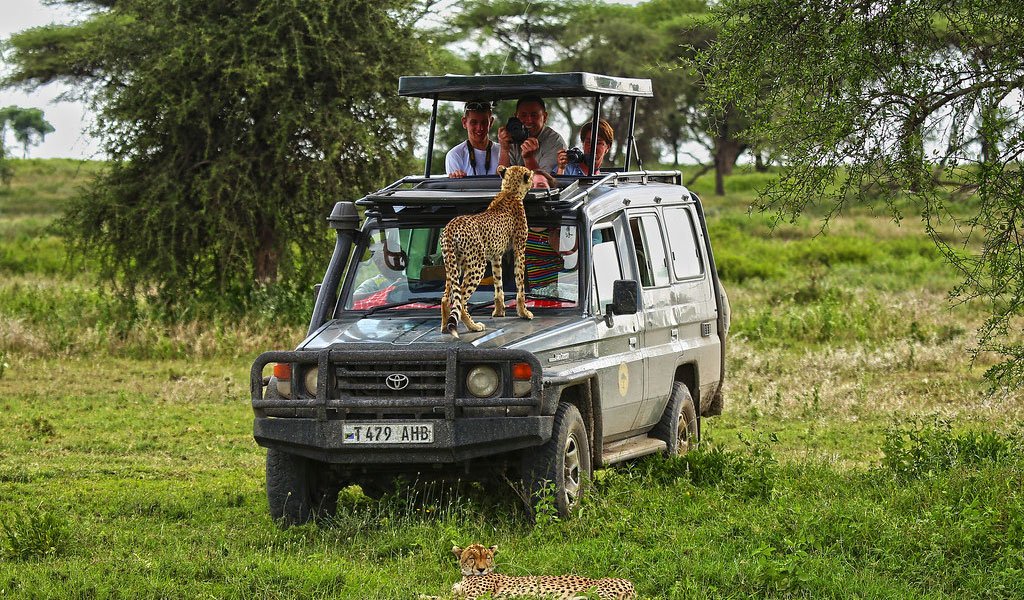
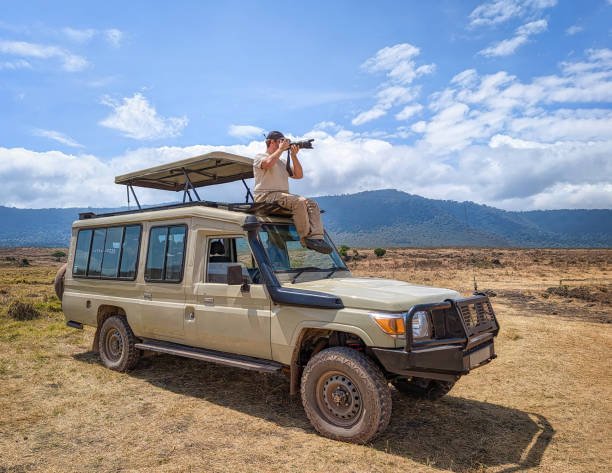
These are the core of your safari. You’ll typically be in a custom-built 4×4 safari vehicle with a pop-up roof for excellent viewing and photography. Your experienced guide will navigate the park, track animals, and share insights into their behavior and the ecosystem. Game drives can be morning, afternoon, or full-day excursions.
Accommodation:
Options range from rustic tented camps and mid-range lodges to ultra-luxury tented suites and permanent lodges. Most accommodations inside the parks are strategically located for optimal wildlife viewing and offer various amenities, including dining, common areas, and often swimming pools.
Wildlife Viewing:
Expect to see a vast array of animals. The Big Five (lion, leopard, elephant, rhino, buffalo) are sought after, but the Serengeti offers so much more: cheetahs, hyenas, wild dogs, giraffes, zebras, countless antelope species, and a rich birdlife. Patience is key, and your guide’s expertise will greatly enhance your chances of seeing elusive animals.
Scenery:
The landscapes are as varied as the wildlife. From the acacia-dotted plains of the Serengeti and the baobab-studded savannas of Tarangire to the unique caldera of the Ngorongoro Crater, the scenery is breathtaking and constantly changing.
Logistics & Pace:
Safaris involve early mornings, driving on sometimes rough tracks, and spending significant time in the vehicle. The pace is generally set by wildlife activity. It’s a chance to disconnect and be present in nature.
Packing and Preparation for Your Arusha to Serengeti Trip
Proper packing is essential for comfort and practicality. Layering is key, as temperatures can vary significantly between morning game drives and midday heat.
| Category | Items | Notes |
|---|---|---|
| Clothing | Neutral-colored, lightweight long-sleeved shirts and trousers; T-shirts; fleece or warm jacket; comfortable walking shoes; sandals/flip-flops; pajamas; swimwear (if accommodation has a pool). | Avoid bright colors and dark blue/black (attract insects). Layers are vital. |
| Headwear & Eyewear | Wide-brimmed hat; sunglasses. | Essential for sun protection. |
| Accessories | Binoculars (highly recommended!); camera with extra batteries and memory cards; portable power bank; headlamp/flashlight; reusable water bottle; small backpack for day trips; travel adapter. | Binoculars enhance wildlife viewing significantly. |
| Health & Hygiene | Personal medications; insect repellent (with DEET); sunscreen (high SPF); hand sanitizer; basic first-aid kit; motion sickness medication (if needed). | Consult your doctor about malaria prophylaxis and other necessary vaccinations. |
| Documents & Money | Passport with at least 6 months validity; visa (if required); flight tickets; vaccination certificates; travel insurance details; credit/debit cards; some USD cash for tips and personal expenses. | Keep copies of important documents separate. USD is widely accepted for park fees and tips. |
Important Pre-Trip Preparations:
- Visas and Passports: Ensure your passport is valid for at least six months beyond your stay and has sufficient blank pages. Check visa requirements for your nationality.
- Vaccinations and Health: Consult your doctor or a travel clinic 4-6 weeks before your trip regarding recommended vaccinations (e.g., Yellow Fever, Hepatitis A/B) and malaria prevention.
- Travel Insurance: Comprehensive travel insurance is non-negotiable. Ensure it covers medical emergencies, evacuation, trip cancellation, and lost belongings.
- Fitness: While safaris are not physically demanding, being able to get in and out of vehicles and walk short distances is necessary.
- Currency: The Tanzanian Shilling (TZS) is the local currency, but US Dollars are widely accepted for safari payments, park fees, and tips. Carry smaller USD denominations.
Common Mistakes to Avoid on Your Arusha to Serengeti Safari
Learning from others’ experiences can prevent common issues and ensure a smoother trip.
- Overpacking: Luggage is often restricted on internal flights and can be cumbersome in safari vehicles. Pack light and efficiently.
- Wearing the Wrong Clothes: Bright colors can deter animals and attract insects. Stick to neutral, earth-toned clothing.
- Ignoring Local Advice: Your guide is an expert. Listen to their recommendations regarding wildlife, safety, and cultural etiquette.
- Not Bringing Binoculars: While guides have them, personal binoculars significantly enhance the viewing experience.
- Underestimating Travel Times: Distances in Tanzania can be long, and road conditions can vary. Factor in ample travel time between locations.
- Not Budgeting for Tips: Tipping guides and lodge staff is customary and appreciated. Factor this into your overall budget.
- Booking Too Late: Popular accommodations and peak season travel, especially for 2026-2027, require booking well in advance.
- Expecting Constant Action: Wildlife viewing involves patience. Sometimes animals are elusive. Enjoy the journey and the smaller details.
Who is an Arusha to Serengeti Itinerary Best Suited For?
This safari route is incredibly versatile and appeals to a wide range of travelers:
- Wildlife Enthusiasts: For those whose primary goal is to see a vast array of animals in their natural habitat.
- Nature Photographers: The diverse landscapes and abundant wildlife offer endless photographic opportunities.
- Adventure Seekers: The remote locations, early mornings, and thrilling game drives appeal to those looking for an active adventure.
- Families: Safaris can be educational and exciting for children, with many lodges offering family-friendly facilities and activities.
- Honeymooners & Couples: The romantic ambiance of tented camps, stunning sunsets, and unique experiences make it a perfect honeymoon destination.
- First-Time Safari Goers: The Northern Circuit is well-established, making it an excellent introduction to the African safari experience.
Alternatives and Add-ons to Your Itinerary
While the Arusha to Serengeti route is a classic, consider these options to enhance or modify your trip:
Other Northern Circuit Parks:
- Arusha National Park: Closer to Arusha, good for day trips, offers canoeing on Momella Lakes and a chance to see Mount Meru.
- Mkomazi National Park: A conservation area focused on black rhinos and wild dogs. Less visited, offering a more rugged experience.
Southern Circuit Safaris:
- Ruaha National Park: Tanzania’s largest park, known for its vastness, large elephant and buffalo herds, and predators. Requires flying from Arusha or a longer drive.
- Selous Game Reserve (Nyerere National Park): Offers boat safaris on the Rufiji River, walking safaris, and a more wild, less crowded experience.
Beyond the Safari:
- Zanzibar: Combine your safari with a relaxing beach holiday on the spice island. Fly from Arusha or Serengeti to Zanzibar.
- Mount Kilimanjaro Trek: If you’re seeking a physical challenge, combine your safari with a trek up Africa’s highest peak.
- Cultural Experiences: Visit local villages (e.g., Maasai communities) to learn about traditional life.
Planning Your 2026-2027 Arusha to Serengeti Safari
Planning ahead is key, especially for popular travel years like 2026 and 2027. Here’s a timeline and key considerations:
12+ Months Before:
- Research destinations and safari styles.
- Determine your budget.
- Start looking for reputable tour operators.
- Identify your preferred travel dates, considering seasonal wildlife events.
9-12 Months Before:
- Select a tour operator and discuss your itinerary.
- Book your international flights.
- Secure your safari package, especially if traveling during peak season or for specific events like the Great Migration river crossings.
6-9 Months Before:
- Apply for visas if required.
- Begin researching and booking any pre- or post-safari accommodations (e.g., in Arusha or Zanzibar).
- Consider travel insurance and purchase it.
3-6 Months Before:
- Consult your doctor for vaccinations and malaria advice.
- Start a packing list.
- Confirm all booking details with your tour operator.
1-3 Months Before:
- Purchase necessary gear (binoculars, camera equipment, clothing).
- Finalize your packing.
- Inform your bank of your travel dates.
Weeks Before:
- Confirm flight details.
- Make copies of all important documents.
- Exchange some currency for small bills.
Key Considerations for 2026-2027:
- Demand: As travel continues to rebound, expect high demand for safaris in 2026 and 2027. Book early to secure preferred lodges and dates.
- Flexibility: While planning is essential, maintain some flexibility. Wildlife movements can be unpredictable.
- Sustainability: Choose tour operators and lodges that prioritize responsible tourism and conservation efforts.
Booking Your Arusha to Serengeti Safari: Expert Advice
Choosing the right tour operator is paramount for a successful safari. Here’s what to look for:
- Reputation and Reviews: Look for operators with a strong track record, positive reviews, and testimonials from past clients.
- Local Knowledge: An operator based in Tanzania or with deep local expertise will offer better insights, support, and value.
- Customization: Ensure they can tailor an Arusha to Serengeti itinerary to your specific interests, budget, and travel style.
- Communication: A good operator will be responsive, clear, and helpful throughout the planning process.
- Safety Standards: Inquire about their safety protocols, vehicle maintenance, and guide training.
- Inclusions and Exclusions: Clearly understand what is included in your package (accommodation, park fees, meals, activities, guide, vehicle) and what is not (tips, personal expenses, some drinks).
Ready to Plan Your Dream Safari?
Let us help you craft the perfect Arusha to Serengeti itinerary for 2026 or 2027. We specialize in creating personalized Tanzanian safari experiences that go beyond the ordinary. Get in touch for a free consultation and tailor-made quote.
WhatsApp: +255616946642
Email: topguideadventures@gmail.com
Backup Email: info@topguideadventures.com
Frequently Asked Questions (FAQs)
What is the best way to travel from Arusha to the Serengeti?
The most common ways are by road in a 4×4 safari vehicle or by flying from Arusha to a Serengeti airstrip. Driving allows you to see Tarangire, Lake Manyara, and the Ngorongoro Crater en route, offering a more comprehensive experience. Flying is faster and more convenient, especially for shorter trips or if you want to maximize time within the Serengeti itself.
How long should an Arusha to Serengeti itinerary be?
A minimum of 5 days is recommended to get a good feel for the Serengeti and perhaps one other park. However, 7-10 days allows for a more in-depth exploration of the Northern Circuit, including the Ngorongoro Crater and potentially different regions of the Serengeti to follow the migration. Longer trips of 14+ days offer even more time to explore remote areas.
Is it possible to see the Great Migration on a short trip?
Yes, but it depends heavily on the time of year. If you visit during the calving season (Jan-Mar), you’ll see large herds in the south. If you visit during the dry season (Jun-Oct), you might witness river crossings in the north. It’s crucial to plan your Arusha to Serengeti itinerary around the known migration patterns for your specific travel dates.
What are the costs associated with an Arusha to Serengeti safari?
Costs vary greatly based on accommodation level (budget, mid-range, luxury), safari duration, number of parks visited, and mode of transport (driving vs. flying). Generally, expect to pay more for luxury lodges, private tours, and internal flights. Park fees, vehicle and guide costs, accommodation, and meals are the primary components. A rough estimate for a mid-range 7-day safari could range from $2,500 to $4,500+ per person, excluding international flights.
What is the difference between Serengeti and Ngorongoro?
The Serengeti is a vast, expansive national park known for the Great Migration and its endless plains. Ngorongoro is a Conservation Area centered around a massive volcanic caldera (crater). The crater floor is a unique, self-contained ecosystem with a very high density of wildlife, including the rare black rhino. While the Serengeti offers a sense of scale and migration, Ngorongoro provides an intense, concentrated wildlife viewing experience.
Can I do an Arusha to Serengeti trip on a budget?
Yes, it is possible to plan a budget-friendly Arusha to Serengeti itinerary. This typically involves staying in budget camps or guesthouses, opting for group joining safaris rather than private ones, and potentially shortening the duration. Traveling during the shoulder or green seasons can also offer lower rates. Communication with your tour operator about your budget is key.
What kind of vehicle is used for the safari?
Most reputable tour operators use custom-built 4×4 safari vehicles, typically Land Cruisers or Land Rovers. These vehicles are equipped with pop-up roofs for game viewing, comfortable seating, and often charging ports. They are robust enough to handle the varied terrain.
Is it safe to travel from Arusha to Serengeti?
Tanzania is generally a safe country for tourists. Reputable tour operators adhere to strict safety protocols. The main safety considerations involve road travel (ensure your driver is experienced and the vehicle is well-maintained) and wildlife encounters (always follow your guide’s instructions and maintain a safe distance from animals).
When is the best time for 2026-2027 safaris to see the Great Migration?
For the best chance to see the Great Migration in 2026 or 2027: visit the northern Serengeti (Kogatende/Lamai) between June and October for river crossings, or the southern Serengeti/Ndutu area between January and March for the calving season. Always confirm the latest migration movements with your tour operator closer to your travel date.
What should I pack for a safari in the Serengeti?
Pack light, neutral-colored clothing suitable for layering. Essentials include long-sleeved shirts, trousers, a warm fleece or jacket for cool mornings/evenings, a hat, sunglasses, sunscreen, insect repellent, comfortable walking shoes, and binoculars. A camera with extra batteries and memory cards is a must. Refer to the packing list in this guide for more details.
Book Your Unforgettable Arusha to Serengeti Safari
Planning your Arusha to Serengeti itinerary is the first step towards an incredible African adventure. We are a trusted Tanzanian tour operator dedicated to providing exceptional safari experiences. Whether you are planning for 2026, 2027, or any future year, we can help you create a personalized journey that meets your dreams and budget. Contact us today to start planning!
Get in touch:
WhatsApp: +255616946642
Email: topguideadventures@gmail.com
Backup Email: info@topguideadventures.com
Serengeti And Ngorongoro Safari Without Luxury: Your Options For 2026-2027
Discover how to experience the wonders of the Serengeti and Ngorongoro Crater on a safari that prioritizes incredible wildlife viewing and authentic experiences over luxury accommodations...
View package detailsWe Are Arriving At Kilimanjaro Airport, What Safari Itinerary Should We Do?
Planning your safari upon arrival at Kilimanjaro Airport (JRO)? This guide provides tailored safari itineraries for 2026-2027, focusing on Northern Tanzania's iconic parks like the...
View package details
7 Days In Tanzania: Your Expertly Planned Safari Itinerary For 2026-2027
Discover a perfectly crafted 7-day Tanzania safari itinerary for 2026-2027, designed to maximize wildlife viewing and cultural experiences in the Serengeti and Ngorongoro Crater.
View package details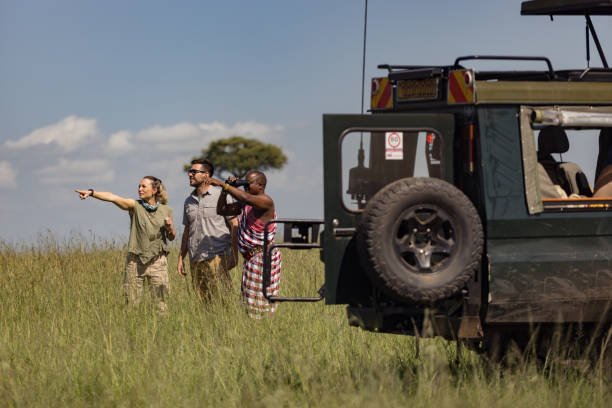
Which Local Tanzania Safari Companies Are Trustworthy In ? 2026-2027
Choosing a trustworthy local Tanzania safari company is crucial for a memorable and safe adventure. This guide helps you identify reliable operators for your 2026-2027 trip, covering...
View package details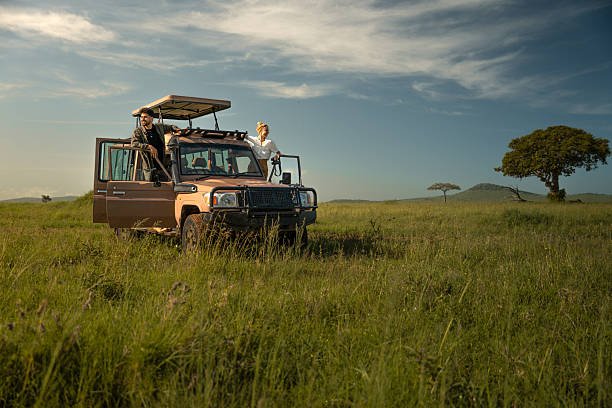
Three Days For Safari In Tanzania: Where To Go An Unforgettable Experience
If you have just three days for a safari in Tanzania, the most recommended destinations for a concentrated and rewarding wildlife experience are the Ngorongoro Conservation Area and...
View package details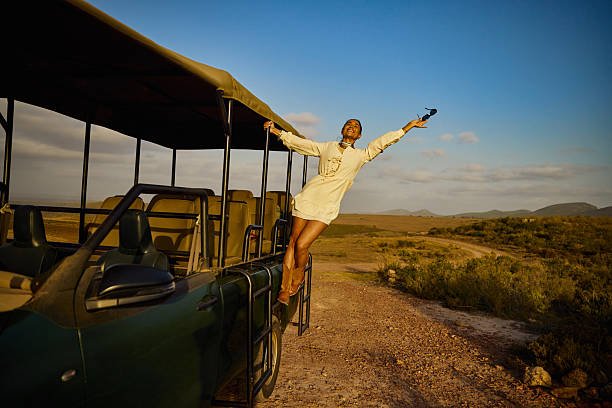
Tanzania Safari Under $2,000 Per Person: Your Dream Itinerary For 2026-2027
Explore Tanzania's incredible wildlife and landscapes on a safari designed for a $2,000 per person budget. We outline the best routes, durations, and what to expect for your 2026-2027...
View package details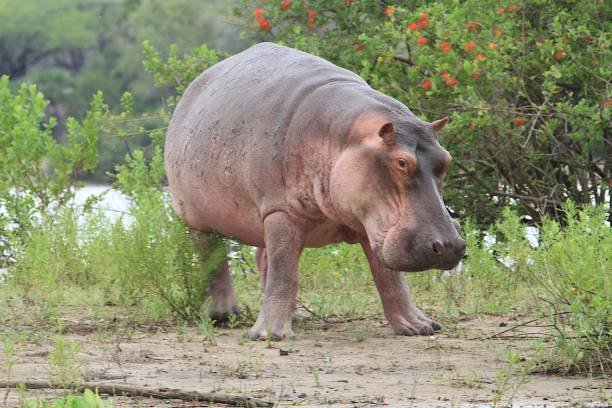
4-Day Luxury Nyerere Safari With Rufiji Boat Your Ultimate Itinerary 2026-2027
Discover the magic of a 4-day luxury safari in Nyerere National Park, famed for its Rufiji River boat safaris. This itinerary offers unparalleled wildlife viewing and unique aquatic...
View package details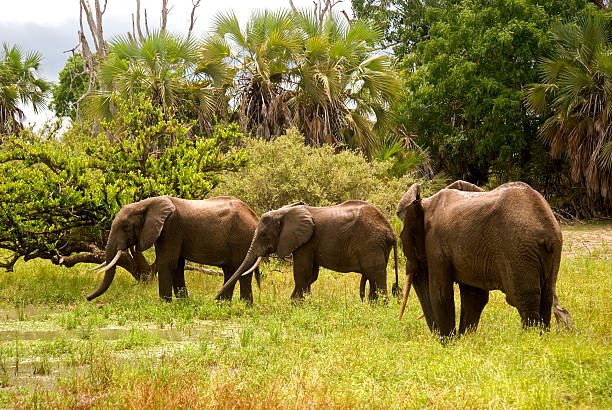
5-Day Nyerere And Mikumi Safari From Zanzibar: Your Ultimate Itinerary
Discover the wild heart of Tanzania with a 5-day safari combining Nyerere National Park (formerly Selous) and Mikumi National Park, starting and ending in Zanzibar. This itinerary offers a...
View package details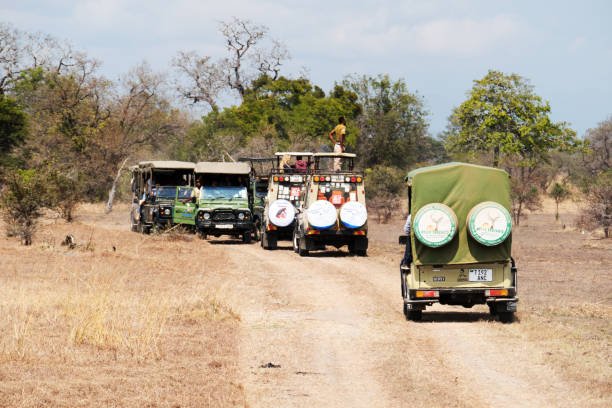
1-Day Nyerere Safari From Zanzibar: Price, Itinerary & Booking 2026-2027
Discover the cost of a 1-day Nyerere National Park safari from Zanzibar, including typical inclusions, travel logistics, and what to expect for your 2026-2027 trip.
View package details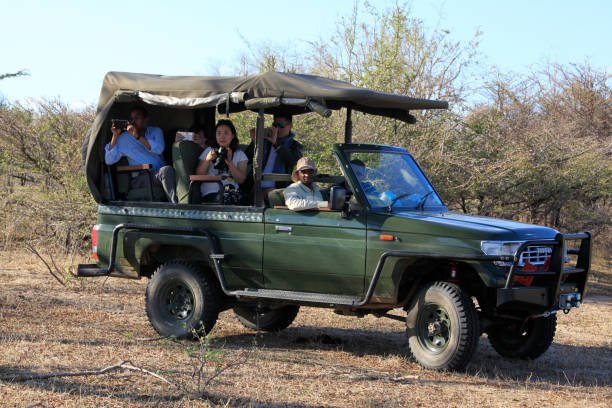
5 Days Southern Tanzania Safari From Dar Es Salaam: Ultimate Itinerary & Guide
Discover a 5-day Southern Tanzania safari adventure starting from Dar es Salaam, focusing on the wild beauty of Selous Game Reserve and Ruaha National Park. This comprehensive guide covers...
View package details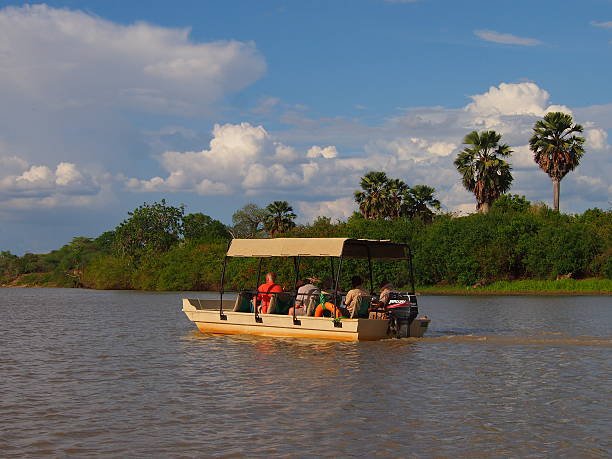
2-Day Nyerere National Park Safari From Zanzibar: Best Itinerary 2026-2027
A 2-day safari to Nyerere National Park (formerly Selous Game Reserve) from Zanzibar offers a condensed yet impactful wildlife adventure, perfect for those with limited time. This quick...
View package details
Which Tanzania Safari Gives The Best Value For Money? 2026-2027
Which Tanzania safari gives the best value for money? is explained with current 2026-2027 planning, price, itinerary and booking information.
View package detailsNo related package matches those filters. Clear one or more filters to see the other topic-matched options.
Plan your Arusha to Serengeti Itinerary with Top Guide Adventures
Tell us your travel dates, group size, comfort level, and dream experience. We will help you shape a clear, realistic, and memorable Tanzania itinerary.



