
Updated planning guide for 2026-2027
Air Travel Vs Road In Tanzania: Complete Guide 2026-2027
Choosing between flying and driving in Tanzania impacts your safari experience, budget, and time. This comprehensive guide details the pros and cons of air travel vs road travel in Tanzania, helping you make the best decision for your 2026-2027 adventure.
WhatsApp +255616946642 | topguideadventures@gmail.com | info@topguideadventures.com
Air Travel vs Road Travel in Tanzania: Essential Guide 2026-2027
Planning a trip to Tanzania, whether it’s for an iconic safari, a challenging Kilimanjaro climb, or a relaxing Zanzibar escape, involves numerous decisions. One of the most significant choices that will shape your experience is how you will move between destinations: by air or by road. The decision between air travel vs road travel in Tanzania is not merely about convenience; it profoundly influences your budget, the amount of time you spend traveling versus exploring, and the overall richness of your journey. This guide provides an in-depth comparison to help you navigate these choices for your 2026-2027 travels.
Quick Facts: Air vs. Road Travel in Tanzania
| Feature | Air Travel (Internal Flights) | Road Travel (4×4 Safari Vehicle/Bus) |
|---|---|---|
| Speed | Fastest way to cover long distances. | Slowest, but offers flexibility and stops. |
| Cost | Generally more expensive. | More budget-friendly, especially for groups. |
| Scenery/Experience | Limited views from above. | Immersive, allows for spontaneous stops and close-up views. |
| Comfort | Can be cramped, subject to flight delays. | Comfortable in a dedicated safari vehicle, but can be bumpy. |
| Accessibility | Connects major hubs and remote airstrips. | Extensive network, reaches most locations. |
| Luggage | Strict weight and size limits. | More flexible, especially in private vehicles. |
| Environmental Impact | Higher per passenger mile. | Lower per passenger mile, especially with multiple travelers. |
Understanding the Tanzanian Landscape and Travel Options
Tanzania is a vast country, boasting diverse landscapes from the Serengeti’s endless plains to the lush Usambara Mountains, the exotic spice islands of Zanzibar, and the towering peak of Kilimanjaro. Covering an area of approximately 947,303 square kilometers, its sheer size presents a logistical challenge for travelers. The primary modes of inter-regional transport are internal flights and road travel, each with its distinct advantages and disadvantages.
Internal flights are typically operated by small to medium-sized aircraft, connecting major cities like Dar es Salaam, Kilimanjaro International Airport (JRO), Arusha, Zanzibar, and Mwanza, as well as smaller airstrips within national parks. These flights are crucial for maximizing time on the ground, especially for travelers on shorter itineraries or those covering significant distances.
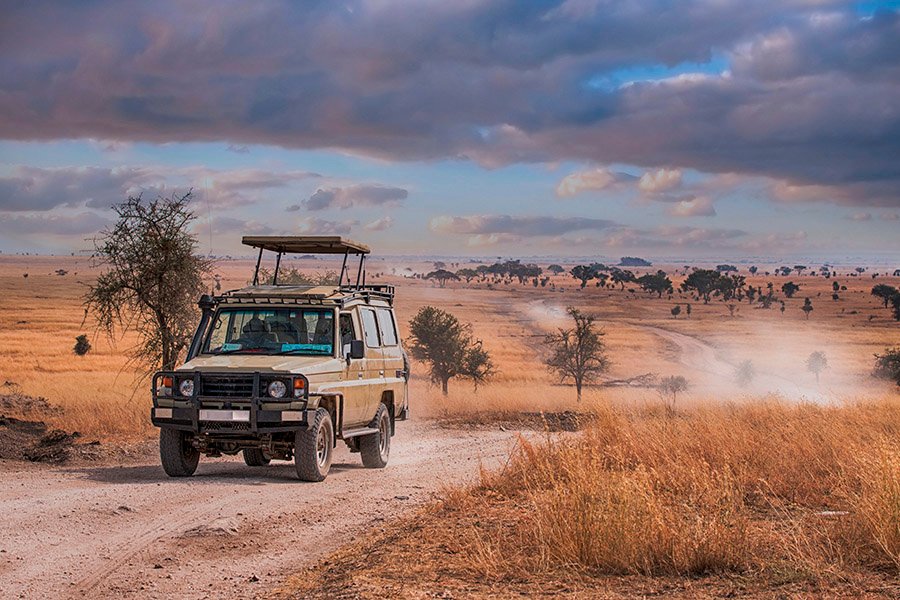
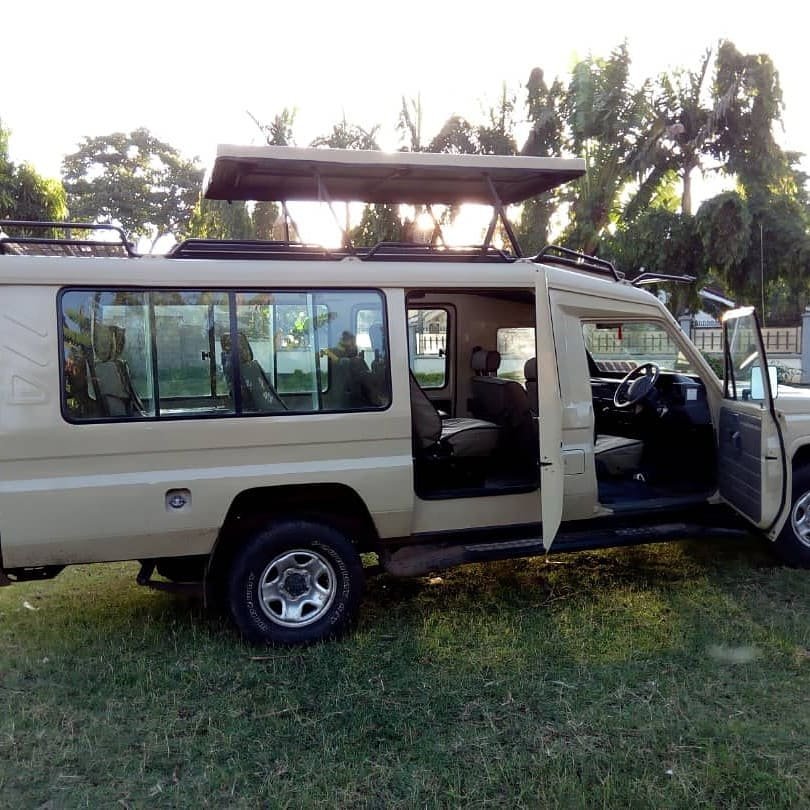
Road travel, on the other hand, involves utilizing Tanzania’s road network, which varies in quality. For safaris, this usually means traveling in a sturdy 4×4 safari vehicle, often with a pop-up roof for game viewing. For longer inter-city journeys, public buses or private shuttle services are options, though these are generally less comfortable and significantly slower than flights or private road transfers.
Why the Choice Between Air and Road Travel Matters for Your Tanzania Trip
The decision on air travel vs road travel in Tanzania is fundamental to your trip’s success. It’s not just about getting from point A to point B; it’s about how you experience the journey itself.
- Time Management: Tanzania’s distances can be deceptive. A flight that takes an hour can save you an entire day or more of driving. For a 7-day safari, choosing to fly between parks can mean experiencing two or three different ecosystems instead of just one or two if you drove everywhere.
- Budget Considerations: Flights add a significant cost to any itinerary. While driving is often cheaper per person, especially for groups sharing a vehicle and guide, the overall cost can also increase due to longer travel days, overnight stays en route, and higher fuel consumption for extended drives.
- Experience and Immersion: Road travel offers an unfiltered view of Tanzania. You see local life, changing landscapes, roadside markets, and local communities. This is where many travelers find unexpected magic. Flying over the country, while efficient, bypasses much of this granular detail.
- Comfort and Convenience: Long drives on sometimes rough roads can be tiring. Flights offer a quicker, albeit less scenic, way to reach your destination. However, flight schedules can be restrictive, and delays are not uncommon.
- Accessibility to Remote Areas: While roads reach most tourist destinations, some very remote camps or lodges in national parks might be more easily accessible by a small bush plane landing on a nearby airstrip.
Air Travel in Tanzania: The Speedy Route
Internal flights in Tanzania are a vital component for many travelers aiming to cover vast distances efficiently. They are particularly popular for connecting major safari circuits or reaching Zanzibar quickly.
Pros of Air Travel:
- Time Savings: This is the primary advantage. A flight from Arusha to the Serengeti can take about an hour, compared to a 5-7 hour drive. This extra time can be spent on more game drives or relaxing at your lodge.
- Access to Remote Locations: Many luxury camps in remote areas of parks like the Serengeti or Selous (now Nyerere National Park) have their own airstrips, making them directly accessible by small aircraft. This often includes transfers to and from the airstrip by the lodge’s vehicle.
- Comfort for Long Distances: For journeys exceeding 8-10 hours by road, flying is significantly more comfortable.
- Scenic Views (from above): While different from ground-level views, flying over Tanzania offers a unique perspective of its vast plains, rivers, and coastlines.
Cons of Air Travel:
- Cost: Internal flights are considerably more expensive than road travel. A single flight leg can cost several hundred dollars per person, quickly adding up for multi-destination trips.
- Strict Luggage Restrictions: Light aircraft have very strict weight limits (usually 15-20 kg per person, including hand luggage) and soft-sided duffel bags are mandatory. Hard suitcases are not permitted.
- Limited Flexibility: Flight schedules are fixed. If you miss a flight due to delays elsewhere, rebooking can be challenging and costly. Spontaneous stops are impossible.
- Less Immersion: You miss the local life, scenery, and spontaneous encounters that road travel provides.
- Environmental Impact: Air travel has a higher carbon footprint per passenger mile compared to ground transport.
Common Air Routes for Tourists:
- Arusha (ARK) to Kilimanjaro International Airport (JRO) – often used for onward international flights.
- Arusha (ARK) to Serengeti National Park (various airstrips like Seronera, Kogatende, Grumeti).
- Arusha (ARK) to Zanzibar (ZNZ).
- Dar es Salaam (DAR) to Zanzibar (ZNZ).
- Dar es Salaam (DAR) to Serengeti National Park.
- Zanzibar (ZNZ) to various safari destinations (e.g., Selous/Nyerere National Park airstrips).
Booking Internal Flights:
Flights are best booked through your tour operator, as they have established relationships with local airlines and can manage schedules and transfers effectively. Airlines like Coastal Aviation, Safari Air Link (SAL), and Auric Air are common carriers. Ensure your luggage complies with their requirements. For 2026-2027 bookings, it’s advisable to confirm baggage policies well in advance.
Road Travel in Tanzania: The Immersive Experience
Road travel is the backbone of most Tanzanian safaris and overland adventures. Traveling by a dedicated 4×4 safari vehicle with a knowledgeable driver-guide is a quintessential Tanzanian experience.
Pros of Road Travel:
- Cost-Effectiveness: For groups, especially those of 3-6 people, road travel is generally more economical than flying between destinations. The cost of a safari vehicle and guide is shared.
- Flexibility and Spontaneity: Your driver-guide can stop whenever you see something interesting, take detours to local villages (if permitted and arranged), or spend extra time observing wildlife.
- Immersive Experience: You witness the changing landscapes, observe daily life, and truly feel the scale of the country. This is often where travelers encounter unexpected wildlife sightings or cultural moments.
- No Strict Luggage Limits: While space in a safari vehicle is not unlimited, you have more flexibility with luggage compared to small aircraft. Soft-sided bags are still preferred.
- Scenery and Photography: Road travel allows for numerous photo opportunities of landscapes, people, and wildlife at ground level.
Cons of Road Travel:
- Time-Consuming: Distances are significant, and road conditions can vary from excellent to very poor, especially within parks or in the rainy season. A drive that looks short on a map can take many hours.
- Fatigue: Long hours of driving, especially on bumpy roads, can be tiring.
- Limited Access to Very Remote Areas: Some ultra-luxury camps or specific park sections might be practically inaccessible or extremely difficult to reach by road within a reasonable timeframe.
- Potential for Delays: Road closures, breakdowns, or difficult terrain can cause significant delays.
Typical Road Journeys:
- Arusha to Serengeti: A 5-7 hour drive, often including a game drive en route.
- Serengeti to Ngorongoro Crater: Approximately 2-4 hours, depending on the location within Serengeti.
- Arusha to Tarangire National Park: Around 2-3 hours.
- Arusha to Lake Manyara National Park: Around 2-3 hours.
- Arusha to Moshi (for Kilimanjaro): Approximately 2-3 hours.
- Dar es Salaam to Mikumi National Park: Around 4-5 hours.
Choosing a Safari Vehicle:
For safaris, a 4×4 Land Cruiser or Land Rover is standard. These vehicles are built for tough terrain, offer excellent visibility, and are equipped for wildlife viewing. Your choice of tour operator will dictate the quality and type of vehicle provided.
Comparing Air Travel vs Road Travel for Specific Tanzania Experiences
Let’s break down how the air travel vs road travel in Tanzania choice impacts different types of trips:
1. Safari Holidays
This is where the decision is most critical.
- For Short Safaris (e.g., 3-5 days): If you have limited time and want to visit one or two major parks like the Serengeti and Ngorongoro, flying into the Serengeti (Seronera Airstrip) and then driving to Ngorongoro and back to Arusha can save you precious hours. This is often recommended for 3-day Serengeti trips.
- For Longer Safaris (e.g., 7-14 days): With more time, road travel becomes more feasible and rewarding. You can explore different regions of the Serengeti or combine parks like Tarangire, Manyara, Ngorongoro, and the Serengeti via road, experiencing the vastness and diversity of the Northern Circuit. For example, a 7-day Northern Circuit safari might involve driving from Arusha to Tarangire, then to Lake Manyara, then to the Ngorongoro Conservation Area, and finally to the Serengeti, before returning to Arusha.
- For Luxury Fly-In Safaris: Many high-end lodges are situated in remote, exclusive-use areas of national parks. Access is almost exclusively by small aircraft landing on private airstrips. This allows guests to experience pristine wilderness away from crowds. The itinerary would typically involve flying into one camp, spending several days, and then flying to another camp.
- Budget Safaris: Road travel is almost always the primary mode of transport for budget-conscious travelers, often using shared safari vehicles and staying in public campsites or budget lodges.
2. Kilimanjaro Trekking
For Kilimanjaro treks, the choice is simpler.
- Arrival and Departure: Most trekkers fly into Kilimanjaro International Airport (JRO) and are transferred by road to their hotel in Moshi or Arusha. This road transfer is short (approx. 1-1.5 hours from JRO to Moshi).
- No Internal Flights Needed: There are no internal flights involved in the trekking process itself. All access to the mountain gates is via road.
3. Zanzibar Holidays
Zanzibar is an island, so travel to and from the mainland is usually by air or ferry.
- To Zanzibar: Most international visitors fly directly into Zanzibar International Airport (ZNZ). Alternatively, you can fly from Dar es Salaam (DAR) or Arusha (ARK) to Zanzibar. The ferry from Dar es Salaam is a popular, cheaper alternative, taking about 1.5-2 hours.
- Within Zanzibar: Travel within Zanzibar is exclusively by road, using taxis or private transfers. The island is small enough that road travel is efficient and scenic, taking you through villages, spice farms, and along coastal roads.
4. Custom and Multi-Destination Trips
For complex itineraries combining safari, Kilimanjaro, and Zanzibar, a hybrid approach is common.
- Example Itinerary Logic: Arrive JRO, road transfer to Arusha/Moshi. Kilimanjaro trek (road access). Post-trek, road transfer to Arusha. Fly Arusha to Serengeti (airstrip). Spend 3-4 days in Serengeti (fly-in lodge). Fly Serengeti to Zanzibar. Spend days in Zanzibar (road travel on island). Depart from ZNZ or fly ZNZ to DAR for international departure.
- Balancing Time and Cost: This hybrid approach allows you to save time on the longest legs (e.g., Arusha to Serengeti, Serengeti to Zanzibar) while enjoying the flexibility and immersion of road travel for shorter distances or within Zanzibar.
Route Planning: Integrating Air and Road Travel
Effective route planning is key to optimizing your Tanzania experience. Here’s a sample logic for a popular 10-day Northern Circuit safari, highlighting the air travel vs road travel in Tanzania decision points.
Sample 10-Day Northern Circuit Safari Route
Day 1: Arrive Kilimanjaro International Airport (JRO). Road transfer to Arusha/Moshi hotel (approx. 1-1.5 hours). (Road Travel)
Day 2: Drive from Arusha to Tarangire National Park. Full day game drive. Overnight lodge/camp in Tarangire. (Road Travel)
Day 3: Morning game drive in Tarangire. Drive to Lake Manyara National Park. Afternoon game drive. Overnight lodge/camp near Lake Manyara. (Road Travel)
Day 4: Drive to Ngorongoro Conservation Area. Descend into the Ngorongoro Crater for a full-day game drive. Overnight lodge on the crater rim or nearby. (Road Travel)
Day 5: Drive from Ngorongoro to the Serengeti National Park (via Naabi Hill Gate). Game drive en route to your lodge/camp in Central Serengeti (Seronera area). (Road Travel)
Day 6 & 7: Full days of game drives in the Serengeti. Explore different areas based on wildlife movements. Overnight lodge/camp in Central Serengeti. (Road Travel)
Day 8: Morning game drive in Serengeti. Fly from Seronera Airstrip to Zanzibar (ZNZ). Transfer to your beach resort. (Air Travel)
Day 9: Relax on the beaches of Zanzibar, explore Stone Town, or take a spice tour. (Road Travel within Zanzibar)
Day 10: Depending on flight schedule, enjoy a final morning in Zanzibar. Transfer to Zanzibar International Airport (ZNZ) for departure, or fly to Dar es Salaam (DAR) for international connections. (Road Travel on Zanzibar, Air Travel for departure)
Note: This itinerary can be modified. For instance, Day 5 could involve flying from Arusha directly to Seronera Airstrip, saving a full day of driving.
What to Expect: Practicalities of Each Travel Mode
Air Travel Expectations:
- Airlines: Primarily smaller bush planes and regional carriers.
- Airstrips: Often unpaved, basic facilities.
- Check-in: More informal than international airports, but punctuality is key.
- Luggage: MUST be soft-sided duffels, strictly weighed. Any excess baggage may be left behind or charged extra.
- Delays: Weather can cause significant delays or cancellations, especially during the rainy seasons.
- Cost: Budget around $300-$500 USD per person per flight segment, though prices fluctuate.
Road Travel Expectations:
- Vehicles: Typically 4×4 Land Cruisers or Land Rovers with pop-up roofs, driven by experienced guides.
- Road Conditions: Vary greatly. Paved roads between major towns, but often dirt tracks or rough roads within parks and remote areas.
- Driving Times: Can be long and tiring. Expect 5-8 hours between major locations on the Northern Circuit.
- Comfort: While safari vehicles are designed for comfort, expect bumps and dust.
- Cost: Included in your safari package, often more cost-effective per person for groups than flying.
- Wildlife Viewing: Direct interaction and observation at ground level.
Inclusions, Packing, and Preparation for Both Modes
Your choice of travel impacts packing and preparation:
Packing Essentials (Considerations for Both):
- Clothing: Neutral-colored, lightweight, breathable fabrics. Layers for varying temperatures (cool mornings/evenings, hot days).
- Footwear: Comfortable walking shoes/hiking boots (if trekking), sandals/flip-flops for camps/lodges.
- Sun Protection: High SPF sunscreen, wide-brimmed hat, sunglasses.
- Insect Repellent: Especially important for evenings and Zanzibar.
- Camera and Binoculars: Essential for wildlife viewing. Power banks are useful.
- First-Aid Kit: Personal medications, basic first aid supplies.
- Adapter and Power Bank: For charging electronics.
Specific Packing for Air Travel:
- Soft-Sided Duffel Bag: Absolutely essential. Check dimensions and weight limits with your airline.
- Minimal Luggage: Pack only what you can carry easily.
Specific Packing for Road Travel:
- Larger Duffel Bag (if space allows): Still prefer soft-sided, but you have a bit more leeway than with flights.
- Snacks and Water: Keep some easily accessible for long drives.
Preparation:
- Vaccinations and Malaria Prophylaxis: Consult your doctor well in advance.
- Visa: Ensure you have the correct visa for Tanzania.
- Travel Insurance: Comprehensive cover is vital.
- Currency: Tanzanian Shilling (TZS) for local purchases, USD widely accepted for tourist services.
- Fitness: For Kilimanjaro, a good level of fitness is required. For safaris, moderate fitness is usually sufficient.
Common Mistakes to Avoid When Choosing Travel Modes
- Underestimating Travel Times: Assuming distances are short when they are not. Always factor in buffer time for road travel.
- Ignoring Luggage Restrictions for Flights: Arriving at the airstrip with a hard suitcase or overweight luggage can lead to significant problems.
- Booking Flights Last Minute: Internal flights can fill up, especially during peak seasons. Book well in advance.
- Trying to Do Too Much: Over-scheduling yourself, especially with road travel, leads to exhaustion and less enjoyment.
- Not Considering the Experience: Focusing solely on speed (flying) might mean missing out on the cultural richness and spontaneous discoveries of road travel.
- Not Budgeting for Flights: Internal flights can significantly increase the overall cost of a trip. Ensure your budget reflects this.
Who is Air Travel vs Road Travel Best For?
Air Travel is Best For:
- Travelers with limited time (e.g., 7-day safaris).
- Those prioritizing comfort and speed over budget and immersion.
- Travelers visiting remote, exclusive-use lodges with private airstrips.
- Individuals or couples who prefer not to spend long hours in a vehicle.
- Those combining multiple distant locations in a short period.
Road Travel is Best For:
- Travelers on a moderate to tight budget.
- Groups of 3-6 people who can share the cost of a safari vehicle.
- Travelers who want a more immersive, flexible, and authentic experience.
- Those interested in seeing local life and diverse landscapes en route.
- Longer safaris (10+ days) where time is less of a constraint.
- Travelers who enjoy the journey as much as the destination.
Alternatives and Hybrid Approaches
While air travel vs road travel in Tanzania are the primary considerations, it’s worth noting:
- Ferry: The primary alternative to flying between Dar es Salaam and Zanzibar. It’s significantly cheaper but less comfortable and can be affected by sea conditions.
- Train: Limited passenger train services exist, primarily between Dar es Salaam and Kigoma or Mwanza. These are slow and not typically used by tourists for safari or holiday travel.
- Hybrid Approach: This is often the most practical and recommended method for many travelers. For example, flying from Arusha to the Serengeti to save time, then driving within the Serengeti and Ngorongoro, and finally flying from the Serengeti to Zanzibar. This balances time, cost, and experience.
Planning Your 2026-2027 Trip: Key Considerations
As you plan your 2026-2027 Tanzanian adventure, keep these points in mind regarding transport:
- Book Early: Especially for peak seasons (June-October, December-February). Internal flights and popular lodges fill up quickly.
- Consult Your Tour Operator: They are invaluable in advising on the best transport mix for your specific itinerary, budget, and interests. Discuss your priorities for time versus experience.
- Understand Seasonality: The rainy seasons (March-May, and sometimes November) can affect road conditions, potentially making road travel slower or more challenging. Flights might be less affected but can be more prone to weather delays.
- Flexibility: While planning is crucial, maintaining some flexibility, especially with flight schedules, is wise.
- Budget Realistically: Factor in the costs of internal flights if you choose them. They can add 20-40% to the overall safari cost.
2026-2027 Planning Checklist: Transport Focus
- [ ] Define your total trip duration.
- [ ] List the key destinations you wish to visit.
- [ ] Research average driving times between these destinations.
- [ ] Research approximate costs of internal flights between destinations.
- [ ] Determine your budget allocation for transport.
- [ ] Decide on your priority: time savings or immersive experience.
- [ ] Consult with your tour operator about transport recommendations for your itinerary.
- [ ] Confirm luggage restrictions for any planned flights.
- [ ] Understand potential weather impacts on road and air travel for your travel dates.
Booking Advice: Making the Right Transport Choice
When booking your Tanzania trip, communicate clearly with your tour operator about your preferences regarding air travel vs road travel in Tanzania.
- Be Honest About Your Budget: Your operator can suggest the most cost-effective transport solutions.
- Discuss Your Time Constraints: If you have limited days, they will likely recommend incorporating flights.
- Ask for Itinerary Options: Request different itinerary proposals that showcase the impact of flight inclusions versus an all-road approach.
- Understand Inclusions: Ensure your quote clearly states what transport is included (e.g., private 4×4 safari vehicle, all park fees, driver-guide, internal flights with baggage allowance, airport transfers).
- Confirm Flight Details: If flights are included, get the airline name, flight times, and baggage allowance confirmed in writing.
- Consider a Hybrid Approach: This is often the sweet spot for many travelers, offering a balance of efficiency and immersion. For 2026-2027, booking this hybrid approach early is recommended.
At Top Guide Adventures, we specialize in crafting tailor-made itineraries that perfectly balance your desires for adventure, comfort, and efficiency. We can advise you on the best use of air travel vs road travel in Tanzania to create your dream safari, Kilimanjaro trek, or Zanzibar holiday. Contact us to discuss your 2026-2027 travel plans.
Frequently Asked Questions (FAQs)
Q1: Is it cheaper to fly or drive between safari parks in Tanzania?
Generally, driving is cheaper per person, especially for groups. Internal flights add a significant cost, often several hundred dollars per flight segment.
Q2: How much time can I save by flying between Arusha and the Serengeti?
A flight from Arusha to the Serengeti takes about an hour, whereas driving takes 5-7 hours. This saves a substantial amount of travel time.
Q3: What are the luggage restrictions for internal flights in Tanzania for 2026-2027?
Internal flights typically have strict weight limits of 15-20 kg per person, and luggage must be in soft-sided duffel bags. Always confirm with your airline or tour operator.
Q4: Can I drive directly from the Serengeti to Zanzibar?
No, there is no direct road connection. You would typically drive from the Serengeti to a local airstrip (like Seronera), fly to Zanzibar, or drive back to Arusha and then fly to Zanzibar.
Q5: Is road travel in Tanzania safe for tourists?
Yes, when traveling with reputable tour operators and experienced driver-guides in appropriate safari vehicles, road travel for tourism purposes is generally safe. It’s important to follow your guide’s advice.
Q6: What is the best way to travel between Dar es Salaam and Zanzibar?
For speed and convenience, flying is best. For a more budget-friendly option, the ferry is a popular choice, though it’s less comfortable and takes longer.
Q7: Should I choose air or road travel for a short 4-day safari in Tanzania?
For a short safari, incorporating at least one internal flight (e.g., to the Serengeti) can help maximize your time for game drives rather than travel.
Q8: How do I book internal flights in Tanzania for my 2026-2027 trip?
It’s highly recommended to book internal flights through your Tanzanian tour operator. They can manage schedules, transfers, and ensure compliance with luggage rules.
Q9: What kind of vehicle is used for road travel on safari?
Typically, a 4×4 Land Cruiser or Land Rover with a pop-up roof is used, driven by a professional safari guide.
Q10: Are there any hidden costs associated with road travel versus air travel?
Road travel costs are usually all-inclusive in your safari package. Air travel costs are often quoted separately and can increase if you exceed baggage limits or require rebooking due to delays.
Ready to Plan Your Tanzania Adventure?
Choosing the right mode of transport is a critical step in planning your unforgettable Tanzanian journey. Whether you prioritize speed and efficiency with internal flights or seek the immersive charm of road travel, Top Guide Adventures can help you craft the perfect itinerary. We understand the nuances of air travel vs road travel in Tanzania and can advise you on the best approach for your safari, Kilimanjaro trek, or Zanzibar holiday in 2026-2027.
Let us help you navigate the options. Contact us today for a personalized travel consultation:
- WhatsApp: +255616946642
- Email: topguideadventures@gmail.com
- Backup Email: info@topguideadventures.com
We look forward to helping you create your dream Tanzanian experience!
Plan your Air Travel vs Road Travel in Tanzania with Top Guide Adventures
Tell us your travel dates, group size, comfort level, and dream experience. We will help you shape a clear, realistic, and memorable Tanzania itinerary.



