
Updated planning guide for 2026-2027
Africa’s Most Iconic Exploration Routes: Complete Guide 2026-2027
Explore the legendary paths and routes that define African adventure. From the Serengeti's vast plains to Kilimanjaro's summit and Zanzibar's spice-scented shores, this guide details Africa's most iconic exploration routes for travelers planning their 2026-2027 adventures.
WhatsApp +255616946642 | topguideadventures@gmail.com | info@topguideadventures.com
Africa’s Most Iconic Exploration Routes: A Comprehensive Planning Guide
Africa is a continent that calls to the adventurer, the explorer, and the dreamer. Its vast landscapes, rich cultures, and abundant wildlife offer journeys unlike any other. For those seeking to traverse these legendary lands, understanding Africa’s most iconic exploration routes is the first step toward an unforgettable experience. Whether your heart yearns for the thrill of a wildlife safari, the challenge of a mountain ascent, or the tranquility of tropical islands, these routes promise discovery and wonder. This guide is designed to help you plan your 2026-2027 adventure along these celebrated paths.
Quick Answer
Africa’s most iconic exploration routes include the Northern Circuit Safari in Tanzania (Serengeti, Ngorongoro, Tarangire), the climb up Mount Kilimanjaro, and the historical spice routes and beaches of Zanzibar. Other notable routes involve the Okavango Delta in Botswana, Victoria Falls, and the Namib Desert. Planning for 2026-2027 involves understanding seasonality, choosing reputable operators, and preparing adequately for the specific environment.
Table of Contents
- Quick Facts: Iconic African Routes
- Overview: What Makes Routes Iconic?
- Why These Routes Matter
- Best Time to Explore Iconic Routes (2026-2027)
- Key Route Areas: A Geographical Sketch
- The Northern Circuit Safari (Tanzania)
- Mount Kilimanjaro Trekking
- Zanzibar: Spice, Culture, and Coastlines
- Other Celebrated African Exploration Routes
- What to Expect on These Iconic Routes
- Essential Inclusions and Packing Preparations
- Common Mistakes to Avoid
- Who Are These Iconic Routes Best For?
- Exploring Alternatives
- Planning Your 2026-2027 Expedition
- Booking Your Iconic African Adventure
- Frequently Asked Questions (FAQs)
Quick Facts: Iconic African Routes
| Route/Area | Primary Activities | Typical Duration | Best For |
|---|---|---|---|
| Northern Circuit, Tanzania | Wildlife safaris, game drives, photography | 4-7 days | First-time safari-goers, wildlife enthusiasts |
| Mount Kilimanjaro, Tanzania | Trekking, mountaineering, scenic views | 5-9 days (depending on route) | Challengers, hikers, bucket-list travelers |
| Zanzibar Archipelago, Tanzania | Beach relaxation, cultural tours, water sports | 3-7 days | Honeymooners, culture seekers, beach lovers |
| Okavango Delta, Botswana | Mokoro safaris, walking safaris, bird watching | 3-5 days | Experienced safari-goers, nature lovers |
| Victoria Falls, Zambia/Zimbabwe | Viewing waterfalls, adventure activities (bungee, rafting) | 1-3 days | Sightseers, thrill-seekers |
Overview: What Makes Routes Iconic?
Africa’s iconic exploration routes are more than just geographical paths; they are narratives woven into the continent’s history, culture, and natural splendor. These routes are defined by several key characteristics:
- Exceptional Wildlife Encounters: Places like the Serengeti, Ngorongoro Crater, and the Okavango Delta are renowned for their dense and diverse animal populations, offering unparalleled opportunities for game viewing.
- Dramatic Landscapes: From the snow-capped peak of Kilimanjaro to the vastness of the Namib Desert and the thundering curtain of Victoria Falls, these routes traverse some of the world’s most striking natural formations.
- Rich Cultural Heritage: Routes that pass through or connect to historical centers like Zanzibar’s Stone Town reveal centuries of trade, diverse influences, and vibrant local life.
- Historical Significance: Some routes are tied to early explorers, trade caravans, or the development of conservation efforts, adding a layer of historical depth to the journey.
- Accessibility and Infrastructure: While offering wild experiences, these iconic routes often have established tourism infrastructure, making them accessible to a range of travelers, from seasoned adventurers to those on their first African journey.
- Reputation and Recognition: Over time, these destinations have garnered global acclaim through documentaries, literature, and word-of-mouth, solidifying their status as must-visit locations.
Why These Routes Matter
Choosing an iconic route for your African journey offers distinct advantages. It means you are likely to experience some of the continent’s most celebrated natural wonders and cultural landmarks. For many, these routes represent the quintessential African experience they have dreamed of. They are often well-trodden, meaning tour operators have refined itineraries and logistics, leading to smoother travel. Furthermore, visiting these popular destinations contributes significantly to local economies, supporting conservation efforts and community development through tourism revenue. Planning for 2026-2027 on these routes ensures you’re aligning with established, high-quality travel experiences.
Best Time to Explore Iconic Routes (2026-2027)
The ideal time to visit Africa’s iconic routes depends heavily on the specific location and what you wish to see. Understanding the seasons is crucial for planning your 2026-2027 trip.
- Northern Circuit, Tanzania:
- Dry Season (June to October): Best for wildlife viewing as animals congregate around water sources. The Great Migration is typically in the Serengeti’s western or northern areas. Pleasant temperatures.
- Wet Season (November to May): Greener landscapes, fewer crowds, and lower prices. The calving season for wildebeest occurs in the southern Serengeti (December to March). Short rains in November, long rains from March to May.
- Mount Kilimanjaro:
- Dry Seasons (January to March and June to October): These periods offer the clearest skies and best trekking conditions, with less rain and snow.
- Wet Seasons (April to May and November to December): Can be challenging due to rain, mud, and reduced visibility.
- Zanzibar:
- Dry Seasons (June to October and December to February): Pleasant temperatures and low humidity make these ideal for beach holidays and exploring Stone Town.
- Wet Seasons (March to May and November): Expect higher humidity and rainfall, though showers are often short-lived. This can be a good time for budget travelers or those seeking fewer crowds.
When planning for 2026-2027, consider booking popular safari periods or Kilimanjaro ascents well in advance, especially during peak dry seasons.
Key Route Areas: A Geographical Sketch
Africa’s iconic routes are spread across diverse landscapes. Here’s a simplified overview of the primary areas we’ll discuss:
| Region | Key Countries | Iconic Routes/Destinations | Geographical Description |
|---|---|---|---|
| East Africa | Tanzania, Kenya | Northern Circuit (Serengeti, Ngorongoro), Kilimanjaro, Zanzibar | Vast savannas, volcanic mountains, tropical islands. |
| Southern Africa | Botswana, Zambia, Zimbabwe, South Africa, Namibia | Okavango Delta, Victoria Falls, Kruger National Park, Namib Desert | Wetlands, massive waterfalls, arid deserts, diverse bushveld. |
The Northern Circuit Safari (Tanzania)
The Northern Circuit of Tanzania is arguably the most famous safari circuit in Africa, offering an incredible concentration of wildlife and diverse ecosystems within a relatively compact area. It’s a cornerstone of many African exploration dreams.
Key Parks and Reserves:
- Serengeti National Park: World-renowned for the Great Migration, where millions of wildebeest, zebras, and gazelles traverse the plains. It offers vast, open savannas teeming with predators like lions, cheetahs, and leopards.
- Ngorongoro Conservation Area: Home to the Ngorongoro Crater, a UNESCO World Heritage Site. This ancient volcanic caldera hosts an astonishing density of wildlife, including the Big Five (lion, leopard, elephant, rhino, buffalo), within its 260-square-kilometer floor.
- Tarangire National Park: Famous for its large elephant herds and iconic baobab trees. During the dry season, the Tarangire River becomes a magnet for wildlife.
- Lake Manyara National Park: Known for its tree-climbing lions, vast flamingo populations, and diverse birdlife. It offers a beautiful blend of woodland, grassland, and alkaline lake environments.
- Arusha National Park: Often a starting point, it features Mount Meru, alkaline lakes, and diverse wildlife including colobus monkeys.
Typical Itinerary Logic (5-7 Days):
A common flow for the Northern Circuit balances iconic sights with travel time:
- Day 1: Arrival in Arusha. Arrive at Kilimanjaro International Airport (JRO), transfer to Arusha, overnight. Briefing for your safari.
- Day 2: Arusha to Tarangire. Drive to Tarangire National Park for afternoon game drives. Stay at a lodge or camp within or near the park.
- Day 3: Tarangire to Serengeti. Morning game drive in Tarangire, then drive towards the Serengeti, often stopping at a viewpoint or Maasai village. Enter Serengeti for an afternoon game drive. Stay in Central Serengeti.
- Day 4: Serengeti Exploration. Full day of game drives in Serengeti National Park, focusing on areas known for predator activity or the Great Migration (depending on the season).
- Day 5: Serengeti to Ngorongoro. Morning game drive in Serengeti, then drive towards the Ngorongoro Conservation Area. Descend into the crater for an afternoon game drive. Stay at a lodge on the crater rim or in Karatu.
- Day 6: Ngorongoro to Lake Manyara/Arusha. Optional morning visit to Lake Manyara or a cultural experience, then drive back to Arusha.
- Day 7: Departure. Transfer to JRO for your onward flight.
This is a flexible framework; longer trips allow for more time in each park or include additional areas like the vast plains of the Serengeti or specific migration viewing points.
Mount Kilimanjaro Trekking
Standing at 5,895 meters (19,341 feet), Mount Kilimanjaro is Africa’s highest peak and one of the world’s most accessible high-altitude mountains. Trekking Kilimanjaro is a significant physical and mental challenge, offering breathtaking scenery and a profound sense of achievement.
Popular Routes:
Each route offers a different experience in terms of scenery, difficulty, and acclimatization profile:
- Marangu Route (Coca-Cola Route): The oldest and most direct route. It’s known for its hut accommodations but has a steeper ascent and poorer acclimatization, leading to lower success rates. (5-6 days)
- Machame Route (Whiskey Route): Very popular due to its scenic beauty and good acclimatization profile. It’s a ‘climb high, sleep low’ route, increasing summit success. Offers camping. (6-7 days)
- Lemosho Route: Considered one of the most scenic routes, offering excellent acclimatization and opportunities to see wildlife in the lower forests. It’s longer and more expensive but has high success rates. Offers camping. (7-8 days)
- Shira Route: Similar to Lemosho but starts at a higher altitude. Good for experienced trekkers. Offers camping. (7-8 days)
- Rongai Route: Approaches from the north, offering a different perspective and often drier conditions. It’s less crowded and has good acclimatization. Offers camping. (6-7 days)
- Northern Circuit: The longest and most expensive route, offering the best acclimatization and the highest success rates. It circles the mountain, offering incredible views. Offers camping. (9+ days)
Key Considerations for Kilimanjaro:
- Acclimatization: Crucial for summit success. Longer routes generally offer better acclimatization.
- Physical Fitness: While not technically difficult, it requires good cardiovascular fitness and endurance.
- Mental Fortitude: The altitude, cold, and long summit night test mental strength.
- Guides and Porters: Essential for safety and logistics. Choose a reputable operator that treats its crew well.
- Gear: Proper layering and specialized equipment are vital for comfort and safety.
Zanzibar: Spice, Culture, and Coastlines
The Zanzibar Archipelago, off Tanzania’s coast, offers a different kind of iconic exploration. It’s a journey through history, culture, and stunning tropical beauty.
Key Attractions:
- Stone Town: A UNESCO World Heritage Site, Stone Town is a labyrinth of narrow streets, bustling bazaars, historic mosques, and intricately carved wooden doors. It’s a melting pot of Swahili, Arab, Indian, and European influences.
- Spice Tours: Zanzibar is historically known as the ‘Spice Island’. Tours allow you to see, smell, and taste cloves, cinnamon, nutmeg, vanilla, and tropical fruits.
- Beaches: From the lively northern beaches of Nungwi and Kendwa to the tranquil southern shores of Kizimkazi (known for dolphins) and the east coast’s kite-surfing havens like Paje and Jambiani, Zanzibar offers diverse coastal experiences.
- Prison Island (Changuu Island): A short boat trip from Stone Town, famous for its giant tortoises and historical quarantine station.
- Jozani Forest: Home to the rare Red Colobus Monkey and a beautiful mangrove boardwalk.
Typical Itinerary Logic (3-5 Days):
A common combination for Zanzibar:
- Day 1: Arrival in Stone Town. Arrive at Zanzibar Airport (ZNZ), transfer to your hotel in Stone Town. Explore the town’s alleys, markets, and waterfront.
- Day 2: Stone Town & Spice Tour. Morning guided tour of Stone Town, followed by an afternoon spice tour in the countryside.
- Day 3: Transfer to Beach. Travel to your chosen beach destination (e.g., Nungwi, Paje). Relax, swim, and enjoy the coast.
- Day 4: Beach Activities. Snorkeling trips (e.g., Mnemba Atoll), water sports, or simply relax on the beach.
- Day 5: Departure. Enjoy a final morning at the beach before transferring back to the airport for your flight.
Many travelers combine Zanzibar with a Northern Circuit safari, often flying between Kilimanjaro or Arusha and Zanzibar.
Other Celebrated African Exploration Routes
While Tanzania hosts some of the most famous routes, Africa offers many other iconic journeys:
- Okavango Delta, Botswana: A unique inland delta where the Okavango River meets the Kalahari Desert. Known for mokoro (dugout canoe) safaris, exceptional birdlife, and pristine wilderness.
- Victoria Falls, Zambia/Zimbabwe: One of the world’s largest and most spectacular waterfalls. Offers adrenaline activities like bungee jumping, white-water rafting, and scenic helicopter flights.
- Namib Desert, Namibia: Home to towering red sand dunes, unique desert-adapted wildlife, and starkly beautiful landscapes. Sossusvlei and Deadvlei are iconic sights.
- Kruger National Park, South Africa: One of Africa’s largest and most accessible game reserves, offering excellent Big Five viewing and a well-developed infrastructure.
- Gorilla Trekking in Rwanda/Uganda: An intimate and profound wildlife experience, tracking mountain gorillas in their natural habitat within dense rainforests.
What to Expect on These Iconic Routes
Traveling these routes offers a mix of predictable experiences and the inherent unpredictability of wild Africa.
- Wildlife Sightings: While iconic routes offer high chances of seeing wildlife, sightings are never guaranteed. Patience and a good guide are key. The Great Migration, for instance, moves seasonally.
- Varying Landscapes: Expect dramatic shifts from vast plains and acacia woodlands to rugged mountains and tropical coastlines.
- Accommodation: Options range from luxury lodges and tented camps with en-suite facilities to basic campsites. Choose based on your budget and desired comfort level.
- Travel Time: Distances can be long, and roads can be rough. Game drives often involve early mornings and late afternoons when animals are most active.
- Cultural Interactions: Opportunities exist to meet local communities, such as the Maasai people, offering insights into their traditions and way of life.
- Physical Demands: Safaris are generally relaxed, but Kilimanjaro trekking is physically demanding. Beach holidays are typically relaxing.
- Weather: Be prepared for a range of conditions, from intense heat and humidity to cold nights at high altitudes.
Essential Inclusions and Packing Preparations
Proper preparation is key to enjoying your exploration. Here’s a guide to what’s typically included and what you should pack.
Typical Inclusions (Safari/Trek Operator):
| Included | Often Excluded |
|---|---|
| Accommodation during the tour | International flights |
| Most meals (full board on safari/trek) | Visas |
| Park entry fees and conservation fees | Travel insurance |
| Professional guide(s) | Tips for guides and crew |
| Safari vehicle with pop-up roof (safari) | Personal expenses (souvenirs, drinks) |
| Camping equipment (for Kilimanjaro) | Optional activities (e.g., hot air balloon safari) |
| Cook and crew (for Kilimanjaro) | Gratuities for hotel staff |
Essential Packing List:
- Clothing: Neutral-colored, lightweight, breathable clothing for safaris (khaki, beige, green). Warm layers for Kilimanjaro (fleece, down jacket, thermal base layers). Comfortable walking shoes/hiking boots. Sandals or flip-flops for evenings.
- Sun Protection: High SPF sunscreen, wide-brimmed hat, sunglasses.
- Insect Repellent: Especially important for malaria-prone areas.
- Health: Personal first-aid kit, any prescription medications, motion sickness remedies. Consult your doctor about malaria prophylaxis and necessary vaccinations.
- Gear: Binoculars, camera with extra batteries and memory cards, headlamp or flashlight (essential for Kilimanjaro), reusable water bottle. Power bank or universal adapter.
- Documents: Passport (valid for at least 6 months), visa (if required), flight details, travel insurance policy, vaccination certificates.
- For Kilimanjaro: Waterproof and windproof outer layers, sturdy hiking boots, warm gloves, woolen socks, thermal underwear, sleeping bag (can often be rented).
Common Mistakes to Avoid
Planning a trip to Africa’s iconic routes involves potential pitfalls. Awareness can save you trouble:
- Booking Too Late: Especially for peak seasons (July-September for safaris, dry months for Kilimanjaro), popular lodges and Kilimanjaro permits sell out months in advance for 2026-2027.
- Choosing the Wrong Time of Year: Traveling during the peak of the rainy season can lead to flooded roads, limited wildlife viewing, and difficult trekking conditions.
- Underestimating Kilimanjaro’s Altitude: Many people underestimate the effects of altitude sickness. Choosing a longer route and listening to your guide is paramount.
- Not Budgeting for Extras: Park fees, visas, tips, and personal expenses can add up. Ensure your budget is realistic.
- Ignoring Travel Insurance: Essential for medical emergencies, trip cancellations, or lost luggage.
- Packing Inappropriately: Bright colors can scare wildlife; cotton is poor for layering on Kilimanjaro.
- Choosing a Cheap Operator Without Due Diligence: This can lead to poor service, safety issues, and unethical treatment of staff, particularly for Kilimanjaro treks.
- Not Staying Hydrated: Crucial in hot climates and at high altitudes to prevent dehydration and altitude sickness.
Who Are These Iconic Routes Best For?
Africa’s iconic exploration routes cater to a broad spectrum of travelers:
- First-Time African Travelers: The Northern Circuit offers a classic and accessible introduction to safaris.
- Wildlife Enthusiasts: Anyone passionate about observing animals in their natural habitat will find these routes incredibly rewarding.
- Adventure Seekers: Kilimanjaro treks, white-water rafting near Victoria Falls, and diving in Zanzibar appeal to those seeking physical challenges and thrills.
- Culture & History Buffs: Stone Town, Zanzibar, and interactions with communities like the Maasai offer deep cultural immersion.
- Nature Lovers: From the unique ecosystems of the Okavango Delta to the stark beauty of the Namib Desert, these routes are a paradise for appreciating natural wonders.
- Photographers: The dramatic landscapes and abundant wildlife provide endless opportunities for stunning photography.
- Honeymooners and Couples: Zanzibar’s beaches and romantic lodges, combined with luxury safari experiences, make for unforgettable romantic getaways.
Exploring Alternatives
While iconic routes are popular for good reason, consider these alternatives for a potentially less crowded or different experience:
- For Safaris: Explore parks in Southern Tanzania (Ruaha, Selous/Nyerere), Zambia (South Luangwa), or Malawi. These offer incredible wildlife with fewer vehicles.
- For Mountain Climbing: Mount Kenya offers more technical climbing challenges. Mount Meru is a great acclimatization trek or standalone adventure.
- For Island Escapes: Consider Kenya’s coast (e.g., Diani Beach), the Comoros Islands, or Mozambique for different island vibes.
- For Unique Landscapes: The Simien Mountains in Ethiopia offer dramatic escarpments and unique wildlife. The Makgadikgadi Pans in Botswana offer vast salt pans.
Planning Your 2026-2027 Expedition
Planning ahead is essential for a successful trip in 2026-2027. Here’s a timeline and key considerations:
Planning Timeline:
| Timeframe | Action Items |
|---|---|
| 12-18 Months Before | Research destinations and iconic routes. Define your budget and travel style. Start looking for reputable tour operators. For Kilimanjaro, begin fitness preparation. |
| 9-12 Months Before | Choose your tour operator. Book flights. Confirm your itinerary, especially for peak seasons or specific events like the Great Migration. Book Kilimanjaro permits and popular lodges. |
| 6-9 Months Before | Secure your visa (if required). Arrange travel insurance. Start purchasing necessary gear, especially for Kilimanjaro. |
| 3-6 Months Before | Get necessary vaccinations and consult your doctor about malaria prophylaxis. Confirm all bookings. Begin more intense fitness training for Kilimanjaro. |
| 1-3 Months Before | Finalize packing. Make copies of important documents. Inform your bank of your travel dates. Confirm airport transfers. |
| Weeks Before | Pack your bags. Exchange some currency. Confirm flight details. Rest and prepare mentally. |
Key Planning Considerations for 2026-2027:
- Sustainability: Choose operators with strong eco-tourism and community support policies.
- Flexibility: While planning is key, be open to slight adjustments due to weather or wildlife movements.
- Health & Safety: Stay informed about current health advisories and safety protocols.
- Technology: Consider portable chargers, offline maps, and a good camera. Ensure your phone is unlocked if you plan to get a local SIM.
- Cultural Sensitivity: Research local customs and etiquette to ensure respectful interactions.
Booking Your Iconic African Adventure
Choosing the right tour operator is crucial for a safe, enjoyable, and authentic experience on Africa’s most iconic exploration routes. Here’s how to approach booking:
What to Look For in a Tour Operator:
- Reputation and Reviews: Look for operators with positive testimonials and a strong track record. Check independent review sites.
- Experience and Local Knowledge: Local operators often have the best insights into routes, wildlife, and cultural nuances.
- Safety Standards: Especially critical for Kilimanjaro treks. Inquire about guide qualifications, emergency procedures, and equipment.
- Ethical Practices: Ensure they treat their guides and porters fairly, providing proper wages, food, and accommodation. This is a significant factor for Kilimanjaro operators.
- Itinerary Customization: Can they tailor a trip to your specific interests, pace, and budget?
- Clear Inclusions and Exclusions: Understand exactly what your package covers to avoid surprises.
- Communication: A responsive and clear communication channel is vital.
Booking Process:
When you’re ready to book your adventure for 2026 or 2027, reach out to experienced local operators. For safaris in Tanzania, Kilimanjaro treks, and Zanzibar holidays, consider connecting with specialists who know the region intimately.
Ready to Plan Your Iconic African Journey?
Let us help you craft an unforgettable expedition along Africa’s most iconic exploration routes. We specialize in tailor-made safaris, Kilimanjaro climbs, and Zanzibar escapes, ensuring a personalized and exceptional experience.
Contact us today:
- WhatsApp: +255616946642
- Email: topguideadventures@gmail.com
- Backup Email: info@topguideadventures.com
We are ready to assist you in planning your 2026-2027 adventure.
Frequently Asked Questions (FAQs)
1. What is the best way to see Africa’s most iconic exploration routes?
The best way depends on the route. For safaris like the Northern Circuit, a guided tour with a reputable operator is essential for logistics and wildlife spotting. For Kilimanjaro, an experienced trekking company is vital for safety and success. For Zanzibar, you can combine guided tours with independent exploration.
2. How much does a trip to Africa’s iconic routes cost?
Costs vary significantly based on the destination, duration, accommodation style, and operator. A 7-day Northern Circuit safari can range from mid-tier to luxury. Kilimanjaro treks have fixed park fees plus operator costs, typically higher for longer routes. Zanzibar holidays can be budget-friendly or luxurious. It’s best to get custom quotes for 2026-2027 travel.
3. Do I need a visa for Tanzania?
Most nationalities require a visa to enter Tanzania. This can often be obtained upon arrival at the airport, online in advance (e-visa), or through a Tanzanian embassy. Check the latest requirements for your nationality well before your 2026-2027 trip.
4. What vaccinations are recommended for Tanzania?
Recommended vaccinations often include Yellow Fever (if arriving from or transiting through a country with risk), Hepatitis A & B, Typhoid, and Tetanus. Malaria prophylaxis is also usually advised. Always consult your doctor or a travel clinic at least 6-8 weeks before your trip.
5. Is it safe to travel on these iconic routes?
Africa’s iconic routes, when traveled with reputable operators and following safety guidelines, are generally safe. Wildlife encounters are managed by experienced guides. For Kilimanjaro, choosing a certified and ethical operator significantly enhances safety. Always be aware of your surroundings, especially in towns.
6. Can I combine a safari with Kilimanjaro and Zanzibar?
Yes, this is a very popular combination and a fantastic way to experience diverse aspects of Tanzania. Flights between Arusha/Kilimanjaro and Zanzibar are frequent, making it logistically feasible. Many operators can arrange multi-part itineraries for 2026-2027.
7. What is the Great Migration, and when is the best time to see it?
The Great Migration is the annual movement of over 1.5 million wildebeest, zebras, and gazelles across the Serengeti-Tanzania and Masai Mara-Kenya ecosystems. The best time to witness specific events like river crossings or calving seasons varies throughout the year. Generally, July to October is good for river crossings in the north, while December to March is for calving in the south.
8. What kind of vehicle is used for safaris?
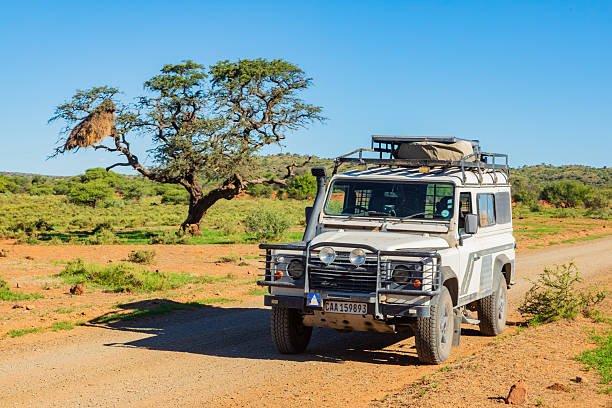
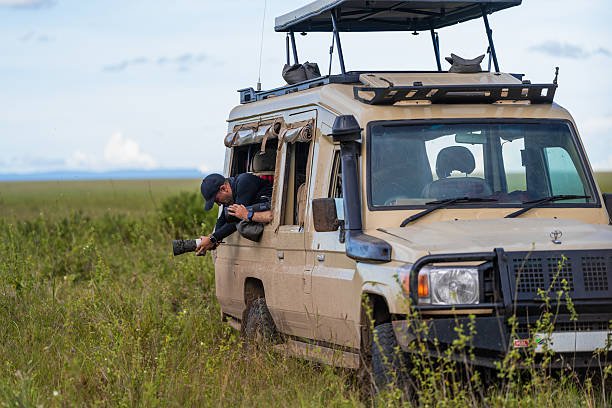
Most safari operators use custom-built 4×4 Land Cruisers or Land Rovers with pop-up roofs or open sides for optimal game viewing and photography. For Kilimanjaro, you’ll travel in a vehicle to the trailhead, but the trek is on foot.
9. How much should I tip guides and porters?
Tipping is customary and appreciated. For safaris, a tip for your driver-guide is standard, usually per group per day. For Kilimanjaro, tips are distributed among the guide, assistant guides, cook, and porters. Reputable operators provide guidelines for tipping, as it forms a significant part of crew income. Plan for this in your 2026-2027 budget.
10. What is the best way to book a Kilimanjaro climb?
Book with a reputable, experienced tour operator. Prioritize companies that are transparent about their safety protocols, ethical treatment of porters (e.g., KPAP members), and have high summit success rates due to good acclimatization and guide training. Booking well in advance for 2026-2027 is recommended.
Plan Your Unforgettable African Exploration
Ready to explore Africa’s most iconic exploration routes? Whether it’s the call of the wild on a Serengeti safari, the challenge of conquering Kilimanjaro, or the allure of Zanzibar’s beaches, we are here to make your dream trip a reality. Let our expertise guide you through planning your 2026-2027 adventure.
Get in touch with our travel specialists:
- WhatsApp: +255616946642
- Email: topguideadventures@gmail.com
- Backup Email: info@topguideadventures.com
We look forward to helping you create lasting memories.
Plan your Africa’s Most Iconic Exploration Routes with Top Guide Adventures
Tell us your travel dates, group size, comfort level, and dream experience. We will help you shape a clear, realistic, and memorable Tanzania itinerary.



