
Updated planning guide for 2026-2027
Africa Travel Safety Tips: Essential Guide
Planning a trip to Africa? This guide provides essential safety tips for travelers, covering everything from health and security to packing and local customs. Make your African adventure safe and memorable.
WhatsApp +255616946642 | topguideadventures@gmail.com | info@topguideadventures.com
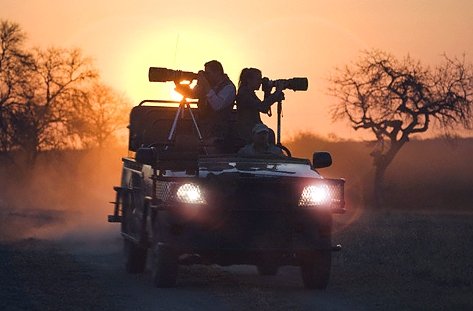
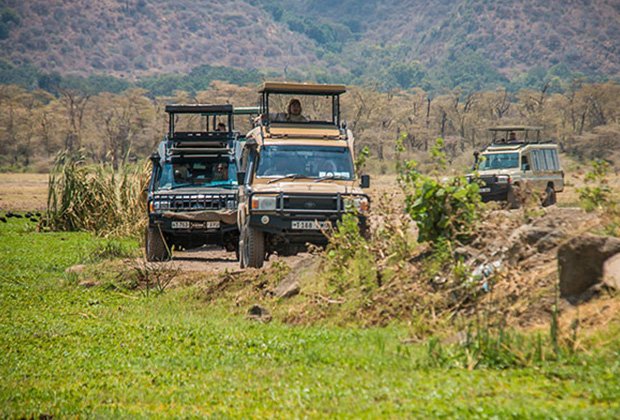
Africa Travel Safety Tips: Your Comprehensive Planning Guide
Africa, a continent of unparalleled natural beauty, vibrant cultures, and incredible wildlife, beckons travelers with promises of unforgettable experiences. From the vast plains of the Serengeti to the snow-capped peak of Kilimanjaro and the exotic shores of Zanzibar, planning an African adventure is an exciting prospect. However, like any international travel, ensuring your safety is paramount. This detailed guide provides essential Africa travel safety tips to help you prepare for your journey, whether you’re planning a safari, a trek, or a beach holiday in 2026 or 2027.
Understanding potential risks and how to mitigate them allows you to relax and fully immerse yourself in the magic of Africa. This guide is designed for anyone considering a trip, offering practical advice tailored to common travel concerns and specific African destinations.
Quick Answer: What are the most important Africa travel safety tips?
The most important Africa travel safety tips include researching your destination thoroughly, consulting your doctor for vaccinations and malaria prophylaxis, purchasing comprehensive travel insurance, being aware of your surroundings, securing your valuables, respecting local customs, and choosing reputable tour operators. Staying informed and prepared significantly enhances your safety and enjoyment.
Table of Contents
- Africa Travel Safety: An Overview
- Why Prioritizing Safety Matters for Your African Trip
- Health and Medical Preparedness
- Vaccinations and Medications
- Malaria Prevention
- Travel Insurance: Your Essential Safety Net
- Destination-Specific Safety Considerations
- Safari Safety
- Kilimanjaro Trekking Safety
- Zanzibar and Coastal Safety
- General Security and Personal Safety
- Petty Crime Awareness
- Transportation Safety
- Digital Safety and Connectivity
- Cultural Awareness and Respect
- What to Pack for Safety and Comfort
- Common Mistakes to Avoid
- Who is this Guide Best For?
- Considering Alternatives?
- Planning Your Trip for 2026-2027: Key Considerations
- Booking Advice for a Safe and Smooth Trip
- Frequently Asked Questions (FAQs)
Africa Travel Safety: An Overview
Africa is a vast continent with diverse landscapes, cultures, and political situations. While many travelers experience trouble-free journeys, it’s prudent to be informed about potential risks and take necessary precautions. This guide focuses on practical Africa travel safety tips applicable across popular tourist destinations like Tanzania, covering aspects from health and security to cultural etiquette and emergency preparedness.
Safety concerns can range from minor inconveniences like petty theft to more serious issues like health risks and political instability. By understanding these, you can make informed decisions about your itinerary, accommodation, activities, and personal conduct.
| Aspect | Key Considerations |
|---|---|
| Health | Consult doctor for vaccinations, malaria prophylaxis, travel insurance. |
| Security | Be aware of surroundings, secure valuables, avoid displaying wealth. |
| Transportation | Use reputable services, understand local road conditions. |
| Culture | Respect local customs, dress modestly in some areas. |
| Documentation | Keep copies of passport, visa, insurance separate from originals. |
| Communication | Inform someone of your itinerary, have emergency contacts. |
Why Prioritizing Safety Matters for Your African Trip
Your African adventure should be a source of joy and discovery, not anxiety. Prioritizing safety ensures that you can focus on the incredible experiences awaiting you. A well-prepared traveler is less likely to encounter problems, and more equipped to handle them if they arise. This means enjoying wildlife sightings without worry, trekking Kilimanjaro with confidence, and relaxing on Zanzibar’s beaches without unnecessary concerns.
Investing time in understanding and implementing Africa travel safety tips protects not only your physical well-being but also your financial investment and your overall travel experience. It allows you to engage more deeply with the local culture and environment, knowing you’ve taken responsible steps for your protection.
Health and Medical Preparedness
Health is a critical component of safe travel. Africa has different health risks compared to many Western countries. Proactive preparation is key to a healthy trip.
Vaccinations and Medications
Before traveling to Africa, it’s essential to consult with your doctor or a travel clinic at least 4-6 weeks prior to departure. They will advise on necessary vaccinations and recommended medications based on your specific destinations and health history.
- Routine Vaccinations: Ensure your routine vaccinations (like measles, mumps, rubella, polio, tetanus, diphtheria) are up-to-date.
- Recommended Vaccinations: Depending on the country, vaccinations for Hepatitis A, Typhoid, Hepatitis B, Yellow Fever, and Rabies might be recommended or even required. Yellow Fever vaccination certificates are often checked at borders, especially when arriving from or transiting through countries with a risk of Yellow Fever transmission.
- Prescription Medications: Bring an adequate supply of any prescription medications you regularly take. Carry them in their original packaging with a copy of your prescription.
- First-Aid Kit: Pack a comprehensive personal first-aid kit including bandages, antiseptic wipes, pain relievers, anti-diarrhea medication, antihistamines, motion sickness medication, and any personal medical items.
Malaria Prevention
Malaria is a significant concern in many parts of Africa, including popular tourist areas in Tanzania. It’s transmitted by mosquitoes and can be serious if not treated promptly.
- Consult Your Doctor: Discuss malaria prophylaxis with your doctor. They will prescribe the most suitable antimalarial medication based on your health and itinerary. It’s crucial to take the medication exactly as prescribed, starting before you arrive and continuing for the recommended period after you leave.
- Mosquito Bite Prevention: This is your first line of defense. Use insect repellent containing DEET (20-30%) or Picaridin, especially during dawn and dusk when mosquitoes are most active. Wear long-sleeved shirts and long trousers, particularly in the evenings. Sleep under a mosquito net, preferably treated with insecticide. Choose accommodations that provide them or bring your own.
- Recognize Symptoms: Be aware of malaria symptoms, which can include fever, chills, headache, muscle aches, fatigue, nausea, and vomiting. If you develop flu-like symptoms during or after your trip, seek medical attention immediately and inform the doctor about your travel history to malaria-risk areas.
Travel Insurance: Your Essential Safety Net
Comprehensive travel insurance is non-negotiable for any trip to Africa. It provides financial protection and access to medical assistance in case of unexpected events.
| Coverage Type | Importance for Africa |
|---|---|
| Medical Emergencies & Evacuation | Crucial for remote areas or serious illness/injury. Covers hospital stays, doctor fees, and potentially expensive air evacuation. |
| Trip Cancellation & Interruption | Reimburses non-refundable costs if you have to cancel or cut short your trip due to unforeseen circumstances (e.g., illness, family emergency). |
| Lost or Stolen Baggage/Personal Items | Covers the cost of replacing essential items if your luggage is lost or stolen. |
| Accidental Death & Dismemberment | Provides a payout in the event of a fatality or permanent injury. |
| Activities Coverage | Ensure your policy covers adventure activities like safaris, trekking (including Kilimanjaro), and water sports. Many standard policies exclude these. |
When purchasing insurance, carefully read the policy details. Ensure it covers all planned activities and destinations. Confirm the coverage limits are adequate, especially for medical evacuation. Always carry a copy of your insurance policy and emergency contact numbers with you.
Destination-Specific Safety Considerations
While general safety principles apply across Africa, specific destinations have unique considerations. Focusing on popular tourist activities in Tanzania provides concrete examples.
Safari Safety
Safaris are a highlight for many travelers to Africa. While professional guides ensure your safety, awareness is still important.
- Listen to Your Guide: Your safari guide is experienced and knowledgeable about wildlife behavior and park rules. Always follow their instructions. Never get out of the vehicle unless permitted by the guide, and maintain a safe distance from animals.
- Vehicle Safety: Stay inside the safari vehicle at all times unless instructed otherwise. Keep hands and arms inside the vehicle.
- Wildlife Encounters: Never feed wild animals. Avoid sudden movements or loud noises that could startle or provoke them. Be particularly cautious around predators and large herbivores like elephants and hippos.
- Night Drives: If your safari includes night drives, adhere strictly to your guide’s safety protocols. Animals are more active and potentially dangerous after dark.
- Park Rules: Respect park regulations, such as not littering, not picking plants, and not driving off-road.
Kilimanjaro Trekking Safety
Climbing Mount Kilimanjaro is a physically demanding challenge that requires careful planning and attention to safety.
- Acclimatization: This is the most critical factor for summit success and safety. Choose a longer route (e.g., 7-8 days) that allows for gradual ascent and proper acclimatization to prevent altitude sickness. Listen to your body and communicate any symptoms of altitude sickness (headache, nausea, dizziness) to your guide immediately.
- Qualified Guides and Crew: Trek with a reputable operator that employs experienced, certified guides and porters. Ensure your crew is well-equipped and trained in first aid and emergency procedures.
- Physical Fitness: Be in good physical condition before attempting the climb. Train with cardiovascular exercises and hiking, preferably with a loaded backpack, in the months leading up to your trek.
- Proper Gear: Invest in or rent high-quality trekking gear, including waterproof and windproof clothing, sturdy hiking boots, warm layers, a sleeping bag, and a headlamp. Proper gear protects you from the elements and enhances comfort.
- Hydration and Nutrition: Drink plenty of water (3-4 liters per day) to aid acclimatization and combat dehydration. Eat well, even when you don’t feel like it, to maintain energy levels.
- Emergency Procedures: Familiarize yourself with your tour operator’s emergency plan. Know how to contact them and what to do in case of an emergency.
Zanzibar and Coastal Safety
Zanzibar offers beautiful beaches and rich history, but like any tourist destination, it has safety considerations.
- Petty Crime: Be aware of pickpocketing and bag snatching, especially in crowded markets (like Stone Town) and popular tourist beaches. Keep valuables secure and avoid displaying expensive items.
- Water Safety: Be cautious of strong currents and undertows when swimming in the ocean. Pay attention to local warnings and swim in designated areas. If you’re unsure, ask locals or your accommodation staff.
- Scams: Be aware of common tourist scams, such as overly persistent touts or offers that seem too good to be true. Politely but firmly decline unwanted services.
- Respect Local Culture: Zanzibar is a predominantly Muslim island. Dress modestly when walking around towns and villages, particularly outside of beach resorts. Cover shoulders and knees. Swimwear is generally acceptable on resort beaches, but be more conservative when exploring other areas.
- Night Safety: While many tourist areas are safe, exercise caution when walking alone at night, especially in dimly lit streets or less populated areas. Stick to well-lit main routes or take a taxi.
General Security and Personal Safety
Beyond specific activities, general awareness of your surroundings is crucial for personal safety throughout your trip.
Petty Crime Awareness
Petty crime, such as pickpocketing and bag snatching, can occur in tourist areas, cities, and on public transport. While not unique to Africa, it’s a common concern for travelers.
- Secure Your Valuables: Use a money belt or a secure pouch worn under your clothing for cash, passports, and important documents. Keep only necessary cash and copies of documents with you.
- Be Vigilant in Crowds: In busy markets, train stations, or tourist attractions, be extra aware of your surroundings. Keep bags zipped and in front of you.
- Avoid Displaying Wealth: Refrain from wearing expensive jewelry, flashing large amounts of cash, or using high-end electronics openly. This can make you a target.
- Be Wary of Distractions: Thieves sometimes work in teams, with one person creating a distraction while another commits the theft.
- Hotel Safety: Use your hotel safe for valuables. Lock your hotel room door and windows, even when you are inside.
Transportation Safety
Getting around in Africa can involve various modes of transport, each with its safety considerations.
- Reputable Operators: For longer distances or airport transfers, book with reputable tour operators or established taxi companies. Ask your hotel for recommendations.
- Taxis: Agree on the fare before starting your journey, especially if the meter isn’t used. Ensure the taxi is in good condition.
- Public Transport: While often the cheapest option, public buses and minibuses (matatus in Kenya, daladalas in Tanzania) can be crowded and driven erratically. Be aware of your belongings and travel during daylight hours if possible.
- Driving: If you plan to drive yourself, be aware that road conditions can vary significantly, and driving standards may differ from what you’re accustomed to. Many travelers opt for guided tours or drivers for this reason.
- Night Travel: Avoid traveling long distances at night by road due to poor lighting, unpaved roads, and potential security risks.
Digital Safety and Connectivity
In today’s connected world, digital safety is also a consideration.
- Public Wi-Fi: Be cautious when using public Wi-Fi networks, as they can be less secure. Avoid accessing sensitive accounts (banking, etc.) on public networks.
- Phone Security: Use a passcode or biometric lock on your smartphone. Be mindful of who can see your screen.
- Sharing Location: Inform a trusted person back home about your general whereabouts and share your itinerary.
- SIM Cards: Purchasing a local SIM card can be more cost-effective for communication. Ensure you purchase from a reputable vendor.
Cultural Awareness and Respect
Respecting local customs and traditions is a fundamental aspect of safe and responsible travel. It fosters positive interactions and helps you avoid unintentionally causing offense.
- Dress Code: In many African cultures, modest dress is appreciated, especially outside of major tourist resorts or when visiting religious sites. This typically means covering shoulders and knees. Observe local dress and try to emulate it.
- Greetings: Learn a few basic greetings in the local language (e.g., Swahili for Tanzania: ‘Jambo’ for hello, ‘Asante’ for thank you). A polite greeting can go a long way.
- Photography: Always ask for permission before taking photos of people, especially children. Some individuals or communities may prefer not to be photographed, or may request a small fee.
- Bargaining: In markets, bargaining is often expected. Do so politely and with a smile. Know when to walk away if the price isn’t right.
- Public Displays of Affection: Be mindful of local norms regarding public displays of affection, which can be more conservative in some regions.
- Gift Giving: If you wish to give gifts, practical items for children (like school supplies) are often appreciated more than sweets. Avoid giving money directly to children, as this can encourage begging.
What to Pack for Safety and Comfort
Packing appropriately can significantly contribute to your safety and comfort. Consider the climate, activities, and cultural norms of your destinations.
| Category | Items |
|---|---|
| Health & Hygiene | Personal first-aid kit, prescription medications, insect repellent (DEET/Picaridin), sunscreen, hand sanitizer, anti-malarial medication, any personal medical items. |
| Clothing | Lightweight, breathable, long-sleeved shirts and trousers (for sun and insect protection), comfortable walking shoes/hiking boots (broken in), layers for cooler evenings/mornings, swimwear, modest clothing for towns/villages, hat with a brim, rain jacket. |
| Documents & Money | Passport, visa (if required), flight tickets, travel insurance details, vaccination certificates, copies of important documents (stored separately), money belt/secure pouch, credit/debit cards, emergency contact list. |
| Electronics | Universal travel adapter, power bank, camera, spare batteries, phone. |
| Miscellaneous | Reusable water bottle, sunglasses, small backpack/daypack, binoculars (for safaris), headlamp/torch (especially for camping/trekking), basic toiletries. |
Tip: Pack light, especially if you’ll be moving between locations. Most safari lodges and camps offer laundry services, though hand-washing is also an option for smaller items.
Common Mistakes to Avoid
Many safety issues can be prevented by learning from common traveler mistakes.
- Mistake: Not consulting a doctor well in advance for vaccinations and malaria advice.
Prevention: Book appointments 4-6 weeks before travel. - Mistake: Forgetting or underestimating the importance of travel insurance.
Prevention: Purchase comprehensive insurance that covers all planned activities and medical evacuation. - Mistake: Displaying wealth or valuables openly.
Prevention: Dress discreetly and keep expensive items secured. - Mistake: Not respecting local customs and dress codes.
Prevention: Research local culture and dress modestly when appropriate. - Mistake: Walking alone at night in unfamiliar areas.
Prevention: Use reputable transport or stay in well-lit, populated areas after dark. - Mistake: Drinking tap water.
Prevention: Stick to bottled water or use water purification methods. - Mistake: Trusting unsolicited offers or overly friendly strangers too quickly.
Prevention: Be polite but firm in declining unwanted services and be aware of potential scams. - Mistake: Not informing someone of your itinerary.
Prevention: Share your travel plans with family or friends back home. - Mistake: Underestimating the physical demands of activities like Kilimanjaro trekking.
Prevention: Undertake thorough physical training beforehand.
Who is this Guide Best For?
This comprehensive guide to Africa travel safety tips is designed for a wide range of travelers, including:
- First-time visitors to Africa: Those who are unfamiliar with the continent’s unique challenges and opportunities.
- Adventure seekers: Travelers planning activities like Kilimanjaro treks, white-water rafting, or extensive walking safaris.
- Families: Parents looking to ensure a safe and enjoyable experience for their children.
- Solo travelers: Individuals who need to be particularly vigilant about their personal safety.
- Experienced travelers: Those who want to refresh their knowledge or ensure they haven’t overlooked any crucial safety aspects for their upcoming 2026-2027 trip.
- Anyone planning a trip to Tanzania: Covering safaris in Serengeti/Ngorongoro, Kilimanjaro climbs, and Zanzibar holidays.
Considering Alternatives?
While this guide focuses on safety for African travel, it’s worth noting that different travel styles and destinations come with their own safety considerations. If the specific challenges of African travel feel overwhelming, you might consider destinations with different risk profiles. However, many travelers find that with proper planning and reputable operators, the rewards of an African journey far outweigh the perceived risks.
For instance, if your primary concern is extreme remoteness and limited medical facilities, you might explore well-established tourist routes in Southeast Asia or certain parts of South America. If you’re seeking wildlife without the vast distances, national parks in North America or Europe offer different experiences. However, for the unparalleled wildlife, cultural immersion, and dramatic landscapes Africa offers, this guide aims to empower you to travel confidently.
Planning Your Trip for 2026-2027: Key Considerations
Planning ahead is crucial for a safe and memorable trip. For travel in 2026 and 2027, consider these points:
| Timeframe | Key Actions |
|---|---|
| 12+ Months Prior | Research destinations, desired activities (safari, Kilimanjaro, Zanzibar), and reputable tour operators. Start fitness training for demanding activities. |
| 9-12 Months Prior | Book flights and major accommodations/safari packages, especially for peak seasons in 2027. Secure a Kilimanjaro climb permit if applicable. |
| 6-9 Months Prior | Consult your doctor about vaccinations and malaria prevention. Purchase comprehensive travel insurance. Obtain necessary visas. |
| 3-6 Months Prior | Finalize itinerary details. Purchase necessary gear (hiking boots, clothing, etc.). Confirm bookings. |
| 1-3 Months Prior | Start packing. Obtain local currency. Make copies of all important documents. Inform bank of travel dates. Reconfirm all arrangements. |
| Week of Departure | Pack essential medications and a small first-aid kit. Charge electronics. Review itinerary and safety tips. Confirm airport transfers. |
When planning for 2026 and 2027, be aware that travel trends can shift, and booking popular tours or accommodations in advance is highly recommended. Flexibility is also key; while detailed planning is important, be prepared for minor adjustments.
Booking Advice for a Safe and Smooth Trip
Choosing the right tour operator is one of the most important steps for ensuring safety and a positive experience.
- Reputation and Reviews: Look for operators with a strong track record and positive reviews from independent sources. Check their websites, social media, and travel forums.
- Experience and Expertise: Select operators who specialize in your chosen destination and activities (e.g., Tanzanian safaris, Kilimanjaro treks). They should have in-depth knowledge of local conditions and safety protocols.
- Clear Communication: A good operator will be responsive to your questions and provide clear, detailed information about itineraries, inclusions, exclusions, and safety measures.
- Safety Standards: Inquire about their safety standards, emergency procedures, and the qualifications of their guides and staff. For Kilimanjaro, ask about their altitude sickness protocols and crew training. For safaris, confirm they adhere to park regulations and wildlife viewing guidelines.
- Insurance and Licensing: Ensure the operator is properly licensed and insured. Ask if they require you to have specific insurance coverage.
- Itinerary Details: Understand what is included and excluded in your tour package. This helps manage expectations and avoid hidden costs.
For a personalized and safe African adventure, consider partnering with experienced local operators. They often have the best on-the-ground knowledge and can tailor experiences to your needs.
Frequently Asked Questions (FAQs)
Is Tanzania safe for tourists in 2026-2027?
Tanzania is generally considered safe for tourists, especially in popular safari areas, Kilimanjaro National Park, and Zanzibar. Like any destination, it’s important to exercise common sense precautions against petty crime, be aware of your surroundings, and follow advice from local authorities and reputable tour operators. Health precautions, such as vaccinations and malaria prevention, are also important.
What is the biggest health risk when traveling to Africa?
The biggest health risk for many travelers to Africa is malaria, followed by other mosquito-borne illnesses like Dengue fever. Traveler’s diarrhea is also common. Consulting a travel doctor for vaccinations and malaria prophylaxis well in advance of your trip is the most crucial step for health safety.
Do I need vaccinations for Tanzania?
Recommended vaccinations for Tanzania typically include Hepatitis A, Typhoid, and Tetanus/Diphtheria. Yellow Fever vaccination may be required if you are arriving from or transiting through a country with a risk of Yellow Fever. It is essential to consult with a travel clinic or your doctor 4-6 weeks before your trip for personalized advice based on your health and itinerary.
Is it safe to drink tap water in Tanzania?
No, it is generally not recommended to drink tap water in Tanzania. Stick to bottled water or use reliable water purification methods. Ensure bottled water has an unbroken seal. This applies to ice cubes in drinks as well; ask if they are made from purified water.
What are the main safety concerns on a safari?
The main safety concerns on a safari revolve around wildlife encounters. It is crucial to always follow your guide’s instructions, stay inside the vehicle unless told otherwise, maintain a safe distance from animals, and never feed them. Being aware of your surroundings and respecting park rules are also key.
How can I prevent altitude sickness on Kilimanjaro?
The best way to prevent altitude sickness on Kilimanjaro is through proper acclimatization. This means choosing a longer trekking route (7-8 days), ascending slowly, staying hydrated, and avoiding alcohol and strenuous activity. It’s also vital to communicate any symptoms you experience to your guide immediately.
Is Zanzibar safe for solo female travelers?
Zanzibar is generally safe for solo female travelers, but like anywhere, caution is advised. Dressing modestly when away from resort beaches, being aware of your surroundings, avoiding walking alone at night in isolated areas, and being firm with persistent touts are recommended. Sticking to well-traveled paths and reputable accommodations enhances safety.
What should I do if I lose my passport?
If you lose your passport, report it to the local police immediately and obtain a police report. Then, contact your country’s embassy or consulate in Tanzania to arrange for emergency travel documents or a replacement passport.
Are there specific safety tips for children on safari?
Yes, for children on safari, ensure they are always supervised by an adult. Explain wildlife safety rules clearly and ensure they stay within the vehicle and away from windows. Pack child-friendly insect repellent and sunscreen. Check if your tour operator has specific family safari packages or guidelines.
How can I stay safe during transportation in Tanzania?
For transportation in Tanzania, use reputable taxi companies or pre-booked transfers. If using public transport like daladalas, be vigilant about your belongings and travel during daylight hours. For longer distances, consider private transfers or domestic flights arranged by a tour operator for added safety and comfort.
Plan Your Safe and Unforgettable African Adventure
Your dream African safari, Kilimanjaro trek, or Zanzibar getaway is within reach. By prioritizing safety through thorough planning and informed choices, you can ensure a truly memorable and rewarding experience. Understanding and applying these Africa travel safety tips is the first step towards an incredible journey.
At Top Guide Adventures, we are dedicated to providing safe, authentic, and unforgettable travel experiences in Tanzania. Our expert team has extensive local knowledge and a commitment to your well-being. We meticulously plan every detail to ensure your adventure is both exciting and secure.
Ready to plan your trip for 2026 or 2027? Get in touch with us today to discuss your custom itinerary or learn more about our services.
Contact Us:
- WhatsApp: +255616946642
- Email: topguideadventures@gmail.com
- Backup Email: info@topguideadventures.com
Let us help you craft the perfect African adventure, safely and responsibly.
Plan your Africa travel safety tips with Top Guide Adventures
Tell us your travel dates, group size, comfort level, and dream experience. We will help you shape a clear, realistic, and memorable Tanzania itinerary.



