
Updated planning guide for 2026-2027
Africa National Park Expedition Routes: Complete Guide 2026-2027
This comprehensive guide details how to plan and execute an unforgettable expedition through Africa's most iconic national parks. Learn about route planning, essential preparations, best times to visit, and how to book your adventure.
WhatsApp +255616946642 | topguideadventures@gmail.com | info@topguideadventures.com
Africa National Park Expedition Routes: Your Ultimate Planning Guide
Exploring Africa’s national parks offers an unparalleled opportunity to witness diverse wildlife, breathtaking landscapes, and vibrant cultures. Planning an Africa National Park expedition routes requires careful consideration of destinations, timing, logistics, and personal interests. Whether you dream of tracking gorillas in Rwanda, witnessing the Great Migration in Tanzania, or spotting the Big Five in Kenya, a well-structured expedition can make your adventure truly memorable. This guide provides in-depth information to help you craft the perfect African national park journey for 2026-2027.
| Aspect | Details |
|---|---|
| Primary Focus | Wildlife viewing, scenic landscapes, cultural immersion |
| Key Destinations | Tanzania, Kenya, Uganda, Rwanda, Botswana, South Africa, Namibia |
| Best Time to Visit | Varies by park and region; generally dry seasons (June-Oct, Jan-Feb) for most wildlife viewing. Wet seasons offer lush scenery and fewer crowds. |
| Typical Duration | 7 days to 3 weeks or longer, depending on the number of parks and countries visited. |
| Travel Styles | Budget camping, mid-range lodges, luxury tented camps, private guided tours. |
| Essential Preparations | Visas, vaccinations, travel insurance, appropriate gear, booking accommodations and transport in advance. |
Table of Contents
- Understanding Africa National Park Expedition Routes
- Why a Well-Planned Expedition Matters
- Best Time to Plan Your Expedition Routes
- Popular Africa National Park Expedition Routes
- Sample Tanzania Expedition: Serengeti & Ngorongoro
- What to Expect on Your Expedition
- Preparation and Packing Essentials
- Common Mistakes to Avoid
- Who Are These Expeditions Best For?
- Alternatives to Traditional Expedition Routes
- Planning Your 2026-2027 Expedition
- Booking Your Expedition: Expert Tips
- Frequently Asked Questions
Understanding Africa National Park Expedition Routes
An Africa National Park expedition routes is more than just a safari; it’s a carefully curated journey designed to maximize wildlife encounters, experience diverse ecosystems, and often, to cover significant ground across one or multiple countries. These expeditions are characterized by their focus on exploration and discovery, often involving travel between different park systems or even across borders. They can range from self-drive adventures to fully guided tours with experienced local operators. The complexity and scope of an expedition depend heavily on the traveler’s interests, budget, and available time. For many, it represents a chance to see iconic species in their natural habitats, witness natural phenomena like migrations, and connect with the wild in a profound way.
When considering Africa National Park expedition routes, think about the ‘why’ behind your trip. Are you a dedicated birder seeking specific species? A photographer hoping to capture the Great Migration? A family looking for educational and adventurous experiences? Or perhaps an adventurer eager to explore remote corners of the continent? Your motivations will shape the parks you visit, the pace of your journey, and the type of accommodation you choose. Planning with these core interests in mind is the first step toward a successful expedition.
Why a Well-Planned Expedition Matters
Africa’s national parks are vast and varied. Without proper planning, an expedition can quickly become overwhelming, inefficient, or even disappointing. A well-thought-out plan ensures you:
- Maximize Wildlife Sightings: Knowing the best times and locations for specific wildlife, like the Great Migration in the Serengeti or Ngorongoro Crater, significantly increases your chances of seeing your target animals.
- Optimize Travel Time: Distances in Africa can be considerable. Efficient route planning minimizes long travel days and maximizes time spent on game drives or activities.
- Secure Best Accommodations: Popular lodges and camps, especially within or near prime park areas, book up months, sometimes over a year, in advance. Advance booking is crucial.
- Manage Budget Effectively: Understanding costs associated with park fees, accommodation, transport, and guides allows for better financial planning and helps avoid unexpected expenses.
- Ensure Safety and Comfort: Proper preparation, including understanding local conditions, health requirements, and reliable transportation, is key to a safe and comfortable journey.
- Experience Authentic Encounters: A well-planned expedition allows for deeper immersion, perhaps including cultural visits or off-the-beaten-path destinations, beyond the typical tourist trails.
For travelers looking at Africa National Park expedition routes in 2026 or 2027, starting the planning process early is highly recommended, especially for popular destinations and peak seasons.
Best Time to Plan Your Expedition Routes
The ‘best’ time for your Africa National Park expedition routes depends on your priorities. Each season offers a different experience:
| Season | Months | Pros | Cons | Best For |
|---|---|---|---|---|
| Dry Season (Peak) | June – October | Easier wildlife viewing (animals congregate around water sources), clear skies, pleasant temperatures. Ideal for seeing the Great Migration river crossings (July-Sept). | Higher prices, more crowds, some vegetation can be sparse. | First-time visitors, photographers, those seeking iconic wildlife sightings, Great Migration. |
| Short Rains / Green Season | November – December | Lush landscapes, fewer tourists, lower prices, good for birdwatching, newborn animals start appearing. | Occasional short-lived rain showers, some roads may be more challenging. | Budget travelers, birdwatchers, photographers interested in landscapes and young wildlife. |
| Long Rains / Green Season | March – May | Spectacular green scenery, very few tourists, lowest prices, excellent for birdwatching, abundant newborn animals. | Significant rainfall (can be heavy and prolonged), some parks or roads may be inaccessible, wildlife viewing can be more challenging due to dense vegetation and scattered animals. | Photographers focused on landscapes and newborns, budget travelers, those seeking solitude. |
| Dry Season (Shoulder) | January – February | Good wildlife viewing, especially in Southern Africa for calving seasons. Pleasant weather in East Africa. | Can be hot in some regions, occasional showers possible. | Combining East and Southern Africa, calving seasons, general wildlife viewing. |
For planning Africa National Park expedition routes in 2026-2027, consider that peak seasons (like July-September for migration) require booking 12-18 months in advance. Shoulder seasons (like November or March) offer a good balance of weather, wildlife, and fewer crowds, and may require booking 6-9 months ahead.
Popular Africa National Park Expedition Routes
Africa offers a vast array of national parks, each with unique appeal. Here are some of the most sought-after regions and routes for expedition planning:
East Africa: The Classic Safari Experience
This region is synonymous with classic African wildlife viewing and iconic landscapes.
- Tanzania: The Northern Circuit is legendary. Routes often include:
- Serengeti National Park: Home to the Great Migration, vast plains, and abundant predators.
- Ngorongoro Conservation Area: A collapsed volcano caldera with a high density of wildlife, including the rare black rhino.
- Tarangire National Park: Famous for its large elephant herds and baobab trees, especially in the dry season.
- Lake Manyara National Park: Known for its tree-climbing lions and diverse birdlife.
A common expedition route might link these parks over 7-10 days. Adding Zanzibar at the end offers a beach relaxation component.
- Kenya: Offers similar experiences to Tanzania, with its own unique highlights:
- Masai Mara National Reserve: Adjacent to the Serengeti, it’s another prime location for the Great Migration (July-October) and predator sightings.
- Amboseli National Park: Offers stunning views of Mount Kilimanjaro and large elephant herds.
- Lake Nakuru National Park: Famous for its flamingos (though numbers vary) and rhinos.
- Samburu National Reserve: Home to unique species like the reticulated giraffe, Grevy’s zebra, and gerenuk.
A typical Kenyan expedition could span 7-14 days, connecting the Mara with other parks.
- Uganda & Rwanda: Focus on primate trekking.
- Bwindi Impenetrable National Park (Uganda): The primary destination for mountain gorilla trekking.
- Volcanoes National Park (Rwanda): Another prime spot for gorilla trekking, often combined with golden monkey tracking.
- Queen Elizabeth National Park (Uganda): Known for its tree-climbing lions and boat safaris on the Kazinga Channel.
- Murchison Falls National Park (Uganda): Offers boat trips to the falls and diverse wildlife.
An expedition here might focus on gorillas and chimpanzees, often taking 10-14 days.
Southern Africa: Diverse Landscapes and Unique Safaris
This region offers a different flavor of safari, often with more developed infrastructure and varied landscapes.
- Botswana: Known for its exclusive, low-impact tourism model.
- Okavango Delta: A unique inland delta offering mokoro (dugout canoe) safaris and incredible wildlife.
- Chobe National Park: Famous for its massive elephant populations and river cruises.
- Moremi Game Reserve: Known for its predator sightings and diverse habitats.
Expeditions here are often fly-in safaris, focusing on luxury and exclusivity, typically 7-12 days.
- South Africa: Offers a wide range of experiences, from self-drive to luxury.
- Kruger National Park: One of Africa’s largest and most famous parks, excellent for self-drive and diverse wildlife.
- Sabi Sands Game Reserve: Adjacent to Kruger, renowned for leopard sightings.
- Addo Elephant National Park: Home to a large elephant population and other ‘Big Seven’ (including whale and shark off the coast).
An expedition could involve a mix of Kruger and private reserves, or exploring parks in the Western Cape.
- Namibia: Characterized by dramatic desert landscapes and unique desert-adapted wildlife.
- Etosha National Park: Famous for its large salt pan and waterholes that attract a concentration of animals.
- Sossusvlei & Deadvlei: Iconic red sand dunes and ancient dead trees.
- Damaraland: Offers opportunities to see desert-adapted elephants and rhinos.
Namibia is ideal for self-drive expeditions, often taking 10-14 days to cover its vast distances.
Sample Tanzania Expedition: Serengeti & Ngorongoro
This 8-day expedition focuses on Tanzania’s most iconic parks, ideal for first-time visitors seeking classic wildlife experiences. This route is a popular choice for Africa National Park expedition routes.
Day 1-3: Serengeti National Park
Arrival: Fly into Kilimanjaro International Airport (JRO) and transfer to Arusha for an overnight stay or directly to the Serengeti via a domestic flight from Arusha Airport (ARK).
Activities: Full-day and morning/afternoon game drives exploring the vast plains. Depending on the time of year, you’ll position yourself to witness the Great Migration. Look for lions, cheetahs, leopards, elephants, giraffes, and vast herds of wildebeest and zebras. Optional hot-air balloon safari at sunrise.
Day 4-5: Ngorongoro Conservation Area (Crater Floor)
Travel: Drive from the Serengeti to the Ngorongoro Conservation Area, descending into the crater for a full-day game drive.
Activities: Explore the unique ecosystem of the Ngorongoro Crater, a UNESCO World Heritage Site. This caldera is home to an incredible density of wildlife, including the Big Five (lion, leopard, elephant, rhino, buffalo) and over 500 species of birds. The compact nature of the crater makes for excellent sightings.
Day 6: Lake Manyara National Park
Travel: Drive from Ngorongoro to Lake Manyara.
Activities: Game drive in Lake Manyara, known for its tree-climbing lions, large elephant herds, and diverse birdlife. The park’s groundwater forest offers a different landscape.
Day 7: Tarangire National Park
Travel: Drive from Lake Manyara to Tarangire.
Activities: Game drives in Tarangire, particularly famous for its massive elephant herds and iconic baobab trees. This park is especially rewarding during the dry season.
Day 8: Departure
Travel: Morning game drive in Tarangire, then drive back to Arusha for your onward flight from JRO.
Note: This is a sample route and can be customized based on your interests, time, and the season for wildlife viewing. For 2026-2027 travel, early booking is essential for this popular route.
What to Expect on Your Expedition
An Africa National Park expedition routes is an immersive experience. Here’s what you can generally anticipate:
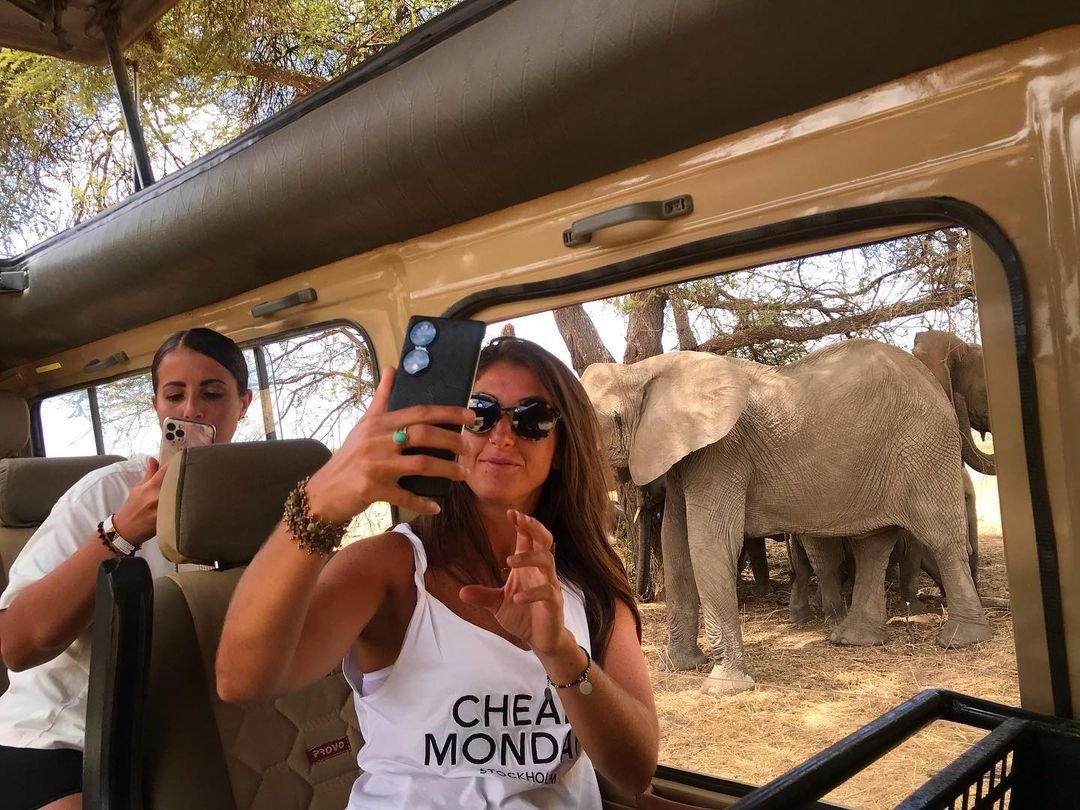
- Wildlife Sightings: While guides are skilled at finding animals, wildlife sightings are not guaranteed. Patience is key. You might see lions on a kill, a leopard lounging in a tree, or a herd of elephants crossing the plains.
- Early Mornings & Late Evenings: The best wildlife viewing often happens during the cooler parts of the day – early morning and late afternoon/early evening. Be prepared for early starts.
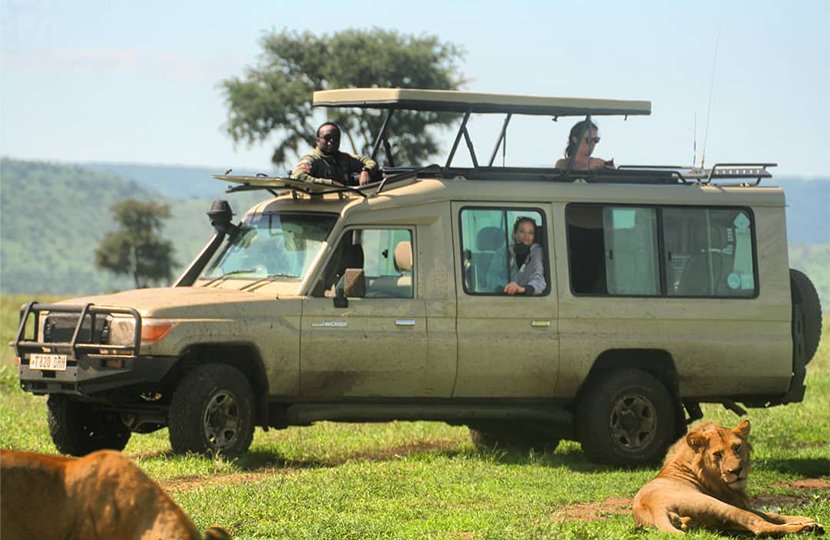
- Vehicle Travel: Most of your time in parks will be spent in a safari vehicle (usually a 4×4 Land Cruiser or Land Rover). Game drives can last several hours.
- Accommodation: Options range from basic tented camps to luxurious lodges. Expect comfortable beds, en-suite facilities in most mid-range to luxury options, and delicious meals. Some remote camps might have shared bathrooms or bucket showers.
- Guides: Your local guide is your window into the ecosystem. They are knowledgeable about animal behavior, tracking, local culture, and safety.
- Vast Landscapes: Prepare for stunning vistas – from endless savannas and rugged mountains to dense forests and vast deserts.
- Connectivity: Mobile phone signal and Wi-Fi can be spotty or non-existent in remote park areas. Embrace the opportunity to disconnect.
Preparation and Packing Essentials
Thorough preparation is vital for a successful expedition. For Africa National Park expedition routes, consider the following:
Visas and Vaccinations
- Visas: Check visa requirements for each country you plan to visit well in advance. Many African countries offer e-visas or visas on arrival, but it’s best to confirm.
- Vaccinations: Consult your doctor or a travel clinic at least 6-8 weeks before departure. Yellow Fever vaccination is often mandatory, especially if traveling between certain countries. Malaria prophylaxis is recommended for many areas.
- Travel Insurance: Comprehensive travel insurance covering medical emergencies, evacuation, trip cancellation, and lost belongings is essential.
Packing List: Key Items
Focus on practical, comfortable, and neutral-colored clothing.
- Clothing:
- Neutral-colored, lightweight long-sleeved shirts and trousers (khaki, beige, olive green) for sun and insect protection.
- T-shirts and comfortable shorts for warmer days.
- A warm fleece or jacket for cool mornings and evenings (especially at higher altitudes or during dry season).
- A waterproof and windproof jacket.
- Comfortable walking shoes or hiking boots (if planning any walking safaris).
- Sandals or flip-flops for camp/lodge.
- Swimsuit (for lodges with pools).
- Socks (moisture-wicking).
- Hat with a brim for sun protection.
- Pajamas.
- Gear:
- Binoculars (essential for wildlife viewing).
- Camera with extra batteries, memory cards, and a good zoom lens.
- Power bank and universal adapter.
- Sunscreen (high SPF).
- Insect repellent (with DEET or Picaridin).
- Personal first-aid kit (band-aids, antiseptic wipes, pain relievers, motion sickness medication, any personal prescriptions).
- Hand sanitizer.
- Reusable water bottle.
- Small backpack or daypack for daily excursions.
- Sunglasses.
- Headlamp or flashlight.
- Field guides for birds and mammals (optional, but recommended).
- Documents:
- Passport (valid for at least 6 months beyond your travel date) and copies.
- Visa documentation.
- Flight tickets and itinerary.
- Travel insurance details.
- Vaccination certificates.
- Emergency contact information.
Important Note: Many safari operators have luggage weight restrictions for light aircraft transfers. Soft duffel bags are often preferred over hard suitcases. Check with your tour operator.
Common Mistakes to Avoid
To ensure your Africa National Park expedition routes is as smooth as possible, steer clear of these common pitfalls:
- Over-scheduling: Trying to cram too many parks or countries into a short trip leads to excessive travel time and less time enjoying each location.
- Underestimating Travel Distances: Africa is vast. What looks close on a map can take many hours to drive.
- Not Booking in Advance: Especially for peak seasons and popular parks, accommodations and internal flights can sell out far ahead.
- Ignoring Seasonality: Planning a Great Migration expedition in the wrong month or a gorilla trek during the heaviest rains can impact your experience.
- Inadequate Packing: Forgetting essentials like binoculars, a warm layer, or proper sun protection can detract from your enjoyment.
- Not Getting Travel Insurance: A medical emergency or evacuation can be incredibly costly without proper coverage.
- Choosing the Wrong Tour Operator: Opting for the cheapest option without researching their reputation, safety record, and guide quality can lead to a poor experience.
- Expectations of Constant Action: Safaris involve waiting and observing. Not every moment is a dramatic wildlife encounter. Patience and appreciation for the quiet moments are key.
- Ignoring Health Advice: Failing to get necessary vaccinations or malaria precautions can have serious health consequences.
Who Are These Expeditions Best For?
Africa National Park expedition routes are ideal for a wide range of travelers, provided the itinerary is tailored to their needs:
- Wildlife Enthusiasts: Those with a deep passion for animals and a desire to see them in their natural, unhindered environment.
- Photographers: Both amateur and professional photographers will find endless opportunities to capture stunning images of wildlife and landscapes.
- Adventure Seekers: Travelers who enjoy exploring new environments, embracing the outdoors, and experiencing unique activities like trekking or mokoro trips.
- Nature Lovers: Individuals who appreciate natural beauty, diverse ecosystems, and the tranquility of wilderness.
- Families: With careful planning, safaris can be incredibly educational and exciting for children, offering a unique bonding experience. Age restrictions may apply for certain activities or parks.
- Couples: Honeymooners and couples seeking a romantic and adventurous getaway will find luxurious lodges and unforgettable experiences.
- Solo Travelers: Joining small group tours or opting for private guides can be a safe and enriching way for solo travelers to explore.
- Those Seeking a Deeper Connection: Travelers who want to move beyond superficial tourism and gain a more profound understanding of conservation efforts and local cultures.
For planning your 2026-2027 expedition, consider the physical demands. Some treks (like gorilla trekking) require a good level of fitness, while others are more relaxed. Communicate your fitness level and interests clearly with your tour operator.
Alternatives to Traditional Expedition Routes
While classic expedition routes are popular, other ways to experience Africa’s parks exist:
- Focused Single-Park Expeditions: Instead of multi-park, multi-country journeys, focus on an in-depth exploration of one or two exceptional parks. For example, spending 7-10 days solely in the Serengeti allows for deeper immersion and tracking specific animal behaviors.
- Walking Safaris: For the truly adventurous, guided walking safaris in areas like South Luangwa (Zambia) or parts of Tanzania offer a ground-level perspective of the wilderness, focusing on tracking, smaller creatures, and the nuances of the environment.
- Fly-In Safaris: These are high-end, time-efficient expeditions, particularly popular in Botswana and parts of Tanzania. Light aircraft transfer you between remote camps, minimizing travel time and maximizing game viewing.
- Self-Drive Safaris: Popular in countries like South Africa, Namibia, and Botswana (in specific areas), self-driving offers flexibility and can be more budget-friendly, but requires significant planning, a suitable vehicle, and navigation skills.
- Conservation-Focused Expeditions: Some tours focus on visiting research stations, participating in citizen science projects, or learning directly from conservationists.
- Cultural Immersion Safaris: Combine wildlife viewing with extended stays in local communities, learning about their traditions, crafts, and way of life.
Planning Your 2026-2027 Expedition
Planning for 2026 and 2027 requires foresight, especially with increasing demand for unique travel experiences. Here’s a timeline and key considerations:
| Timeframe Before Travel | Key Actions |
|---|---|
| 12-18 Months Out | Define your dream destinations, desired wildlife, and travel style. Research tour operators. Book peak season travel (e.g., July-Sept migration, gorilla permits). |
| 9-12 Months Out | Finalize your itinerary and book core accommodations/lodges. Book internal flights. Secure any necessary special permits (e.g., specific gorilla trekking sectors). |
| 6-9 Months Out | Book international flights. Confirm visa requirements. Start researching and booking less popular accommodations or shoulder season travel. |
| 3-6 Months Out | Schedule medical consultations for vaccinations and malaria prophylaxis. Purchase comprehensive travel insurance. Begin compiling your packing list. |
| 1-3 Months Out | Obtain visas. Purchase necessary gear. Make final payments to tour operators. Confirm all bookings and details. Inform your bank of travel dates. |
| 1-4 Weeks Out | Pack your bags. Make copies of important documents. Exchange some currency. Confirm airport transfers. |
Flexibility is Key: While planning is crucial, remain open to adjustments. Global events or local conditions can sometimes necessitate changes. A good tour operator will help navigate these.
Booking Your Expedition: Expert Tips
Choosing the right tour operator is paramount for a successful Africa National Park expedition routes. Here’s how to make an informed decision:
- Research Local Experts: Opt for operators who specialize in the regions you want to visit. Local companies often have unparalleled knowledge, established relationships, and better on-the-ground logistics.
- Read Reviews and Testimonials: Look for reviews on independent platforms, but also check the operator’s website for testimonials. Pay attention to comments about guide quality, vehicle maintenance, accommodation standards, and customer service.
- Check for Certifications and Affiliations: While not always mandatory, affiliations with reputable tourism boards or conservation organizations can be a good sign.
- Inquire About Guide Experience: The guide is central to your safari experience. Ask about their training, experience, and knowledge of local wildlife and culture.
- Understand Inclusions and Exclusions: Be clear about what is covered in your package – park fees, meals, activities, drinks, tips, etc. This helps avoid unexpected costs.
- Ask About Vehicle Quality: Safari vehicles should be well-maintained, comfortable, and equipped with pop-up roofs for game viewing. 4×4 capabilities are essential for many parks.
- Discuss Customization Options: If you have specific interests (e.g., birding, photography, cultural visits), ensure the operator can tailor the itinerary accordingly.
- Get Everything in Writing: All agreed-upon details, itineraries, inclusions, and payment schedules should be documented in a formal quote or contract.
- Payment Terms: Understand the deposit requirements and final payment due dates. Be wary of operators demanding full payment upfront without a clear cancellation policy.
- Safety and Emergency Protocols: Ask about their emergency procedures, communication systems in remote areas, and how they handle unforeseen issues.
For your 2026-2027 Africa National Park expedition routes, reaching out to experienced operators like Top Guide Adventures is a wise step. They can help craft a personalized itinerary that matches your dreams and budget.
Contact Top Guide Adventures:
- WhatsApp: +255616946642
- Email: topguideadventures@gmail.com
- Backup Email: info@topguideadventures.com
Frequently Asked Questions
General Questions
Q1: How do I choose the best Africa National Park expedition routes for me?
A1: Consider your interests (wildlife, culture, adventure), budget, and the time of year you wish to travel. Research parks and regions that align with these factors. For example, East Africa is ideal for the Great Migration, while Southern Africa offers diverse landscapes and excellent infrastructure. Consulting with an experienced tour operator can help tailor the perfect route.
Q2: What is the difference between a national park and a game reserve?
A2: National Parks are typically government-managed with stricter regulations on human activity to preserve wildlife and habitats. Game Reserves can be managed by local governments or private entities and sometimes allow for more diverse activities or human settlement on the periphery.
Q3: Is it safe to travel on an Africa National Park expedition?
A3: Yes, when planned with reputable operators and adhering to safety guidelines. Most safaris are conducted in controlled environments with experienced guides. It’s crucial to follow your guide’s instructions, avoid walking alone outside designated areas, and ensure you have appropriate travel insurance.
Q4: What are the typical costs involved in an expedition?
A4: Costs vary significantly based on destination, duration, accommodation level, and activities. Major components include park entry fees, accommodation, transport (safari vehicle, internal flights), guide fees, and meals. A rough estimate for a mid-range safari can range from $300-$600 per person per day, but this is highly variable. Luxury options can be considerably more.
Planning & Logistics
Q5: How far in advance should I book my 2026-2027 expedition?
A5: For peak seasons (June-October for East Africa, or specific wildlife events), booking 12-18 months in advance is highly recommended. For shoulder seasons or less popular destinations, 6-9 months is usually sufficient.
Q6: What kind of visa and health precautions do I need?
A6: Visa requirements differ by country; check with the embassy of your destination country. Consult a travel doctor 6-8 weeks before departure for recommended vaccinations (Yellow Fever is often mandatory) and malaria prevention. Always purchase comprehensive travel insurance.
Q7: Can I combine multiple countries in one expedition?
A7: Yes, combining countries is possible, especially neighboring ones (e.g., Kenya and Tanzania, or Uganda and Rwanda). However, factor in border crossing times and potential visa complexities. It often requires a longer duration and careful logistical planning.
Wildlife & Experience
Q8: Will I definitely see the Big Five?
A8: While many parks are known for the Big Five (lion, leopard, elephant, rhino, buffalo), sightings are never guaranteed. Patience, a good guide, and visiting parks with healthy populations increase your chances. The Ngorongoro Crater and parts of the Serengeti/Masai Mara offer high probabilities.
Q9: What is the best time to see the Great Migration?
A9: The Great Migration is a year-round phenomenon, but its location changes. The most dramatic river crossings typically occur between July and September in the Grumeti and Mara Rivers (Serengeti/Masai Mara). Calving season in the southern Serengeti is usually around January-February.
Q10: What should I pack for a safari?
A10: Pack light, neutral-colored clothing (long sleeves/trousers for sun/insects), a warm layer, comfortable walking shoes, a hat, sunscreen, insect repellent, binoculars, and a camera. Soft duffel bags are often preferred for luggage.
Q11: Are there options for budget travelers?
A11: Yes, budget options often involve camping safaris with basic but clean tents, shared facilities, and communal meals. Traveling during the low season can also reduce costs. Operators like Top Guide Adventures can help design budget-friendly itineraries.
Q12: What if I have specific dietary needs?
A12: Most tour operators can accommodate dietary restrictions (vegetarian, vegan, gluten-free, allergies) if notified in advance. Communicate your needs clearly when booking.
Ready to Plan Your Africa National Park Expedition Routes?
Your dream African adventure awaits! Whether you envision witnessing the Great Migration, tracking gorillas through misty forests, or exploring the vast savannas, careful planning ensures an unforgettable experience. For personalized itineraries, expert advice, and seamless logistics for your 2026-2027 Africa National Park expedition routes, trust the local expertise of Top Guide Adventures.
Contact us today to start designing your bespoke journey:
- WhatsApp: +255616946642
- Email: topguideadventures@gmail.com
- Backup Email: info@topguideadventures.com
Let us help you create the African expedition of a lifetime!
Plan your Africa National Park Expedition Routes with Top Guide Adventures
Tell us your travel dates, group size, comfort level, and dream experience. We will help you shape a clear, realistic, and memorable Tanzania itinerary.



