
Updated planning guide for 2026-2027
Africa Journey Mapping Guide: Complete 2026-2027
Navigate your dream African adventure with our expert journey mapping guide. From initial ideas to booking your perfect safari, Kilimanjaro trek, or Zanzibar escape for 2026-2027, get practical advice and planning tips.
WhatsApp +255616946642 | topguideadventures@gmail.com | info@topguideadventures.com
What is Africa Journey Mapping?
Africa journey mapping is the detailed process of planning and structuring your trip to the continent. It involves understanding your interests, identifying key destinations and activities, considering logistics like travel time and accommodation, and aligning these with your budget and desired experience. For many travelers, particularly those new to Africa or planning complex itineraries involving multiple destinations or activities like safaris, trekking, and beach relaxation, effective journey mapping is crucial for a successful and memorable adventure. This guide provides a detailed framework for your Africa journey mapping, focusing on Tanzania as a prime example of the continent’s diversity.
Your Comprehensive Africa Journey Mapping Guide
Planning an African journey can feel immense, but with a structured approach, it becomes an exciting part of the adventure. This guide is designed to help you create a personalized Africa journey map, ensuring you cover all essential aspects from initial inspiration to final booking. We’ll focus on popular Tanzanian experiences—safaris, Kilimanjaro climbs, and Zanzibar holidays—as they represent a broad spectrum of what Africa offers.
Quick Facts: Tanzania at a Glance
| Aspect | Details |
|---|---|
| Major International Airports | Kilimanjaro International Airport (JRO), Julius Nyerere International Airport (DAR), Abeid Amani Karume International Airport (ZNZ) |
| Primary Language | Swahili (official), English (widely spoken in tourism) |
| Currency | Tanzanian Shilling (TZS) |
| Visa Requirements | Most nationalities require a visa; can often be obtained on arrival or online in advance. Check current regulations. |
| Best Time to Visit (General) | Dry seasons: June-October and December-February. Wet seasons: March-May and November. Specific wildlife events vary. |
| Popular Activities | Serengeti Safaris, Ngorongoro Crater Tours, Kilimanjaro Trekking, Zanzibar Beach Holidays, Cultural Tours |
Why Detailed Journey Mapping Matters for Africa
Africa is vast and diverse. A well-mapped journey ensures you don’t miss iconic experiences due to poor planning or logistical oversights. It helps you:
- Maximize your time: Efficiently structure your itinerary to see what matters most.
- Manage your budget: Understand costs associated with different regions, activities, and accommodation styles.
- Mitigate risks: Be prepared for health, safety, and travel-related challenges.
- Tailor your experience: Create a trip that truly reflects your interests, whether it’s wildlife, adventure, culture, or relaxation.
- Avoid common pitfalls: Learn from others’ mistakes to ensure a smoother trip.
Understanding Traveler Intent for Africa
When people search for ‘Africa journey mapping’, their intent varies. Some are seeking a comprehensive overview of planning an African safari. Others might be researching how to combine a Kilimanjaro climb with a safari. Many are looking for guidance on specific destinations like Zanzibar. Our Africa journey mapping guide aims to address these diverse needs by providing a structured planning process applicable to various African travel styles.
Step 1: Define Your African Travel Vision
Before you map out routes or book flights, clarify what you want from your African adventure. This is the foundational step in your Africa journey mapping.
Identify Your Core Interests
What draws you to Africa? Be specific.
- Wildlife Viewing: Are you dreaming of the Great Migration, Big Five sightings, birdwatching, or unique primate encounters?
- Adventure & Trekking: Is climbing Kilimanjaro or Mount Kenya on your bucket list? Are you interested in white-water rafting or hiking?
- Culture & History: Do you want to visit Maasai villages, explore ancient ruins, or learn about local traditions?
- Relaxation & Beaches: Is a tropical island escape like Zanzibar or the Kenyan coast what you envision?
- Photography: Are you looking for iconic landscapes and wildlife photo opportunities?
Determine Your Travel Style
Your travel style significantly impacts your journey map and budget.
- Luxury: High-end lodges, private guides, exclusive experiences.
- Mid-Range: Comfortable lodges, well-appointed tented camps, group or shared tours.
- Budget: Guesthouses, hostels, camping, public transport where feasible, self-guided elements.
- Family-Focused: Activities suitable for children, family-friendly accommodations, safety considerations.
- Adventure-Seeker: Prioritizing activities and challenging experiences.
Set Your Travel Dates and Duration
When do you want to travel, and for how long? This is critical for Africa journey mapping, as seasonality affects wildlife, weather, and prices.
- Duration: A week? Two weeks? A month? This dictates how much you can realistically see and do.
- Time of Year: Consider peak seasons (often drier, better for safaris and climbing) versus shoulder or low seasons (potentially fewer crowds, lower prices, but different weather patterns). For 2026-2027 travel, research specific event timings like the Great Migration.
Establish Your Budget
Be realistic about what you can spend. Africa offers a wide range of price points. Your budget will influence destination choices, accommodation, activities, and the length of your trip.
Step 2: Choose Your Destinations and Activities
Once your vision is clear, start selecting specific locations and experiences. This is where your Africa journey mapping begins to take shape geographically.
Popular Tanzanian Destinations and Experiences
Tanzania is a fantastic starting point for Africa journey mapping due to its concentrated diversity.
Northern Circuit Safaris (Serengeti, Ngorongoro, Tarangire, Lake Manyara, Arusha NP
- Serengeti National Park: Famous for the Great Migration, vast plains, and abundant wildlife year-round. Ideal for classic safari experiences.
- Ngorongoro Conservation Area: Home to the Ngorongoro Crater, a collapsed volcano caldera with a high density of wildlife, including the Big Five. Excellent for a single-day safari experience.
- Tarangire National Park: Known for its large elephant herds and iconic baobab trees. Best visited during the dry season.
- Lake Manyara National Park: Famous for its tree-climbing lions and large flamingo populations.
- Arusha National Park: Offers stunning views of Mt. Meru and is home to colobus monkeys and diverse birdlife. Good for day trips or short stays.
Kilimanjaro Trekking
- Mount Kilimanjaro: Africa’s highest peak. Multiple routes (Machame, Lemosho, Marangu, Rongai, Shira) offer different challenges and scenery. Requires significant physical preparation.
Zanzibar Archipelago Holidays
- Zanzibar Island (Unguja): Famous for its spice tours, historic Stone Town, and stunning white-sand beaches (Nungwi, Kendwa, Paje, Jambiani). Ideal for relaxation, water sports, and cultural immersion.
- Pemba Island: More remote and less developed than Zanzibar, offering pristine diving and a tranquil atmosphere.
- Mafia Island: Known for whale shark encounters (seasonal) and excellent diving.
Sample Itinerary Logic for Tanzania
Combining these elements requires careful sequencing. Here’s a common logic for Africa journey mapping in Tanzania:
Classic Tanzania Combination (10-14 Days)
- Day 1-2: Arrival in Arusha
Arrive at JRO, transfer to Arusha. Acclimatize, meet your guide, and prepare for safari or climb. - Day 3-7: Northern Circuit Safari
Safari in Tarangire, Lake Manyara, Ngorongoro Crater, and Serengeti. Focus on wildlife viewing and game drives. - Day 8-14: Kilimanjaro Trek (e.g., Machame Route)
Begin your ascent of Kilimanjaro. This typically takes 6-7 days, including descent. (This would be a longer trip, e.g., 14 days total). OR - Day 8-12: Zanzibar Relaxation
Fly from Serengeti/Arusha to Zanzibar. Enjoy beaches, Stone Town, spice tours. (This would be a shorter trip, e.g., 10 days total). - Departure
Fly out from JRO or ZNZ.
Alternatively, you could focus solely on a long Kilimanjaro trek (7-9 days including preparation and rest) or an in-depth safari (7-10 days exploring multiple parks). For 2026-2027 planning, consider booking popular Kilimanjaro dates or migration viewing periods well in advance.
Step 3: Logistics and Practicalities
This is the detailed work of your Africa journey mapping. Getting the logistics right prevents headaches on the ground.
Transportation within Africa
- Flights: Essential for longer distances, e.g., Arusha to Zanzibar, or flights into remote airstrips in the Serengeti. Book internal flights in advance.
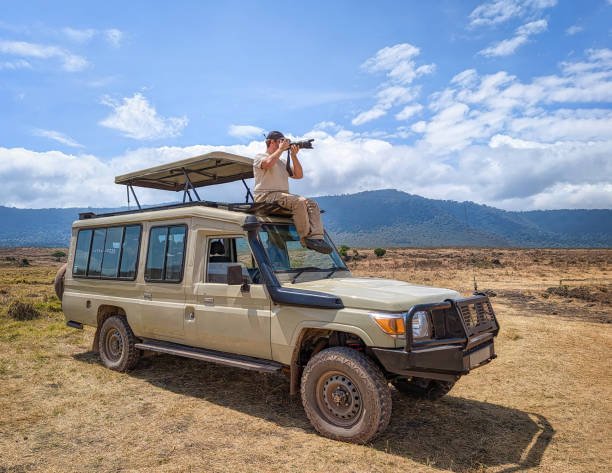
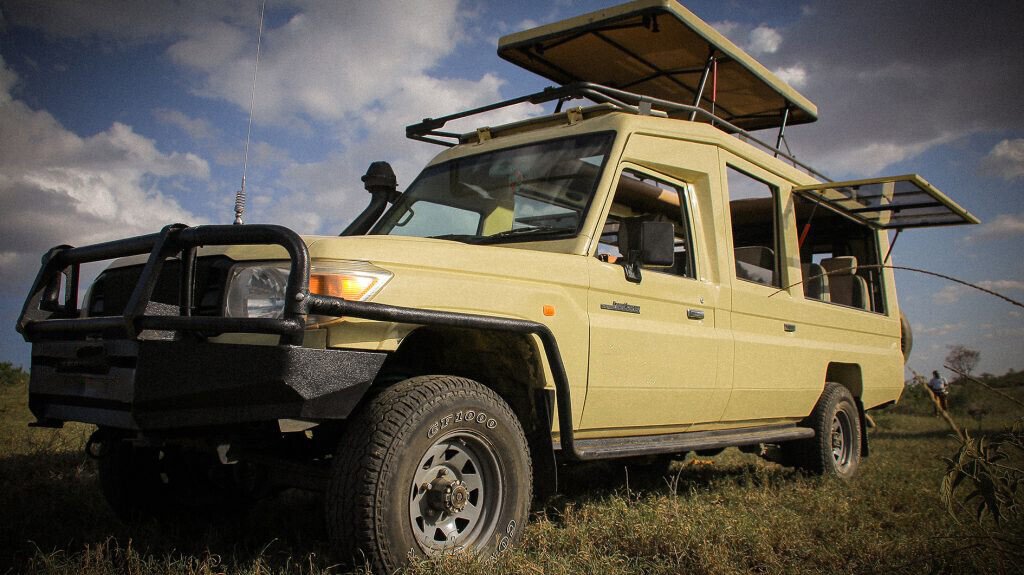
- Safari Vehicles: Most safaris use 4×4 Land Cruisers or Land Rovers with pop-up roofs for game viewing. Ensure your tour operator provides suitable vehicles.
- Kilimanjaro Logistics: Tour operators handle park entry, permits, guides, porters, and cooks.
- Zanzibar Transport: Taxis, private transfers, local dala-dalas (minibuses), and scooter/car rentals are available.
Accommodation Choices
- Safari Lodges/Tented Camps: Range from basic to ultra-luxury. Consider location (inside or outside parks), amenities, and reviews.
- Kilimanjaro Camping: Provided by tour operators; tents, mess tents, and sleeping gear are usually included.
- Zanzibar Hotels/Resorts: From boutique guesthouses in Stone Town to all-inclusive resorts on the coast.
Visas and Vaccinations
- Visas: Check the latest requirements for your nationality for Tanzania. Many can get visas on arrival or apply online.
- Vaccinations: Consult your doctor or a travel clinic 4-6 weeks before departure. Yellow Fever vaccination is often required if arriving from or transiting through an endemic country. Malaria prophylaxis is recommended for most areas.
- Travel Insurance: Absolutely essential. Ensure it covers medical emergencies, evacuation, trip cancellation, and lost luggage. For Kilimanjaro, ensure it covers high-altitude trekking and rescue.
Health and Safety
- Malaria: Take precautions (repellent, nets, medication).
- Sun Protection: High SPF sunscreen, hats, sunglasses are crucial, especially at altitude and on the coast.
- Hydration: Drink plenty of bottled or purified water.
- Food Safety: Eat at reputable establishments.
- General Safety: Be aware of your surroundings, especially in towns. Listen to your guide’s advice.
Step 4: Budgeting and Cost Considerations
Understanding costs is a vital part of Africa journey mapping. Prices can vary significantly.
Typical Cost Components for Tanzania Travel
| Category | Notes |
|---|---|
| Flights (International) | Major expense. Varies by origin and time of booking. |
| Tours & Activities | Safaris (per day), Kilimanjaro climb (package price), Zanzibar tours. This is a significant portion. |
| Accommodation | Lodges, camps, hotels. Varies greatly by luxury level. |
| Park Fees | Daily fees for national parks and conservation areas. Often included in tour packages. |
| Internal Flights | e.g., Arusha to Serengeti airstrip, or Arusha to Zanzibar. |
| Visas | Check current fees. |
| Vaccinations & Medications | Consult your doctor. |
| Travel Insurance | Essential. |
| Tips | For guides, drivers, porters, hotel staff. Budget accordingly. |
| Personal Expenses | Souvenirs, drinks, snacks, optional activities. |
Budgeting for 2026-2027 Trips
For 2026-2027 travel, start researching tour operator prices early. Popular times like the Great Migration (June-October) or Christmas/New Year will be more expensive. Booking in advance can sometimes secure better rates, especially for Kilimanjaro treks where permits are limited.
Safari Costs
Safari costs are typically priced per person per day and include vehicle, driver-guide, park fees, accommodation, and meals. Luxury safaris can be significantly more expensive than mid-range options.
Kilimanjaro Trek Costs
Kilimanjaro climbs are usually quoted as a package including park fees, crew (guides, porters, cooks), camping equipment, meals, and accommodation before/after the climb. The longer the route, the higher the cost. Operator reputation and safety standards are paramount, so don’t choose solely on price.
Zanzibar Costs
Zanzibar offers a wider range of pricing. High-end resorts are comparable to luxury safari lodges, while guesthouses and local eateries are very affordable. Activities like diving, spice tours, and transfers add to the cost.
Step 5: Planning Your Africa Journey Map – Putting It All Together
Now, consolidate your research into a clear plan.
Creating a Detailed Itinerary
For each day, outline:
- Location
- Accommodation
- Planned activities (e.g., morning game drive, afternoon hike, beach relaxation)
- Travel time between locations
- Meals included
Visualizing Your Route
A simple text-based map or ordered list can illustrate your journey’s flow.
Sample Tanzania Route Flow (Safari + Zanzibar Focus)
- Start: Kilimanjaro International Airport (JRO)
- Day 1-2: Arusha (Acclimatization, briefing)
- Day 3: Tarangire National Park (Game Drive)
- Day 4: Lake Manyara National Park (Game Drive)
- Day 5: Ngorongoro Crater (Descent for Game Drive)
- Day 6-8: Serengeti National Park (Game Drives, optional hot air balloon)
- Day 9: Fly from Serengeti Airstrip to Zanzibar (ZNZ)
- Day 9-12: Zanzibar (Stone Town Tour, Spice Tour, Beach Relaxation)
- End: Depart from Zanzibar (ZNZ) or fly back to JRO for departure.
Packing List Essentials
Tailor this to your specific activities.
General Packing Checklist
- Clothing: Lightweight, neutral-colored clothing for safari (long sleeves/pants for evenings), warm layers for Kilimanjaro (multiple thermal layers, fleece, down jacket), swimwear for Zanzibar, comfortable walking shoes, sturdy hiking boots (for Kilimanjaro).
- Health: Personal first-aid kit, prescription medications, insect repellent (DEET recommended), sunscreen, after-sun lotion, hand sanitizer.
- Gear: Binoculars, camera with extra batteries and memory cards, power bank, adapter, headlamp/torch, reusable water bottle.
- Documents: Passport, visa, flight tickets, insurance details, vaccination certificates, copies of important documents.
- Toiletries: Biodegradable toiletries if possible.
Common Mistakes to Avoid in Africa Journey Mapping
- Underestimating travel times: Distances can be vast, and roads can be rough.
- Not booking in advance: Especially for Kilimanjaro climbs, popular safari lodges, and peak season travel (2026-2027 is a good time to start planning for this).
- Ignoring visa and vaccination requirements: Can lead to denied entry or illness.
- Packing too much: Especially for Kilimanjaro where weight limits for porters apply.
- Not factoring in all costs: Park fees, tips, and personal expenses add up.
- Choosing a tour operator solely on price: Safety, guide quality, and equipment are crucial.
- Not building in rest days: Travel can be tiring; allow time to relax and acclimatize.
Step 6: Choosing the Right Tour Operator
For most travelers, especially for safaris and Kilimanjaro, a reputable tour operator is indispensable for effective Africa journey mapping. They handle complex logistics, permits, and ensure safety.
What to Look For in a Tour Operator
- Experience and Reputation: How long have they been operating in Tanzania? Read reviews.
- Safety Standards: Especially crucial for Kilimanjaro. Do they have certified guides? Emergency procedures? High-altitude support?
- Inclusions: What is covered in their price? Park fees, meals, accommodation, transfers, guides, vehicle type?
- Customization Options: Can they tailor an itinerary to your specific interests and budget?
- Communication: Are they responsive and clear in their communication?
- Sustainability Practices: Do they support local communities and conservation efforts?
Booking Advice for 2026-2027
Planning your Africa journey mapping for 2026-2027 should start now. Popular times like the Great Migration season (June-October) and the dry season for Kilimanjaro (January-March, June-October) book up quickly. For Kilimanjaro, permits can also be a limiting factor.
- Book early: Aim to book your Kilimanjaro trek or major safari components 6-12 months in advance.
- Confirm inclusions: Double-check what’s covered, especially park fees and emergency evacuation for Kilimanjaro.
- Understand cancellation policies: Especially important given potential global travel uncertainties.
- Payment schedules: Most operators require a deposit and the balance closer to the travel date.
Who is This Africa Journey Mapping Guide Best For?
This guide is ideal for:
- First-time visitors to Tanzania: Providing a structured approach to planning diverse experiences.
- Travelers combining multiple activities: Such as safari, Kilimanjaro, and Zanzibar.
- Those seeking a deeper understanding of the planning process: To ensure a well-organized and fulfilling trip.
- Independent planners: Who want to understand the components before engaging with a tour operator.
Alternatives to the Sample Itinerary
Your Africa journey mapping can be highly personalized. Consider these alternatives:
- Tanzania Safari Focus: Spend 10-14 days exploring multiple parks in depth, including less-visited ones like Ruaha or Selous (Nyerere National Park).
- Kilimanjaro and Zanzibar: A classic combination focusing on adventure and relaxation.
- Cultural Immersion: Focus on interactions with local communities, visiting villages, and exploring historical sites, perhaps combined with shorter safaris.
- Zanzibar and Pemba/Mafia: For those prioritizing beach life, diving, and snorkeling with a focus on island experiences.
FAQs About Africa Journey Mapping
Q1: How far in advance should I plan my Africa journey mapping for 2026-2027?
A1: For popular activities like Kilimanjaro treks or safaris during peak seasons (e.g., Great Migration), it’s advisable to start planning and booking 9-12 months in advance for 2026-2027. For general travel, 3-6 months is often sufficient, but earlier is always better for securing preferred options.
Q2: What is the best time for a safari in Tanzania?
A2: The best time for wildlife viewing is generally during the dry seasons: June to October and December to February. The Great Migration is typically in the Serengeti from May/June and moves north towards Kenya later in the year, returning to Tanzania around October/November. However, wildlife is present year-round.
Q3: Is it safe to travel to Tanzania?
A3: Tanzania is generally considered safe for tourists, especially when traveling with reputable tour operators. Standard precautions against petty crime in urban areas and awareness of health risks like malaria are important. Following your guide’s advice is key.
Q4: How much should I budget for tips in Tanzania?
A4: Tipping is customary and appreciated. For safaris, budget around $20-30 per day for your driver-guide. For Kilimanjaro climbs, tips for guides, porters, and cooks are usually pooled and range from $200-300 per climber for the entire trek. Zanzibar staff also appreciate tips for good service.
Q5: Can I do a self-drive safari in Tanzania?
A5: While technically possible, self-drive safaris are not recommended for most tourists in Tanzania due to challenging road conditions, navigation difficulties, and the need for specific park permits and knowledge. Using a professional driver-guide is highly recommended for safety and a better wildlife viewing experience.
Q6: What’s the difference between a lodge and a tented camp on safari?
A6: Lodges are typically permanent structures with solid walls and roofs, often with more amenities. Tented camps use canvas tents, which can range from basic canvas shelters to luxurious structures with en-suite bathrooms and proper beds, offering a more immersive bush experience.
Q7: How physically demanding is climbing Kilimanjaro?
A7: Kilimanjaro is a high-altitude trek and is physically demanding. While it doesn’t require technical climbing skills, significant cardiovascular fitness and acclimatization are essential. The main challenges are altitude sickness and the sustained effort over several days. Choosing a reputable operator that prioritizes safety and acclimatization is crucial.
Q8: What are the best beaches in Zanzibar?
A8: For lively beaches with water sports and sunset views, Nungwi and Kendwa on the north coast are popular. For kite surfing and a more laid-back vibe, Paje and Jambiani on the southeast coast are excellent choices. Matemwe offers tranquility and access to Mnemba Atoll for snorkeling and diving.
Q9: What currency should I use in Tanzania?
A9: The local currency is the Tanzanian Shilling (TZS). However, US Dollars are widely accepted for park fees, tour operator payments, and in many tourist establishments. It’s useful to have some Shillings for smaller purchases in local markets or for tips.
Q10: Do I need to be vaccinated for Yellow Fever for Tanzania?
A10: A Yellow Fever vaccination certificate is often required if you are arriving from or have transited through a country with a risk of Yellow Fever transmission. It’s always best to check the latest requirements with your local embassy or a travel health professional before your trip.
Q11: How can I ensure my 2026-2027 trip is sustainable?
A11: Choose tour operators with strong eco-credentials and community engagement. Respect wildlife viewing guidelines, minimize plastic use, conserve water and energy, and be mindful of local customs and traditions. Supporting local businesses and buying local crafts also contributes.
Q12: What is the best way to book my Africa journey mapping services?
A12: Contacting experienced local tour operators directly is the most effective way to book personalized Africa journey mapping services. They have on-the-ground expertise and can tailor packages precisely to your needs.
Begin Your Africa Journey Mapping Today
Crafting your perfect African adventure requires careful planning. Whether you dream of witnessing the Great Migration, standing atop Kilimanjaro, or relaxing on Zanzibar’s shores, a well-defined journey map is your essential tool. Let us help you create an unforgettable experience tailored to your desires.
Ready to start planning your unique Africa journey mapping experience for 2026-2027? Get in touch with our experts to discuss your safari, Kilimanjaro trek, Zanzibar holiday, or custom itinerary. We are here to guide you every step of the way.
Contact us:
WhatsApp: +255616946642
Email: topguideadventures@gmail.com
Backup Email: info@topguideadventures.com
Plan your Africa Journey Mapping Guide with Top Guide Adventures
Tell us your travel dates, group size, comfort level, and dream experience. We will help you shape a clear, realistic, and memorable Tanzania itinerary.



