
The first recorded successful summit of Mount Kilimanjaro was achieved on October 5, 1889, by German geographer and explorer Hans Meyer, accompanied by Austrian alpinist Ludwig Purtscheller and guided by the local Chagga guide, Yohani Lauwo. Their expedition marked a significant milestone in the exploration of Africa’s highest peak.
The Genesis of a Quest: Why Climb Kilimanjaro?
Mount Kilimanjaro, a majestic stratovolcano rising from the plains of Tanzania, has always held an allure for explorers, scientists, and adventurers. Its sheer size and imposing presence, visible from miles around, naturally drew the attention of those seeking to understand and conquer the unknown. By the late 19th century, Africa was a continent ripe for exploration, and its highest points represented significant challenges and opportunities for scientific discovery and personal achievement. The quest to reach Kilimanjaro’s summit was not merely about planting a flag; it was driven by a desire to map uncharted territories, study unique ecosystems, and push the boundaries of human endurance.
Among the many who were drawn to Kilimanjaro’s call, Hans Meyer stood out. A geographer by profession and an adventurer by spirit, Meyer was fascinated by the mountain’s geological significance and its potential as a scientific study subject. He envisioned not just climbing it, but understanding its formation, its climatic zones, and its place in the broader African landscape. His ambition was intertwined with the scientific curiosity of the era, where geographical surveys and geographical discoveries were paramount.
The Key Figures in the First Ascent
The historic first ascent of Mount Kilimanjaro was a collaborative effort, requiring the specific skills and determination of three individuals: Hans Meyer, Ludwig Purtscheller, and Yohani Lauwo. Each played an indispensable role, bringing a unique contribution to the expedition’s success.
Hans Meyer: The Visionary Geographer
Born in Insterburg, Prussia (now Chernyakhovsk, Russia) in 1858, Hans Meyer was a seasoned traveler and geographer with a deep interest in East Africa. He had already made previous attempts to climb Kilimanjaro, facing numerous challenges that highlighted the difficulties involved. Meyer’s primary motivation was scientific: he aimed to accurately measure the mountain’s height, study its glacial formations, and document its diverse flora and fauna across its altitudinal zones. His meticulous planning and persistent drive were crucial in organizing the expedition that would ultimately succeed. Meyer’s detailed notes and subsequent publications brought Kilimanjaro into the global spotlight, inspiring future generations of climbers and scientists.
Ludwig Purtscheller: The Experienced Alpinist
Ludwig Purtscheller, an Austrian mountaineer and geologist, brought invaluable climbing expertise to the team. Having already achieved several notable ascents in the Alps, Purtscheller possessed the technical skills and the physical fortitude necessary for high-altitude mountaineering. His experience in navigating challenging terrain and his understanding of alpine conditions were critical assets. Purtscheller’s role was to provide the climbing prowess, ensuring that the physical ascent of Kilimanjaro’s steep slopes and icy summit could be managed safely. His presence alongside Meyer provided a balance of scientific ambition and practical mountaineering capability.
Yohani Lauwo: The Indispensable Local Guide
No account of the first ascent of Mount Kilimanjaro would be complete without recognizing the profound contribution of Yohani Lauwo. A member of the Chagga people, who have lived on the fertile slopes of Kilimanjaro for centuries, Lauwo possessed intimate knowledge of the mountain. He understood its paths, its weather patterns, and its dangers in a way that no outsider could. His guidance was not just about navigation; it was about survival. Lauwo’s expertise in identifying safe routes, finding water sources, and understanding the local environment was fundamental to the expedition’s success. He represented the deep connection between the local people and the mountain, a connection that has always been essential for anyone attempting to climb Kilimanjaro, from the first ascents to modern-day expeditions in 2026 and 2027.
Previous Attempts and Challenges
The success of Meyer and Purtscheller in 1889 was built upon the experiences and failures of those who came before them. The formidable nature of Kilimanjaro meant that reaching its summit was no easy feat. Early expeditions often underestimated the mountain’s scale, the unpredictable weather, and the logistical complexities of operating at high altitudes.
One of the most notable earlier attempts was led by the Austrian geographer and explorer Dr. Karl Klaus von der Decken in 1861. Accompanied by the British geologist Richard Thornton, von der Decken aimed to reach the summit. While they made significant progress, reaching an estimated altitude of around 4,000 meters (13,000 feet) on the Kibo cone, they were forced to turn back due to heavy snow and the sheer difficulty of the terrain. Von der Decken’s expedition provided crucial early information about the mountain’s structure and the challenges of its upper reaches. His detailed observations laid some groundwork for future attempts.
Other explorers also faced setbacks. The extreme weather, including sudden blizzards and freezing temperatures, proved to be a major obstacle. The lack of adequate equipment for high-altitude climbing and the limited understanding of altitude sickness meant that many expeditions were ill-prepared for the harsh conditions above the tree line. Furthermore, the sheer remoteness of Kilimanjaro and the difficulties in organizing supply lines added to the challenges. These earlier attempts, though unsuccessful in reaching the very summit, were vital in understanding the mountain’s formidable nature and in developing the knowledge base that Meyer and Purtscheller would later leverage.
The 1889 Expedition: Planning and Preparation
Hans Meyer, having learned from his previous attempts and the accounts of others, meticulously planned his 1889 expedition. He understood that success required not only scientific curiosity and climbing skill but also robust logistical support and local knowledge. The selection of Ludwig Purtscheller as his climbing partner was strategic, bringing a seasoned mountaineer to the team. The crucial element, however, was securing a guide who knew the mountain intimately.
Meyer sought out and found Yohani Lauwo, a man whose understanding of Kilimanjaro was unparalleled. Lauwo was not just a porter; he was an expert navigator and survivalist on the mountain. His knowledge of the Chagga trails, water sources, and safe passages was indispensable. Meyer recognized that the success of his scientific objectives and the personal safety of himself and Purtscheller depended heavily on Lauwo’s guidance.
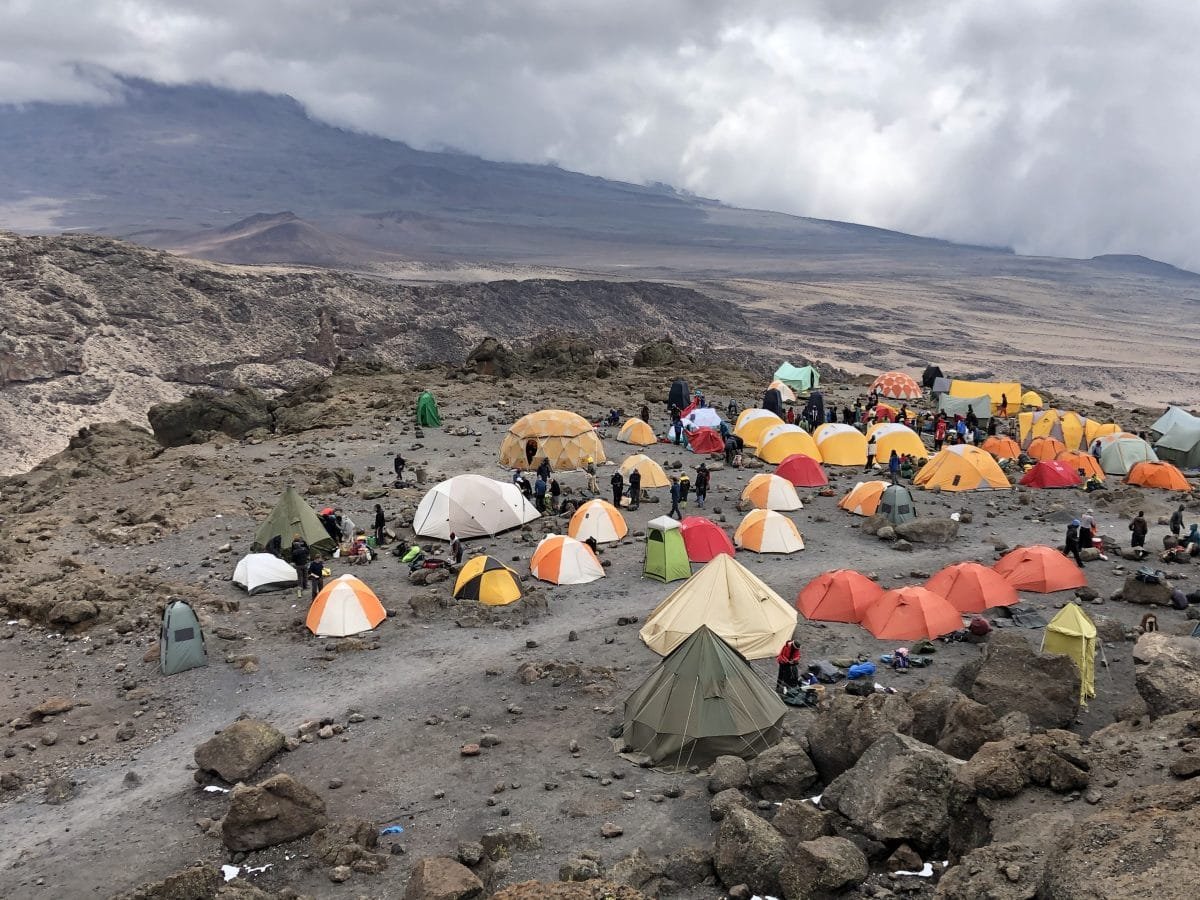
The expedition began its ascent from the lower slopes, gradually acclimatizing and establishing camps as they moved higher. The journey involved navigating dense forests, alpine meadows, and eventually the barren, rocky, and icy terrain of the upper slopes. The team carried essential equipment for scientific observation, survival, and climbing, including ropes, ice axes, and provisions. The planning also had to account for the unpredictable weather patterns that characterize Kilimanjaro, even in the late 19th century.
The Climb to the Summit
The ascent of Kilimanjaro in 1889 was a testament to human perseverance and the critical role of local knowledge. Hans Meyer, Ludwig Purtscheller, and Yohani Lauwo faced a formidable challenge as they climbed Kibo, Kilimanjaro’s highest volcanic cone. The route was arduous, marked by steep scree slopes, treacherous ice formations, and the ever-present threat of extreme cold and altitude sickness.
Under Lauwo’s expert guidance, the team navigated the challenging terrain. They moved slowly, allowing their bodies to adjust to the thinning air. Each step was a victory against the mountain’s imposing altitude. Meyer’s scientific observations continued throughout the climb, documenting the changing vegetation and geological features. Purtscheller’s climbing skills were vital in overcoming difficult sections, particularly as they approached the crater rim and the glacial areas.
The final push to the summit was the most demanding phase. The team likely ascended under the cover of darkness to reach the summit for sunrise, a common strategy even today for Kilimanjaro climbs in 2026 and 2027 to manage temperature and exertion. The cold was intense, and the thin air made every movement exhausting. However, the shared determination of Meyer, Purtscheller, and Lauwo, coupled with Lauwo’s unwavering guidance, propelled them forward.
The Moment of Triumph: October 5, 1889
On October 5, 1889, Hans Meyer, Ludwig Purtscheller, and Yohani Lauwo stood together on the highest point of Kilimanjaro, Uhuru Peak. It was a moment of profound achievement, marking the culmination of years of ambition and a grueling expedition. They had conquered Africa’s rooftop, a feat that had eluded many before them. Meyer collected rock and ice samples, conducted measurements, and reveled in the scientific significance of their accomplishment. Purtscheller, the seasoned mountaineer, had successfully navigated the challenging climb. And Yohani Lauwo, the Chagga guide, had once again demonstrated his mastery of the mountain, leading the explorers to their goal.
This successful ascent not only fulfilled Meyer’s scientific aspirations but also captured the imagination of the world. It proved that Kilimanjaro, despite its formidable challenges, could be summited. The achievement was widely reported, cementing Kilimanjaro’s status as a significant peak in global mountaineering history. The story of these three individuals, working together, became a narrative of human endeavor, scientific curiosity, and the vital importance of local knowledge in exploring remote and challenging environments.
The Legacy of the First Summiters
The successful ascent of Mount Kilimanjaro by Hans Meyer, Ludwig Purtscheller, and Yohani Lauwo in 1889 left an indelible mark on history. Their achievement was more than just a personal triumph; it opened the door for future exploration, scientific study, and eventually, tourism on Kilimanjaro.
Scientific Contributions
Hans Meyer’s meticulous documentation of the mountain’s geology, flora, and fauna provided invaluable data for scientific understanding. His measurements helped to establish Kilimanjaro’s height more accurately, and his observations on the glaciated summit were crucial for later studies of climate change and glacial retreat. The samples he collected contributed to a growing body of knowledge about East African geography and ecology. The scientific legacy of Meyer’s expedition continues to be relevant, informing research and conservation efforts on Kilimanjaro today, and will be critical for understanding environmental shifts into 2026 and 2027.
Inspiring Future Climbers
The story of Meyer, Purtscheller, and Lauwo’s climb became a legendary tale, inspiring countless individuals to attempt the summit of Kilimanjaro. It demonstrated that with proper planning, skilled guidance, and unwavering determination, the highest point in Africa was attainable. This has fueled the growth of Kilimanjaro trekking as a popular adventure activity, supporting local economies and providing unique challenges for adventurers from around the globe.
Recognition of Local Expertise
Crucially, the expedition highlighted the indispensable role of local guides like Yohani Lauwo. His deep knowledge of the mountain, honed over generations, was a key factor in the success of the first ascent. This recognition underscores the importance of respecting and collaborating with local communities and guides in any mountain expedition. Today, the expertise of Chagga guides and porters remains central to the safety and success of every Kilimanjaro climb, a tradition that Top Guide Adventures proudly upholds for all its clients planning expeditions in 2026 and 2027.
Kilimanjaro Today: A Modern Perspective
Since the pioneering ascent of 1889, Mount Kilimanjaro has transformed from a mysterious, unconquered peak into one of the world’s most sought-after trekking destinations. Millions of travelers have since followed in the footsteps of Meyer, Purtscheller, and Lauwo, drawn by the allure of standing on the Roof of Africa.
While the goal remains the same – to reach Uhuru Peak – the experience of climbing Kilimanjaro in 2026 or 2027 is vastly different from that of the late 19th century. Modern expeditions benefit from established routes, improved safety protocols, and a professional guiding industry. Companies like Top Guide Adventures are dedicated to providing safe, enjoyable, and responsible trekking experiences. They focus on acclimatization, proper nutrition, and supporting the well-being of every climber, ensuring a higher success rate and a more comfortable journey.
The routes have been refined, offering varied experiences from the challenging Lemosho and Machame routes to the more gradual Marangu and Rongai. Each path presents unique vistas and challenges, allowing climbers to choose an adventure that best suits their fitness and preferences. The infrastructure has also developed, with designated campsites and huts providing shelter and basic amenities. However, the spirit of adventure and the profound connection with nature that motivated the first summiteers remain at the heart of the Kilimanjaro climbing experience.
Choosing Your Kilimanjaro Expedition in 2026-2027
Planning a Kilimanjaro climb for 2026 or 2027 requires careful consideration of several factors, mirroring the strategic approach taken by Hans Meyer himself, albeit with modern conveniences. The choice of route, duration, and the tour operator significantly impacts the overall experience and success rate.
Route Selection
The route is perhaps the most critical decision. Longer routes, such as the Lemosho or Machame, generally offer better acclimatization profiles, increasing the chances of reaching the summit. They also provide more scenic beauty and a greater sense of solitude. Shorter routes like Marangu (often called the Coca-Cola route) or Rongai are popular for their relative ease of access and affordability, but they come with a lower success rate due to rushed acclimatization.
Machame Route: Known for its scenic beauty and “climbing high, sleeping low” strategy, it’s a popular choice for trekkers seeking a good balance of challenge and acclimatization. Typically 6-7 days.
Lemosho Route: Offers spectacular views and excellent acclimatization, often considered one of the most beautiful routes. Typically 7-8 days.
Marangu Route: The oldest and most direct route, often called the “Coca-Cola” route. It’s unique for its hut accommodation but is generally considered to have a lower success rate due to its steepness and faster ascent profile. Typically 5-6 days.
Rongai Route: Approaches from the north, offering a drier climate and different scenery. It’s a good option during the rainy season. Typically 6-7 days.
Northern Circuit: The longest route, offering the highest success rates due to superior acclimatization. It circles the mountain, providing extensive views. Typically 9-10 days.
Umbwe Route: The most challenging and direct route, suitable only for experienced hikers with excellent physical condition and acclimatization knowledge. Typically 5-6 days.
Duration and Acclimatization
The length of the trek is directly related to acclimatization. The general rule of thumb is that the longer you spend on the mountain, the better your body will adapt to the altitude, and the higher your chance of success. While a 5-day trek is possible, most reputable operators, including Top Guide Adventures, recommend a minimum of 6 days, with 7 or 8 days being ideal for most climbers. This allows for proper acclimatization, reducing the risk of altitude sickness and increasing the enjoyment of the trek.
Choosing a Reputable Tour Operator
Selecting a trustworthy tour operator is paramount for safety, ethical treatment of staff, and a successful climb. Look for companies that:
- Prioritize safety with experienced guides certified in wilderness first aid.
- Have a strong commitment to ethical treatment of porters and guides (e.g., fair wages, proper gear, adequate food).
- Offer comprehensive pre-climb briefings and support.
- Provide detailed itineraries and clear inclusions/exclusions.
- Have a proven track record and positive reviews.
Top Guide Adventures is committed to these principles, ensuring your Kilimanjaro adventure in 2026 or 2027 is both memorable and safe. We understand that the spirit of exploration that drove Hans Meyer and his companions is still alive, and we aim to facilitate that spirit responsibly.
The Role of Guides and Porters Today
The team that supports a modern Kilimanjaro climb is extensive and highly professional. Guides are trained in altitude medicine, navigation, and emergency response. Porters carry the bulk of the equipment, including tents, food, and personal gear, enabling climbers to focus on the ascent. Cooks prepare nutritious meals at high altitudes, and assistants ensure everything runs smoothly.
The camaraderie and support offered by the mountain crew are often cited as highlights of the Kilimanjaro experience. They are the inheritors of the knowledge held by guides like Yohani Lauwo, possessing an intimate understanding of the mountain and a deep commitment to their clients’ safety and success. Ethical treatment of these vital team members is a cornerstone of responsible tourism, a value Top Guide Adventures champions.
Preparing for Your Kilimanjaro Climb
While the first ascent was an expedition of raw courage and pioneering spirit, preparing for Kilimanjaro today involves a more structured approach, blending physical conditioning with practical planning. The aim is to emulate the determination of Hans Meyer and Ludwig Purtscheller while benefiting from the wisdom passed down from guides like Yohani Lauwo.
Physical Conditioning
Kilimanjaro is a non-technical climb, meaning no ropes or ice climbing gear are typically required. However, it is a strenuous trek that demands excellent cardiovascular fitness and endurance. Key preparation includes:
- Cardiovascular Exercise: Engage in regular activities like running, cycling, swimming, or hiking for at least 3-4 times a week, several months before your climb. Focus on endurance.
- Strength Training: Strengthen your legs (quadriceps, hamstrings, calves) and core. Squats, lunges, and step-ups are particularly beneficial.
- Hiking Practice: Simulate trekking conditions by hiking with a weighted backpack, ideally on hilly terrain, for several hours at a time. This helps your body adapt to prolonged exertion and carrying weight.
- Altitude Simulation: If possible, spend time at higher altitudes before your trip. Even short trips to mountainous regions can aid acclimatization.
Gear and Equipment
Having the right gear is crucial for comfort and safety. Layering is key to managing the extreme temperature fluctuations, from the humid rainforest at the base to the freezing summit. Essential items include:
- Layering System: Base layers (moisture-wicking), mid-layers (fleece or down for insulation), and an outer shell (waterproof and windproof jacket and pants).
- Footwear: Broken-in, waterproof hiking boots are essential. Bring comfortable socks (wool or synthetic).
- Headwear: A warm hat for cold weather and a sun hat for daytime.
- Gloves: Warm, waterproof gloves and liner gloves.
- Sleeping Bag: A 4-season sleeping bag rated for sub-zero temperatures.
- Trekking Poles: Highly recommended for reducing strain on knees during descents and providing stability.
- Headlamp: With extra batteries, for pre-dawn summit pushes and camp use.
- Sun Protection: High SPF sunscreen, sunglasses, and lip balm.
- Hydration: Water bottles or a hydration reservoir. Water purification tablets or a filter are also useful.
Top Guide Adventures provides a comprehensive gear list to all clients, ensuring you are well-prepared for the conditions you will encounter on Kilimanjaro, whether you climb in 2026 or 2027.
Health and Vaccinations
Consult your doctor or a travel clinic well in advance of your trip to discuss necessary vaccinations and malaria precautions. While Kilimanjaro itself is generally malaria-free due to its altitude, the surrounding areas are not. Diamox (acetazolamide) is often prescribed to help with altitude sickness prevention and management, and your doctor can advise if it’s suitable for you.
The Enduring Spirit of Adventure
The journey of Hans Meyer, Ludwig Purtscheller, and Yohani Lauwo to the summit of Mount Kilimanjaro in 1889 represents more than just a historical event; it embodies the enduring spirit of human exploration. Their quest, driven by scientific curiosity, mountaineering ambition, and invaluable local knowledge, paved the way for countless others.
Today, when trekkers prepare for their own Kilimanjaro adventures in 2026 and 2027, they are, in a way, continuing this legacy. The mountain still challenges, inspires, and rewards those who venture to its heights. The lessons learned from those first ascents – the importance of preparation, respect for nature, and the power of collaboration – remain as relevant as ever.
Top Guide Adventures is proud to be part of this ongoing story. We are dedicated to providing the highest standards of service, safety, and ethical operation, ensuring that your journey to the Roof of Africa is a profound and unforgettable experience. We honor the pioneering spirit of Hans Meyer, the climbing expertise of Ludwig Purtscheller, and the essential guidance of Yohani Lauwo by helping adventurers achieve their dreams on Kilimanjaro, safely and responsibly.
For those planning their own Kilimanjaro expedition, whether for 2026, 2027, or beyond, we invite you to connect with us. Let us help you craft an adventure that pays homage to the mountain’s history while creating your own personal triumph. Reach out to us for personalized advice and to start planning your ascent:
Contact Top Guide Adventures:
- WhatsApp: +255 616 946 642
- Email: topguideadventures@gmail.com
- Backup Email: info@topguideadventures.com
- Website: www.topguideadventures.com
- Instagram: @top_guide_adventures
We look forward to helping you achieve your Kilimanjaro summit dream!
“,
“faq_schema”: [
{
“question”: “Who were the first people to officially summit Mount Kilimanjaro?”,
“answer”: “The first recorded successful summit of Mount Kilimanjaro was achieved on October 5, 1889, by German geographer Hans Meyer, Austrian alpinist Ludwig Purtscheller, and their Chagga guide, Yohani Lauwo.”
},
{
“question”: “What were the primary motivations for the first Kilimanjaro expedition?”,
“answer”: “Hans Meyer’s primary motivation was scientific, aiming to measure the mountain’s height and study its geology and ecosystems. Ludwig Purtscheller provided the mountaineering expertise. Both were driven by the spirit of exploration prevalent in the late 19th century.”
},
{
“question”: “What role did Yohani Lauwo play in the first ascent?”,
“answer”: “Yohani Lauwo, a local Chagga guide, played an indispensable role. His intimate knowledge of the mountain’s terrain, weather patterns, and safe passages was crucial for the expedition’s navigation and survival, making him a key figure in their success.”
},
{
“question”: “Were there earlier attempts to climb Kilimanjaro before Hans Meyer’s success?”,
“answer”: “Yes, there were earlier attempts, notably by Dr. Karl Klaus von der Decken in 1861. However, these expeditions were forced to turn back due to challenging conditions and lack of adequate preparation for high-altitude mountaineering.”
},
{
“question”: “How does climbing Kilimanjaro today compare to the first ascent?”,
“answer”: “Modern Kilimanjaro climbs benefit from established routes, safety protocols, better equipment, and professional guiding services. While the goal remains the same, the experience is significantly safer and more comfortable today than the pioneering expedition of 1889.”
},
{
“question”: “What is the best time to climb Kilimanjaro in 2026 or 2027?”,
“answer”: “The best times to climb Kilimanjaro are typically during the dry seasons: January to March and June to October. These periods offer clearer skies and more stable weather conditions, increasing your chances of a successful and enjoyable summit attempt in 2026 and 2027.”
},
{
“question”: “How long does it typically take to climb Kilimanjaro?”,
“answer”: “Most reputable operators recommend a minimum of 6 days for a Kilimanjaro climb to allow for adequate acclimatization. Longer routes, like 7 or 8 days, offer higher success rates and a more comfortable experience. The first ascent likely took a significant amount of time due to the lack of established infrastructure.”
},
{
“question”: “What are the main routes for climbing Kilimanjaro?”,
“answer”: “Popular routes include Machame, Lemosho, Marangu, Rongai, Northern Circuit, and Umbwe. Each offers different scenery, difficulty levels, and acclimatization profiles. The choice depends on individual fitness, experience, and desired trekking style.”
}
]
}
“`
Check Availability for First People To Summit Mount Kilimanjaro – Hans Meyer, Ludwig Purtscheller
Ready to compare dates, prices, and the best option for your group? Send the package name and travel month so the team can reply with a clear quote, availability, and what is included.
We Are Arriving At Kilimanjaro Airport, What Safari Itinerary Should We Do?
Planning your safari upon arrival at Kilimanjaro Airport (JRO)? This guide provides tailored safari itineraries for 2026-2027, focusing on Northern Tanzania's iconic parks like the...
View package details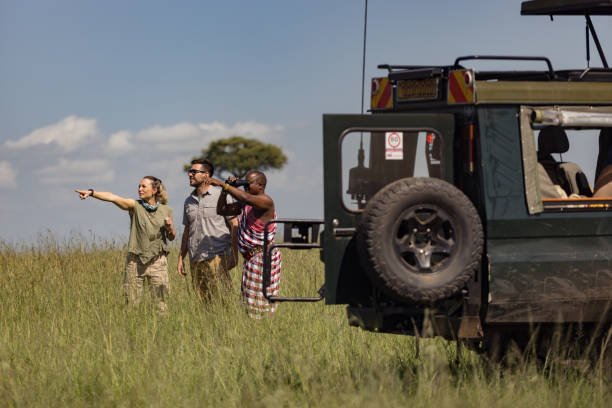
Joining Group Climbs On Kilimanjaro When Traveling Alone In 2026-2027
Traveling to Kilimanjaro alone? Discover how you can easily join an existing group climb, making your solo adventure more social and cost-effective for 2026-2027. Learn about departure...
View package details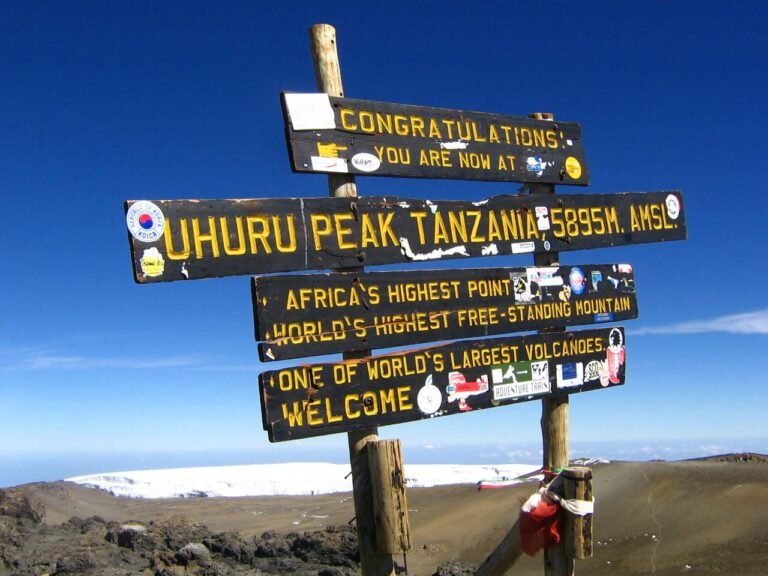
What Does Kilimanjaro Rainforest Look Like? A Trekkers Visual Guide 2026-2027
The Kilimanjaro rainforest is a vibrant, humid zone of dense vegetation, towering trees, and diverse plant life found on the mountain's lower slopes. It's the first major ecosystem trekkers...
View package details
Kilimanjaro Climb With A Personal Support Assistant: Your Ultimate Guide
Climbing Mount Kilimanjaro with a personal support assistant offers unparalleled safety, comfort, and focus on your summit goals. This guide details what a personal assistant entails, its...
View package details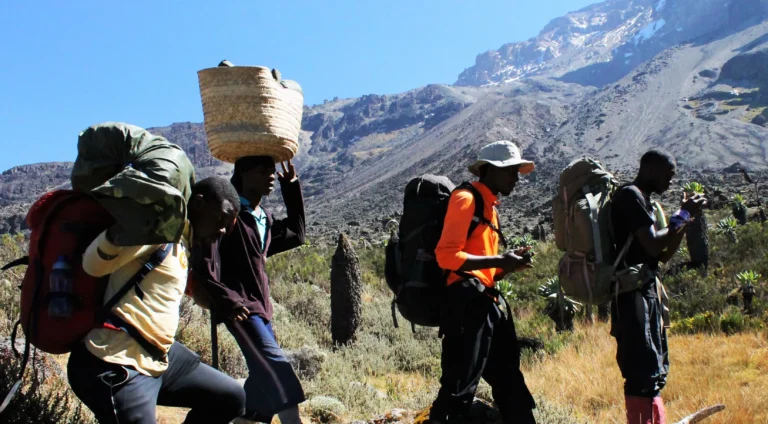
How To Know Whether You Are Ready For Kilimanjaro: A Comprehensive Guide
Climbing Mount Kilimanjaro is a significant undertaking. This guide helps you evaluate your physical, mental, and logistical readiness to ensure a safe and successful trek in 2026 or 2027...
View package details
Kilimanjaro Hydration Mistakes Climbers Make And How To Avoid Them 2026-2027
Proper hydration is critical for a successful Kilimanjaro climb. This guide details common hydration mistakes climbers make, from under-drinking to choosing the wrong fluids, and provides...
View package detailsWhich Local Tanzania Safari Companies Are Trustworthy In ? 2026-2027
Choosing a trustworthy local Tanzania safari company is crucial for a memorable and safe adventure. This guide helps you identify reliable operators for your 2026-2027 trip, covering...
View package detailsNo related package matches those filters. Clear one or more filters to see the other topic-matched options.



