
Updated planning guide for 2026-2027
Tanzania Vs Kenya Safari: Which Is Better?: Best Guide 2026-2027
Compare Tanzania and Kenya safaris in this in-depth guide. Discover which destination offers the wildlife viewing, landscapes, and experiences that best suit your travel style for 2026-2027.
WhatsApp +255616946642 | topguideadventures@gmail.com | info@topguideadventures.com
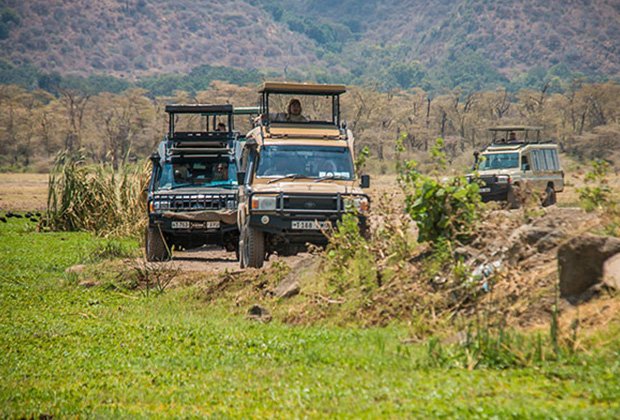
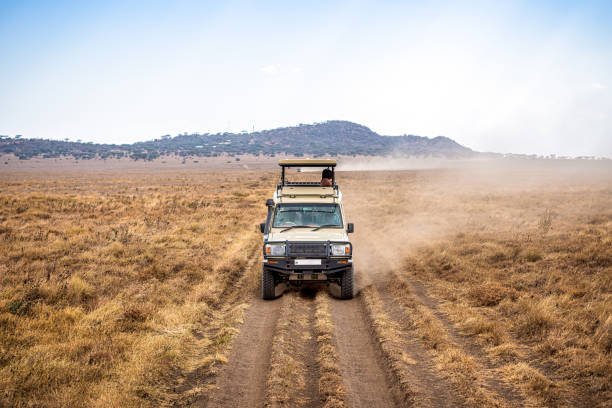
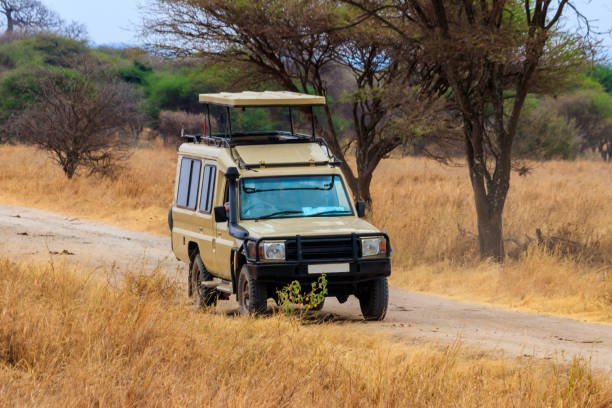
Tanzania vs Kenya Safari: Which Is Better?
Choosing between a safari in Tanzania and Kenya is a classic dilemma for any traveler dreaming of East Africa. Both countries offer world-class wildlife viewing, dramatic landscapes, and unforgettable encounters with nature. However, they present distinct experiences that cater to different preferences and priorities. Understanding these differences is key to planning a safari that perfectly matches your expectations for 2026-2027.
This comprehensive guide will dissect the Tanzania vs Kenya safari question, exploring their unique strengths, iconic parks, wildlife spectacles, and overall travel styles. Whether you’re a first-time safari-goer or a seasoned wildlife enthusiast, by the end of this article, you’ll have a clearer picture of which destination is the better fit for your upcoming adventure.
Quick Overview: Tanzania vs Kenya Safari
| Feature | Tanzania | Kenya |
|---|---|---|
| Iconic Parks | Serengeti, Ngorongoro Crater, Tarangire, Ruaha, Selous (Nyerere) | Masai Mara, Amboseli, Samburu, Tsavo, Lake Nakuru |
| Great Migration | Primary location for the bulk of the year (Serengeti) | Crossings into Masai Mara (July-October) |
| Wildlife Density | Extremely high, especially in Serengeti and Ngorongoro | Very high, particularly in Masai Mara and Amboseli |
| Landscape Diversity | Vast plains, crater highlands, vast wilderness areas, coastlines | Savanna, volcanic hills, semi-arid scrub, Rift Valley lakes |
| Safari Style | Often more spacious, fewer vehicles in some areas, excellent for migration | Can be more crowded in peak season (Masai Mara), diverse activities |
| Accommodation | Wide range from luxury lodges to tented camps, some unique options | Extensive range, from budget to ultra-luxury, many well-established options |
| Activities | Game drives, walking safaris (limited areas), cultural visits | Game drives, walking safaris, night drives (in select conservancies), hot air ballooning, cultural visits |
| Accessibility | Arusha as a hub, internal flights, longer driving distances between parks | Nairobi as a hub, good road networks to popular parks, internal flights |
| Unique Selling Points | Ngorongoro Crater’s concentration of wildlife, vastness of Serengeti, off-the-beaten-path southern parks | Masai Mara’s migration spectacle, elephant herds in Amboseli with Kilimanjaro backdrop, unique Samburu ecosystem |
Why Does the Tanzania vs Kenya Safari Choice Matter?
The decision between a Tanzania vs Kenya safari is more than just picking a country; it’s about defining the core of your wildlife experience. Each nation boasts its own set of crown jewels, offering distinct ecological niches and visitor experiences. Your choice will shape everything from the landscapes you witness to the specific wildlife spectacles you encounter.
For instance, if witnessing the Great Migration in its full glory is your absolute top priority, understanding the precise timing and location within the Serengeti (Tanzania) or the Masai Mara (Kenya) is crucial. If you dream of seeing vast herds of elephants against the iconic silhouette of Mount Kilimanjaro, Amboseli National Park in Kenya is your destination. Conversely, the unique caldera of the Ngorongoro Crater in Tanzania offers an unparalleled density of predators and other wildlife in a compact, breathtaking setting.
Furthermore, the operational aspects differ. Tanzania’s parks are vast, often requiring more travel time between them, which can lend a sense of remoteness and exclusivity. Kenya’s popular parks are generally more accessible from Nairobi, and while this can mean more vehicles in certain areas, it also offers logistical ease for shorter trips or multi-park itineraries. The types of activities available, like night game drives or extensive walking safaris, can also vary by park and conservancy regulations in each country.
Ultimately, the Tanzania vs Kenya safari choice hinges on aligning your personal safari aspirations with the specific offerings of each nation. This guide aims to provide the detailed insights needed to make that informed decision for your 2026-2027 travels.
Understanding the Top Safari Destinations
Both Tanzania and Kenya are home to some of Africa’s most celebrated wildlife reserves. Let’s break down the key parks and what makes them special:
Tanzania’s Premier Parks
- Serengeti National Park: The undisputed star for many. Famous for its endless plains and being the stage for the Great Migration. The sheer scale is immense, offering incredible predator-prey interactions year-round.
- Ngorongoro Conservation Area (including the Crater): A UNESCO World Heritage Site. The Ngorongoro Crater is a natural amphitheater teeming with wildlife, boasting one of the highest densities of animals in Africa, including the rare black rhino. It’s a must-visit for its unique ecosystem.
- Tarangire National Park: Known for its large elephant herds, especially during the dry season when they congregate around the Tarangire River. Also home to unique baobab trees and diverse birdlife.
- Lake Manyara National Park: Famous for its tree-climbing lions and large troops of baboons. The park’s compact size and varied habitats (forest, woodland, lake) make for excellent game viewing.
- Ruaha National Park: Tanzania’s largest national park, offering a wilder, less-visited experience. It’s known for its large lion prides and significant elephant and buffalo populations.
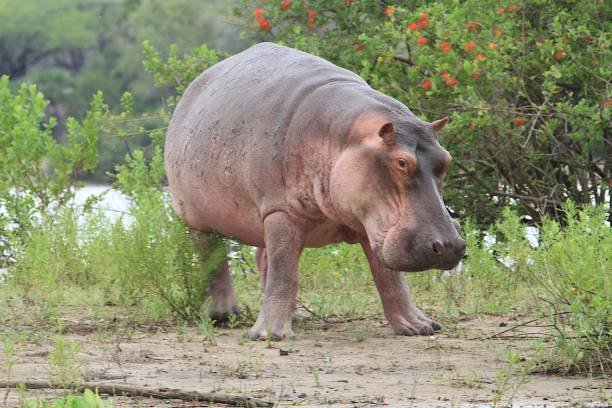
- Nyerere National Park (formerly Selous Game Reserve): One of Africa’s largest game reserves, offering a more remote feel. Famous for its boat safaris on the Rufiji River, allowing unique views of hippos, crocodiles, and birdlife, alongside traditional game drives.
Kenya’s Premier Parks
- Masai Mara National Reserve: Arguably Kenya’s most famous park, especially renowned for the Great Migration between July and October when millions of wildebeest and zebras cross the Mara River. It’s a prime location for big cats.
- Amboseli National Park: Offers iconic views of large elephant herds against the backdrop of Mount Kilimanjaro. The open plains make for fantastic photographic opportunities and reliable wildlife sightings.
- Samburu National Reserve: Located in a semi-arid region, Samburu is known for its unique wildlife species often referred to as the “Samburu Special Five”: the reticulated giraffe, Grevy’s zebra, Somali ostrich, gerenuk, and Beisa oryx.
- Tsavo East and West National Parks: These are Kenya’s largest parks, offering vast, rugged landscapes. Tsavo East is known for its red-)](https://www.example.com/tanzania-vs-kenya-safari-guide)[https://www.example.com/tanzania-vs-kenya-safari-guide)dusty plains and large elephant populations, while Tsavo West features more diverse terrain, volcanic hills, and Mzima Springs.
- Lake Nakuru National Park: Famous for its large flamingo populations (though numbers can fluctuate) and as a sanctuary for both black and white rhinos. It also offers excellent leopard sightings.
The Great Migration: A Tale of Two Countries
The Great Migration is one of the most awe-inspiring natural events on Earth. Millions of wildebeest, zebras, and gazelles traverse the Serengeti-Mara ecosystem in a constant search for fresh grazing. The Tanzania vs Kenya safari debate often centers on where and when to best witness this phenomenon.
Tanzania’s Role in the Migration
From roughly January to March, the migration is typically found in the southern Serengeti, calving season. This is a fantastic time to see newborns and the predators that prey on them. As the rains begin, usually around April and May, the herds move northwards through the central and western Serengeti, seeking greener pastures. This period can be wet and muddy, but offers dramatic river crossings in the Grumeti River area.
Kenya’s Role in the Migration
The migration enters Kenya’s Masai Mara Reserve usually between July and October. The most dramatic and sought-after event is the river crossing of the Mara River, where wildebeest and zebras must brave crocodiles and stampedes. This is a prime viewing time in the Mara. After October, the herds begin to move back south into Tanzania.
Key Takeaway: If your primary goal is to witness the sheer spectacle of the migration, and you’re flexible with timing, both countries offer incredible opportunities. However, for the iconic river crossings, the Masai Mara in Kenya between July and October is unparalleled. For the calving season and the vast herds spread across the plains, the Serengeti in Tanzania (especially from January-March) is exceptional. For 2026-2027 planning, book migration-focused trips well in advance.
Wildlife Viewing: Density vs. Diversity
Both Tanzania and Kenya offer abundant wildlife. The distinction lies in the concentration and the types of environments you’ll explore.
Tanzania’s Wildlife Highlights
Tanzania, particularly the northern circuit, offers an almost guaranteed Big Five (lion, leopard, elephant, rhino, buffalo) experience. The Ngorongoro Crater is legendary for its high density of animals, making it feel like a living zoo within a natural caldera. The Serengeti provides vast opportunities to observe lions, cheetahs, leopards, hyenas, and the immense herds of wildebeest and zebras.
Kenya’s Wildlife Highlights
Kenya’s Masai Mara is equally renowned for its Big Five, with a particularly high concentration of lions and leopards. Amboseli offers spectacular elephant viewing, with herds often numbering in the hundreds, set against Kilimanjaro. Samburu provides a chance to see species not commonly found in the southern parks, like the Grevy’s zebra and gerenuk. Lake Nakuru is a rhino sanctuary and offers a chance to see flamingos and other water birds.
Tanzania vs Kenya Safari Wildlife Note: While both are superb, some argue Tanzania’s Ngorongoro Crater offers a more concentrated, easier-to-view wildlife experience due to its contained environment. Kenya’s Masai Mara is often praised for its predator sightings, especially lions and cheetahs.
Landscapes and Scenery
The visual appeal of a safari is a significant factor. Tanzania and Kenya present vastly different, yet equally stunning, backdrops.
Tanzania’s Landscapes
Tanzania is characterized by immense, sweeping plains of the Serengeti, the dramatic volcanic caldera of Ngorongoro, the acacia-dotted savannas of Tarangire dotted with colossal baobab trees, and the wilder, rugged terrain of Ruaha and Nyerere.
Kenya’s Landscapes
Kenya offers the classic savanna grasslands of the Mara, the open plains of Amboseli with Kilimanjaro’s majestic presence, the unique semi-arid scrubland of Samburu, and the vast, rugged expanse of Tsavo. The Rift Valley lakes, like Lake Nakuru, add a different dimension with their avian spectacles.
Tanzania vs Kenya Safari Landscape Comparison: If you envision endless golden plains stretching to the horizon, both offer this. However, Tanzania’s Ngorongoro Crater is a unique geological wonder, and its southern parks provide a sense of vast, untamed wilderness. Kenya’s Amboseli offers arguably the most iconic mountain backdrop in Africa for wildlife photography, and Samburu’s arid beauty is distinctly different.
Safari Experience and Atmosphere
The overall feeling of a safari can differ significantly between Tanzania and Kenya.
Tanzania’s Safari Atmosphere
Tanzania often feels more about vastness and wilderness. The parks are enormous, and while popular areas can see traffic, there are many opportunities for a more secluded experience, especially in parks like Ruaha or Nyerere. The focus is often on the sheer scale of the landscape and the wildlife within it. Driving distances can be longer, contributing to a sense of journey and exploration.
Kenya’s Safari Atmosphere
Kenya’s Masai Mara, especially during migration season, can be busier with safari vehicles. However, the introduction of conservancies surrounding the main reserves has opened up more exclusive and private game viewing opportunities. Kenya often excels in offering a wider range of activities, such as guided walking safaris and night drives, particularly in these conservancies. The accessibility from Nairobi also makes it a popular choice for shorter, action-packed safaris.
Tanzania vs Kenya Safari Atmosphere Note: For a feeling of raw, expansive wilderness and fewer vehicles (outside peak migration moments), Tanzania might have an edge. For a more diverse range of activities and potentially easier logistics for shorter trips, Kenya often shines.
Activities Beyond Game Drives
While game drives are the heart of any safari, other activities can enrich the experience.
- Walking Safaris: Available in certain areas of both countries, offering a more intimate connection with the bush. Tanzania offers walking in the Ngorongoro Conservation Area and some private concessions. Kenya has excellent walking safari opportunities in conservancies around the Mara and in parks like Tsavo and Laikipia.
- Night Game Drives: These are generally restricted in national parks but are often permitted in private conservancies in Kenya and some private concessions in Tanzania, offering a chance to see nocturnal animals.
- Hot Air Balloon Safaris: A classic safari experience, most famously offered over the Serengeti (Tanzania) and the Masai Mara (Kenya). This provides a breathtaking aerial perspective of the landscape and wildlife, especially during sunrise.
- Cultural Visits: Both countries offer opportunities to visit Maasai villages and learn about their traditions. These are common in areas around the Serengeti, Ngorongoro, and Masai Mara.
Tanzania vs Kenya Safari Activities: Both offer fantastic game drives and balloon safaris. Kenya, particularly through its conservancy model, often provides more accessible and diverse options for walking safaris and night drives within its popular safari circuits.
Best Time to Visit: Seasonality Matters
The ‘best’ time for a Tanzania vs Kenya safari depends heavily on what you want to see and experience. Both countries have dry and wet seasons, impacting wildlife viewing and migration patterns.
Tanzania: Best Times
- Dry Season (June to October): Excellent for game viewing as animals congregate around water sources. The Serengeti is generally drier, and migration herds are moving north. Weather is pleasant.
- Green Season (November to March): Lush landscapes, fewer tourists, and lower prices. This is calving season in the southern Serengeti (Jan-Mar), a fantastic time for predator action. April and May can be very wet.
Kenya: Best Times
- Dry Season (June to October): Peak season for the Great Migration river crossings in the Masai Mara. Excellent game viewing across the country. Weather is generally sunny and dry.
- Shoulder Seasons (January to March): Good wildlife viewing, fewer crowds than peak dry season, and often good value. Amboseli is particularly pleasant.
- Green Season (April to May): Long rains. Can make some roads impassable and wildlife disperses. Generally the least recommended time, though offers lush scenery and very few tourists.
Tanzania vs Kenya Safari Seasonality: For migration river crossings, July-October in Kenya’s Masai Mara is prime. For calving season and vast herds in Tanzania, January-March in the Serengeti is ideal. For general good game viewing with pleasant weather, June-October works for both, though Kenya’s Mara is more focused on migration during this time.
Sample Itineraries: A Week in Each
To illustrate the differences, here are sample 7-day itineraries focusing on the highlights of each country. These are simplified examples and can be customized.
Sample Tanzania Safari (Northern Circuit Focus)
| Day | Location | Activities |
|---|---|---|
| 1 | Arrive Kilimanjaro (JRO), transfer to Arusha | Rest, briefing |
| 2 | Arusha to Tarangire NP | Game drive, focus on elephants and baobabs |
| 3 | Tarangire to Lake Manyara NP | Morning game drive in Tarangire, afternoon game drive in Lake Manyara (tree-climbing lions) |
| 4 | Lake Manyara to Ngorongoro Crater | Descend into the crater for a full day game drive. High chances of seeing Big Five. |
| 5 | Ngorongoro to Serengeti NP (Central) | Drive to Serengeti, en route game drive. Explore central Serengeti. |
| 6 | Serengeti National Park | Full day game drive in Serengeti, searching for predators and plains game. Option for hot air balloon safari. |
| 7 | Serengeti to Arusha, Depart | Morning game drive, fly from Seronera airstrip to Arusha, connect to international flight. |
Sample Kenya Safari (Classic Circuit)
| Day | Location | Activities |
|---|---|---|
| 1 | Arrive Nairobi (NBO), transfer to hotel | Rest, city tour options |
| 2 | Nairobi to Amboseli NP | Drive or fly to Amboseli. Afternoon game drive with Kilimanjaro views. |
| 3 | Amboseli National Park | Full day game drive, focusing on elephant herds and landscape. |
| 4 | Amboseli to Masai Mara | Fly from Amboseli to Masai Mara. Afternoon game drive. |
| 5 | Masai Mara National Reserve | Full day game drive. Option for hot air balloon safari. Focus on big cats and migration (if season). |
| 6 | Masai Mara National Reserve | Another full day of game drives, exploring different areas of the Mara. Option for guided walk or conservancy activities. |
| 7 | Masai Mara to Nairobi, Depart | Morning game drive, fly from Masai Mara to Nairobi Wilson Airport, connect to international flight. |
Note on Itineraries: Tanzania’s sample itinerary involves more driving or internal flights between parks due to their vastness. Kenya’s sample leverages internal flights for quicker transitions between key parks like Amboseli and Masai Mara, making a 7-day trip feel very diverse.
Costs and Budget Considerations
The cost of a safari in Tanzania vs Kenya can be comparable, but there are factors that influence pricing.
- Park Fees: These are set daily per person and are a significant part of the budget. Both countries have substantial park fees, which contribute to conservation efforts.
- Accommodation: Lodges and camps range from budget-friendly to ultra-luxury. High-end lodges and exclusive tented camps will significantly increase the cost.
- Transportation: The type of vehicle (4×4 safari cruiser is standard), whether you use private or shared transport, and the use of internal flights all impact the price. Tanzania’s vast distances can sometimes mean more costly transfers or longer drives.
- Tour Operator Fees: Your chosen operator’s pricing, inclusions, and service level will affect the final cost.
- Time of Year: Peak seasons (dry season, migration season) are generally more expensive than the green season.
- Conservancies: In both countries, private conservancies often have higher fees but offer more exclusive experiences with fewer vehicles and additional activities.
Tanzania vs Kenya Safari Cost Comparison: Generally, safaris in Tanzania can be perceived as slightly more expensive, especially if you’re covering large distances like the Serengeti. However, well-planned trips in Kenya, particularly during peak migration season in the Mara, can also be very costly. Budget-friendly options exist in both countries, often involving camping or staying in more basic lodges, and focusing on fewer parks.
Who is a Tanzania vs Kenya Safari Best For?
The choice often comes down to traveler priorities:
Tanzania is often ideal for:
- Travelers prioritizing the Great Migration experience (calving season, vast herds).
- Those who want to visit the unique Ngorongoro Crater.
- Visitors seeking a sense of vast, unspoiled wilderness and potentially fewer vehicles (depending on location).
- Travelers interested in exploring southern parks like Ruaha or Nyerere for a more remote adventure.
- Those combining safari with Kilimanjaro climbs or Zanzibar beach holidays.
Kenya is often ideal for:
- Travelers whose top priority is witnessing the iconic Great Migration river crossings (July-Oct).
- Those who dream of seeing elephants with Mount Kilimanjaro in the background (Amboseli).
- Visitors interested in a wider range of activities like walking safaris and night drives, especially in conservancies.
- Travelers looking for excellent predator sightings (lions, cheetahs) in the Masai Mara.
- Those who prefer easier logistics for shorter trips or multi-park itineraries from Nairobi.
Common Mistakes to Avoid
Whether planning a Tanzania vs Kenya safari, avoid these common pitfalls:
- Trying to see too much: Rushing between too many parks can lead to exhaustion and shallow experiences. Focus on quality over quantity.
- Ignoring seasonality: Traveling during the wrong season for your priorities (e.g., expecting migration river crossings in January) can lead to disappointment.
- Underestimating travel times: Distances in East Africa are vast. Factor in travel time, whether by road or flight.
- Not budgeting for park fees and extras: These are significant costs. Ensure your quote includes all necessary fees.
- Choosing a budget operator without due diligence: While budget safaris are possible, ensure the operator is reputable, safe, and provides a good experience.
- Not packing appropriately: Essential items like binoculars, sun protection, and layers of clothing are crucial.
Planning Your 2026-2027 Safari
Planning a safari for 2026 or 2027 requires early action, especially for peak seasons or specific wildlife events.
Booking Timeline (General for 2026-2027)
- 12-18 Months Out: Book lodges and camps for peak season (migration, Christmas/New Year) and popular destinations. Secure your preferred tour operator. If climbing Kilimanjaro, book this very early.
- 6-12 Months Out: Confirm your itinerary. Book internal flights. Finalize visa arrangements and passport validity.
- 3-6 Months Out: Get necessary vaccinations and malaria prophylaxis. Purchase travel insurance. Start packing.
- 1-3 Months Out: Double-check all bookings. Confirm flight details.
Packing Essentials for Tanzania and Kenya
Focus on neutral-colored, lightweight clothing. Layers are key due to temperature variations.
- Lightweight long-sleeved shirts and trousers (for sun and insect protection).
- T-shirts and shorts.
- Fleece or warm jacket for cool mornings and evenings.
- Waterproof jacket (especially during green season).
- Comfortable walking shoes/hiking boots (if planning walking safaris).
- Sandals or flip-flops for camp.
- Sun hat with a wide brim.
- Sunglasses.
- High SPF sunscreen.
- Insect repellent (with DEET).
- Binoculars (essential for wildlife viewing).
- Camera with extra batteries and memory cards.
- Headlamp or flashlight.
- Personal first-aid kit.
- Reusable water bottle.
- Adapter for electronics.
Tanzania vs Kenya Safari: Final Decision Guide
So, which is better? There’s no single answer to the Tanzania vs Kenya safari question. It’s about your personal safari dreams.
- For the ultimate migration spectacle, especially river crossings: Kenya (Masai Mara, July-Oct).
- For calving season and vast herds, plus the unique Ngorongoro Crater: Tanzania (Serengeti South Jan-Mar, Ngorongoro year-round).
- For iconic landscapes with mountains: Kenya (Amboseli).
- For vast, wild, and less-visited areas: Tanzania (Ruaha, Nyerere).
- For a mix of classic safari with diverse activities: Kenya (especially with conservancy access).
- For combining safari with Kilimanjaro or Zanzibar: Tanzania offers convenient integration.
Many travelers find that the best approach is to experience both over multiple trips, as they offer complementary, rather than competing, experiences.
Frequently Asked Questions (FAQs)
Which country is safer for a safari, Tanzania or Kenya?
Both Tanzania and Kenya are generally safe for tourists when traveling with reputable operators and following safety guidelines. Major tourist areas and safari circuits are well-established, and tour operators prioritize client safety. Standard travel precautions apply.
Can I see the Big Five in both Tanzania and Kenya?
Yes, you have an excellent chance of seeing the Big Five (lion, leopard, elephant, rhino, buffalo) in both Tanzania and Kenya. The Ngorongoro Crater in Tanzania is particularly famous for its high density of the Big Five, including a good chance of spotting the endangered black rhino. The Masai Mara in Kenya also offers superb Big Five viewing.
Is it possible to do a combined Tanzania and Kenya safari?
Yes, it is possible, but it requires careful planning due to travel logistics and time. Many travelers choose to focus on one country for a single trip to maximize their experience without feeling rushed. If combining, consider flying between destinations to save time, for example, flying from the Serengeti to the Masai Mara.
What is the cost difference between a Tanzania and Kenya safari for 2026-2027?
Costs can be very similar. Generally, Tanzania might be slightly more expensive due to longer travel distances between parks and higher park fees in some key areas like the Serengeti. However, Kenya’s peak season in the Masai Mara can also be very costly. Budgeting around $300-$1000+ per person per day is a general range, depending heavily on accommodation and inclusions.
Which country offers better leopard sightings?
Both countries offer excellent leopard sightings. Leopards are elusive cats, but areas like the Serengeti (especially central and western), the Ngorongoro Crater, and the Masai Mara are known for good leopard populations and successful sightings.
When is the best time for a Tanzania vs Kenya safari for bird watching?
The green season (roughly November to April) is generally best for bird watching in both countries, as migratory birds from Europe and Asia are present, and resident birds are in breeding plumage. Lake Manyara and Lake Nakuru are particularly renowned for birdlife.
Is it worth visiting conservancies in Kenya vs. national parks?
Yes, visiting conservancies in Kenya (often bordering national parks like the Masai Mara) is highly recommended. They typically offer more exclusive experiences with fewer vehicles, the possibility of night drives and walking safaris, and often have lower wildlife densities within a smaller, managed area, leading to more intimate encounters.
How long should a safari be in Tanzania or Kenya?
A minimum of 5-7 days is recommended to get a good feel for one country’s highlights. For a more in-depth experience, 10-14 days allows for exploring multiple parks or different regions within a country. For 2026-2027, planning for at least a week is advisable.
Which country is better for photography?
Both are incredible for photography. Kenya’s Amboseli offers the iconic Kilimanjaro backdrop. Tanzania’s Serengeti and Kenya’s Masai Mara provide vast plains for dramatic migration shots. The Ngorongoro Crater offers unique photographic opportunities due to its contained ecosystem. Ultimately, good photography depends on the photographer’s skill and luck, but both locations provide stunning subjects and scenery.
I want to climb Kilimanjaro and go on safari. Should I choose Tanzania?
Absolutely. If climbing Mount Kilimanjaro is a priority, Tanzania is the only option as the mountain is located there. You can then easily combine your climb with a safari to the northern circuit parks (Serengeti, Ngorongoro, Tarangire) and perhaps a beach holiday in Zanzibar.
Ready to Plan Your East African Adventure?
Deciding between a Tanzania vs Kenya safari is a wonderful starting point for an incredible journey. Both offer unparalleled wildlife viewing and breathtaking landscapes. Whether you’re drawn to the vast plains of the Serengeti, the dramatic caldera of Ngorongoro, the iconic elephants of Amboseli, or the migration spectacle of the Masai Mara, your East African safari will be a trip of a lifetime.
At Best Tanzania Tour Operator, we specialize in crafting bespoke safari experiences that cater to your specific interests and budget. We understand the nuances of each park and region, ensuring you get the most out of your adventure in 2026-2027.
Let us help you design your perfect safari. Get in touch today to discuss your dream itinerary!
Contact Us:
WhatsApp: +255616946642
Email: topguideadventures@gmail.com
Backup Email: info@topguideadventures.com
We are here to answer all your questions about planning your Tanzania vs Kenya safari for 2026-2027.
12-Day Southern Tanzania Grand Safari: An Unforgettable Adventure In 2026-2027
Discover the untamed beauty of Southern Tanzania on an epic 12-day safari. This journey explores the vast wilderness of Selous Game Reserve, the dramatic landscapes of Ruaha National Park...
View package details
10-Day Southern Tanzania Safari And Beach Holiday 2026-2027
Discover the ultimate 10-day Southern Tanzania safari and beach holiday, blending the wild wonders of Selous and Ruaha with the serene shores of Zanzibar or Mafia Island. Perfect for...
View package details9-Day Nyerere Safari And Zanzibar Package: Ultimate Southern Tanzania
Discover the best of Tanzania's southern circuit with a 9-day Nyerere Safari and Zanzibar package. Experience thrilling game drives in Nyerere National Park, once known as Selous, followed...
View package details
8-Day Nyerere Family Safari: The Ultimate Tanzania Adventure 2026-2027
Experience an unforgettable 8-day Nyerere Family Safari in Tanzania with Top Guide Adventures. This itinerary focuses on diverse wildlife, stunning landscapes, and family-friendly...
View package details
8-Day Selous Safari And Zanzibar Holiday: Your Ultimate Tanzania Adventure
An 8-day adventure perfectly blending the wild heart of Selous Game Reserve with the tropical allure of Zanzibar. This itinerary offers an unforgettable Tanzanian experience, combining...
View package details
8-Day Southern Tanzania Luxury Safari: Selous & Ruaha 2026-2027
An 8-day luxury safari through Southern Tanzania's Selous Game Reserve and Ruaha National Park offers an unparalleled wildlife experience. This itinerary focuses on exclusive lodges...
View package details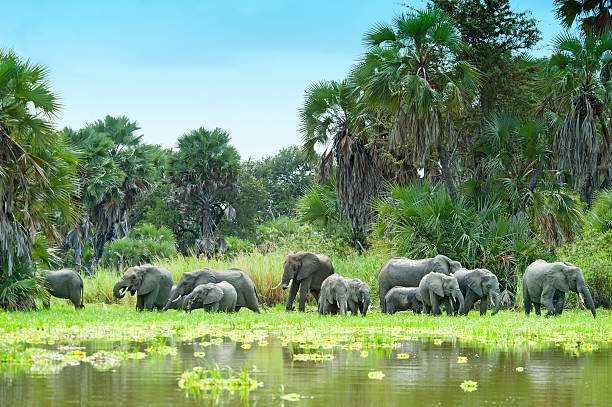
7-Day Tanzania Bush And Beach Holiday: Safari & Zanzibar Bliss 2026-2027
Experience the best of Tanzania in seven days with an unforgettable journey that blends the raw beauty of its wildlife-rich savannas with the tranquil turquoise waters of Zanzibar. This...
View package details
7-Day Mikumi, Udzungwa & Nyerere Safari: Your Ultimate Southern Tanzania
This 7-day itinerary covers Mikumi, Udzungwa, and Nyerere National Parks, offering a comprehensive Southern Tanzania safari experience. Explore diverse ecosystems, abundant wildlife, and...
View package details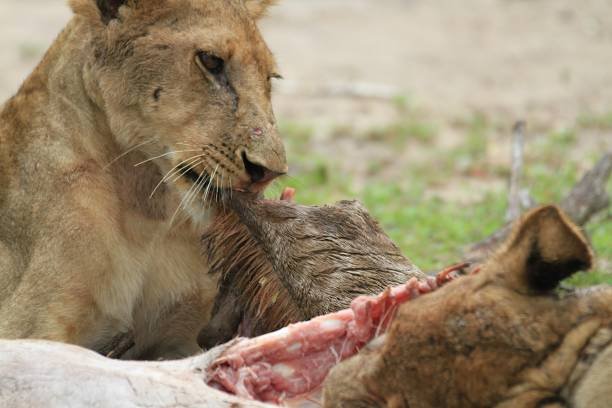
7-Day Nyerere Luxury Fly-In Safari: Your Ultimate Tanzanian Adventure
Discover the untamed beauty of southern Tanzania on a 7-day luxury fly-in safari to Nyerere National Park. This exclusive journey combines thrilling wildlife encounters with unparalleled...
View package details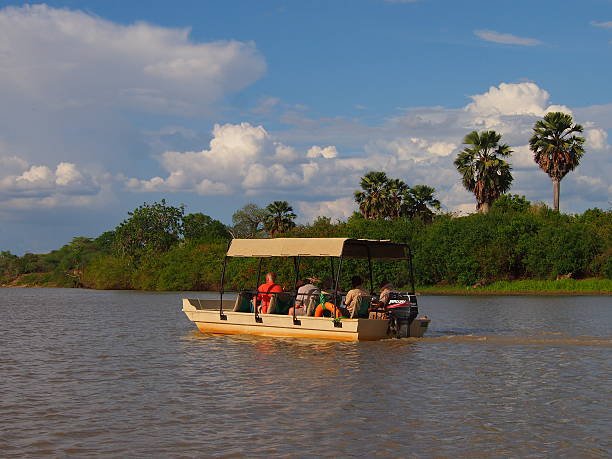
7-Day Southern Tanzania Safari: Ultimate Guide To Selous & Ruaha In 2026-2027
start an unforgettable 7-day Southern Tanzania safari adventure, exploring the vast wilderness of Selous Game Reserve and the untamed beauty of Ruaha National Park. This itinerary offers a...
View package details7-Day Selous And Ruaha: Southern Tanzania Safari Adventure 2026-2027
Explore the untamed wilderness of Southern Tanzania on an unforgettable 7-day safari combining the vast Selous Game Reserve and the dramatic Ruaha National Park. This itinerary offers a...
View package details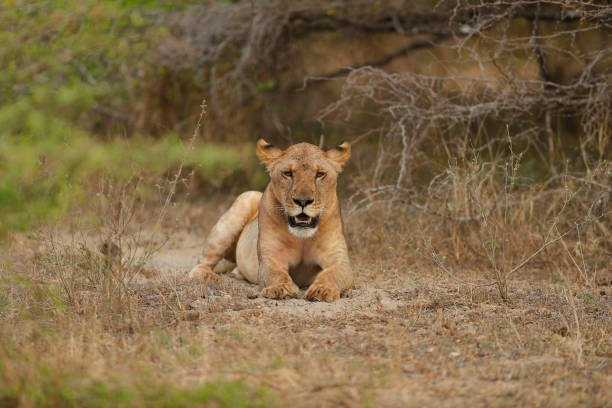
7-Day Nyerere, Mikumi And Zanzibar Safari: Your Ultimate Tanzania Adventure
Discover a thrilling 7-day safari combining the wild wonders of Nyerere National Park (formerly Selous) and Mikumi with the tropical paradise of Zanzibar. This itinerary offers a perfect...
View package detailsNo related package matches those filters. Clear one or more filters to see the other topic-matched options.
Plan your Tanzania vs Kenya Safari: Which Is Better? with Top Guide Adventures
Tell us your travel dates, group size, comfort level, and dream experience. We will help you shape a clear, realistic, and memorable Tanzania itinerary.



