
Updated planning guide for 2026-2027
Best Time For Great Migration: Complete Guide
Planning a safari to witness the Great Migration? This comprehensive guide details the best time to see this incredible wildlife event in Tanzania, covering peak viewing periods, animal movements, and essential planning advice for your 2026-2027 adventure.
WhatsApp +255616946642 | topguideadventures@gmail.com | info@topguideadventures.com
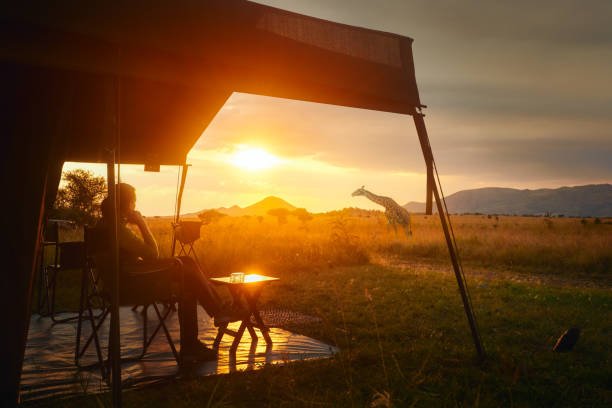
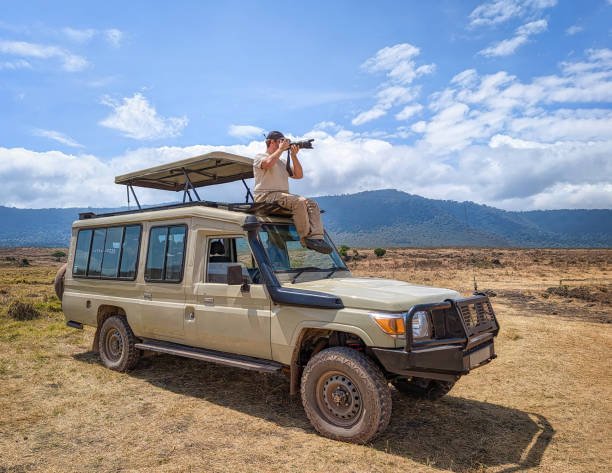
The Great Migration: Your Ultimate Guide to the Best Time to Witness It
The Great Migration is more than just a wildlife spectacle; it’s one of the planet’s most awe-inspiring natural events. Millions of wildebeest, zebras, and gazelles traverse the vast plains of the Serengeti and Maasai Mara ecosystems in search of fresh grazing land. For any safari enthusiast, witnessing this incredible journey is a bucket-list experience. But to maximize your chances of seeing the most dramatic moments, understanding the best time for the Great Migration is crucial. This guide will take you through the entire year, detailing where the herds are and what you can expect, helping you plan your perfect 2026 or 2027 safari.
In This Guide:
- Quick Facts About the Great Migration
- Understanding the Migration Cycle
- Why Timing is Everything for the Great Migration
- The Best Time for the Great Migration: Month-by-Month Breakdown
- Serengeti Migration Hotspots: A Seasonal Overview
- Sample Itinerary: Witnessing the Migration in 2026/2027
- What to Expect During the Migration
- Packing and Preparation for Your Migration Safari
- Common Mistakes to Avoid When Planning Your Migration Trip
- Who is the Great Migration Best Suited For?
- Alternatives to the Great Migration
- Planning Your 2026-2027 Great Migration Safari
- Booking Your Great Migration Safari
- Frequently Asked Questions
Quick Facts About the Great Migration
| Aspect | Details |
|---|---|
| Number of Animals | Over 1.5 million wildebeest, 250,000 zebras, and hundreds of thousands of gazelles. |
| Duration | The migration is a continuous cycle, but specific events like river crossings are seasonal. |
| Primary Location | Serengeti National Park (Tanzania) and Maasai Mara National Reserve (Kenya). |
| Key Predators | Lions, leopards, cheetahs, hyenas, wild dogs, crocodiles. |
| Peak River Crossings | Grumeti River (July-August) and Mara River (August-October). |
| Calving Season | Late January to March. |
| Best Time for River Crossings | July to October. |
| Best Time for Calving | Late January to March. |
Understanding the Migration Cycle
The Great Migration is a perpetual journey dictated by rainfall and the availability of fresh grass. It’s a circular route that takes the herds across the Serengeti ecosystem and into the Maasai Mara and back again. There isn’t a single ‘best’ time for the entire migration, but rather different optimal periods depending on which part of the cycle you wish to witness.
The cycle generally follows this pattern:
- Calving Season (Late Jan – March): Herds are concentrated in the southern Serengeti’s Ndutu Plains, a period of relative peace for newborns.
- Movement North (April – May): As the grass thins and rains begin to cease in the south, the herds start their journey northwards, often through the central and western Serengeti. This is the ‘green season’ in the north.
- Grumeti River Crossing (June – July): The migration gathers and crosses the Grumeti River in the western Serengeti, a challenging crossing with large crocodiles.
- Serengeti to Maasai Mara (July – October): This is the period of the most dramatic river crossings, primarily the Mara River, as the herds move into Kenya’s Maasai Mara. This is often considered the peak viewing time for the ‘classic’ migration.
- Return South (November – December): As rains return to the southern Serengeti, the herds begin their trek back south, often via the eastern Serengeti.
Why Timing is Everything for the Great Migration
The sheer scale of the migration means that the animals are always moving. If you arrive during a period when the herds have moved on, you might miss the action. Conversely, visiting during peak migration times can mean higher demand for accommodation and more crowded viewing spots, though the wildlife sightings are often unparalleled.
Choosing the right time allows you to:
- Witness specific events: River crossings are dramatic and dangerous, offering unparalleled predator-prey interactions. Calving season provides a chance to see newborn animals.
- Maximize wildlife sightings: The concentration of animals during certain periods means more than just the migrating herds; predators are also more active and visible.
- Experience different landscapes: The migration’s path takes you through varied parts of the Serengeti, each with its unique beauty and ecological significance.
- Avoid peak crowds (sometimes): While some periods are inherently busier, strategic timing can sometimes help you experience the migration with fewer vehicles.
The Best Time for the Great Migration: Month-by-Month Breakdown
To help you pinpoint your ideal safari dates, here’s a detailed look at what to expect month by month. Remember, these are general patterns, and nature always has its own schedule.
January: Southern Serengeti & Ndutu Plains
As the year begins, the Great Migration is typically found in the southern Serengeti, particularly around the Ndutu Plains. This is the calving season, a time of new life. Expect to see thousands of newborn wildebeest and zebras. The landscape is lush and green. Predator activity is high as they capitalize on the vulnerable newborns and nursing mothers. This is an excellent time for photography, with dramatic scenes of life and death playing out daily. The central Serengeti also holds good resident wildlife.
February: Southern Serengeti & Ndutu Plains
February is the peak of the calving season. The southern plains are teeming with young animals. Herds are dense, and the grass is rich. This is a prime time for observing predators like lions, cheetahs, and hyenas as they hunt. The sheer numbers of animals make for spectacular viewing. While river crossings are not a feature at this time, the abundance of young animals and active predators offers a different kind of excitement. The central Serengeti continues to be a reliable spot for resident game.
March: Southern Serengeti & Transition
The calving season winds down in early March. The herds begin to gather strength and start thinking about moving north as the grass in the south becomes depleted. You might still find large numbers of wildebeest and zebras in the Ndutu area, but they will soon begin their journey. This transitional period can offer good sightings as the herds prepare to move. The weather can be a bit wetter at the start of the month. The western Serengeti starts to become more accessible.
April: Central & Western Serengeti
April is typically a wetter month, and the herds begin their substantial movement northwards. They often travel through the Seronera Valley (central Serengeti) and towards the western corridor. This is considered the ‘green season’ with fewer tourists. While the herds might be spread out as they move, the landscape is incredibly green and beautiful. The Seronera area remains excellent for resident predators like lions and leopards year-round. The western Serengeti, particularly around the Mbalageti River, can offer good sightings.
May: Western Serengeti & Grumeti River
May sees the migration continuing its journey into the western Serengeti. The herds are heading towards the Grumeti River. This is a good month to potentially witness smaller river crossings of the Grumeti River, which can be quite dramatic due to the presence of large crocodiles. The landscape is still green, and the tourist numbers are generally lower than during the peak dry season. The western corridor offers a unique safari experience with fewer vehicles.
June: Western Serengeti & Towards the North
By June, the bulk of the migration is usually in the western Serengeti, preparing to cross the Grumeti River. The river crossings here are less predictable and often smaller than the Mara River crossings, but they still offer thrilling wildlife viewing opportunities. As the month progresses, the herds will start moving towards the northern Serengeti, heading for the Mara River. This is the start of the dry season, and the grass begins to thin, pushing the animals to seek new pastures.
July: Northern Serengeti & Mara River Crossings Begin
July is often considered one of the prime months for witnessing the Great Migration’s most iconic event: the Mara River crossings. The herds gather in the northern Serengeti, and the dramatic, often dangerous, crossings of the Mara River into Kenya’s Maasai Mara begin. This is a spectacular sight, with wildebeest and zebras plunging into the crocodile-infested waters. Predator activity is extremely high as lions, leopards, and cheetahs take advantage of the chaos. The northern Serengeti becomes the epicenter of action.
August: Northern Serengeti & Peak Mara River Crossings
August is generally the peak month for Mara River crossings. The sheer volume of animals attempting to cross the river is staggering. This is when you are most likely to witness large herds making the perilous journey. The northern Serengeti is the place to be. Predator sightings are exceptional, with lions, hyenas, and other carnivores feasting on the migrating herds. The landscape is drier, concentrating the animals and making them easier to spot.
September: Northern Serengeti & Maasai Mara
September continues to offer excellent opportunities for Mara River crossings in the northern Serengeti and the southern Maasai Mara. The herds are spread across both areas, with many still crossing the Mara River. The dry conditions in September mean that resident wildlife viewing is also excellent across the Serengeti and Maasai Mara, as animals congregate around water sources. The predator-prey interactions remain intense.
October: Maasai Mara & Beginning of Southern Movement
In October, the migration is largely in the Maasai Mara, although some herds may begin to drift back towards Tanzania. The last of the Mara River crossings might occur early in the month. As the rains begin to fall in the eastern and southern Serengeti, the herds start their journey southwards. This can be a transitional month, with animals moving in different directions. The Maasai Mara still offers superb game viewing.
November: Eastern/Central Serengeti & Return South
November marks the beginning of the return journey south. As rains fall across the eastern and central Serengeti, the herds start moving from the Maasai Mara back into Tanzania. They often travel through the Lobo area and into the Seronera Valley. This can be a good time to see the migration on the move across the plains, but river crossings are unlikely. The landscape starts to turn green again, and resident wildlife viewing in the central Serengeti remains strong.
December: Central & Southern Serengeti
By December, the migration has typically moved into the central and then the southern Serengeti, heading towards the Ndutu Plains. The herds are regrouping and preparing for the calving season ahead. This is a great time to see large numbers of wildebeest and zebras spread across the plains of the central and southern Serengeti. The Seronera Valley offers excellent resident game, and the southern Serengeti begins to fill up with the returning herds. It’s a beautiful time of year with green landscapes.
Serengeti Migration Hotspots: A Seasonal Overview
Here’s a simplified look at where to find the herds throughout the year:
| Month(s) | Primary Location(s) | Key Events |
|---|---|---|
| Jan – Mar | Southern Serengeti (Ndutu Plains) | Calving Season, Newborns, Predators |
| Apr – May | Central & Western Serengeti | Movement North, Green Season, Resident Game |
| Jun – Jul | Western Serengeti (Grumeti River) | Grumeti River Crossings, Movement to North |
| Jul – Oct | Northern Serengeti & Maasai Mara (Kenya) | Mara River Crossings (Peak), Predators |
| Nov – Dec | Eastern/Central & Southern Serengeti | Return South, Regrouping, Green Grass |
Sample Itinerary: Witnessing the Migration in 2026/2027
This sample itinerary focuses on seeing the dramatic river crossings, which is a popular goal for many travelers. It’s designed for August 2026, a peak month for Mara River crossings.
8-Day Serengeti River Crossing Safari (August 2026)
-
Day 1: Arrival in Tanzania & Transfer to Arusha
Arrive at Kilimanjaro International Airport (JRO). Meet your guide and transfer to your lodge in Arusha for overnight. Relax and prepare for your safari. -
Day 2: Fly to Northern Serengeti
After breakfast, transfer to Arusha Airport for a domestic flight to Kogatende Airstrip in the Northern Serengeti. This is the heart of the migration action during August. Settle into your camp and begin your first game drive. -
Day 3: Northern Serengeti – Mara River Focus
Full day dedicated to tracking the migration and searching for Mara River crossings. Your guide will position you for the best viewing opportunities. Expect incredible predator sightings. -
Day 4: Northern Serengeti – Game Drives
Continue exploring the northern plains. Focus on predator-prey interactions and the vast herds. Optional hot air balloon safari at sunrise for a unique perspective. -
Day 5: Transfer to Central Serengeti
Morning game drive in the north before flying to Seronera Airstrip in the Central Serengeti. This region offers excellent resident wildlife year-round, including lions, leopards, and cheetahs. -
Day 6: Central Serengeti – Game Drives
Full day of game drives in the Seronera Valley, known for its high concentration of predators and diverse wildlife. Explore different habitats. -
Day 7: Central Serengeti & Fly to Arusha
Enjoy a final morning game drive in the Central Serengeti. Afterwards, fly back to Arusha Airport. Transfer to your lodge for relaxation and reflection. -
Day 8: Departure
Depending on your flight schedule, you might have time for some souvenir shopping in Arusha before your transfer to Kilimanjaro International Airport (JRO) for your onward journey.
Note: This itinerary is a suggestion. It can be customized based on your interests, budget, and the specific movements of the migration closer to your travel dates.
What to Expect During the Migration
Witnessing the Great Migration is an immersive experience. Here’s what you can typically anticipate:
- Vast Herds: The sheer number of animals is overwhelming. You’ll see endless lines of wildebeest and zebras stretching across the plains.
- Predator Action: The migration attracts a large number of predators. Lions, cheetahs, leopards, hyenas, and crocodiles are all actively hunting. This leads to dramatic and often intense encounters.
- River Crossings: If you time it right, you’ll see the exhilarating and terrifying river crossings. Animals plunge into the water, facing crocodiles and strong currents. It’s a primal struggle for survival.
- Calving Season: During January to March, you’ll see thousands of newborn calves, adding a sense of vulnerability and new beginnings to the spectacle.
- Dust and Noise: The movement of millions of hooves creates dust clouds and a constant, low rumble. The air is filled with the sounds of grunting wildebeest and braying zebras.
- Variable Weather: Depending on the month, you could experience anything from warm, dry conditions to occasional rain showers.
- Mobile Camps: To be close to the migration, many camps are mobile and set up in strategic locations. These offer a more intimate safari experience.
Packing and Preparation for Your Migration Safari
Proper packing ensures comfort and preparedness for your safari adventure.
Essential Packing List:
- Clothing: Neutral-colored clothing (khaki, olive green, beige) to blend in. Avoid bright colors and dark blue/black (which can attract tsetse flies). Pack light, breathable layers. Include long-sleeved shirts and trousers for sun and insect protection.
- Outerwear: A light to medium-weight jacket or fleece for cooler mornings and evenings. A waterproof and windproof jacket is advisable, especially during the rainy seasons.
- Footwear: Comfortable, broken-in walking shoes or hiking boots. Sandals or flip-flops for relaxing at the lodge/camp.
- Headwear: A wide-brimmed hat or cap for sun protection.
- Eyewear: Sunglasses.
- Sun Protection: High SPF sunscreen, lip balm with SPF.
- Insect Repellent: Effective repellent containing DEET or Picaridin.
- Camera Gear: Camera, extra batteries, memory cards, telephoto lens (essential for wildlife photography), binoculars. A dust-proof bag for your camera is highly recommended.
- Personal Items: Personal medications, basic first-aid kit, hand sanitizer, wet wipes.
- Documents: Passport, visa (if required), flight tickets, safari itinerary, vaccination certificates (e.g., Yellow Fever).
- Accessories: Reusable water bottle, small backpack for day trips, power bank/adapter.
Preparation Tips:
- Vaccinations & Health: Consult your doctor or a travel clinic well in advance for recommended vaccinations (e.g., Yellow Fever, Hepatitis A, Typhoid) and malaria prophylaxis.
- Visa: Check visa requirements for Tanzania and apply in advance if necessary.
- Travel Insurance: Comprehensive travel insurance is essential, covering medical emergencies, trip cancellation, and lost luggage.
- Fitness: While safaris are not strenuous, being reasonably fit will enhance your enjoyment, especially if you plan on any walking safaris or Kilimanjaro trekking.
- Learn Basic Swahili Phrases: A few simple phrases can be appreciated by locals.
- Research: Understand the migration patterns for your chosen travel dates.
Common Mistakes to Avoid When Planning Your Migration Trip
Many travelers dream of seeing the Great Migration, but a few common planning errors can lead to disappointment.
- Assuming the Migration is Static: The biggest mistake is thinking the migration stays in one place. It’s a moving event, and you need to align your visit with its location.
- Not Booking Far Enough in Advance: Especially for peak migration months (July-October) and popular lodges/camps, booking 6-12 months ahead is crucial.
- Focusing Only on River Crossings: While iconic, river crossings are unpredictable. Don’t miss out on other incredible migration phases like calving or the vast herds on the plains.
- Ignoring Other Wildlife: While the migration is the star, the Serengeti and Maasai Mara are home to the Big Five and countless other species. Ensure your itinerary allows time for general game viewing.
- Underestimating Travel Distances: Tanzania is vast. Internal flights are often necessary to cover long distances efficiently, saving precious safari time.
- Choosing the Wrong Location within the Serengeti: The Serengeti is huge. Staying in the wrong sector during the wrong month means you might be far from the herds.
- Not Considering the Weather: April/May can be rainy, impacting road conditions. November/December can also see rain. This affects accessibility and game viewing.
- Budgeting Incorrectly: Safaris, especially during peak migration, can be expensive. Factor in park fees, accommodation, transport (including internal flights), and guide services.
Who is the Great Migration Best Suited For?
The Great Migration appeals to a wide range of travelers, but it’s particularly rewarding for:
- Wildlife Enthusiasts: Anyone passionate about observing animals in their natural habitat will be captivated by the sheer scale and drama.
- Photographers: The migration offers unparalleled photographic opportunities, from vast landscapes filled with animals to intense predator-prey action.
- Nature Lovers: Experiencing the raw power and beauty of nature on such a grand scale is a profound experience.
- Adventurous Travelers: Witnessing river crossings or tracking predators adds an element of thrill and adventure.
- First-Time Safari-Goers: While it can be a more intense experience, seeing the migration can be an unforgettable introduction to African safaris.
- Repeat Safari Visitors: For those who have seen the Big Five, the migration offers a different, more dynamic wildlife spectacle.
It’s important to note that while it’s suitable for many, the intensity of predator-prey interactions might not be ideal for very young children or those sensitive to seeing animals in distress.
Alternatives to the Great Migration
While the Great Migration is a world-renowned event, Tanzania and Kenya offer incredible wildlife experiences year-round. If the timing doesn’t align or you’re looking for different experiences:
- Tarangire National Park: Famous for its large elephant herds and baobab trees. Excellent year-round, especially during the dry season (July-October) when animals congregate near the Tarangire River.
- Lake Manyara National Park: Known for its tree-climbing lions, flamingos, and diverse birdlife. A beautiful park for a day trip or a shorter stay.
- Ngorongoro Crater: A UNESCO World Heritage Site offering a unique concentration of wildlife in a stunning caldera. Excellent for spotting the Big Five, including the endangered black rhino, any time of year.
- Selous Game Reserve (Nyerere National Park) & Ruaha National Park: Located in southern Tanzania, these parks offer a wilder, less crowded safari experience with vast wilderness and significant populations of predators and elephants. They have their own seasonal wildlife viewing patterns.
- Zanzibar: While not a safari destination, Zanzibar offers beautiful beaches, rich history, and cultural experiences, perfect for combining with a safari or for a relaxing holiday.
- Maasai Mara (Kenya) outside of peak migration: The Mara is fantastic for predators and resident wildlife throughout the year, even when the bulk of the wildebeest have moved on.
Planning Your 2026-2027 Great Migration Safari
Planning ahead is key for a successful Great Migration safari, especially for 2026 and 2027. Here’s how to approach it:
Key Planning Considerations for 2026-2027:
- Define Your Goals: Are you focused on river crossings, calving season, or general wildlife viewing? This will dictate your timing and location.
- Choose Your Month: Based on the breakdown above, select the month that best aligns with your desired experience. For river crossings, aim for July to October. For calving, January to March.
- Select Your Camps/Lodges: Accommodation options range from luxury lodges to mobile tented camps. Mobile camps move with the migration, offering prime locations but often booking up very quickly. Consider proximity to potential crossing points or calving grounds.
- Book Internal Flights: To maximize your time on safari, especially in vast parks like the Serengeti, flying between airstrips is highly recommended. Book these well in advance.
- Consider a Multi-Park Itinerary: Combine the Serengeti with the Ngorongoro Crater or Tarangire for a more diverse Tanzanian experience.
- Budget Realistically: Peak season (July-October) will be more expensive. Factor in park fees, accommodation, transport, guides, and potential internal flights.
- Consult Experts: Work with a reputable tour operator who has up-to-date knowledge of migration patterns and the best camps for your chosen dates in 2026 or 2027.
- Flexibility: While planning is essential, be prepared for minor adjustments. Wildlife movements can be influenced by rainfall and other environmental factors.
Booking Your Great Migration Safari
Securing your spot for the Great Migration requires careful planning and booking. Here’s how to approach it:
- Work with a Reputable Tour Operator: This is crucial. Experienced operators have on-the-ground knowledge, can advise on the best timing and locations, and have established relationships with lodges and camps. They can also help navigate the complexities of booking internal flights and park permits.
- Book Early: For the prime migration months (July-October), especially if you want to stay in popular mobile camps that follow the herds, book at least 9-12 months in advance. For other periods, 6-9 months is generally recommended.
- Understand What’s Included: Clarify what your safari package includes: accommodation, meals, park fees, game drives, internal flights, transfers, guide services, and any specific activities.
- Ask About Cancellation Policies: Understand the terms and conditions, especially regarding cancellations and rebooking, as these can vary significantly.
- Payment Schedule: Most operators require a deposit upon booking and the balance payment several weeks or months before your departure.
- Travel Insurance: Ensure your travel insurance is comprehensive and covers safari-specific activities and potential medical emergencies.
- Confirm Details: Double-check all your booking confirmations, including flight times, accommodation details, and transfer arrangements.
When you’re ready to plan your unforgettable Great Migration safari for 2026 or 2027, our team at Best Tanzania Tour Operator is here to help. We specialize in crafting tailor-made itineraries that maximize your chances of witnessing this natural wonder.
Ready to Plan Your Great Migration Adventure?
Let us help you create the perfect safari experience to witness the awe-inspiring Great Migration. We offer expert advice, custom itineraries, and seamless logistics for your 2026 or 2027 adventure.
Contact us today:
- WhatsApp: +255616946642
- Email: topguideadventures@gmail.com
- Backup Email: info@topguideadventures.com
We look forward to helping you plan your dream Tanzanian safari!
Frequently Asked Questions
Q1: What is the absolute best time to see the Great Migration river crossings?
The most dramatic and predictable river crossings, primarily of the Mara River, typically occur between late July and October. However, these events are dictated by rainfall and herd movements, so they can vary year to year. August and September are often considered the peak months.
Q2: Is it possible to see the Great Migration in January or February?
Yes, absolutely. January and February are prime months for witnessing the calving season in the southern Serengeti, particularly around the Ndutu Plains. This period is characterized by abundant newborn animals and high predator activity, offering a different but equally captivating spectacle.
Q3: How do I know where the migration will be when I plan to travel in 2026 or 2027?
Migration patterns are largely predictable, driven by rainfall and grass availability. Reputable tour operators, like us, maintain up-to-date knowledge and can advise you on the most likely locations for the herds based on your chosen travel dates for 2026 or 2027. It’s best to consult with experts closer to your travel time for the most current information.
Q4: Are there any guarantees of seeing the Great Migration?
While the migration is a natural phenomenon and no operator can offer absolute guarantees, choosing the right time and location significantly increases your chances. Working with an experienced guide and tour operator who understands the migration’s dynamics is key to maximizing your viewing opportunities.
Q5: What is the difference between the Serengeti and the Maasai Mara during the migration?
The Great Migration spans both Tanzania’s Serengeti National Park and Kenya’s Maasai Mara National Reserve. The wildebeest and zebras move between these two ecosystems. July to October is generally when the herds are in the northern Serengeti and crossing into the Maasai Mara. The rest of the year, they are primarily in the Serengeti.
Q6: How many animals are involved in the Great Migration?
The Great Migration involves over 1.5 million wildebeest, around 250,000 zebras, and hundreds of thousands of gazelles, along with other herbivores. This massive number of animals creates an unparalleled spectacle.
Q7: Can I see the migration from a hot air balloon?
Yes, hot air balloon safaris are offered in the Serengeti (and Maasai Mara). This provides a unique aerial perspective of the migration, especially at sunrise. It’s an incredible experience, though it’s an additional cost and doesn’t guarantee seeing specific events like river crossings.
Q8: What are the best months for seeing predators during the migration?
Predator activity is high throughout the migration cycle because there are so many potential prey animals. However, periods with river crossings (July-October) and calving season (January-March) often see the most intense predator-prey interactions, making them excellent times for predator sightings.
Q9: How much does a Great Migration safari cost?
The cost varies significantly based on accommodation style, duration, time of year, and inclusions. Safaris during peak migration season (July-October) tend to be more expensive due to high demand. Generally, expect a mid-range to luxury budget for a well-organized migration safari. We can provide a tailored quote based on your preferences.
Q10: Is it safe to travel to Tanzania for the Great Migration?
Tanzania is a safe and welcoming destination for tourists. Reputable tour operators prioritize guest safety, employing experienced guides and following established safety protocols. Standard travel precautions apply, and it’s wise to get advice on health precautions like malaria prevention.
14-Day Selous, Mikumi, Ruaha And Beach Holiday In Tanzania 2026-2027
This 14-day itinerary combines the incredible wildlife viewing of Southern Tanzania's parks – Selous Game Reserve, Mikumi National Park, and Ruaha National Park – with a relaxing beach...
View package details
12-Day Nyerere Safari And Zanzibar Honeymoon: The Ultimate Romantic Escape
A 12-day Nyerere Safari and Zanzibar Honeymoon offers an unparalleled blend of thrilling wildlife encounters in one of Africa's largest game reserves and serene relaxation on the exotic...
View package details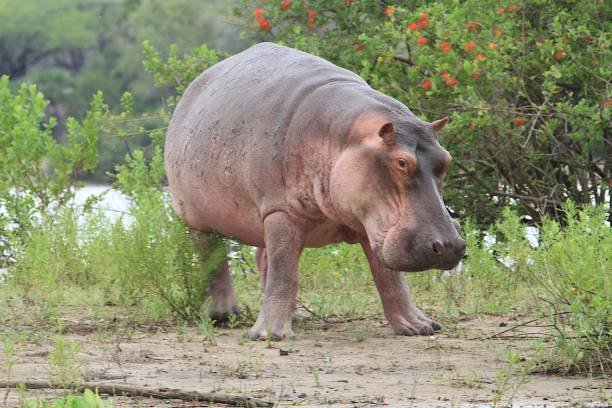
12-Day Southern Tanzania Grand Safari: An Unforgettable Adventure In 2026-2027
Discover the untamed beauty of Southern Tanzania on an epic 12-day safari. This journey explores the vast wilderness of Selous Game Reserve, the dramatic landscapes of Ruaha National Park...
View package details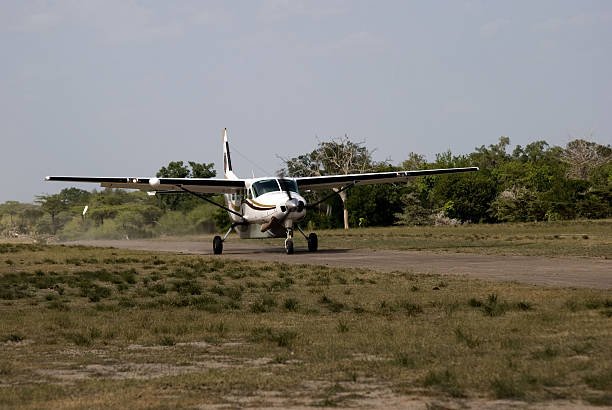
10-Day Selous, Mikumi And Ruaha Safari Guide
Discover the untamed beauty of southern Tanzania with a 10-day safari combining Selous Game Reserve, Mikumi National Park, and Ruaha National Park. This itinerary offers a comprehensive...
View package details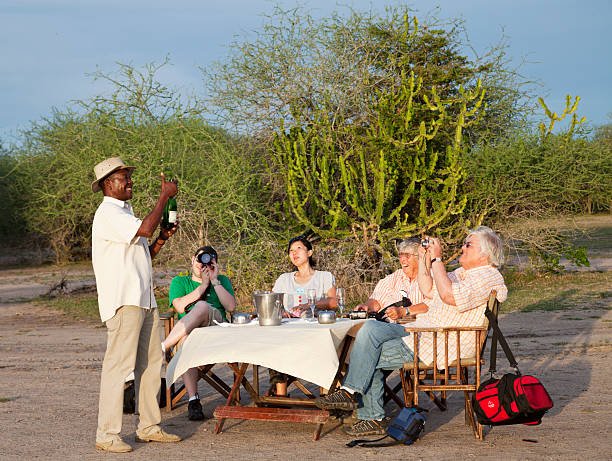
10-Day Nyerere, Ruaha & Zanzibar Package: Ultimate Southern Tanzania Adventure
Discover the best of Southern Tanzania with a meticulously crafted 10-day package combining the vast wilderness of Nyerere National Park (formerly Selous) and Ruaha National Park with the...
View package details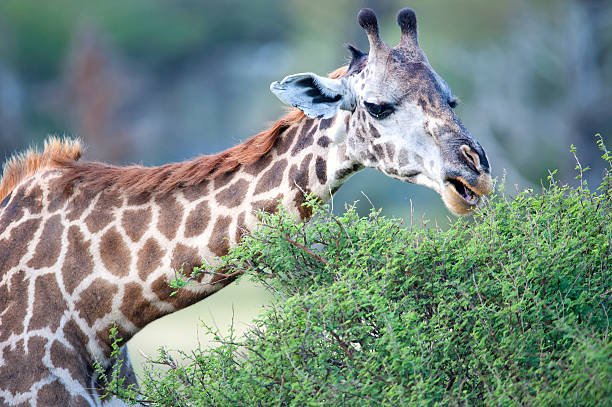
10-Day Southern Tanzania Safari And Beach Holiday 2026-2027
Discover the ultimate 10-day Southern Tanzania safari and beach holiday, blending the wild wonders of Selous and Ruaha with the serene shores of Zanzibar or Mafia Island. Perfect for...
View package details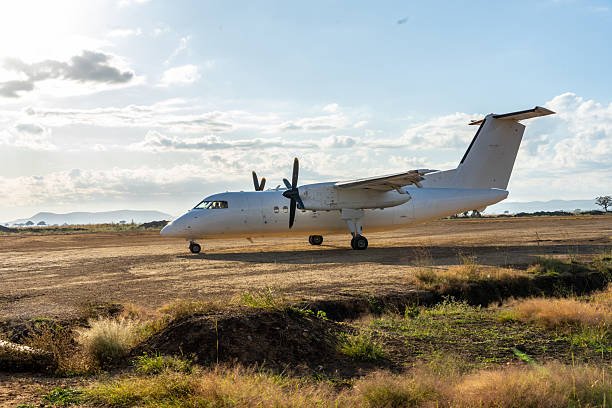
9-Day Mikumi, Nyerere And Zanzibar Tour: The Ultimate Southern Tanzania
Discover the magic of Southern Tanzania with a 9-day journey through Mikumi National Park, Nyerere National Park (formerly Selous Game Reserve), and the spice island of Zanzibar. This tour...
View package details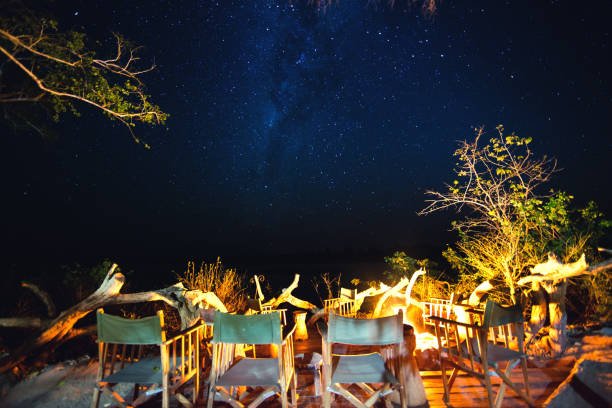
9-Day Selous Glamping And Spice Island Holiday: Your Ultimate Tanzania Escape
Combine the thrill of a luxury glamping safari in Selous Game Reserve with the serene beauty of Zanzibar's Spice Islands on this 9-day Tanzania adventure. Perfect for 2026-2027 planning.
View package details9-Day Nyerere Safari And Zanzibar Package: Ultimate Southern Tanzania
Discover the best of Tanzania's southern circuit with a 9-day Nyerere Safari and Zanzibar package. Experience thrilling game drives in Nyerere National Park, once known as Selous, followed...
View package details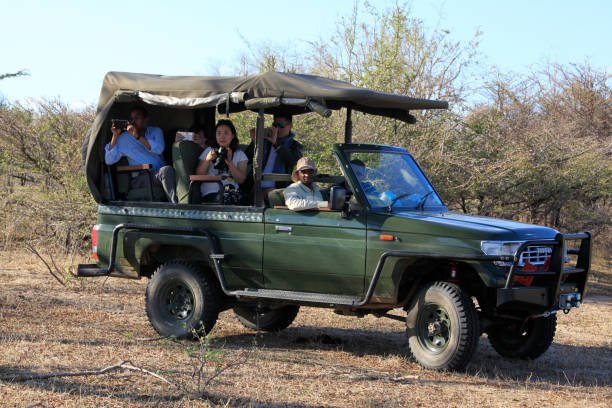
8-Day Nyerere Family Safari: The Ultimate Tanzania Adventure 2026-2027
Experience an unforgettable 8-day Nyerere Family Safari in Tanzania with Top Guide Adventures. This itinerary focuses on diverse wildlife, stunning landscapes, and family-friendly...
View package details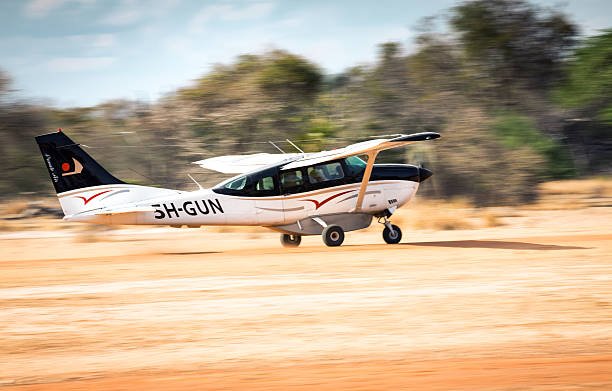
8-Day Selous Safari And Zanzibar Holiday: Your Ultimate Tanzania Adventure
An 8-day adventure perfectly blending the wild heart of Selous Game Reserve with the tropical allure of Zanzibar. This itinerary offers an unforgettable Tanzanian experience, combining...
View package details
8-Day Southern Tanzania Luxury Safari: Selous & Ruaha 2026-2027
An 8-day luxury safari through Southern Tanzania's Selous Game Reserve and Ruaha National Park offers an unparalleled wildlife experience. This itinerary focuses on exclusive lodges...
View package detailsNo related package matches those filters. Clear one or more filters to see the other topic-matched options.
Plan your best time for Great Migration with Top Guide Adventures
Tell us your travel dates, group size, comfort level, and dream experience. We will help you shape a clear, realistic, and memorable Tanzania itinerary.



