
Updated planning guide for 2026-2027
Bwindi Gorilla Trekking: Complete Guide
Discover the ultimate guide to Bwindi Impenetrable National Park for gorilla trekking. Plan your 2026-2027 adventure with essential details on permits, best times to visit, what to pack, safety, and how to book an unforgettable experience.
WhatsApp +255616946642 | topguideadventures@gmail.com | info@topguideadventures.com
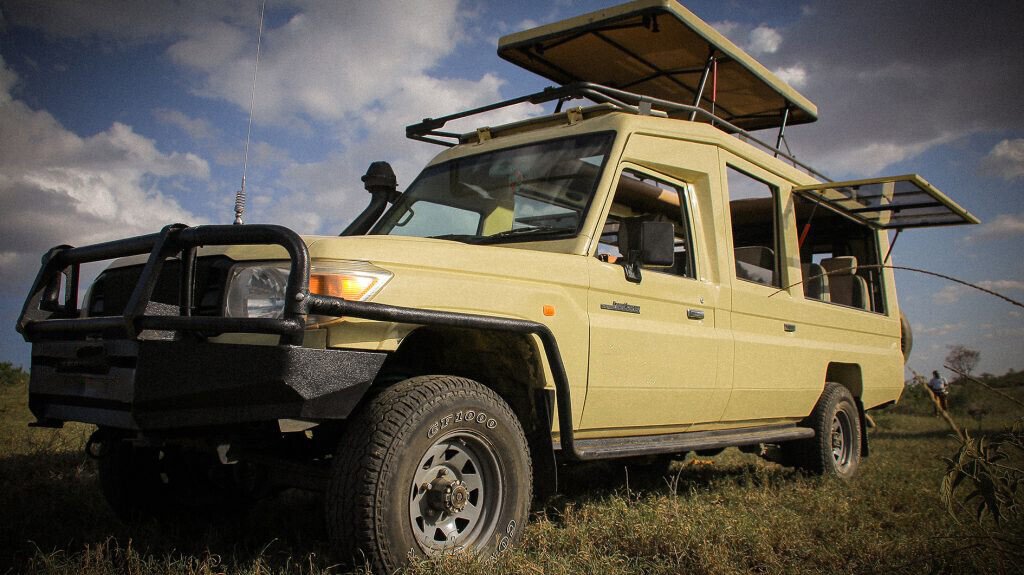
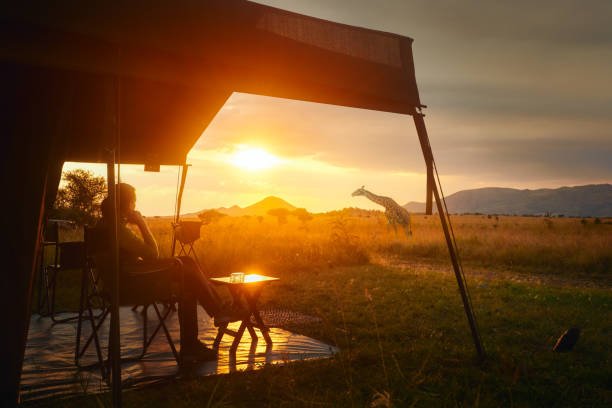
Bwindi Gorilla Trekking: Your Ultimate 2026-2027 Planning Guide
The thought of coming face-to-face with a mountain gorilla in its natural habitat is a powerful draw for many travelers. Bwindi Impenetrable National Park in Uganda offers one of the most profound wildlife encounters on Earth, and planning your Bwindi gorilla trekking adventure is a journey in itself. This comprehensive guide is designed to help you navigate every aspect of this incredible experience, from understanding permit logistics to packing the right gear and making informed booking decisions for your 2026 or 2027 trip.
As a premier tour operator specializing in East African adventures, we understand the nuances of arranging gorilla trekking. We’ll cover everything you need to know to make your Bwindi gorilla trekking expedition a success, ensuring it’s a highlight of your travels.
Bwindi Gorilla Trekking Quick Facts
| Location | Bwindi Impenetrable National Park, Southwestern Uganda |
|---|---|
| Primary Activity | Mountain Gorilla Trekking |
| Gorilla Habituation Option | Available (longer trek, more time with gorillas) |
| Permit Cost | Set by Uganda Wildlife Authority (check current rates) |
| Best Time to Visit | June to August and December to February (dry seasons) |
| Trek Duration | 3 to 8 hours (depending on gorilla family location) |
| Minimum Age | 15 years |
| Group Size | Maximum 8 trekkers per gorilla family |
| Accommodation | Lodges and camps ranging from budget to luxury |
| Getting There | Flight to Entebbe (EBB) or Kigali (KGL), then road transfer |
Understanding the Bwindi Gorilla Trekking Experience
Bwindi Impenetrable National Park is a UNESCO World Heritage Site, renowned for its biodiversity and, most importantly, its population of endangered mountain gorillas. Unlike zoos or sanctuaries, Bwindi offers the chance to see these magnificent creatures in their natural, wild environment. The park is divided into four main sectors: Buhoma, Ruhija, Nkuringo, and Rushaga, each offering access to different habituated gorilla families.
A typical Bwindi gorilla trekking day involves an early start, a briefing at the park headquarters, and then a trek into the dense rainforest. The duration and difficulty of the trek vary significantly depending on where the gorilla family you are assigned to has nested for the night. Once found, you will spend a precious hour observing their behavior, interactions, and unique personalities. This is not a zoo visit; it is an immersive journey into the heart of the jungle.
Bwindi National Park Sectors Overview
Understanding the park’s geography is crucial for planning your logistics.
Buhoma Sector: Located in the north, it’s the most accessible and has the highest number of habituated gorilla families. Ideal for shorter itineraries and those flying into Rwanda. Offers a range of accommodation.
Ruhija Sector: Situated in the east, this sector is known for its higher altitude and cooler climate. It’s home to several habituated families and offers stunning forest views. Requires a longer drive from Kampala.
Nkuringo Sector: Located in the south, this sector is famous for the Nkuringo gorilla family, known for its large silverback. The trekking here can be more challenging due to steeper terrain.
Rushaga Sector: Also in the south, Rushaga has the most habituated gorilla families and is a popular choice for those seeking variety or planning group trips. It also offers gorilla habituation experiences.
Why Choose Bwindi for Gorilla Trekking?
While mountain gorillas can also be found in Volcanoes National Park in Rwanda and Virunga National Park in the Democratic Republic of Congo, Bwindi offers distinct advantages. Uganda’s gorilla permit prices have historically been more affordable than Rwanda’s, offering excellent value for a comparable experience. Furthermore, Bwindi boasts a larger population of gorillas, spread across its diverse sectors, which can sometimes mean more flexibility in permit availability, especially when booking well in advance for 2026 or 2027.
The park’s dense, ancient rainforest provides a truly wild and untamed setting. The trekking can be more physically demanding than in some other locations, adding to the sense of adventure and accomplishment. For many, the sheer remoteness and the deep jungle atmosphere of Bwindi contribute to its profound impact.
The Gorilla Permit: Your Key to Bwindi
A gorilla permit is mandatory for anyone wishing to track gorillas in Bwindi Impenetrable National Park. This permit grants you access to the park and one hour of observation time with a habituated gorilla family. Permits are issued by the Uganda Wildlife Authority (UWA) and are limited in number to protect the gorillas and their habitat.
Permit Costs: The cost of a gorilla permit is a significant part of your Bwindi gorilla trekking budget. These prices are set by UWA and are subject to change. It is essential to check the current rates for 2026 and 2027 when you begin your planning. As a tour operator, we stay updated on these prices and can advise you accordingly.
Booking Your Permit: Gorilla permits are highly sought after, especially during peak seasons. We strongly recommend booking your permits at least 6-9 months in advance, particularly if you are planning your trip for the popular dry months of 2026 or 2027. Last-minute permits can be very difficult to secure.
What the Permit Includes: Your permit covers park entrance fees for the day of your trek, the services of an armed ranger/guide, and the hour you spend with the gorillas. It does not include transportation, accommodation, or meals.
Permit Booking Advice
Securing your Bwindi gorilla trekking permit is the most critical step in planning. We handle permit acquisition as part of our tour packages, ensuring you get one for your desired dates. Be wary of deals that seem too good to be true; always confirm the permit is secured from the Uganda Wildlife Authority.
Best Time for Bwindi Gorilla Trekking
The weather in Bwindi Impenetrable National Park is tropical, characterized by high humidity and rainfall throughout the year. However, there are distinct dry seasons that make trekking more comfortable.
Bwindi Gorilla Trekking Seasonality
| Season | Months | Conditions | Pros | Cons |
|---|---|---|---|---|
| Dry Season (Peak) | June – August December – February |
Less rainfall, drier trails | Easier trekking, better visibility for photography | Higher demand, permits can sell out quickly, higher accommodation rates |
| Wet Season (Low) | March – May September – November |
More frequent and heavier rainfall, muddy trails | Fewer tourists, more affordable accommodation, lush green scenery | Trekking can be challenging, reduced visibility, potential for leeches |
While the dry seasons are generally preferred for Bwindi gorilla trekking due to easier trail conditions, the wet seasons offer a different kind of beauty. The forest is incredibly lush, and you might encounter fewer other trekkers. The gorillas are less affected by rain than humans are. If you are planning for 2026 or 2027 and are flexible, consider the shoulder months (e.g., late March to May, or September to early November) for a balance of good weather and fewer crowds.
Planning Your Bwindi Gorilla Trekking Itinerary
A typical Bwindi gorilla trekking safari ranges from 3 days to longer if combined with other Ugandan attractions. Here’s a sample itinerary logic, which can be customized for your 2026-2027 travel plans.
Sample 3-Day Bwindi Gorilla Trekking Itinerary (from Entebbe/Kampala)
-
Day 1: Arrival in Entebbe & Transfer to Bwindi Area
Arrive at Entebbe International Airport (EBB). You’ll be met by your guide and begin the scenic overland journey to Bwindi Impenetrable National Park. This is a long drive (8-10 hours), so an early start is crucial. Alternatively, you can take a domestic flight from Entebbe to Kihihi or Kisoro airstrip, followed by a shorter road transfer to your lodge. Overnight near your chosen sector (e.g., Buhoma, Ruhija, Rushaga).
-
Day 2: Bwindi Gorilla Trekking Day
Wake up early for breakfast. Drive to the park headquarters for a pre-trek briefing by UWA rangers. You’ll be assigned a gorilla family and a ranger guide. Begin your trek into the forest. The duration varies from 30 minutes to several hours, depending on the gorillas’ location. Upon finding the family, you’ll spend one hour observing and photographing them. After the trek, return to the park headquarters for your trekking certificate and then back to your lodge. Relax and reflect on your incredible encounter.
-
Day 3: Transfer back to Entebbe/Kampala
After breakfast, begin your journey back to Entebbe or Kampala. Depending on your flight schedule, you might have time for a brief stop at the Equator monument in Masaka or for souvenir shopping. Transfer to Entebbe International Airport for your departure flight.
Customizing Your Itinerary:
- Longer Stays: Extend your trip to include a second gorilla trek in a different sector, a gorilla habituation experience, or combine Bwindi with other Ugandan highlights like Queen Elizabeth National Park for a classic safari, Murchison Falls National Park, or Kibale Forest National Park for chimpanzee tracking.
- Gorilla Habituation Experience: This is a full-day activity where you spend up to four hours with a gorilla family that is still undergoing the habituation process. It offers a more in-depth understanding of gorilla behavior. This requires a separate, more expensive permit.
- Flight Options: For those with limited time or who prefer to avoid long drives, domestic flights from Entebbe to Kihihi or Kisoro are available. This significantly reduces travel time but adds to the cost.
- Starting from Rwanda: Many travelers fly into Kigali, Rwanda, and then drive to Bwindi. This route is often shorter (approx. 3-4 hours to southern Bwindi sectors) and can be more convenient, especially if combining with Rwanda’s Volcanoes National Park.
What to Expect During Your Trek
The Bwindi gorilla trekking experience is physically and emotionally rewarding. Here’s what you can anticipate:
- The Trek: The terrain in Bwindi is rugged and can be steep. Trails can be muddy and slippery, especially during the wet season. You’ll be accompanied by a park ranger who is knowledgeable about the forest and gorilla behavior. You may also have porters available for hire at the trailhead to help carry your backpack and offer support on difficult sections.
- Finding the Gorillas: Locating the gorillas involves tracking their movements based on recent signs like droppings, nests, and broken vegetation. It requires patience, as the gorillas are wild and can move considerable distances.
- The Gorilla Encounter: Once the gorillas are found, your ranger will brief you on the rules for interaction. You’ll have one hour to observe them. Maintain a distance of at least 7 meters (23 feet) from the gorillas. Do not touch them, make loud noises, or shine bright camera flashes directly at them. Observe their family dynamics, how they feed, play, and interact.
- Physical Fitness: While you don’t need to be an elite athlete, a moderate level of fitness is beneficial. The trek can involve walking for several hours, often uphill, through dense forest. If you have mobility issues, discuss this with your tour operator beforehand; some sectors might be more accessible, or special arrangements might be possible, though challenging.
- The Atmosphere: The Bwindi rainforest is a unique ecosystem. Expect humidity, the sounds of the forest, and the possibility of encountering other wildlife like birds, monkeys, and forest elephants (though sightings are rare).
Essential Packing List for Bwindi Gorilla Trekking
Proper preparation is key to a comfortable and enjoyable Bwindi gorilla trekking experience. Pack light but smart.
Recommended Packing List
- Sturdy Hiking Boots: Waterproof and well-worn-in boots are essential for navigating muddy and uneven terrain.
- Rain Gear: A lightweight, waterproof, and breathable rain jacket is a must, even in the dry season. Waterproof trousers are also highly recommended.
- Layered Clothing: Pack long-sleeved shirts and trousers made of quick-drying material. This protects you from scratches, insects, and the elements. Layers allow you to adjust to temperature changes.
- Insect Repellent: High-DEET repellent is crucial for protecting against mosquitoes and other biting insects.
- Sun Protection: A wide-brimmed hat, sunglasses, and sunscreen.
- Reusable Water Bottle: Stay hydrated. Your lodge and guide will provide water.
- Camera and Extra Batteries/Memory Cards: You’ll want to capture every moment. Ensure your camera is protected from moisture.
- Binoculars: For birdwatching and spotting other wildlife before or after your gorilla encounter.
- Small Backpack: To carry water, snacks, camera, and rain gear during the trek.
- Gloves: Gardening gloves can be helpful for gripping steep, muddy slopes or vegetation.
- Motion Sickness Medication: If you are prone to motion sickness, especially for the long drives.
- Personal First-Aid Kit: Include any personal medications, blister treatment, and pain relievers.
- Hand Sanitizer: For hygiene before snacks or after the trek.
- Cash (USD): For tips for guides, porters, and souvenirs.
- Torch/Headlamp: Useful for early mornings or evenings at your lodge.
Common Mistakes to Avoid
Planning a trip of a lifetime requires attention to detail. Here are common pitfalls to steer clear of when organizing your Bwindi gorilla trekking adventure for 2026 or 2027:
- Underestimating the Trek Difficulty: Bwindi is a rainforest with steep terrain. Don’t assume it’s a casual walk. Prepare physically and consider hiring a porter.
- Not Booking Permits Early Enough: Gorilla permits are limited. Booking at least 6-9 months in advance is crucial, especially for peak seasons.
- Ignoring the Weather: Even in dry seasons, rain can occur. Always pack appropriate rain gear.
- Overpacking or Underpacking: Pack essentials for the trek and comfortable clothing for the lodge. Avoid heavy luggage for the trek itself.
- Not Considering Transportation Time: The drives to Bwindi are long. Factor in this travel time or opt for domestic flights.
- Not Disclosing Health Conditions: Inform your tour operator and park rangers about any health issues, especially those affecting mobility or respiratory health.
- Expecting to Touch or Feed Gorillas: Strict rules are in place to protect the gorillas. Maintain the recommended distance.
- Not Budgeting for Extras: Factor in costs for tips, souvenirs, drinks, and any optional activities.
- Choosing the Wrong Sector for Logistics: Depending on your entry point (Kigali vs. Entebbe) or other destinations in your itinerary, the best sector for your accommodation can vary.
Who is Bwindi Gorilla Trekking Best For?
Bwindi gorilla trekking is an experience that appeals to a wide range of travelers, but it’s particularly suited for:
- Wildlife Enthusiasts: Anyone passionate about observing rare and endangered species in their natural habitat.
- Adventure Seekers: Those looking for a challenging yet incredibly rewarding outdoor experience.
- Nature Lovers: Individuals who appreciate dense forests, unique ecosystems, and the raw beauty of the natural world.
- Photographers: The opportunity to capture stunning images of gorillas and the rainforest is unparalleled.
- Responsible Tourists: Travelers committed to conservation and supporting ecotourism initiatives that benefit local communities and wildlife protection.
- Families (with older children): As the minimum age is 15, it’s a fantastic educational and bonding experience for families with teenagers.
It is important to note that the trek can be challenging. Travelers with significant mobility issues or severe respiratory problems might find it difficult. However, with proper planning and communication, accommodations can sometimes be made, or alternative viewing experiences might be possible, though less common in Bwindi.
Alternatives to Bwindi Gorilla Trekking
While Bwindi is a top-tier destination for mountain gorilla trekking, other options exist if your plans or preferences differ:
- Volcanoes National Park, Rwanda: Offers a similar mountain gorilla trekking experience. Permits are generally more expensive than in Uganda, but the infrastructure is highly developed, and the trekking can be less physically demanding due to the terrain. It’s often considered a more luxurious experience.
- Virunga National Park, Democratic Republic of Congo: Home to mountain gorillas and also eastern lowland gorillas. Trekking here can be more adventurous and potentially less expensive, but security concerns and infrastructure can be more challenging. It requires careful planning and adherence to safety advisories.
- Mgahinga Gorilla National Park, Uganda: Adjacent to Bwindi, Mgahinga also hosts mountain gorillas and is the only place where you can track both mountain gorillas and golden monkeys. It has fewer habituated gorilla groups compared to Bwindi.
- Chimpanzee Trekking (Uganda/Rwanda/Tanzania): For those interested in primate viewing but perhaps not mountain gorillas, chimpanzee trekking in Kibale Forest (Uganda), Gombe Stream (Tanzania), or Nyungwe Forest (Rwanda) offers an equally fascinating experience.
Each destination offers a unique primate tracking adventure. The choice often comes down to budget, desired comfort level, and the specific wildlife experience you are seeking.
Planning Your 2026-2027 Bwindi Gorilla Trekking Trip
Planning ahead is crucial for a successful Bwindi gorilla trekking safari, especially for popular travel years like 2026 and 2027. Here are key planning considerations:
2026-2027 Planning Timeline
| Timeframe | Action Items |
|---|---|
| 12+ Months Out | Research destinations and tour operators. Define your budget. Identify your desired travel dates and flexibility. |
| 9-12 Months Out | Confirm your tour operator. Book your Bwindi gorilla trekking permits. Book international flights. |
| 6-9 Months Out | Book your accommodation (if not included in the package). Arrange domestic flights if needed. Start a fitness program if necessary. |
| 3-6 Months Out | Apply for your Ugandan visa (if required). Purchase travel insurance. Confirm all bookings. |
| 1-3 Months Out | Finalize packing list. Purchase necessary gear (hiking boots, rain gear). Arrange any necessary vaccinations or health advice. |
| 1-2 Weeks Out | Confirm flight details. Pack your bags. Inform your bank of your travel dates. Exchange some currency. |
| During Trip | Enjoy your Bwindi gorilla trekking adventure! Be flexible and embrace the experience. |
Health and Vaccinations: Consult your doctor or a travel clinic well in advance of your 2026 or 2027 trip regarding recommended vaccinations and malaria prophylaxis. Yellow fever vaccination is often mandatory for entry into Uganda. Take precautions against malaria and other insect-borne diseases.
Visa Requirements: Check the latest visa requirements for Uganda for your nationality. Many nationalities can obtain a visa on arrival or apply for an e-visa online before traveling.
Travel Insurance: Comprehensive travel insurance is highly recommended. Ensure it covers medical emergencies, trip cancellation, and lost luggage.
Booking Your Bwindi Gorilla Trekking Safari
Booking your Bwindi gorilla trekking safari should be a straightforward process when working with an experienced tour operator. We specialize in crafting unforgettable Ugandan adventures and can handle all the complexities for you.
What to Look For in a Tour Operator:
- Experience: Look for operators with a proven track record in organizing gorilla trekking tours.
- Local Knowledge: An operator with deep roots in Uganda understands the local logistics, permits, and best practices.
- Customization: The ability to tailor your itinerary to your specific interests, budget, and timeframe.
- Transparency: Clear pricing, detailed itineraries, and honest advice.
- Support: Responsive communication and support before, during, and after your trip.
Our Approach: At Top Guide Adventures, we pride ourselves on providing personalized service. We work closely with you to design your ideal Bwindi gorilla trekking safari, ensuring all details are meticulously planned. We secure your gorilla permits, arrange comfortable accommodation, provide reliable transportation, and offer knowledgeable guides to enhance your experience.
Booking Process:
- Inquiry: Contact us with your desired travel dates, number of travelers, and any specific interests.
- Itinerary Design: We’ll propose a customized itinerary based on your needs.
- Confirmation & Deposit: Once you approve the itinerary, we’ll confirm availability and require a deposit to secure your booking and permits.
- Pre-Trip Information: We’ll provide detailed information on what to expect, packing lists, and visa/health advice.
- Final Payment: The balance is typically due a few weeks before your departure.
- Your Adventure Begins: We’ll meet you upon arrival and guide you through your incredible Bwindi gorilla trekking journey.
Whether you’re planning for 2026 or 2027, we are ready to help you create an extraordinary adventure. Don’t hesitate to reach out to discuss your dream Bwindi gorilla trekking experience.
Frequently Asked Questions (FAQs)
Your Bwindi Gorilla Trekking Questions Answered
Q1: How much does a Bwindi gorilla trekking permit cost for 2026/2027?
The Uganda Wildlife Authority sets the price for gorilla permits. While exact prices for 2026 and 2027 need to be confirmed with UWA, they typically remain consistent year-to-year with minor adjustments. It’s best to check with your tour operator for the most current pricing when booking.
Q2: How difficult is the gorilla trek in Bwindi?
The difficulty varies greatly. The terrain is often steep and can be muddy. The trek duration can range from 30 minutes to over 6 hours, depending on the gorillas’ location. A moderate level of fitness is recommended. Hiring a porter can significantly help, especially on challenging ascents.
Q3: What is the minimum age for gorilla trekking in Bwindi?
The minimum age for Bwindi gorilla trekking is 15 years old. This is to ensure trekkers can handle the physical demands and understand the safety protocols.
Q4: How long do you spend with the gorillas?
Once you locate a gorilla family, you are permitted to spend one hour observing and photographing them. For the Gorilla Habituation Experience, you can spend up to four hours.
Q5: Can I book gorilla permits myself?
Yes, you can book permits directly through the Uganda Wildlife Authority. However, for most international travelers, it is much easier and more reliable to book through a reputable tour operator who can manage the process, especially securing permits for specific dates in busy periods like 2026 or 2027.
Q6: What happens if it rains during my trek?
Rain is common in Bwindi. You should be prepared with waterproof clothing. The gorillas remain in the forest regardless of the weather. The trek might be more challenging due to slippery trails, but the experience is still incredible.
Q7: Is Bwindi safe for tourists?
Bwindi Impenetrable National Park is considered safe for tourists. The Uganda Wildlife Authority ensures security with armed rangers accompanying all gorilla treks. Standard travel precautions apply.
Q8: What is the difference between Bwindi and Mgahinga for gorilla trekking?
Bwindi has more habituated gorilla families and offers more trekking sectors, making it generally easier to secure permits and offering more variety. Mgahinga Gorilla National Park is smaller, part of the larger Virunga Massif, and offers the unique opportunity to track both mountain gorillas and golden monkeys. Trekking in Mgahinga can also be more challenging due to its volcanic terrain.
Q9: Can I combine Bwindi gorilla trekking with a safari in Tanzania?
Yes, it’s possible to combine Bwindi gorilla trekking in Uganda with a safari in Tanzania. This would involve flying between the two countries. It requires careful itinerary planning to account for travel time and logistics, but it can create a spectacular East African adventure for 2026 or 2027.
Q10: What are the best accommodation options near Bwindi?
Accommodation ranges from budget campsites and guesthouses to mid-range lodges and luxury safari lodges. The choice depends on your budget and preferred comfort level. Lodges are typically located near the park headquarters of the sector you are trekking in.
Q11: How do I get to Bwindi?
You can reach Bwindi by road from Kampala or Entebbe (approx. 8-10 hours) or fly into nearby airstrips like Kihihi or Kisoro. Many travelers also fly into Kigali, Rwanda, and drive to the southern sectors of Bwindi, which is often a shorter drive.
Your Unforgettable Bwindi Gorilla Trekking Adventure Awaits
Bwindi gorilla trekking is more than just a wildlife viewing opportunity; it’s a profound connection with nature and a chance to witness the gentle giants of the forest up close. The planning process, while detailed, is an integral part of the journey, ensuring you are well-prepared for this extraordinary experience. Whether you are looking to book for 2026, 2027, or beyond, Top Guide Adventures is here to make your dream a reality.
We offer expertly crafted safaris that include Bwindi gorilla trekking, combined with other Ugandan wonders like Queen Elizabeth National Park, Murchison Falls, and the source of the Nile. Our commitment is to provide you with a safe, memorable, and responsible travel experience.
Ready to plan your Bwindi gorilla trekking expedition?
Contact us today to start crafting your personalized itinerary. Let us handle the details so you can focus on the magic of meeting the gorillas.
WhatsApp: +255616946642
Email: topguideadventures@gmail.com
Backup Email: info@topguideadventures.com
Let’s make your Bwindi gorilla trekking adventure a reality!
Joining Group Climbs On Kilimanjaro When Traveling Alone In 2026-2027
Traveling to Kilimanjaro alone? Discover how you can easily join an existing group climb, making your solo adventure more social and cost-effective for 2026-2027. Learn about departure...
View package details
Kilimanjaro Climb With A Personal Support Assistant: Your Ultimate Guide
Climbing Mount Kilimanjaro with a personal support assistant offers unparalleled safety, comfort, and focus on your summit goals. This guide details what a personal assistant entails, its...
View package details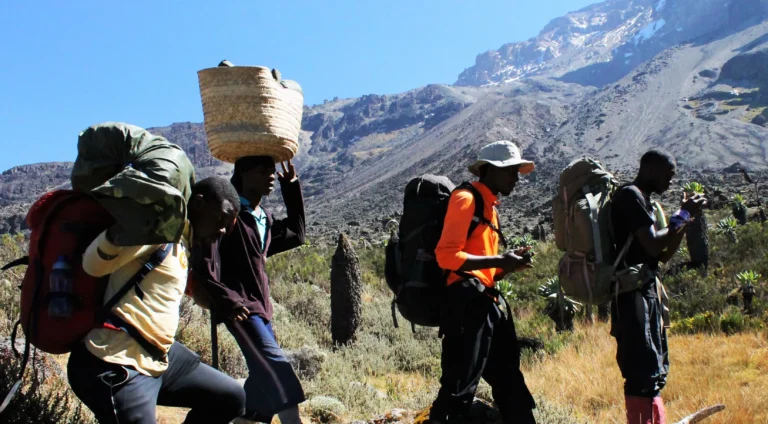
How To Know Whether You Are Ready For Kilimanjaro: A Comprehensive Guide
Climbing Mount Kilimanjaro is a significant undertaking. This guide helps you evaluate your physical, mental, and logistical readiness to ensure a safe and successful trek in 2026 or 2027...
View package details
Kilimanjaro Hydration Mistakes Climbers Make And How To Avoid Them 2026-2027
Proper hydration is critical for a successful Kilimanjaro climb. This guide details common hydration mistakes climbers make, from under-drinking to choosing the wrong fluids, and provides...
View package detailsWhich Local Tanzania Safari Companies Are Trustworthy In ? 2026-2027
Choosing a trustworthy local Tanzania safari company is crucial for a memorable and safe adventure. This guide helps you identify reliable operators for your 2026-2027 trip, covering...
View package details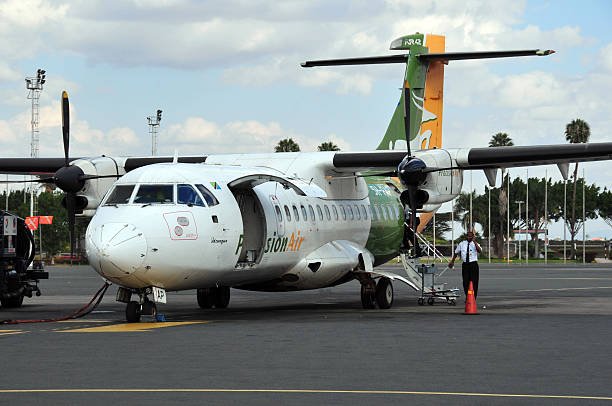
We Are Arriving At Kilimanjaro Airport, What Safari Itinerary Should We Do?
Planning your safari upon arrival at Kilimanjaro Airport (JRO)? This guide provides tailored safari itineraries for 2026-2027, focusing on Northern Tanzania's iconic parks like the...
View package details
What Does Kilimanjaro Rainforest Look Like? A Trekkers Visual Guide 2026-2027
The Kilimanjaro rainforest is a vibrant, humid zone of dense vegetation, towering trees, and diverse plant life found on the mountain's lower slopes. It's the first major ecosystem trekkers...
View package detailsNo related package matches those filters. Clear one or more filters to see the other topic-matched options.
Plan your Bwindi gorilla trekking with Top Guide Adventures
Tell us your travel dates, group size, comfort level, and dream experience. We will help you shape a clear, realistic, and memorable Tanzania itinerary.



