
Updated planning guide for 2026, 2027
Serengeti In January: Calving Season Safari Guide: Best
Discover the magic of the Serengeti in January, a prime time for witnessing the Great Migration's calving season. This comprehensive guide covers everything you need to know for an unforgettable safari experience.
WhatsApp +255616946642 | topguideadventures@gmail.com | info@topguideadventures.com
Serengeti in January: Your Ultimate Calving Season Safari Guide
January in the Serengeti National Park marks a pivotal moment in the annual Great Migration cycle: the calving season. This period transforms the southern plains into a nursery, attracting predators and offering unparalleled wildlife viewing opportunities for those who time their visit just right. For many, a safari during this time is the pinnacle of African wildlife experiences. This guide provides an in-depth look at what to expect, how to plan, and why Serengeti in January is a must-visit for serious wildlife enthusiasts.
What is the Serengeti Calving Season?
The Great Migration is a continuous movement of over 1.5 million wildebeest, zebras, and gazelles across the Serengeti-Mara ecosystem. While the dramatic river crossings often steal the spotlight, the calving season in January and February is equally significant. This is when the vast majority of wildebeest calves are born on the nutrient-rich short-grass plains of the southern Serengeti and the adjacent Maswa Game Reserve. Tens of thousands of calves arrive each week, creating a vibrant spectacle of new life against the backdrop of the African savanna. This abundance of vulnerable young animals becomes a magnet for predators, leading to heightened predator-prey interactions and exceptional viewing for safari-goers.
Quick Facts: Serengeti in January
| Weather | Warm to hot days, cooler evenings. Short rains are possible but usually brief. |
|---|---|
| Wildlife Highlights | Calving wildebeest, newborn gazelles, abundant predator activity (lions, cheetahs, hyenas, leopards), resident wildlife. |
| Migration Location | Southern Serengeti plains, Moru Kopjes, Ndutu area. |
| Crowds | Moderate. Fewer than the peak dry season, but popular for the calving season. |
| Best For | Wildlife photographers, predator enthusiasts, those seeking abundant newborn wildlife, experiencing the Great Migration’s life cycle. |
Why Visit the Serengeti in January for the Calving Season?
The Serengeti in January offers a unique safari experience distinct from other times of the year. Here’s why it stands out:
- Abundance of Newborn Wildlife: Witnessing thousands of wildebeest calves, gazelle fawns, and zebra foals taking their first steps is profoundly moving. This is nature’s nursery in full swing.
- Predator Activity Peaks: The concentration of young, inexperienced animals naturally draws predators. Lions, cheetahs, hyenas, and even leopards are often seen actively hunting, providing thrilling photographic and viewing opportunities. You’ll see pride dynamics and hunting strategies unfold.
- Vast Plains and Open Views: The southern Serengeti and Ndutu areas are characterized by vast, open grasslands. This terrain offers excellent visibility for spotting wildlife from a distance and provides incredible backdrops for photography.
- Less Congestion (Compared to Peak Season): While popular, January is not as intensely crowded as the peak dry season months of July to October. You’re more likely to have intimate wildlife encounters without numerous vehicles.
- Photography Paradise: The combination of dramatic landscapes, abundant wildlife, predator action, and the soft light of the early year makes January an ideal month for photographers. The green flush after the rains adds vibrant color.
Understanding the Migration’s Movement in January
By January, the bulk of the Great Migration herd has typically moved south from the northern Serengeti or western corridor. They congregate on the short-grass plains stretching across the southern Serengeti National Park and into the Ngorongoro Conservation Area, particularly the Ndutu region. This area is renowned for its incredibly fertile soil, which supports lush grazing. The wildebeest remain here for several weeks to give birth and allow the calves to gain strength.
The herds are often spread out over vast distances, grazing and nursing. This is also a time when predators, such as lions and hyenas, establish territories and focus on hunting the vulnerable young. Cheetahs are frequently seen on the open plains, and leopards can be found in areas with more cover, like the Moru Kopjes.
Serengeti January Migration Map Overview
This is a simplified illustration of typical migration patterns in January.
| Region | Terrain | Key Wildlife | Migration Focus |
|---|---|---|---|
| Southern Serengeti Plains | Vast, open grasslands, acacia woodlands. | Wildebeest herds, zebras, gazelles, lions, cheetahs, hyenas. | Calving grounds, high predator activity. |
| Ndutu Area (Ngorongoro Conservation Area) | Similar to southern plains, often considered the heart of the calving grounds. | Massive wildebeest herds, calves, lions, hyenas, cheetahs. | Primary calving area, intense predator-prey dynamics. |
| Moru Kopjes | Rocky outcrops within the southern plains, offering some cover. | Lions, leopards, rhinos (rare), resident game. | Good for resident predators, scenic views. |
Note: The exact location and density of herds can vary slightly each year based on rainfall patterns.
What to Expect on a Serengeti Safari in January
A safari during the calving season is an immersive experience. Expect:
- Longer Game Drives: With so much activity, you’ll want to spend more time in the bush. Early mornings and late afternoons are prime times for spotting predators on the move or resting in the shade.
- Incredible Newborn Sightings: It’s common to see wildebeest calves struggling to stand, nursing mothers, and playful young zebras. The sheer number of births is astonishing.
- Predator Action: Witnessing a hunt is a raw, powerful experience. Lions stalk herds, cheetahs sprint across the plains, and hyenas work in coordinated groups. Even leopards are more active, looking for opportunities.
- Birdlife: January is also a good month for birdwatching. Many migratory birds are present, and resident species are active.
- Weather: The weather is generally warm to hot during the day, with temperatures often reaching the high 20s or low 30s Celsius (80s Fahrenheit). Evenings and early mornings can be cooler, especially after rain. The landscape is often lush and green due to recent rains.
- Potential for Rain: January falls within the ‘short rains’ season (Vuli), though these are usually brief, localized showers rather than prolonged downpours. They tend to occur in the afternoon or evening and often clear quickly, leaving the air fresh and the landscape vibrant. This means you should be prepared for occasional wet weather.
Itinerary Logic: Planning Your Serengeti January Safari
For a Serengeti in January safari, focusing on the southern plains and the Ndutu area is key. An ideal itinerary would allocate most of its time here, perhaps with a brief exploration of other areas if time permits.
Sample 7-Day Serengeti Calving Season Itinerary (Focus: South & Ndutu)
| Day | Location | Activities | Accommodation Type |
|---|---|---|---|
| Day 1 | Arrive Kilimanjaro (JRO), transfer to Arusha | Meet your guide, briefing, relax. | Arusha Hotel |
| Day 2 | Arusha to Southern Serengeti/Ndutu | Morning flight to Ndutu Airstrip or drive. Afternoon game drive. | Tented Camp/Lodge in Ndutu or Southern Serengeti |
| Day 3-5 | Southern Serengeti / Ndutu Plains | Full days exploring the calving grounds. Focus on wildebeest herds, predator sightings, newborn wildlife. Game drives in open 4×4 vehicles. Option for bush breakfasts/dinners. | Tented Camp/Lodge in Ndutu or Southern Serengeti |
| Day 6 | Southern Serengeti to Central Serengeti (Seronera) | Morning game drive in Ndutu/South, then drive or fly to Seronera. Afternoon game drive in Central Serengeti, exploring kopjes and riverine areas. | Tented Camp/Lodge in Central Serengeti |
| Day 7 | Central Serengeti to Arusha/Kilimanjaro | Morning game drive in Central Serengeti, then transfer to Seronera Airstrip for flight back to Arusha, connect to Kilimanjaro (JRO) for departure or overnight. | N/A |
Itinerary Logic Explained:
- Focus on the South: Days 2-5 are dedicated to the prime calving areas. This maximizes your chances of witnessing the migration’s core activities.
- Transition Day: Day 6 allows for a change of scenery. Moving to the Central Serengeti (Seronera) offers a chance to see resident wildlife, leopards, and potentially different predator-prey dynamics. It also positions you closer to the airstrip for departure.
- Flexibility: This is a sample. It can be extended to 10-14 days to explore more of the Serengeti, visit the Ngorongoro Crater, or add time in other Tanzanian parks. For 2026 and 2027 safaris, consider adding an extra day in the south if you’re a keen photographer or predator enthusiast.
Accommodation Options in the Southern Serengeti and Ndutu
The choice of accommodation significantly impacts your safari experience. In the southern Serengeti and Ndutu, you’ll find a range of options:
- Luxury Tented Camps: Offer spacious canvas tents with en-suite bathrooms, comfortable beds, gourmet meals, and often exceptional service. They provide an immersive experience while maintaining high comfort levels. Many are mobile, repositioning to follow the migration.
- Mid-Range Lodges/Camps: Comfortable lodges or permanent tented camps providing good amenities, private bathrooms, and delicious food. A solid choice for value and experience.
- Budget Camps: More basic tented camps or lodges, focusing on essential comfort and a good location for game viewing. These might have shared bathrooms or simpler facilities.
Important Note: Ndutu is technically within the Ngorongoro Conservation Area, not the Serengeti National Park. This means different park fees apply, and some operators specialize in this region during calving season. Ensure your itinerary clearly states whether you are in Serengeti National Park or Ndutu.
What to Pack for Your January Serengeti Safari
Packing smart is crucial for comfort and practicality. For January, consider the warm days and cooler mornings/evenings, plus the possibility of rain.
Packing List Essentials: Serengeti in January
- Clothing:
- Lightweight, breathable long-sleeved shirts (2-3) – for sun and insect protection.
- Lightweight, breathable long trousers (2-3) – neutral colors (khaki, beige, olive). Avoid black and bright colors.
- T-shirts and casual tops (3-4).
- Fleece jacket or warm sweater – for cooler mornings/evenings.
- Lightweight waterproof and windproof jacket – essential for potential showers.
- Comfortable shorts or skirt (optional, for relaxing at camp).
- Pajamas.
- Underwear and socks.
- Footwear:
- Comfortable walking shoes or hiking boots (broken in).
- Sandals or flip-flops (for camp).
- Accessories:
- Sun hat with a wide brim.
- Sunglasses.
- Scarf or bandana – useful for dust and sun protection.
- Binoculars – essential for wildlife viewing!
- Camera with extra batteries, memory cards, and charger. A zoom lens is highly recommended.
- Power bank or adapter for charging devices (safari vehicles and camps have limited charging points).
- Small backpack or daypack – for carrying water, snacks, camera during game drives.
- Headlamp or small flashlight – useful in camps at night.
- Insect repellent (with DEET).
- Sunscreen (high SPF).
- Personal toiletries.
- Basic first-aid kit (band-aids, pain relievers, antiseptic wipes, motion sickness medication if needed).
- Personal medications.
- Reusable water bottle.
- Travel-sized binoculars.
- Documents:
- Passport (with at least 6 months validity).
- Visa (if required).
- Yellow Fever vaccination certificate (if required for entry/transit).
- Flight tickets and itinerary.
- Travel insurance details.
- Copies of important documents (stored separately).
Tip: Pack in soft-sided duffel bags as they are easier to fit into safari vehicles. Most lodges have laundry services, so you don’t need to pack for every single day.
Preparing for Your Safari: What to Know
Beyond packing, preparation involves understanding practicalities:
- Book in Advance: Especially for January, which is popular for the calving season, booking your safari well in advance (6-12 months) is recommended, particularly for lodges and camps in prime locations.
- Choose the Right Operator: Select a reputable tour operator with local knowledge. They can advise on the best camps, tailor itineraries, and handle logistics.
- Understand Park Fees: Fees for Serengeti National Park and the Ngorongoro Conservation Area (where Ndutu is located) are substantial and usually included in your tour package.
- Health Precautions: Consult your doctor or a travel clinic about recommended vaccinations (e.g., Yellow Fever, Hepatitis A, Typhoid) and malaria prophylaxis.
- Travel Insurance: Comprehensive travel insurance covering medical emergencies, evacuation, trip cancellation, and lost baggage is essential.
- Fitness: While not strenuous, safaris involve early mornings and sitting in vehicles for extended periods. A moderate level of fitness is sufficient.
Common Mistakes to Avoid on a Serengeti Calving Season Safari
To ensure a smooth and enjoyable trip, be aware of potential pitfalls:
- Not Spending Enough Time in the South: Many itineraries might rush through the southern plains. For calving season, dedicate at least 3-4 full days to this region.
- Underestimating the Weather: While generally warm, January can have unpredictable rain. Packing appropriately and being flexible with game drive times is important.
- Focusing Only on the Migration: While the migration is a highlight, remember the Serengeti has incredible resident wildlife year-round. Don’t miss opportunities to see leopards, rhinos, elephants, and diverse birdlife.
- Overpacking: Safari vehicles have limited space. Stick to essentials and soft bags.
- Ignoring Local Advice: Your guide is your expert. Listen to their recommendations regarding game drive times, locations, and safety.
- Booking Too Late: Popular camps and lodges fill up quickly, especially during peak wildlife events like calving season.
Who is a Serengeti in January Safari Best For?
A safari to the Serengeti in January is particularly well-suited for:
- Wildlife Photographers: The abundance of predators, newborn animals, and dramatic landscapes provide endless photographic opportunities. The green season often offers softer light.
- Predator Enthusiasts: Witnessing lions, cheetahs, and hyenas actively hunting and interacting is a major draw.
- Nature Lovers: Experiencing the cycle of life, from birth to predation, is a profound connection with the natural world.
- Travelers Seeking a Unique Migration Experience: Seeing the migration during its reproductive phase offers a different perspective than the more dramatic river crossings.
- Those Visiting Tanzania for the First Time: The southern Serengeti is an iconic introduction to the country’s wildlife.
- Travelers in 2026 and 2027: Planning for these years allows you to secure the best options for this popular wildlife event.
Alternatives to the Serengeti in January
While the Serengeti calving season is spectacular, other African destinations offer excellent experiences in January:
- Kruger National Park, South Africa: Also a good time for wildlife viewing, with lush vegetation and fewer crowds than the dry season. Excellent for general game viewing and diverse wildlife.
- South Luangwa National Park, Zambia: Known for its walking safaris and high predator concentrations. January is the start of the green season, offering lush landscapes and good birding, though some roads may become impassable.
- Chobe National Park, Botswana: Famous for its massive elephant herds. January is part of the green season, with animals dispersed but still visible, especially around water sources. Offers a different landscape and safari style.
However, for the specific spectacle of the wildebeest calving and associated predator activity, the southern Serengeti and Ndutu remain unparalleled.
Planning Your 2026/2027 Serengeti Safari
When planning for future trips in 2026 or 2027, early booking is your best strategy. Consider:
- Time of Year: Confirm your dates for January to align with the peak calving season.
- Budget: January safaris can range in price depending on accommodation luxury, duration, and inclusions. Generally, it falls into the mid-to-high price range due to its popularity.
- Operator Selection: Research and compare tour operators. Look for those with strong reviews for Serengeti and calving season expertise.
- Customization: Work with your operator to tailor the itinerary to your interests – whether it’s photography, predator viewing, or a more relaxed pace.
2026/2027 Safari Planning Timeline
| Timeframe | Action |
|---|---|
| 12+ Months Out | Research destinations and operators. Define budget and interests. Book popular lodges/camps for January 2027. |
| 9-12 Months Out | Confirm itinerary with chosen operator. Book flights. Discuss visa requirements. |
| 6-9 Months Out | Consult doctor for vaccinations and malaria advice. Purchase travel insurance. |
| 3-6 Months Out | Finalize payments. Start packing list. Confirm any special requests (dietary, etc.). |
| 1 Month Out | Reconfirm all bookings. Pack. Exchange currency if needed. Inform bank of travel dates. |
| 1-2 Weeks Out | Final packing. Prepare travel documents. Get any necessary prescriptions. |
Booking Your Serengeti Calving Season Safari
When you are ready to book your unforgettable Serengeti in January safari, working with an experienced and reputable tour operator is essential. We specialize in creating personalized Tanzanian adventures, ensuring you get the most out of this incredible wildlife spectacle.
Our team has extensive knowledge of the Serengeti, the Great Migration, and the best times to visit for specific experiences like the calving season. We can help you select the perfect accommodation, craft an itinerary that maximizes your wildlife viewing opportunities, and handle all the logistical details.
Contact us today to start planning your dream Serengeti safari for January 2026 or 2027.
WhatsApp: +255616946642
Email: topguideadventures@gmail.com
Backup Email: info@topguideadventures.com
Let us help you create a safari experience that will stay with you forever.
Frequently Asked Questions (FAQs)
Q1: Is January a good time to see the Great Migration in the Serengeti?
A1: Yes, January is an excellent time to witness a crucial part of the Great Migration: the calving season. The majority of the wildebeest herds are concentrated in the southern Serengeti and Ndutu area, where tens of thousands of calves are born. This attracts a high concentration of predators.
Q2: What is the weather like in the Serengeti in January?
A2: January is part of the ‘short rains’ season. Days are typically warm to hot (25-30°C / 77-86°F), and nights are cooler. You can expect occasional, usually brief, afternoon or evening showers that leave the landscape lush and green. It’s advisable to pack for both warm and potentially wet conditions.
Q3: Will I see predators during the calving season?
A3: Absolutely. The abundance of newborn wildebeest calves and other young animals makes the calving season a prime time for predator sightings. Lions, cheetahs, hyenas, and even leopards are very active, hunting and feeding on the vulnerable young. You’ll likely witness significant predator-prey interactions.
Q4: Where should I stay to see the calving season?
A4: To best experience the calving season, focus your stay in the southern Serengeti National Park and the adjacent Ndutu area (which is within the Ngorongoro Conservation Area). Camps and lodges in these regions offer direct access to the migration herds and their young.
Q5: How many days are needed for a Serengeti calving season safari?
A5: For a focused calving season experience, we recommend a minimum of 3-4 full days dedicated to the southern Serengeti and Ndutu areas. A 7-day itinerary, as outlined in this guide, allows for this focus plus a visit to another Serengeti region like Seronera.
Q6: Is January a crowded month for safaris in the Serengeti?
A6: January is popular due to the calving season, but it is generally less crowded than the peak dry season months of July to October. You will encounter other vehicles, but the vastness of the plains often allows for more intimate wildlife viewing experiences compared to peak times.
Q7: What are the main differences between visiting the Serengeti in January versus July?
A7: In January, the focus is on the calving grounds in the south, with high predator activity and abundant young wildlife. In July, the migration is typically in the north, with the dramatic river crossings being the main attraction. The landscape in January is lush and green, while July is in the dry season, with more open visibility and sparser vegetation.
Q8: Are there any specific vaccinations or health precautions for Tanzania in January 2027?
A8: It’s crucial to consult your doctor or a travel clinic at least 6-8 weeks before your trip for personalized advice. Recommended vaccinations often include Hepatitis A, Typhoid, and Tetanus. Malaria prophylaxis is usually advised for Tanzania. Yellow Fever vaccination may be required depending on your travel route and entry requirements.
Q9: Can I combine a Serengeti safari with other destinations in Tanzania in January?
A9: Yes, absolutely. January is a good time to visit the Ngorongoro Crater for its resident wildlife and the unique experience of descending into the caldera. Zanzibar offers beautiful beaches and cultural experiences, though January is still within its rainy season, so beach weather can be mixed.
Q10: What kind of vehicle is best for a January Serengeti safari?
A10: A 4×4 safari vehicle with a pop-up roof is standard and ideal for game viewing. This allows for excellent visibility and protection from the elements. Ensure your operator provides well-maintained vehicles with experienced guides.
Book Your Serengeti in January Calving Season Safari
The Serengeti in January offers a unique and profoundly rewarding safari experience. Witnessing the cycle of life unfold on the vast plains, with countless newborn animals and the predators that follow, is an unforgettable event. Planning is key to making the most of this special time.
We are passionate about creating exceptional Tanzanian adventures. Let our expertise guide you in planning your perfect Serengeti safari for January 2026 or 2027. We can tailor an itinerary that matches your interests, budget, and travel style, ensuring you have a truly memorable journey.
Get in touch with our safari experts today:
WhatsApp: +255616946642
Email: topguideadventures@gmail.com
Backup Email: info@topguideadventures.com
Your adventure to witness the Serengeti calving season awaits!
12-Day Nyerere Safari And Zanzibar Honeymoon: The Ultimate Romantic Escape
A 12-day Nyerere Safari and Zanzibar Honeymoon offers an unparalleled blend of thrilling wildlife encounters in one of Africa's largest game reserves and serene relaxation on the exotic...
View package details
12-Day Southern Tanzania Grand Safari: An Unforgettable Adventure In 2026-2027
Discover the untamed beauty of Southern Tanzania on an epic 12-day safari. This journey explores the vast wilderness of Selous Game Reserve, the dramatic landscapes of Ruaha National Park...
View package details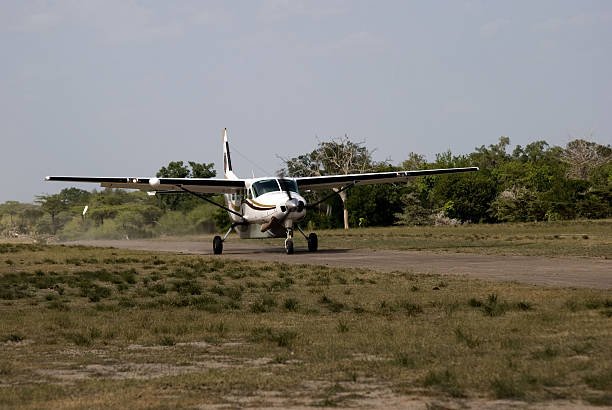
10-Day Selous, Mikumi And Ruaha Safari Guide
Discover the untamed beauty of southern Tanzania with a 10-day safari combining Selous Game Reserve, Mikumi National Park, and Ruaha National Park. This itinerary offers a comprehensive...
View package details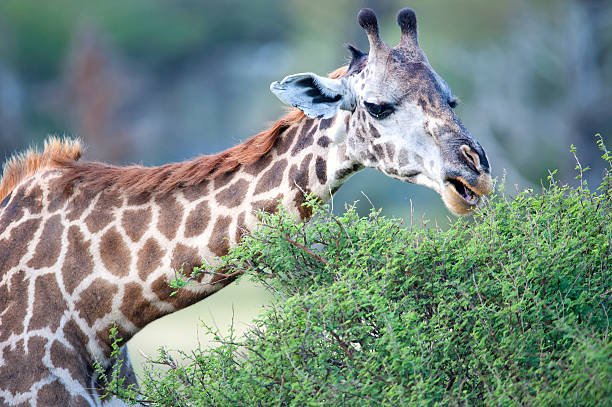
10-Day Southern Tanzania Safari And Beach Holiday 2026-2027
Discover the ultimate 10-day Southern Tanzania safari and beach holiday, blending the wild wonders of Selous and Ruaha with the serene shores of Zanzibar or Mafia Island. Perfect for...
View package details9-Day Nyerere Safari And Zanzibar Package: Ultimate Southern Tanzania
Discover the best of Tanzania's southern circuit with a 9-day Nyerere Safari and Zanzibar package. Experience thrilling game drives in Nyerere National Park, once known as Selous, followed...
View package details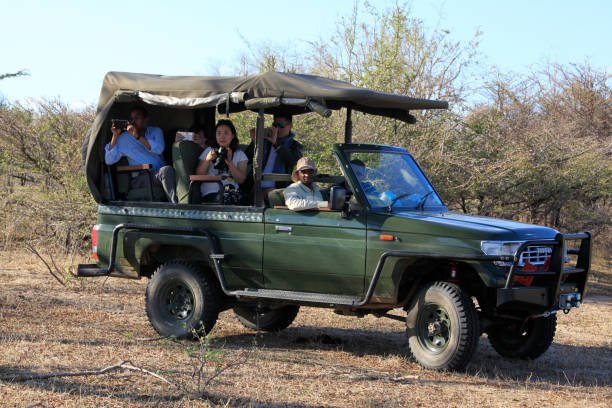
8-Day Nyerere Family Safari: The Ultimate Tanzania Adventure 2026-2027
Experience an unforgettable 8-day Nyerere Family Safari in Tanzania with Top Guide Adventures. This itinerary focuses on diverse wildlife, stunning landscapes, and family-friendly...
View package details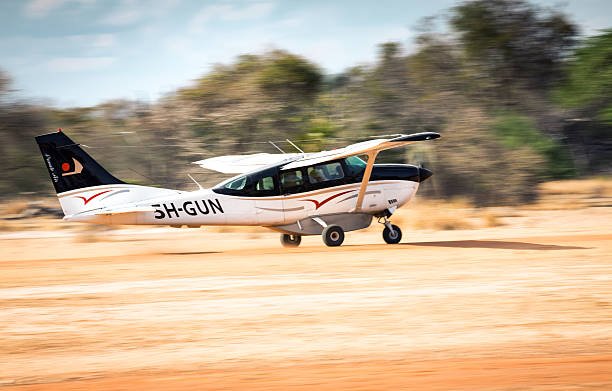
8-Day Selous Safari And Zanzibar Holiday: Your Ultimate Tanzania Adventure
An 8-day adventure perfectly blending the wild heart of Selous Game Reserve with the tropical allure of Zanzibar. This itinerary offers an unforgettable Tanzanian experience, combining...
View package details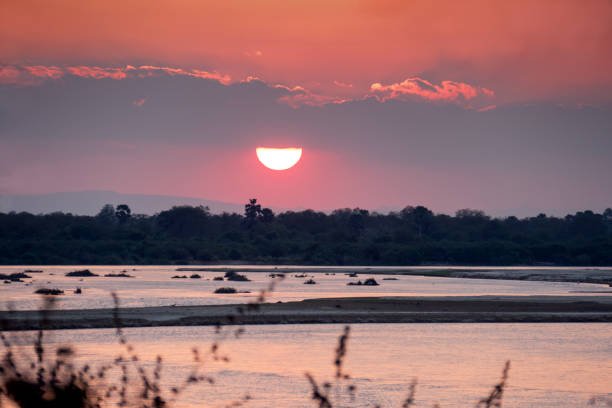
8-Day Southern Tanzania Luxury Safari: Selous & Ruaha 2026-2027
An 8-day luxury safari through Southern Tanzania's Selous Game Reserve and Ruaha National Park offers an unparalleled wildlife experience. This itinerary focuses on exclusive lodges...
View package details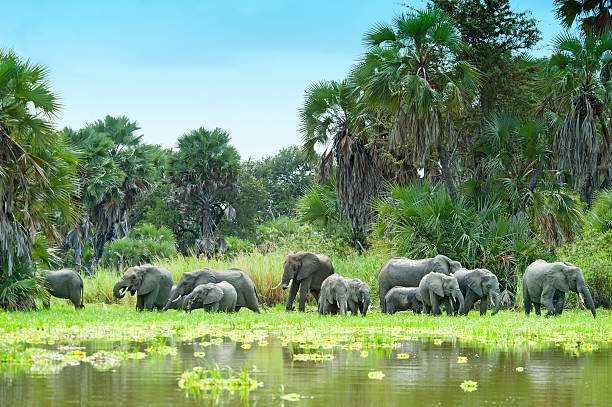
7-Day Tanzania Bush And Beach Holiday: Safari & Zanzibar Bliss 2026-2027
Experience the best of Tanzania in seven days with an unforgettable journey that blends the raw beauty of its wildlife-rich savannas with the tranquil turquoise waters of Zanzibar. This...
View package details
7-Day Mikumi, Udzungwa & Nyerere Safari: Your Ultimate Southern Tanzania
This 7-day itinerary covers Mikumi, Udzungwa, and Nyerere National Parks, offering a comprehensive Southern Tanzania safari experience. Explore diverse ecosystems, abundant wildlife, and...
View package details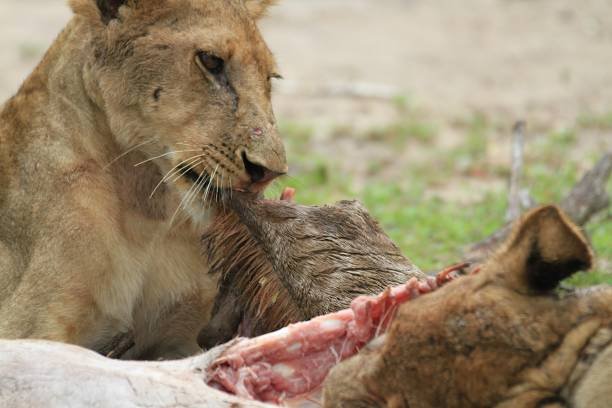
7-Day Nyerere Luxury Fly-In Safari: Your Ultimate Tanzanian Adventure
Discover the untamed beauty of southern Tanzania on a 7-day luxury fly-in safari to Nyerere National Park. This exclusive journey combines thrilling wildlife encounters with unparalleled...
View package details
7-Day Southern Tanzania Safari: Ultimate Guide To Selous & Ruaha In 2026-2027
start an unforgettable 7-day Southern Tanzania safari adventure, exploring the vast wilderness of Selous Game Reserve and the untamed beauty of Ruaha National Park. This itinerary offers a...
View package detailsNo related package matches those filters. Clear one or more filters to see the other topic-matched options.
Plan your Serengeti in January: Calving Season Safari Guide with Top Guide Adventures
Tell us your travel dates, group size, comfort level, and dream experience. We will help you shape a clear, realistic, and memorable Tanzania itinerary.



