
Updated planning guide for 2026, 2027
Kilimanjaro Peak Height: Your Essential Guide
Planning a climb up Africa's highest peak? This comprehensive guide details the Kilimanjaro peak height, essential preparation, route options, and booking advice for your 2026 or 2027 adventure.
WhatsApp +255616946642 | topguideadventures@gmail.com | info@topguideadventures.com
Kilimanjaro Peak Height: Your Essential Guide
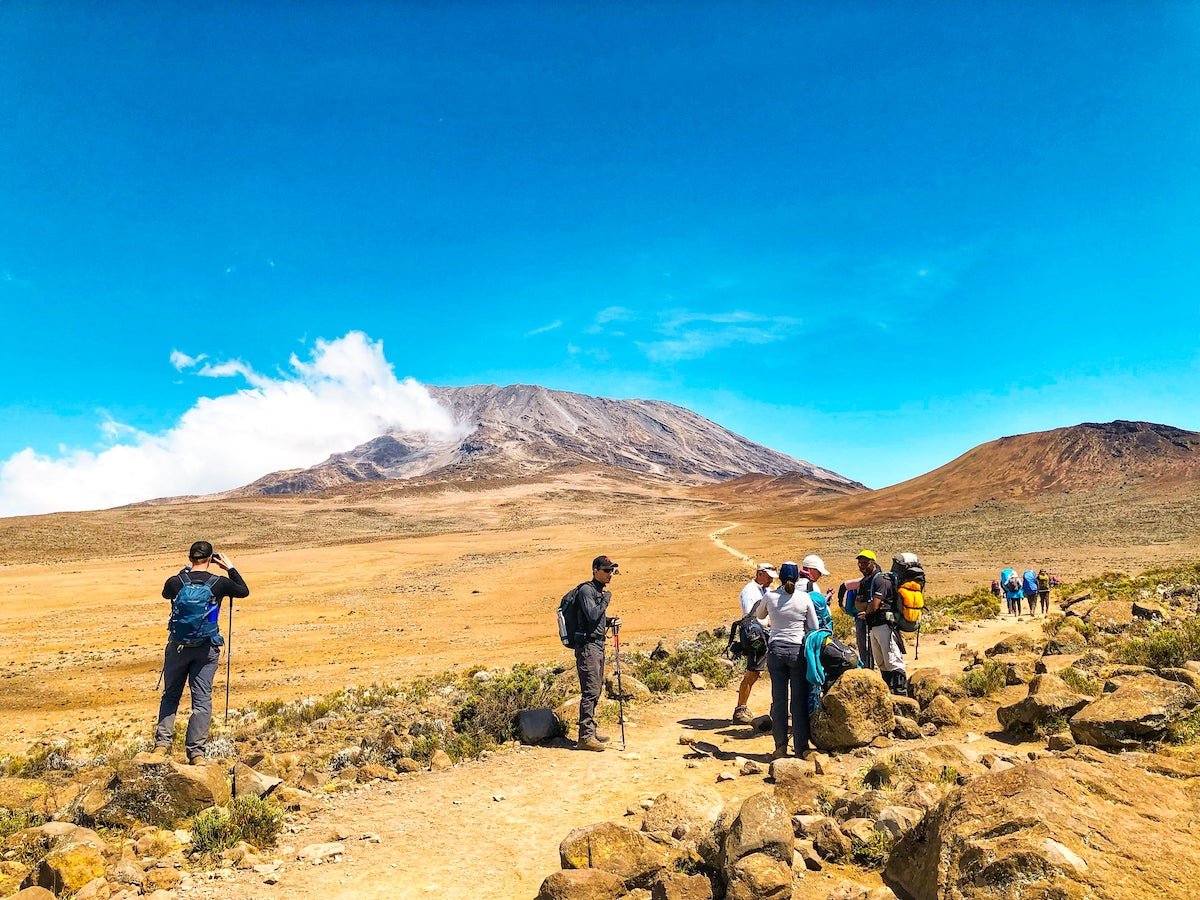
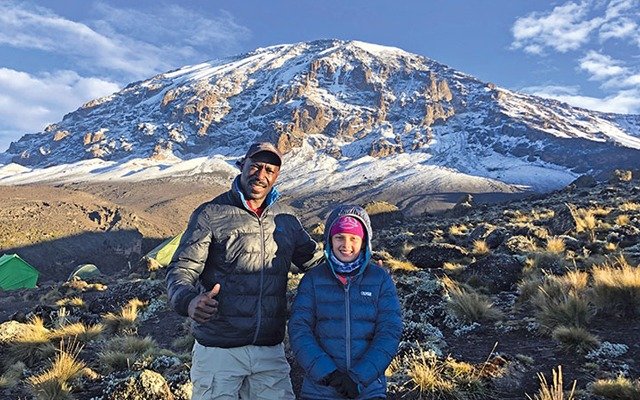
Standing tall and majestic in Tanzania, Mount Kilimanjaro is a dream destination for trekkers worldwide. Its iconic silhouette and the challenge it presents draw thousands of adventurers each year. Understanding the kilimanjaro peak height is just the first step in preparing for this incredible journey. This guide will take you through everything you need to know, from the summit’s elevation to the practicalities of planning your climb for seasons in 2026 and 2027.
Table of Contents
- Quick Facts About Kilimanjaro
- Kilimanjaro: More Than Just a Height
- The Kilimanjaro Peak Height: Uhuru Peak Explained
- Why Kilimanjaro Peak Height Matters for Trekkers
- Best Time to Climb Kilimanjaro (2026-2027)
- Understanding the Kilimanjaro Routes
- Sample Kilimanjaro Trek Itinerary (7-Day Lemosho)
- What to Expect on the Mountain
- Essential Gear and Packing List
- Physical and Mental Preparation
- Common Mistakes to Avoid
- Who Is Kilimanjaro Best Suited For?
- Alternatives to Kilimanjaro
- Planning Your 2026-2027 Kilimanjaro Climb
- Booking Your Kilimanjaro Trek
- Frequently Asked Questions (FAQs)
- Ready to Conquer Kilimanjaro?
Quick Facts About Kilimanjaro
| Feature | Detail |
|---|---|
| Mountain Name | Mount Kilimanjaro |
| Location | Kilimanjaro Region, Tanzania |
| Highest Point | Uhuru Peak |
| Kilimanjaro Peak Height | 5,895 meters (19,341 feet) above sea level |
| Type of Mountain | Dormant volcano |
| Number of Peaks | Three volcanic cones: Kibo, Mawenzi, and Shira |
| Typical Trek Duration | 5 to 9 days, depending on the route |
| Difficulty | Challenging, primarily due to altitude and duration |
| Success Rate | Varies significantly by route, duration, and individual preparation (approx. 65-85%) |
| Park Entrance Fee | Mandatory and significant, managed by Kilimanjaro National Park Authority (KINAPA) |
Kilimanjaro: More Than Just a Height
Kilimanjaro is not just another mountain; it’s a geological marvel and a significant cultural icon in Tanzania. As the highest free-standing mountain in the world and one of the Seven Summits, it holds a special place in the hearts of adventurers. Its summit, Uhuru Peak, is the highest point in Africa, a goal that inspires many to test their physical and mental limits.
The mountain is a dormant volcano, part of the Eastern Rift volcanic chain. It boasts three distinct volcanic cones: Kibo, the highest and most accessible for climbers; Mawenzi, the second highest and more rugged; and Shira, the oldest and most eroded, forming a plateau. While climbers aim for Kibo’s summit, the sheer scale and diverse ecosystems surrounding Kilimanjaro are impressive in themselves.
Beyond the physical challenge, climbing Kilimanjaro offers a profound experience of nature’s grandeur. As you ascend, you’ll traverse multiple climate zones, from lush rainforests at the base to alpine deserts and finally the arctic conditions at the summit. This journey is as much about personal discovery as it is about reaching a specific elevation. Understanding the kilimanjaro peak height is crucial, but so is appreciating the journey and the unique environment.
The Kilimanjaro Peak Height: Uhuru Peak Explained
The definitive kilimanjaro peak height is 5,895 meters (19,341 feet) above sea level. This elevation is measured at Uhuru Peak, located on the rim of Kibo crater. Uhuru Peak is the true summit of Mount Kilimanjaro and the highest point on the African continent. It’s important to distinguish this from the other two peaks: Mawenzi, which stands at 5,149 meters (16,893 feet), and Shira, at 3,962 meters (13,000 feet).
The summit area, Kibo, is a vast, snow-capped caldera. Uhuru Peak is essentially a point on the outer edge of this crater. The name ‘Uhuru’ means ‘freedom’ in Swahili, a fitting name for a place that represents a significant personal achievement for those who reach it. The final ascent to Uhuru Peak typically occurs in the early morning hours, allowing climbers to witness a spectacular sunrise from the rooftop of Africa.
The altitude is the primary challenge. At 5,895 meters, the air contains significantly less oxygen than at sea level. This is why acclimatization is paramount. For every 1,000 meters gained, the atmospheric pressure drops, and the available oxygen decreases. This physiological stress is what makes Kilimanjaro a formidable trek, even for experienced hikers.
Kibo Crater and Gilman’s Point
Before reaching Uhuru Peak, most climbers will reach Stella Point (5,756 meters / 18,885 feet) or Gilman’s Point (5,681 meters / 18,638 feet) on the crater rim. Gilman’s Point is often the first point on the rim reached by trekkers on routes like Marangu and Machame. From Gilman’s Point, it’s a relatively flat but challenging walk along the crater rim to Stella Point, and then a further push to Uhuru Peak.
The walk from Stella Point to Uhuru Peak is about 1.5 kilometers (0.9 miles) and takes approximately 45-60 minutes. This final stretch offers stunning views of the volcanic ash plain, the crater itself, and the iconic glaciers of Kilimanjaro. The kilimanjaro peak height is a constant reminder of the significant elevation you’ve achieved.
Why Kilimanjaro Peak Height Matters for Trekkers
The kilimanjaro peak height of 5,895 meters (19,341 feet) is the defining factor in the mountain’s challenge. This extreme altitude directly impacts the body and requires careful planning and preparation. Here’s why it’s so significant:
- Altitude Sickness (AMS): The higher you go, the thinner the air. At 5,895 meters, the oxygen levels are about half of what they are at sea level. This can lead to Acute Mountain Sickness (AMS), characterized by headaches, nausea, dizziness, and fatigue. Proper acclimatization, achieved by ascending slowly and drinking plenty of water, is crucial to mitigate these risks.
- Physical Exertion: The combination of steep ascents, uneven terrain, and reduced oxygen makes climbing Kilimanjaro physically demanding. Even those who are fit may find the altitude significantly increases their perceived effort.
- Route Selection: The chosen route affects how gradually you gain altitude. Longer routes (like Lemosho or Machame) allow for better acclimatization, increasing the chances of reaching the summit safely and successfully. Shorter routes (like Marangu) ascend more rapidly, posing a higher risk of altitude sickness.
- Gear and Clothing: The summit is an arctic environment, with temperatures often dropping well below freezing, especially at night and during the summit push. The kilimanjaro peak height necessitates specialized gear to protect against extreme cold, wind, and ice.
- Success Rates: The altitude is the primary reason why not everyone reaches the summit. Operators track success rates, which are heavily influenced by the chosen route length and the acclimatization profile.
Understanding the kilimanjaro peak height isn’t just about knowing a number; it’s about understanding the physiological challenges it presents and how to prepare for them. It dictates the pace of the trek, the need for experienced guides, and the importance of listening to your body.
Best Time to Climb Kilimanjaro (2026-2027)
Kilimanjaro can be climbed year-round, but certain periods offer more favorable weather conditions. The mountain experiences two main dry seasons, which are ideal for trekking. Planning your climb for 2026 or 2027 during these windows will significantly enhance your experience.
| Period | Description | Pros | Cons |
|---|---|---|---|
| January – March | First dry season. Often good visibility and warmer temperatures. | Clear skies, excellent visibility, warmer summit temperatures. | Can be crowded, especially during school holidays. Potential for late rain in March. |
| June – October | Second, longer dry season. Cooler temperatures, but generally clear skies. | Stable weather, clear skies, lower humidity, generally less crowded than Jan-Mar. | Cooler temperatures, especially at higher altitudes. Can be windy. |
| April – May | Long rains season. Heavy rainfall, especially at lower elevations. | Fewer crowds, lush vegetation. | Rain, mud, poor visibility, slippery trails, higher risk of AMS due to wet conditions. Not recommended for most trekkers. |
| November – December | Short rains season. Intermittent rainfall, often in the afternoons. | Fewer crowds, vegetation is still green. | Unpredictable showers, can affect trail conditions and visibility. |
For 2026 and 2027, the best months to consider are:
- January, February, March: Excellent for clear views and relatively milder summit conditions.
- June, July, August, September, October: Offer the most stable weather, though can be cooler.
While the dry seasons are preferred, the mountain can be climbed at any time. If you’re looking for fewer crowds and are prepared for potentially cooler or breezier conditions, the shoulder months might be an option. Always check weather forecasts closer to your departure date.
Understanding the Kilimanjaro Routes
Choosing the right route is as important as preparing for the kilimanjaro peak height. Each route offers a different experience, duration, and acclimatization profile. The longer routes are generally recommended for higher success rates and a more enjoyable trek.
Marangu Route (Coca-Cola Route)
- Duration: 5-6 days
- Accommodation: Huts (dormitory-style)
- Pros: Only route with hut accommodation, often considered the easiest ascent gradient.
- Cons: Poorest acclimatization profile, lower success rates due to rapid ascent. Can be very crowded.
Machame Route (Whiskey Route)
- Duration: 6-7 days
- Accommodation: Camping
- Pros: Excellent acclimatization profile, stunning scenery, high success rates.
- Cons: Steeper sections, can be challenging.
Lemosho Route
- Duration: 7-8 days
- Accommodation: Camping
- Pros: Excellent acclimatization, arguably the most scenic route, very high success rates. Starts in the west, offering remote wilderness feel.
- Cons: More expensive due to longer duration and park fees.
Shira Route
- Duration: 7-8 days
- Accommodation: Camping
- Pros: Similar to Lemosho but starts at a higher altitude, allowing for quicker initial acclimatization. Beautiful scenery.
- Cons: Higher starting altitude can be challenging for some on day one.
Rongai Route
- Duration: 6-7 days
- Accommodation: Camping
- Pros: Approaches from the north, drier side of the mountain, good for rainy seasons. Good acclimatization.
- Cons: Less scenic than western routes, can be more crowded as it merges with Marangu.
Northern Circuit
- Duration: 9-10 days
- Accommodation: Camping
- Pros: Longest route, best acclimatization profile, highest success rates, incredible panoramic views as it circles the mountain.
- Cons: Most expensive due to duration and park fees.
Umbwe Route
- Duration: 5-6 days
- Accommodation: Camping
- Pros: Most direct and steepest route.
- Cons: Very rapid ascent, poor acclimatization, lowest success rates, only suitable for very experienced high-altitude trekkers.
For most trekkers aiming for the kilimanjaro peak height, the Lemosho, Machame, or Northern Circuit routes (7 days or longer) are highly recommended due to their superior acclimatization profiles and higher success rates.
Sample Kilimanjaro Trek Itinerary (7-Day Lemosho)
This sample itinerary for the Lemosho route highlights the gradual ascent and descent, crucial for acclimatization and enjoying the journey towards the kilimanjaro peak height.
| Day | Route Section | Elevation (meters/feet) | Approx. Trekking Time | Description |
|---|---|---|---|---|
| Day 1 | Londorossi Gate to Big Tree Camp (Mti Mkubwa) | 2,360m / 7,743 ft | 3-4 hours | Drive to Londorossi Gate, then hike through rainforest. Look for colobus monkeys. |
| Day 2 | Big Tree Camp to Shira 1 Camp | 3,500m / 11,483 ft | 5-7 hours | Ascend through moorland. First day of significant altitude gain. |
| Day 3 | Shira 1 Camp to Shira 2 Camp | 3,850m / 12,631 ft | 3-5 hours | Trek across the Shira Plateau. Gradual ascent, good for acclimatization. |
| Day 4 | Shira 2 Camp to Barranco Camp | 3,950m / 12,959 ft | 5-7 hours | Cross Lava Tower (4,600m / 15,092 ft) then descend to Barranco. ‘Pole pole’ (slowly slowly) is key. |
| Day 5 | Barranco Camp to Karanga Camp | 3,930m / 12,894 ft | 3-5 hours | Climb the famous Barranco Wall. Challenging but rewarding. Descend slightly to Karanga. |
| Day 6 | Karanga Camp to Barafu Camp | 4,600m / 15,092 ft | 3-5 hours | Ascend through alpine desert. Rest at Barafu Camp in preparation for summit night. |
| Day 7 | Barafu Camp to Uhuru Peak to Mweka Camp | 5,895m / 19,341 ft (Uhuru Peak) | 12-16 hours (total) | Summit night! Start around midnight, ascend to Stella Point, then Uhuru Peak. Descend to Mweka Camp. |
| Day 8 | Mweka Camp to Mweka Gate | 1,650m / 5,413 ft | 3-4 hours | Descend through rainforest to Mweka Gate. Receive your certificate. |
What to Expect on the Mountain
The Kilimanjaro trek is an extraordinary journey through diverse landscapes and challenging conditions. Understanding what to expect can help manage expectations and prepare you for the adventure.
Daily Routine
A typical trekking day involves waking up early (around 6:30-7:00 AM), having breakfast, and then hiking for 4-8 hours. The pace is slow and steady, with regular breaks for water, snacks, and photos. Lunch is usually a packed meal or prepared by the crew at a scenic spot. After reaching camp in the afternoon, you’ll have time to rest, hydrate, and enjoy dinner. The summit night is the most demanding, starting around midnight and continuing until mid-morning.
Guides and Porters
You will be accompanied by a team of experienced guides, chefs, and porters. Your lead guide is responsible for your safety, route navigation, and monitoring your health for altitude sickness. Porters carry the majority of your gear, including tents, food, and sleeping bags, making the trek more manageable for you. They are vital to the success of the climb.
Food and Water
The camp crew prepares nutritious and filling meals. Expect a variety of dishes, including porridge, eggs, pancakes for breakfast; rice, pasta, stews, and vegetables for lunch and dinner; and hot drinks. Water is typically sourced from streams and then purified (boiled or treated with purification tablets). You’ll be encouraged to drink 3-5 liters of fluid daily.
Accommodation
On most routes (Machame, Lemosho, Rongai, etc.), you’ll be camping. Tents are usually spacious two-person dome tents, with a mess tent for dining and a toilet tent. The Marangu route offers dormitory-style huts.
Weather and Temperature
The weather on Kilimanjaro can change rapidly. You’ll experience five distinct climate zones:
- Rainforest (1,800m – 2,800m): Humid, warm, and wet.
- Moorland (2,800m – 4,000m): Cooler, drier, with heath and heather.
- Alpine Desert (4,000m – 5,000m): Arid, cold, with sparse vegetation.
- Arctic Zone (above 5,000m): Very cold, with snow and ice. Temperatures can drop to -15°C to -20°C (5°F to -4°F) at the summit.
Toilet Facilities
Toilet tents are provided at each campsite. During the day, you’ll typically use a portable toilet provided by your operator or ‘leave no trace’ principles, finding a private spot away from the trail and water sources.
Communication
Mobile phone reception is generally poor or non-existent above certain altitudes. Some guides may have satellite phones for emergencies. It’s wise to inform loved ones of your itinerary and that you’ll be out of contact.
Essential Gear and Packing List
Proper gear is crucial for comfort and safety, especially given the extreme temperature variations up to the kilimanjaro peak height. Layering is key.
| Category | Items |
|---|---|
| Headwear | Warm woolen hat, sun hat with brim, balaclava or neck gaiter (for summit night) |
| Eyewear | Sunglasses (high UV protection), ski goggles (optional, for wind/snow) |
| Gloves | Warm, waterproof outer gloves; liner gloves (thin, warm) |
| Upper Body (Layers) | Moisture-wicking base layers (thermals), fleece jacket or mid-layer, insulated down or synthetic jacket (essential for summit night) |
| Lower Body (Layers) | Moisture-wicking thermal bottoms, hiking trousers (quick-drying, windproof), waterproof overtrousers |
| Footwear | Broken-in hiking boots (waterproof, ankle support), camp shoes/sandals, warm socks (wool or synthetic, multiple pairs) |
| Sleeping | Warm sleeping bag (rated to -15°C or -20°C), sleeping bag liner (optional, adds warmth) |
| Backpack | Daypack (30-40L) for essentials, waterproof duffel bag (70-90L) for porters |
| Trekking Poles | Highly recommended for stability and reducing knee strain |
| Hydration | Water bottles (2-3L capacity) or hydration reservoir, water purification tablets (backup) |
| Other Essentials | Headlamp with spare batteries, sunscreen (high SPF), lip balm with SPF, personal first-aid kit, toiletries (biodegradable), hand sanitizer, camera, power bank, snacks (energy bars, nuts), gaiters (optional, for mud/snow) |
What operators typically provide:
- Tents (sleeping and mess tents)
- Cooking equipment
- Food and purified water
- Campsite fees
- Park entrance fees
- Guides, porters, and cooks
- Emergency oxygen and first-aid kit
Always confirm inclusions with your tour operator. Your personal gear is your responsibility.
Physical and Mental Preparation
Climbing to the kilimanjaro peak height requires more than just good gear; it demands physical fitness and mental resilience.
Physical Training
Focus on cardiovascular fitness and leg strength. Aim for 3-4 training sessions per week in the 2-3 months leading up to your climb:
- Cardio: Hiking (especially with a weighted backpack), running, cycling, swimming.
- Strength: Squats, lunges, step-ups, core exercises.
- Endurance Hikes: Simulate trek days by going on long hikes (4-6 hours) on consecutive days, ideally with hills or stairs, carrying a pack similar to what you’ll use.
- Altitude Simulation: If possible, spend time at higher altitudes before your trip.
The goal is to build stamina and get your body accustomed to sustained physical effort.
Mental Preparation
Kilimanjaro is as much a mental challenge as a physical one. Summit night, in particular, is tough. Prepare yourself by:
- Setting Realistic Expectations: Understand that reaching the summit is not guaranteed. The journey and the experience are valuable in themselves.
- Developing Resilience: Practice pushing through discomfort during training.
- Visualizing Success: Imagine yourself reaching the summit and enjoying the view.
- Trusting Your Guides: Listen to their advice regarding pace, hydration, and health.
- Embracing ‘Pole Pole’: The Swahili phrase for ‘slowly slowly’ is the mantra of Kilimanjaro. Patience and a steady pace are key.
Common Mistakes to Avoid
Many trekkers make common errors that can hinder their ascent or enjoyment. Avoid these pitfalls:
- Not training adequately: Underestimating the physical demands is the most common mistake.
- Ascending too quickly: This is the primary cause of altitude sickness. ‘Pole pole’ is essential.
- Dehydration: Not drinking enough water (aim for 3-5 liters daily) exacerbates altitude sickness.
- Ignoring symptoms of altitude sickness: Do not push through severe AMS symptoms. Inform your guide immediately.
- Wearing cotton clothing: Cotton absorbs moisture and loses its insulating properties when wet, leading to hypothermia. Stick to synthetic or wool layers.
- Not packing enough warm gear: The summit is extremely cold. Ensure you have adequate layers, especially for summit night.
- Choosing a short route: Shorter routes offer poor acclimatization and lower success rates. Longer routes (7+ days) are recommended.
- Not listening to your body: Pay attention to fatigue, headaches, and nausea.
- Rushing the descent: While eager to finish, a hasty descent can lead to injuries or further altitude issues.
Who Is Kilimanjaro Best Suited For?
Kilimanjaro is accessible to a wide range of people, but it’s not a walk in the park. It’s best suited for:
- Individuals seeking a significant challenge: Those who want to test their physical and mental limits.
- Beginner high-altitude trekkers: With proper preparation and a longer route, it’s achievable for those new to high altitudes.
- Adventure enthusiasts: Anyone looking for an epic adventure and a unique travel experience.
- Nature lovers: Those who appreciate diverse ecosystems and stunning mountain scenery.
- Anyone celebrating a milestone: It’s a popular choice for birthdays, anniversaries, or personal achievements.
It may NOT be suitable for:
- Individuals with serious pre-existing medical conditions (especially heart or respiratory issues) without consulting a doctor.
- Those unwilling or unable to undertake significant physical exertion.
- People who struggle with basic camping conditions.
- Anyone who cannot acclimatize effectively (though this is hard to predict beforehand).
The key is honest self-assessment and choosing the right route and operator to match your fitness and experience level. The kilimanjaro peak height is an achievable goal for many with the right approach.
Alternatives to Kilimanjaro
If Kilimanjaro isn’t the right fit, or you’re looking for other mountain challenges in Tanzania or East Africa, consider these:
| Mountain/Trek | Location | Approx. Elevation | Difficulty | Description |
|---|---|---|---|---|
| Mount Meru | Arusha National Park, Tanzania | 4,566m / 14,980 ft | Moderate to Challenging | A spectacular volcano, often used as a training climb for Kilimanjaro. Offers great wildlife viewing and stunning views of Kilimanjaro. Usually 3-4 days. |
| Mount Kenya | Kenya | 5,199m / 17,057 ft (Batian Peak) | Challenging (technical) | Africa’s second-highest mountain. Batian and Nelion peaks require technical climbing skills. Point Lenana (4,985m) is a trekking summit, accessible via Sirimon or Chogoria routes. |
| Simien Mountains | Ethiopia | 4,550m / 14,928 ft (Ras Dashen) | Moderate to Challenging | Dramatic escarpments and peaks, home to unique wildlife like Gelada baboons and Walia ibex. Trekking routes vary from 3 to 10 days. |
| Rwenzori Mountains | Uganda/DRC | 5,109m / 16,763 ft (Margherita Peak) | Very Challenging (technical) | Known as the ‘Mountains of the Moon’. Glaciated peaks require mountaineering experience and equipment. Trekking is possible in lower ranges. |
Planning Your 2026-2027 Kilimanjaro Climb
Planning ahead is essential for a successful and memorable Kilimanjaro expedition, especially if you’re targeting 2026 or 2027. Early booking is recommended to secure your preferred dates and operators.
Choosing an Operator
This is one of the most critical decisions. Look for:
- Experience and Reputation: Years in operation, positive reviews, and a strong safety record.
- Guide Qualifications: Certified guides with extensive high-altitude experience.
- Safety Standards: Availability of emergency oxygen, medical kits, and evacuation plans.
- Porter Welfare: Ethical treatment and fair wages for porters are important.
- Group Size: Smaller groups often offer a more personal experience.
- Inclusions: Clearly understand what is covered in the price.
Booking Timeline
- 12-18 Months Out: Start researching operators and routes. Discuss with family/friends if it’s a group trip.
- 9-12 Months Out: Book your trek with your chosen operator. This helps secure your preferred dates, especially for peak seasons in 2026 and 2027.
- 6-9 Months Out: Begin your physical training program. Start acquiring essential gear.
- 3-6 Months Out: Purchase flights. Continue training and gear acquisition.
- 1-3 Months Out: Finalize travel insurance (ensure it covers high-altitude trekking and emergency evacuation). Get any necessary medical check-ups.
- 2-4 Weeks Out: Pack your bags. Confirm all details with your operator.
Visas and Vaccinations
Ensure you have the necessary visa for Tanzania. Consult your doctor or a travel clinic about recommended vaccinations and malaria prophylaxis well in advance of your travel for 2026 or 2027.
Travel Insurance
Comprehensive travel insurance is non-negotiable. It must cover high-altitude trekking up to 6,000 meters and include emergency medical evacuation by air ambulance. Verify the policy details carefully.
Booking Your Kilimanjaro Trek
When you’re ready to book your climb to the kilimanjaro peak height, consider the following to ensure a smooth process.
We specialize in creating unforgettable Kilimanjaro trekking experiences tailored to your needs. Our team is dedicated to safety, comfort, and providing a genuine connection with the mountain and local culture. We offer a range of routes and durations, ensuring we can match you with the perfect climb.
When booking with us, you can expect:
- Expert Guidance: From initial inquiry to summit success, our team provides clear, honest advice.
- Safety First: We adhere to strict safety protocols, including carrying supplementary oxygen and having well-trained guides.
- Ethical Trekking: We are committed to the fair treatment and welfare of our porters and crew.
- Quality Equipment: We provide high-quality tents, cooking gear, and ensure our guides are equipped with the best tools.
- Tailored Itineraries: We can customize treks to suit your fitness level and available time.
Whether you’re planning for late 2026 or early 2027, now is the time to start the conversation. We can help you choose the best route, understand the costs involved (park fees, crew wages, food, etc.), and prepare you for the journey of a lifetime.
Frequently Asked Questions (FAQs)
What is the exact Kilimanjaro peak height?
The kilimanjaro peak height is 5,895 meters (19,341 feet) above sea level, measured at Uhuru Peak on the Kibo crater rim.
Can a beginner climb Kilimanjaro?
Yes, many beginners climb Kilimanjaro. However, it requires good physical fitness, proper training, and choosing a longer route (7+ days) for better acclimatization. It is not a technical climb but is challenging due to altitude.
How long does it take to climb Kilimanjaro?
Most treks range from 5 to 9 days. Longer treks (7-8 days or more) offer better acclimatization and significantly higher success rates.
What is the success rate for climbing Kilimanjaro?
Success rates vary greatly by route and duration. Shorter routes have lower rates (around 40-60%), while longer routes (7-8 days or more) can achieve 70-85% or higher. This depends heavily on individual preparation and acclimatization.
What are the main risks of climbing Kilimanjaro?
The primary risk is Acute Mountain Sickness (AMS), which can develop into more severe forms like High Altitude Cerebral Edema (HACE) or High Altitude Pulmonary Edema (HAPE). Other risks include injuries from falls, hypothermia, and exhaustion.
Do I need special mountaineering skills for Kilimanjaro?
No, for most routes, technical mountaineering skills are not required. It’s a trekking peak. The final ascent to Uhuru Peak involves walking on scree and potentially snow or ice, but it’s not technical climbing.
When is the best time to climb Kilimanjaro in 2026 or 2027?
The best times are the dry seasons: January to March and June to October. These periods offer clearer skies and more stable weather conditions, improving your chances of reaching the kilimanjaro peak height comfortably.
What kind of training is needed for Kilimanjaro?
Focus on cardiovascular fitness and leg strength. Engage in regular hiking (especially with a backpack on hills), running, cycling, and strength training. Simulate long days of trekking.
What should I pack for Kilimanjaro?
Key items include layered clothing (base, mid, outer layers), waterproof and windproof gear, sturdy hiking boots, a warm sleeping bag, a good daypack, trekking poles, sun protection, and a headlamp. Proper layering is essential for varying temperatures.
What are the costs involved in climbing Kilimanjaro?
Costs typically include park fees, camping fees, rescue fees, crew wages, food, and your tour operator’s services. Prices vary significantly based on the operator, route length, and level of service. Always get a detailed breakdown of what’s included.
How do I choose a reputable Kilimanjaro tour operator?
Research their safety record, guide qualifications, porter welfare policies, customer reviews, and the specifics of their inclusions. Opt for operators with a proven track record and strong commitment to safety and ethical practices.
Ready to Conquer Kilimanjaro?
The journey to the kilimanjaro peak height is an unforgettable adventure. Our expert team at Best Tanzania Tour Operator is ready to help you plan and execute your dream climb. We understand the mountain, the routes, and the importance of preparation and safety.
Whether you are planning for 2026, 2027, or beyond, let us guide you every step of the way. We offer personalized service, competitive pricing, and a commitment to making your Kilimanjaro experience safe, rewarding, and truly memorable.
Contact us today to start planning your ascent:
- WhatsApp: +255616946642
- Email: topguideadventures@gmail.com
- Backup Email: info@topguideadventures.com
Let’s make your Kilimanjaro dream a reality!
We Are Arriving At Kilimanjaro Airport, What Safari Itinerary Should We Do?
Planning your safari upon arrival at Kilimanjaro Airport (JRO)? This guide provides tailored safari itineraries for 2026-2027, focusing on Northern Tanzania's iconic parks like the...
View package details
Joining Group Climbs On Kilimanjaro When Traveling Alone In 2026-2027
Traveling to Kilimanjaro alone? Discover how you can easily join an existing group climb, making your solo adventure more social and cost-effective for 2026-2027. Learn about departure...
View package details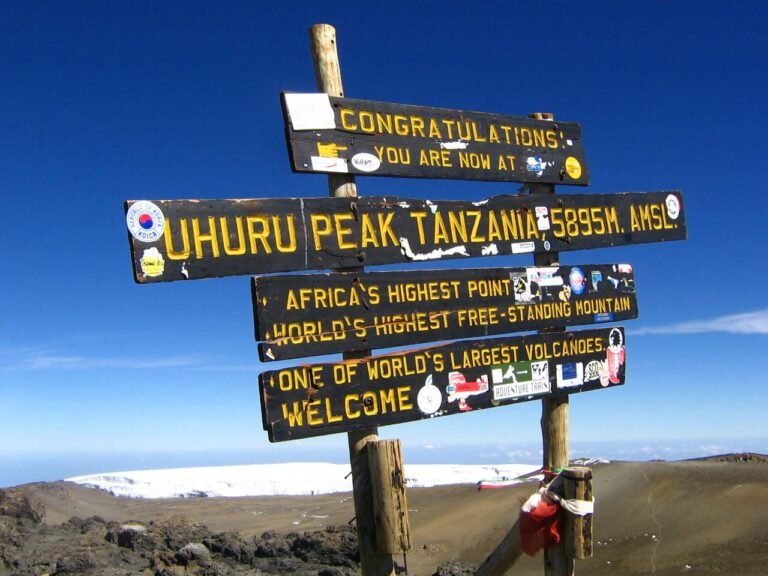
What Does Kilimanjaro Rainforest Look Like? A Trekkers Visual Guide 2026-2027
The Kilimanjaro rainforest is a vibrant, humid zone of dense vegetation, towering trees, and diverse plant life found on the mountain's lower slopes. It's the first major ecosystem trekkers...
View package details
Kilimanjaro Climb With A Personal Support Assistant: Your Ultimate Guide
Climbing Mount Kilimanjaro with a personal support assistant offers unparalleled safety, comfort, and focus on your summit goals. This guide details what a personal assistant entails, its...
View package details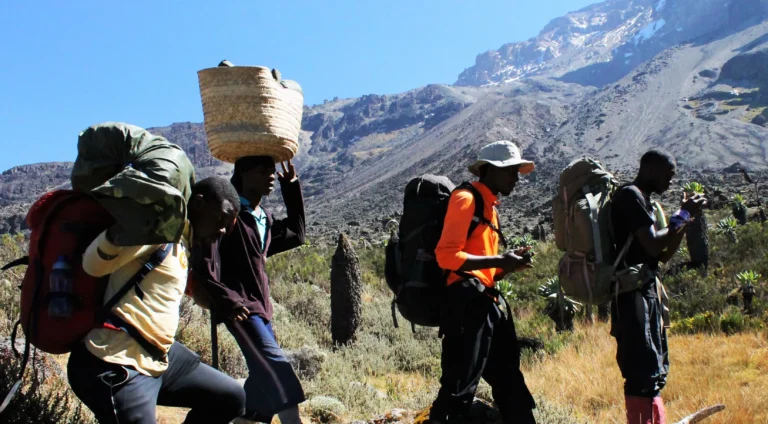
How To Know Whether You Are Ready For Kilimanjaro: A Comprehensive Guide
Climbing Mount Kilimanjaro is a significant undertaking. This guide helps you evaluate your physical, mental, and logistical readiness to ensure a safe and successful trek in 2026 or 2027...
View package details
Kilimanjaro Hydration Mistakes Climbers Make And How To Avoid Them 2026-2027
Proper hydration is critical for a successful Kilimanjaro climb. This guide details common hydration mistakes climbers make, from under-drinking to choosing the wrong fluids, and provides...
View package detailsWhich Local Tanzania Safari Companies Are Trustworthy In ? 2026-2027
Choosing a trustworthy local Tanzania safari company is crucial for a memorable and safe adventure. This guide helps you identify reliable operators for your 2026-2027 trip, covering...
View package detailsNo related package matches those filters. Clear one or more filters to see the other topic-matched options.
Plan your kilimanjaro peak height with Top Guide Adventures
Tell us your travel dates, group size, comfort level, and dream experience. We will help you shape a clear, realistic, and memorable Tanzania itinerary.



