
The age-old question for many prospective safari-goers is: Botswana or Tanzania? Both are titans of African wildlife tourism, offering unparalleled opportunities to witness nature’s grandeur. Yet, they present distinctly different experiences. If you’re planning a safari for 2026 or 2027, understanding these differences is crucial to crafting the trip that perfectly matches your desires. This comprehensive guide will dissect the Botswana vs Tanzania safari debate, helping you make an informed decision.
Botswana vs Tanzania Safari: The Core Differences at a Glance
At its heart, the choice between Botswana and Tanzania often comes down to what kind of safari experience you envision. Botswana is renowned for its exclusive, high-end, low-volume tourism model, focusing on pristine wilderness, incredible water-based activities, and exceptional guiding. Tanzania, on the other hand, offers a more diverse range of experiences, from iconic, vast plains teeming with the Great Migration to the unique volcanic landscapes of the Ngorongoro Crater, often at a more accessible price point for certain styles of travel. Let’s break down the key differentiating factors.
Wildlife Viewing: Abundance vs. Exclusivity
Both countries boast spectacular wildlife populations, but the way you experience them differs significantly.
Tanzania’s Wildlife Spectacle: The Great Migration and Iconic Parks
Tanzania is arguably most famous for the Great Migration, a year-round movement of over 1.5 million wildebeest, zebras, and gazelles across the Serengeti ecosystem. Witnessing the dramatic river crossings (typically June-August) or the calving season in the southern Serengeti (January-March) is a bucket-list event for many. Beyond the migration, Tanzania offers:
- Serengeti National Park: Vast open plains, iconic acacia trees, and a density of predators that is simply astounding. It’s a classic safari destination offering incredible photographic opportunities.
- Ngorongoro Crater: A UNESCO World Heritage Site, this ancient volcanic caldera is a natural enclosure for an astonishing array of wildlife, including the Big Five (lion, leopard, elephant, rhino, buffalo), often in high concentrations. It provides a unique, contained viewing experience.
- Tarangire National Park: Famous for its large elephant herds and baobab trees, especially prominent during the dry season (July-October).
- Lake Manyara National Park: Known for its tree-climbing lions and diverse birdlife, offering a more compact and varied safari experience.
Tanzania’s parks are generally larger and can accommodate more vehicles, especially during peak seasons. While this means you might see more animals, the experience can sometimes feel less intimate due to the presence of other safari-goers. However, with strategic planning and choosing less-visited areas or times, you can still find moments of solitude and incredible sightings.
Botswana’s Wildlife Sanctuary: Pristine Wilderness and Waterways
Botswana has deliberately adopted a low-volume, high-cost tourism model. This means fewer tourists, fewer vehicles per concession, and a strong emphasis on preserving the natural environment. The result is an incredibly exclusive and intimate wildlife experience. Key wildlife highlights in Botswana include:
- Okavango Delta: A unique inland delta that floods seasonally, transforming arid land into a vibrant wetland. This creates incredible opportunities for water-based safaris like mokoro (dugout canoe) excursions, allowing you to get remarkably close to wildlife, including elephants, hippos, and a plethora of birdlife. The game viewing here is exceptional year-round, though best when water levels are high.
- Chobe National Park: Famous for its enormous elephant herds, particularly along the Chobe River. Boat safaris here offer a unique perspective for viewing these majestic animals as they come to drink.
- Moremi Game Reserve: Often described as “the place the wild things are,” it’s known for its diverse habitats and high predator densities, including wild dogs.
- Central Kalahari Game Reserve: A vast, arid desert landscape offering a starkly beautiful contrast to the Delta, with unique desert-adapted wildlife.
In Botswana, you’re more likely to experience thrilling game drives with your guide and potentially a handful of other vehicles, or even have a private vehicle all to yourself. The emphasis is on quality over quantity, ensuring a profound connection with nature.
Landscapes and Scenery: Diverse Terrains
The visual backdrop to your safari also plays a significant role in the overall experience.
Tanzania: Iconic Plains and Volcanic Wonders
Tanzania’s landscapes are iconic and varied. The Serengeti is synonymous with endless, rolling grasslands dotted with acacia trees, providing a classic savannah backdrop. The Ngorongoro Crater offers a dramatic, visually stunning caldera teeming with life within its steep walls. Tarangire is characterized by its giant baobab trees and savanna woodlands, while Lake Manyara presents a mosaic of groundwater forest, savanna, and acacia woodland.
Botswana: Waterways, Deserts, and Vast Wilderness
Botswana’s landscapes are perhaps more unique and diverse in their distinctiveness. The Okavango Delta is a breathtaking labyrinth of channels, lagoons, and islands, a starkly beautiful waterworld in the heart of the Kalahari Desert. Chobe offers riverine floodplains and mopane woodlands. The Kalahari Desert provides an immense, arid expanse of sand dunes and sparse vegetation, a truly wild and remote environment.
Safari Activities: Traditional Drives vs. Unique Experiences
While both countries excel at traditional game drives, their unique geography allows for specialized activities.
Tanzania: The Classic Safari Experience
Tanzania primarily offers game drives in 4×4 safari vehicles. These are excellent for covering large areas and spotting a wide range of animals. Depending on the park and lodge, you might also find opportunities for:
- Walking Safaris: Available in select areas, offering a more immersive, ground-level perspective.
- Cultural Visits: Opportunities to visit Maasai villages can be arranged, providing insight into local traditions.
- Hot Air Balloon Safaris: An iconic experience over the Serengeti, offering a bird’s-eye view of the landscape and wildlife, especially during the migration.
Botswana: Water-Based Adventures and Diverse Exploration
Botswana’s star attractions are its water-based activities, particularly in the Okavango Delta:
- Mokoro Excursions: Glide silently through the Delta’s waterways in a traditional dugout canoe, offering intimate wildlife encounters and birdwatching.
- Motorized Boat Safaris: Primarily on the Chobe River and in the Linyanti region, providing fantastic opportunities to see elephants, hippos, and crocodiles up close.
- Walking Safaris: Highly prevalent and expertly guided, allowing for deep immersion in the wilderness.
- Game Drives: Still a core activity, often in open-sided 4×4 vehicles, providing excellent viewing.
- Mothored Canoe Safaris: On the smaller channels of the Okavango.
The emphasis in Botswana is on a multi-faceted safari experience that goes beyond just driving.
Accommodation: From Budget-Friendly to Ultra-Luxury
The style and cost of accommodation are significant differentiators.
Tanzania: A Wider Spectrum of Options
Tanzania offers a broad range of accommodation, catering to different budgets and preferences. You can find:
- Budget Camps and Lodges: More basic facilities, often with shared bathrooms, suitable for backpackers or those on a tighter budget.
- Mid-Range Lodges: Comfortable en-suite rooms, good amenities, and often stunning locations.
- Luxury Camps and Lodges: High-end amenities, private plunge pools, gourmet dining, and exceptional service.
- Tented Camps: From basic canvas to luxurious canvas suites, offering a more rustic or opulent connection to the bush.
This diversity makes Tanzania a more accessible option for a wider range of travelers, including those planning their 2026-2027 trips who might be looking for value.
Botswana: Exclusivity and High-End Luxury
Botswana’s tourism model inherently leads to higher-end accommodation. Most camps and lodges are exclusive, offering luxurious tents or chalets with en-suite bathrooms, private decks, fine dining, and impeccable service. The focus is on providing an intimate, personalized experience in remote wilderness areas. While there are fewer truly budget options, the quality of the mid-range to luxury offerings is exceptional.
Costs and Budget Considerations for 2026-2027
This is often the deciding factor for many travelers planning their 2026 or 2027 safari.
Tanzania: More Budget-Friendly Possibilities
Generally, Tanzania offers more budget-friendly safari options. You can put together a fantastic safari for a lower daily cost compared to Botswana, especially if you opt for:
- Shared group tours: Joining a scheduled departure significantly reduces per-person costs.
- Mid-range accommodation: Choosing comfortable but not ultra-luxury lodges.
- Shorter itineraries: Focusing on one or two key parks.
- Traveling in the shoulder or low season: (e.g., March-May, November).
A typical mid-range Tanzania safari might range from $300 to $600 per person per day, depending on inclusions and accommodation style. Luxury options can easily go from $700 upwards.
Botswana: A Premium Investment
Botswana is widely considered a more expensive safari destination. The low-volume, high-quality model means that the daily rates are significantly higher. This reflects the cost of maintaining exclusive concessions, providing expert guiding, operating in remote areas, and offering top-tier accommodation and service.
- Exclusivity and Conservation Fees: These are factored into the price.
- Limited Infrastructure: Flights between camps (light aircraft transfers) are often necessary and add to the cost.
- High Service Standards: Luxury lodges command premium prices.
Expect daily rates in Botswana to start from $600-$800 per person per day and go upwards of $1,500+ for the most exclusive lodges and experiences. This makes it a significant investment, often chosen for a once-in-a-lifetime trip or by those prioritizing exclusivity and a high level of luxury and service.
Logistics and Travel Style
How you get around and the overall pace of your trip also differ.
Tanzania: Road and Air Options
Tanzania offers more flexibility in terms of logistics. Most safaris in the Northern Circuit (Serengeti, Ngorongoro, etc.) are conducted via 4×4 safari vehicles, with comfortable lodges and camps accessible by road. This is generally more cost-effective. For those with limited time or seeking a more luxurious experience, light aircraft transfers between parks are available, significantly reducing travel time but increasing costs.
Botswana: Fly-In Safaris are the Norm
Due to the vast distances and the nature of its prime wildlife areas (like the Okavango Delta, which is largely inaccessible by road for tourists), Botswana safaris are predominantly fly-in safaris. You’ll typically fly into Maun or Kasane and then take small charter flights to your various camps. This is an integral part of the Botswana experience, offering incredible aerial views and efficiently connecting you between remote locations. While scenic, it is a significant cost component.
When to Go: Timing Your 2026-2027 Safari
The best time to visit depends on what you want to see and experience.
Tanzania: Year-Round Appeal with Seasonal Highlights
Tanzania is a year-round destination, but specific periods offer distinct advantages:
- Dry Season (June – October): Ideal for wildlife viewing as animals congregate around water sources. This is also prime time for the Great Migration river crossings in the Western and Northern Serengeti. It’s peak season, so expect higher prices and more visitors.
- Green Season (November – May): Lush landscapes, fewer crowds, and lower prices. The southern Serengeti is spectacular for the wildebeest calving season (January-March). Birdwatching is excellent. Be aware of potential rains, especially in April and May, which can make some areas less accessible.
Botswana: Seasonal Fluctuations and Water Levels
Botswana’s wildlife viewing is heavily influenced by the seasonal floodwaters of the Okavango Delta and the rains.
- Dry Season (May – October): This is peak season. Wildlife is concentrated around permanent water sources, making game viewing excellent. The Okavango Delta floodwaters are at their highest, allowing for optimal mokoro and boat activities. Days are warm, nights are cool.
- Shoulder Season (April & November): Pleasant weather, fewer crowds, and slightly lower prices. The landscape is starting to green up or dry out.
- Green Season (December – March): This is the low season, characterized by summer rains, lush vegetation, and excellent birdwatching. Wildlife viewing can be more dispersed, and some camps might close or offer reduced services due to accessibility. It’s a great time for photographers seeking dramatic skies and vibrant landscapes.
Making Your Choice: Botswana vs Tanzania Safari for Your 2026-2027 Trip
To help you decide between Botswana and Tanzania for your 2026 or 2027 safari, consider these questions:
Are you prioritizing the Great Migration?
If witnessing the iconic Great Migration, especially the dramatic river crossings, is at the top of your safari wish list, then Tanzania (Serengeti) is your clear winner. Timing is everything here, so plan your 2026 or 2027 trip around the expected migration movements.
Do you dream of exclusive, intimate wildlife encounters?
For an unparalleled sense of solitude, incredible guiding, and a feeling of having the wilderness to yourself, Botswana excels. Its low-volume model ensures that you are rarely overwhelmed by other tourists.
Are you drawn to water-based safari activities?
If the idea of gliding through the Okavango Delta in a mokoro or cruising along the Chobe River appeals to you, then Botswana is the definitive choice. These unique activities are a hallmark of a Botswana safari.
What is your budget for 2026-2027?
This is a crucial factor. If you’re looking for more budget-friendly options or a wider range of price points, Tanzania generally offers greater flexibility. If you have a higher budget and are willing to invest in exclusivity, luxury, and pristine wilderness, Botswana delivers an exceptional return on that investment.
What kind of landscapes do you envision?
For classic African savannahs, dramatic volcanic craters, and iconic acacia-lined plains, Tanzania is the quintessential choice. For the unique spectacle of a desert-fed delta, vast desert landscapes, and riverine wilderness, Botswana offers a distinct and captivating beauty.
What is your preferred safari pace and style?
If you prefer extensive road travel between destinations and a wider variety of accommodation styles, Tanzania might suit you better. If you embrace fly-in safaris as part of the adventure, enjoy a more curated and remote experience, and appreciate higher levels of service, Botswana is ideal.
A Note on Planning for 2026-2027
Both Botswana and Tanzania are incredibly popular destinations. For 2026 and 2027 safaris, especially if you have specific dates or lodges in mind, early booking is highly recommended. Peak seasons, particularly for Botswana and for the Great Migration in Tanzania, can book up 12-18 months in advance. Contacting a reputable tour operator well in advance is key to securing your preferred itinerary and accommodation.
Combining Destinations: The Ultimate African Adventure?
For the truly intrepid traveler with ample time and budget, consider combining elements of both countries. While logistically challenging and expensive, a trip that includes the vast plains of the Serengeti with the unique waterways of the Okavango Delta would offer an unparalleled breadth of African safari experiences. However, for most travelers, focusing on one country allows for a more in-depth and less rushed exploration of its unique offerings.
Your Tanzania Safari Experts for 2026-2027
While we specialize in creating unforgettable safari experiences in Tanzania, we understand the importance of choosing the right destination. Tanzania offers an incredible diversity of landscapes, wildlife, and experiences, from the iconic Serengeti and Ngorongoro Crater to the vast herds of Tarangire and the wild beauty of the southern parks. We are passionate about showcasing the magic of Tanzania and can craft custom itineraries for 2026 and 2027 that cater to your specific interests and budget, whether you seek the thrill of the Great Migration, the wonder of the Crater, or the adventure of a walking safari.
If you’re leaning towards the unparalleled wildlife spectacles and diverse terrain that Tanzania offers for your 2026-2027 adventure, let us help you plan the perfect journey. We offer a range of safari packages, from group departures to private, tailor-made adventures. You can explore our group departure dates and best shared tours at our Tanzania Safari Group Departures page. For those also considering Kilimanjaro treks alongside their safari, check out our Machame Route Kilimanjaro Group Departures. You can also find more inspiration and tips on our Tanzania Safari Tours Blog.
We pride ourselves on providing exceptional service and authentic experiences. Feel free to reach out to us directly to discuss your dream safari plans for 2026 or 2027. You can connect with us via WhatsApp at +255616946642, or by email at topguideadventures@gmail.com. Our backup email is info@topguideadventures.com. We look forward to helping you create memories that will last a lifetime.
Which Tanzania Safari Gives The Best Value For Money? 2026-2027
Which Tanzania safari gives the best value for money? is explained with current 2026-2027 planning, price, itinerary and booking information.
View package details
How To Avoid Safari Scams In Tanzania: A Top Guide Adventures Expert 2026-2027
Navigating a safari in Tanzania is a dream for many, but a few precautions can ensure your adventure is scam-free. This guide from Top Guide Adventures provides essential advice for...
View package details
Which Local Tanzania Safari Companies Are Trustworthy In ? 2026-2027
Choosing a trustworthy local Tanzania safari company is crucial for a memorable and safe adventure. This guide helps you identify reliable operators for your 2026-2027 trip, covering...
View package detailsHow Far In Advance Should You Book A Tanzania Safari? Your Planning Guide
Securing your dream Tanzania safari requires strategic planning. This comprehensive guide details the optimal booking timeline for 2026-2027, considering peak seasons, lodge availability...
View package detailsHow Much Should I Tip My Safari Guide In Tanzania? Your 2026-2027
Understand the tipping culture for safari guides and staff in Tanzania. This guide provides clear, actionable recommendations for tipping your safari crew in 2026-2027, covering guides...
View package detailsPrivate Safari Vs Group Tanzania — Which Is Better? 2026-2027
Private safari vs group safari Tanzania — which is better? is explained with current 2026-2027 planning, price, itinerary and booking information.
View package details
Is A Group Joining Safari In Tanzania Worth It? 2026-2027
Is a group joining safari in Tanzania worth it? is explained with current 2026-2027 planning, price, itinerary and booking information.
View package details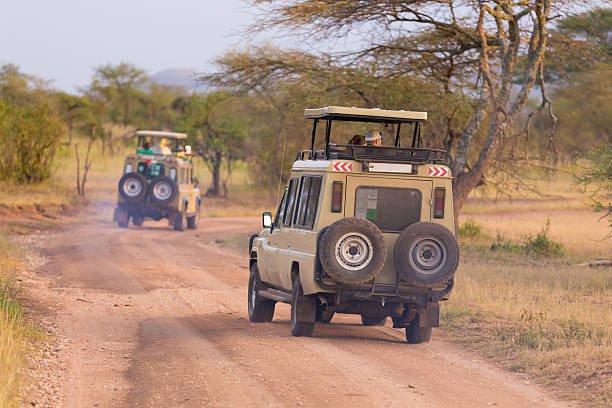
Tanzania Safari For Great Migration: Which Tour To Book In 2026-2027
Planning to witness the Great Migration in Tanzania? This guide helps you choose the perfect safari for 2026-2027, detailing the best parks, timing, and tour options for an unforgettable...
View package details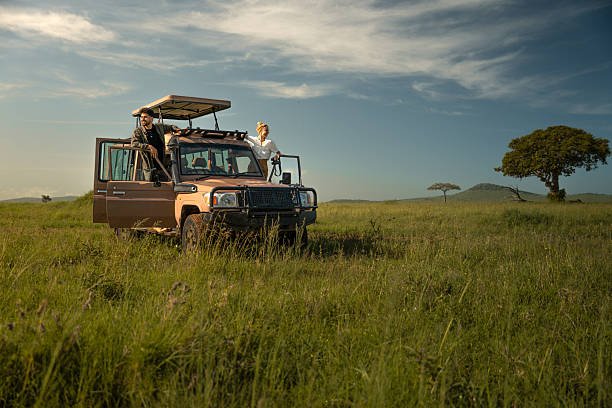
Three Days For Safari In Tanzania: Where To Go An Unforgettable Experience
If you have just three days for a safari in Tanzania, the most recommended destinations for a concentrated and rewarding wildlife experience are the Ngorongoro Conservation Area and...
View package details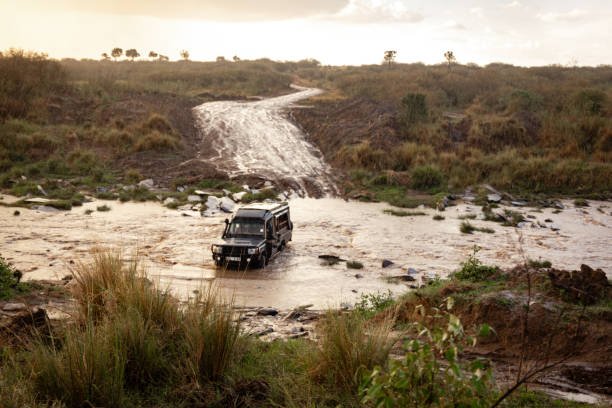
Combine Safari And Zanzibar With A $3,000 Per Person Tanzania Budget 2026-2027
Explore how to effectively combine a classic Tanzania safari experience with the tropical allure of Zanzibar, all while adhering to a $3,000 per person budget. This guide covers essential...
View package details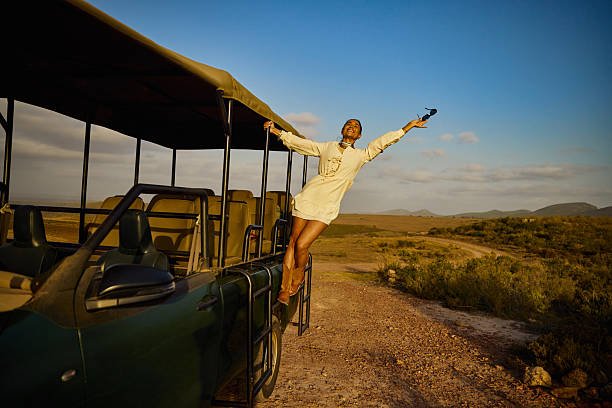
Tanzania Safari Under $2,000 Per Person: Your Dream Itinerary For 2026-2027
Explore Tanzania's incredible wildlife and landscapes on a safari designed for a $2,000 per person budget. We outline the best routes, durations, and what to expect for your 2026-2027...
View package details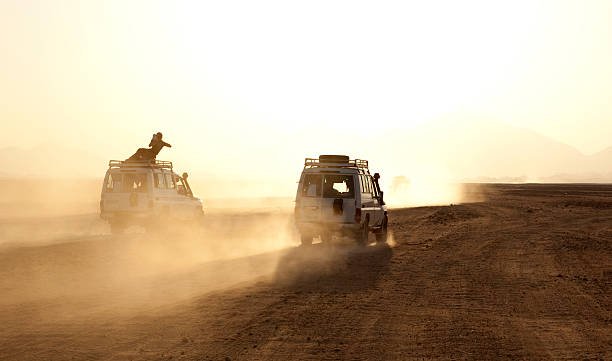
Solo Travel To Tanzania: Can I Join A Safari Group? 2026-2027
Planning a solo safari adventure in Tanzania? Discover how you can join an existing group tour, making your journey more affordable and social. Top Guide Adventures provides excellent...
View package detailsNo related package matches those filters. Clear one or more filters to see the other topic-matched options.



