
Updated planning guide for 2026-2027
7-Day Photographic Expedition — Migration Intensive Seasonal: Complete Guide
Discover the ultimate 7-Day Photographic Expedition focused on Tanzania's Great Migration. This comprehensive guide covers the best times to visit, essential planning details, optimal routes, what to pack, and how to book your unforgettable wildlife photography adventure for 2026-2027.
WhatsApp +255616946642 | topguideadventures@gmail.com | info@topguideadventures.com
Your Essential Guide to a 7-Day Photographic Expedition: Migration Intensive Seasonal
Tanzania is a world-renowned destination for wildlife photography, and at its heart lies the awe-inspiring Great Migration. A 7-Day Photographic Expedition focused on this natural spectacle offers an unparalleled opportunity to capture breathtaking images of millions of wildebeest, zebras, and gazelles on their annual journey across the Serengeti and Maasai Mara ecosystems. This guide provides everything you need to plan and execute an intensive, rewarding photographic safari tailored to the migration’s seasonal movements. Whether you are a seasoned wildlife photographer or an enthusiastic amateur, understanding the nuances of timing, location, and logistics is key to a successful trip.
This comprehensive resource aims to equip you with the knowledge needed for a 7-Day Photographic Expedition, covering critical aspects from initial planning for 2026-2027 to the final moments of your safari. We will explore the best times to witness specific migration events, suggest optimal routes, detail what to expect in terms of wildlife encounters and photographic opportunities, and offer practical advice on packing, preparation, and booking. Our goal is to help you make the most of your investment in time and resources, ensuring you return with stunning photographs and lasting memories.
Quick Facts: 7-Day Photographic Expedition – Migration Intensive Seasonal
| Aspect | Details |
|---|---|
| Duration | 7 Days / 6 Nights |
| Primary Focus | Great Migration (Wildebeest, Zebra, Predators) |
| Best Season for Photography | Varies by migration phase (e.g., calving season Jan-Mar, river crossings Jul-Oct) |
| Key Locations | Serengeti National Park (Tanzania), Maasai Mara National Reserve (Kenya – often combined) Note: This guide focuses on the Tanzanian side primarily. |
| Accommodation Types | Luxury Lodges, Tented Camps (Permanent & Mobile), Bush Camps |
| Ideal Traveler | Wildlife Photographers, Nature Enthusiasts, Adventurers |
| Travel Years | 2026, 2027 (planning and booking) |
Understanding the Great Migration: The Heart of Your Expedition
The Great Migration is not a single event but a continuous cycle. It involves over 1.5 million wildebeest, hundreds of thousands of zebras, and a multitude of other herbivores moving in search of fresh grazing land and water. This colossal movement forms the basis of an unparalleled wildlife viewing and photographic opportunity. Predators like lions, leopards, cheetahs, and hyenas follow closely, creating dramatic predator-prey interactions that are the holy grail for wildlife photographers.
For a 7-Day Photographic Expedition, understanding where the herds are and what they are doing during your specific travel dates is paramount. The animals do not follow a rigid calendar; their movement is influenced by rainfall patterns, which can shift year to year. This unpredictability is part of the challenge and excitement of a migration safari, and why working with experienced local operators is crucial for maximizing your chances of success.
Why a 7-Day Photographic Expedition is Ideal
A week-long trip provides a solid timeframe to immerse yourself in the migration experience. It allows for travel to and from key viewing areas, sufficient time for photography in different locations, and the flexibility to adapt to wildlife movements. Shorter trips might feel rushed, while longer ones can be more expensive. Seven days strikes a balance, offering depth without overwhelming logistics.
This duration is particularly effective for a 7-Day Photographic Expedition because it allows for:
- Focused Immersion: Dedicated time to observe and photograph specific behaviors and landscapes.
- Location Variety: The possibility to cover at least two distinct regions within the Serengeti, each offering different migration dynamics.
- Adaptability: Enough buffer time to react if the herds shift unexpectedly or if a particular photographic opportunity arises.
- Equipment Familiarization: Time to get comfortable with your gear in the unique safari environment.
The Seasonal Dance: Timing Your 7-Day Photographic Expedition
The Serengeti ecosystem is vast, and the migration is constantly on the move. Here’s a breakdown of what you can expect throughout the year, helping you choose the best time for your 7-Day Photographic Expedition:
- January – March: Calving Season (Southern Serengeti)
The herds are concentrated in the southern Serengeti plains, around Ndutu and Ngorongoro Conservation Area. This is calving season, with thousands of newborns. It’s a prime time for predator action as lions, cheetahs, and hyenas capitalize on the vulnerable young. The landscape is often lush and green, offering beautiful backdrops. Photographically, it’s excellent for action shots and intimate moments of mothers and calves. - April – May: Moving North (Central/Western Serengeti)
As the southern plains dry out, the herds begin their journey north and west. This period can see large numbers of animals spread across the central and western Serengeti. Rainfall can be heavier, potentially impacting game drives. While crossings are less common, the sheer volume of animals provides ample photographic subjects. - June – July: Towards the Rivers (Western Corridor & North)
The herds converge, moving towards the Grumeti and Mara Rivers. This is when the famous river crossings begin. The western corridor is a prime location for witnessing these dramatic, often perilous, events. Patience is key, as crossings can happen at any time of day. The drama of predators ambushing animals attempting to cross is a photographer’s dream. - August – October: The Mara River & Northern Serengeti
This is peak season for Mara River crossings. The herds are concentrated in the northern Serengeti, and the Mara River becomes a bottleneck. This period offers the most intense and iconic migration photographic opportunities. Expect large numbers of animals and high predator activity. The landscape can be drier, with golden grasses providing a classic safari look. - November – December: Returning South (Central/Eastern Serengeti)
The herds begin their journey back south, often following the rains. They move through the central and eastern parts of the Serengeti. While river crossings are unlikely, you can still find large concentrations of animals grazing and moving. This period can offer excellent photographic opportunities with fewer crowds than the peak river crossing months.
Planning for 2026-2027
When planning your 7-Day Photographic Expedition for 2026 or 2027, consider which specific aspect of the migration you most want to photograph. If river crossings are your priority, aim for July to October. If you prefer the drama of calving season and predator activity, January to March is ideal. It’s advisable to book well in advance, especially for peak seasons, as lodges and camps fill up quickly.
Crafting Your 7-Day Photographic Expedition Itinerary
A well-structured itinerary is crucial for maximizing photographic opportunities. For a 7-Day Photographic Expedition, focusing on one or two key areas within the Serengeti is often more effective than trying to cover too much ground. Here’s a sample itinerary focusing on the Northern Serengeti during the peak migration months (August-October), but it can be adapted for other seasons.
Sample 7-Day Photographic Expedition: Northern Serengeti River Crossings (August-October)
-
Day 1: Arrival in Kilimanjaro (JRO) & Transfer to Arusha
Arrive at Kilimanjaro International Airport (JRO). You’ll be met by your guide and transferred to your hotel in Arusha. This day is for rest and briefing about your upcoming safari. -
Day 2: Fly to Kogatende (Northern Serengeti) & Afternoon Game Drive
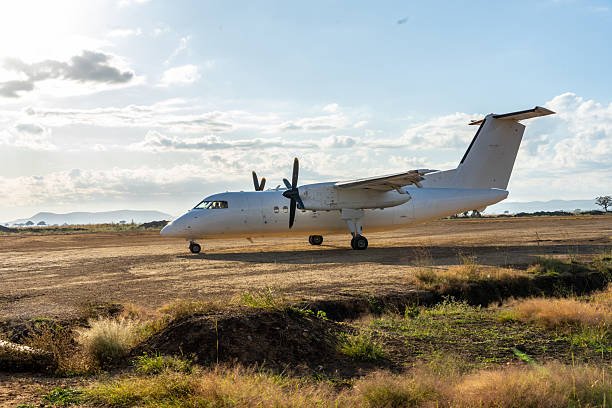
After breakfast, transfer to Arusha Airport for a scenic flight to Kogatende Airstrip in the Northern Serengeti. Upon arrival, you’ll be met by your dedicated safari vehicle and guide. After a picnic lunch, commence your first game drive, heading towards your chosen camp or lodge. Focus on the immediate surroundings and any herds present. -
Day 3: Full Day Photography – Mara River Area
Spend the entire day in the Kogatende region, concentrating on areas near the Mara River. Your guide will track the herds and look for potential crossing points. This involves a lot of waiting and observing. Full day picnics allow you to stay out in the field for maximum photographic opportunities. -
Day 4: Full Day Photography – River Crossings & Predators
Continue your intensive photographic focus. Today might be the day for a spectacular river crossing. Alternatively, explore the plains for predator action – lions, cheetahs, and hyenas taking advantage of the migrating herds. Your guide’s expertise in reading animal behavior is invaluable. -
Day 5: Explore Different Sectors & Photography
Vary your photographic locations. Explore different sections of the northern Serengeti, perhaps venturing slightly away from the main river crossing points to capture the sheer scale of the migration on the plains or focusing on specific predator sightings. -
Day 6: Morning Game Drive & Fly to Arusha
Enjoy a final morning game drive in the Northern Serengeti, perhaps revisiting a favorite spot or seeking out a final photographic subject. After lunch, transfer to Kogatende Airstrip for your flight back to Arusha. Overnight in Arusha. -
Day 7: Departure from Arusha
Depending on your flight schedule, you may have time for some souvenir shopping in Arusha. Transfer to Kilimanjaro International Airport (JRO) for your onward journey.
Alternative Itinerary Focus: Calving Season (Jan-Mar)
For a January-March 7-Day Photographic Expedition, the focus would shift to the Southern Serengeti/Ndutu area. The itinerary would involve flying into Lake Manyara or Kilimanjaro, then driving or flying to Ndutu. Days would be spent exploring the vast southern plains, tracking herds, and observing calving and predator activity. The landscape is different – open grasslands with acacia trees, offering a distinct photographic aesthetic.
Route/Area Overview
Geographic Focus for Migration Safaris (Tanzania):
Northern Serengeti (Kogatende/Lamai Wedge): Primarily August – October. Key for Mara River crossings. Vast plains and riverine areas.
Western Corridor (Grumeti River): Primarily June – July. Grumeti River crossings. More woodland and riverine habitat.
Central Serengeti (Seronera): Year-round presence of resident wildlife and some migrating herds. Good for big cats.
Southern Serengeti/Ndutu Area: Primarily December – March. Calving season. Open grasslands, ideal for newborn wildlife and predator action.
What to Expect on Your 7-Day Photographic Expedition
A 7-Day Photographic Expedition is an intensive experience. Expect early mornings and late evenings, the prime times for wildlife activity and the best light for photography. Your days will be structured around maximizing game viewing and photographic opportunities.
Wildlife Encounters
You will witness the sheer scale of the migration – a moving river of life across the plains. Beyond the main herds, expect encounters with:
- Predators: Lions, cheetahs, leopards, hyenas, wild dogs, and crocodiles (especially during river crossings).
- Other Herbivores: Elephants, giraffes, buffaloes, hippos, and various antelope species.
- Birdlife: The Serengeti is a birdwatcher’s paradise, with numerous species providing excellent photographic subjects.
Photographic Conditions
The light in East Africa is often spectacular, especially during the ‘golden hours’ at sunrise and sunset. However, it can also be harsh midday. Your guide will help position the vehicle for the best light and angles. Be prepared for dust, heat, and potentially rain, depending on the season.
Accommodation
Options range from luxurious lodges with all amenities to more intimate tented camps that place you closer to nature. Mobile camps are often set up in strategic migration hotspots, offering unparalleled access. For photographers, proximity to wildlife and good vantage points are key considerations.
Vehicle and Guide
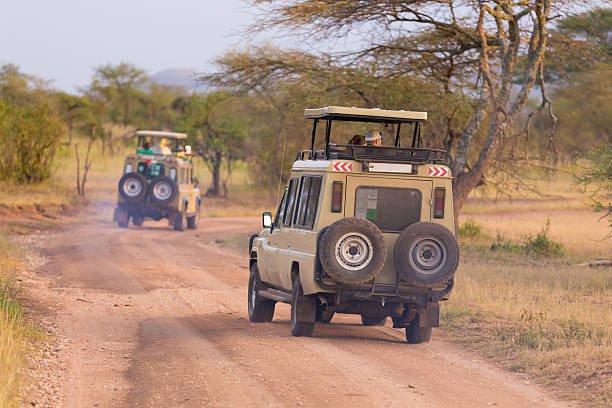
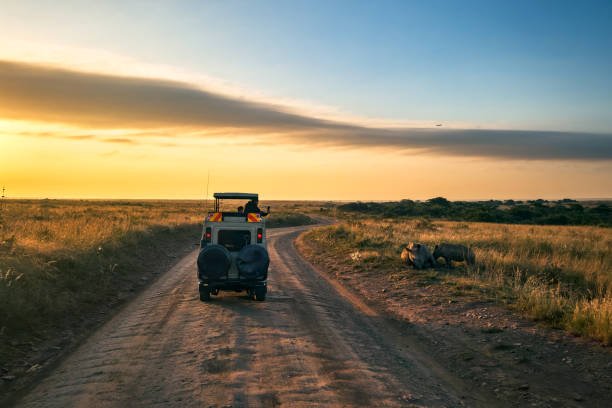
You will typically travel in a custom-built 4×4 safari vehicle, often a Land Cruiser or Land Rover, with pop-up roofs for unobstructed 360-degree views and photography. Your guide is your most critical asset. An experienced safari guide will not only navigate the terrain but also understand animal behavior, predict movements, and position the vehicle for the best photographic shots. For a photographic expedition, a guide with a good eye for composition and understanding of photographic needs is invaluable.
Essential Gear and Preparation for Photographers
A 7-Day Photographic Expedition demands careful preparation, especially regarding gear. Quality equipment significantly enhances your ability to capture stunning images.
Photography Gear Checklist
- Camera Bodies: At least one, ideally two bodies (e.g., a DSLR or mirrorless camera).
- Lenses: A versatile telephoto zoom (e.g., 100-400mm, 150-600mm) is essential for wildlife. A wider lens (e.g., 24-70mm) is useful for landscapes and larger scenes. A macro lens can be great for details.
- Tripod/Monopod: While challenging in a vehicle, a monopod can offer stability. Some camps have tripods available.
- Batteries: Bring plenty of spare batteries, as charging opportunities can be limited.
- Memory Cards: Ample storage space is crucial. Bring more than you think you’ll need.
- Cleaning Kit: Dust is inevitable. A blower, lens cloths, and brush are essential.
- Rain Cover: For your camera and lens, especially during the wet seasons or if river crossings are planned.
- Power Bank/Chargers: For recharging batteries and devices. Ensure you have the correct adapters for Tanzania.
What to Pack (Beyond Photography Gear)
- Clothing: Neutral-colored, lightweight, and breathable clothing (khaki, beige, green, brown). Avoid bright colors and black/blue which can attract tsetse flies. Layers are recommended as mornings and evenings can be cool.
- Footwear: Comfortable walking shoes or hiking boots if you plan any walking safaris. Open-toed sandals for relaxing at camp.
- Sun Protection: Wide-brimmed hat, sunglasses, high SPF sunscreen.
- Insect Repellent: With DEET or Picaridin.
- Personal Items: Medications, toiletries, small first-aid kit.
- Binoculars: Essential for spotting wildlife at a distance.
- Headlamp/Torch: Useful around camp after dark.
- Adapter: Tanzania uses Type G sockets (UK style), 230V.
Physical and Health Considerations
Safaris are generally not physically demanding, but involve long hours in a vehicle. Ensure you are comfortable with this. Consult your doctor about necessary vaccinations and malaria prophylaxis well in advance of your 2026-2027 trip. Travel insurance is highly recommended.
Common Mistakes to Avoid on Your Photographic Expedition
To ensure your 7-Day Photographic Expedition is a success, be aware of potential pitfalls:
- Poor Timing: Not aligning your trip with the specific migration phase you want to see.
- Overpacking Gear: Bringing too much equipment that becomes cumbersome. Focus on versatility.
- Underestimating Travel Time: Distances in Tanzania can be large, and road conditions can be slow. Factor in travel time realistically.
- Not Booking in Advance: Especially for peak migration seasons (July-October) and popular camps/lodges.
- Ignoring Your Guide: Your guide is a wealth of knowledge. Listen to their advice on animal behavior, safety, and photographic opportunities.
- Focusing Only on the Migration: The Serengeti has incredible resident wildlife year-round. Don’t miss opportunities to photograph other species.
- Not Being Patient: Wildlife photography, especially of the migration, requires patience. River crossings, in particular, can involve long waits.
- Not Considering Light: Always think about the direction of the sun and how it affects your shots.
Who is a 7-Day Photographic Expedition Best Suited For?
This type of specialized safari is ideal for:
- Dedicated Wildlife Photographers: Those who want to capture the drama and scale of the Great Migration.
- Enthusiast Photographers: Amateurs with a passion for wildlife who want to improve their skills in a prime location.
- Nature Lovers: Individuals deeply interested in observing and documenting animal behavior and natural landscapes.
- Adventurous Travelers: Those who appreciate the wild, unpredictable nature of safaris and are comfortable with early starts and long days.
- Return Visitors to Tanzania: Those who have already experienced a classic safari and want a more focused, intensive wildlife encounter.
It might be less suitable for travelers seeking a very relaxed pace, those with limited mobility, or those who prefer guaranteed sightings of specific animals every day without the dynamic nature of migration viewing.
Alternatives to a 7-Day Photographic Expedition
While a dedicated photographic expedition is specialized, there are other ways to experience the migration:
- Standard Serengeti Migration Safari: A 7-day (or longer) safari that includes migration viewing but with a more general focus on wildlife and scenery. This is suitable for non-photographers or those with less specialized gear.
- Ngorongoro Crater & Serengeti Combination: Offers diverse landscapes and wildlife viewing. The crater is a unique ecosystem, while the Serengeti provides the migration experience.
- Maasai Mara (Kenya) Migration: If your travel dates align perfectly with the herds in Kenya (typically August-October), a safari in the Maasai Mara offers similar dramatic river crossings and predator action. Often combined with Serengeti for a longer migration experience.
- Short Migration Taster Trips: Shorter 3-4 day trips focused on specific migration areas, though less ideal for deep photographic immersion.
Planning Your 2026-2027 Migration Safari
Booking a 7-Day Photographic Expedition for 2026 or 2027 requires early planning. Here’s a timeline to guide you:
Migration Safari Planning Checklist (2026-2027)
- 12-18 Months Prior: Research destinations, migration timings, and tour operators. Define your budget and photographic goals. Book your safari with a reputable operator.
- 9-12 Months Prior: Book flights to Tanzania (Kilimanjaro International Airport – JRO). Secure any specific lodges or camps if booking independently (not recommended for specialized safaris).
- 6-9 Months Prior: Consult your doctor about vaccinations and malaria prophylaxis. Purchase travel insurance.
- 3-6 Months Prior: Start acquiring or preparing your photography gear. Confirm visa requirements for Tanzania.
- 1-3 Months Prior: Finalize packing list. Confirm all travel details with your tour operator.
- Weeks Before: Pack your bags. Ensure all electronics are charged and ready.
Working with a local Tanzanian tour operator like Top Guide Adventures is highly recommended. They possess intimate knowledge of the migration’s unpredictable movements and can tailor your 7-Day Photographic Expedition to maximize your chances of witnessing the most dramatic events. They can also assist with internal flights, accommodation bookings, and ensuring you have the right vehicle and guide.
Booking Your 7-Day Photographic Expedition: Expert Advice
Choosing the right tour operator is critical for a successful photographic expedition. Here’s what to look for and how to proceed:
What to Look for in a Tour Operator:
- Local Expertise: Deep knowledge of Tanzania, its parks, and the Great Migration patterns.
- Specialized Vehicles: Safari vehicles with pop-up roofs and ample space for photography equipment. Some operators offer vehicles with specific photographic enhancements.
- Experienced Guides: Guides who understand wildlife behavior and photographic needs.
- Customization: Ability to tailor itineraries to your specific photographic interests and pace.
- Reputation: Check reviews and testimonials from previous clients, especially photographers.
- Clear Inclusions/Exclusions: Understand what your safari package covers (accommodation, meals, park fees, guide, vehicle, internal flights, etc.).
Our Recommendation: Top Guide Adventures
At Top Guide Adventures, we specialize in creating bespoke safari experiences tailored to the unique needs of wildlife photographers. We understand the importance of timing, location, and having the right equipment and guide to capture the magic of the Great Migration. Our 7-Day Photographic Expedition is designed for maximum impact, ensuring you are in the right place at the right time.
Booking Process:
1. Contact Us: Reach out via WhatsApp, email, or our website to discuss your plans for a 7-Day Photographic Expedition.
2. Consultation: We’ll discuss your desired dates for 2026-2027, photographic interests (e.g., river crossings, calving season, predators), budget, and preferred accommodation style.
3. Custom Itinerary: Based on your input, we will craft a personalized itinerary and provide a detailed quote.
4. Confirmation & Deposit: Once you approve the itinerary, a deposit will secure your booking.
5. Pre-Trip Support: We provide ongoing support, packing lists, and pre-departure information.
Get in touch today to start planning your dream 7-Day Photographic Expedition!
WhatsApp: +255616946642
Email: topguideadventures@gmail.com
Backup Email: info@topguideadventures.com
Frequently Asked Questions (FAQs)
Q1: When is the absolute best time for a 7-Day Photographic Expedition to see river crossings?
A: The peak season for Mara River crossings is generally from late July through October. However, timings can vary yearly based on rainfall. It’s crucial to book with operators who monitor herd movements closely for the 2026-2027 season.
Q2: Can I bring my professional camera equipment on a safari? Are there restrictions?
A: Yes, you can bring professional camera equipment. There are no specific restrictions on camera gear itself. However, ensure your safari vehicle has adequate space for your equipment, and consider packing it securely to protect it from dust and damage.
Q3: What is the difference between a standard safari and a photographic expedition?
A: A photographic expedition is specifically designed for photographers. This often means longer hours in the field, more flexibility to wait for the perfect shot, guides experienced in wildlife behavior for photography, and vehicles positioned to optimize photographic opportunities, rather than just general game viewing.
Q4: How much should I budget for a 7-Day Photographic Expedition?
A: Costs vary significantly based on accommodation level, season, and inclusions. A mid-range to luxury 7-day photographic expedition can range from $4,000 to $8,000+ per person, excluding international flights. This typically covers park fees, accommodation, meals, guide, and vehicle. It’s best to get a custom quote.
Q5: Is it possible to combine the Serengeti with the Maasai Mara for a 7-day trip?
A: A 7-day trip is quite short to effectively combine both the Serengeti and Maasai Mara while allowing sufficient photographic time in each. It’s more common to dedicate 7 days to the Serengeti alone or to combine them for a 10-14 day safari for a more comprehensive experience.
Q6: What are the biggest photographic challenges on a migration safari?
A: Challenges include the vastness of the landscape, the unpredictable movements of the herds, harsh midday light, dust, and the sheer speed and action during events like river crossings, requiring fast reflexes and appropriate gear.
Q7: Do I need a special visa for Tanzania?
A: Yes, most nationalities require a visa for Tanzania. You can often apply for this online in advance (e-visa) or obtain one upon arrival at the airport. Check the latest requirements for your nationality well before your 2026-2027 travel dates.
Q8: Can I charge my camera batteries in the safari vehicle?
A: Most safari vehicles have power inverters or USB ports, but availability and reliability can vary. It’s always wise to bring extra batteries and a power bank as a backup.
Q9: What if I’m not an expert photographer but want to capture great shots?
A: A 7-Day Photographic Expedition is still highly rewarding. Focus on learning from your guide, practicing with your gear, and enjoying the spectacle. Many modern cameras have excellent automatic modes that can produce great results. The key is to be present and observant.
Ready to Capture the Great Migration?
A 7-Day Photographic Expedition focused on the Great Migration in Tanzania offers an experience like no other. It’s a journey into the heart of the wild, where raw nature unfolds before your eyes, providing endless opportunities for breathtaking photography. From the drama of river crossings to the tender moments of calving season, every day promises unique encounters.
Let Top Guide Adventures help you plan and execute your ultimate 7-Day Photographic Expedition for 2026 or 2027. Our expertise ensures you maximize your photographic potential, with carefully crafted itineraries, expert guides, and comfortable, well-equipped vehicles. Don’t just witness the migration; capture its essence.
Contact us today to begin crafting your unforgettable photographic adventure:
WhatsApp: +255616946642
Email: topguideadventures@gmail.com
Backup Email: info@topguideadventures.com
9-Day Mikumi, Nyerere And Zanzibar Tour: The Ultimate Southern Tanzania
Discover the magic of Southern Tanzania with a 9-day journey through Mikumi National Park, Nyerere National Park (formerly Selous Game Reserve), and the spice island of Zanzibar. This tour...
View package details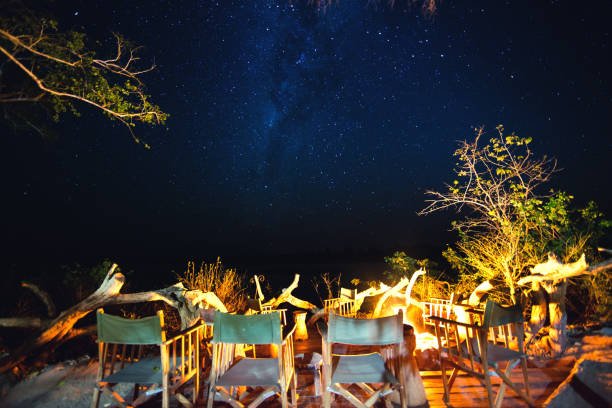
9-Day Selous Glamping And Spice Island Holiday: Your Ultimate Tanzania Escape
Combine the thrill of a luxury glamping safari in Selous Game Reserve with the serene beauty of Zanzibar's Spice Islands on this 9-day Tanzania adventure. Perfect for 2026-2027 planning.
View package details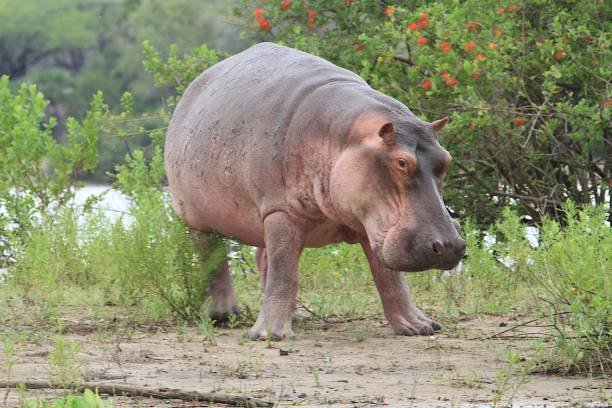
9-Day Nyerere Safari And Zanzibar Package: Ultimate Southern Tanzania
Discover the best of Tanzania's southern circuit with a 9-day Nyerere Safari and Zanzibar package. Experience thrilling game drives in Nyerere National Park, once known as Selous, followed...
View package details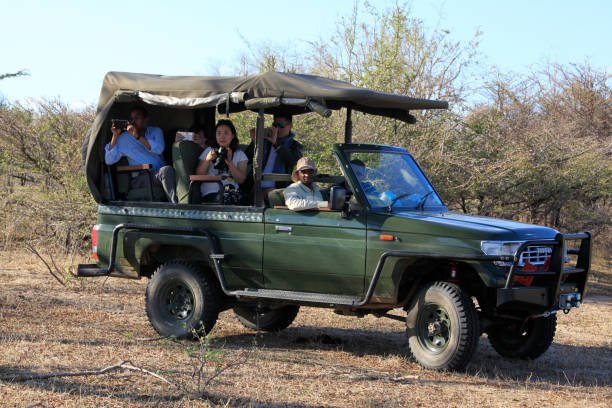
8-Day Nyerere Family Safari: The Ultimate Tanzania Adventure 2026-2027
Experience an unforgettable 8-day Nyerere Family Safari in Tanzania with Top Guide Adventures. This itinerary focuses on diverse wildlife, stunning landscapes, and family-friendly...
View package details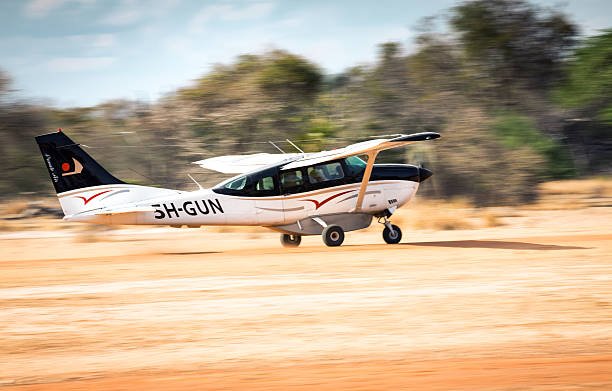
8-Day Selous Safari And Zanzibar Holiday: Your Ultimate Tanzania Adventure
An 8-day adventure perfectly blending the wild heart of Selous Game Reserve with the tropical allure of Zanzibar. This itinerary offers an unforgettable Tanzanian experience, combining...
View package details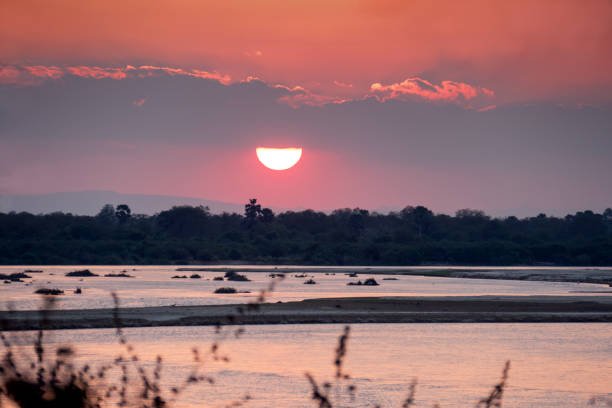
8-Day Southern Tanzania Luxury Safari: Selous & Ruaha 2026-2027
An 8-day luxury safari through Southern Tanzania's Selous Game Reserve and Ruaha National Park offers an unparalleled wildlife experience. This itinerary focuses on exclusive lodges...
View package details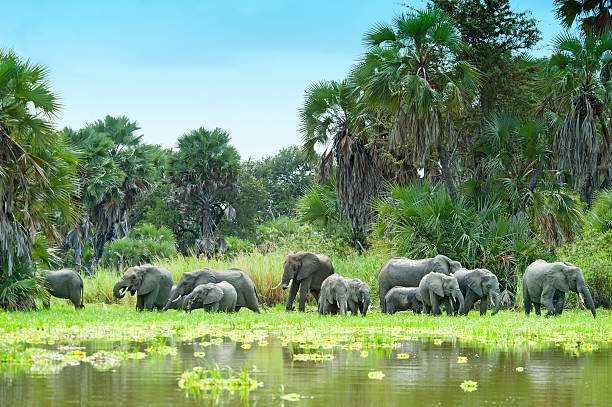
7-Day Tanzania Bush And Beach Holiday: Safari & Zanzibar Bliss 2026-2027
Experience the best of Tanzania in seven days with an unforgettable journey that blends the raw beauty of its wildlife-rich savannas with the tranquil turquoise waters of Zanzibar. This...
View package details
7-Day Mikumi, Udzungwa & Nyerere Safari: Your Ultimate Southern Tanzania
This 7-day itinerary covers Mikumi, Udzungwa, and Nyerere National Parks, offering a comprehensive Southern Tanzania safari experience. Explore diverse ecosystems, abundant wildlife, and...
View package details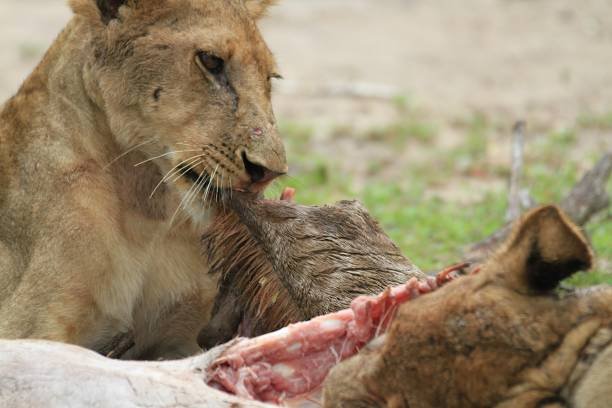
7-Day Nyerere Luxury Fly-In Safari: Your Ultimate Tanzanian Adventure
Discover the untamed beauty of southern Tanzania on a 7-day luxury fly-in safari to Nyerere National Park. This exclusive journey combines thrilling wildlife encounters with unparalleled...
View package details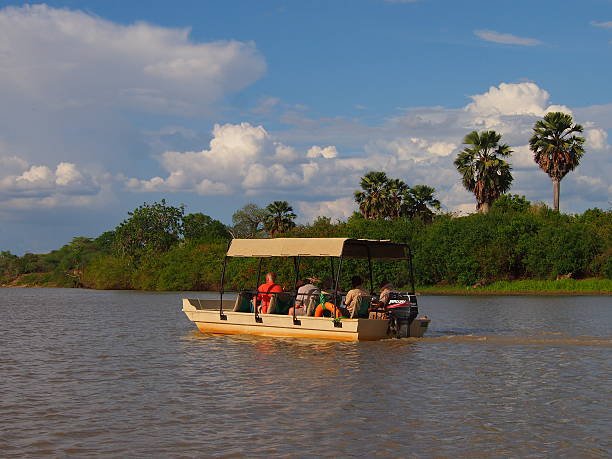
7-Day Southern Tanzania Safari: Ultimate Guide To Selous & Ruaha In 2026-2027
start an unforgettable 7-day Southern Tanzania safari adventure, exploring the vast wilderness of Selous Game Reserve and the untamed beauty of Ruaha National Park. This itinerary offers a...
View package details7-Day Selous And Ruaha: Southern Tanzania Safari Adventure 2026-2027
Explore the untamed wilderness of Southern Tanzania on an unforgettable 7-day safari combining the vast Selous Game Reserve and the dramatic Ruaha National Park. This itinerary offers a...
View package details
7-Day Nyerere, Mikumi And Zanzibar Safari: Your Ultimate Tanzania Adventure
Discover a thrilling 7-day safari combining the wild wonders of Nyerere National Park (formerly Selous) and Mikumi with the tropical paradise of Zanzibar. This itinerary offers a perfect...
View package detailsNo related package matches those filters. Clear one or more filters to see the other topic-matched options.
Plan your 7-Day Photographic Expedition — Migration Intensive Seasonal with Top Guide Adventures
Tell us your travel dates, group size, comfort level, and dream experience. We will help you shape a clear, realistic, and memorable Tanzania itinerary.



