
Updated planning guide for 2026-2027
6-Day Laikipia Wildlife Conservancy Safari — Walking & Tracking: Best Guide
Discover the unique thrill of a 6-day Laikipia wildlife conservancy safari focused on walking and tracking. This comprehensive guide covers everything from planning and itinerary to packing and booking your adventure in 2026-2027.
WhatsApp +255616946642 | topguideadventures@gmail.com | info@topguideadventures.com
6-Day Laikipia Wildlife Conservancy Safari — Walking & Tracking: Your Ultimate Guide
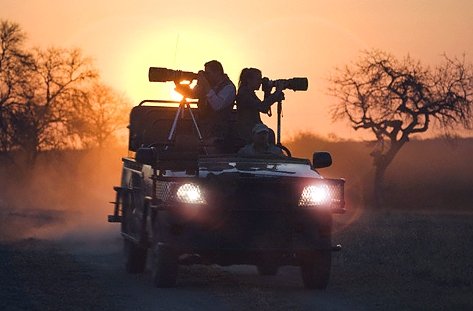
A 6-day Laikipia wildlife conservancy safari focused on walking and tracking offers an intimate and deeply engaging way to experience Kenya’s remarkable natural heritage. Moving on foot through these vast landscapes allows for a connection with the environment that is simply not possible from a vehicle. You’ll learn to read tracks, understand animal behavior up close, and appreciate the smaller details of the bush often missed at speed. This guide is designed to provide you with all the essential information to plan an unforgettable safari adventure, covering itinerary logic, preparation, what to expect, and how to book your trip for 2026-2027.
| Duration | 6 Days / 5 Nights |
|---|---|
| Primary Activity | Walking safaris, wildlife tracking, game drives |
| Key Wildlife | Reticulated Giraffe, Grevy’s Zebra, African Wild Dog, Elephant, Lion, Leopard, Cheetah, numerous antelope species, diverse birdlife. |
| Accommodation Style | Tented camps, lodges (ranging from rustic to luxury) |
| Best Time to Visit | June to October (dry season), January to February (short dry season) |
| Physical Fitness | Moderate fitness required for walking days |
| Focus | Experiential, close-up wildlife encounters, conservation |
Why Choose Laikipia for Walking and Tracking?
Laikipia County, situated in central Kenya, is a unique mosaic of privately owned ranches and community conservancies. Unlike many national parks where walking safaris are restricted or prohibited, Laikipia’s conservancy model often permits guided walking and tracking expeditions. This allows for a more profound exploration of the wilderness. The region is a stronghold for endangered species like the Grevy’s zebra and the African wild dog, and it hosts significant populations of elephants, lions, leopards, and cheetahs. The landscape itself – a blend of rolling savannah, acacia woodlands, and rocky kopjes – is ideal for tracking animals on foot.
The emphasis on conservation and community involvement in Laikipia means that many safaris here directly contribute to protecting these fragile ecosystems and supporting local livelihoods. Choosing a walking and tracking safari here means you’re not just observing wildlife; you’re actively participating in a more sustainable and impactful form of tourism.
The Allure of Walking Safaris in Laikipia
Walking safaris strip away the barrier between you and the natural world. When you’re on foot, your senses are heightened. You notice the scent of wild sage after rain, the rustle of a lizard in the dry grass, the distant call of a bird, and the intricate patterns of animal tracks pressed into the earth. Tracking involves following these signs, learning from your experienced guide about the animal’s movements, its habits, and its place in the ecosystem. It’s a patient, rewarding pursuit that connects you to the ancient rhythms of the wild.
A 6-day Laikipia wildlife conservancy safari — walking & tracking is structured to maximize these experiences. Days will typically involve early morning walks, followed by a return to camp for a midday rest or a vehicle-based game drive, and then an afternoon or evening walk. The pace is slower, allowing for observation, photography, and quiet contemplation. You’ll learn about the flora, the insects, and the geology, gaining a holistic understanding of the environment.
Best Time for Your Laikipia Walking Safari (2026-2027)
The timing of your safari can significantly impact your experience. Laikipia experiences two distinct seasons:
| Period | Conditions | Wildlife Viewing | Walking Conditions | Crowds |
|---|---|---|---|---|
| June – October (Long Dry Season) |
Cooler temperatures, very little rain, dry vegetation. Water sources are limited, concentrating wildlife. | Excellent. Animals are often easier to spot near remaining water. | Ideal. Dry ground makes tracking easier, less vegetation cover. Comfortable temperatures for walking. | Moderate to High (peak safari season) |
| November – December (Short Rains) |
Intermittent showers, vegetation begins to green. | Good, but animals can disperse. | Good, but can be muddy. The landscape becomes beautiful. | Lower |
| January – February (Short Dry Season) |
Warm and dry, less rain than the short rains. | Very good. Wildlife congregates around water. | Excellent. Dry, comfortable for walking. | Moderate |
| March – May (Long Rains) |
Heavy rainfall, lush green vegetation, some roads may be difficult. | Can be challenging as animals spread out. Birdlife is exceptional. | Difficult. Muddy conditions, dense vegetation can obscure tracks and animals. | Low |
For a walking and tracking safari, the dry seasons (June-October and January-February) are generally preferred. The drier conditions make tracking significantly easier, as the ground is firm and the vegetation is less dense, allowing for better visibility. Cooler temperatures during the long dry season also make extended walks more comfortable. Planning for 2026 or 2027 within these periods will offer the best chances for successful tracking and wildlife encounters.
Sample 6-Day Laikipia Walking & Tracking Safari Itinerary
This sample itinerary outlines a typical flow for a 6-day Laikipia wildlife conservancy safari — walking & tracking. It balances walking, tracking, game drives, and relaxation, offering a comprehensive experience. Specific activities and timings can be adjusted based on wildlife movements and your personal preferences.
Day 1: Arrival in Laikipia & Introduction to the Bush
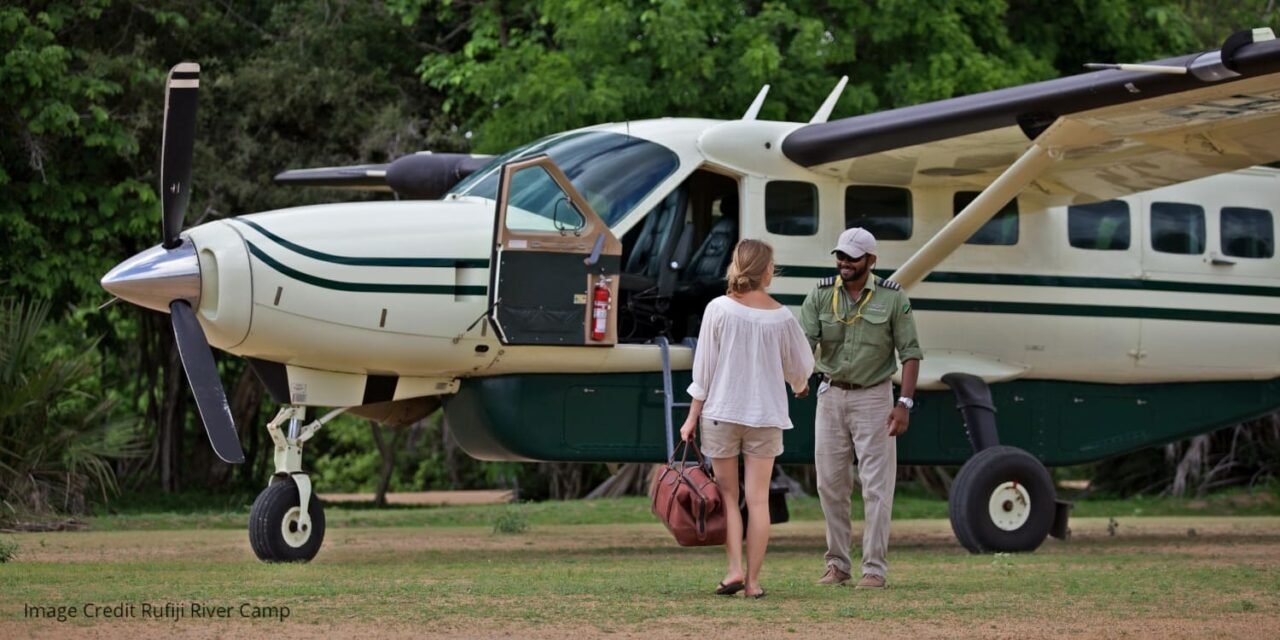
- Arrive at Nanyuki Airport (near Laikipia) or Nairobi Wilson Airport, followed by a light aircraft transfer to a conservancy airstrip.
- Meet your guide and transfer to your chosen camp.
- After settling in and lunch, you’ll have an introductory briefing on walking safari safety and bush etiquette.
- Late afternoon guided walk around the camp area, focusing on identifying tracks, signs, and learning about the local flora.
- Sundowners as the sun sets, followed by dinner and an optional night walk to spot nocturnal creatures.
Day 2: Tracking Big Cats and Plains Game on Foot
- Early morning wake-up call with tea/coffee.
- Depart on a guided walking safari after breakfast, focusing on areas known for lion, leopard, or cheetah activity. Your guide will interpret tracks and signs.
- Picnic lunch in the bush or return to camp.
- Afternoon game drive to cover larger distances and search for herds of elephants, zebras, and giraffes.
- Return to camp for dinner and sharing stories of the day’s sightings.
Day 3: The Grevy’s Zebra and Wild Dog Focus
- Morning walk dedicated to finding the endangered Grevy’s zebra, known for its distinctive narrow stripes. You’ll learn about conservation efforts for this species.
- Alternatively, the walk may focus on areas where African wild dogs have been sighted, tracking their movements.
- Lunch at camp or a bush picnic.
- Afternoon activity could be a longer game drive to explore a different part of the conservancy, or a guided visit to a local community project if available.
- Evening at leisure, followed by dinner.
Day 4: Exploring Different Habitats & Advanced Tracking
- Today’s walk might take you into different habitat types, such as rocky outcrops or riverine areas, to observe specialized wildlife and birds.
- Your guide will demonstrate more advanced tracking techniques, such as identifying broken twigs, scat, and scent markings.
- Enjoy a bush breakfast or lunch prepared by your guide.
- Afternoon relaxation, perhaps followed by an optional camel or horseback safari if offered by your camp, for a different perspective.
- Dinner and stargazing.
Day 5: Full Day Immersion – Walking & Game Drive Combination
- A full day dedicated to immersion. You might start with a long morning walk, covering several kilometers, with a packed breakfast.
- Continue tracking throughout the morning, potentially finding elephants, various antelope species, or even a leopard.
- Return to camp for a late lunch and a short rest.
- Embark on a final afternoon game drive, seeking out any species you haven’t yet encountered or revisiting favorite areas.
- Farewell sundowners and dinner, celebrating your safari experience.
Day 6: Departure
- Enjoy a final early morning walk or a short game drive, depending on your flight schedule.
- Breakfast at the camp.
- Transfer to the airstrip for your light aircraft flight back to Nairobi, concluding your 6-day Laikipia wildlife conservancy safari — walking & tracking.
What to Expect on a Walking Safari
A walking safari is fundamentally different from a vehicle-based safari. Here’s what you can anticipate:
- Pace: It’s a slow, deliberate pace. You’ll stop frequently to observe, listen, and learn.
- Sensory Experience: You’ll engage all your senses. The sounds, smells, and textures of the bush become much more apparent.
- Learning: Your guide is your primary resource. They will teach you about tracking, animal behavior, plant uses, and the broader ecosystem.
- Proximity: While safety is paramount, walking allows you to get closer to certain animals (like giraffes or zebras) than you might from a vehicle, provided it’s done responsibly and at a safe distance.
- Physicality: Expect to walk for 2-4 hours at a time, often on uneven terrain under the African sun. Moderate fitness is beneficial.
- Safety: This is the guide’s top priority. They are trained in bushcraft and armed to ensure your safety. You will receive clear instructions on how to behave in different wildlife encounters.
Packing Essentials for Your Laikipia Safari
Packing smart is crucial for comfort and safety. Layering is key, and neutral, earthy colors are essential to blend in with the environment.
Clothing:
- Lightweight, breathable long-sleeved shirts (neutral colors: khaki, olive, beige)
- Long trousers or convertible pants (quick-drying)
- T-shirts and vests (for layering)
- Fleece or warm jacket (for cool mornings and evenings)
- Waterproof and windproof jacket
- Comfortable walking boots (broken-in)
- Socks (moisture-wicking)
- Hat with a wide brim for sun protection
- Pajamas/sleepwear
- Swimsuit (for camps with pools)
Gear:
- Backpack (day pack for water, snacks, camera)
- Reusable water bottle
- Binoculars (essential for wildlife viewing)
- Camera with extra batteries and memory cards
- Sunscreen (high SPF)
- Insect repellent
- Personal first-aid kit (including any personal medications)
- Sunglasses
- Small flashlight or headlamp
- Power bank or portable charger
- Notebook and pen for observations
Documents & Money:
- Passport and visa (if required)
- Flight tickets and itinerary
- Travel insurance details
- Credit cards and some USD cash for tips and small purchases
Safety on Walking Safaris
Your safety is paramount. Reputable operators and guides adhere to strict safety protocols. You will be briefed thoroughly before any walk. Key safety points include:
- Listen to Your Guide: Always follow their instructions without question.
- Maintain Distance: Never approach wildlife. Your guide will manage distances and ensure safe viewing.
- Stay Together: Never stray from the group or your guide.
- Noise: Keep noise to a minimum to avoid startling animals or yourself.
- Awareness: Be aware of your surroundings at all times.
- Guides are Armed: Guides are trained and equipped to handle potential animal encounters.
Common Mistakes to Avoid
To ensure a smooth and enjoyable safari, be mindful of these common pitfalls:
- Poor Packing: Forgetting essentials like sunscreen, insect repellent, or appropriate clothing can impact your comfort.
- Ignoring Fitness: Underestimating the physical demands of walking can lead to discomfort.
- Expecting Constant Action: Safaris involve patience. Wildlife sightings are not guaranteed on every walk. Embrace the entire experience.
- Not Listening to Your Guide: Disregarding safety briefings or instructions can be dangerous.
- Over-reliance on Vehicle Safaris: While game drives are valuable, don’t miss the unique insights offered by walking.
- Bright Clothing: Wearing bright or dark colors can make you more visible to wildlife and potentially disturb them.
- Booking Too Late: Popular camps and walking safari slots, especially for 2026 and 2027, fill up quickly.
Who is a Laikipia Walking Safari Best For?
This type of safari is ideal for:
- Nature Enthusiasts: Those who appreciate the details of the bush, from tracking to botany.
- Adventurous Travelers: Individuals seeking a more active and immersive wildlife experience beyond typical game drives.
- Photographers: The slower pace and unique perspectives can lead to exceptional photographic opportunities.
- Conservation-Minded Individuals: Travelers who want their tourism to support conservation efforts.
- Repeat Safari-Goers: Those who have experienced traditional safaris and want to deepen their connection with the wild.
- Couples and Small Groups: The intimate nature of walking safaris is perfect for shared experiences.
It might be less suitable for those with significant mobility issues or those who prefer to see large numbers of animals from the comfort of a vehicle without much walking.
Alternatives to a 6-Day Laikipia Walking Safari
While Laikipia offers a unique proposition, other areas in Kenya and Tanzania provide excellent safari experiences:
| Location | Primary Focus | Walking Safari Availability | Unique Selling Points | Best For |
|---|---|---|---|---|
| Masai Mara, Kenya | Great Migration, big cats, classic savannah safari | Limited, usually in conservancies bordering the park. | Iconic wildlife viewing, vast plains, the Great Migration (July-Oct). | First-time safari-goers, classic wildlife photography. |
| Selous Game Reserve (Nyerere National Park), Tanzania | Walking safaris, boat safaris, large elephant and wild dog populations | Excellent, one of the best places for walking safaris in Africa. | Vast, wild landscapes, diverse safari activities (walking, boat, game drives). | Adventurous travelers, those seeking diverse safari experiences. |
| Ruaha National Park, Tanzania | Predators (lions, wild dogs), remote wilderness | Limited, but increasing in some areas. | Tanzania’s largest park, rugged terrain, high predator numbers, very wild. | Experienced safari-goers, those seeking wild and remote experiences. |
| Amboseli National Park, Kenya | Large elephant herds, Mount Kilimanjaro backdrop | Very limited, usually community conservancies. | Spectacular elephant sightings with Kilimanjaro as a backdrop. | Photography, elephant enthusiasts. |
Planning Your 2026-2027 Laikipia Safari
Successful planning for a safari in 2026 or 2027 involves several key steps:
- Define Your Priorities: What wildlife are you most keen to see? What level of accommodation do you prefer? Are you focused solely on walking, or do you want a mix of activities?
- Choose Your Conservancy/Camp: Laikipia has many conservancies and lodges, each offering a different experience and focus. Research camps known for their walking safari expertise and conservation ethos.
- Book in Advance: For peak seasons (like June-October 2026 or 2027), booking 9-12 months ahead is advisable, especially for popular camps.
- Consider Internal Flights: Light aircraft flights are the most efficient way to reach Laikipia from Nairobi. Book these as part of your package.
- Consult with Experts: Work with a reputable tour operator who specializes in East African safaris. They can offer invaluable advice and tailor an itinerary to your needs.
- Budget Accordingly: Walking safaris, especially in private conservancies, can be more expensive than standard safaris due to exclusivity and specialized guiding.
Booking Your 6-Day Laikipia Wildlife Conservancy Safari — Walking & Tracking
When you’re ready to book your adventure, selecting the right tour operator is crucial. Look for companies with:
- Specialization in Kenya/East Africa: Deep local knowledge is essential.
- Experience with Walking Safaris: They should understand the nuances of planning these specific types of trips.
- Positive Reviews and Reputation: Check testimonials and ask for references if possible.
- Clear Communication: They should be responsive to your questions and provide detailed itineraries and quotes.
- Commitment to Responsible Tourism: Ensure they work with camps that support conservation and local communities.
Top Guide Adventures is a trusted Tanzanian tour operator with extensive experience in crafting bespoke safari experiences across East Africa, including specialized walking and tracking safaris in Kenya’s Laikipia region. We understand the intricacies of planning a memorable and safe adventure for 2026 and 2027.
To discuss your dream 6-day Laikipia wildlife conservancy safari — walking & tracking, or to request a personalized itinerary and quote, please reach out to us:
- WhatsApp: +255 616 946 642
- Email: topguideadventures@gmail.com
- Backup Email: info@topguideadventures.com
We are here to help you plan every detail for your 2026-2027 safari adventure.
Frequently Asked Questions (FAQs)
What is the typical group size for a walking safari?
Group sizes for walking safaris are usually kept small, typically between 4 to 8 guests, to minimize impact on the environment and ensure personalized attention from the guide. This also enhances safety.
Is a 6-day walking safari enough time?
Six days is a good duration to experience the highlights of Laikipia and engage in several guided walks. It allows for a balance of activities without feeling rushed, providing a solid introduction to the region and its wildlife through walking and tracking.
What is the difference between a walking safari and a tracking safari?
While often used interchangeably, a tracking safari specifically emphasizes the skill of following animal signs (tracks, droppings, broken branches). A walking safari is the broader term for exploring on foot, which can include tracking but also general bush appreciation, bird watching, and learning about the environment.
What if I encounter dangerous wildlife on a walk?
Your guide is highly trained in wildlife behavior and safety. They will assess the situation and instruct you on the safest course of action, which may involve standing still, backing away slowly, or taking a different route. Guides carry appropriate deterrents or firearms for defense as a last resort.
Can children participate in walking safaris?
Age restrictions vary by camp and conservancy, but generally, children under 12 or 16 are not permitted on walking safaris due to safety concerns. Always check with your tour operator and the specific camp when booking for 2026 or 2027.
What kind of accommodation can I expect?
Accommodation in Laikipia ranges from rustic, comfortable tented camps to more luxurious lodges. Many offer en-suite bathrooms, hot showers, and excellent dining. The focus is usually on blending with the environment and offering an authentic bush experience.
How much walking is involved each day?
A typical walking day might involve one or two walks, each lasting between 2 to 4 hours. The total distance covered can vary, but the pace is slow and deliberate, with frequent stops for observation and learning.
What is the cost of a 6-day Laikipia walking safari?
The cost varies significantly based on the camp’s luxury level, the conservancy fees, and inclusions. Generally, private conservancy safaris like those in Laikipia are priced higher than national park safaris due to exclusivity, conservation contributions, and specialized guiding. Expect costs to range from approximately $400-$1000+ per person per day, covering accommodation, meals, drinks, park fees, and guided activities.
When should I book my 2027 Laikipia safari?
For the peak dry season (June-October 2027), it’s highly recommended to book at least 9-12 months in advance. For the shoulder seasons or the short dry season (January-February 2027), booking 6-9 months ahead is usually sufficient, but popular camps still fill up.
What is the wildlife density like in Laikipia compared to the Masai Mara?
Laikipia conservancies offer a different experience. While the sheer density of wildebeest and zebra might be lower than in the Masai Mara during the migration, Laikipia excels in its diversity of species, particularly endangered ones like Grevy’s zebra and African wild dog. It offers a more exclusive and less crowded experience, with excellent predator sightings and unique mammals.
A 6-day Laikipia wildlife conservancy safari — walking & tracking is an unparalleled opportunity to connect with nature. By understanding the planning, preparation, and what to expect, you can ensure your safari in 2026-2027 is both thrilling and deeply rewarding. Contact Top Guide Adventures today to start planning your bespoke Kenyan wilderness adventure.
6-Day Southern Tanzania Wildlife Safari With Top Guide Adventures 2026-2027
Discover the wild heart of Tanzania on a 6-day Southern Tanzania wildlife safari. This itinerary highlights the unique ecosystems and abundant wildlife of Selous Game Reserve and Ruaha...
View package details
6-Day Selous, Mikumi & Udzungwa Safari: Southern Tanzanias Wildlife Trio
Discover the untamed beauty of Southern Tanzania on a 6-day safari adventure. This journey takes you through the vast Selous Game Reserve, the wildlife-rich Mikumi National Park, and the...
View package details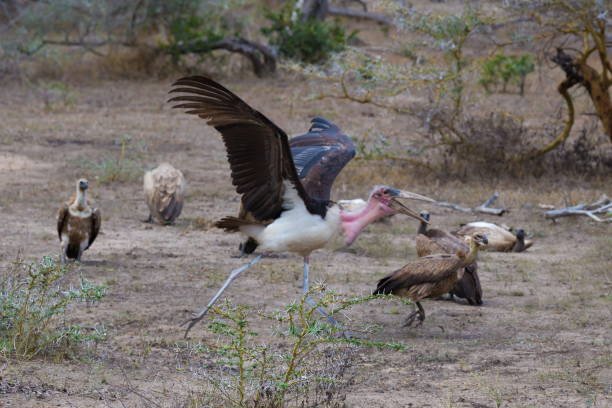
4-Day Nyerere National Park Safari From Zanzibar: Your Ultimate Wildlife
start an unforgettable 4-day safari adventure from Zanzibar to Nyerere National Park, Tanzania's largest game reserve. This itinerary offers a unique blend of classic game drives and...
View package details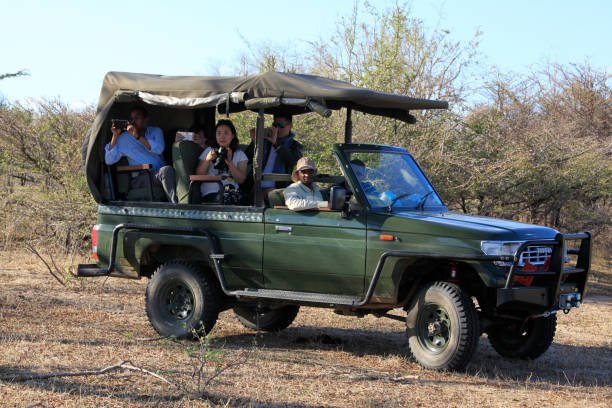
6-Day Nyerere Safari And Zanzibar Holiday: Your Ultimate Tanzania Adventure
Discover the perfect blend of adventure and relaxation with a 6-day Nyerere Safari and Zanzibar holiday. Explore the vast wilderness of Nyerere National Park, renowned for its large...
View package details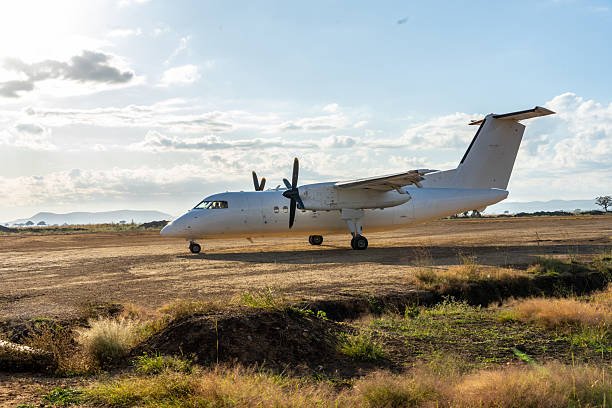
6-Day Nyerere And Ruaha Safari Guide
Discover the untamed beauty of Southern Tanzania with a 6-day safari combining the vast wilderness of Nyerere National Park (formerly Selous) and the dramatic landscapes of Ruaha National...
View package details
6-Day Nyerere And Mikumi Safari Guide
Discover the untamed beauty of Southern Tanzania on a 6-day safari adventure through Nyerere National Park (formerly Selous Game Reserve) and Mikumi National Park. This itinerary offers a...
View package details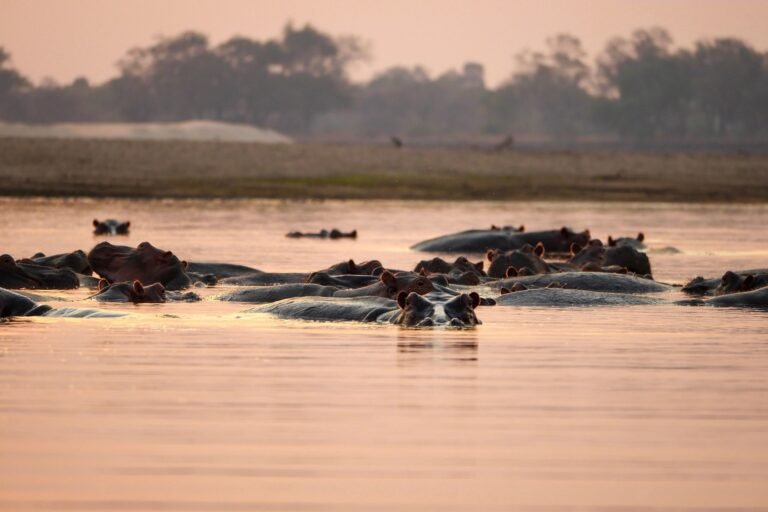
5-Day Mikumi, Nyerere And Zanzibar Safari Package With Top Guide Adventures
Combine the thrilling wildlife encounters of Mikumi and Nyerere National Parks with the tropical allure of Zanzibar on this unforgettable 5-day safari package. This itinerary offers a...
View package details
6-Day Nyerere, Mikumi, And Udzungwa Safari: Your Southern Tanzania Adventure
Explore the wild heart of Southern Tanzania on a 6-day safari adventure. This journey combines the vast wilderness of Nyerere National Park (formerly Selous), the abundant wildlife of...
View package details
5-Day Southern Tanzania Group Joining Safari: Your Ultimate Adventure
Discover the wild heart of Southern Tanzania on a 5-day group joining safari. This adventure offers incredible wildlife viewing in Selous Game Reserve and Ruaha National Park, perfect for...
View package details
5-Day Private Nyerere And Mikumi Safari With Top Guide Adventures 2026-2027
start an unforgettable 5-day private safari adventure through Tanzania's Nyerere National Park (formerly Selous) and Mikumi National Park. This itinerary focuses on maximizing wildlife...
View package details
4-Day Luxury Nyerere Safari With Rufiji Boat Your Ultimate Itinerary 2026-2027
Discover the magic of a 4-day luxury safari in Nyerere National Park, famed for its Rufiji River boat safaris. This itinerary offers unparalleled wildlife viewing and unique aquatic...
View package details
6-Day Nyerere And Mikumi Southern Tanzania Safari With Top Guide Adventures
This 6-day safari adventure takes you through Southern Tanzania's Nyerere National Park (formerly Selous) and Mikumi National Park. Expect incredible wildlife viewing, unique activities...
View package detailsNo related package matches those filters. Clear one or more filters to see the other topic-matched options.
Plan your 6-Day Laikipia Wildlife Conservancy Safari — Walking & Tracking with Top Guide Adventures
Tell us your travel dates, group size, comfort level, and dream experience. We will help you shape a clear, realistic, and memorable Tanzania itinerary.



