
Updated planning guide for 2026-2027
6-Day Birding & Botanical Tour — Udzungwa Slopes: Complete Guide 2026-2027
Discover the unique biodiversity of the Udzungwa Mountains National Park on a 6-day birding and botanical tour. This comprehensive guide covers everything you need to know for an unforgettable adventure in Tanzania's Eastern Arc Mountains, including planning, itineraries, what to expect, and booking advice.
WhatsApp +255616946642 | topguideadventures@gmail.com | info@topguideadventures.com
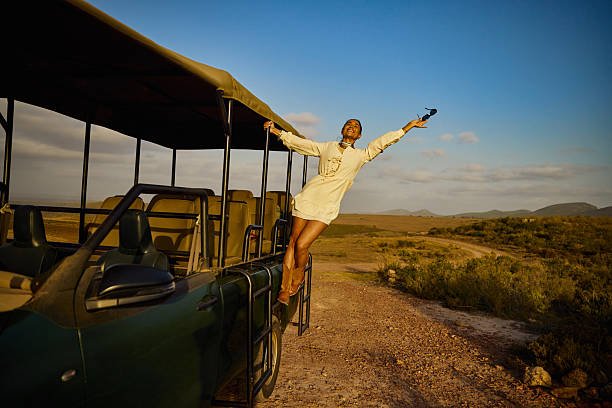
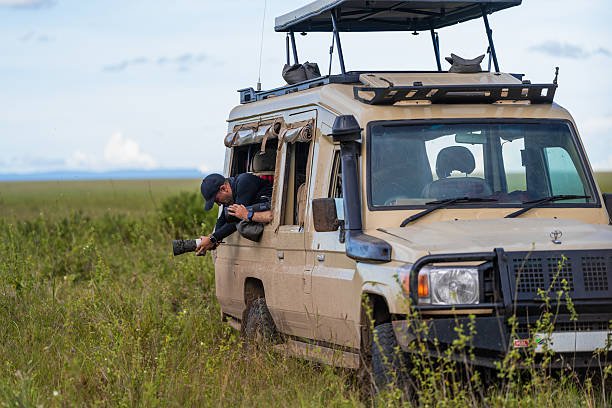
Your Ultimate 6-Day Birding & Botanical Tour on the Udzungwa Slopes
The Udzungwa Mountains National Park, a jewel within Tanzania’s Eastern Arc Mountains, offers an unparalleled experience for ornithologists and botanists. This 6-day birding & botanical tour is designed for travelers seeking to explore a region celebrated for its exceptional endemism and pristine forest ecosystems. Unlike the more frequented northern safari circuits, Udzungwa provides a different kind of wildlife encounter – one focused on the intricate details of avian life and the remarkable diversity of plant species found nowhere else on Earth. This guide provides an in-depth look at what to expect, how to plan, and what makes this specific tour a must-do for nature enthusiasts visiting Tanzania in 2026 and 2027.
| Feature | Details |
|---|---|
| Duration | 6 Days / 5 Nights |
| Primary Focus | Birdwatching, Botany, Forest Ecology |
| Location | Udzungwa Mountains National Park, Tanzania |
| Key Activities | Guided forest walks, bird spotting, plant identification, waterfall hikes, wildlife viewing (primates, insects) |
| Best Time to Visit | June to October (dry season), January to February (short rains) |
| Accommodation | Lodges/Tented Camps near park entrance, basic park bandas |
| Physical Demands | Moderate to High (hiking on uneven terrain, inclines) |
| Typical Group Size | 1-8 travelers |
Why Choose the Udzungwa Slopes for Birding and Botany?
The Udzungwa Mountains are part of the Eastern Arc Mountains, a biodiversity hotspot recognized globally. These ancient mountains, often referred to as the “Galapagos of Africa,” are characterized by their isolation, which has led to the evolution of a unique array of species. For birders, Udzungwa is a prime location for spotting several endemic species, including the Udzungwa Forest Partridge, Udzungwa Scops Owl, and various sunbirds and flycatchers. The botanical aspect is equally captivating, with ancient forests teeming with rare orchids, giant ferns, and endemic trees. This 6-day birding & botanical tour offers a deep immersion into this specialized environment, providing opportunities to observe species that are not found in typical Tanzanian safari destinations.
Understanding the Udzungwa Ecosystem
The park spans an altitudinal range from 250 to 2,576 meters, creating diverse habitats. The lower altitudes feature miombo woodland and grassland, while the higher slopes are covered in montane rainforest, sub-montane forest, and bamboo thickets. This altitudinal variation supports a rich variety of flora and fauna. During your 6-day birding & botanical tour, you will traverse these different zones, each presenting unique opportunities for observation. The dense forest canopy is home to a myriad of bird species, many of which are elusive and require keen observation skills. The forest floor and undergrowth are equally rich, with unique plant species adapted to the shaded, humid conditions. Expect to encounter various primate species, including the endemic Udzungwa red colobus monkey and the Sanje mangabey, adding to the wildlife viewing experience.
Best Time for Your 6-Day Birding & Botanical Tour
Planning your visit to coincide with the optimal season will significantly enhance your experience. The climate in Udzungwa is influenced by altitude and can be humid year-round, but there are distinct dry and wet periods.
| Period | Weather | Birding & Botanical Highlights | Considerations |
|---|---|---|---|
| June – October (Dry Season) | Cooler temperatures, less rainfall, clear skies. | Excellent for trekking and visibility. Migratory birds may be present. Plant life is still lush. | Most popular time, fewer crowds than peak safari seasons. Trails are drier. |
| November – December (Long Rains Start) | Increasing humidity and rainfall, especially in the afternoons. | Fruiting trees attract many birds. Some flowers may be in bloom. | Trails can become muddy and slippery. Visibility might be reduced. |
| January – February (Short Rains) | Intermittent showers, often brief. Generally warm. | Good for spotting orchids and other flowering plants. Bird activity can be high after rain. | A less crowded period. Good for photographers seeking lush green landscapes. |
| March – May (Long Rains) | Heaviest rainfall, can be persistent. High humidity. | Abundant plant growth. Many species are breeding, making it a good time for observing nesting behavior and young birds. | Trails can be very muddy and challenging. Some areas may be inaccessible. Less ideal for general trekking. |
For a dedicated 6-day birding & botanical tour, the dry season (June to October) is generally recommended for easier trekking and better visibility. However, the short rains (January to February) can also be rewarding for botanists and offer a different perspective with fewer visitors. Planning for 2026 or 2027, consider booking during the shoulder months like June or October for a balance of good weather and fewer crowds.
Sample Itinerary: 6-Day Birding & Botanical Tour Udzungwa Slopes
This sample itinerary provides a framework for a 6-day birding & botanical tour. It can be customized to your specific interests and fitness levels. The focus is on experiencing the diverse habitats and endemic species of Udzungwa.
Day 1: Arrival in Dar es Salaam & Transfer to Mikumi Gateway
- Arrive at Julius Nyerere International Airport (DAR) in Dar es Salaam.
- Meet your guide and transfer to your lodge near Mikumi National Park (approx. 4-5 hours drive). This allows for an early start to Udzungwa the next day.
- Briefing on the upcoming tour.
- Overnight at a lodge near Mikumi.
Day 2: Transfer to Udzungwa & Mwanihana Trail (Lower Slopes)
- After breakfast, drive to the Udzungwa Mountains National Park headquarters at Mang’ula (approx. 1.5 hours).
- Register and meet your park ranger/guide.
- Begin your exploration with a hike on the Mwanihana Trail, which leads towards the lower slopes. This trail is excellent for spotting forest birds and unique plant life in the miombo woodland and lower montane forest zones.
- Look for species like the Chestnut-fronted Helmet-shrike, Pale-billed Hornbill, and various species of Cisticola and Prinia. Botanical interest includes diverse acacia and baobab species in the drier areas.
- Return to your lodge/camp near Mang’ula in the late afternoon.
- Overnight at a lodge/camp near Mang’ula.
Day 3: Sanje Waterfalls Hike & Endemic Species Focus
- Full day dedicated to hiking the popular trail to Sanje Waterfalls. This trail ascends through dense primary rainforest.
- The hike is moderately challenging, with steep sections. It’s renowned for opportunities to see the Udzungwa red colobus monkey and the Sanje mangabey.
- Birding highlights include the Udzungwa Scops Owl (best heard at dawn/dusk, but possible sightings), Udzungwa Forest Partridge (elusive), various Turacos, and forest flycatchers.
- Botanical focus: observe endemic orchids, giant ferns, and canopy trees.
- Enjoy a picnic lunch with spectacular views from the waterfalls.
- Return to your lodge/camp in the late afternoon.
- Overnight at a lodge/camp near Mang’ula.
Day 4: Kihansi Gorge & Lower Montane Forest Exploration
- Drive towards the Kihansi area, known for its dramatic gorge and distinct forest types.
- Explore trails around the Kihansi Gorge, which offers a different perspective and habitat. This area is less frequented and can yield unique sightings.
- Focus on bird species common in the lower montane and riverine forests, such as Kingfishers, Bee-eaters, and various warblers.
- Botanical interest may include riparian species and plants adapted to the gorge’s microclimate.
- Optional: A visit to the Kihansi waterfalls (access can be challenging and may require specific arrangements).
- Overnight at a lodge/camp near Mang’ula or closer to the Kihansi area if accommodation is available.
Day 5: Birding at Dawn & Transfer to Morogoro
- Early morning birding session around your lodge or a nearby suitable spot to catch dawn chorus activity.
- After breakfast, begin the scenic drive towards Morogoro town (approx. 3-4 hours).
- En route, stop at viewpoints or suitable habitats for brief birding or botanical observation.
- Check into your hotel in Morogoro.
- Depending on time and interest, a short excursion to the foothills of the Uluguru Mountains near Morogoro can be arranged for a different botanical perspective.
- Overnight in Morogoro.
Day 6: Departure from Morogoro/Dar es Salaam
- After breakfast, transfer from Morogoro to Dar es Salaam (approx. 3-4 hours) for your onward flight.
- Alternatively, if your flight departs from Kilimanjaro International Airport (JRO), a longer transfer will be required.
What to Expect on Your Udzungwa Adventure
This 6-day birding & botanical tour is an immersive experience in a less-developed but incredibly rewarding natural setting. Expect the following:
- Guided Exploration: You will be accompanied by experienced local guides and park rangers who possess in-depth knowledge of the area’s flora and fauna. They are crucial for spotting elusive birds and identifying plant species.
- Hiking and Trekking: The tour involves significant walking and hiking. Trails can be steep, uneven, muddy (especially after rain), and sometimes overgrown. Good physical condition is essential.
- Wildlife Encounters: While the focus is on birds and plants, you have a good chance of seeing primates like the Udzungwa red colobus, Sanje mangabey, Sykes’ monkey, and various forest birds. Reptiles, amphibians, and insects are also abundant. Large mammals are rare in the park itself.
- Accommodation: Lodges and tented camps near the park entrance (Mang’ula) offer comfortable amenities. Basic park bandas are also an option for a more rustic experience. In Morogoro, standard hotels are available.
- Climate: The rainforest environment is generally humid and can experience rain at any time, though it is more frequent during the rainy seasons. Temperatures vary with altitude but are generally moderate.
- Connectivity: Mobile phone reception can be spotty within the park and surrounding areas. Wi-Fi is typically available at lodges but may be slow.
Packing and Preparation for Udzungwa
Proper packing is key to enjoying your 6-day birding & botanical tour. Consider the tropical climate, humidity, and the nature of the activities.
Clothing Essentials:
- Lightweight, Quick-Drying Trousers: 2-3 pairs. Essential for protection against insects, thorns, and scratches.
- Long-Sleeved Shirts: 2-3 lightweight shirts for sun and insect protection.
- T-shirts/Tops: A few for casual wear or warmer sections.
- Fleece or Warm Layer: Evenings can be cool at higher altitudes.
- Waterproof and Windproof Jacket: Essential for rain and wind, especially at higher elevations.
- Hiking Boots: Well-worn, waterproof hiking boots with good ankle support are crucial.
- Comfortable Camp Shoes/Sandals: For relaxing at the lodge.
- Socks: Several pairs of moisture-wicking hiking socks.
- Hat: Wide-brimmed hat for sun protection.
Gear and Accessories:
- Binoculars: High-quality binoculars are non-negotiable for birdwatching. A 8×42 or 10×42 magnification is recommended.
- Field Guide: A good field guide for East African birds and potentially a guide to African plants.
- Camera: With extra batteries and memory cards. A telephoto lens is useful for birds.
- Backpack: A comfortable daypack for carrying water, snacks, camera, and rain gear.
- Water Bottle/Hydration Reservoir: At least 2 liters capacity.
- Sunscreen: High SPF.
- Insect Repellent: With DEET or Picaridin.
- Personal First-Aid Kit: Including any personal medications, blister treatment, antiseptic wipes, pain relievers.
- Headlamp or Flashlight: For early morning or evening walks.
- Dry Bags: To protect electronics and valuables from rain.
- Trekking Poles: Highly recommended for steep and slippery trails.
- Small Towel: Quick-drying travel towel.
Documents and Essentials:
- Passport and Visa
- Flight Information
- Travel Insurance Details
- Cash (USD/TZS) for tips and personal expenses
- Phone and Charger
- Power Adapter (Type D)
Common Mistakes to Avoid on Your Udzungwa Tour
To ensure a smooth and enjoyable 6-day birding & botanical tour, be aware of these common pitfalls:
- Underestimating the Terrain: Udzungwa trails are often steep and can be very muddy. Many visitors are surprised by the physical demands. Ensure you are prepared for hiking.
- Inadequate Footwear: Wearing old or unsuitable shoes can lead to blisters, slips, and injuries. Invest in good, broken-in hiking boots.
- Insufficient Water and Snacks: It’s crucial to stay hydrated and fueled, especially on longer hikes. Carry more than you think you’ll need.
- Ignoring the Humidity and Rain: Even in the dry season, rain showers are possible. Always pack waterproofs and be prepared for humid conditions.
- Not Using a Local Guide: The Udzungwa forest is dense, and many species are cryptic. A knowledgeable local guide is invaluable for spotting birds, identifying plants, and navigating safely.
- Focusing Only on Birds: While birding is a primary draw, don’t overlook the incredible botanical diversity. Take time to appreciate the unique plant life.
- Expecting Safari-Level Infrastructure: Udzungwa offers a more rugged, natural experience. Accommodation and facilities are generally simpler than in major safari parks.
- Not Booking in Advance: Especially for specific lodges or during peak seasons, booking your tour and accommodation ahead of time is wise for 2026-2027 travel.
Who is This 6-Day Birding & Botanical Tour Best Suited For?
This specialized tour is ideal for:
- Passionate Birdwatchers: Those seeking to add endemic East African species to their life list.
- Botanists and Plant Enthusiasts: Individuals interested in unique flora, orchids, and ancient forest ecosystems.
- Nature Photographers: Offering opportunities to capture unique species and stunning forest landscapes.
- Adventurous Travelers: People who enjoy hiking and exploring off-the-beaten-path destinations.
- Travelers Seeking Biodiversity Hotspots: Those interested in conservation and unique ecological areas.
- Those Looking for a Different Tanzanian Experience: A break from traditional safaris, offering a deeper connection with the natural environment.
It may not be the best choice for travelers primarily seeking large mammal sightings or those who prefer luxury accommodations and minimal physical activity.
Alternative Tanzania Nature Experiences
While Udzungwa is unique, Tanzania offers other incredible nature-focused experiences:
| Tour Type | Primary Focus | Key Activities | Best For | Udzungwa Comparison |
|---|---|---|---|---|
| Northern Circuit Safari | Big Mammals, Landscapes | Game drives, walking safaris (limited) | Classic safari experience, diverse wildlife | Less focus on birds/plants, more on large mammals. Udzungwa offers higher endemism for birds/plants. |
| Mahale Mountains NP / Gombe Stream NP | Chimpanzee Trekking, Primates | Chimpanzee tracking, forest walks, lake activities | Primate enthusiasts, remote wilderness | Udzungwa has different primate species (colobus, mangabey) and less focus on chimps. Mahale/Gombe are more remote and specialized for chimps. |
| Mount Kilimanjaro Trek | Mountain Climbing, Scenery | Multi-day trekking, altitude acclimatization | Challenging treks, summit goals | Udzungwa is about forest exploration at lower altitudes; Kilimanjaro is a high-altitude climb with distinct ecosystems. |
| Selous Game Reserve (Nyerere NP) | Large Mammals, Riverine Wildlife | Game drives, boat safaris, walking safaris | Diverse wildlife, riverine ecosystems, less crowded than Northern Circuit | Similar focus on wildlife but different species and habitats. Udzungwa is forest-centric. |
Planning Your 2026-2027 Udzungwa Trip
Booking your 6-day birding & botanical tour for 2026 or 2027 requires careful planning to ensure you get the most out of your trip. Here are some tips:
- Book Early: The best lodges and guides can be booked up months in advance, especially for popular travel periods. Aim to book at least 6-12 months ahead for 2026-2027.
- Choose the Right Operator: Select a tour operator with specific experience in Udzungwa and a strong reputation for guiding nature tours. Look for operators who understand the nuances of birding and botanical tours.
- Consider Customization: If you have specific birding targets or botanical interests, discuss them with your operator. They can help tailor the itinerary.
- Factor in Travel Time: Udzungwa is not as easily accessible as northern safari destinations. Account for travel time to and from Dar es Salaam or other major hubs.
- Fitness Assessment: Honestly assess your fitness level. If you are not accustomed to hiking, consider a pre-trip fitness program.
- Vaccinations and Health: Consult your doctor or a travel clinic regarding necessary vaccinations (e.g., Yellow Fever, Typhoid) and malaria prophylaxis well in advance of your 2026 or 2027 travel dates.
- Travel Insurance: Ensure your travel insurance covers medical emergencies, trip cancellations, and adventure activities like hiking.
Booking Your 6-Day Birding & Botanical Tour
Ready to experience the incredible biodiversity of the Udzungwa Slopes? Booking your 6-day birding & botanical tour with a reputable operator is the next step. We specialize in creating unique nature-focused itineraries across Tanzania, including the Udzungwa Mountains. Our expert guides are passionate about ornithology and botany, ensuring you have an enriching and memorable experience.
To discuss your personalized itinerary, inquire about availability for 2026-2027, or get a quote, please reach out to us:
- WhatsApp: +255616946642
- Email: topguideadventures@gmail.com
- Backup Email: info@topguideadventures.com
We are committed to providing exceptional service and crafting unforgettable adventures. Let us help you plan your ultimate 6-day birding & botanical tour to the Udzungwa Slopes.
Frequently Asked Questions (FAQs)
What are the chances of seeing endemic birds?
The chances of seeing endemic birds like the Udzungwa Forest Partridge and Udzungwa Scops Owl are moderate to good, depending heavily on the guide’s expertise, the time of year, and your patience. These species are often elusive and require keen observation. The Udzungwa Scops Owl is more often heard than seen, especially during dawn and dusk.
Is Udzungwa safe for solo travelers?
Yes, Udzungwa is generally safe for solo travelers when accompanied by a certified park ranger and an experienced guide, as provided on our tours. The main safety concerns are related to the terrain (slippery paths, steep inclines) and potential wildlife encounters, which are managed by your guides. It’s recommended to use a reputable tour operator.
What is the best footwear for Udzungwa?
The best footwear is sturdy, waterproof hiking boots with good ankle support. Ensure they are well broken-in before your trip to prevent blisters. Trekking poles are also highly recommended for navigating the steep and often muddy trails.
Can I combine this tour with a safari?
Absolutely. Many travelers combine a 6-day birding & botanical tour of Udzungwa with a safari in nearby Mikumi National Park or the more distant Serengeti and Ngorongoro Crater. This offers a comprehensive Tanzanian wildlife and nature experience. We can help you arrange such combinations for 2026 or 2027.
What kind of accommodation can I expect?
Accommodation options typically include comfortable lodges and tented camps located just outside the park boundaries, offering amenities like private bathrooms and meals. For a more immersive experience, basic park bandas are also available. We can discuss options that suit your comfort level and budget for your 2026-2027 trip.
Do I need specific permits to enter Udzungwa?
Yes, park entry fees and permits are required for Udzungwa Mountains National Park. These are typically arranged by your tour operator as part of the package. You will also be accompanied by a park ranger on your hikes.
What is the altitude of Udzungwa?
The altitude in Udzungwa Mountains National Park ranges from approximately 250 meters (820 feet) at the base to 2,576 meters (8,451 feet) at the highest point. The main hiking trails, like the one to Sanje Waterfalls, reach about 1,800 meters (5,900 feet).
How difficult is the Sanje Waterfalls hike?
The hike to Sanje Waterfalls is considered moderately difficult. It involves a steady ascent over several kilometers, with some very steep sections. The trail can be muddy and slippery, especially during and after the rainy seasons. A reasonable level of fitness is required.
What are the main botanical attractions?
Udzungwa is a botanist’s dream, known for its ancient forests, endemic species, and a high diversity of plants. Key attractions include numerous species of orchids, giant ferns, ancient trees like the Yellowwood, and various medicinal plants used by local communities. The sheer variety of vegetation across different altitudinal zones is remarkable.
When is the best time for birding in Udzungwa?
While birding is possible year-round, the dry season (June to October) is often preferred for ease of travel and better visibility. However, the short rains (January to February) can also be excellent as many plants are flowering, attracting nectar-feeding birds. Migratory birds are typically present during the European winter months (October to March).
We are excited to help you plan your 6-Day Birding & Botanical Tour — Udzungwa Slopes. Contact us today to create your bespoke Tanzanian adventure for 2026-2027!
WhatsApp: +255616946642
Email: topguideadventures@gmail.com
Backup Email: info@topguideadventures.com
Plan your 6-Day Birding & Botanical Tour — Udzungwa Slopes with Top Guide Adventures
Tell us your travel dates, group size, comfort level, and dream experience. We will help you shape a clear, realistic, and memorable Tanzania itinerary.



