
Updated planning guide for 2026-2027
5-Day Photography & Tracking Course — Ol Pejeta Rhinos: Complete Guide
Discover the ultimate 5-Day Photography & Tracking Course focused on the magnificent rhinos of Ol Pejeta Conservancy. This comprehensive guide covers everything from planning and itinerary to essential photography and tracking techniques for your 2026-2027 adventure.
WhatsApp +255616946642 | topguideadventures@gmail.com | info@topguideadventures.com
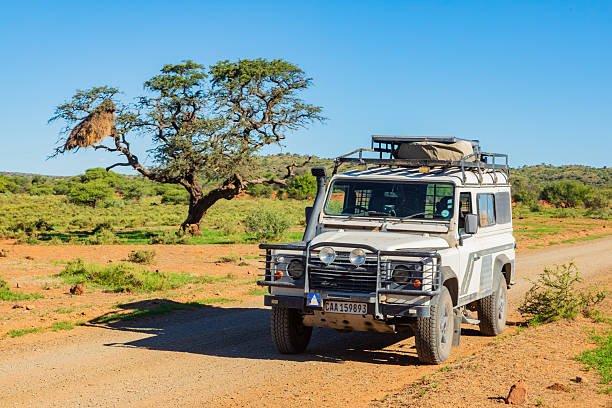
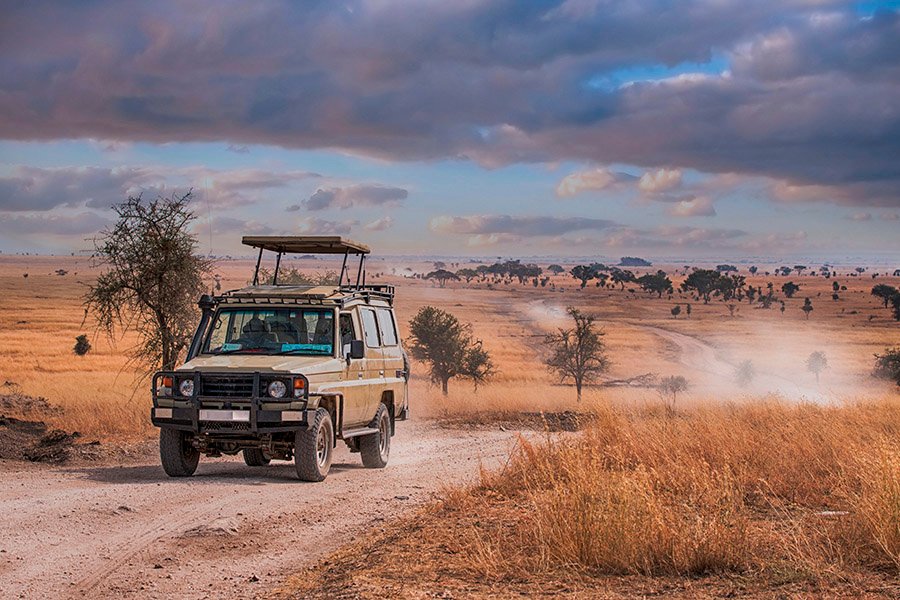
5-Day Photography & Tracking Course — Ol Pejeta Rhinos: Essential Travel Guide 2026-2027
For wildlife enthusiasts and aspiring photographers, the opportunity to get up close with iconic species in their natural habitat is a dream. A 5-Day Photography & Tracking Course — Ol Pejeta Rhinos offers precisely this, combining expert-led wildlife tracking with specialized photography tuition. Ol Pejeta Conservancy in Kenya is world-renowned for its conservation efforts, particularly for its black and white rhino populations, making it an unparalleled location for such an immersive experience. This guide provides an in-depth look at what to expect, how to prepare, and why this course is a must-do for serious wildlife lovers planning for 2026 or 2027.
Table of Contents
- Quick Facts: 5-Day Photography & Tracking Course Ol Pejeta Rhinos
- Course Overview: More Than Just a Safari
- Why Ol Pejeta Conservancy for Rhino Tracking & Photography?
- Best Time to Visit Ol Pejeta for the Course (2026-2027)
- Ol Pejeta Conservancy: Area Overview
- Sample 5-Day Photography & Tracking Course Itinerary
- What to Expect During the Course
- Essential Photography Tips for Rhino Encounters
- Developing Your Tracking Skills
- Gear and Packing Essentials
- Pre-Course Preparation
- Common Mistakes to Avoid
- Who is This Course Best Suited For?
- Considering Alternatives?
- Planning Your 2026-2027 Trip
- Booking Advice: Making the Right Choice
- Frequently Asked Questions
Quick Facts: 5-Day Photography & Tracking Course Ol Pejeta Rhinos
| Aspect | Details |
|---|---|
| Course Focus | Rhino photography and tracking techniques |
| Location | Ol Pejeta Conservancy, Laikipia County, Kenya |
| Duration | 5 Days / 4 Nights |
| Key Species | Black Rhinos, White Rhinos, Grevy’s Zebras, African Wild Dogs, Elephants, Lions, Cheetahs |
| Ideal For | Wildlife photographers, conservation enthusiasts, nature lovers seeking in-depth experience |
| Accommodation | Likely lodges or tented camps within or near Ol Pejeta |
| Activities | Guided game drives, walking safaris (where permitted), photography workshops, tracking sessions, lectures |
| Seasonality | Year-round, but dry seasons offer better game viewing |
Course Overview: More Than Just a Safari
This isn’t your typical safari. A 5-Day Photography & Tracking Course — Ol Pejeta Rhinos is designed to immerse participants deeply into the world of rhino conservation and behavior, while simultaneously honing their photographic skills. Led by experienced guides and potentially wildlife photographers, the course focuses on ethical wildlife encounters, understanding animal behavior, and capturing compelling images. You’ll learn how to read the landscape, identify animal signs, and approach wildlife responsibly, all while aiming to document the majestic rhinos of Ol Pejeta. It’s an educational journey that combines adventure, learning, and a profound connection with nature.
Why Ol Pejeta Conservancy for Rhino Tracking & Photography?
Ol Pejeta Conservancy stands out as a premier destination for rhino conservation and viewing. Its significance lies in several key factors:
- High Rhino Density: It is home to a significant population of both black and white rhinos, including the world’s last two northern white rhinos (Najin and Fatu), though direct interaction with them is highly restricted for their protection. The conservancy’s success in breeding and protecting rhinos is remarkable.
- Dedicated Conservation Efforts: Ol Pejeta is at the forefront of anti-poaching initiatives and rhino protection programs. Participating in a course here often means contributing indirectly to these vital efforts.
- Diverse Wildlife: While rhinos are a major draw, Ol Pejeta also boasts a healthy population of other wildlife, including elephants, lions, leopards, cheetahs, African wild dogs, Grevy’s zebras, and a vast array of birdlife. This diversity provides ample subjects for photographers.
- Managed Environment: The conservancy is well-managed, ensuring good road networks for game drives and controlled access, which is crucial for both safety and effective tracking and photography.
- Educational Opportunities: Ol Pejeta offers excellent educational resources and has staff dedicated to conservation. This expertise is often leveraged by tour operators to provide insightful commentary and training during such specialized courses.
The unique environment of Ol Pejeta, with its open grasslands and scattered acacia trees, provides excellent vantage points and photographic opportunities. The commitment to conservation means that rhinos are often habituated to vehicles and guides, allowing for closer, yet always safe and ethical, observation.
Best Time to Visit Ol Pejeta for the Course (2026-2027)
While Ol Pejeta Conservancy offers wildlife viewing year-round, certain periods are more favorable for photography and tracking, especially for a focused course.
Dry Seasons (June to October & December to February):
- Pros: Vegetation is sparser, making animals easier to spot. Water sources become critical, concentrating wildlife. Skies are often clear, providing good light for photography. Animals are generally more active during cooler mornings and evenings.
- Cons: Can be dusty. Some smaller waterholes may dry up, affecting animal distribution.
Green Seasons (March to May & November):
- Pros: Landscapes are lush and green, offering beautiful backdrops. Birdlife is abundant, especially during migration periods (though this is more relevant for general birding). Fewer crowds.
- Cons: Dense vegetation can make spotting wildlife more challenging. Rain showers, sometimes heavy, can interrupt activities. Photography light can be diffused.
For a photography and tracking course in 2026 or 2027, the dry seasons are generally preferred. The clearer visibility and animal concentrations significantly enhance the chances of successful tracking and photographic opportunities. However, the green seasons can offer unique photographic opportunities with dramatic skies and vibrant landscapes.
Ol Pejeta Conservancy: Area Overview
Ol Pejeta is located in the Laikipia Plateau region of Kenya, east of the Aberdare Range and north of Mount Kenya. It covers approximately 90,000 acres (364 km²).
General Location: Laikipia County, Kenya
Proximity: Near Nanyuki town, a few hours’ drive north of Nairobi.
Terrain: Primarily open grasslands, savanna woodlands, and riverine areas. The landscape is relatively flat with some gentle undulations, interspersed with acacia trees and thorny bushes.
Key Areas within the Conservancy:
- Rhino Sanctuary: A fenced area dedicated to the protection of rhinos, including the sanctuary for the last two northern white rhinos. Access is highly controlled.
- Open Savanna: The majority of the conservancy where various wildlife roams freely.
- Watering Holes: Natural and artificial water sources that attract a variety of animals.
- Riverine Forests: Along the Ewaso Nyiro River, offering different habitats and species.
Accessibility: Well-maintained dirt tracks crisscross the conservancy, facilitating game drives. Certain areas might be accessible via walking safaris with armed rangers.
Sample 5-Day Photography & Tracking Course Itinerary
This is a sample itinerary and can be customized. It focuses on maximizing learning and photographic opportunities for the 5-Day Photography & Tracking Course — Ol Pejeta Rhinos.
| Day | Morning (Approx. 6:00 AM – 12:00 PM) | Afternoon (Approx. 1:00 PM – 6:00 PM) | Evening (Approx. 7:00 PM onwards) |
|---|---|---|---|
| Day 1: Arrival & Introduction | Arrive at Jomo Kenyatta International Airport (NBO), Nairobi. Transfer to Wilson Airport for a short flight to Nanyuki Airstrip or scenic drive to Ol Pejeta. Check into lodge/camp. Welcome briefing on the course objectives, safety protocols, and introduction to Ol Pejeta’s conservation mission. | First game drive focusing on understanding the landscape and spotting general wildlife. Introduction to basic tracking signs and rhino behavior. Photography basics session: camera settings for wildlife. | Dinner. Lecture: “The Plight and Protection of Rhinos at Ol Pejeta.” Review of Day 1 photos. |
| Day 2: Rhino Tracking & Behavior | Early morning game drive dedicated to locating black and white rhinos. Guided tracking session: learning to identify tracks, dung, and other signs. Photography focus: capturing rhinos in their environment, understanding light. | Lunch. Afternoon game drive with a focus on observing rhino social interactions and feeding habits. Photography workshop: composition and storytelling with wildlife images. | Dinner. Lecture: “Rhino Behavior and Social Structures.” Photo critique session. |
| Day 3: Beyond the Rhino & Photography Techniques | Morning game drive exploring different habitats within Ol Pejeta to find other key species (e.g., Grevy’s zebras, wild dogs, elephants). Photography focus: adapting techniques for different animals and lighting conditions. | Lunch. Visit the Sweetwaters Chimpanzee Sanctuary (optional, depending on course structure) or focus on tracking predators. Photography workshop: using telephoto lenses effectively, capturing action. | Dinner. Lecture: “Conservation Challenges and Success Stories in African Wildlife.” |
| Day 4: Advanced Tracking & Low Light Photography | Early morning walking safari (if permitted and with armed ranger) to practice tracking skills in a more intimate way. Focus on subtle signs and understanding the ecosystem. Photography focus: capturing atmospheric shots, dealing with low light conditions at dawn/dusk. | Lunch. Afternoon game drive revisiting successful tracking spots or exploring new areas based on guide intelligence. Photography focus: wildlife portraits and capturing mood. | Farewell Dinner. Final photo review and sharing session. Discussion on next steps for aspiring wildlife photographers. |
| Day 5: Final Encounters & Departure | Final early morning game drive for last photographic opportunities or to revisit favorite sightings. Recap of tracking skills learned. Pack up and check out. | Transfer back to Nanyuki Airstrip for flight to Nairobi or drive to Nairobi. Connect with your onward international flight or continue your Tanzanian adventure. | N/A |
What to Expect During the Course
This course is intensive and hands-on. You should be prepared for:
- Early Mornings: Wildlife is most active at dawn and dusk, so expect to be out of your lodge before sunrise.
- Long Hours in Vehicle: Game drives can be long, often several hours at a time, as you search for wildlife and practice tracking.
- Outdoor Activity: You’ll be spending significant time outdoors in varying weather conditions.
- Learning Environment: Expect lectures, practical sessions, photo reviews, and discussions. It’s a learning experience, not just a sightseeing trip.
- Expert Guidance: You will be accompanied by experienced guides knowledgeable in tracking, wildlife behavior, and photography.
- Ethical Encounters: The course emphasizes responsible wildlife viewing. This means maintaining a safe distance, not disturbing animals, and respecting their natural behavior.
- Accommodation: Typically, you’ll stay in comfortable lodges or tented camps within or very close to the conservancy, offering good amenities and proximity to wildlife areas.
The pace is designed to be engaging without being exhausting, balancing activity with opportunities for rest and reflection.
Essential Photography Tips for Rhino Encounters
Capturing powerful images of rhinos requires more than just pointing and shooting. Here are key tips:
- Know Your Gear: Understand your camera’s settings (aperture, shutter speed, ISO) and how they affect your shots, especially in changing light.
- Long Lenses are Key: A telephoto lens (300mm or more) is essential for getting close-up shots without disturbing the animals.
- Focus on the Eyes: Like many animals, the eyes are the window to the rhino’s personality. Aim for sharp focus on the eyes.
- Capture Behavior: Don’t just aim for portraits. Photograph rhinos interacting, feeding, dust-bathing, or with their young. These tell a story.
- Understand Light: The golden hours (early morning and late afternoon) provide the most flattering light. Avoid shooting in harsh midday sun if possible. Backlighting can create dramatic silhouettes.
- Composition Matters: Use the rule of thirds, leading lines (like tracks or fences), and frame your subject with the environment to add context.
- Shutter Speed for Action: If a rhino is moving, use a faster shutter speed to freeze the motion. For a sense of movement, a slightly slower shutter speed might be appropriate, but be mindful of camera shake.
- Exposure Compensation: Rhinos are often grey or dark, and the African landscape can be bright. You might need to adjust exposure compensation (usually +0.3 to +1.0 EV) to avoid underexposing your subject.
- Patience is Crucial: Wait for the right moment. Sometimes the best shot comes after hours of waiting.
- Respectful Distance: Always prioritize the animal’s welfare. Zoom in rather than getting too close.
Developing Your Tracking Skills
Tracking is an art and a science. During the course, you’ll learn:
- Identifying Tracks: Distinguishing between rhino tracks and those of other large mammals. Understanding track size, shape, and stride length.
- Reading Signs: Learning to interpret dung (age, diet), browsing marks on vegetation, rubbings on trees, and wallows.
- Understanding Movement Patterns: Predicting where animals might go based on terrain, water sources, and time of day.
- Using the Wind: Understanding how wind direction affects scent and animal awareness.
- Silent Observation: Moving quietly and observing surroundings keenly.
- Interpreting the Environment: How the landscape, vegetation, and weather influence animal behavior and location.
These skills enhance your safari experience, turning a passive viewing into an active pursuit of understanding the wild.
Gear and Packing Essentials
Proper gear is vital for comfort and successful photography.
Photography Gear:
- DSLR or Mirrorless Camera Body
- Telephoto Zoom Lens (e.g., 100-400mm, 150-600mm)
- Mid-Range Zoom Lens (e.g., 24-70mm) for general use
- Wide-Angle Lens (optional, for landscapes)
- Extra Batteries (essential, charging can be limited)
- Plenty of Memory Cards (high capacity, fast write speed)
- Tripod or Monopod (optional, but helpful for stability)
- Camera Bag (comfortable and protective)
- Lens Cleaning Kit (cloth, blower, brush)
- Rain Cover for Camera
- Binoculars (for spotting wildlife before reaching for your camera)
Clothing & Personal Items:
- Neutral-colored clothing (khaki, green, brown) – avoid bright colors and white.
- Lightweight long-sleeved shirts and trousers (for sun and insect protection).
- Fleece or warm jacket (mornings and evenings can be cool, especially in higher altitudes).
- Comfortable walking shoes or hiking boots.
- Hat with a brim for sun protection.
- Sunglasses.
- Sunscreen (high SPF).
- Insect repellent.
- Personal medications.
- Small backpack for day trips.
- Reusable water bottle.
- Power adapter and power bank.
Important Notes:
- Check with your tour operator about specific gear recommendations or restrictions (e.g., drone usage).
- Ensure your camera equipment is insured.
- Pack light but smart; luggage restrictions may apply on light aircraft transfers.
Pre-Course Preparation
To make the most of your 5-Day Photography & Tracking Course — Ol Pejeta Rhinos, some preparation is beneficial:
- Familiarize Yourself with Your Camera: Practice shooting in manual mode, understanding autofocus settings, and using different focal lengths. Read your camera manual.
- Study Rhino Basics: Learn about the different rhino species (black and white), their conservation status, and common behaviors. This will enhance your understanding during lectures and drives.
- Physical Fitness: While not strenuous, you’ll be spending time in a vehicle and potentially on short walks. Basic fitness is helpful.
- Visa and Vaccinations: Ensure your visa for Kenya is arranged and consult your doctor about recommended vaccinations and malaria precautions well in advance.
- Travel Insurance: Comprehensive travel insurance covering medical emergencies, trip cancellation, and equipment is highly recommended.
- Inform Your Operator: Let your tour operator know about any specific dietary requirements or medical conditions.
Common Mistakes to Avoid
To ensure a smooth and rewarding experience, be aware of these common pitfalls:
- Overpacking Camera Gear: Bringing too much equipment can be cumbersome. Focus on versatile lenses.
- Not Practicing with Gear: Arriving and then trying to figure out complex camera settings can lead to missed shots.
- Ignoring the Environment: Focusing solely on the animal and not capturing its habitat or context.
- Disturbing Wildlife: Making loud noises, sudden movements, or trying to get too close. Always follow your guide’s instructions.
- Not Respecting the Schedule: Missing early morning drives means missing prime wildlife activity.
- Poor Light Management: Shooting in harsh midday sun or not adjusting settings for dawn/dusk.
- Forgetting to Back Up Photos: If possible, back up your photos daily, especially if you’re taking thousands of shots.
- Not Engaging with Guides: The guides are a wealth of knowledge; ask questions and participate in discussions.
- Assuming All Safaris are the Same: This course is different from a standard safari; approach it with a learning mindset.
Who is This Course Best Suited For?
This specialized course is ideal for:
- Aspiring Wildlife Photographers: Those looking to improve their skills specifically in capturing wildlife, with a focus on large mammals.
- Enthusiastic Amateur Photographers: Individuals who already have a passion for photography and want to take it to the next level in a unique setting.
- Conservation-Minded Travelers: People interested in learning more about rhino conservation and contributing to awareness through their photography.
- Nature Lovers Seeking Depth: Travelers who want more than a superficial safari experience and desire a deeper understanding of animal behavior and tracking.
- Return Visitors to Africa: Those who have been on standard safaris and now seek a more focused, educational, and skill-building trip.
It is generally not recommended for absolute beginners in photography who have no prior experience with a DSLR/mirrorless camera, as the pace can be fast. However, a motivated beginner willing to learn quickly could still benefit immensely.
Considering Alternatives?
While the 5-Day Photography & Tracking Course — Ol Pejeta Rhinos is unique, other options exist depending on your priorities:
- General Wildlife Photography Safaris: Many operators offer standard safaris with a photography focus but without the dedicated tracking and technical instruction. These are less intensive but still offer great photo ops.
- Walking Safaris: Focus on tracking and experiencing the bush on foot, often without a dedicated photography component.
- Conservation Volunteer Programs: Longer-term commitments where you actively participate in conservation work, which can include monitoring and data collection, offering a different kind of immersive experience.
- Specialized Bird Photography Tours: If your interest is avian, dedicated birding tours offer expert guidance for bird photography.
- Other Conservancies/National Parks: While Ol Pejeta is exceptional for rhinos, other locations in Kenya (like Amboseli, Tsavo) or Tanzania (Serengeti, Ngorongoro) offer incredible general wildlife photography opportunities.
The key differentiator of the Ol Pejeta rhino course is the specific blend of rhino focus, expert tracking instruction, and dedicated photography tuition in a prime conservation area.
Planning Your 2026-2027 Trip
Planning ahead is crucial for a specialized trip like this, especially for 2026 and 2027 travel. Early booking is highly recommended due to limited spots on such courses.
Key Planning Steps for 2026-2027:
- Define Your Budget: Specialized courses can be more expensive than standard safaris due to expert guides, smaller group sizes, and dedicated resources. Factor in flights, accommodation, course fees, park fees, and personal expenses.
- Choose Your Operator Wisely: Look for operators with proven experience in running photography and tracking courses, good reviews, and strong relationships with Ol Pejeta.
- Select Dates: Consider the best time of year for photography (dry season recommended) and align it with your availability for 2026 or 2027.
- Book Flights: International flights to Nairobi (NBO) are the first step. Consider booking internal flights to Nanyuki if your operator recommends it.
- Visa & Health: Start visa applications and consult your doctor for vaccinations and malaria prophylaxis at least 2-3 months before departure.
- Gear Check: Ensure all your photography equipment is in working order. Consider renting specialized lenses if you don’t own them.
- Pre-Trip Research: Read up on Ol Pejeta, rhino conservation, and basic photography principles.
Booking 9-12 months in advance is advisable for specialized tours in popular destinations for 2026-2027.
Booking Advice: Making the Right Choice
When booking your 5-Day Photography & Tracking Course — Ol Pejeta Rhinos, consider the following:
- Operator Reputation: Choose a reputable tour operator with a strong track record in Kenya and specialized safaris. Look for testimonials or reviews specifically mentioning photography or tracking tours.
- Inclusions: Clearly understand what is included in the package. This typically covers accommodation, meals, park/conservancy fees, game drives, and the course instruction. Exclusions might be international flights, visas, travel insurance, tips, and personal expenses.
- Group Size: Smaller groups (typically 4-8 participants) are ideal for photography courses, allowing for more personalized attention from the guide and better photographic opportunities without overcrowding.
- Guide Expertise: Inquire about the qualifications and experience of the guides who will be leading the course. Are they certified guides? Do they have specific photography or tracking expertise?
- Accommodation Quality: While the focus is on the course, comfortable and well-located accommodation enhances the overall experience.
- Customization: Ask if the itinerary can be slightly customized to your specific interests or skill level.
- Payment Terms: Understand the deposit requirements, payment schedule, and cancellation policy.
Contact Top Guide Adventures: To discuss booking your 5-Day Photography & Tracking Course — Ol Pejeta Rhinos, or to inquire about custom itineraries for 2026-2027, reach out to us:
WhatsApp: +255616946642
Email: topguideadventures@gmail.com
Backup Email: info@topguideadventures.com
We are dedicated to providing exceptional safari experiences and can help tailor a trip that meets your photographic and wildlife tracking aspirations.
Frequently Asked Questions
Q1: Is this course suitable for beginners in photography?
A1: While some familiarity with your camera is beneficial, the course is designed to teach. If you are a motivated beginner willing to learn quickly, you will benefit greatly. However, absolute beginners with no camera experience might find the pace challenging. It’s recommended to practice basic settings before you arrive.
Q2: What is the main difference between this course and a standard safari?
A2: A standard safari focuses on game viewing. This course integrates expert-led tracking instruction and dedicated photography tuition, aiming to teach you how to find, understand, and photograph wildlife, particularly rhinos, more effectively and ethically.
Q3: What are the chances of seeing rhinos during the 5-day course?
A3: Ol Pejeta Conservancy has a high population density of both black and white rhinos. Your experienced guides will use their tracking skills to locate them. While sightings are very likely, wildlife is unpredictable, and no guarantees can be made, but the conservancy is one of the best places in Africa for rhino encounters.
Q4: Do I need specific camera equipment?
A4: A DSLR or mirrorless camera with a telephoto lens (ideally 300mm or longer) is highly recommended for wildlife photography. However, check with your tour operator, as some may offer equipment rental options or can advise on what’s most essential.
Q5: What is the typical group size for this course?
A5: Specialized photography and tracking courses usually have small group sizes, often between 4 to 8 participants, to ensure personalized attention and optimal photographic opportunities for everyone.
Q6: Is it safe to be on foot in Ol Pejeta?
A6: Walking safaris are conducted with armed and highly trained rangers who are experts in bushcraft and wildlife. Safety is paramount, and these walks are conducted in designated areas and under strict protocols. Not all courses include walking safaris, so confirm with your operator.
Q7: What about the northern white rhinos? Can I photograph them?
A7: Ol Pejeta is the home of the last two northern white rhinos. However, for their protection and well-being, direct access and photography of Najin and Fatu are highly restricted and typically not part of tourist activities. The course focuses on the thriving black and white rhino populations.
Q8: What are the accommodation options like?
A8: Accommodation typically ranges from comfortable lodges to luxurious tented camps within or near the conservancy. These offer en-suite facilities, good food, and a classic safari ambiance, providing a relaxing base after a day of learning and exploration.
Q9: How far in advance should I book for 2026 or 2027?
A9: For specialized tours like this, especially for peak seasons in 2026 and 2027, it’s advisable to book at least 9-12 months in advance to secure your spot and preferred dates.
Q10: What are the visa and vaccination requirements for Kenya?
A10: Most nationalities require a visa for Kenya, which can often be obtained online (e-visa). Recommended vaccinations typically include Yellow Fever (if arriving from an endemic country), Hepatitis A, Typhoid, and Tetanus. Consult your doctor or a travel clinic well in advance of your trip for personalized advice.
Ready to Capture the Rhinos of Ol Pejeta?
The 5-Day Photography & Tracking Course — Ol Pejeta Rhinos offers an unparalleled opportunity to deepen your understanding of wildlife, hone your photographic skills, and contribute to conservation awareness. This immersive experience, set against the stunning backdrop of Kenya’s Ol Pejeta Conservancy, promises lasting memories and a new perspective on the natural world.
Let Top Guide Adventures help you plan this incredible journey for 2026 or 2027. Our expertise in crafting bespoke safari experiences ensures you get the most out of your time in the wild.
Contact us today to book your adventure:
WhatsApp: +255616946642
Email: topguideadventures@gmail.com
Backup Email: info@topguideadventures.com
We look forward to helping you create an unforgettable wildlife photography and tracking experience!
Plan your 5-Day Photography & Tracking Course — Ol Pejeta Rhinos with Top Guide Adventures
Tell us your travel dates, group size, comfort level, and dream experience. We will help you shape a clear, realistic, and memorable Tanzania itinerary.



