
Updated planning guide for 2026-2027
5-Day Birdwatching Mega-Trip — East Africa Hotspots: Complete Guide
Planning a short but intense birdwatching adventure in East Africa? This guide details a 5-day mega-trip focusing on key hotspots, offering practical advice for maximizing sightings and making the most of your time in this avian paradise.
WhatsApp +255616946642 | topguideadventures@gmail.com | info@topguideadventures.com

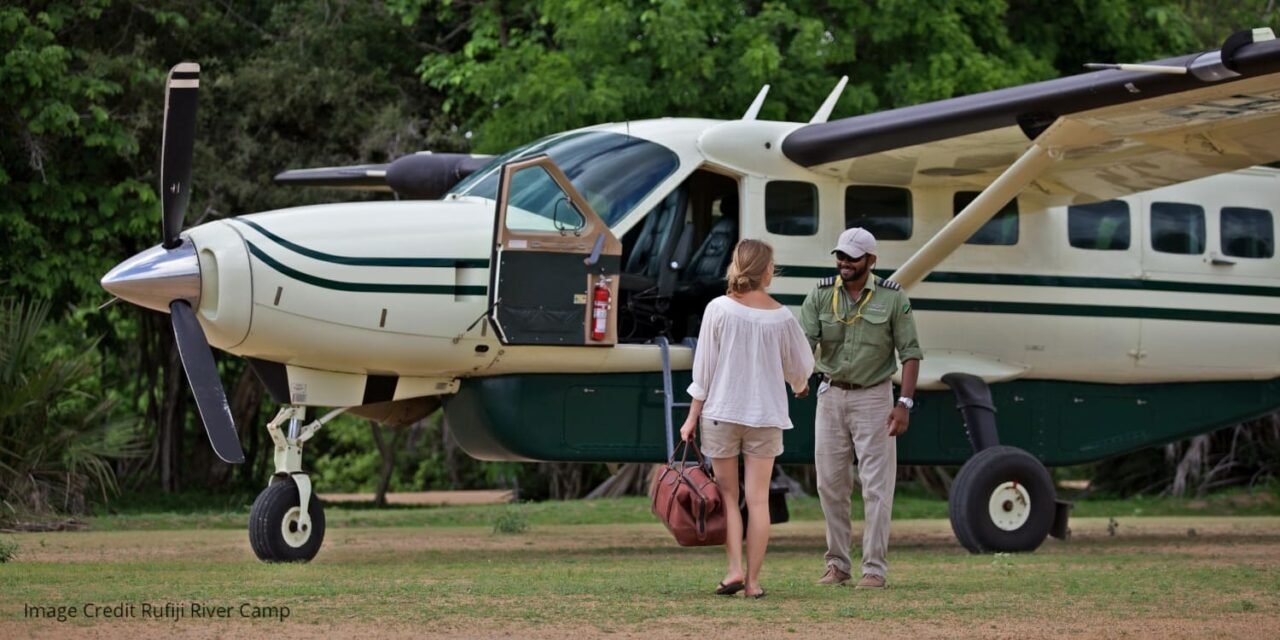
5-Day Birdwatching Mega-Trip: East Africa Hotspots Essential Travel Guide
East Africa is a dream destination for birdwatchers, boasting an incredible diversity of avian life. While many imagine weeks spent exploring its vast landscapes, a well-planned 5-day birdwatching mega-trip can offer a concentrated, high-impact experience. This guide focuses on maximizing sightings within a limited timeframe, targeting specific, high-yield locations to create an unforgettable journey. Whether you’re a seasoned birder or a curious newcomer, understanding the logistics, best locations, and optimal timing is crucial for a successful short safari. Let’s explore how to craft your ultimate 5-day birdwatching mega-trip in East Africa, with a special look at Tanzania’s exceptional offerings for 2026-2027.
Quick Facts: 5-Day East African Birding Blitz
| Focus | Intensive bird identification and photography in prime East African habitats. |
|---|---|
| Duration | 5 Days / 4 Nights |
| Best Time | Dry seasons (June-October, December-February) for easier spotting and migratory birds (November-April). |
| Key Regions | Tanzania (Tarangire, Lake Manyara, Ngorongoro Crater), potentially Uganda or Kenya for specific species if logistics allow. |
| Target Species | Lilac-breasted Roller, Secretarybird, Kori Bustard, African Fish Eagle, various hornbills, weaver birds, raptors, and potentially rare endemics. |
| Travel Style | Focused birding, often with a dedicated birding guide, covering significant ground efficiently. |
The Allure of a Short, Intense Birding Expedition
Why consider a 5-day birdwatching mega-trip when East Africa offers so much more time to explore? The answer lies in efficiency and focus. For individuals with limited vacation time, or those looking to sample the region’s birding prowess without committing to a lengthy safari, a concentrated trip is ideal. It allows for strategic planning to visit areas known for high bird densities and endemic species, ensuring a rich experience in a compact period. This approach requires careful selection of locations that offer diverse habitats within relatively close proximity, minimizing travel time and maximizing birding hours.
East Africa’s birdlife is staggering, with over 1,500 species recorded. A 5-day trip won’t see them all, but it can provide encounters with iconic species and a genuine appreciation for the region’s biodiversity. It’s about quality over quantity, strategic placement of your limited time, and leveraging expert knowledge to find the birds you dream of seeing.
Table of Contents
- Trip Overview: A Glimpse into the Mega-Trip
- Why Focus on Specific Hotspots for 5 Days?
- Optimal Timing for Your 5-Day Birdwatching Trip (2026-2027)
- Key East African Birding Hotspots for a 5-Day Itinerary
- Sample 5-Day Tanzania Birdwatching Mega-Trip Itinerary
- What to Expect: Birding Intensity and Wildlife Encounters
- Essential Gear and Preparation for Birding Safaris
- Common Mistakes to Avoid on a Short Birding Trip
- Who is This 5-Day Mega-Trip Best Suited For?
- Alternatives to a 5-Day Mega-Trip
- Planning Your Trip for 2026-2027: Key Considerations
- Booking Your 5-Day Birdwatching Mega-Trip
- Frequently Asked Questions
Trip Overview: A Glimpse into the Mega-Trip
A 5-day birdwatching mega-trip is designed for maximum impact in minimal time. It typically involves focusing on one or two prime birding areas that are logistically accessible and known for their high species count and visibility. For Tanzania, this often means concentrating on the northern safari circuit, which offers a remarkable concentration of diverse habitats and birdlife within a manageable travel radius. The goal is to pack as many quality birding hours as possible into each day, often starting before dawn and continuing until dusk.
This kind of trip prioritizes birding over extensive game drives, although incredible wildlife sightings are always a bonus. It means working with guides who understand bird behavior, habitats, and vocalizations. The pace is brisk, but the rewards are immense – a deep dive into a specific avian ecosystem with a high probability of encountering sought-after species.
Why Focus on Specific Hotspots for 5 Days?
With only five days, spreading yourself too thin across vast distances is counterproductive. Focusing on hotspots allows for:
- Maximizing Birding Time: Less time spent in transit means more time in the field observing birds.
- Habitat Diversity: Carefully chosen locations often encompass several distinct habitats (e.g., woodland, grassland, wetland, montane forest), each hosting different species.
- Targeting Key Species: Hotspots are identified because they are reliable places to find particular birds, including endemics and rarities.
- Logistical Efficiency: Concentrating on a smaller geographical area simplifies travel arrangements and accommodation planning.
- Expert Guidance: It’s easier to find specialized birding guides who are intimately familiar with a specific region’s avifauna.
Optimal Timing for Your 5-Day Birdwatching Trip (2026-2027)
The timing of your 5-day birdwatching mega-trip significantly impacts the species you might see. East Africa experiences distinct wet and dry seasons, each offering different birding opportunities.
| Season | Months | Birding Conditions | Key Highlights |
|---|---|---|---|
| Dry Season (Peak) | June – October | Vegetation is less dense, making birds easier to spot. Water sources are fewer, concentrating birds and animals. Excellent for general game viewing alongside birding. Ideal for raptors. | Many resident species are active. Good for spotting large ground birds. Clearer skies for photography. |
| Short Rains | November – December | Transitional period. Some rain showers, but often manageable. Landscapes become greener. | Arrival of some Palaearctic migrants. Resident birds may start breeding. |
| Long Rains (Wet Season) | January – May | Vegetation is lush and green. Breeding plumage is at its peak for many resident species. Birds can be harder to spot in dense foliage. Roads can be challenging. | Excellent for observing breeding behaviors. Palearctic migrants are present. Many species are in their finest breeding colors. |
| Second Dry Season / Migration | December – February | Often considered a secondary dry season, good for birding. Overlaps with the wet season in some areas. | Good mix of resident and migratory species. |
For a 5-day mega-trip in 2026-2027, consider:
- June to October: This dry season offers excellent visibility and easier spotting of birds against sparser vegetation. It’s also a prime time for general wildlife viewing, adding to the safari experience.
- November to April: This period includes the arrival of Palaearctic migratory birds, significantly boosting the species list. Many resident birds are also in their vibrant breeding plumage. If your focus is on seeing a wider variety of species, including migrants and birds in breeding dress, this period can be very rewarding, provided you can manage potential rain showers.
The choice depends on your priorities: ease of spotting versus maximum species diversity including migrants and breeding plumage.
Key East African Birding Hotspots for a 5-Day Itinerary
Given the 5-day constraint, focusing on Tanzania’s northern circuit is highly recommended due to its accessibility and incredible avian diversity within a concentrated area. Other countries like Kenya and Uganda offer world-class birding, but fitting them into a 5-day trip alongside Tanzania would require extensive, costly flights and might dilute the experience.
Tanzania’s Northern Circuit: A Birdwatcher’s Goldmine
This circuit offers a stunning combination of habitats, from acacia woodlands and savannahs to rift valley lakes and the unique crater ecosystem.
- Tarangire National Park: Famous for its large elephant herds, Tarangire is also a birding paradise. Its diverse habitats, including woodlands, savannah, and the Tarangire River, attract a vast array of species. It’s particularly known for its large bird species and raptors. Keep an eye out for the beautiful Northern Ground Hornbill, Kori Bustard (Africa’s heaviest flying bird), Yellow-collared Lovebird, and numerous eagles and falcons. The sheer number of baobab trees provides perching sites for many species.
- Lake Manyara National Park: This park is renowned for its alkaline lake, which attracts vast flocks of flamingos (though numbers vary seasonally). Beyond the flamingos, the park’s groundwater forests and acacia woodlands are rich in birdlife. Expect to see African Fish Eagles, Crested Guineafowl, Rufous-tailed Weaver, various kingfishers, and Silvery-cheeked Hornbills. The dense vegetation can make spotting challenging but rewarding.
- Ngorongoro Conservation Area (Crater and surrounding highlands): The Ngorongoro Crater floor is a compact ecosystem with incredible wildlife and birding opportunities. While often overshadowed by the mammals, the crater boasts species like the Greater Flamingo, Egyptian Goose, Verreaux’s Eagle (in the crater rim cliffs), and various water birds. The surrounding highlands offer different species, including montane forest birds. The Ngorongoro Forest is home to the Schalow’s Turaco.
- Arusha National Park: Often overlooked, this park is easily accessible from Arusha town and offers excellent birding, especially around the Momella Lakes and Ngurdoto Crater. It’s a good place to find Flamingos, Maccoa Duck, various egrets, herons, and forest birds in the montane section. It’s an ideal starting or ending point for a short trip.
Why this circuit for a 5-day trip?
- Proximity: These locations are relatively close to each other, minimizing travel time. Arusha serves as the main gateway.
- Habitat Variety: From lakesides to woodlands and highlands, the variety supports a high number of species.
- High Species Count: Collectively, these areas host hundreds of bird species.
- Accessibility: Well-maintained roads (though some can be rough) and established safari infrastructure.
Sample 5-Day Tanzania Birdwatching Mega-Trip Itinerary
This itinerary is designed for maximum birding efficiency, focusing on the northern circuit. It assumes arrival at Kilimanjaro International Airport (JRO) and departure from the same. A dedicated birding guide and 4×4 safari vehicle are essential.
- Arrive at JRO, meet your birding guide.
- Transfer to Arusha town for a brief orientation and gear check.
- Drive to Arusha National Park (approx. 1-1.5 hours).
- Full day birding around Momella Lakes (flamingos, waterfowl, various weavers) and Ngurdoto Crater rim. Focus on forest birds in the montane section.
- Overnight at a lodge/tented camp near Arusha or inside the park if available and suitable.
- Target species: Flamingos, Maccoa Duck, Hartlaub’s Turaco, Usambara Weaver, various egrets, herons.
Day 2: Tarangire National Park – Woodland and Savannah Birds
- Early morning drive to Tarangire National Park (approx. 2-3 hours from Arusha).
- Full day birding within Tarangire, focusing on woodland areas and riverine habitats.
- Picnic lunch amidst the baobab trees.
- Look for Kori Bustard, Secretarybird, Northern Ground Hornbill, Yellow-collared Lovebird, various raptors, and numerous passerines.
- Overnight at a lodge/tented camp just outside or inside Tarangire.
- Target species: Kori Bustard, Secretarybird, Northern Ground Hornbill, Yellow-collared Lovebird, Rufous-tailed Weaver, African Fish Eagle.
Day 3: Lake Manyara National Park – Rift Valley Specialties
- Morning drive to Lake Manyara National Park (approx. 1-1.5 hours from Tarangire).
- Full day birding around the lake shore, acacia woodlands, and groundwater forests.
- Focus on water birds, forest species, and raptors.
- Search for Silvery-cheeked Hornbill, Rufous-tailed Weaver, African Fish Eagle, Crested Guineafowl, and various starlings and hornbills.
- Overnight at a lodge/tented camp near Lake Manyara or Karatu.
- Target species: Flamingos (seasonal), African Fish Eagle, Silvery-cheeked Hornbill, Crested Guineafowl, Ground Hornbill.
Day 4: Ngorongoro Crater – The Caldera’s Avian Gems
- Early morning drive to the Ngorongoro Conservation Area.
- Descend into the Ngorongoro Crater for a dedicated birding and game drive.
- Focus on water birds on the crater floor’s soda lake, raptors, and grassland species.
- Explore the crater rim for montane species if time permits.
- Consider a short walk in the nearby Karatu highlands with your guide for specific forest species if you have extra time and energy.
- Overnight at a lodge/tented camp in Karatu or Arusha.
- Target species: Greater Flamingo, Egyptian Goose, Verreaux’s Eagle (rim), Crowned Crane, Secretarybird.
Day 5: Departure
- Morning birding around your lodge or a final short excursion if flight schedules allow.
- Transfer back to Kilimanjaro International Airport (JRO) for your departure (approx. 3-4 hours from Karatu/Arusha).
Note: This itinerary is intensive. Early starts are crucial. The exact order can be adjusted based on accommodation availability and specific birding interests.
What to Expect: Birding Intensity and Wildlife Encounters
A 5-day birdwatching mega-trip is not a leisurely safari. Expect:
- Early Mornings: Bird activity is highest at dawn. You’ll be out of your vehicle and in the field before sunrise.
- Long Hours: Days will be filled with scanning, listening, and tracking birds. Your guide will be invaluable in spotting and identifying them.
- Focused Drives: Game drives will be secondary to birding. The vehicle will stop frequently for sightings, and you might spend extended periods observing a single species or flock.
- Walking Safaris: Where permitted and safe, short guided walks can offer excellent opportunities for spotting ground birds and forest species.
- Habitat Variety: You’ll experience different ecosystems daily, each with its unique bird community.
- Comfortable Accommodation: Lodges and tented camps will provide comfortable bases for rest and meals, but the focus remains on the outdoors.
- Incredible Mammal Sightings: While birding is the priority, you are in East Africa! Expect to see elephants, lions, giraffes, zebras, and many other iconic animals.
- Learning and Identification: Be prepared to learn a lot. Your guide will help with identification, but having your own field guide and binoculars is essential.
Essential Gear and Preparation for Birding Safaris
Proper preparation is key to enjoying your intensive birdwatching trip. Pack smart to ensure comfort and maximize your birding potential.
What to Pack:
- Binoculars: A good quality pair (e.g., 8×42 or 10×42) is non-negotiable. Bring a comfortable harness or strap.
- Camera: With a telephoto lens (e.g., 300mm or more) for capturing birds. Extra batteries and memory cards are vital.
- Field Guide: A regional bird field guide for East Africa (e.g., Birds of East Africa by Terry Stevenson & John Fanshawe).
- Clothing: Neutral-colored, lightweight, and breathable clothing. Layers are recommended. Avoid bright colors.
- Long-sleeved shirts and trousers (for sun and insect protection).
- Warm fleece or jacket for cool mornings and evenings.
- Comfortable walking shoes/boots.
- Sun hat with a wide brim.
- Sun Protection: High SPF sunscreen, sunglasses.
- Insect Repellent: With DEET or Picaridin.
- Notebook and Pen: For recording sightings and notes.
- Small Backpack: For carrying water, snacks, camera, binoculars, etc., during drives and walks.
- Reusable Water Bottle: Stay hydrated.
- Personal First-Aid Kit: Including any personal medications.
- Power Bank/Adapter: For charging electronics.
Preparation Checklist:
- [ ] Book flights to Kilimanjaro International Airport (JRO).
- [ ] Secure a reputable tour operator specializing in birding safaris.
- [ ] Arrange for a dedicated birding guide and specialized vehicle.
- [ ] Confirm visa requirements for Tanzania.
- [ ] Get necessary vaccinations and malaria prophylaxis (consult your doctor).
- [ ] Purchase travel insurance covering medical emergencies and trip cancellation.
- [ ] Pack appropriate clothing and gear (see list above).
- [ ] Familiarize yourself with common East African bird species using a field guide.
- [ ] Ensure your camera equipment is in good working order.
- [ ] Inform your tour operator of any specific birding targets or dietary needs.
Common Mistakes to Avoid on a Short Birding Trip
To make the most of your 5-day adventure, steer clear of these common pitfalls:
- Underestimating Travel Time: East Africa’s distances can be deceptive. Factor in realistic travel times between locations.
- Not Hiring a Specialist Birding Guide: While general safari guides are good, a dedicated birding guide has the specialized knowledge for spotting and identifying birds efficiently.
- Overpacking or Underpacking Gear: Too much luggage slows you down; too little means discomfort. Focus on essentials.
- Ignoring Weather Patterns: Be prepared for sun, heat, and potential rain, regardless of the season.
- Trying to See Too Much: A 5-day trip demands focus. Stick to a well-defined region rather than trying to cover multiple countries.
- Not Being Prepared for Early Starts: Bird activity peaks at dawn. If you’re not ready, you’ll miss prime viewing opportunities.
- Not Informing the Operator of Birding Priorities: Ensure your tour operator knows your primary focus is birdwatching so they can tailor the itinerary and guide accordingly.
- Expecting Specific Migratory Species Outside Their Season: While many birds are residents, migratory patterns can vary. Consult with your operator about the best season for specific targets.
Who is This 5-Day Mega-Trip Best Suited For?
This intensive birdwatching experience is ideal for:
- Avid Birdwatchers with Limited Time: Those who want to experience East Africa’s birdlife but can only spare a week or less for travel.
- Dedicated Photographers: Individuals looking to capture high-quality images of specific avian species in their natural habitat.
- Experienced Birders: Those who understand the demands of intense birding and are eager to tick off significant species.
- Travelers Seeking a Focused Experience: People who prefer to concentrate on one specific activity rather than a broad overview.
- Nature Enthusiasts: Anyone with a deep appreciation for wildlife and a desire to learn about bird ecology and behavior in a unique setting.
It might be less suitable for travelers who prefer a relaxed pace, those less interested in birds but more in general game viewing, or families with very young children who might find the long hours in the vehicle challenging.
Alternatives to a 5-Day Mega-Trip
If a 5-day mega-trip doesn’t quite fit your travel style or time constraints, consider these alternatives:
- 7-10 Day Birding Safari: This allows for more in-depth exploration of the northern circuit or adding another park like Lake Natron (for Lesser Flamingos) or Mkomazi National Park (for dry-country species). It offers a slightly more relaxed pace.
- 10-14 Day Comprehensive Birding Safari: This longer duration opens up possibilities for combining the northern circuit with other regions, such as the unique birdlife of Mahale Mountains National Park (chimpanzees and forest birds) or the coastal forests of Eastern Arc Mountains (for endemics), though this would involve flights.
- Birding Focused on a Single Park: Spend the full 5 days dedicated to one exceptional birding location, like Tarangire or the Serengeti (which has its own set of unique species, especially during migration). This minimizes travel and maximizes focus on that specific ecosystem.
- Integrated Birding Safari: A standard 7-10 day safari with a specific focus on birding, where birdwatching is a priority but not the sole objective. This is a good balance for couples or groups with mixed interests.
Planning Your Trip for 2026-2027: Key Considerations
Planning a trip for 2026-2027 requires foresight, especially for popular destinations and specialized tours. Here’s how to approach it:
- Book Early: For peak seasons in 2026 and 2027, especially if you require specific lodges or highly sought-after birding guides, booking 9-12 months in advance is advisable.
- Choose Your Operator Wisely: Look for tour operators with proven experience in birding safaris. Check reviews, ask for sample itineraries, and inquire about their guides’ qualifications. Companies like Best Tanzania tour operator (WhatsApp +255616946642, Email topguideadventures@gmail.com or info@topguideadventures.com) are well-equipped to handle specialized birding requests.
- Confirm Guide Expertise: Specify that you need a guide with extensive bird identification knowledge and experience in birding tours.
- Understand Itinerary Flexibility: While a 5-day trip is tight, discuss with your operator if minor adjustments can be made based on bird movements or specific interests.
- Budget Allocation: Specialized birding guides and private vehicles can increase costs. Factor this into your budget for 2026-2027. Prices are generally stable but can fluctuate with fuel costs and park fees.
- Health and Safety: Consult your doctor about necessary vaccinations and malaria precautions well in advance of your 2026-2027 travel dates.
- Visa and Passport: Ensure your passport is valid for at least six months beyond your intended stay and check the latest visa requirements for Tanzania.
Booking Your 5-Day Birdwatching Mega-Trip
Securing a successful 5-day birdwatching mega-trip involves careful selection of your travel partner.
Steps to Booking:
- Research Tour Operators: Look for companies that explicitly offer birding safaris or can customize them. Check their websites, read testimonials, and look for specialist birding guides mentioned.
- Contact Potential Operators: Reach out to a few shortlisted companies. For Tanzania, consider contacting Best Tanzania tour operator via WhatsApp at +255616946642 or email at topguideadventures@gmail.com / info@topguideadventures.com.
- Request a Custom Itinerary: Clearly state your interest in a 5-day birdwatching mega-trip, the specific areas you wish to focus on (e.g., Northern Circuit), and your need for a specialist birding guide.
- Clarify Inclusions and Exclusions: Ensure you understand what is covered in the price – accommodation, park fees, guide fees, vehicle, meals, activities, etc.
- Discuss Guide Qualifications: Ask about the experience and knowledge of their birding guides.
- Review the Contract and Payment Terms: Understand the deposit requirements, cancellation policy, and final payment schedule.
- Confirm Pre-Trip Information: Once booked, ensure you receive comprehensive information regarding packing, health, visa, and what to expect.
Why choose a dedicated operator? They have the local knowledge, established relationships with parks and guides, and can handle the complex logistics required for an efficient 5-day birdwatching mega-trip. They ensure you are paired with the right guide, which is paramount for a successful birding expedition.
Frequently Asked Questions
1. Is a 5-day birdwatching trip enough for East Africa?
While a 5-day trip is short, it can be incredibly rewarding if focused on specific, high-yield hotspots like Tanzania’s Northern Circuit. It allows for an intensive experience, maximizing sightings in a limited time. It’s not about seeing everything, but about a concentrated, high-quality birding encounter.
2. What are the most important things to pack for a birdwatching safari?
Essential items include good quality binoculars, a camera with a telephoto lens, a regional bird field guide, neutral-colored clothing suitable for layers, sun protection, insect repellent, and a small daypack. Comfortable walking shoes are also crucial.
3. Do I need a special guide for birdwatching?
Yes, for a dedicated birdwatching trip, a specialist birding guide is highly recommended. They possess in-depth knowledge of bird species, their calls, habitats, and behaviors, significantly increasing your chances of sightings and identifications compared to a general safari guide.
4. Can I see migratory birds on a 5-day trip in 2026-2027?
Yes, if you time your trip correctly. The period from November to April is when Palaearctic migratory birds visit East Africa. Planning your 5-day birdwatching mega-trip during these months will increase the likelihood of encountering them.
5. What is the typical cost of a 5-day birdwatching mega-trip?
Costs vary significantly based on accommodation level, vehicle type, and guide specialization. A rough estimate for a 5-day private birding safari in Tanzania, including mid-range accommodation, park fees, a private vehicle, and a specialist birding guide, could range from $2,000 to $4,000+ per person. Luxury options will be higher.
6. Is it safe to go on a birdwatching safari?
Yes, birdwatching safaris in Tanzania are generally very safe when organized through reputable operators. Your guide will ensure your safety, advise on precautions, and manage any wildlife encounters. Standard travel safety practices apply.
7. How much walking is involved in a birding trip?
While much of the birding is done from a vehicle, there will be opportunities for short guided walks in designated areas. These walks are crucial for spotting ground birds and exploring denser habitats. The amount of walking can be adjusted based on your preference and physical ability.
8. What if I want to see specific rare birds?
If you have particular rare species in mind, communicate this to your tour operator and guide well in advance. They can adjust the itinerary and focus efforts on areas known to host those birds, maximizing your chances. This is where a specialist birding guide’s expertise is invaluable.
9. Can I combine birding with other activities in 5 days?
A 5-day trip is very tight for combining extensive birding with other major activities like Kilimanjaro trekking or deep cultural immersion. It’s best to keep the focus primarily on birdwatching to make the most of your limited time. Short game drives for iconic mammals are naturally integrated.
10. What are the visa requirements for Tanzania for 2026-2027?
Most nationalities require a visa to enter Tanzania. You can apply for a visa online in advance or obtain one upon arrival at Kilimanjaro International Airport. It’s crucial to check the latest requirements with the Tanzanian embassy or consulate in your country as regulations can change. Ensure your passport has at least six months of validity beyond your stay.
Plan Your 5-Day Birdwatching Mega-Trip Today!
A 5-day birdwatching mega-trip to East Africa’s hotspots offers an unparalleled opportunity to immerse yourself in one of the world’s richest avian destinations, even with limited time. By focusing on key locations like Tanzania’s Northern Circuit and working with expert birding guides, you can experience incredible biodiversity and create lasting memories. Whether you’re planning for 2026 or 2027, the key is meticulous planning and partnering with the right tour operator.
Don’t let a tight schedule deter you from experiencing the magic of East African birdlife. Let us help you craft a focused, exhilarating 5-day birdwatching mega-trip that delivers exceptional sightings and a deep appreciation for the region’s feathered wonders.
Ready to plan your ultimate birding adventure? Contact us:
- WhatsApp: +255616946642
- Email: topguideadventures@gmail.com
- Backup Email: info@topguideadventures.com
We specialize in creating tailor-made safari experiences, including intensive birdwatching tours. Let’s make your dream birding trip a reality!
Plan your 5-Day Birdwatching Mega-Trip — East Africa Hotspots with Top Guide Adventures
Tell us your travel dates, group size, comfort level, and dream experience. We will help you shape a clear, realistic, and memorable Tanzania itinerary.



