
Updated planning guide for 2026, 2027-2028
4 Days Serengeti And Ngorongoro Camping Safari From Moshi: Best Guide
Discover the magic of Tanzania's iconic parks on a 4-day camping safari from Moshi, combining Serengeti's vast plains with the Ngorongoro Crater's abundant wildlife. This comprehensive guide covers everything you need to know for an unforgettable adventure in 2026-2027.
WhatsApp +255616946642 | topguideadventures@gmail.com | info@topguideadventures.com
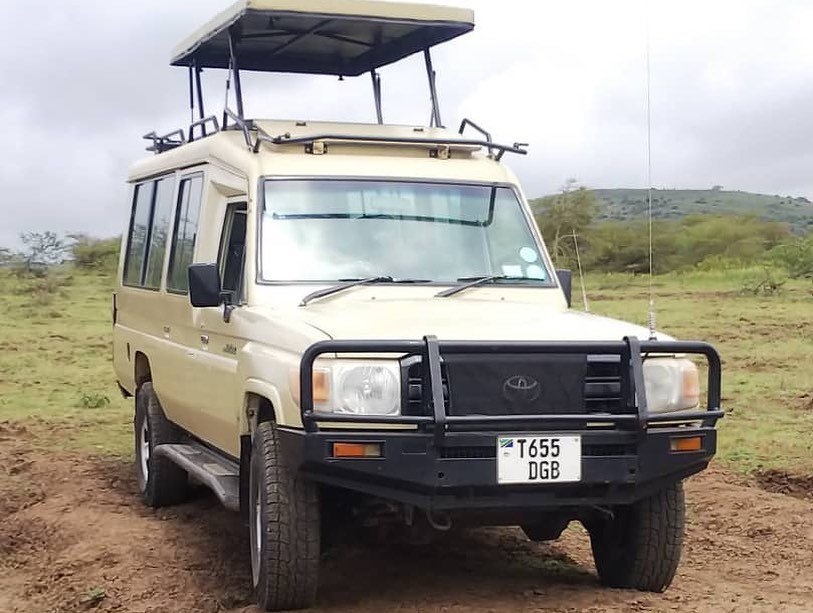
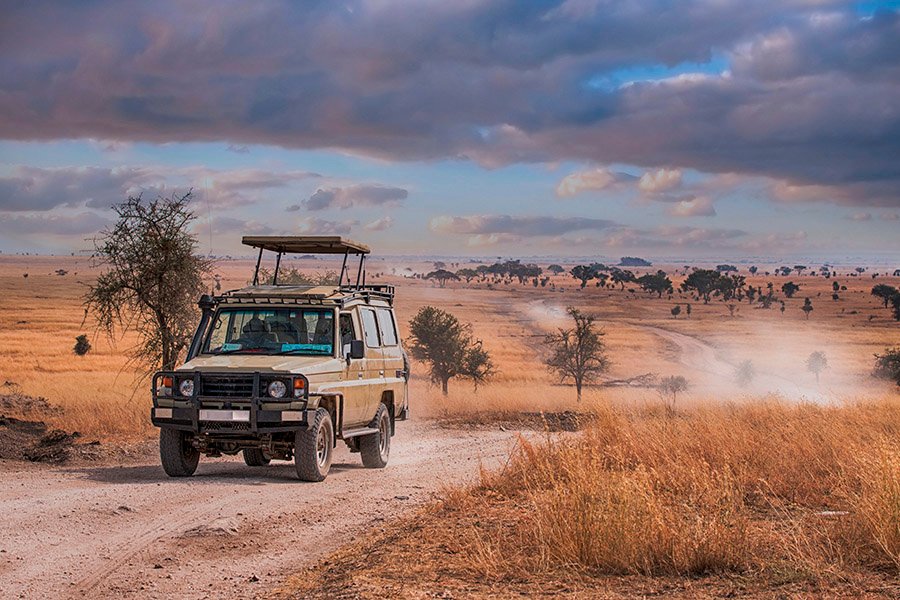
The Ultimate 4 Days Serengeti and Ngorongoro Camping Safari From Moshi: Your Complete Planning Guide
A 4 Days Serengeti and Ngorongoro Camping Safari From Moshi offers an incredible opportunity to experience two of Tanzania’s most celebrated wildlife destinations in a concise yet impactful journey. This adventure is perfect for travelers seeking an authentic, close-to-nature safari experience without extensive time commitments. Starting from Moshi, the gateway to Mount Kilimanjaro, this itinerary is designed to maximize wildlife viewing in the Serengeti’s endless plains and the Ngorongoro Crater’s unique ecosystem. This guide provides a detailed look at what to expect, how to plan, and what makes this particular safari a highlight for many visitors to Tanzania.
For many, the dream of an African safari involves vast savannas teeming with wildlife. A camping safari takes this a step further, allowing for a more immersive experience under the stars. Combining the Serengeti, renowned for its Great Migration and sheer density of predators, with the Ngorongoro Crater, a natural wonder often called Africa’s ‘Garden of Eden’, provides a diverse and rewarding wildlife encounter. This 4-day journey from Moshi is efficiently structured to capture the essence of these magnificent parks, making it an ideal choice for those with limited vacation time but a strong desire for adventure.
This guide aims to equip you with all the necessary information to plan and enjoy your 4 Days Serengeti and Ngorongoro Camping Safari From Moshi. We will cover the itinerary, what to pack, the best time to visit, potential costs, and essential booking advice, ensuring your trip in 2026 or 2027 is as smooth and memorable as possible.
Quick Facts: 4 Days Serengeti & Ngorongoro Camping Safari From Moshi
| Feature | Details |
|---|---|
| Duration | 4 Days / 3 Nights |
| Starting Point | Moshi, Tanzania |
| Key Destinations | Serengeti National Park, Ngorongoro Conservation Area (Crater) |
| Accommodation Type | Camping (Public or Special Campsites) |
| Primary Activities | Game drives, wildlife viewing, bird watching |
| Wildlife Highlights | Big Five (Lion, Leopard, Elephant, Rhino, Buffalo), wildebeest, zebras, giraffes, cheetahs, hyenas, diverse birdlife |
| Best Time to Visit (General) | June to October (dry season, migration often in Serengeti) and December to March (calving season in southern Serengeti) |
| Included in Most Tours | Park fees, vehicle, driver-guide, meals, camping equipment, transport from Moshi |
| Not Typically Included | Tips, personal expenses, sleeping bags (sometimes), travel insurance |
Understanding the 4 Days Serengeti and Ngorongoro Camping Safari From Moshi
This 4-day itinerary is a popular choice for a reason. It condenses the most sought-after safari experiences into a manageable timeframe, making it accessible for those with busy schedules or on a tighter budget. The journey begins in Moshi, a town nestled at the foot of Mount Kilimanjaro. From here, you’ll travel towards the Serengeti, experiencing the vastness of the plains, before descending into the unique caldera of the Ngorongoro Crater. Camping safari accommodation provides a rustic yet comfortable way to connect with the African wilderness, often featuring shared facilities and communal dining areas, fostering a sense of camaraderie among travelers.
The logic behind this itinerary is to provide a taste of two distinct ecosystems. The Serengeti is characterized by its rolling grasslands, acacia woodlands, and the sheer scale of its wildlife populations, especially during the Great Migration. The Ngorongoro Crater, on the other hand, is a self-contained world, a collapsed volcano caldera that harbors an exceptional density of animals year-round, including the rare black rhino. The 4-day structure requires efficient travel and focused game drives to maximize sightings.
Choosing a camping safari means embracing a more grounded experience. Nights are spent in tents, often with basic amenities but offering unparalleled proximity to the sounds and atmosphere of the African bush. This contrasts with lodge or luxury tented camp stays, providing a different kind of adventure that appeals to those who appreciate simplicity and a closer connection to nature. When planning for 2026 or 2027, understanding these fundamental differences is key to setting the right expectations.
Why Choose a 4-Day Camping Safari from Moshi?
The decision to opt for a 4 Days Serengeti and Ngorongoro Camping Safari From Moshi is often driven by several factors:
- Time Efficiency: It’s a well-paced itinerary that allows you to see major highlights without needing a full week or more.
- Budget-Friendliness: Camping safaris are generally more affordable than lodge-based safaris, making iconic destinations accessible to a wider range of travelers.
- Authentic Experience: Sleeping under the stars, listening to the nocturnal sounds of the bush, and sharing meals around a campfire offer a deeply immersive connection to the wild.
- Concentrated Wildlife Viewing: Both Serengeti and Ngorongoro are world-class wildlife destinations, guaranteeing significant animal sightings.
- Convenient Starting Point: Moshi is a common entry point for those arriving for Kilimanjaro climbs or seeking safaris after trekking, making it a logical starting point.
The Itinerary: A Day-by-Day Breakdown
This is a typical itinerary for a 4-day camping safari. Actual timings and specific campsite locations may vary slightly depending on the tour operator and park conditions.
Day 1: Moshi to Serengeti National Park
Your safari adventure begins early in the morning in Moshi. After breakfast, you’ll meet your experienced driver-guide and board your safari vehicle. The drive to Serengeti National Park is long, typically taking 6-8 hours, including a stop for lunch en route. As you drive, you’ll pass through the Ngorongoro Conservation Area, and if time and conditions permit, you might make a brief stop at a Maasai village or a viewpoint. Upon entering the Serengeti, you’ll immediately begin your first game drive, searching for wildlife as you head towards your campsite, usually located in the central or southern part of the park depending on the season and migration patterns.
Key Activities:
- Morning departure from Moshi.
- Scenic drive through diverse landscapes.
- Optional stop at Maasai village (confirm with operator).
- First game drive upon entering Serengeti.
- Set up camp and enjoy dinner.
Day 2: Full Day Game Drive in Serengeti National Park
Today is dedicated to exploring the vast plains of the Serengeti. You’ll have a full day of game drives, starting early in the morning to catch predators during their most active hours. Your guide will lead you to areas known for sightings of lions, leopards, cheetahs, elephants, giraffes, zebras, and countless other species. Depending on the time of year, you might witness parts of the Great Migration, a spectacular natural phenomenon. You’ll enjoy a packed lunch in a scenic spot within the park. The game drive continues until late afternoon before returning to your campsite for the evening.
Key Activities:
- Early morning game drive.
- Full day exploring Serengeti’s diverse habitats.
- Searching for the Big Five and other wildlife.
- Picnic lunch in the bush.
- Evening game drive and return to camp for dinner and overnight stay.
Day 3: Serengeti to Ngorongoro Conservation Area
After an early morning game drive in the Serengeti, you’ll enjoy breakfast at the campsite. You’ll then begin your drive towards the Ngorongoro Conservation Area, with another game drive en route. You might have the opportunity to visit the Olduvai Gorge, a significant paleoanthropological site (often an optional extra cost). Upon arrival at the rim of the Ngorongoro Crater, you’ll be mesmerized by the breathtaking view. You’ll descend into the crater floor for an afternoon game drive. The crater is a unique ecosystem, home to a high concentration of wildlife, including the rare black rhino, lions, elephants, buffaloes, and hippos. After a fulfilling game drive, you’ll ascend from the crater and head to a campsite located on the crater rim or nearby Karatu for the night.
Key Activities:
- Final morning game drive in Serengeti.
- Drive towards Ngorongoro, with potential Olduvai Gorge visit.
- Stunning views from the Ngorongoro Crater rim.
- Afternoon game drive on the crater floor.
- Ascend and drive to campsite for dinner and overnight.
Day 4: Ngorongoro Crater (Optional Morning Game Drive) & Return to Moshi
Depending on your preference and the tour operator’s arrangement, you might have an optional early morning game drive in the Ngorongoro Crater or a visit to a local village. Alternatively, you can enjoy a leisurely breakfast at the campsite. After packing up, you’ll begin the journey back to Moshi. You’ll have a final opportunity for souvenir shopping in Arusha if time permits before being dropped off at your hotel or the airport.
Key Activities:
- Optional early morning activity (game drive or village visit).
- Breakfast and pack up.
- Drive back to Moshi/Arusha.
- Optional stop in Arusha.
- Arrival in Moshi in the late afternoon/early evening.
Note on Itinerary Flexibility: This is a sample. Operators might adjust the order or focus based on migration patterns, seasonality, and client interests. Always confirm the detailed itinerary with your chosen tour provider.
Route Overview: Moshi to Serengeti & Ngorongoro
This is a conceptual route. Actual distances and travel times are significant.
| Leg | Start | End | Key Points/Description | Approx. Travel Time (Driving) |
|---|---|---|---|---|
| 1 | Moshi | Serengeti NP Entrance | Through Arusha, bypasses Manyara, enters Serengeti via Naabi Hill Gate (approx.). Long drive with potential stops. | 6-8 hours |
| 2 | Serengeti NP (Central/South) | Serengeti NP (Central/South) | Full day of game drives within the park. | Full day |
| 3 | Serengeti NP | Ngorongoro Conservation Area (Crater Rim/Karatu) | Morning game drive in Serengeti, drive towards Ngorongoro, optional Olduvai Gorge, descend into Crater for afternoon game drive. | 4-6 hours (plus game drive time) |
| 4 | Ngorongoro Area | Moshi | Return journey via Karatu, Arusha. | 4-5 hours |
What to Expect on a Camping Safari
A camping safari is an adventure that offers a unique perspective on the African wilderness. It’s important to have realistic expectations about the accommodation and facilities.
Accommodation: Tents and Campsites
You’ll typically sleep in spacious dome tents. These are usually provided by the tour operator and are set up for you at designated campsites. Campsites can range from basic public sites with shared pit latrines and a communal wash area to more developed special campsites with slightly better facilities. Some operators might offer options for sleeping bags (sometimes for an extra fee) or encourage you to bring your own. Expect basic but clean sleeping mats or cots. Evenings are spent around a campfire, sharing stories and meals.
Meals: Hearty Camp Cuisine
Meals are prepared by your safari chef or driver-guide. They are usually hearty and delicious, designed to provide energy for long days of game viewing. Expect meals like stews, grilled meats, rice, pasta, fresh vegetables, and fruits. Breakfast often includes eggs, toast, and fruit, while lunches are typically packed picnics enjoyed in the bush. Dinners are served at the campsite. Dietary restrictions can usually be accommodated with advance notice.
Facilities and Amenities
Facilities are generally basic. Toilets are usually pit latrines or basic flush toilets at public campsites. Showers, if available, are often bucket showers or simple shower facilities. There is no electricity in the tents, so you’ll rely on headlamps or flashlights. Charging your electronic devices is usually possible in the safari vehicle during drives, but it’s advisable to bring a power bank.
The Role of Your Driver-Guide
Your driver-guide is central to your safari experience. They are not only skilled drivers and knowledgeable about wildlife but also your chef, mechanic, and local expert. They will track animals, explain animal behavior, share cultural insights, and ensure your safety and comfort. Trust their expertise and ask questions!
Best Time to Visit for Your 4 Days Serengeti and Ngorongoro Safari
The best time to undertake your 4 Days Serengeti and Ngorongoro Camping Safari From Moshi depends largely on what you hope to see.
- June to October (Dry Season): This is the most popular time for safaris. The weather is generally dry and sunny, with cooler temperatures. Wildlife congregates around permanent water sources, making them easier to spot. Crucially, this is often when the Great Migration is in the western and northern Serengeti, offering dramatic river crossing opportunities (though river crossings are not guaranteed and depend on specific herd movements). Visibility is excellent.
- December to March (Short Rains/Calving Season): This period sees lush green landscapes after the short rains. The Great Migration typically moves to the southern Serengeti for the calving season, where newborn wildebeest and zebras are vulnerable, leading to high predator activity. This is a fantastic time for photographers and those interested in predator-prey interactions. It can be warmer and more humid than the dry season, with occasional afternoon showers.
- April and May (Long Rains): These months are characterized by heavy rainfall, making some roads impassable and leading to dispersed wildlife. This is generally considered the low season, offering fewer crowds and potentially lower prices, but the experience can be hampered by weather.
For a 4-day trip, aiming for the dry season (June-October) often provides the most reliable wildlife viewing conditions and easier travel. However, the calving season (December-March) offers a different, equally compelling wildlife spectacle.
Packing Essentials for Your Camping Safari
Packing wisely is crucial for comfort and convenience on a camping safari. Lightweight, practical items are key.
Clothing
- Neutral-colored clothing: Khaki, olive green, brown, beige. Avoid bright colors (attract insects, scare animals) and dark blue/black (can attract tsetse flies).
- Lightweight long-sleeved shirts and trousers: For sun protection and insect protection, especially in the evenings.
- T-shirts and shorts: For warm days.
- Fleece jacket or warm sweater: Evenings and early mornings can be cool, especially at higher altitudes like the Ngorongoro rim.
- Rain jacket or poncho: Essential, even in the dry season, for unexpected showers.
- Swimsuit: If your accommodation has a pool (less common on camping safaris, but possible in lodges used briefly).
- Comfortable walking shoes/hiking boots: For around the campsite.
- Sandals or flip-flops: For relaxing at camp.
Gear & Accessories
- Duffel bag: Most operators prefer duffel bags over hard-shell suitcases, as they are easier to pack into safari vehicles. A maximum weight limit might apply (check with your operator).
- Daypack: For carrying essentials during game drives (water, camera, snacks, binoculars).
- Sun hat: Wide-brimmed for maximum protection.
- Sunglasses: Essential for glare.
- Sunscreen: High SPF.
- Insect repellent: With DEET or Picaridin.
- Headlamp or flashlight: With extra batteries.
- Camera and extra memory cards/batteries: You’ll take a lot of photos!
- Binoculars: Highly recommended for spotting distant wildlife.
- Reusable water bottle: Stay hydrated.
- Personal toiletries: Including wet wipes and hand sanitizer.
- Basic first-aid kit: Include personal medications, plasters, antiseptic wipes, pain relievers.
- Adapter/Power bank: For charging devices.
- Snacks: While meals are provided, some prefer their own preferred snacks.
- Travel towel: Quick-drying.
Documents
- Passport (with at least 6 months’ validity)
- Visa (if required)
- Yellow Fever certificate (if required)
- Flight tickets
- Travel insurance details
- Copies of all important documents (stored separately)
Common Mistakes to Avoid on Your Safari
To ensure a smooth and enjoyable 4 Days Serengeti and Ngorongoro Camping Safari From Moshi, be aware of potential pitfalls.
- Overpacking: Safari vehicles have limited space. Stick to a duffel bag and pack essentials only.
- Bringing the wrong clothing: Bright colors, heavy fabrics, and inappropriate footwear can detract from your experience.
- Not booking in advance: Especially for peak seasons (June-October, December-March), popular campsites and safari vehicles get booked up, particularly for 2026 and 2027 travel.
- Underestimating travel times: Distances in Tanzania are vast, and roads can be rough. Factor in long driving days.
- Expecting luxury amenities: Camping safaris are about immersion, not five-star hotel service. Embrace the rustic charm.
- Not being prepared for insects: Use repellent diligently, especially at dawn and dusk.
- Failing to tip: Tipping your driver-guide and camp staff is customary and appreciated.
- Not communicating dietary needs: Inform your operator well in advance of any allergies or dietary restrictions.
- Ignoring your guide’s advice: Your guide is experienced; listen to their recommendations regarding safety, wildlife viewing, and timing.
- Dehydration: Drink plenty of water, even if you don’t feel thirsty.
Who is This Safari Best Suited For?
The 4 Days Serengeti and Ngorongoro Camping Safari From Moshi is an excellent choice for several types of travelers:
- Budget-conscious travelers: Those who want to experience the best of Tanzania’s wildlife without the expense of lodge accommodation.
- Adventurous travelers: Individuals or couples who enjoy a more rustic, back-to-nature experience and are comfortable with basic facilities.
- Time-limited travelers: People with only a few days available who want to see the most iconic parks.
- Younger travelers and backpackers: Those looking for an authentic and social safari experience.
- First-time safari-goers: It offers a fantastic introduction to the African safari experience.
- Trekker add-on: Ideal for those who have just completed or are about to start a Kilimanjaro trek, as Moshi is the common starting point.
It might be less suitable for:
- Travelers seeking luxury and high-end amenities.
- Families with very young children who might find camping and long drives challenging.
- Travelers with mobility issues who require specific accessible facilities.
Alternatives to a 4-Day Camping Safari
While the 4-day camping safari is popular, other options exist:
- 4-Day Serengeti & Ngorongoro Lodge/Tented Camp Safari: For more comfort, choose a lodge or luxury tented camp. This significantly increases the cost but provides private bathrooms, higher-quality meals, and more amenities.
- Longer Safari Itineraries: If you have more time (5, 6, or 7 days), you can explore more of the Serengeti, visit Lake Manyara National Park, or add Tarangire National Park, allowing for a more relaxed pace and deeper exploration.
- Fly-in Safaris: For ultimate time-saving and comfort, fly directly to airstrips within the Serengeti and Ngorongoro. This is the most expensive option.
- Different Starting Points: Safaris can also start from Arusha or even fly into the Serengeti’s airstrips, bypassing the drive from Moshi.
Planning Your Safari for 2026-2027
Booking your safari for 2026 or 2027 requires early planning, especially if you aim for peak seasons.
Booking Timeline
- 12+ Months in Advance: For peak season travel (June-October, December-March) or if you have specific lodge requests, start researching and booking now. This is especially true for 2026-2027 popular dates.
- 6-9 Months in Advance: For shoulder seasons or if you are flexible with accommodation, this is a good time to book.
- 3-6 Months in Advance: Still feasible, but availability may be limited, particularly for the 4-day camping option.
Choosing a Reputable Tour Operator
Selecting the right operator is paramount. Look for companies that:
- Have clear, detailed itineraries.
- Are transparent about what’s included and excluded.
- Have positive reviews and a strong online presence.
- Are responsive to your inquiries.
- Are locally based, understanding the nuances of Tanzanian tourism.
Companies like Best Tanzania Tour operator (WhatsApp: +255616946642, Email: topguideadventures@gmail.com, Backup Email: info@topguideadventures.com) specialize in creating tailored safari experiences.
Budget Considerations for 2026-2027
While exact prices fluctuate, camping safaris typically range from $150 to $300+ per person per day, depending on the operator, group size, and specific inclusions. This covers park fees, vehicle, guide, meals, and camping equipment. Factors influencing cost include:
- Group Size: Private safaris are more expensive than joining a group.
- Campsite Type: Special campsites are pricier than public ones.
- Vehicle Type: Some operators use specialized safari vehicles which may cost more.
- Inclusions: Some operators include sleeping bags, bottled water, or optional activities in the price, while others charge extra.
Always get a detailed quote that breaks down all costs.
Visa and Health Requirements
Ensure you check the latest visa requirements for Tanzania for your nationality well in advance. For health, consult your doctor about recommended vaccinations (like Yellow Fever) and malaria precautions. Pack a personal first-aid kit.
Frequently Asked Questions (FAQs)
Q1: Is 4 days enough for Serengeti and Ngorongoro?
A1: While a 4-day safari is a condensed experience, it is sufficient to get a good overview and see the highlights of both Serengeti and Ngorongoro. You will have dedicated game drives in each park, allowing for significant wildlife sightings. For a deeper immersion, longer safaris are recommended, but this 4-day option is very rewarding for those with limited time.
Q2: What is the difference between Serengeti and Ngorongoro?
A2: The Serengeti is a vast ecosystem known for its endless plains and the Great Migration, offering diverse habitats and expansive game drives. The Ngorongoro Crater is a collapsed volcanic caldera, a more contained environment with an exceptionally high density of wildlife year-round, including the rare black rhino. The landscape and animal concentration differ significantly.
Q3: What are the costs involved in a 4 Days Serengeti and Ngorongoro Camping Safari From Moshi?
A3: Costs typically include park fees, vehicle and driver-guide, camping equipment, meals, and accommodation. Extras usually involve tips, drinks, personal expenses, and optional activities like a Maasai village visit or Olduvai Gorge entrance. For 2026-2027 planning, budget around $150-$300+ per person per day, but always request a detailed quote from your operator.
Q4: Do I need to bring my own sleeping bag?
A4: This varies by tour operator. Some include sleeping bags in their package, while others may charge a small rental fee or expect you to bring your own. It’s best to confirm this with your chosen operator when booking your 2026 or 2027 safari.
Q5: How safe is a camping safari?
A5: Camping safaris are generally safe when conducted with a reputable operator. Campsites are usually in designated areas, and guides are trained to manage wildlife encounters. You’ll be advised on safety protocols, such as staying within the campsite perimeter after dark and securing your tent. Your driver-guide is your primary safety contact.
Q6: What kind of wildlife can I expect to see?
A6: You have a high chance of seeing the ‘Big Five’ (lion, leopard, elephant, rhino, buffalo) in both parks, though rhinos are more reliably seen in the Ngorongoro Crater. You’ll also see vast herds of wildebeest and zebras (especially if timed with the migration), giraffes, hippos, hyenas, cheetahs, and a wide variety of birdlife.
Q7: Can I charge my phone and camera during the safari?
A7: Yes, most safari vehicles are equipped with charging ports or outlets. It’s also advisable to carry a portable power bank for backup, especially for longer drives or when you’re at the campsite without power.
Q8: What if I have dietary restrictions?
A8: Reputable tour operators can cater to most dietary needs, including vegetarian, vegan, gluten-free, and allergies. You must inform your operator of any restrictions well in advance of your safari, ideally at the time of booking, to allow them to make the necessary arrangements.
Q9: What is the best time of year for a 4 Days Serengeti and Ngorongoro Camping Safari From Moshi?
A9: The dry season (June to October) offers the best weather and reliable wildlife viewing. However, the calving season (December to March) in southern Serengeti is excellent for predator action. The Great Migration’s location varies, so check with your operator for current herd movements if this is a priority for your 2026-2027 trip.
Q10: Is a visa required for Tanzania?
A10: Most nationalities require a visa for Tanzania. You can often obtain this online in advance (e-visa) or upon arrival at the airport. Check the official Tanzanian immigration website for the most up-to-date requirements for your country.
Book Your Unforgettable 4 Days Serengeti and Ngorongoro Camping Safari From Moshi
Ready to experience the wild heart of Tanzania? A 4 Days Serengeti and Ngorongoro Camping Safari From Moshi provides an accessible, authentic, and thrilling adventure. Whether you’re planning for 2026, 2027, or 2028, this itinerary promises incredible wildlife encounters and lasting memories.
At Best Tanzania Tour operator, we specialize in crafting personalized safari experiences that cater to your interests and budget. Our experienced guides are passionate about sharing the wonders of Tanzania with you. We ensure that your camping safari is comfortable, safe, and filled with the magic of the African bush.
Contact us today to start planning your dream safari:
WhatsApp: +255616946642
Email: topguideadventures@gmail.com
Backup Email: info@topguideadventures.com
Let us help you create an unforgettable journey through Serengeti and Ngorongoro!
Serengeti And Ngorongoro Safari Without Luxury: Your Options For 2026-2027
Discover how to experience the wonders of the Serengeti and Ngorongoro Crater on a safari that prioritizes incredible wildlife viewing and authentic experiences over luxury accommodations...
View package details
Which Local Tanzania Safari Companies Are Trustworthy In ? 2026-2027
Choosing a trustworthy local Tanzania safari company is crucial for a memorable and safe adventure. This guide helps you identify reliable operators for your 2026-2027 trip, covering...
View package details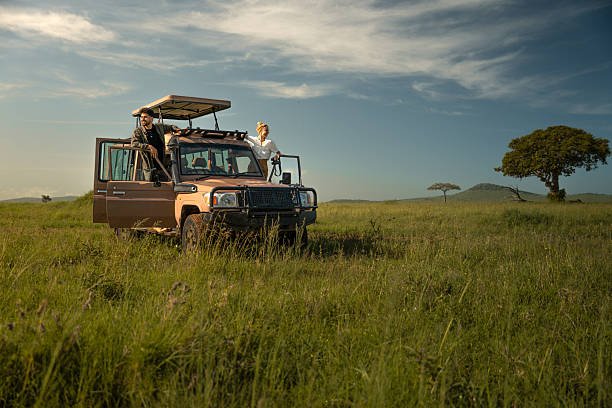
Three Days For Safari In Tanzania: Where To Go An Unforgettable Experience
If you have just three days for a safari in Tanzania, the most recommended destinations for a concentrated and rewarding wildlife experience are the Ngorongoro Conservation Area and...
View package detailsWe Are Arriving At Kilimanjaro Airport, What Safari Itinerary Should We Do?
Planning your safari upon arrival at Kilimanjaro Airport (JRO)? This guide provides tailored safari itineraries for 2026-2027, focusing on Northern Tanzania's iconic parks like the...
View package details
7 Days In Tanzania: Your Expertly Planned Safari Itinerary For 2026-2027
Discover a perfectly crafted 7-day Tanzania safari itinerary for 2026-2027, designed to maximize wildlife viewing and cultural experiences in the Serengeti and Ngorongoro Crater.
View package details
5-Day Southern Tanzania Group Joining Safari: Your Ultimate Adventure
Discover the wild heart of Southern Tanzania on a 5-day group joining safari. This adventure offers incredible wildlife viewing in Selous Game Reserve and Ruaha National Park, perfect for...
View package details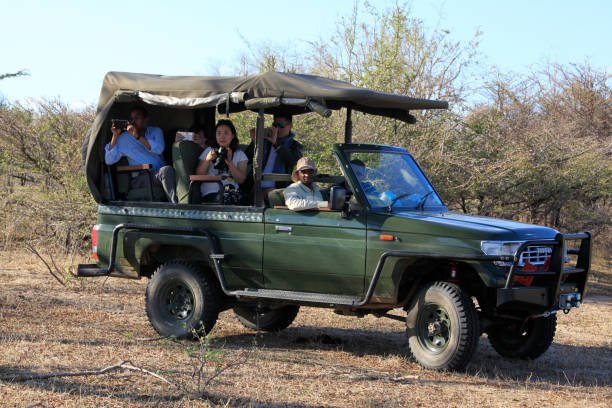
6-Day Nyerere Safari And Zanzibar Holiday: Your Ultimate Tanzania Adventure
Discover the perfect blend of adventure and relaxation with a 6-day Nyerere Safari and Zanzibar holiday. Explore the vast wilderness of Nyerere National Park, renowned for its large...
View package details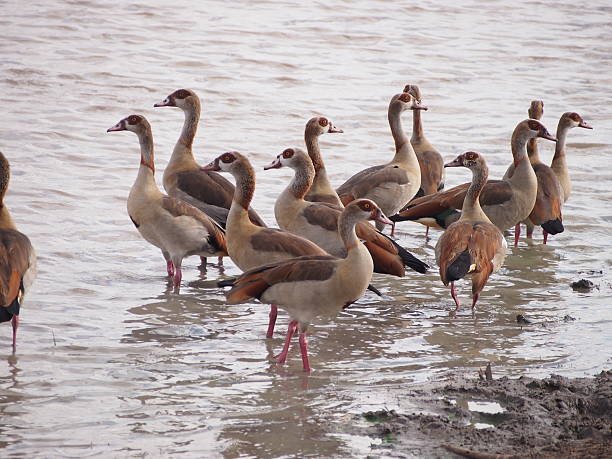
6-Day Southern Tanzania Wildlife Safari With Top Guide Adventures 2026-2027
Discover the wild heart of Tanzania on a 6-day Southern Tanzania wildlife safari. This itinerary highlights the unique ecosystems and abundant wildlife of Selous Game Reserve and Ruaha...
View package details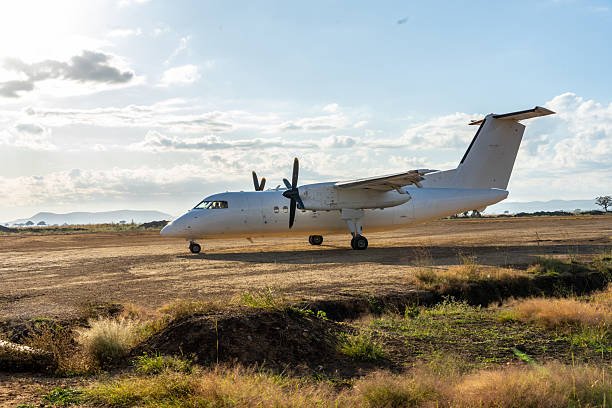
6-Day Nyerere And Ruaha Safari Guide
Discover the untamed beauty of Southern Tanzania with a 6-day safari combining the vast wilderness of Nyerere National Park (formerly Selous) and the dramatic landscapes of Ruaha National...
View package details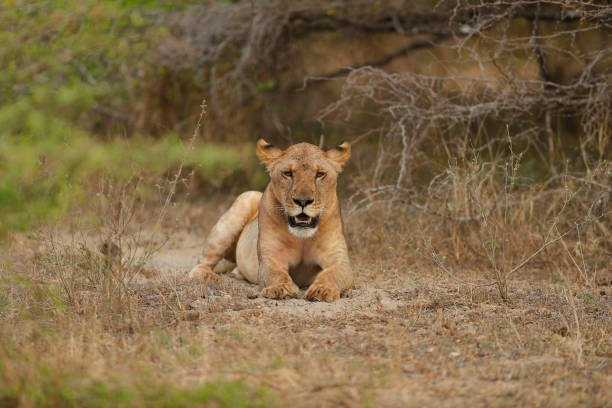
6-Day Selous, Mikumi & Udzungwa Safari: Southern Tanzanias Wildlife Trio
Discover the untamed beauty of Southern Tanzania on a 6-day safari adventure. This journey takes you through the vast Selous Game Reserve, the wildlife-rich Mikumi National Park, and the...
View package details
6-Day Nyerere And Mikumi Safari Guide
Discover the untamed beauty of Southern Tanzania on a 6-day safari adventure through Nyerere National Park (formerly Selous Game Reserve) and Mikumi National Park. This itinerary offers a...
View package details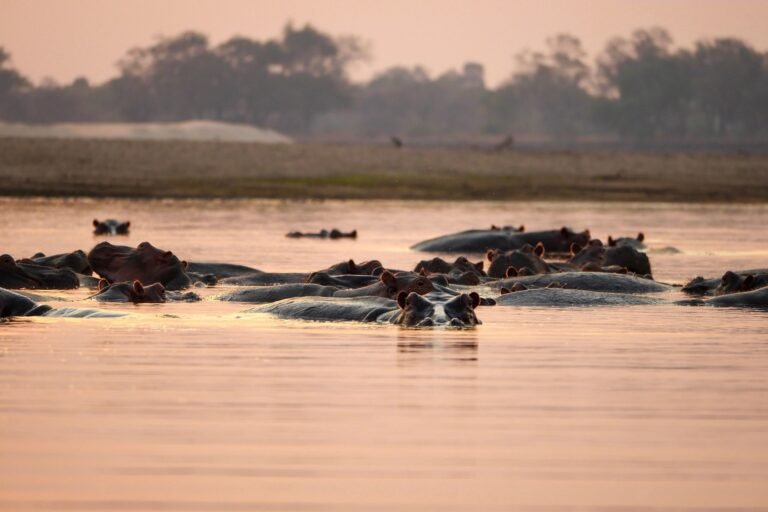
5-Day Mikumi, Nyerere And Zanzibar Safari Package With Top Guide Adventures
Combine the thrilling wildlife encounters of Mikumi and Nyerere National Parks with the tropical allure of Zanzibar on this unforgettable 5-day safari package. This itinerary offers a...
View package detailsNo related package matches those filters. Clear one or more filters to see the other topic-matched options.
Plan your 4 Days Serengeti and Ngorongoro Camping Safari From Moshi with Top Guide Adventures
Tell us your travel dates, group size, comfort level, and dream experience. We will help you shape a clear, realistic, and memorable Tanzania itinerary.



