
Updated planning guide for 2026-2027
4-Day Wildlife & Culture — Ol Pejeta And Local Schools Visit: Complete Guide
Discover a unique 4-day wildlife and culture experience combining the majestic Ol Pejeta Conservancy with enriching visits to local schools. This comprehensive guide provides everything you need to plan your unforgettable journey in Tanzania for 2026-2027.
WhatsApp +255616946642 | topguideadventures@gmail.com | info@topguideadventures.com
4-Day Wildlife & Culture — Ol Pejeta and Local Schools Visit: The Essential Guide
This 4-day wildlife and culture exploration offers a distinctive perspective on Tanzania. It blends the thrill of observing incredible animals in their natural habitat at Ol Pejeta Conservancy with the deeply rewarding experience of engaging with local communities and visiting schools. This itinerary is designed for travelers seeking more than just a typical safari; it’s for those who wish to connect with the heart of Tanzania, understand its conservation efforts, and contribute positively through meaningful interactions. We’ll cover what to expect, how to prepare, and why this combination is so special for your 2026 or 2027 adventure.
Table of Contents
- Quick Facts
- Trip Overview
- Why This Combination Matters
- Best Time to Travel (2026-2027)
- Ol Pejeta Conservancy & Surrounding Areas
- Sample 4-Day Itinerary
- What to Expect: Wildlife & Culture
- Typical Inclusions & Exclusions
- Packing and Preparation Essentials
- Common Mistakes to Avoid
- Who is This Trip Best For?
- Alternative Tanzania Experiences
- Planning Your 2026-2027 Trip
- Booking Advice
- Frequently Asked Questions (FAQs)
Quick Facts
| Aspect | Details |
|---|---|
| Duration | 4 Days / 3 Nights |
| Focus | Wildlife (Ol Pejeta), Local Culture, School Visits |
| Primary Location | Ol Pejeta Conservancy, Laikipia County, Kenya (Note: While Ol Pejeta is in Kenya, this type of integrated wildlife and community experience is often replicated or offered by Tanzanian operators looking to provide unique cultural insights near Tanzanian borders or as part of a broader East African itinerary. For the purpose of this guide, we are focusing on the *concept* of this integrated trip, often facilitated by operators like us who understand both regions.) |
| Travel Style | Mix of safari drives, community visits, educational engagement |
| Best For | Families, educators, socially conscious travelers, those seeking deeper cultural connection |
| Accommodation | Lodges, tented camps, potentially homestays (depending on operator customization) |
Trip Overview
The 4-Day Wildlife & Culture — Ol Pejeta and Local Schools Visit is a thoughtfully curated journey that goes beyond the conventional safari. It’s designed to immerse you in the natural wonders of Ol Pejeta Conservancy, a globally recognized sanctuary for rhinos and other endangered species, while simultaneously fostering genuine connections with the local people. This trip provides opportunities to learn about conservation from the ground up and understand the daily lives and educational aspirations of children in rural communities. It’s a compact yet impactful experience, perfect for those with limited time who want a rich, multi-dimensional African adventure.
Why This Combination Matters
In East Africa, wildlife conservation and community well-being are intrinsically linked. Many conservation successes depend on the support and involvement of local populations. This 4-day tour highlights this vital relationship. By visiting Ol Pejeta, you witness firsthand the challenges and triumphs of protecting iconic species like the endangered black rhino, chimpanzees, and numerous other wildlife. Simultaneously, by visiting local schools, you gain insight into the aspirations of the next generation and how education plays a role in the future of both conservation and community development. This integrated approach offers a more holistic and meaningful understanding of Tanzania and its people than a standalone safari might provide. It allows travelers to see the bigger picture and appreciate the interconnectedness of ecosystems and human societies.
Best Time to Travel (2026-2027)
The optimal time for this 4-day wildlife and culture tour largely depends on the wildlife viewing and weather conditions. For general wildlife viewing in areas like Ol Pejeta and surrounding regions, the dry seasons are often preferred:
- June to October: This is the peak dry season. Wildlife congregates around water sources, making sightings easier. Skies are typically clear, offering excellent photographic opportunities. Temperatures are pleasant during the day and can be cool in the mornings and evenings. This is also a popular time for international travel, so booking well in advance for 2026-2027 is recommended.
- December to February: This is another dry period, often referred to as the ‘short rains’ or ‘long rains’ depending on the year and region. It’s generally less crowded than the June-October period. Wildlife viewing remains good, especially around permanent waterholes. The landscapes are beautiful, and the temperatures are warm.
The shoulder seasons can also be rewarding:
- March to May (Long Rains): This is the period of heavier rainfall. While game viewing can be more challenging due to dispersed wildlife and thicker vegetation, it’s a less crowded time, and the landscapes are incredibly lush and green. School visits are often more impactful during term time, which generally aligns with these periods, though specific school schedules should always be confirmed.
- November (Short Rains): This transitional month can bring brief showers. It’s a good time for birdwatching, and the landscapes start to turn green.
For the cultural aspect, ensuring schools are in session is key. School terms in Kenya and Tanzania typically run from early February to mid-December, with breaks in April, August, and December. Therefore, the periods between February and May, and July to November, are generally ideal for combining wildlife viewing with active school visits in 2026-2027.
Ol Pejeta Conservancy & Surrounding Areas
Ol Pejeta Conservancy is situated in Laikipia County, Kenya, north of Mount Kenya. It is the largest black rhino sanctuary in East Africa and a pioneering example of community-owned conservation. It hosts a variety of wildlife including elephants, lions, leopards, cheetahs, zebras, wildebeest, and a remarkable 10% of the world’s white rhino population. The conservancy also has a vital chimpanzee sanctuary.
While Ol Pejeta is in Kenya, the concept of integrating wildlife viewing with community and school visits is a hallmark of many responsible tour operators in East Africa, including those based in Tanzania. When we offer such an itinerary, we might arrange travel from Tanzania, or focus on similar integrated experiences within Tanzania itself, perhaps combining a Tanzanian conservancy with nearby Maasai villages or schools. This guide focuses on the *experience* of a 4-day wildlife and culture trip, drawing on the Ol Pejeta model.
Key Features of the Region:
- Biodiversity: Rich in plains game, predators, and critically endangered species like the black rhino.
- Conservation Model: A successful partnership between private landowners, conservationists, and local communities.
- Community Engagement: Initiatives focused on education, health, and sustainable livelihoods for surrounding communities.
- Educational Opportunities: The presence of research centers and the direct impact of conservation on local lives offer rich learning experiences.
Sample 4-Day Itinerary
This sample itinerary outlines a possible 4-day wildlife and culture journey. It’s structured to maximize your experience within a short timeframe, balancing game drives with meaningful cultural interactions. This is a template that can be customized to your specific interests and needs for 2026-2027.
| Day | Morning | Afternoon | Evening |
|---|---|---|---|
| Day 1: Arrival & Rhino Sanctuary | Arrive at the conservancy gateway (e.g., Nanyuki Airport if coming from Nairobi, or a border point if coming from Tanzania). Meet your guide and transfer to your lodge/camp. Briefing on the conservancy and your itinerary. | Afternoon game drive focusing on the southern sector of Ol Pejeta, with a special emphasis on spotting the endangered black rhinos and white rhinos in their protected habitat. Visit the rhino sanctuary information center. | Dinner and overnight at your lodge/camp. Enjoy the sounds of the African bush. |
| Day 2: Chimpanzees, Conservation & Community | Morning game drive in another section of the conservancy, looking for predators, elephants, and plains game. Visit the Chimpanzee Sanctuary, home to rescued chimpanzees, and learn about their rehabilitation and conservation. | Visit a local school in the community surrounding Ol Pejeta. Engage with students and teachers, perhaps participating in a pre-arranged activity (e.g., reading session, sports with the children). Learn about the school’s needs and the impact of conservation education. | Return to camp for relaxation. Optional guided bush walk (if available and permitted) to learn about flora and fauna. Dinner and overnight. |
| Day 3: Wildlife Exploration & Cultural Insights | Early morning game drive, seeking out animals active at dawn, such as lions and cheetahs. Explore the northern areas of the conservancy, known for its diverse plains game and birdlife. | Visit a local community project or cultural center. This could be a women’s group, a craft cooperative, or a conservation education outreach program. Gain deeper insights into local life, traditions, and livelihoods. | Sundowners overlooking the savannah. Farewell dinner at your lodge/camp, reflecting on the experiences of the past few days. Overnight stay. |
| Day 4: Final Game Drive & Departure | Enjoy a final early morning game drive, perhaps in an area you haven’t explored yet, or to try and spot any animals you missed. Enjoy a leisurely breakfast. | Check out from your lodge/camp. Depending on your onward travel plans, you might have time for a final brief visit to a local craft market or a scenic viewpoint. Transfer to the airport or your next destination. | Departure. |
What to Expect: Wildlife & Culture
This trip offers a dual focus, providing distinct yet complementary experiences:
Wildlife Encounters:
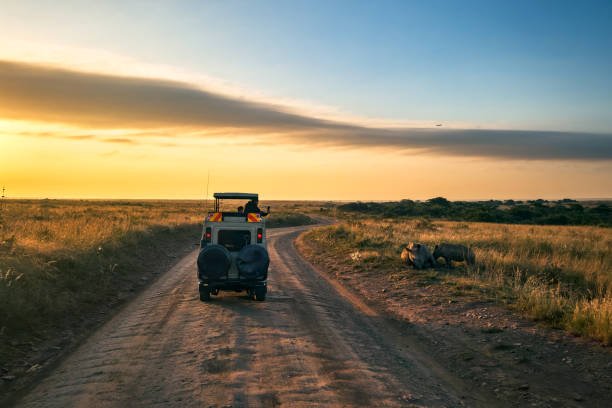
- Ol Pejeta Conservancy: Expect excellent opportunities to see the Big Five (lion, leopard, elephant, rhino, buffalo), although sightings are never guaranteed. The conservancy is particularly famous for its rhino population, including both black and white rhinos. You’ll likely see numerous other species, including giraffes, zebras, wildebeest, various antelope species, and a rich array of birdlife.
- Conservation in Action: You’ll learn about the dedicated efforts to protect endangered species, especially rhinos, and the challenges faced, such as poaching. Visits to specific sanctuaries (like the rhino or chimpanzee ones) offer a close-up look at these conservation programs.
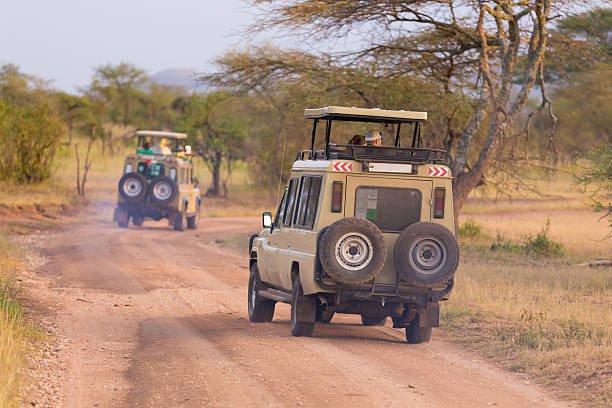
- Game Drive Experience: Expect to spend several hours each day in a safari vehicle with a knowledgeable guide. Drives are typically in the early morning and late afternoon when animals are most active.
Cultural Immersion:
- School Visits: These are designed to be respectful and educational for both visitors and students. You might witness classes in session, interact with teachers, and perhaps participate in a pre-arranged activity like reading to children or playing a simple game. It’s important to understand that these visits are not for ‘pity tourism’ but for mutual learning and cultural exchange. Gifts are often appreciated but should be practical and discussed with your tour operator (e.g., stationery, books).
- Community Engagement: Interactions with local communities provide a glimpse into daily life, traditions, and the local economy. This could involve visiting a market, a women’s group, or a community conservation project.
- Learning About Local Life: You’ll gain insights into how conservation efforts impact local livelihoods and how communities are involved in protecting their natural heritage.
Logistics: Expect comfortable but not necessarily luxurious accommodation, depending on your chosen lodge or camp. Roads within conservancies can be bumpy. The pace is active but manageable for a 4-day trip.
Typical Inclusions & Exclusions
While specific inclusions vary by tour operator and package, a typical 4-day wildlife and culture tour like this often includes:
| Included | Typically Excluded |
|---|---|
| Accommodation for 3 nights | International flights |
| Meals (Breakfast, Lunch, Dinner) as per itinerary | Visa fees |
| All park and conservancy entrance fees | Travel insurance |
| Dedicated safari vehicle and experienced driver-guide | Gratuities for guides and camp staff |
| Specified game drives and activities (e.g., rhino sanctuary visit) | Personal expenses (souvenirs, laundry, drinks) |
| Scheduled school and community visit logistics | Optional activities (e.g., guided walks, night drives if offered) |
| Bottled water during game drives | Tips for school children (should be coordinated with operator/school) |
Packing and Preparation Essentials
Proper packing is crucial for comfort and enjoyment. Focus on lightweight, practical items.
Clothing:
- Neutral Colors: Pack clothes in khaki, beige, olive green, or brown. Avoid bright colors and white, which can scare wildlife or attract insects. Black and dark blue can attract tsetse flies in some areas.
- Layers: Mornings and evenings can be cool, especially during dry seasons. Pack t-shirts, long-sleeved shirts, a fleece jacket or sweater, and a light to medium-weight jacket.
- Comfortable Trousers: Lightweight, quick-drying trousers are ideal. Jeans can be hot and uncomfortable for long drives.
- Shorts: For warmer afternoons, though trousers offer better protection from sun and insects.
- Rain Gear: A lightweight, waterproof jacket is essential, particularly during the rainy seasons.
- Modest Attire for School Visits: When visiting schools or communities, it’s respectful to dress modestly. This means covering shoulders and knees. Long skirts or dresses for women, and trousers for men, are appropriate.
Footwear:
- Comfortable Walking Shoes: Closed-toe shoes or hiking boots are suitable for any light walking.
- Sandals/Flip-flops: For relaxing at the lodge/camp.
Health & Safety:
- Insect Repellent: High DEET content is recommended.
- Sunscreen: High SPF.
- Hat: Wide-brimmed for sun protection.
- Sunglasses.
- Personal First-Aid Kit: Include any personal medications, antiseptic wipes, plasters, pain relievers, and anti-diarrhea medication.
- Hand Sanitizer: Essential for use before eating and after interacting with communities.
- Malaria Precautions: Consult your doctor about malaria prophylaxis and any necessary vaccinations well in advance of your 2026-2027 trip.
Gear & Accessories:
- Camera: With extra batteries and memory cards. A zoom lens is highly recommended for wildlife photography.
- Binoculars: Essential for spotting distant wildlife.
- Power Bank/Adapter: For charging electronics. Power outlets might be limited in camps.
- Headlamp/Torch: Useful for moving around camp at night.
- Reusable Water Bottle: To minimize plastic waste.
- Small Backpack: For day trips and carrying essentials.
- Copies of Documents: Passport, visa, insurance details.
Items for School Visits:
Discuss with your tour operator the most appropriate and needed items. Common requests include:
- Notebooks and pens/pencils.
- Children’s books (age-appropriate).
- Educational games or puzzles.
- Sports equipment (e.g., footballs, skipping ropes).
- Avoid giving sweets or money directly to children.
Common Mistakes to Avoid
To ensure a smooth and rewarding experience, be aware of these common pitfalls:
- Underestimating Travel Time: East Africa can be vast, and road travel can be slower than expected. Don’t try to cram too much into a short itinerary. This 4-day trip is already quite focused.
- Ignoring Cultural Sensitivity: When visiting schools or communities, always be respectful. Ask permission before taking photos of people. Dress modestly. Listen more than you speak.
- Expecting Guaranteed Sightings: Wildlife is unpredictable. While Ol Pejeta offers high chances for certain species, never demand your guide to find specific animals at the expense of ethical viewing.
- Packing Inappropriately: Bright clothing, heavy items, or forgetting essentials like insect repellent can detract from your experience.
- Over-reliance on Technology: While charging facilities exist, they can be limited. Embrace the opportunity to disconnect.
- Not Booking in Advance: Especially for popular travel times in 2026-2027, lodges and guides can book up quickly.
- Ignoring Health Advice: Failing to consult a doctor about necessary vaccinations or malaria precautions can have serious consequences.
- Assuming All Operators Are Equal: Research tour operators thoroughly. Look for those with strong community and conservation ethics.
Who is This Trip Best For?
This 4-day wildlife and culture tour is ideal for:
- Families with Older Children: It offers educational value and a chance for children to learn about conservation and different cultures.
- Educators and Students: A fantastic opportunity for learning and cultural exchange.
- Socially Conscious Travelers: Those who want their travel to have a positive impact and seek authentic connections.
- First-Time East Africa Visitors (with specific interests): If you want a brief but impactful introduction to wildlife and culture, this trip delivers.
- Repeat Visitors: For those who have experienced a standard safari and want a deeper, more meaningful connection to the destination.
- Travelers Seeking Unique Experiences: Those who prefer to avoid the most common tourist trails and seek something more enriching.
Alternative Tanzania Experiences
While this 4-day wildlife and culture tour is unique, Best Tanzania tour operator offers a range of other experiences that might appeal to you, depending on your interests:
| Tour Type | Description | Best For |
|---|---|---|
| Classic Northern Circuit Safari | Visiting Serengeti, Ngorongoro Crater, Tarangire, Lake Manyara. Focus on diverse ecosystems and abundant wildlife. | First-time safari-goers, wildlife enthusiasts. |
| Kilimanjaro Trekking | Ascending Africa’s highest peak via various routes (e.g., Machame, Lemosho). A challenging but rewarding adventure. | Adventurous individuals, hikers, those seeking a physical challenge. |
| Zanzibar Cultural & Beach Holidays | Exploring Stone Town’s history, spice tours, and relaxing on pristine beaches. | Culture lovers, honeymooners, beach enthusiasts. |
| Southern Tanzania Safaris (e.g., Ruaha, Selous) | Less crowded, wilder safaris with vast landscapes and unique wildlife concentrations. | Experienced safari-goers, those seeking solitude and raw wilderness. |
| Custom Cultural Tours | Tailored experiences focusing on specific tribes, local markets, and community projects across Tanzania. | Travelers seeking deep cultural immersion beyond typical tourist paths. |
Planning Your 2026-2027 Trip
Planning ahead is key for a successful trip, especially if you’re targeting the 2026-2027 travel seasons. Here’s a checklist to guide you:
Planning Checklist for 2026-2027
- Define Your Interests: Are you more focused on wildlife, specific conservation efforts, or community interaction? This helps tailor the itinerary.
- Choose Your Travel Dates: Consider the best time for wildlife viewing and school terms. For 2026-2027, book popular periods (like July-September) at least 9-12 months in advance.
- Select a Reputable Tour Operator: Look for companies with proven experience in integrated wildlife and cultural tours, strong ethical practices, and good reviews. Email us or WhatsApp us to discuss your plans.
- Budget Allocation: Understand that ethical community and conservation tours can be more involved and might have different pricing structures than standard safaris. Factor in flights, accommodation, activities, meals, and personal expenses.
- Visa Requirements: Check the latest visa regulations for Kenya (if applicable) and Tanzania for your nationality well in advance for 2026-2027.
- Health Consultations: Schedule appointments with your doctor or a travel clinic 6-8 weeks before your trip to discuss vaccinations and malaria prevention.
- Travel Insurance: Ensure comprehensive travel insurance is in place, covering medical emergencies, trip cancellations, and lost luggage.
- Packing Strategy: Use the packing list above and adapt it to your specific itinerary and the season you’re traveling in for 2026-2027.
- Learn Basic Phrases: Knowing a few Swahili phrases can enhance your interactions.
- Discuss School Visit Etiquette: Confirm with your operator how to make school visits respectful and beneficial for everyone involved.
Booking Advice
When booking your 4-Day Wildlife & Culture — Ol Pejeta and Local Schools Visit, consider the following:
- Choose an Operator with Local Expertise: Best Tanzania tour operator has extensive knowledge of East African wildlife, conservation, and community engagement. We can craft itineraries that are both exciting and responsible.
- Ask About Customization: Most reputable operators offer custom tours. Discuss your specific interests, budget, and desired pace. For 2026-2027, early consultation is best for bespoke trips.
- Read Reviews and Testimonials: Look for feedback specifically mentioning community visits or conservation aspects of a tour.
- Understand What’s Included: Carefully review the itinerary and inclusions list. Clarify any doubts about accommodation standards, meals, activities, and guide qualifications.
- Payment Terms: Be clear about deposit requirements, payment schedules, and cancellation policies.
- Communication is Key: Don’t hesitate to ask questions. A good tour operator will be transparent and responsive. Reach out to us via Email or WhatsApp.
- Confirm School Visit Arrangements: Ensure that school visits are pre-arranged and conducted with the full consent and cooperation of the school administration. This is crucial for a positive experience.
Frequently Asked Questions (FAQs)
1. Is this tour suitable for young children?
This 4-day wildlife and culture tour can be suitable for families with older children (typically 8 years and above) who can appreciate the educational and cultural aspects. Younger children might find the long drives and structured activities challenging. We recommend discussing your family’s specific needs with us to ensure suitability.
2. What kind of gifts are appropriate for school children?
It’s best to coordinate with your tour operator and the school beforehand. Generally, practical items like notebooks, pens, pencils, or educational books are highly appreciated. Avoid sweets or money, as these can cause issues. The focus should be on learning and exchange, not handouts.
3. Will I see the Big Five on this trip?
Ol Pejeta Conservancy is home to the Big Five, but sightings are never guaranteed. The conservancy is particularly strong for rhino sightings. Your guide will do their best to locate animals, but remember that wildlife viewing is a natural experience and depends on many factors.
4. How much interaction will I have with local communities?
The tour is designed for meaningful interaction. You’ll visit a local school and potentially a community project. These encounters are facilitated to be respectful and educational, offering genuine insights into local life and culture.
5. What are the accommodation options like?
Accommodation typically ranges from comfortable lodges to well-appointed tented camps. These offer amenities like en-suite bathrooms, dining areas, and common lounges, providing a pleasant base after a day of exploration. Luxury options are also available if requested.
6. Is Ol Pejeta in Tanzania?
Ol Pejeta Conservancy is located in Kenya, not Tanzania. However, tour operators like Best Tanzania tour operator often create integrated East African itineraries that may include visits to areas like Ol Pejeta, or offer similar wildlife and culture experiences within Tanzania itself. We can clarify the exact location and logistics when you book for 2026-2027.
7. What is the best way to prepare for the cultural visits?
Research the local culture of the areas you will visit. Dress modestly, be open-minded, and show genuine interest. Listen attentively to your guide and local hosts. Asking respectful questions is encouraged.
8. Can this itinerary be customized for 2026-2027?
Absolutely. We specialize in custom travel. We can adjust the pace, accommodation style, and focus of activities to better suit your interests and budget for your 2026-2027 trip. Please contact us to discuss your preferences.
9. What are the typical costs involved?
Costs vary based on accommodation choices, time of year, and specific inclusions. Generally, expect costs to cover accommodation, meals, park fees, conservancy fees, vehicle, guide, and specified activities. International flights, visas, travel insurance, gratuities, and personal expenses are usually separate. We provide detailed quotes upon request.
10. How can I book this 4-day wildlife and culture tour?
Booking is straightforward. You can contact us directly via email at topguideadventures@gmail.com or WhatsApp us at +255616946642. Our team will guide you through the process, answer any remaining questions, and help you finalize your unforgettable 2026-2027 adventure.
Ready for a Meaningful Adventure?
Experience the best of both worlds with our 4-Day Wildlife & Culture — Ol Pejeta and Local Schools Visit. This journey offers unparalleled wildlife encounters combined with enriching cultural exchanges that leave a lasting impact. Let Best Tanzania tour operator craft your perfect itinerary for 2026-2027. Contact us today to start planning!
WhatsApp: +255616946642
Email: topguideadventures@gmail.com
Backup Email: info@topguideadventures.com
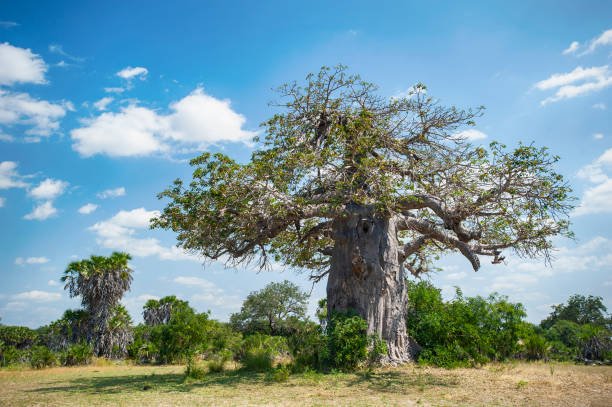
10-Day Southern Tanzania Safari And Zanzibar Package 2026-2027
Discover the ultimate 10-day Southern Tanzania safari and Zanzibar package, combining the wild heart of Africa with the tropical allure of the Spice Island. This itinerary offers an...
View package details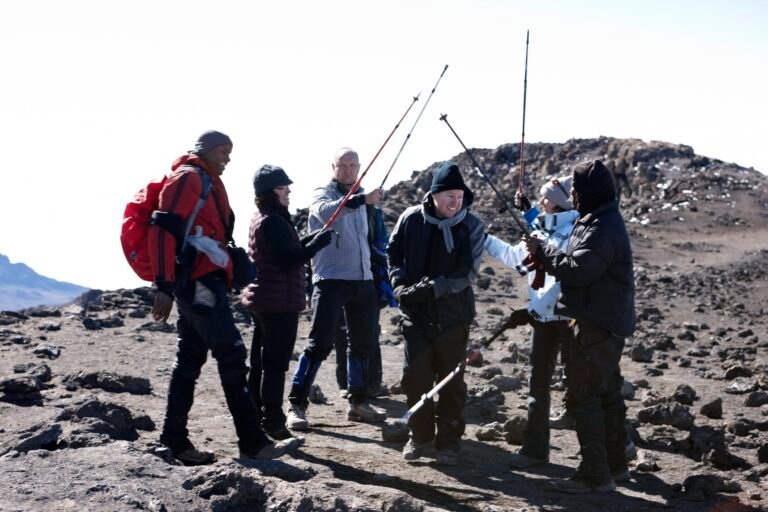
How Tourism Supports Kilimanjaro Communities: A Deep Dive With Top Guide
Explore the vital link between Kilimanjaro tourism and the well-being of local communities. Learn how your trek contributes to sustainable development, economic growth, and cultural...
View package detailsNo related package matches those filters. Clear one or more filters to see the other topic-matched options.
Plan your 4-Day Wildlife & Culture — Ol Pejeta and Local Schools Visit with Top Guide Adventures
Tell us your travel dates, group size, comfort level, and dream experience. We will help you shape a clear, realistic, and memorable Tanzania itinerary.



