
Updated planning guide for 2026-2027
4-Day Photography & Drone Workshop Safari Permit Assistance: Best Guide
Discover how to organize a 4-day photography and drone workshop safari in Tanzania, including crucial permit assistance. This guide covers planning, itineraries, what to expect, and booking advice for 2026-2027.
WhatsApp +255616946642 | topguideadventures@gmail.com | info@topguideadventures.com
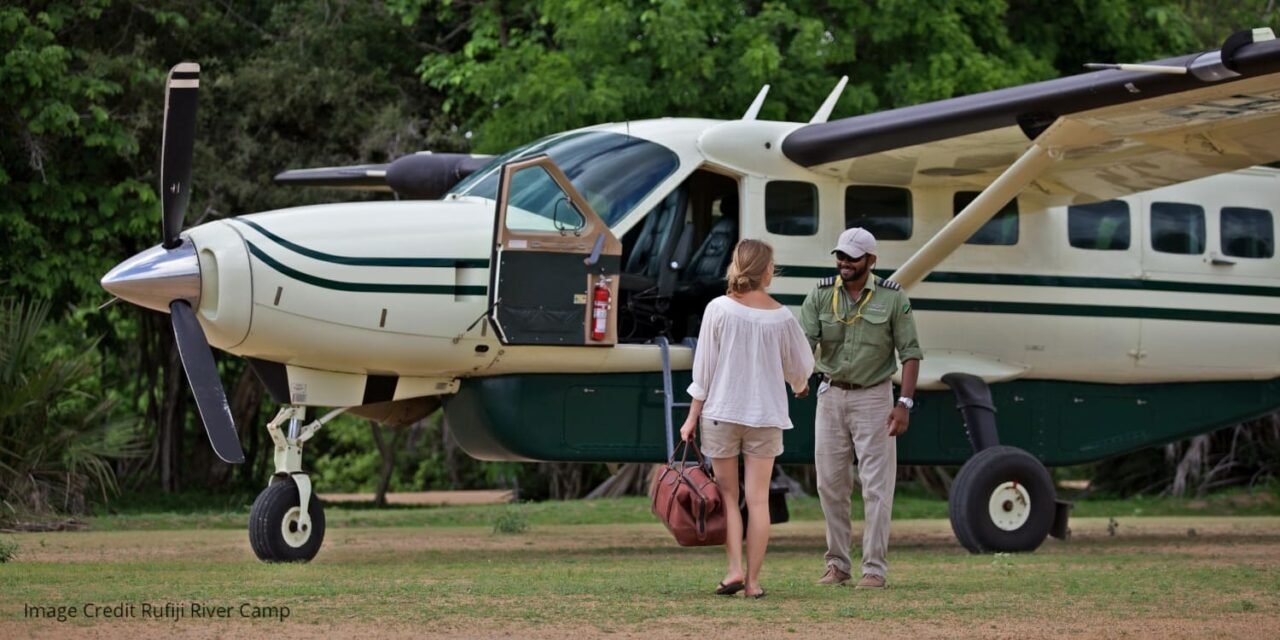
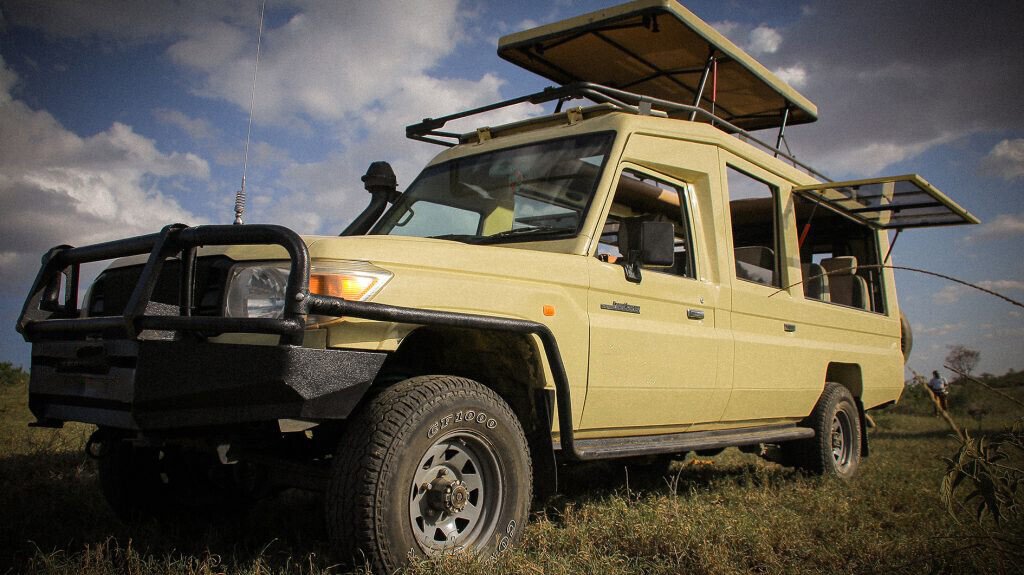
4-Day Photography & Drone Workshop Safari Permit Assistance: Your Comprehensive Planning Guide
Organizing a specialized safari experience, especially one focused on photography and drone usage, requires meticulous planning. For travelers looking to capture the stunning wildlife and landscapes of Tanzania, a 4-day photography and drone workshop safari presents an incredible opportunity. A key, often overlooked, aspect of this is understanding and securing the necessary 4-Day Photography & Drone Workshop Safari Permit Assistance. This guide provides an in-depth look at how to plan, prepare for, and execute such a trip, ensuring you maximize your photographic potential while adhering to park regulations.
Many tour operators can arrange a standard safari, but few offer specialized support for photography and drone workshops. This means navigating permit requirements, understanding drone regulations, and ensuring your itinerary is optimized for shooting opportunities. This comprehensive guide is designed for photographers and drone enthusiasts planning a trip to Tanzania in 2026 or 2027, covering everything from initial planning to booking advice.
Quick Overview
A 4-day photography and drone workshop safari in Tanzania typically focuses on a specific region known for its wildlife and photographic appeal. It combines guided game drives with expert instruction on wildlife photography and drone operation. Crucially, it involves securing the correct permits for both general park entry and potentially for drone usage, which can vary significantly by park and region. Expert permit assistance from your tour operator is vital for a smooth experience.
| Aspect | Details |
|---|---|
| Duration | 4 Days / 3 Nights |
| Focus | Wildlife Photography, Drone Operation, Wildlife Viewing |
| Key Need | 4-Day Photography & Drone Workshop Safari Permit Assistance |
| Typical Locations | Serengeti National Park, Ngorongoro Conservation Area, Tarangire National Park |
| Best Time (Photography) | Dry seasons (June-October, December-February) for clear skies and concentrated wildlife. Wet seasons can offer dramatic light and fewer crowds. |
| Accommodation | Lodges, tented camps, or mobile camps depending on the safari style and location. |
Why Specialized Permit Assistance is Crucial for Photography & Drone Safaris
Tanzania’s national parks and conservation areas have specific regulations regarding entry, activities, and equipment. For a photography and drone workshop safari, these regulations are even more critical. Drone operations, in particular, are subject to strict rules, often requiring special permits beyond standard park entry fees. Without proper 4-Day Photography & Drone Workshop Safari Permit Assistance, you risk significant fines, confiscation of equipment, or even being denied entry or operation within parks.
Key reasons for needing expert permit assistance:
- Drone Regulations: Many Tanzanian parks prohibit drone usage without explicit permission. Obtaining these permits involves specific applications, approvals, and sometimes additional fees. The process can be complex and time-consuming, requiring local knowledge.
- Park Entry Fees: Standard park fees apply, but workshop-specific arrangements might require different considerations. Ensuring all participants are covered by the correct permits is essential.
- Conservation Fees: Beyond entry, conservation fees are vital for funding wildlife protection. Your tour operator ensures these are correctly calculated and paid.
- Logistical Complexity: A workshop involves more than just sightseeing; it requires specific timing for shoots, access to certain areas (where permitted), and coordination with guides and instructors. Permits often dictate what is possible.
- Avoiding Fines and Penalties: Operating a drone illegally or without proper documentation can lead to substantial penalties. Expert assistance mitigates this risk entirely.
Partnering with a tour operator that explicitly offers 4-Day Photography & Drone Workshop Safari Permit Assistance means they handle the intricate details of these approvals, allowing you to focus on your craft.
Choosing the Right Location for Your 4-Day Workshop
For a short, impactful 4-day workshop, selecting the right location is paramount. The chosen area should offer abundant wildlife, diverse landscapes, and a good probability of successful photographic opportunities, while also being logistically feasible for a limited duration.
Serengeti National Park
The Serengeti is synonymous with African safaris and for good reason. Its vast plains teem with wildlife, including the Big Five, large herds of wildebeest and zebras (especially during the migration), and numerous predators. Its open landscapes are excellent for wide-angle shots and drone footage, while its diverse habitats offer varied photographic subjects.
- Pros for Photographers: Iconic wildlife, the Great Migration (seasonal), vast landscapes, excellent predator sightings.
- Drone Considerations: Drone usage is generally restricted and requires special permits. Your operator’s permit assistance is critical here.
- Logistics: Can be combined with Ngorongoro for a short trip, but 4 days might feel rushed if covering extensive areas. Focus on a specific region within the Serengeti.
Ngorongoro Conservation Area (NCA)
The Ngorongoro Crater is a UNESCO World Heritage Site and a natural amphitheater teeming with wildlife. Its unique ecosystem supports a dense population of animals, including the endangered black rhino. The crater floor offers dramatic backdrops and concentrated wildlife viewing.
- Pros for Photographers: High density of wildlife, guaranteed rhino sightings, stunning crater views, relatively compact area for focused shooting.
- Drone Considerations: Drone use is strictly prohibited within the crater itself and requires special permission for other parts of the NCA. Permit assistance is non-negotiable.
- Logistics: Often combined with Serengeti or Tarangire. A 4-day trip could dedicate a day or two to the crater.
Tarangire National Park
Known for its large elephant herds and iconic baobab trees, Tarangire offers a different photographic experience. The park’s landscape is more varied, with rolling hills, river valleys, and dense woodlands, providing excellent opportunities for atmospheric shots, especially during the dry season when wildlife congregates around the Tarangire River.
- Pros for Photographers: Large elephant herds, diverse birdlife, unique baobab trees, dramatic dry season landscapes.
- Drone Considerations: Similar restrictions to other parks apply; permit assistance is necessary.
- Logistics: Easily accessible from Arusha, making it ideal for shorter trips or as a starting/ending point for a 4-day itinerary.
Recommended for a 4-Day Workshop:
For a focused 4-day photography and drone workshop, a combination of Tarangire and Ngorongoro often works best. Tarangire provides unique subjects and landscapes, while Ngorongoro offers dense, dramatic wildlife encounters. This combination minimizes travel time between locations, maximizing your shooting hours.
Sample 4-Day Photography & Drone Workshop Safari Itinerary
This sample itinerary focuses on maximizing photographic opportunities, incorporating drone use where permitted, and ensuring all necessary permits are arranged by the tour operator. This is a template, and specific timings can be adjusted based on wildlife movements and workshop goals.
| Day | Location | Morning Activity | Afternoon Activity | Evening Activity | Photography/Drone Focus |
|---|---|---|---|---|---|
| Day 1 | Tarangire National Park | Arrive Arusha, meet guide. Drive to Tarangire. Game drive en route. Focus on baobab trees and elephant herds. Initial drone practice session (if permitted in designated areas or outside the park). | Extended game drive. Focus on landscape photography with baobabs and wildlife interactions. Instruction on wildlife photography techniques. | Check into lodge/camp. Review of day’s shots, critique session. Briefing for Day 2. | Landscape, large mammals (elephants), drone aerials (if permitted). |
| Day 2 | Tarangire National Park / Travel to Karatu | Early morning game drive. Focus on predators, birdlife, and sunrise shots. Drone session focusing on capturing movement and patterns (if permitted). | Picnic lunch. Drive towards Karatu, gateway to Ngorongoro. Stop at viewpoints for landscape photography. | Arrive at lodge near Karatu. Workshop session on editing wildlife photos or drone footage. | Predators, birdlife, sunrise, drone motion (if permitted), scenic landscapes. |
| Day 3 | Ngorongoro Conservation Area (Crater Floor) | Descend into the Ngorongoro Crater for a full-day game drive. Focus on high-density wildlife, including rhinos, lions, and hippos. Strict adherence to park rules for photography and drone (drone use typically prohibited on crater floor). | Continued game drive. Focus on close-up wildlife portraits and interactions. Picnic lunch by the hippo pool. | Ascend from the crater. Drive back to Karatu lodge. Group discussion on challenges and successes. | Wildlife portraits, dense wildlife, specific species (rhino), macro shots. |
| Day 4 | Karatu / Arusha | Optional: Visit a local community or coffee plantation for cultural photography. Alternatively, a final short game drive in a different area of NCA (if permitted and time allows). | Drive back to Arusha. Farewell lunch. Transfer to airport or hotel. | N/A | Cultural diversity, local life, scenic vistas, final landscape shots. |
Notes on the Itinerary:
- Drone Operation: Drone usage is highly regulated in Tanzanian National Parks. Permissions must be sought well in advance, and fees may apply. Always operate under the guidance of your tour operator and park rangers. Some areas may have outright bans.
- Permit Assistance: Your tour operator’s 4-Day Photography & Drone Workshop Safari Permit Assistance is crucial. They will handle all applications and ensure compliance.
- Flexibility: This is a sample. Wildlife sightings and photographic opportunities can be unpredictable. Guides will adapt the schedule to maximize chances.
- Workshop Elements: This itinerary assumes a workshop component where participants receive guidance on photography and drone operation, editing, and critique.
What to Expect: Photography and Drone Specifics
A photography and drone workshop safari is more than just a standard game drive. It’s an immersive learning experience designed to elevate your visual storytelling skills.
Photography Expectations:
- Expert Guidance: Expect instruction on composition, lighting, exposure, capturing animal behavior, and ethical wildlife photography.
- Prime Shooting Times: Itineraries are designed around the ‘golden hours’ (early morning and late afternoon) for the best light.
- Variety of Subjects: From the majestic Big Five to smaller creatures, diverse birdlife, and stunning landscapes, you’ll have ample subjects.
- Equipment Focus: Discussions and practical advice on telephoto lenses, wide-angle lenses, tripods, and camera settings.
Drone Expectations:
- Legal Operation: Understand that drone use is highly restricted. Your operator’s 4-Day Photography & Drone Workshop Safari Permit Assistance is your key. Expect to operate only in approved areas and times.
- Instruction: Guidance on safe drone piloting in a safari environment, capturing dynamic aerial footage, and ethical considerations (e.g., not disturbing wildlife).
- Permit Requirements: Be prepared for drone permit applications, potential fees, and strict adherence to flight regulations. This is where the operator’s assistance is invaluable.
- Limited Opportunities: Due to regulations, drone usage might be limited to specific locations or times, or perhaps more feasible outside of core national park boundaries.
Permit Assistance: The Core of Your Workshop Safari
The success of your specialized safari hinges on navigating the permit landscape. This is where dedicated 4-Day Photography & Drone Workshop Safari Permit Assistance becomes indispensable.
Types of Permits Involved:
- Park Entry Fees: Per person, per day.
- Vehicle Fees: Per safari vehicle, per day.
- Camping Fees: If applicable.
- Special Drone Permits: This is the most complex. Requirements and fees vary by park. Some parks may have outright bans, while others require extensive application processes, proof of insurance, and adherence to specific flight zones and times. The application process often needs to be initiated weeks or months in advance.
- Filming Permits: Sometimes, professional photography or drone operations can fall under filming permit categories, which have different requirements and costs.
How Your Operator Provides Assistance:
- Expert Knowledge: They understand the specific regulations for each park and conservation area.
- Advance Applications: They initiate applications for drone permits and any other special permissions well in advance of your trip.
- Fee Management: They accurately calculate and include all necessary permit and park fees in your safari package.
- Liaison with Authorities: They act as the local contact point for park authorities, streamlining the approval process.
- Compliance Guidance: They brief you on all rules and regulations to ensure you operate legally and ethically.
When booking, explicitly confirm the scope of their 4-Day Photography & Drone Workshop Safari Permit Assistance to ensure it covers all your needs, especially drone operations.
Best Time to Visit for Photography & Drone Safaris (2026-2027)
The timing of your safari significantly impacts photographic opportunities and drone conditions. Tanzania has distinct seasons, each offering unique advantages.
Dry Season (June to October)
- Pros: Clear skies, excellent visibility, concentrated wildlife around water sources, greener landscapes post-rains, ideal for drone operations due to stable weather. The Great Migration is often in the Serengeti during this period.
- Cons: Peak tourist season, higher prices, can be dusty.
- Photography Focus: Dramatic landscapes, concentrated wildlife, clear shots.
Short Rains (November)
- Pros: Fewer crowds, lower prices, landscapes start to turn green, good for bird photographers.
- Cons: Unpredictable rains, some roads might be challenging.
- Photography Focus: Dramatic skies, emerging greenery, migrating birds.
Long Rains / Green Season (December to May)
- Pros: Lush landscapes, newborn animals (especially Jan-Feb), fewer tourists, lower prices, dramatic lighting, excellent for macro photography and fewer dust issues.
- Cons: Heavy rains can disrupt travel, some wildlife may disperse, drone operations can be challenging due to weather.
- Photography Focus: Green landscapes, baby animals, intimate wildlife encounters, dramatic weather shots.
Planning for 2026-2027:
For a photography and drone workshop, the dry seasons (June-October and December-February for calving season in Southern Serengeti) are generally preferred for predictable weather and wildlife concentrations. However, the green season can offer unique photographic opportunities if you are prepared for potential rain and have robust gear.
| Season | Months | Pros for Photo/Drone | Cons for Photo/Drone | Best For |
|---|---|---|---|---|
| Dry Season | June-Oct | Clear skies, concentrated wildlife, stable drone weather. Migration present (July-Oct). | Peak season, higher costs, dust. | General wildlife, landscapes, stable drone conditions. |
| Short Rains | Nov | Fewer crowds, emerging greenery, birdlife. | Unpredictable rain, potential road issues. | Bird photography, dramatic skies. |
| Long Rains / Green Season | Dec-May | Lush landscapes, baby animals (Jan-Feb), fewer crowds, dramatic light. | Heavy rain disruption, dispersed wildlife, challenging drone weather. | Newborns, green scenery, dramatic light, macro. |
What to Pack for Your Workshop Safari
Packing appropriately is key for comfort and success, especially when carrying camera and drone equipment. Your operator’s 4-Day Photography & Drone Workshop Safari Permit Assistance might also extend to advice on carrying sensitive equipment.
Photography & Drone Gear:
- Cameras: DSLR or mirrorless camera bodies. Consider bringing at least two for redundancy.
- Lenses: A versatile zoom (e.g., 70-200mm or 100-400mm) for wildlife, a wide-angle lens (e.g., 16-35mm) for landscapes, and potentially a macro lens.
- Drone: Compact, portable drone (e.g., DJI Mavic series). Ensure you have the latest firmware and are familiar with its operation.
- Batteries & Chargers: Plenty of spare batteries for cameras and the drone. Power banks are also essential.
- Memory Cards: High-capacity, fast memory cards. Bring more than you think you’ll need.
- Tripod/Monopod: Lightweight, travel-friendly tripod or monopod for stable shots, especially in low light.
- Filters: Polarizing filters (for reducing glare and enhancing skies) and ND filters (for long exposures).
- Cleaning Kit: Lens cloths, blower, sensor cleaning kit. Dust is prevalent.
- Hard Case/Backpack: A robust, padded backpack or hard case to protect your valuable equipment during game drives and travel.
Clothing:
- Neutral Colors: Khaki, green, brown, beige. Avoid bright colors and white, which can startle wildlife.
- Layers: Lightweight, breathable layers are best. Mornings and evenings can be cool.
- Long-Sleeved Shirts & Trousers: Protect against sun and insects.
- Fleece or Warm Jacket: For cooler mornings and evenings.
- Comfortable Walking Shoes/Boots: For around camps and lodges.
- Hat: Wide-brimmed hat for sun protection.
- Scarf/Bandana: Useful for dust protection.
Other Essentials:
- Sunscreen & Insect Repellent: High SPF sunscreen and effective insect repellent.
- Binoculars: Essential for spotting wildlife.
- Headlamp/Torch: For navigating camps at night.
- Adapter & Power Bank: For charging electronics. Ensure you have the correct plug adapter for Tanzania (Type D/G).
- Personal First-Aid Kit: With any personal medications.
- Water Bottle: Reusable water bottle.
- Camera Rain Cover: Essential protection for your gear.
Common Mistakes to Avoid
To ensure a successful and enjoyable photography and drone workshop safari, be aware of potential pitfalls.
- Not Securing Drone Permits in Advance: This is the most critical mistake. Assume drone use is prohibited unless explicit, written permission is granted. Rely on your operator’s 4-Day Photography & Drone Workshop Safari Permit Assistance.
- Overpacking Camera Gear: While you want options, carrying excessive, heavy gear can be cumbersome on game drives. Prioritize versatile lenses.
- Ignoring Ethical Photography Practices: Never chase or harass wildlife for a shot. Maintain a safe distance, avoid using flash on nocturnal animals, and never use drones to disturb animals.
- Assuming All Parks Allow Drones: Regulations vary wildly. Some parks are more restrictive than others. Always check with your operator.
- Not Considering the Light: Missing the golden hours means missing some of the best photographic opportunities.
- Underestimating Travel Times: Tanzania is vast. For a 4-day trip, focus on one or two accessible regions to minimize transit and maximize shooting time.
- Not Having Backup Equipment: A camera or drone failure can halt your workshop. Consider backups for critical items.
- Not Understanding Workshop Objectives: Ensure you’re clear on what skills you aim to learn and that the workshop is structured to meet those goals.
Who is This Workshop Safari For?
This specialized safari is designed for a specific type of traveler:
- Passionate Photographers: Individuals looking to improve their wildlife and landscape photography skills in an iconic African setting.
- Drone Enthusiasts: Those who want to capture stunning aerial perspectives of wildlife and landscapes, provided they understand and comply with regulations.
- Hobbyists and Semi-Professionals: Anyone with a keen interest in photography and drones, looking for a structured learning experience combined with an adventure.
- Travelers Seeking a Unique Experience: Those who want more than a standard safari and are interested in a focused, skill-building trip.
- Those Who Value Expert Guidance: Travelers who appreciate having expert instructors and logistical support, especially for complex aspects like drone permits.
It is generally not for:
- Budget travelers looking for the cheapest safari option.
- Travelers who are not interested in photography or drone operation.
- Those who want a completely relaxed, unstructured holiday without a learning component.
Alternatives to a 4-Day Workshop Safari
If a 4-day photography and drone workshop isn’t the perfect fit, consider these alternatives:
- Standard Tanzania Safari: For general wildlife viewing without a specific photography focus.
- Longer Photography Safari: A 7-10 day safari allows for deeper exploration of multiple parks and more time for learning and practice.
- Photography-Focused Safari (No Drone): If drone regulations are too complex or not of interest, a dedicated photography safari without drones offers similar benefits for still photography.
- Self-Guided Photography Trip: For experienced photographers who prefer to work independently, though this often means managing permits and logistics yourself.
- Specialized Workshops in Other Regions: Consider Botswana, Kenya, or even other continents if Tanzania’s drone regulations are a significant barrier.
Planning Your 2026-2027 Trip: Key Considerations
Planning ahead is crucial, especially for specialized tours and peak seasons. For 2026-2027, here’s what to keep in mind:
| Timeline | Action | Notes |
|---|---|---|
| 12+ Months Out | Research tour operators offering photography/drone workshops. | Verify their 4-Day Photography & Drone Workshop Safari Permit Assistance capabilities, especially for drones. Read reviews. |
| 9-12 Months Out | Contact preferred operators, request quotes & sample itineraries. | Discuss your specific photography/drone needs. Confirm drone policies and permit procedures. |
| 6-9 Months Out | Book your safari and secure your spot. | Pay deposit. Confirm all inclusions and exclusions. |
| 4-6 Months Out | Obtain necessary visas and vaccinations. | Check Tanzania visa requirements for your nationality. Consult your doctor for recommended vaccinations. |
| 2-4 Months Out | Finalize drone permits (operator usually handles this). Purchase travel insurance. | Ensure insurance covers photography gear and potential trip cancellations. Confirm operator has initiated drone permit applications. |
| 1 Month Out | Start packing. Test all camera and drone gear. | Charge all batteries. Format memory cards. Ensure drone firmware is up-to-date. |
| 1-2 Weeks Out | Confirm final payment and flight details with the operator. | Share your final packing list and gear checklist with your operator if needed. |
Booking Your 4-Day Photography & Drone Workshop Safari
Choosing the right tour operator is paramount for a successful photography and drone workshop safari. Look for companies with a proven track record and specific expertise in handling specialized requests.
What to Look For in an Operator:
- Specialized Packages: Do they offer photography or drone-specific safaris, or can they customize one?
- Expertise in Permits: Crucially, do they explicitly offer 4-Day Photography & Drone Workshop Safari Permit Assistance? Ask for details on their drone permit process.
- Experienced Guides: Guides should be knowledgeable about wildlife, photography, and the specific locations.
- Good Reviews: Look for testimonials from past clients, especially photographers.
- Clear Communication: They should be responsive and transparent in their communication.
- Safety Standards: Ensure they adhere to high safety standards for both safari and drone operations.
Booking Process:
- Initial Inquiry: Contact us with your interest in a 4-day photography and drone workshop safari.
- Customization: We will discuss your specific needs, preferred locations, and any particular photographic subjects or drone techniques you wish to focus on.
- Itinerary & Quote: We will provide a detailed sample itinerary and a comprehensive quote, clearly outlining what is included, especially regarding permit assistance.
- Deposit & Confirmation: Upon agreement, a deposit is required to confirm your booking.
- Pre-Trip Planning: We will handle all necessary permit applications and provide you with detailed packing lists and pre-trip information.
We are dedicated to providing exceptional safari experiences and have extensive experience in managing complex itineraries, including those involving drone operations. Our 4-Day Photography & Drone Workshop Safari Permit Assistance ensures a hassle-free and legally compliant experience.
Ready to Capture Tanzania?
Let us help you plan your dream 4-day photography and drone workshop safari. We offer expert guidance, customized itineraries, and essential permit assistance.
Contact Us:
WhatsApp: +255616946642
Email: topguideadventures@gmail.com
Backup Email: info@topguideadventures.com
We look forward to helping you plan your unforgettable photographic adventure for 2026-2027!
Frequently Asked Questions (FAQs)
Q1: Is it possible to fly a drone in Tanzania’s national parks?
A1: Drone usage in Tanzania’s national parks is highly regulated and often prohibited without special permits. It is crucial to work with a tour operator that provides specific 4-Day Photography & Drone Workshop Safari Permit Assistance. Permits are not guaranteed and require a thorough application process, often involving park authorities and conservation bodies. Some areas may have outright bans.
Q2: How far in advance should I book a photography and drone workshop safari?
A2: For specialized tours like this, especially those requiring special permits, it is recommended to book at least 6-9 months in advance. This allows ample time for itinerary planning, securing accommodations, and most importantly, processing any necessary drone permits. For 2026-2027 bookings, starting early is wise.
Q3: What are the typical costs associated with drone permits in Tanzania?
A3: The costs for drone permits can vary significantly depending on the park, the duration of the operation, and the specific requirements of the Tanzanian authorities. These fees can range from several hundred to over a thousand US dollars per drone, per park, or per filming project. Your tour operator will factor these into the total cost and handle the payment.
Q4: What happens if I try to fly a drone without a permit?
A4: Flying a drone in Tanzania without the required permits can lead to severe consequences, including hefty fines, confiscation of your drone, and potential legal action. It can also result in your safari being terminated. Strict adherence to regulations is essential.
Q5: Can I bring my own drone or do I need to rent one?
A5: You are welcome to bring your own drone. However, ensure it complies with any size or weight restrictions that might be imposed by park authorities. If you prefer not to travel with your drone, some operators might offer rental options, though this is less common for specialized workshops.
Q6: What kind of photography instruction is provided on these workshops?
A6: Instruction typically covers wildlife photography techniques (composition, lighting, capturing behavior), landscape photography, and potentially post-processing. The focus will be on practical application during game drives and dedicated critique sessions. Specific drone piloting and aerial photography instruction will also be included.
Q7: Are the 4-day itineraries flexible?
A7: While a 4-day itinerary is structured to maximize time and opportunities, it will have some flexibility. Guides will adapt to wildlife movements and weather conditions to ensure the best possible photographic outcomes. Your workshop instructor will also tailor sessions to participant needs.
Q8: What if I’m not an experienced photographer or drone pilot?
A8: These workshops are designed to be beneficial for a range of skill levels. Instructors will provide guidance suitable for beginners, while also offering advanced tips for more experienced participants. The key is a willingness to learn and improve.
Q9: How does the 4-Day Photography & Drone Workshop Safari Permit Assistance work in practice?
A9: The tour operator acts as your liaison. They will manage the entire permit application process on your behalf, including submitting forms, paying fees, and communicating with park authorities. You will be informed of the progress and any requirements from your side. This service is vital for navigating the complexities of drone permits.
Q10: When is the best time for photography and drone work in Tanzania for 2026-2027?
A10: The dry seasons (June-October and December-February) generally offer the clearest skies and most predictable weather, which is ideal for both photography and drone operations. The green season (December-May) offers lush landscapes and newborn animals but can have unpredictable rain, making drone use more challenging.
Book Your Unforgettable Tanzania Photography & Drone Adventure
Don’t miss the opportunity to capture the magic of Tanzania with a specialized photography and drone workshop safari. Our team provides comprehensive 4-Day Photography & Drone Workshop Safari Permit Assistance, ensuring a smooth and compliant experience for your 2026-2027 adventure.
Get in touch today to start planning:
WhatsApp: +255616946642
Email: topguideadventures@gmail.com
Backup Email: info@topguideadventures.com
Let us help you create stunning visuals and lasting memories!
6-Day Nyerere Safari And Zanzibar Holiday: Your Ultimate Tanzania Adventure
Discover the perfect blend of adventure and relaxation with a 6-day Nyerere Safari and Zanzibar holiday. Explore the vast wilderness of Nyerere National Park, renowned for its large...
View package details
6-Day Southern Tanzania Wildlife Safari With Top Guide Adventures 2026-2027
Discover the wild heart of Tanzania on a 6-day Southern Tanzania wildlife safari. This itinerary highlights the unique ecosystems and abundant wildlife of Selous Game Reserve and Ruaha...
View package details
6-Day Nyerere And Ruaha Safari Guide
Discover the untamed beauty of Southern Tanzania with a 6-day safari combining the vast wilderness of Nyerere National Park (formerly Selous) and the dramatic landscapes of Ruaha National...
View package details
6-Day Selous, Mikumi & Udzungwa Safari: Southern Tanzanias Wildlife Trio
Discover the untamed beauty of Southern Tanzania on a 6-day safari adventure. This journey takes you through the vast Selous Game Reserve, the wildlife-rich Mikumi National Park, and the...
View package details
6-Day Nyerere And Mikumi Safari Guide
Discover the untamed beauty of Southern Tanzania on a 6-day safari adventure through Nyerere National Park (formerly Selous Game Reserve) and Mikumi National Park. This itinerary offers a...
View package details
5-Day Mikumi, Nyerere And Zanzibar Safari Package With Top Guide Adventures
Combine the thrilling wildlife encounters of Mikumi and Nyerere National Parks with the tropical allure of Zanzibar on this unforgettable 5-day safari package. This itinerary offers a...
View package details
6-Day Nyerere, Mikumi, And Udzungwa Safari: Your Southern Tanzania Adventure
Explore the wild heart of Southern Tanzania on a 6-day safari adventure. This journey combines the vast wilderness of Nyerere National Park (formerly Selous), the abundant wildlife of...
View package details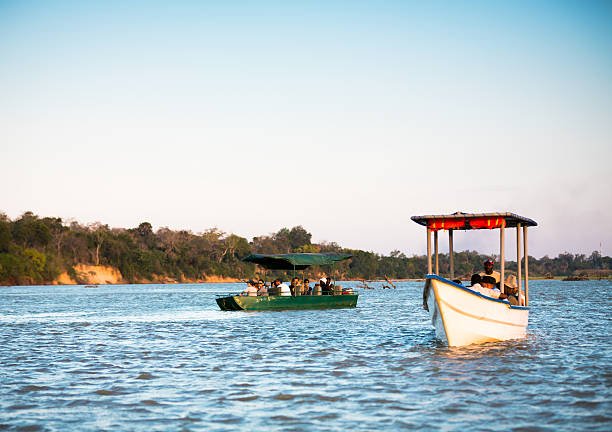
5-Day Southern Tanzania Group Joining Safari: Your Ultimate Adventure
Discover the wild heart of Southern Tanzania on a 5-day group joining safari. This adventure offers incredible wildlife viewing in Selous Game Reserve and Ruaha National Park, perfect for...
View package details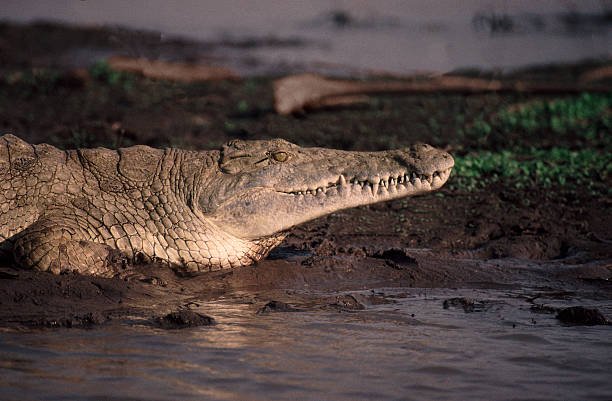
5-Day Private Nyerere And Mikumi Safari With Top Guide Adventures 2026-2027
start an unforgettable 5-day private safari adventure through Tanzania's Nyerere National Park (formerly Selous) and Mikumi National Park. This itinerary focuses on maximizing wildlife...
View package details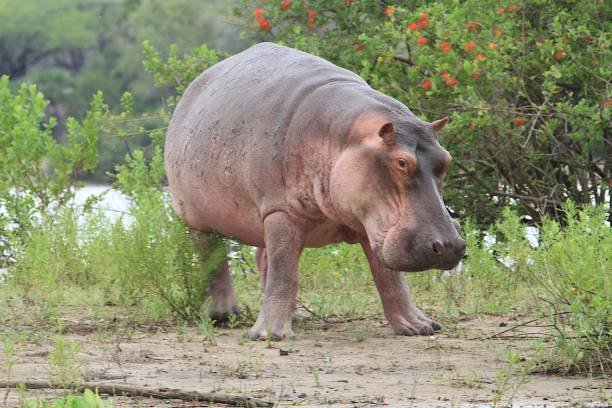
4-Day Luxury Nyerere Safari With Rufiji Boat Your Ultimate Itinerary 2026-2027
Discover the magic of a 4-day luxury safari in Nyerere National Park, famed for its Rufiji River boat safaris. This itinerary offers unparalleled wildlife viewing and unique aquatic...
View package details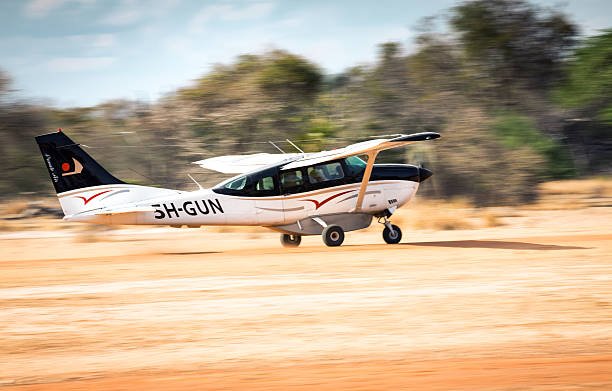
6-Day Nyerere And Mikumi Southern Tanzania Safari With Top Guide Adventures
This 6-day safari adventure takes you through Southern Tanzania's Nyerere National Park (formerly Selous) and Mikumi National Park. Expect incredible wildlife viewing, unique activities...
View package details
5-Day Selous, Mikumi & Udzungwa Safari: Your Ultimate Southern Tanzania
Plan your 5-day safari adventure covering Selous, Mikumi, and Udzungwa National Parks in Southern Tanzania. This itinerary offers a rich blend of game drives, walking safaris, and unique...
View package detailsNo related package matches those filters. Clear one or more filters to see the other topic-matched options.
Plan your 4-Day Photography & Drone Workshop Safari Permit Assistance with Top Guide Adventures
Tell us your travel dates, group size, comfort level, and dream experience. We will help you shape a clear, realistic, and memorable Tanzania itinerary.



