
Updated planning guide for 2026-2027
4-Day Lamu Cultural Stay & Swahili Cooking Lessons: Complete Guide 2026-2027
A comprehensive guide to a 4-day cultural immersion and Swahili cooking experience in Lamu, Kenya. Includes planning advice, itinerary ideas, what to expect, and booking information for 2026-2027.
WhatsApp +255616946642 | topguideadventures@gmail.com | info@topguideadventures.com

Lamu Island, a UNESCO World Heritage site, offers a rare glimpse into a preserved Swahili culture. For travelers seeking an authentic experience beyond typical beach holidays, a 4-day Lamu cultural stay and Swahili cooking lessons presents a unique opportunity. This journey connects you with the island’s rich history, vibrant traditions, and distinctive culinary heritage. Imagine days spent navigating narrow alleyways by foot or donkey, evenings filled with the aroma of spices, and the satisfaction of learning to prepare authentic Swahili dishes. This guide is designed to help you plan and make the most of your 4-day adventure in Lamu, covering everything from itinerary suggestions to practical preparation for your trip in 2026-2027.
| Duration | 4 Days / 3 Nights |
| Location | Lamu Island, Kenya (Lamu Old Town) |
| Primary Activities | Cultural exploration, Swahili cooking classes, local market visits, dhow sailing, historical site visits, interacting with locals. |
| Best Time to Visit | Dry seasons: June to October, December to March. Avoids heavy rains. |
| Travel Style | Immersive, cultural, relaxed, hands-on. |
| Accommodation | Guesthouses, boutique hotels, private villas within Lamu Old Town or nearby. |
| Getting There | Fly to Manda Airport (MNDA), then take a boat to Lamu Island. |
Table of Contents
- Lamu Island: A Living Museum
- Why Choose a Cultural Stay with Cooking Lessons?
- Best Time for Your 4-Day Lamu Trip (2026-2027)
- Getting to Lamu Island
- Sample 4-Day Lamu Cultural Stay & Swahili Cooking Itinerary
- What to Expect During Your Stay
- Deep Dive: Swahili Cooking Lessons
- Beyond the Kitchen: Lamu’s Cultural Highlights
- Accommodation in Lamu
- Packing for Lamu: What to Bring
- Pre-Trip Preparation
- Common Mistakes to Avoid
- Who is This Trip Best Suited For?
- Alternatives to a Lamu Cultural Stay
- Planning Your 2026-2027 Lamu Trip
- Booking Your Lamu Experience
- Frequently Asked Questions
Lamu Island: A Living Museum
Lamu Old Town is one of the oldest and best-preserved Swahili settlements in East Africa. Established around the 9th century, it has retained its unique architectural style and traditional way of life. The narrow streets, designed for pedestrians and donkeys (the primary mode of transport), are a world away from modern bustling cities. Life moves at a slower pace here, dictated by the tides and the call to prayer. The island’s culture is a fascinating blend of Arab, Persian, Indian, and European influences, all woven into a distinct Swahili identity. This cultural richness is palpable, from the intricate carvings on wooden doors to the melodic sounds of the Swahili language and the fragrant spices used in its cuisine.
Why Choose a Cultural Stay with Cooking Lessons?
A 4-day Lamu cultural stay and Swahili cooking lessons offers a deeply engaging travel experience. It moves beyond passive sightseeing to active participation. You don’t just see Lamu; you taste it, smell it, and learn its rhythms. This type of trip is ideal for those who:
- Seek authentic cultural immersion.
- Are passionate about food and learning new cuisines.
- Appreciate historical and architectural heritage.
- Prefer a slower, more contemplative travel pace.
- Want to connect with local communities and traditions.
The cooking lessons are a focal point, providing a delicious and interactive way to understand the island’s history and daily life. Many recipes have been passed down through generations, using local ingredients and techniques that reflect the island’s diverse influences.
Best Time for Your 4-Day Lamu Trip (2026-2027)
Timing is crucial for enjoying Lamu’s unique atmosphere. The island experiences a tropical climate with distinct wet and dry seasons. For a comfortable 4-day Lamu cultural stay and Swahili cooking lessons, the dry seasons are generally preferred.
| Dry Season 1: June – October | Pleasant temperatures, low humidity, minimal rain. Ideal for exploring the town and enjoying outdoor activities like dhow sailing. This is a popular period for visitors in 2026 and 2027. |
| Short Rains: November | Brief, intermittent showers. Can be a good time for fewer crowds, but some activities might be affected. |
| Dry Season 2: December – March | Warm to hot temperatures, low humidity. Excellent for most activities. December and January are peak holiday times. |
| Long Rains: April – May | Heavy rainfall, high humidity. Less ideal for travel, as some boat services might be disrupted and the heat can be intense between showers. |
For your 2026-2027 trip, aim for the dry periods. The shoulder months (e.g., late May, early November) can offer a good balance of decent weather and fewer tourists, potentially making your cultural experience more intimate.
Getting to Lamu Island
Reaching Lamu is part of the adventure. It requires a combination of flight and boat transfer.
- Fly to Manda Airport (MNDA): Most international travelers arrive at Jomo Kenyatta International Airport (NBO) in Nairobi or Moi International Airport (MIA) in Mombasa. From there, you’ll take a domestic flight to Manda Airport (MNDA), which serves Lamu. Several Kenyan airlines operate this route. Booking flights in advance is recommended, especially for peak seasons in 2026-2027.
- Boat Transfer to Lamu Island: Manda Airport is located on Manda Island, across a narrow channel from Lamu Island. Upon arrival at Manda, you will be met by boat operators. A short, scenic boat ride (typically 10-15 minutes) will take you to the main jetty in Lamu Town. This is where your cultural immersion truly begins.
Ensure your accommodation provider or tour operator arranges your boat transfer from Manda Airport, as this is a common service and helps ensure a smooth arrival. Confirm the meeting point and boat details beforehand.
Sample 4-Day Lamu Cultural Stay & Swahili Cooking Itinerary
This itinerary provides a framework for a rich 4-day Lamu cultural stay and Swahili cooking lessons. It balances structured learning with opportunities for spontaneous exploration. Adjustments can be made based on your interests and the availability of local guides and instructors.
| Day | Morning | Afternoon | Evening |
|---|---|---|---|
| Day 1: Arrival & Introduction to Lamu | Arrive at Manda Airport (MNDA), boat transfer to Lamu Island. Check into your accommodation. Short orientation walk through Lamu Old Town to get acquainted with the layout, narrow streets, and donkey traffic. | Visit the Lamu Museum to understand the island’s history and Swahili culture. Explore the bustling Lamu market to see local produce and crafts. Briefing with your local guide or host about the upcoming days. | Welcome dinner featuring simple, local Swahili dishes. Relax and soak in the atmosphere of the old town at night. |
| Day 2: Culinary Foundations & Old Town Charm | Swahili Cooking Lesson Part 1: Spices & Staples. Visit a local spice shop or market with your instructor to learn about key Swahili spices. Prepare a simple starter and a main dish, focusing on foundational techniques. Enjoy the meal you prepared for lunch. | Explore the historic Lamu Fort and learn about its significance. Wander through the quieter residential areas, observing the unique architecture and daily life. Optional: Visit the Donkey Sanctuary to learn about the island’s essential transport. | Dinner at a local restaurant specializing in seafood, or prepare another Swahili dish at your accommodation if arranged. Enjoy a quiet evening, perhaps with a traditional Swahili coffee or tea. |
| Day 3: Dhow Sailing, Coastal Flavors & Island Rhythms | Swahili Cooking Lesson Part 2: Desserts & Breads. Learn to prepare a traditional Swahili dessert and a type of local bread or flatbread. Enjoy your creations for lunch. | Take a scenic sunset dhow cruise along the coast. This offers a different perspective of Lamu and the surrounding islands. Enjoy the tranquility of the Indian Ocean. | Farewell dinner. This could be a more elaborate meal you’ve learned to cook, or a special dinner at a renowned local eatery, perhaps with live Taarab music if available. |
| Day 4: Final Exploration & Departure | Morning visit to Shela Village, a charming coastal village south of Lamu Town, known for its beautiful beach and dunes. Enjoy a final walk through Lamu Old Town for last-minute souvenir shopping or to revisit a favorite spot. | Enjoy a final Swahili brunch or lunch. Transfer back to Manda Airport (MNDA) for your onward flight. | Departure. |
What to Expect During Your Stay
A 4-day Lamu cultural stay and Swahili cooking lessons is an experience that engages multiple senses. Here’s what you can anticipate:
- Slow Pace of Life: Lamu operates on its own time. Expect a relaxed atmosphere where things happen gradually. Patience is key.
- Walking and Donkeys: The island is car-free. You’ll do a lot of walking. Donkeys are the primary mode of transport for goods and people. You might hear them frequently.
- Authentic Cuisine: Swahili food is a delightful mix of flavors, often featuring coconut milk, tamarind, cardamom, cloves, and cinnamon. Expect dishes like Pilau (spiced rice), Biryani, fish curries, and various seafood preparations.
- Cultural Sensitivity: Lamu is a conservative Muslim community. Dress modestly, especially when exploring the town. Shoulders and knees should be covered. Be respectful of prayer times and local customs.
- Warm Hospitality: Lamu residents are known for their friendliness. Engaging with locals, with respect, can enrich your experience.
- Simple but Charming Accommodation: Many accommodations are in historic buildings, offering character and a sense of place rather than modern luxury. Expect traditional furnishings and open courtyards.
- Connectivity: Internet and mobile phone service can be spotty. Embrace the opportunity to disconnect.
Deep Dive: Swahili Cooking Lessons
The Swahili cooking lessons are the heart of this particular Lamu experience. A well-structured lesson will typically involve:
- Market Visit: Your instructor might take you to the local market to select fresh ingredients, explaining the different types of produce, spices, and seafood available. This is a great way to learn about local ingredients and their uses.
- Spice Education: Understanding the role of spices in Swahili cuisine is vital. You’ll learn about common spices like cardamom, cinnamon, cloves, cumin, coriander, turmeric, and chili, and how they are combined to create unique flavor profiles.
- Hands-On Preparation: You’ll be guided through preparing several dishes from scratch. This typically includes a main course (like a fish curry or chicken pilau), a side dish (such as chapati or kachumbari – a fresh tomato and onion salad), and a dessert (often a coconut-based sweet or fruit dish).
- Learning Techniques: You’ll pick up techniques specific to Swahili cooking, such as slow simmering, using coconut milk effectively, and balancing flavors.
- Enjoying Your Creations: The best part is savoring the meal you’ve helped prepare, often served with local bread or rice.
The duration and focus of the lessons can vary. Some may be a single session, while others might be spread over two days as in the sample itinerary, allowing for a deeper dive into different types of dishes. Ensure your chosen package clearly outlines what will be covered.
Beyond the Kitchen: Lamu’s Cultural Highlights
While cooking is central, a 4-day Lamu cultural stay and Swahili cooking lessons should also encompass the island’s other cultural treasures:
- Lamu Old Town Exploration: Simply wandering the labyrinthine streets is an experience. Admire the coral stone buildings, carved wooden doors, and ornate balconies.
- Lamu Museum: Housed in a former hospital, it provides an excellent overview of Lamu’s history, culture, and traditions, including displays on dhow building, traditional dress, and Swahili furniture.
- Lamu Fort: This imposing structure at the heart of town offers panoramic views and insights into the island’s past, having served various roles from a defensive fort to a custom house.
- Dhow Sailing: A traditional wooden sailing vessel, the dhow is iconic to the coast. A sunset cruise is a must-do, offering stunning views and a peaceful experience.
- Shela Village: A short walk or donkey ride from Lamu Town, Shela is known for its beautiful beach, sand dunes, and the imposing Impala eco-house. It’s a more laid-back atmosphere.
- Local Interactions: Engage respectfully with the locals. Visit a coffee shop, observe daily life, and perhaps learn a few Swahili phrases.
- Architecture: Pay attention to the unique Swahili architecture, characterized by thick coral walls, mangrove poles, and intricate plasterwork.
Accommodation in Lamu
Lamu offers a range of accommodation that reflects its unique character. For a cultural stay, choosing a place within or very close to Lamu Old Town enhances the experience.
- Guesthouses: Many are located in beautifully restored historic Swahili houses, offering a cozy and authentic atmosphere. They often have internal courtyards and rooftop terraces.
- Boutique Hotels: These offer more amenities while retaining the island’s charm. They can range from small, intimate properties to slightly larger establishments.
- Private Villas: For groups or those seeking more privacy, renting a villa can be an excellent option. Many come with staff, including cooks, which can complement your cooking lesson experience.
When booking, consider proximity to the cooking class venue and town attractions. Many places do not have elevators, so if mobility is an issue, inquire about ground-floor rooms. For 2026-2027, booking well in advance is advised, especially for popular boutique hotels.
Packing for Lamu: What to Bring
Packing light and appropriately is important for navigating Lamu comfortably.
- Lightweight, Modest Clothing: Cotton or linen fabrics are best. Pack long skirts, loose trousers, t-shirts, and tops that cover shoulders. Avoid overly revealing clothing.
- Scarf/Sarong: Useful for covering up when needed, for sun protection, or as a beach wrap.
- Comfortable Walking Shoes: You’ll be doing a lot of walking on uneven surfaces. Sandals or comfortable closed-toe shoes are recommended.
- Swimsuit: For swimming in the ocean or at your accommodation if it has a pool.
- Sun Protection: Sunscreen, a wide-brimmed hat, and sunglasses are essential.
- Insect Repellent: Especially for evenings.
- Basic First-Aid Kit: Including any personal medications.
- Camera: To capture the unique scenery and culture.
- Power Bank: As electricity can sometimes be intermittent.
- Cash: While some places accept cards, smaller vendors and local transport often require cash (Kenyan Shillings). ATMs are available but can be unreliable.
- Reusable Water Bottle: To reduce plastic waste.
Pre-Trip Preparation
To ensure your 4-day Lamu cultural stay and Swahili cooking lessons go smoothly, consider these preparation steps:
- Book in Advance: Especially for accommodation, flights to Manda, and the cooking class package. Popular options get booked up, particularly for 2026-2027 travel dates.
- Visa Requirements: Check if you need a visa for Kenya based on your nationality. This can often be obtained online in advance.
- Vaccinations and Health: Consult your doctor or a travel clinic regarding recommended vaccinations (e.g., Yellow Fever) and malaria prophylaxis.
- Travel Insurance: Essential for any international trip, covering medical emergencies, trip cancellations, and lost luggage.
- Currency: Familiarize yourself with the Kenyan Shilling (KES). Inform your bank about your travel dates to avoid card issues.
- Learn Basic Swahili Phrases: A few words like ‘Jambo’ (Hello), ‘Asante’ (Thank you), and ‘Karibu’ (Welcome) are appreciated.
- Research Local Customs: Understanding basic etiquette will help you interact more respectfully.
Common Mistakes to Avoid
To maximize your enjoyment of a 4-day Lamu cultural stay and Swahili cooking lessons, be aware of these potential pitfalls:
- Not Dressing Modestly: Lamu is conservative. Inappropriate dress can lead to unwanted attention or disrespect local customs.
- Expecting Western Standards: While Lamu has guesthouses and hotels, don’t expect the same level of infrastructure or constant Wi-Fi as in major cities. Embrace the simplicity.
- Rushing the Experience: Lamu’s charm lies in its slow pace. Trying to cram too much in will detract from the immersion.
- Ignoring Local Etiquette: Be mindful of prayer times, asking permission before taking photos of people, and general respectful behavior.
- Not Booking in Advance: Especially for unique experiences like cooking classes or sought-after accommodation, last-minute bookings can be difficult.
- Overpacking: Luggage handling on boats and navigating narrow streets is easier with less.
- Dehydration: The tropical climate can be dehydrating. Drink plenty of bottled or purified water.
Who is This Trip Best Suited For?
This type of trip is ideal for a specific kind of traveler:
- Culture Enthusiasts: Those who love to understand and engage with local traditions, history, and heritage.
- Food Lovers: Individuals passionate about exploring new cuisines through hands-on learning.
- Slow Travelers: People who prefer a relaxed pace, appreciate authentic experiences over ticking off sights, and enjoy soaking in an atmosphere.
- History Buffs: Anyone fascinated by ancient trade routes, Swahili architecture, and centuries-old settlements.
- Couples and Solo Travelers: The intimate nature of Lamu and its activities makes it suitable for couples seeking a unique getaway or solo travelers looking for an enriching cultural experience.
- Those Seeking Digital Detox: The limited connectivity can be a significant draw for those wanting to disconnect from the digital world.
It might be less suitable for travelers expecting a bustling nightlife, extensive shopping, or a fast-paced itinerary.
Alternatives to a Lamu Cultural Stay
While Lamu offers a singular experience, similar cultural immersion and culinary exploration can be found elsewhere in Tanzania and Kenya, or with different focuses:
- Zanzibar, Tanzania: Stone Town, another UNESCO World Heritage site, offers a rich Swahili cultural experience with spice tours and cooking classes. It’s more developed and accessible than Lamu, with a wider range of accommodation and activities.
- Bagamoyo, Tanzania: A historic coastal town with significant historical and cultural sites, offering a more rustic and less touristy cultural exploration.
- Coastal Kenya (Mombasa/Diani): While less preserved than Lamu, exploring the historic Fort Jesus in Mombasa or taking a Swahili cooking class in Diani can offer glimpses into the coastal culture.
- Kilimanjaro Trekking (Tanzania): For a different kind of immersive experience, trekking Kilimanjaro offers physical challenge and cultural interaction with guides and porters.
- Safari in Tanzania/Kenya: For wildlife enthusiasts, a safari is the ultimate immersive experience in nature, offering a different kind of deep engagement with the region.
Each alternative offers its own unique appeal, but the specific blend of history, architecture, and unhurried life found on Lamu is hard to replicate.
Planning Your 2026-2027 Lamu Trip
Planning ahead is key to a successful 4-day Lamu cultural stay and Swahili cooking lessons, especially for trips in the upcoming years 2026 and 2027. Consider these planning points:
- Define Your Priorities: Are you primarily focused on cooking, history, relaxation, or a mix? This will help you choose the right package and accommodation.
- Booking Window: For 2026-2027, start researching and booking 6-12 months in advance, particularly if traveling during peak seasons (Christmas/New Year, July-August).
- Budget Considerations: While exact prices vary, factor in flights (international and domestic), accommodation, the cooking class/cultural package, meals not included, transfers, and personal expenses.
- Flexibility: While having a plan is good, be open to spontaneous moments and local recommendations.
- Local Guides: Hiring a local guide for a day or two can significantly enhance your understanding of Lamu’s history and culture.
- Health and Safety: Ensure all health precautions are taken and you have comprehensive travel insurance covering your activities.
Booking Your Lamu Experience
When booking your 4-day Lamu cultural stay and Swahili cooking lessons, partnering with a reputable tour operator is highly recommended. They can assist with coordinating flights, accommodation, transfers, and the core cultural and culinary activities.
What to look for in a booking partner:
- Local Expertise: A company with deep knowledge of Lamu and its offerings.
- Customization Options: The ability to tailor the itinerary to your interests.
- Clear Inclusions/Exclusions: Understand exactly what your package covers (meals, activities, guides, transfers).
- Reputation and Reviews: Look for testimonials or reviews from past travelers.
- Responsive Communication: Prompt and clear answers to your queries.
For a personalized and well-organized 4-day Lamu cultural stay and Swahili cooking lessons, consider contacting us. We specialize in creating unique Tanzanian and East African travel experiences, including dedicated cultural immersions like this one. We can help arrange all aspects of your trip for 2026 or 2027.
Contact Us:
WhatsApp: +255616946642
Email: topguideadventures@gmail.com
Backup Email: info@topguideadventures.com
Frequently Asked Questions
- What is the best way to get to Lamu Island for my 4-day cultural stay?
- The most common way is to fly from Nairobi (NBO) or Mombasa (MIA) to Manda Airport (MNDA) on Lamu’s neighboring island. From Manda, a short boat ride takes you to Lamu Island. Ensure your transfer from Manda Airport is arranged in advance.
- Is Lamu suitable for solo travelers interested in cultural immersion?
- Absolutely. Lamu is generally safe and welcoming, and a 4-day Lamu cultural stay and Swahili cooking lessons is an excellent way for solo travelers to engage deeply with the local culture and cuisine in a structured yet relaxed environment.
- What kind of food can I expect to learn in the Swahili cooking lessons?
- You can expect to learn traditional Swahili dishes, which are a fusion of African, Arab, and Indian influences. Common dishes include pilau (spiced rice), biryani, fish or chicken curries, samosas, chapati (flatbread), and various desserts often featuring coconut and fruit.
- Do I need to be an experienced cook to participate in the lessons?
- No, the lessons are designed for all skill levels, from beginners to those with some cooking experience. The focus is on learning authentic techniques and recipes in a hands-on, supportive environment.
- What is the dress code in Lamu?
- Lamu is a conservative Muslim island. It’s important to dress modestly out of respect for local customs. This means covering your shoulders and knees when walking around town. Lightweight, loose-fitting clothing is ideal. A scarf or sarong is also useful.
- Are there ATMs and card payment facilities on Lamu Island?
- There are a few ATMs in Lamu Town, but they can be unreliable. It’s best to carry sufficient cash in Kenyan Shillings. Some larger hotels and restaurants may accept credit cards, but smaller shops and local transport will require cash.
- What are the main cultural differences I should be aware of for my 2026-2027 trip?
- Respect for elders, modest dress, and an understanding of Islamic customs are important. Greetings are usually warm, but avoid overly familiar physical contact with the opposite sex unless initiated. Ask permission before taking photos of people.
- How much walking is involved in a 4-day Lamu cultural stay?
- Expect a significant amount of walking. Lamu Old Town has narrow, car-free streets. You’ll be walking to explore the town, visit markets, and get to your accommodation. Comfortable footwear is essential.
- Can I extend my stay in Lamu beyond 4 days?
- Yes, many travelers choose to extend their stay. You could add days for more relaxation, exploring neighboring islands like Manda or Pate, or simply enjoying the unhurried pace of Lamu. Discuss extension options when booking.
- Is it possible to arrange a 4-day Lamu cultural stay and Swahili cooking lessons for specific dates in 2027?
- Yes, booking well in advance is highly recommended for specific dates in 2027. Contacting a tour operator like ours early will help secure your preferred accommodation, cooking class slots, and flights.
A 4-day Lamu cultural stay and Swahili cooking lessons offers a rich, authentic, and memorable journey into the heart of Swahili heritage. It’s an experience that nourishes the soul and the palate, leaving you with a deeper appreciation for this unique island destination. Whether planning for 2026 or 2027, this trip promises a distinct adventure.
Ready to plan your unique 4-day Lamu cultural stay and Swahili cooking lessons? Contact us today to craft your perfect itinerary and ensure a truly immersive experience. We handle all the details so you can focus on the joy of discovery and culinary creation.
Get in touch:
WhatsApp: +255616946642
Email: topguideadventures@gmail.com
Backup Email: info@topguideadventures.com

How Much Should I Tip My Safari Guide In Tanzania? Your 2026-2027
Understand the tipping culture for safari guides and staff in Tanzania. This guide provides clear, actionable recommendations for tipping your safari crew in 2026-2027, covering guides...
View package details
7 Days In Tanzania: Your Expertly Planned Safari Itinerary For 2026-2027
Discover a perfectly crafted 7-day Tanzania safari itinerary for 2026-2027, designed to maximize wildlife viewing and cultural experiences in the Serengeti and Ngorongoro Crater.
View package details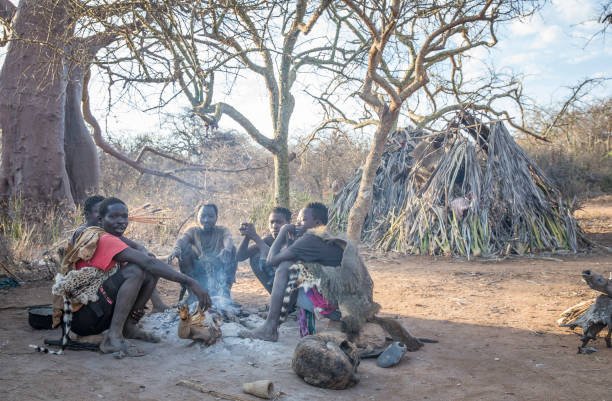
Hadzabe Chaba Lifestyle And His Wife From Arusha 2027-2028
Discover the authentic Hadzabe Chaba lifestyle and the role of their wives, with insights from Top Guide Adventures. Understand their unique hunter-gatherer culture, traditions, and daily...
View package detailsHadzabe Tribe Day Trip Cost From Moshi/Zanzibar 2026-2027
Hadzabe tribe Day trip cost from Moshi/Zanzibar is explained with current 2026-2027 planning, price, itinerary and booking information.
View package detailsHadzabe Tribe Day Trip Cost: 1 Day Tour Price 2026-2027
Planning a day trip to experience the authentic culture of the Hadzabe tribe? This guide breaks down the expected costs for 2026-2027, detailing what influences the price and what you can...
View package details
10-Day Southern Tanzania Safari And Zanzibar Package 2026-2027
Discover the ultimate 10-day Southern Tanzania safari and Zanzibar package, combining the wild heart of Africa with the tropical allure of the Spice Island. This itinerary offers an...
View package detailsNo related package matches those filters. Clear one or more filters to see the other topic-matched options.
Plan your 4-Day Lamu Cultural Stay & Swahili Cooking Lessons with Top Guide Adventures
Tell us your travel dates, group size, comfort level, and dream experience. We will help you shape a clear, realistic, and memorable Tanzania itinerary.



