
Updated planning guide for 2026-2027
3-Day Solo Traveler Small-Group Intro Safari: Best Guide 2026-2027
Discover the magic of Tanzania on a 3-day solo traveler small-group intro safari. This comprehensive guide provides all you need to know for an unforgettable adventure in 2026-2027, from planning and packing to choosing the right tour.
WhatsApp +255616946642 | topguideadventures@gmail.com | info@topguideadventures.com
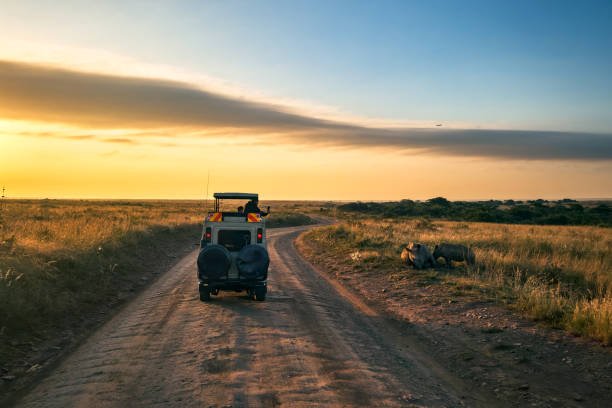
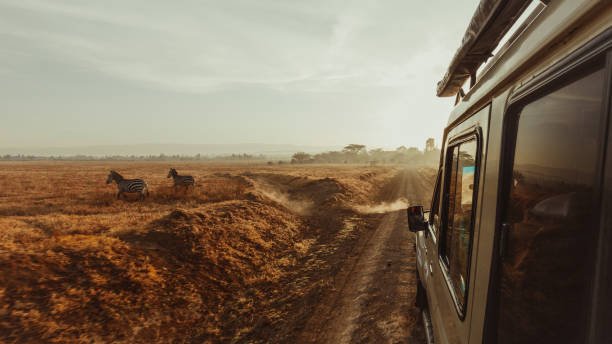
Your Essential Guide to a 3-Day Solo Traveler Small-Group Intro Safari in Tanzania
Considering a safari adventure but feeling overwhelmed by the options, especially as a solo traveler? A 3-day solo traveler small-group intro safari offers the perfect balance of adventure, companionship, and affordability. This focused itinerary is designed for those new to the safari experience, providing a concentrated taste of Tanzania’s incredible wildlife and landscapes without requiring an extensive time commitment. It’s an ideal way for solo travelers to experience the magic of the African bush in a safe, social, and expertly guided environment. This guide will walk you through everything you need to know to plan your unforgettable 3-day journey in 2026-2027.
Quick Facts: 3-Day Solo Traveler Small-Group Intro Safari
| Duration | 3 Days / 2 Nights |
| Focus | Wildlife viewing, introductory safari experience |
| Best For | Solo travelers, first-time safari-goers, budget-conscious travelers, those with limited time |
| Typical Locations | Northern Tanzania circuit (e.g., Tarangire, Lake Manyara, Ngorongoro Crater rim) |
| Accommodation | Mix of comfortable lodges and tented camps (often shared facilities in budget options, private in mid-range/luxury) |
| Group Size | Typically 4-7 travelers (ensures personalized attention and easier logistics) |
| Pace | Active with early mornings for game drives |
| Key Activities | Game drives (morning and afternoon), wildlife spotting, bird watching, scenic drives |
Table of Contents
- Why Choose a 3-Day Solo Traveler Small-Group Intro Safari?
- Who is This Safari Best Suited For?
- Typical Locations for a 3-Day Intro Safari
- Sample 3-Day Solo Traveler Small-Group Intro Safari Itinerary
- What to Expect on Your Safari
- Best Time to Go: Seasonality for Your Safari
- Packing Essentials for Your Safari Adventure
- Pre-Safari Preparation Tips
- Common Mistakes to Avoid
- Alternatives to a 3-Day Intro Safari
- Planning Your 2026-2027 Safari
- Booking Your Safari: Expert Advice
- Frequently Asked Questions
Why Choose a 3-Day Solo Traveler Small-Group Intro Safari?
For many, the idea of a safari conjures images of vast plains, magnificent animals, and the thrill of the wild. However, planning a safari, especially as a solo traveler, can seem daunting. This is where the 3-day solo traveler small-group intro safari shines. It’s meticulously crafted to offer an accessible and engaging introduction to Tanzania’s iconic wildlife and landscapes, catering specifically to individuals who are traveling alone and are new to safari experiences.
Companionship and Safety: Traveling solo doesn’t mean you have to be alone. Small groups provide immediate camaraderie with like-minded individuals. Sharing experiences, spotting wildlife, and enjoying meals together creates a social atmosphere that enhances the trip. Furthermore, traveling with a group under the guidance of experienced local guides significantly boosts safety and security. You benefit from their expertise in navigating the parks, understanding animal behavior, and handling any unforeseen situations.
Cost-Effectiveness: Solo travel often comes with a single supplement cost when booking private tours. Small-group tours, by their nature, distribute these costs among multiple travelers. This makes a 3-day solo traveler small-group intro safari a more budget-friendly option, allowing you to experience Tanzania’s wonders without breaking the bank. This is particularly attractive for those on a tighter budget or looking to save for future travels.
Focused Experience: A 3-day itinerary is designed for maximum impact in a short period. It typically focuses on one or two key areas known for abundant wildlife, ensuring you see a significant variety of animals and experience the quintessential safari feel. This concentrated approach is perfect for those with limited vacation time or who want a taste of safari before committing to a longer trip.
Expert Guidance: Local tour operators specializing in Tanzanian safaris, like Best Tanzania Tour Operator, ensure that your 3-day solo traveler small-group intro safari is led by knowledgeable guides. These guides are not only skilled drivers and trackers but also possess deep insights into the local ecosystems, animal behavior, and cultural nuances. Their expertise enriches your understanding and appreciation of the environment, making the experience far more rewarding.
Who is This Safari Best Suited For?
The 3-day solo traveler small-group intro safari is a versatile option, but it particularly appeals to specific types of travelers:
- The First-Time Safari Goer: If you’ve never been on a safari before, this short, focused trip is the perfect introduction. It allows you to experience the core elements of a safari – game drives, wildlife spotting, and staying in unique accommodations – without the commitment of a longer expedition.
- The Solo Adventurer: For individuals traveling alone, this option provides a safe, structured, and social way to explore. You’ll have the company of other travelers and the security of expert guides, alleviating concerns about traveling solo in a new environment.
- The Time-Crunched Traveler: With busy schedules, many people have limited vacation days. A 3-day safari is ideal for fitting a significant travel experience into a short break, perhaps as part of a longer trip to Tanzania or as a standalone adventure.
- The Budget-Conscious Explorer: By sharing costs with a group, this safari is a more economical choice than a private tour. It offers excellent value, allowing you to see incredible wildlife and landscapes without excessive expenditure.
- The Curious Explorer: Even if you’ve traveled extensively, a short safari can be a fascinating way to experience a new continent and its unique natural wonders. It’s a chance to see iconic African wildlife in its natural habitat.
Typical Locations for a 3-Day Intro Safari
Given the short duration, a 3-day solo traveler small-group intro safari typically focuses on the parks within the Northern Tanzania safari circuit, closest to Arusha, which serves as the main gateway for most safaris. This concentration allows for more time observing wildlife and less time in transit.
Northern Tanzania Safari Circuit Overview (3-Day Focus)
Arusha (Start/End Point) – Gateway city, briefing point.
Tarangire National Park – Known for its large elephant herds, baobab trees, and diverse birdlife. Often visited on Day 1 or 2.
Lake Manyara National Park – Famous for its tree-climbing lions, large baboon troops, and diverse bird species, set against the backdrop of the Rift Valley escarpment.
Ngorongoro Conservation Area – Home to the iconic Ngorongoro Crater, a UNESCO World Heritage Site. Offers a high density of wildlife, including the Big Five, within a relatively small area. Game drives are typically on the crater floor. The crater rim offers stunning views.
A common route might involve visiting Tarangire for its elephants and unique landscapes, then heading to Lake Manyara for its variety of animals and scenic beauty, and finally descending into the Ngorongoro Crater for an intense wildlife viewing experience. Some tours might opt for a combination of these, or focus more deeply on one or two areas depending on the operator and the specific itinerary.
Sample 3-Day Solo Traveler Small-Group Intro Safari Itinerary
This sample itinerary is designed to maximize wildlife viewing opportunities within a short timeframe, perfect for a 3-day solo traveler small-group intro safari. It assumes arrival in Arusha the day before Day 1.
Day 1: Arusha to Tarangire National Park – The Land of Giants
- Morning: After breakfast at your Arusha hotel, meet your guide and fellow group members for a safari briefing. Depart for Tarangire National Park (approx. 2-3 hours drive).
- Late Morning/Afternoon: Enter Tarangire and begin your first game drive. This park is famous for its massive elephant herds, particularly during the dry season (June-October), and its iconic baobab trees. Look for lions, leopards, zebras, wildebeest, giraffes, and a rich variety of birdlife.
- Lunch: Enjoy a picnic lunch at a designated scenic spot within the park.
- Late Afternoon: Continue your game drive, exploring different areas of the park.
- Evening: Depart Tarangire and drive to your accommodation near the park or in a nearby town. Check in, have dinner, and relax.
- Accommodation: Mid-range lodge or tented camp.
Day 2: Lake Manyara National Park & Ngorongoro Crater Rim
- Morning: After breakfast, drive to Lake Manyara National Park (approx. 1-2 hours). This park offers a diverse range of habitats, from groundwater forests to acacia woodlands and the lake itself.
- Late Morning: Game drive in Lake Manyara. Keep an eye out for the park’s famous tree-climbing lions, large troops of baboons, elephants, zebras, wildebeest, and numerous bird species. The scenic backdrop of the Great Rift Valley escarpment adds to the beauty.
- Lunch: Enjoy lunch at a lodge or picnic site.
- Afternoon: Depart Lake Manyara and drive towards the Ngorongoro Conservation Area (approx. 1-1.5 hours). Ascend to the Ngorongoro Crater rim.
- Evening: Check into your lodge or tented camp situated on the crater rim, offering breathtaking views. Enjoy dinner and the cool mountain air.
- Accommodation: Lodge or tented camp on the Ngorongoro Crater rim.
Day 3: Ngorongoro Crater Descent & Departure
- Morning: After an early breakfast, descend into the Ngorongoro Crater (approx. 600m drop). This UNESCO World Heritage Site is a natural amphitheater teeming with wildlife.
- Morning/Midday: Spend the morning on a game drive on the crater floor. The Ngorongoro Crater boasts an exceptionally high density of predators, including lions, hyenas, jackals, and cheetahs. You have a good chance of spotting the Big Five (lion, elephant, buffalo, rhino, leopard) in a single day. You’ll also see hippos, zebras, wildebeest, and a vast array of birds.
- Lunch: Enjoy a picnic lunch at a designated spot on the crater floor, often near a hippo pool.
- Afternoon: Ascend from the crater and begin your drive back to Arusha (approx. 3-4 hours). You’ll have opportunities for souvenir shopping if time permits.
- Evening: Arrive back in Arusha and be transferred to your hotel or the airport for your onward journey.
What to Expect on Your Safari
A 3-day solo traveler small-group intro safari is designed to be an immersive yet manageable experience. Here’s a breakdown of what you can anticipate:
- Early Mornings: To make the most of wildlife viewing, expect early starts. The best game viewing often occurs in the cooler hours of the early morning and late afternoon when animals are most active.
- Game Drives: You’ll spend significant time in a specially adapted 4×4 safari vehicle with a pop-up roof. Your guide will drive you through the parks, stopping for wildlife sightings and explaining animal behavior and the ecosystem.
- Wildlife Sightings: While every safari is different, these popular parks offer high chances of seeing a variety of animals. Patience is key; sometimes you might wait for a sighting, other times animals will appear unexpectedly.
- Accommodation: Options range from comfortable tented camps (often with en-suite bathrooms and proper beds) to lodges. In small-group tours, you might share facilities in budget options, but mid-range and higher typically offer private amenities. Expect rustic charm and proximity to nature.
- Meals: Meals are usually provided, often consisting of buffet-style breakfasts, picnic lunches, and sit-down dinners at lodges or camps. The food is generally hearty and satisfying, catering to various tastes.
- Group Dynamics: You’ll be sharing the vehicle and experiences with a small group of fellow travelers. Be open to meeting new people and respecting everyone’s preferences for wildlife viewing and photography.
- Guide Interaction: Your guide is your primary source of information and assistance. They are knowledgeable about the wildlife, flora, and local culture. Engage with them, ask questions, and follow their advice for a richer experience.
Best Time to Go: Seasonality for Your Safari
Tanzania’s climate is generally pleasant year-round, but seasonality can affect wildlife viewing and crowds. For a 3-day solo traveler small-group intro safari, here’s a general guide:
- Dry Season (June to October): This is considered the peak season. Wildlife tends to congregate around permanent water sources, making them easier to spot. The vegetation is less dense, improving visibility. Skies are generally clear, offering excellent photographic conditions. It’s also the time of the Great Migration in the Serengeti (though not typically included in a 3-day intro safari). This period can be busier and slightly more expensive.
- Short Rains (November): A brief period of rain, often in the afternoons. Wildlife disperses slightly as temporary water sources appear, but it’s still a good time for viewing. Fewer crowds and potentially lower prices.
- Long Rains (March to May): This is the low season. Expect significant rainfall, which can make some roads difficult to access and impact game viewing. However, it’s also the green season, with lush landscapes and abundant baby animals. This period offers the lowest prices and fewest tourists, which can be appealing for some.
- Shoulder Seasons (Late October/November and February/March): These periods can offer a good balance of decent weather, good wildlife viewing, and fewer crowds than the peak dry season.
For a 3-day intro safari, the dry season (June-October) is often recommended for the best and most consistent wildlife sightings. However, the shoulder seasons can provide excellent value and a more intimate experience.
Packing Essentials for Your Safari Adventure
Packing light and smart is crucial for a safari. Focus on neutral, comfortable clothing. Remember, luggage space in safari vehicles can be limited, especially for small groups.
Safari Packing List:
- Clothing:
- Lightweight, breathable long-sleeved shirts (neutral colors: khaki, beige, olive green) – protects from sun and insects.
- T-shirts and casual tops.
- Comfortable trousers or cargo pants (zip-off legs are practical).
- Shorts (for warmer days, but long pants are often preferred for sun/bug protection).
- A fleece jacket or warm sweater for cool mornings and evenings.
- A light waterproof and windproof jacket.
- Pajamas.
- Underwear and socks.
- Footwear:
- Comfortable walking shoes or hiking boots (broken in).
- Sandals or flip-flops for relaxing at the lodge/camp.
- Accessories:
- Wide-brimmed hat or cap for sun protection.
- Sunglasses.
- Scarf or bandana (useful for dust and sun).
- Reusable water bottle.
- Small backpack or daypack for carrying essentials during game drives (water, camera, snacks, sunscreen).
- Health & Toiletries:
- Personal medications.
- Insect repellent (with DEET).
- Sunscreen (high SPF).
- Hand sanitizer.
- Basic first-aid kit (band-aids, antiseptic wipes, pain relievers).
- Toiletries (biodegradable if possible).
- Electronics:
- Camera with extra batteries and memory cards.
- Binoculars (essential for wildlife viewing!).
- Power bank or portable charger.
- Travel adapter (Tanzania uses Type G plugs, 230V).
- Phone and charger.
- Documents & Money:
- Passport (with at least 6 months validity) and visa (if required).
- Flight tickets and itinerary.
- Travel insurance details.
- Credit/debit cards and some USD cash for tips and souvenirs.
- Vaccination certificates (e.g., Yellow Fever, if required).
Note: Avoid bright colors (red, yellow) as they can attract insects or startle wildlife. Black and dark blue can also attract tsetse flies in some areas.
Pre-Safari Preparation Tips
Proper preparation ensures a smoother and more enjoyable 3-day solo traveler small-group intro safari.
- Book in Advance: Especially for popular travel times in 2026-2027, book your safari well in advance to secure your spot and preferred accommodations.
- Consult Your Doctor: Discuss necessary vaccinations (like Yellow Fever, Hepatitis A, Typhoid) and malaria prophylaxis with your doctor or a travel clinic well before your trip.
- Get Travel Insurance: Comprehensive travel insurance is essential. Ensure it covers medical emergencies, evacuation, trip cancellation, and lost baggage.
- Pack Appropriately: Refer to the packing list above. Layering is key for changing temperatures.
- Learn Basic Swahili Phrases: While English is widely spoken in tourist areas, learning a few Swahili phrases (like ‘Jambo’ – Hello, ‘Asante’ – Thank you) is appreciated by locals.
- Understand Tipping Culture: Tipping is customary for guides and camp staff. Your tour operator will usually provide guidelines.
- Physical Fitness: While not strenuous, you should be comfortable with early mornings, sitting for extended periods in a vehicle, and the general pace of safari life.
- Camera Gear: Ensure your camera is in good working order and you have enough memory and battery power. Consider a zoom lens for capturing wildlife from a distance.
Common Mistakes to Avoid
Even on a short, introductory safari, some common pitfalls can detract from the experience. Be aware of these:
- Overpacking: Remember the limited luggage space. Stick to soft duffel bags if possible.
- Bringing Unnecessary Valuables: Keep expensive jewelry and excessive cash at home.
- Wearing Bright Clothing: Stick to neutral, earthy tones to blend in with the environment.
- Ignoring Your Guide’s Advice: Guides are experts. Follow their instructions regarding safety, animal interaction, and photography.
- Expecting to See Everything: Wildlife sightings are not guaranteed. Appreciate what you do see and enjoy the overall experience.
- Not Bringing Binoculars: These are essential for a truly immersive wildlife viewing experience.
- Not Staying Hydrated: The African sun can be intense. Drink plenty of water.
- Not Booking in Advance: Especially for popular periods in 2026-2027, last-minute bookings can mean limited options or higher prices.
- Forgetting Insect Repellent and Sunscreen: Essential for comfort and protection.
Alternatives to a 3-Day Intro Safari
While a 3-day solo traveler small-group intro safari is excellent, other options might better suit different preferences or time constraints:
- Longer Group Safaris (5-7 Days): These typically cover more parks, such as the Serengeti and Maasai Mara (if crossing borders, though usually not in a 3-day trip), offering a more in-depth wildlife experience.
- Private Safaris: For ultimate flexibility, personalized attention, and a tailor-made itinerary, a private safari is ideal. However, it is generally more expensive, especially for solo travelers due to single supplements.
- Fly-in Safaris: These safaris minimize driving time by using light aircraft to transfer between camps and lodges. They are quicker and offer access to more remote areas but come at a higher cost.
- Walking Safaris: For a more intimate connection with nature, walking safaris (often offered in specific conservancies or areas outside national parks) allow you to experience the bush on foot with an armed ranger and guide.
- Day Trips from Arusha: If time is extremely limited, day trips to nearby attractions like Arusha National Park or a Maasai village can offer a brief taste of Tanzania’s offerings, though they lack the immersion of an overnight safari.
Planning Your 2026-2027 Safari
Planning ahead is key to securing a fantastic 3-day solo traveler small-group intro safari for 2026 or 2027. Here’s a timeline and considerations:
Safari Planning Timeline (2026-2027):
| 12+ Months Prior | Research destinations, tour operators, and types of safaris. Start saving. Consider preferred travel dates and seasonality. |
| 6-9 Months Prior | Finalize your choice of tour operator and specific 3-day solo traveler small-group intro safari. Book your international flights. Confirm visa requirements. |
| 3-6 Months Prior | Make deposit payment for the safari. Book accommodation in Arusha if arriving early. Start researching travel insurance. |
| 1-3 Months Prior | Consult your doctor for vaccinations and malaria advice. Purchase travel insurance. Begin packing and purchasing necessary gear. |
| 2-4 Weeks Prior | Finalize payments. Confirm all booking details with your tour operator. Reconfirm flight details. Make copies of important documents. |
| 1 Week Prior | Pack your bags. Exchange some currency. Inform your bank of your travel dates. |
| During Trip (2026-2027) | Enjoy your safari! Stay hydrated, follow guide instructions, and soak in the experience. Plan tips for guides and staff. |
| Post-Trip | Share your experiences and consider leaving reviews to help other travelers. |
When choosing your dates for 2026-2027, consider that the dry season (June-October) offers the most predictable wildlife viewing but is also the busiest. For a quieter experience with potentially lower prices, consider the shoulder months like November or February/March.
Booking Your Safari: Expert Advice
Choosing the right tour operator is paramount for a successful 3-day solo traveler small-group intro safari. Here’s how to make an informed decision:
- Reputation and Reviews: Look for operators with a strong online presence and positive reviews on platforms like TripAdvisor. Check for testimonials specifically mentioning small-group or solo traveler experiences.
- Local Expertise: Prioritize Tanzanian-based tour operators like Best Tanzania Tour Operator. Local companies often have better on-the-ground knowledge, established relationships with parks and lodges, and can offer more competitive pricing. They also directly benefit the local economy.
- Communication: A good operator will respond promptly and clearly to your inquiries. They should be transparent about inclusions, exclusions, and any potential costs.
- Itinerary Flexibility: While a 3-day intro safari is structured, ask if there’s any flexibility or if customisation is possible, even within a small group context.
- Vehicle Quality: Inquire about the type of safari vehicle used. A well-maintained 4×4 with a pop-up roof is standard and essential for game viewing. Ensure it has charging ports if needed.
- Guide Experience: Ask about the qualifications and experience of their guides. Knowledgeable, friendly, and professional guides significantly enhance the safari.
- Sustainability Practices: Consider operators who demonstrate a commitment to responsible tourism, conservation, and supporting local communities.
- Clear Inclusions/Exclusions: Understand exactly what your safari package covers (park fees, accommodation, meals, guide, vehicle) and what it doesn’t (tips, drinks, personal expenses, flights to/from Arusha).
When you’re ready to book your 3-day solo traveler small-group intro safari, reach out to trusted local experts. Best Tanzania Tour Operator is dedicated to creating memorable and authentic safari experiences. Contact them to discuss your travel plans for 2026 or 2027.
Ready to Book Your Tanzania Safari?
Let Best Tanzania Tour Operator craft your perfect 3-day solo traveler small-group intro safari. We specialize in creating unforgettable adventures that connect you with the heart of Tanzania.
WhatsApp: +255616946642
Email: topguideadventures@gmail.com
Backup Email: info@topguideadventures.com
Get in touch today to start planning your dream safari for 2026-2027!
Frequently Asked Questions
Common Questions About 3-Day Solo Traveler Small-Group Intro Safaris:
Q1: Is a 3-day safari enough time to see wildlife?
A1: While a 3-day safari is short, it is designed to give you a concentrated taste of Tanzania’s incredible wildlife. Parks like Tarangire, Lake Manyara, and especially the Ngorongoro Crater are known for high animal densities, making it possible to see a significant variety of species within this timeframe. It’s an excellent introduction.
Q2: What is the typical group size for a small-group safari?
A2: For a 3-day solo traveler small-group intro safari, the group size is typically between 4 and 7 travelers. This ensures that everyone gets a good view from the vehicle and allows for personalized attention from the guide.
Q3: Are safaris safe for solo travelers?
A3: Yes, safaris are generally very safe, especially when booked with reputable operators. Small-group tours provide added security and companionship. Your experienced guide will ensure your safety by following park rules and understanding animal behavior.
Q4: What should I expect regarding accommodation?
A4: Accommodation for a 3-day intro safari usually includes comfortable lodges or tented camps. These can range from basic but clean to more luxurious options. For small groups, you might share facilities in budget tours, but mid-range and higher typically offer private bathrooms.
Q5: How much should I budget for tips in 2026-2027?
A5: Tipping is customary and appreciated. A general guideline is to budget around $10-20 per day for your driver-guide, and a smaller amount for lodge/camp staff. Your tour operator will usually provide specific recommendations based on the tour package.
Q6: Can I customize a 3-day solo traveler small-group intro safari?
A6: While small-group tours have a set itinerary to manage logistics and costs, some operators might offer minor customizations, such as specific meal preferences or slightly adjusted timings if feasible. It’s best to discuss this directly with your chosen operator.
Q7: What is the best time of year for a 3-day safari in Tanzania?
A7: The dry season (June to October) is ideal for consistent wildlife viewing due to concentrated animals around water sources. However, the shoulder seasons (like November or February/March) can offer fewer crowds and good sightings. For 2026-2027, consider these factors based on your preferences for weather and crowds.
Q8: What essential items should I not forget?
A8: Key items include binoculars, a good camera with extra batteries, a wide-brimmed hat, sunscreen, insect repellent, comfortable walking shoes, and neutral-colored clothing. Don’t forget your passport and any necessary medications.
Q9: Will I be sharing a vehicle with strangers?
A9: Yes, in a small-group tour, you will share the safari vehicle with other solo travelers or couples. This is part of the experience, offering companionship and cost-sharing benefits.
Q10: What are the typical inclusions in a 3-day safari package?
A10: Generally, a 3-day solo traveler small-group intro safari package includes park entrance fees, accommodation, meals as specified (usually breakfast, lunch, dinner), a professional driver-guide, and the safari vehicle with fuel. Always check the detailed inclusions list from your operator.
Solo Travel To Tanzania: Can I Join A Safari Group? 2026-2027
Planning a solo safari adventure in Tanzania? Discover how you can join an existing group tour, making your journey more affordable and social. Top Guide Adventures provides excellent...
View package details
5-Day Southern Tanzania Group Joining Safari: Your Ultimate Adventure
Discover the wild heart of Southern Tanzania on a 5-day group joining safari. This adventure offers incredible wildlife viewing in Selous Game Reserve and Ruaha National Park, perfect for...
View package details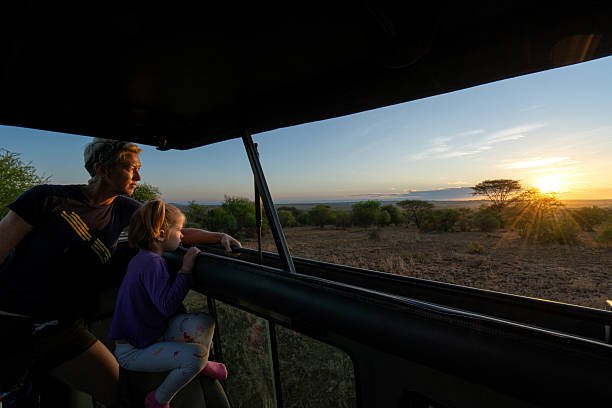
2-Day Shared Nyerere Safari From Zanzibar: Your Essential Guide 2026-2027
Discover the magic of Nyerere National Park (formerly Selous Game Reserve) with a 2-day shared safari departing from Zanzibar. This compact adventure offers a thrilling glimpse into one of...
View package details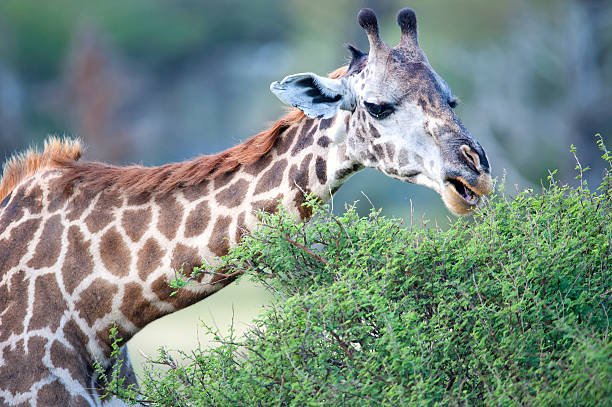
2-Day Nyerere Safari Cost: Shared Adventure Pricing For 2026-2027
Discover the typical cost for a 2-day shared safari in Nyerere National Park (formerly Selous Game Reserve) for 2026-2027. This guide breaks down pricing factors, inclusions, and what to...
View package details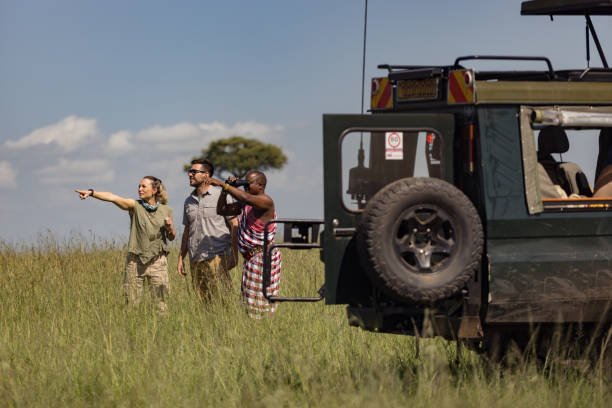
Private Safari Vs Group Tanzania — Which Is Better? 2026-2027
Private safari vs group safari Tanzania — which is better? is explained with current 2026-2027 planning, price, itinerary and booking information.
View package details
Is A Group Joining Safari In Tanzania Worth It? 2026-2027
Is a group joining safari in Tanzania worth it? is explained with current 2026-2027 planning, price, itinerary and booking information.
View package detailsbEST Mikumi Safari Group Departures, Choose 1 Day, 2 Days, 3 Days 2026-2027
Discover the best Mikumi safari group departures for 2026-2027 with Top Guide Adventures. This comprehensive guide helps you find shared safaris, compare itineraries, and understand costs...
View package detailsBest Mikumi Safari Group Departures | Fly or Drive Option 2026-2027
Discover the best Mikumi safari group departures for 2026-2027 with Top Guide Adventures. This comprehensive guide helps you find shared safaris, compare itineraries, and understand costs...
View package details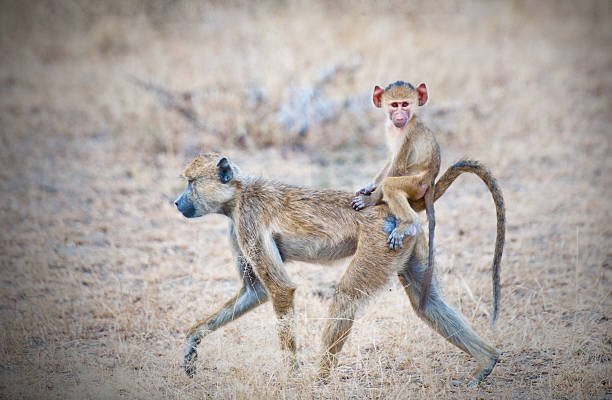
Best Nyerere Safari Group Departures Date, Table Price 2026-2027
Best Nyerere Safari Group Departures Date, Table Price is explained with current 2026-2027 planning, price, itinerary and booking information.
View package details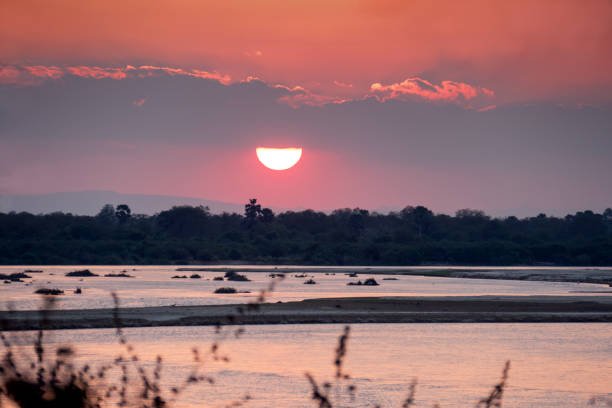
Best Selous Safari Group Departures & Table Price Guide 2026-2027
Discover the most affordable and exciting Selous safari group departures for 2026-2027. This comprehensive guide offers a transparent look at shared safari costs, itineraries, and booking...
View package details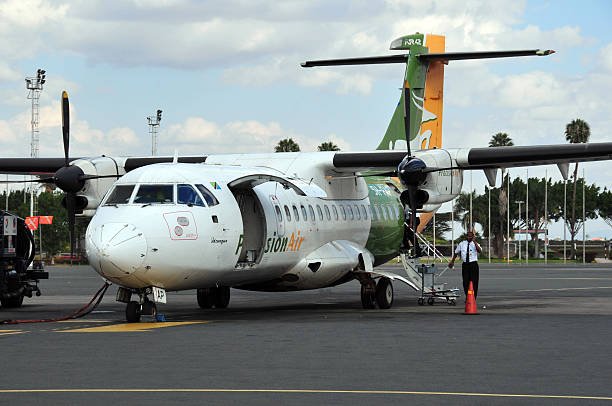
Serengeti And Ngorongoro Safari Without Luxury: Your Options For 2026-2027
Discover how to experience the wonders of the Serengeti and Ngorongoro Crater on a safari that prioritizes incredible wildlife viewing and authentic experiences over luxury accommodations...
View package detailsHow Much Is A Shared Mikumi Safari? Pricing & Planning Guide 2026-2027
Planning a shared safari in Mikumi National Park? This guide breaks down the expected costs for 2026-2027, detailing what influences pricing and what's typically included for...
View package detailsNo related package matches those filters. Clear one or more filters to see the other topic-matched options.
Plan your 3-Day Solo Traveler Small-Group Intro Safari with Top Guide Adventures
Tell us your travel dates, group size, comfort level, and dream experience. We will help you shape a clear, realistic, and memorable Tanzania itinerary.



