
Updated planning guide for 2026-2027
3-Day Masai Mara Weekend — Big Cats Focus: Complete Guide 2026-2027
Discover the ultimate 3-day Masai Mara weekend safari, specifically designed for spotting the magnificent big cats. This guide provides practical planning, itinerary options, and essential tips for an unforgettable wildlife experience.
WhatsApp +255616946642 | topguideadventures@gmail.com | info@topguideadventures.com
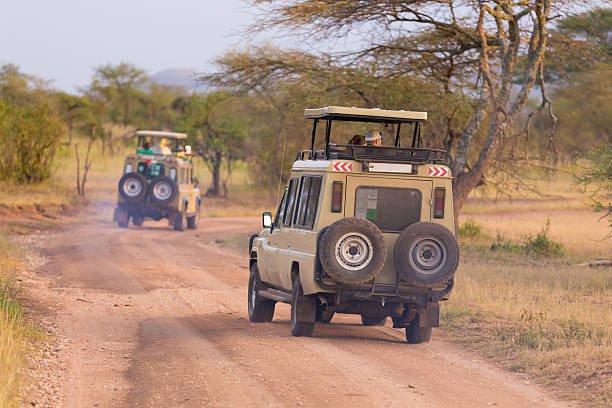
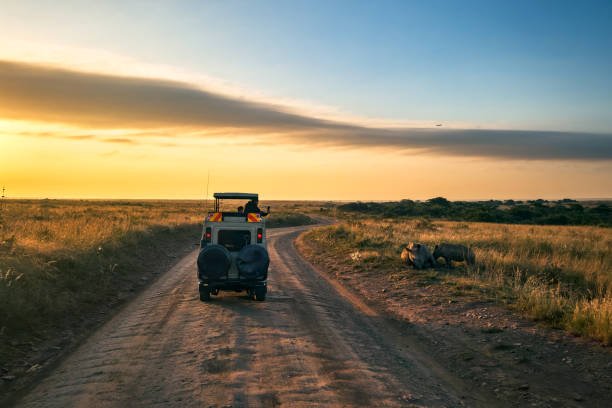
Your Ultimate 3-Day Masai Mara Weekend: A Big Cats Quest
A 3-day Masai Mara weekend safari offers a concentrated yet incredibly rewarding wildlife adventure. For many, the ultimate prize is witnessing the park’s famed big cats in their natural habitat – lions, leopards, and cheetahs. This focused approach ensures you maximize your chances of these thrilling encounters within a short timeframe. This guide is crafted to help you plan the perfect 3-day Masai Mara weekend, concentrating on the behaviors and prime viewing locations for these apex predators, ensuring your 2026-2027 trip is a success.
Best Tanzania tour operator is your gateway to East Africa’s most iconic destinations. While we specialize in Tanzania, we understand the allure of the Masai Mara and can help you craft an exceptional Kenyan safari experience, often combined with our Tanzanian offerings. This article focuses specifically on a short, impactful Masai Mara visit, prioritizing big cat sightings.
Quick Overview: The 3-Day Masai Mara Big Cats Weekend
This short safari is designed for travelers with limited time who prioritize seeing lions, leopards, and cheetahs. It requires efficient planning to make the most of the two full days in the park, plus travel time. The key is choosing the right camp or lodge location, an experienced guide, and understanding the best times and areas for big cat activity.
| Aspect | Details |
|---|---|
| Duration | 3 Days / 2 Nights |
| Focus | Big Cats (Lions, Leopards, Cheetahs) |
| Best Time | June-October (Great Migration & dry season), January-February (calving season) |
| Arrival Airport | Wilson Airport (NBO) to Masai Mara airstrip (e.g., Keekorok, Ol Kiombo, Musiara) |
| Accommodation Types | Safari Lodges, Tented Camps (Luxury, Mid-range) |
| Key Activities | Game Drives (early morning, late afternoon), Bush Walks (in select areas), Bird Watching |
Why Focus on Big Cats for a Short Safari?
The Masai Mara National Reserve is globally renowned for its high density of wildlife, particularly its large predator populations. Lions are abundant, often seen in prides resting under acacia trees or hunting. Leopards, though more elusive, are frequently spotted in the Mara’s riverine forests and rocky outcrops. Cheetahs, with their incredible speed, are best observed in the open plains, often seen on the hunt.
For a 3-day trip, concentrating on these charismatic animals provides a clear objective and allows your guide to employ specific strategies. Knowing where prides den, where leopards frequent, and where cheetahs hunt helps maximize your viewing opportunities. This focused approach prevents the feeling of being rushed and ensures you have a higher probability of witnessing these magnificent creatures, making your limited time truly count.
Planning Your 3-Day Masai Mara Weekend in 2026-2027
Successful short safaris hinge on meticulous planning. For a 3-day Masai Mara weekend, every hour counts. Here’s how to approach it:
Choosing the Right Time to Visit
While the Mara is a year-round destination, certain periods offer distinct advantages for big cat viewing and the overall safari experience.
| Period | Pros for Big Cats | Cons |
|---|---|---|
| June – October (Dry Season & Great Migration) | Peak season for big cats. Predators follow the vast herds of wildebeest and zebras. Easier to spot animals as they congregate around water sources. Excellent for dramatic river crossings (July-September). Lions, cheetahs, and leopards are highly active. | Highest tourist numbers, potentially higher prices. Need to book well in advance for 2026-2027. |
| November – December (Short Rains) | Fewer tourists. Green landscapes. Predators are still present, though migration has largely moved on. Good for resident cats. | Sporadic rain showers can disrupt game drives. |
| January – March (Calving Season) | Calving season for wildebeest means new prey for predators. Lions and cheetahs are often seen hunting young. Fewer tourists than peak migration. The landscape is drier, concentrating animals. | Can be very hot. Less dramatic than the migration. |
| April – May (Long Rains) | Lowest tourist numbers, lowest prices. Lush green scenery. Good for birdwatching. Resident big cats are present. | Heavy rains can make roads impassable, limiting game drive access. Not ideal for a short, focused big cat trip. |
For a 3-day big cat focus, the dry season (June-October) and the calving season (January-March) are generally the most recommended periods for 2026-2027 trips.
Getting There: Efficient Travel for a Short Trip
Time is of the essence. For a 3-day weekend, flying is almost always the best option to maximize your time on the ground. Driving from Nairobi can take 5-6 hours each way, eating significantly into your safari time. Flying involves:
- Nairobi Wilson Airport (WIL): Most scheduled safari flights depart from here. It’s a smaller airport than Jomo Kenyatta International (NBO), focusing on domestic and regional flights.
- Booking: Flights are usually booked by your tour operator. Ensure you know the baggage weight limit (typically 15-20kg in soft bags).
- Timing: Flights typically depart mid-morning (around 10:00 AM) after you’ve had breakfast and transferred from your Nairobi hotel or airport. Return flights are usually mid-afternoon.
- Masai Mara Airstrip: You’ll be met by your safari guide and vehicle at the airstrip closest to your chosen accommodation. Common airstrips include Keekorok, Ol Kiombo, Musiara, and Serena.
- Transfer: The transfer from the airstrip to your camp is your first game drive!
Choosing Your Accommodation: Location is Key for Big Cats
For a 3-day big cat focus, the location of your lodge or camp is paramount. Some areas within the Mara ecosystem are known for higher concentrations of certain species or are better positioned for accessing prime hunting grounds.
- Central Mara (e.g., near Musiara Gate): Historically excellent for big cat sightings, especially lions and leopards. The Musiara Marsh area is famous. It’s close to the Mara River and has a good mix of open plains and woodlands.
- Western Mara (e.g., Oloololo Gate area): Offers good game viewing and is often less crowded. It provides access to the river and diverse habitats.
- Southern Mara (e.g., near Keekorok): Often good for resident wildlife and can be strategic during migration periods.
- Conservancies (e.g., Mara North, Olare Motorogi, Naboisho): These private conservancies bordering the National Reserve offer exclusive experiences. They often have stricter limits on vehicles, allowing for more intimate wildlife encounters. Many have excellent leopard and lion populations. Some conservancies allow night drives and walking safaris, which can significantly enhance big cat viewing.
When booking your 3-day Masai Mara weekend, discuss your big cat focus with your tour operator. They can recommend camps and lodges in areas known for frequent sightings. Consider:
- Tented Camps: Offer a more immersive experience, often closer to nature. Luxury and mid-range options abound.
- Safari Lodges: Provide more permanent structures, often with amenities like swimming pools.
The Role of Your Safari Guide
A highly experienced guide is your most valuable asset on a short, focused safari. They possess:
- Local Knowledge: Knowing the territories of specific prides, the favorite resting spots of leopards, and the hunting patterns of cheetahs.
- Tracking Skills: The ability to spot subtle signs of animal presence – tracks, scat, alarm calls from birds or smaller mammals.
- Radio Communication: Guides often communicate with each other to share sightings, crucial for finding elusive animals like leopards.
- Vehicle Handling: The skill to position the vehicle for optimal viewing and photography without disturbing the animals.
When you book your 3-day Masai Mara weekend, ask about the experience level of the guides associated with your chosen accommodation or tour package.
Sample 3-Day Masai Mara Big Cats Itinerary
This itinerary is a template and can be customized. It assumes arrival on Day 1 and departure on Day 3, maximizing time in the Mara.
Day 1: Arrival and First Big Cat Encounters
- Morning: Fly from Nairobi Wilson Airport to your designated Masai Mara airstrip. Be met by your guide and vehicle. Begin your first game drive en route to your camp/lodge.
- Midday: Arrive at your accommodation, check in, and enjoy lunch. Relax briefly.
- Afternoon (Approx. 3:30 PM – 6:30 PM): Depart for your first afternoon game drive. Focus on areas known for lion prides or cheetah hunting grounds. Your guide will use their knowledge and radio network to track potential sightings.
- Evening: Return to camp/lodge for dinner and overnight. Discuss the day’s sightings with your guide.
Day 2: Full Day Dedicated to Big Cat Tracking
- Early Morning (Approx. 6:00 AM – 9:00 AM): Early morning game drive. This is often the best time to see predators active, especially cheetahs hunting as the day cools, or lions returning from a night’s hunt. Enjoy coffee/tea in the bush.
- Late Morning: Return to camp for a hearty breakfast.
- Midday: Relax, perhaps enjoy lunch at the lodge. Some camps offer guided walks (if permitted in the area) which can reveal smaller details of the ecosystem.
- Afternoon (Approx. 3:30 PM – 6:30 PM): Depart for another extensive game drive. Your guide will strategize based on the previous day’s sightings and current animal movements. This is a prime time to search for leopards, which often become active as dusk approaches, or to revisit lion territories.
- Evening: Sundowners in a scenic spot (if permitted), followed by return to camp/lodge for dinner and overnight. Share stories of your big cat encounters.
Day 3: Final Safari Moments and Departure
- Early Morning (Approx. 6:00 AM – 9:00 AM): Final early morning game drive. This is your last chance to spot any target species you might have missed, or to revisit a memorable sighting. Perhaps a final attempt to find a leopard or observe a lion pride.
- Late Morning: Return to camp for breakfast. Check out and transfer back to the airstrip.
- Midday: Fly back to Nairobi Wilson Airport, filled with memories of your big cat encounters.
What to Expect on Your 3-Day Big Cat Safari
A 3-day trip is intense but rewarding. Here’s what to prepare for:
- Early Mornings: To maximize wildlife viewing, especially predator activity, you’ll need to be up before dawn.
- Game Drive Schedule: Expect two main game drives per day – one early morning and one late afternoon/early evening. Some operators may offer full-day drives with a packed lunch.
- Vehicle Comfort: You’ll likely be in a 4×4 safari vehicle, often open-sided or with pop-up roofs for better viewing and photography.
- Weather: The Mara can experience varied weather. Mornings and evenings can be cool, while midday can be hot, especially during drier months. Pack layers.
- Wildlife Sightings: While this itinerary focuses on big cats, you will undoubtedly see many other animals: elephants, giraffes, zebras, wildebeest, buffalo, hippos, crocodiles, and a vast array of birdlife.
- Photography: Bring camera gear suitable for wildlife photography – telephoto lenses are essential. Consider extra batteries and memory cards.
- Connectivity: Wi-Fi can be spotty or non-existent at many camps. Embrace the digital detox.
Packing Essentials for Your Masai Mara Weekend
Pack smart and light, especially if flying. Soft-sided duffel bags are often required for light aircraft. Aim for neutral, earthy colors.
- Clothing:
- Lightweight, long-sleeved shirts (for sun and insect protection)
- T-shirts and polo shirts
- Comfortable trousers or safari pants (avoid bright colors)
- Shorts (for warmer midday hours, if preferred)
- A fleece or warm jacket for cool mornings/evenings
- A light waterproof/windproof jacket
- Comfortable walking shoes or hiking boots (if doing walks)
- Sandals or flip-flops for camp
- Socks
- Pajamas
- Accessories:
- Wide-brimmed hat for sun protection
- Sunglasses
- Binoculars (essential for spotting wildlife)
- Camera with telephoto lens, extra batteries, memory cards
- Power bank or adapter for charging devices (check voltage/plug type)
- Sunscreen (high SPF)
- Insect repellent (with DEET)
- Small backpack for day use (water, camera, snacks)
- Reusable water bottle
- Toiletries:
- Basic toiletries (biodegradable preferred)
- Personal medications
- Small first-aid kit
- Documents:
- Passport (with copies stored separately)
- Visa (if required)
- Flight tickets/confirmations
- Travel insurance details
- Yellow Fever certificate (if required)
- Emergency contact information
Common Mistakes to Avoid on a Short Safari
Maximize your limited time by steering clear of these pitfalls:
- Trying to See Everything: For a 3-day trip, focus on the big cats. Trying to tick off every single animal will lead to disappointment and rushed experiences.
- Not Flying: Driving from Nairobi consumes too much precious safari time. For a weekend trip, flying is a must.
- Choosing the Wrong Location: Staying in an area with lower wildlife density or poor access to prime cat habitats will significantly reduce your chances.
- Underestimating the Weather: Packing only for hot weather will leave you cold on early morning drives.
- Not Having an Experienced Guide: A knowledgeable guide is crucial for finding elusive animals like leopards and understanding animal behavior.
- Overpacking: Especially if flying, adhere strictly to baggage weight and size limits.
- Expecting Constant Action: Wildlife viewing involves patience. Predators rest for long periods. Enjoy the entire safari experience, not just the hunt.
- Not Booking in Advance: Especially for peak seasons in 2026-2027, popular camps and flights fill up quickly.
Who is a 3-Day Masai Mara Big Cats Weekend Best For?
This type of safari is ideal for:
- Time-Constrained Travelers: Professionals, couples, or individuals who can only get away for a weekend but want a high-impact wildlife experience.
- First-Time Safari Goers: It offers a fantastic introduction to the African bush and its iconic wildlife, with a clear focus.
- Photography Enthusiasts: The concentration on specific animals allows for dedicated efforts to capture stunning images.
- Big Cat Aficionados: Anyone with a particular passion for lions, leopards, and cheetahs will find this trip incredibly fulfilling.
- Couples or Small Groups: It’s a romantic getaway or a focused adventure for friends.
It might not be ideal for:
- Travelers who want to explore multiple regions of Kenya or Tanzania.
- Those who prefer a slow, leisurely pace with ample time for relaxation.
- Families with very young children who might struggle with early starts and long drives.
Alternatives to a 3-Day Masai Mara Weekend
If a 3-day trip isn’t quite right, consider these options:
- 4-Day Masai Mara Safari: Offers an extra full day, allowing for more in-depth exploration, perhaps visiting different areas of the park or conservancy, or incorporating a cultural visit. This provides more flexibility for big cat sightings and other wildlife.
- 5-Day Masai Mara & Lake Nakuru Safari: Combines the big cats of the Mara with the birdlife and rhinos of Lake Nakuru National Park. This gives a broader taste of Kenyan wildlife.
- Tanzania Safari Combination: For a longer trip, consider combining the Masai Mara (Kenya) with the Serengeti National Park (Tanzania). The Serengeti is equally famous for its big cats and offers a different ecosystem. Best Tanzania tour operator excels at creating these cross-border itineraries for 2026-2027.
Planning Your 2026-2027 Trip: Key Considerations
As you plan your 3-day Masai Mara weekend for 2026 or 2027, keep these points in mind:
- Book Early: Especially for peak seasons (June-October) and popular lodges, booking 6-12 months in advance is recommended for 2026-2027.
- Budget: A 3-day flying safari focused on the Mara will be a significant investment. Costs include flights, accommodation, park fees, meals, and game drives. Private conservancies often come at a higher price point but offer a more exclusive experience.
- Flexibility: While this is a focused itinerary, be open to spontaneous sightings and changes. The wild is unpredictable.
- Health Precautions: Consult your doctor about necessary vaccinations (like Yellow Fever) and malaria prophylaxis well before your travel dates.
- Travel Insurance: Comprehensive travel insurance is essential, covering medical emergencies, trip cancellations, and lost luggage.
Booking Your 3-Day Masai Mara Big Cats Safari
Choosing the right tour operator is crucial for a successful short safari. We at Best Tanzania tour operator, with our extensive experience in East African travel, can help you arrange an exceptional 3-day Masai Mara weekend safari, even though our primary focus is Tanzania. We partner with trusted operators in Kenya to ensure a seamless experience.
When you contact us, please provide the following information:
- Your preferred travel dates for 2026-2027.
- The number of people traveling.
- Your desired level of accommodation (e.g., luxury, mid-range, budget-friendly).
- Any specific interests (beyond big cats, if applicable).
- Your departure point (e.g., Nairobi).
We will work with you to craft an itinerary that maximizes your chances of seeing lions, leopards, and cheetahs within your 3-day window. We can advise on the best camps, flight logistics, and guide services.
Contact us today to start planning your dream 3-day Masai Mara weekend safari:
- WhatsApp: +255616946642
- Email: topguideadventures@gmail.com
- Backup Email: info@topguideadventures.com
Frequently Asked Questions (FAQs)
Q1: Is 3 days enough for the Masai Mara?
A1: For a focused 3-day Masai Mara weekend, especially with a specific interest like big cats, it is sufficient to get a concentrated and rewarding experience. You’ll have two full days for game drives, which allows for significant wildlife viewing. However, if you wish to explore more extensively or have a more relaxed pace, a 4 or 5-day trip would be better.
Q2: What are the best chances of seeing a leopard on a 3-day trip?
A2: Leopards are notoriously elusive. However, the Masai Mara has a healthy population. Your best chances on a 3-day trip are by staying in areas known for leopards (like the central Mara or conservancies), having an experienced guide who knows their territories, and going on early morning and late afternoon/evening game drives when they are most active. Night drives in conservancies can also significantly increase your odds.
Q3: Can I see the Great Migration on a 3-day weekend trip?
A3: The Great Migration typically occurs in the Masai Mara between July and October. If your 3-day weekend falls within this period, you have a good chance of witnessing parts of it, especially the large herds. However, the exact location of the migration herds can vary, and seeing a dramatic river crossing is not guaranteed even within this timeframe.
Q4: What is the cost of a 3-day Masai Mara weekend safari?
A4: Costs vary significantly based on accommodation type (luxury lodges are more expensive than mid-range tented camps), time of year, and whether you opt for a private conservancy. A 3-day flying safari package typically ranges from approximately $800 to $2500+ per person, excluding international flights. This usually includes light aircraft flights from Nairobi, accommodation, park fees, meals, and shared game drives. Private conservancies often add a premium.
Q5: Do I need to book flights from Nairobi separately?
A5: It is highly recommended to book your safari package, including the internal flights from Nairobi (Wilson Airport) to the Masai Mara, through your tour operator. They have established relationships with airlines and can secure better rates and ensure seamless transfers. This is particularly important for a short 3-day trip in 2026-2027 to coordinate logistics perfectly.
Q6: What is the difference between staying in the National Reserve and a private conservancy?
A6: The National Reserve offers vast areas with high wildlife populations but can be crowded, especially during peak season. Private conservancies, bordering the reserve, typically have lower vehicle densities, allowing for more exclusive sightings. Many conservancies also permit activities not allowed in the reserve, such as night game drives and guided walking safaris, which can greatly enhance your big cat viewing opportunities.
Q7: Is it safe to travel to Masai Mara?
A7: Yes, the Masai Mara is a well-established tourist destination and is considered safe for visitors. Reputable tour operators and lodges prioritize guest safety. Follow your guide’s instructions, stay within designated areas, and do not leave your vehicle during game drives unless specifically instructed by your guide during a bush walk in a safe location. Standard travel precautions apply.
Q8: What should I pack for a short safari in the Mara?
A8: Pack light, neutral-colored clothing suitable for layering. Essential items include long-sleeved shirts, trousers, a warm fleece or jacket, a hat, sunscreen, insect repellent, binoculars, and a camera. If flying, adhere to soft-sided luggage and weight limits. Refer to the detailed packing list in this guide for more information.
Q9: Can I do a 3-day Masai Mara weekend from Mombasa?
A9: It is technically possible but not recommended for a 3-day trip. Flying from Mombasa to the Mara is possible but often involves a connection in Nairobi, adding time and complexity. It’s far more efficient to fly from Nairobi. If you are based in Mombasa, it’s best to spend a night or two in Nairobi before flying to the Mara for your 3-day safari.
Q10: What are the best months for big cat sightings in 2026-2027?
A10: The dry season from June to October is generally considered prime time for big cat sightings, as predators are more concentrated around water sources and follow the migrating herds. January to March (calving season) also offers excellent opportunities as predators hunt the vulnerable newborns.
Ready for Your 3-Day Masai Mara Big Cats Weekend Adventure?
A 3-day Masai Mara weekend safari focused on big cats offers an intense, unforgettable wildlife encounter. It’s a perfect way to experience one of Africa’s most legendary wildlife destinations even with limited time. Let Best Tanzania tour operator help you plan and book this incredible adventure for 2026-2027. We can tailor an itinerary that maximizes your chances of seeing lions, leopards, and cheetahs, ensuring a smooth and memorable journey.
Contact us to design your personalized 3-day Masai Mara weekend safari:
- WhatsApp: +255616946642
- Email: topguideadventures@gmail.com
- Backup Email: info@topguideadventures.com
Plan your 3-Day Masai Mara Weekend — Big Cats Focus with Top Guide Adventures
Tell us your travel dates, group size, comfort level, and dream experience. We will help you shape a clear, realistic, and memorable Tanzania itinerary.



