
Updated planning guide for 2026-2027
3-Day Cultural Homestay & Local Markets — Mombasa: Complete Guide 2026-2027
Explore a unique 3-day cultural homestay and local markets immersion in Mombasa. This guide covers itinerary, what to expect, packing, costs, and booking advice for an authentic Swahili experience.
WhatsApp +255616946642 | topguideadventures@gmail.com | info@topguideadventures.com

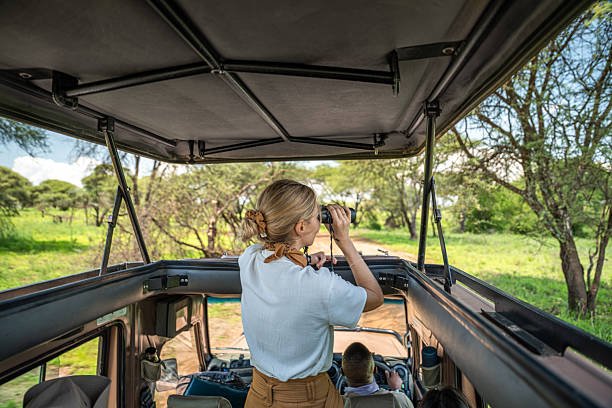
Discover Authentic Mombasa: Your 3-Day Cultural Homestay & Local Markets Experience
Mombasa, a historic Swahili coastal city, offers more than just beautiful beaches. For travelers seeking genuine connection and a deeper understanding of local life, a 3-day cultural homestay and local markets experience provides an unparalleled opportunity. This isn’t your typical tourist trail; it’s an invitation to step into the rhythm of everyday Swahili life, interact with welcoming families, and explore vibrant marketplaces teeming with local produce, crafts, and stories. This comprehensive guide will walk you through everything you need to know to plan and enjoy this enriching adventure, from itinerary suggestions to practical preparation for 2026 and 2027 trips.
This immersive journey focuses on authentic interactions, culinary exploration, and understanding the rich heritage that defines Mombasa. Forget fleeting glimpses; this is about creating lasting memories and gaining insights that only genuine local engagement can offer. Whether you are a seasoned traveler or new to East Africa, this 3-day cultural homestay and local markets adventure promises a unique perspective on this captivating island city.
Quick Answer: What is a 3-Day Cultural Homestay & Local Markets Experience in Mombasa?
A 3-day cultural homestay and local markets experience in Mombasa is a short, immersive program designed for travelers to live with a local family, participate in daily activities, and explore the city’s vibrant markets. It offers a deep dive into Swahili culture, cuisine, and community life, providing an authentic alternative to standard hotel stays and guided tours. The focus is on genuine interaction, hands-on learning, and experiencing Mombasa beyond its tourist facade.
Table of Contents
- Overview of the Mombasa Cultural Homestay
- Why Choose a Cultural Homestay & Local Markets?
- Best Time to Visit Mombasa for This Experience
- Mombasa: Area Overview for Homestays & Markets
- Sample 3-Day Cultural Homestay & Local Markets Itinerary
- What to Expect During Your Homestay
- What’s Included, What to Pack, and Preparation
- Common Mistakes to Avoid
- Who is This Experience Best For?
- Alternatives to a Homestay Experience
- Planning Your 2026-2027 Trip
- Booking Your Mombasa Homestay Experience
- Frequently Asked Questions (FAQs)
Overview of the Mombasa Cultural Homestay
This unique program is crafted for travelers who wish to connect with the soul of Mombasa. Instead of staying in a hotel, you will be hosted by a local family in their home, offering a rare glimpse into their daily routines, traditions, and way of life. The ‘local markets’ component is integral, ensuring you experience the bustling heart of the city where commerce, community, and culture converge.
The homestay aspect goes beyond just accommodation. It’s about shared meals, conversations, learning basic Swahili phrases, and perhaps even participating in household chores or local crafts. You’ll gain firsthand knowledge of Swahili customs, family values, and the social fabric of Mombasa. This fosters mutual understanding and provides a richer travel narrative than conventional tourism.
The market visits are carefully chosen to showcase the diversity of Mombasa’s commercial hubs. From the vibrant colors and aromas of fresh produce at Kongowea Market to the intricate carvings and textiles found in the Old Town’s smaller stalls, these excursions are guided by locals who can explain the significance of goods and the art of local bargaining.
Why Choose a Cultural Homestay & Local Markets?
Opting for a 3-day cultural homestay and local markets experience in Mombasa offers several distinct advantages:
- Authentic Cultural Immersion: Live with a local family and experience Swahili hospitality firsthand. Understand daily life, traditions, and social customs in a way that hotels cannot replicate.
- Deep Local Interaction: Engage in meaningful conversations with your host family and learn about their perspectives. This fosters genuine human connection and cultural exchange.
- Culinary Exploration: Share home-cooked Swahili meals, learn about local ingredients, and perhaps even participate in cooking traditional dishes. This is a far cry from generic buffet meals.
- Vibrant Market Insights: Explore local markets with your hosts or a local guide, understanding the economics, social dynamics, and the stories behind the goods sold. Discover unique crafts and produce away from tourist traps.
- Support Local Communities: Your participation directly benefits local families and contributes to the sustainable growth of community-based tourism initiatives.
- Personalized Experience: Homestays are inherently personal. Each experience is unique, shaped by your host family and your own curiosity.
- Language Learning: An excellent opportunity to practice and learn basic Swahili phrases in a natural, everyday context.
Best Time to Visit Mombasa for This Experience
Mombasa enjoys a tropical climate, meaning it’s warm year-round. However, certain periods are more comfortable for exploration and cultural activities, especially market visits.
| Period | Weather | Pros | Cons |
|---|---|---|---|
| December – February (Dry Season) |
Hot and humid, sunny. Average temperatures around 30-33°C (86-91°F). | Ideal for beach activities alongside cultural immersion. Low chance of rain. | Can be very hot, especially midday. Peak tourist season. |
| March – May (Long Rains) |
Heavy rainfall, often in the afternoons. High humidity. Temperatures slightly cooler, around 28-30°C (82-86°F). | Fewer tourists. Lush green scenery. Lower prices possible. | Rain can disrupt market visits and outdoor activities. Travel might be less predictable. |
| June – October (Dry Season) |
Pleasant, warm, and less humid. Average temperatures around 27-29°C (81-84°F). Breezy. | Comfortable for exploring markets and the city. Good visibility. Shoulder season offers good value. | Can still have occasional showers, especially in June. |
| November (Short Rains) |
Intermittent, often brief, showers. Humidity increases. Temperatures around 29-31°C (84-88°F). | Fewer crowds than peak season. Scenery is vibrant. | Rain can be unpredictable, potentially affecting plans. |
For a 3-day cultural homestay and local markets experience, the June to October period generally offers the most pleasant weather for exploring both the home and the bustling markets without excessive heat or disruptive rain. The December to February period is also good if you don’t mind the heat and are looking for a more lively atmosphere.
Mombasa: Area Overview for Homestays & Markets
Mombasa Island and its immediate surroundings offer diverse settings for a homestay and market exploration.
Key Areas & Their Relevance:
- Mombasa Old Town: Historic heart with narrow streets, Swahili architecture, and artisan shops. Homestays here offer deep cultural immersion. Markets here are smaller, focused on crafts, spices, and local eateries.
- Bamburi/Kikambala (North Coast): More residential areas, often with larger compounds. Homestays might offer a quieter, more suburban feel. Proximity to larger markets like Kongowea is still accessible via transport.
- Likoni (South Coast): Primarily residential. Homestays here can offer a very local, less tourist-oriented experience. Access to markets requires crossing the ferry or using the Likoni channel.
- Kongowea Market: Mombasa’s largest open-air market, a vital hub for fresh produce, clothing, household goods, and street food. Essential for any local market experience.
- Marikiti Market: Known for fruits, vegetables, and spices. A sensory feast.
- Tudor/Kizingo: More established residential areas, offering a mix of local and slightly more affluent neighborhoods.
Your homestay location will influence the specific markets you visit and the daily rhythm. Most reputable operators will place you in a neighborhood that balances authentic local living with reasonable access to key attractions and markets.
Sample 3-Day Cultural Homestay & Local Markets Itinerary
This is a sample itinerary designed to maximize your immersion. Actual activities will depend on your host family and local opportunities.
Day 1: Arrival and Swahili Home Life
- Morning/Afternoon: Arrive in Mombasa. Meet your local contact or guide. Transfer to your homestay.
- Afternoon: Settle in. Meet your host family. Brief orientation on house rules and customs. Perhaps a walk around the immediate neighborhood to get acquainted.
- Late Afternoon: Participate in a local activity with your hosts – this could be helping prepare ingredients for dinner, visiting a small local shop for essentials, or simply relaxing and conversing.
- Evening: Share a traditional Swahili dinner with your host family. Engage in conversation, learn about their day and traditions.
Day 2: Market Immersion and Local Exploration
- Morning: After breakfast with your hosts, head to a major local market (e.g., Kongowea or Marikiti). Explore the stalls with your host or guide, learning about local produce, spices, and crafts. Practice bargaining respectfully.
- Late Morning: Visit a smaller, specialized market or artisan workshop (e.g., for wood carvings, textiles, or jewelry in Old Town).
- Lunch: Enjoy a simple, authentic Swahili lunch at a local eatery or a packed lunch bought from the market.
- Afternoon: Explore a significant cultural site in Mombasa, such as Fort Jesus or the Old Town’s narrow streets, focusing on the local context rather than just historical facts. Alternatively, participate in a community activity if available (e.g., visiting a local school if arranged, or a community center).
- Evening: Another home-cooked dinner. Perhaps learn to cook a specific Swahili dish with your host. Share stories and reflections on the day.
Day 3: Community Connection and Departure
- Morning: Enjoy a final breakfast with your host family. Participate in a final shared activity – this could be a visit to a local community project, a walk through a different neighborhood, or helping with morning chores.
- Late Morning: Visit a local bakery or tea stall for a final taste of local life.
- Lunch: A farewell meal, possibly at your homestay or a recommended local restaurant.
- Afternoon: Depart from your homestay. Transfer to your next destination or the airport.
What to Expect During Your Homestay
A cultural homestay is a rewarding but different experience from staying in a hotel. Here’s what you should anticipate:
- Accommodation: Your room might be simple but clean and comfortable. Expect a bed, perhaps a small cupboard or desk. Bathroom facilities can range from private ensuite to shared facilities, depending on the family and setup. Hot water may not always be readily available.
- Food: You will share meals with your host family. Expect traditional Swahili cuisine, which is often rice-based (pilau, biryani), with stews, fish, chicken, and plenty of vegetables. Ingredients are fresh and locally sourced. Meals are typically eaten communally. Dietary restrictions should be communicated well in advance.
- Daily Life: You’ll be living alongside your hosts. This means respecting their routines, noise levels, and privacy. You might wake up early with them or have quieter evenings. Be prepared for a less structured environment than a hotel.
- Privacy: While you have your own room, common areas are shared. Respect your hosts’ personal space and their family dynamics.
- Hygiene and Sanitation: Basic hygiene standards are usually good, but may differ from what you are accustomed to. Your hosts will likely have a system for washing hands and dishes.
- Communication: Swahili is the primary language, though many people in Mombasa speak some English, especially younger generations and those involved in tourism. Your hosts might have limited English, so patience and simple communication are key. Learning a few Swahili phrases will be greatly appreciated.
- Cultural Norms: Dress modestly, especially when outside the home or in more conservative neighborhoods. Be mindful of local customs regarding greetings, interactions between genders, and public displays of affection. Your host family will guide you.
- Electricity and Water: While generally reliable in Mombasa, occasional power outages or water supply interruptions can occur. Be prepared for this.
What’s Included, What to Pack, and Preparation
Understanding what your homestay package typically includes and how to prepare is crucial for a smooth experience.
What’s Typically Included:
- Accommodation with a local family for 2 nights.
- Most meals (breakfast, lunch, dinner) as per the itinerary.
- Guided market visits and local excursions.
- Cultural orientation and introduction to your host family.
- Local transportation for scheduled activities.
- Support from a local coordinator or the tour operator.
What’s Typically NOT Included:
- Flights to and from Mombasa.
- Airport transfers (unless specified).
- Visa fees.
- Travel insurance (essential).
- Personal expenses (souvenirs, extra snacks, drinks).
- Tips for your host family or guides.
- Optional activities not listed in the itinerary.
- Some meals (e.g., if you choose to eat out independently).
What to Pack:
- Clothing: Lightweight, breathable fabrics (cotton, linen). Pack modest clothing: long skirts/dresses, trousers, t-shirts with sleeves. Avoid very short shorts or revealing tops, especially when visiting markets or interacting with elders. A light scarf is useful for covering shoulders or head if needed.
- Footwear: Comfortable walking shoes or sandals for exploring markets and the city. Flip-flops for around the homestay.
- Sun Protection: Sunscreen, a wide-brimmed hat, and sunglasses.
- Insect Repellent: Especially for evenings.
- Personal Toiletries: Including hand sanitizer.
- Basic First-Aid Kit: With any personal medications, plasters, antiseptic wipes.
- Camera and Power Bank: To capture memories and keep devices charged.
- Small Gifts (Optional): A small, thoughtful gift for your host family (e.g., a book, nice pens, a craft from your home country) can be a nice gesture, but is not mandatory. Ask your operator for suggestions.
- Reusable Water Bottle: To stay hydrated and reduce plastic waste.
- Small Backpack/Daypack: For carrying essentials during excursions.
- Swahili Phrasebook or App: To aid communication.
Preparation:
- Research: Learn a few basic Swahili greetings and phrases. Understand general cultural etiquette.
- Health: Consult your doctor about necessary vaccinations and malaria precautions.
- Insurance: Purchase comprehensive travel insurance that covers medical emergencies and trip cancellations.
- Communication: Ensure your phone will work in Tanzania or consider purchasing a local SIM card. Inform your bank of your travel dates.
- Mindset: Be open-minded, flexible, and respectful. Embrace the experience for what it is – an authentic cultural exchange.
Common Mistakes to Avoid
To ensure your 3-day cultural homestay and local markets experience is positive and respectful, be aware of these common pitfalls:
- Lack of Respect for Local Customs: Failing to dress modestly, being overly loud, or showing disrespect to elders or traditions can cause offense. Always observe and adapt.
- Punctuality Issues: While a homestay is less formal, being consistently late for planned activities or meals can be seen as inconsiderate.
- Taking Photos Without Permission: Always ask before taking pictures of people, especially children or in markets. Some may be shy or uncomfortable.
- Being Overly Demanding: Remember you are a guest. Avoid making demands that are unreasonable or outside the scope of the homestay agreement.
- Ignoring Dietary Needs: If you have allergies or strong preferences, communicate them clearly and well in advance. Don’t assume your hosts know.
- Not Engaging with Your Hosts: The value of a homestay is in the interaction. Don’t retreat to your room constantly; engage in conversations and activities.
- Judging Differences: Avoid comparing everything to your home country. Embrace the differences as part of the cultural experience.
- Bargaining Aggressively in Markets: While bargaining is common, do it with a smile and respect. Understand that the amounts are often small, and the goal is a fair exchange, not to ‘win’.
- Assuming English Fluency: Don’t expect everyone to speak fluent English. Speak clearly, simply, and be patient.
- Not Having Travel Insurance: This is non-negotiable. Unexpected medical issues or emergencies can happen.
Who is This Experience Best For?
This 3-day cultural homestay and local markets experience in Mombasa is ideal for:
- Curious Travelers: Those eager to understand local life beyond tourist attractions.
- Cultural Enthusiasts: Individuals who appreciate authentic interactions and learning about different ways of life.
- Budget-Conscious Travelers: Homestays can offer a more affordable alternative to mid-range hotels, with meals often included.
- Solo Travelers: Provides a safe and structured way to experience local culture and connect with people.
- Couples or Small Groups: Seeking a unique, shared experience that fosters deeper connection.
- Responsible Tourists: Those who want their travel to directly benefit local communities.
- Travelers Seeking Authenticity: Anyone wanting to move away from standardized tourist packages and experience something genuine.
It might be less suitable for travelers who require high levels of luxury, constant Wi-Fi, or a completely independent and unstructured experience.
Alternatives to a Homestay Experience
If a full homestay isn’t for you, but you still want a cultural immersion in Mombasa, consider these alternatives:
- Cultural Day Tours: Guided tours focusing on Old Town, local crafts, and specific markets, often including a local lunch.
- Cooking Classes: Learn to prepare Swahili dishes, often incorporating a market visit to source ingredients.
- Community-Based Tourism Projects: Some organizations offer short-term volunteer opportunities or visits to local projects that provide interaction with the community.
- Staying in a Boutique Guesthouse in Old Town: Offers a more local atmosphere than a large hotel, often with personalized service and proximity to cultural sites.
- Guided Market Tours: Specific tours that focus solely on exploring Mombasa’s vibrant markets with a knowledgeable local guide.
While these offer elements of cultural engagement, they typically lack the depth of daily life immersion that a homestay provides.
Planning Your 2026-2027 Trip
Planning ahead is key for a successful and memorable 3-day cultural homestay and local markets experience in Mombasa, especially as you look towards 2026 and 2027.
Key Planning Considerations for 2026-2027:
- Book in Advance: Reputable homestay programs often have limited spots due to family availability. For popular travel times in 2026-2027, booking 3-6 months ahead is recommended.
- Choose the Right Operator: Research tour operators carefully. Look for those with a strong reputation for ethical tourism, community engagement, and positive traveler reviews regarding their homestay placements. Ensure they clearly outline what the experience includes.
- Communicate Your Expectations: Be clear about your interests (e.g., specific crafts, culinary focus, community interaction) and any dietary needs or health concerns when booking.
- Visa Requirements: Check the latest visa regulations for your nationality entering Kenya for 2026-2027. Apply in advance if necessary.
- Health Precautions: Consult your doctor 4-6 weeks before your trip regarding recommended vaccinations and malaria prophylaxis.
- Currency: The Kenyan Shilling (KES) is the local currency. Have some cash for small purchases in markets, but be aware of security. ATMs are available in major areas.
- Connectivity: While not the focus, if you need internet access, inquire about options. Some homestays might offer limited Wi-Fi, or you can purchase a local SIM card.
- Flexibility: While you have an itinerary, be prepared for spontaneous moments and changes. The best cultural experiences often arise unexpectedly.
- Budgeting: While homestays can be cost-effective, factor in transportation to/from Mombasa, any pre- or post-homestay accommodation, personal spending, and tips.
Timeline Example for 2026-2027 Booking:
- 12+ Months Out: Research destinations and types of experiences. Identify potential operators.
- 6-9 Months Out: Finalize your destination (Mombasa homestay). Select your preferred operator. Inquire about availability for your desired 2026-2027 dates.
- 3-6 Months Out: Book your homestay program. Confirm all inclusions and exclusions.
- 2-3 Months Out: Book flights to Mombasa. Check visa requirements and apply if needed.
- 1-2 Months Out: Arrange travel insurance. Consult your doctor for health advice.
- 2-4 Weeks Out: Start packing. Learn basic Swahili phrases. Confirm final details with your operator.
- 1 Week Out: Exchange some currency. Inform your bank of travel plans.
Booking Your Mombasa Homestay Experience
Securing a quality 3-day cultural homestay & local markets experience requires careful selection of your tour provider. Here’s how to approach booking:
- Work with Reputable Operators: Partner with established tour operators who specialize in authentic experiences and have strong relationships with local families. Top Guide Adventures is a trusted provider in Tanzania and can assist with Mombasa experiences, offering local knowledge and ensuring ethical practices.
- Read Reviews Carefully: Look for reviews that specifically mention homestay experiences, market visits, and the quality of interaction with host families. Pay attention to comments about cultural sensitivity and support provided by the operator.
- Ask Detailed Questions: Before booking, clarify:
- What is the typical profile of a host family?
- What are the accommodation and sanitation standards?
- What specific markets will be visited?
- What is the cancellation policy?
- What level of support is provided by the operator during the homestay?
- Are there opportunities for language practice?
- What is the policy on tipping?
- Understand the Cost: While exact prices vary, understand what is included. A good homestay package balances affordability with fair compensation for host families and operator services.
- Confirm Inclusions/Exclusions: Ensure you know exactly what meals, transport, and activities are covered to avoid surprises.
- Payment Terms: Understand the deposit and final payment schedule.
For a well-organized and authentic experience, consider reaching out to specialists. For your 3-day cultural homestay & local markets adventure in Mombasa, reliable contacts include:
- WhatsApp: +255616946642
- Email: topguideadventures@gmail.com
- Backup Email: info@topguideadventures.com
These contacts can help tailor an experience that meets your expectations for cultural immersion and local market exploration.
Frequently Asked Questions (FAQs)
Q: Is a 3-day cultural homestay and local markets experience safe in Mombasa?
A: Generally, yes. Reputable operators carefully vet host families and neighborhoods. It’s crucial to follow your hosts’ advice, be aware of your surroundings, and take standard travel precautions. Avoid walking alone at night in unfamiliar areas and keep valuables secure. Your operator will provide safety guidelines.
Q: What if I have dietary restrictions or allergies?
A: You must inform your tour operator and host family about any dietary restrictions, allergies, or strong preferences well in advance of your arrival. While Swahili cuisine is diverse, accommodating very specific needs can sometimes be challenging depending on local availability, but open communication helps immensely.
Q: How much Swahili do I need to know?
A: You don’t need to know any Swahili to participate. However, learning basic greetings (Jambo, Habari), thank you (Asante), and other simple phrases will greatly enhance your interaction and show respect to your hosts and locals.
Q: Can I bring my children on this homestay?
A: This depends on the specific program and host family. Some families are well-equipped to host children, while others might prefer adult guests. It’s essential to discuss this with your tour operator when booking. Family-friendly homestays can be arranged.
Q: What are the bathroom facilities like?
A: Facilities vary. Some homestays may have modern, private bathrooms with hot water, while others might have more basic, shared facilities. This is part of experiencing local living. Your operator should be able to provide details about the specific homestay setup.
Q: How much interaction will I have with my host family?
A: The aim is significant interaction. You’ll share meals, participate in daily activities, and have opportunities for conversation. However, your hosts also have their own lives and routines, so it’s a balance of shared time and respecting their privacy.
Q: What if I feel uncomfortable during the homestay?
A: If you experience any discomfort, it’s important to communicate with your host family first, if possible. If the issue persists or is serious, contact your tour operator immediately. They are there to mediate and ensure your well-being.
Q: What kind of souvenirs can I expect to find in the markets?
A: Mombasa markets offer a range of items, including wood carvings, traditional textiles (like Kanga and Kitenge), jewelry, spices, local art, and handmade crafts. Bargaining is common for these items.
Q: Is it appropriate to give gifts to the host family?
A: A small, thoughtful gift is often appreciated but not mandatory. It could be something representative of your home country, like a book, nice pens, or a craft. Avoid overly expensive items. Your host family will appreciate the gesture itself.
Q: How will I get around Mombasa for market visits and excursions?
A: Depending on the package, local transportation like tuk-tuks, minibuses (matatus), or private vehicles may be used for excursions. Your operator will arrange transport for scheduled activities as part of the itinerary.
Q: Can I use my credit cards in the markets?
A: Credit cards are generally not accepted in local markets. You will need cash (Kenyan Shillings) for purchases. Some larger shops or hotels might accept cards, but for authentic market experiences, cash is essential.
Q: How reliable is internet access during the homestay for 2026-2027?
A: Internet access is generally not a primary feature of homestays. While some families might have Wi-Fi, it’s often slow or limited. If you need consistent connectivity, consider purchasing a local SIM card with a data plan or relying on Wi-Fi at designated cafes or hotels outside of your homestay hours.
Final Thoughts: Your Authentic Mombasa Journey
A 3-day cultural homestay & local markets experience in Mombasa offers a unique pathway to understanding the soul of this historic coastal city. It’s an opportunity to forge genuine connections, appreciate Swahili traditions, and discover the vibrant pulse of local commerce. By stepping away from conventional tourism, you gain insights and memories that last a lifetime.
For an unforgettable and well-organized experience, partnering with knowledgeable guides is key. We are here to help you craft your perfect Mombasa adventure, ensuring cultural respect, authentic engagement, and seamless logistics for your trip in 2026-2027 and beyond.
Ready to experience Mombasa like a local? Contact us to plan your immersive cultural homestay and market exploration.
Get in touch:
WhatsApp: +255616946642
Email: topguideadventures@gmail.com
Backup Email: info@topguideadventures.com
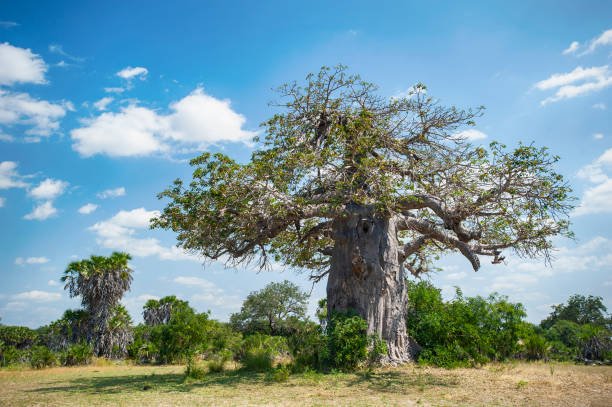
10-Day Southern Tanzania Safari And Zanzibar Package 2026-2027
Discover the ultimate 10-day Southern Tanzania safari and Zanzibar package, combining the wild heart of Africa with the tropical allure of the Spice Island. This itinerary offers an...
View package details
How Tourism Supports Kilimanjaro Communities: A Deep Dive With Top Guide
Explore the vital link between Kilimanjaro tourism and the well-being of local communities. Learn how your trek contributes to sustainable development, economic growth, and cultural...
View package detailsNo related package matches those filters. Clear one or more filters to see the other topic-matched options.
Plan your 3-Day Cultural Homestay & Local Markets — Mombasa with Top Guide Adventures
Tell us your travel dates, group size, comfort level, and dream experience. We will help you shape a clear, realistic, and memorable Tanzania itinerary.



