
Updated planning guide for 2026-2027
3-Day Birding Intensives — Manyara & Tarangire: Best Safari Guide 2026-2027
Discover the ultimate 3-day birding intensive safari focusing on Lake Manyara and Tarangire National Parks in Tanzania. This guide provides practical planning, itinerary details, species highlights, and booking advice for your 2026-2027 adventure.
WhatsApp +255616946642 | topguideadventures@gmail.com | info@topguideadventures.com
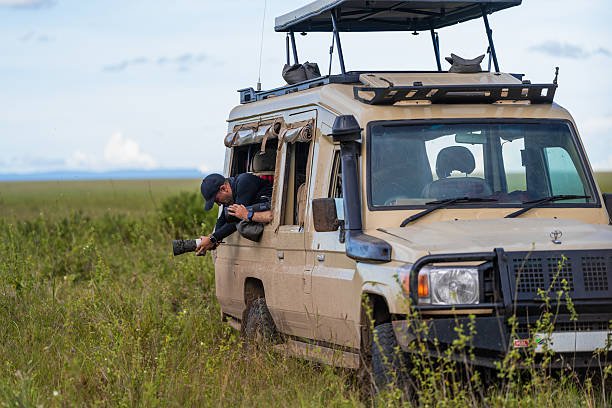
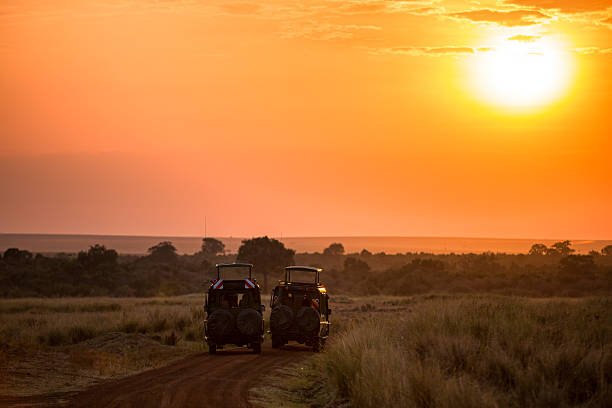
Your Comprehensive Guide to 3-Day Birding Intensives: Manyara & Tarangire
For dedicated birdwatchers, Tanzania offers unparalleled opportunities to witness a dazzling array of avian life. A focused 3-Day Birding Intensives: Manyara & Tarangire safari is expertly designed to maximize your encounters with the region’s most sought-after species. These two iconic parks, while relatively close to each other, present distinct habitats and bird communities, making them a perfect pairing for a short, impactful birding expedition. This guide provides everything you need to plan, prepare for, and enjoy an exceptional birding trip in 2026-2027.
This intensive safari is for those who understand that a few focused days can yield incredible results when planned correctly. It’s about strategic location, expert guiding, and understanding the nuances of the specific parks chosen for their birding prowess.
Quick Answer: What is a 3-Day Birding Intensive Safari in Manyara & Tarangire?
A 3-Day Birding Intensive Safari in Manyara & Tarangire is a short, focused wildlife trip concentrating on birdwatching in these two specific Tanzanian national parks. It prioritizes maximizing sightings of diverse bird species, often involving early mornings, late evenings, and specific birding techniques, while still allowing for encounters with larger mammals. It’s an efficient way for serious birders to experience the rich avian biodiversity of these areas within a limited timeframe.
| Feature | Details |
|---|---|
| Duration | 3 Days / 2 Nights |
| Focus Parks | Lake Manyara National Park, Tarangire National Park |
| Primary Activity | Birdwatching (also general wildlife viewing) |
| Best Time for Birding | November to April (rainy season, migratory birds); June to October (dry season, resident birds, water birds at Tarangire) |
| Typical Start/End Point | Arusha |
| Accommodation | Lodges, Tented Camps (various comfort levels) |
| Key Species to Spot | Flamingos (Manyara), Raptors, Hornbills, Kingfishers, Storks, Eagles, Rufous-tailed Weaver, Fischer’s Lovebird, Lilac-breasted Roller, Secretarybird, etc. |
Table of Contents
- Overview: Why Manyara & Tarangire for Birding?
- The Value of a Birding Intensive Approach
- Best Time for Birding in Manyara & Tarangire (2026-2027)
- Geographical Overview: Manyara & Tarangire
- Sample 3-Day Birding Intensive Itinerary
- What to Expect on Your Birding Safari
- Key Bird Species to Look For
- Typical Inclusions & Exclusions
- Packing and Preparation for Birders
- Common Mistakes to Avoid
- Who is This Safari Best Suited For?
- Alternatives to a 3-Day Intensive
- Planning Your 2026-2027 Birding Safari
- Booking Your 3-Day Birding Intensive
- Frequently Asked Questions (FAQs)
Overview: Why Manyara & Tarangire for Birding?
Lake Manyara National Park and Tarangire National Park, forming a crucial part of Tanzania’s northern safari circuit, are exceptional destinations for birdwatchers. Their geographical proximity and distinct ecosystems create a rich avian tapestry that can be explored effectively within a short, focused trip. The choice of these two parks for a 3-Day Birding Intensives: Manyara & Tarangire safari is strategic, leveraging their unique strengths.
Lake Manyara National Park: The Avian Hotspot
Famous for its alkaline lake that attracts vast numbers of flamingos, Lake Manyara is a significant birding area. Beyond the iconic pink birds, the park’s diverse habitats – groundwater forests, acacia woodlands, and the lake itself – support over 400 bird species. Birders can find:
- Waterfowl and waders around the lake shores.
- Forest birds within the dense groundwater forest, including various hornbills and turacos.
- Raptors soaring overhead or perched on trees.
- Small passerines in the acacia woodlands.
The park’s compact size also means that birding can be done efficiently, making it ideal for a concentrated itinerary.
Tarangire National Park: The Land of Giants and Birds
Tarangire is renowned for its large elephant herds and iconic baobab trees, but it is also a birding paradise, especially during the wet season when it becomes a vital destination for migratory birds. It boasts over 550 bird species. Key avian attractions include:
- The world’s largest breeding population of the Rufous-tailed Weaver.
- A high concentration of raptors, including martial eagles and bateleur eagles.
- Abundant guinea fowl and various francolins.
- Water-associated birds along the Tarangire River and its swamps.
- Unique species like the Ashy Starling and Yellow-collared Lovebird.
The open grasslands and acacia woodlands provide excellent visibility for spotting birds, while the riverine areas and swamps offer opportunities to find water-dependent species.
The Value of a Birding Intensive Approach
A standard safari often includes birdwatching as a secondary activity. A 3-Day Birding Intensives: Manyara & Tarangire safari flips this focus. The benefits of this intensive approach include:
- Targeted Sightings: Expert guides are briefed to look for specific species, using their knowledge of habitats, calls, and behavior to maximize sightings.
- Optimized Timing: Safaris are scheduled around peak bird activity – early mornings and late afternoons – when birds are most active and vocal.
- Habitat Specialization: The itinerary is designed to cover the most productive birding habitats within each park.
- Efficiency: For those with limited time, a 3-day intensive ensures that birding is the priority, leading to more rewarding encounters than a general safari.
- Learning Opportunity: It’s an excellent chance to learn about bird identification, calls, and ecological roles from experienced guides.
Best Time for Birding in Manyara & Tarangire (2026-2027)
The birding season in Tanzania is generally divided into the wet season (November to April) and the dry season (May to October). For a 3-Day Birding Intensives: Manyara & Tarangire safari, both seasons offer unique advantages:
| Season | Months | Key Birding Advantages | Considerations |
|---|---|---|---|
| Wet/Rainy Season | November – April |
|
Short rains can occur, and some roads might be less accessible. Higher temperatures. |
| Dry Season | May – October |
|
Fewer migratory birds. Can be dusty. Peak tourist season (July-October) means higher prices and more crowds. |
For 2026-2027:
- November to April is generally considered the prime time for serious birders due to the presence of migratory species and breeding plumage.
- June to October is still excellent for resident birds and offers superb mammal sightings alongside birding, especially in Tarangire.
Your tour operator can advise on the best specific dates based on recent birding reports and your personal preferences for migratory species versus resident populations.
Geographical Overview: Manyara & Tarangire
These parks are located in northern Tanzania, forming part of the popular Northern Safari Circuit. They are accessible from Arusha, the primary gateway city for safaris in this region.
Simplified Route Illustration:
- Arusha: Starting point, typically 45-60 minutes flight from Kilimanjaro International Airport (JRO) or a few hours’ drive from Nairobi, Kenya.
- Drive to Tarangire National Park: Approximately a 2-3 hour drive south of Arusha. The park is known for its large elephant herds and baobab trees.
- Drive to Lake Manyara National Park: A shorter drive, approximately 1-1.5 hours west of Tarangire. Famous for its tree-climbing lions and diverse birdlife around the lake.
- Return to Arusha: Approximately a 2-3 hour drive from Lake Manyara.
This route allows for efficient travel between parks, maximizing your time for birding.
Sample 3-Day Birding Intensive Itinerary
This itinerary is designed to maximize birding opportunities within a 3-day timeframe. It assumes travel from and back to Arusha. Accommodation options range from budget-friendly tented camps to luxury lodges.
Day 1: Arusha to Tarangire National Park – Birding the Baobab Wonderland
- Morning (Approx. 7:00 AM): Depart from Arusha after an early breakfast. Your expert birding guide will meet you.
- Drive to Tarangire (Approx. 2-3 hours): The journey itself offers glimpses of rural life and potential roadside birding.
- Late Morning/Afternoon: Enter Tarangire National Park. Begin your intensive birding drive. Focus on the riverine areas and open grasslands. Look for large raptors, hornbills, and ground birds. Visit the Tarangire River and Silale Swamp for water birds and resident species like the Rufous-tailed Weaver.
- Late Afternoon: Check into your lodge or tented camp within or near the park.
- Evening: Optional short evening birding walk around the camp (if permitted and safe) or relax and prepare for the next day.
Accommodation: Tented Camp or Lodge in/near Tarangire.
Day 2: Tarangire to Lake Manyara National Park – Forests, Lakes, and Birds
- Early Morning: Pre-dawn departure for optimal birding. Explore different areas of Tarangire, perhaps focusing on woodland species or specific raptor territories.
- Late Morning: After a final birding session and breakfast, depart Tarangire for Lake Manyara National Park (approx. 1-1.5 hours drive).
- Lunch: Enjoy lunch at a lodge or picnic spot with views over Lake Manyara.
- Afternoon: Intensive birding around Lake Manyara. Focus on the lake shores for flamingos, pelicans, and waders. Explore the groundwater forest for forest birds like Silvery-cheeked Hornbills and Narina Trogon. Search acacia woodlands for smaller passerines.
- Late Afternoon: Drive to your lodge or camp located near Lake Manyara or on the escarpment overlooking the park.
- Evening: Enjoy dinner and discuss the day’s sightings.
Accommodation: Tented Camp or Lodge near Lake Manyara.
Day 3: Lake Manyara Birding & Return to Arusha
- Early Morning: Dawn birding session in Lake Manyara National Park or its surroundings. This is often the best time to catch birds at their most active.
- Late Morning: Enjoy a final game drive or birding excursion, perhaps focusing on species missed on Day 2, or explore the rift valley escarpment for different species.
- Midday: Return to Arusha (approx. 2-3 hours drive).
- Afternoon: Arrive back in Arusha, concluding your 3-Day Birding Intensives: Manyara & Tarangire safari. You can arrange airport transfers or onward travel from here.
Note: This itinerary is a suggestion. It can be customized based on your specific interests, desired pace, and the expertise of your guide. For example, some birders might prefer to spend more time in Tarangire due to its vastness.
What to Expect on Your Birding Safari
A 3-Day Birding Intensives: Manyara & Tarangire safari is different from a general wildlife safari. Here’s what you can expect:
- Early Starts: Bird activity is highest at dawn and dusk. Be prepared for early wake-up calls (around 5:30-6:00 AM) for morning drives.
- Longer Drives: While the parks are accessible, covering birding hotspots can involve significant driving time within the parks, often at slower speeds to allow for observation.
- Focus on Small Details: Your guide will be pointing out birds you might otherwise miss. Patience and keen observation are key.
- Binoculars are Essential: High-quality binoculars are non-negotiable. A spotting scope can also be beneficial for observing distant birds, especially waterfowl.
- Expert Guiding: A specialized birding guide is crucial. They possess extensive knowledge of local species, their calls, habitats, and behavior. They can identify birds by sight and sound, significantly enhancing your experience.
- Wildlife Encounters: While birding is the priority, you will still see plenty of other wildlife, including elephants, giraffes, zebras, wildebeest, and potentially lions, leopards, and cheetahs.
- Comfortable but Practical: Accommodation will be comfortable, but the focus is on being close to nature. Lodges and tented camps offer a great way to experience the sounds of the African bush.
- Photography: If you are a photographer, bring appropriate lenses. Telephoto lenses (400mm+) are ideal for bird photography.
Key Bird Species to Look For
While the exact sightings depend on the season and luck, here are some of the most sought-after species for a 3-Day Birding Intensives: Manyara & Tarangire safari:
| Species | Likely Location | Key Features |
|---|---|---|
| Greater & Lesser Flamingos | Lake Manyara | Vast flocks creating a vibrant pink spectacle. |
| Rufous-tailed Weaver | Tarangire (especially near swamps) | Endemic to East Africa, common in Tarangire. |
| Lilac-breasted Roller | Both parks (woodlands, savannas) | Iconic, brilliantly colored bird. |
| Secretarybird | Tarangire (open grasslands) | Distinctive terrestrial bird of prey. |
| Silvery-cheeked Hornbill | Lake Manyara (groundwater forest) | Large forest-dwelling hornbill. |
| Narina Trogon | Lake Manyara (groundwater forest) | Strikingly beautiful forest bird. |
| Ashy Starling | Tarangire (endemic) | Vulnerable species, a key target for birders. |
| Yellow-collared Lovebird | Tarangire | Small, colorful parrot. |
| Martial Eagle | Both parks (savannas, woodlands) | One of Africa’s largest eagles. |
| Osprey | Lake Manyara, Tarangire River | Fish-eating bird of prey. |
| Kingfishers (various species) | Near water bodies | Colorful and active birds. |
| Various Ducks, Geese, and Storks | Lake Manyara, Tarangire swamps | Abundant water birds. |
Remember to consult with your tour operator about current sightings and specialized birding guides who can help you locate these and many other species.
Typical Inclusions & Exclusions
Understanding what’s included in your safari package is vital for budgeting and planning. For a 3-Day Birding Intensives: Manyara & Tarangire safari, expect the following:
| Included | Typically Excluded |
|---|---|
|
|
Always confirm the exact inclusions and exclusions with your chosen tour operator.
Packing and Preparation for Birders
Proper preparation is key to enjoying your birding intensive. Here’s a checklist:
Essential Gear:
- High-Quality Binoculars: 8×42 or 10×42 are recommended. Ensure they are waterproof and fog-proof.
- Bird Field Guide: A comprehensive guide specific to East Africa (e.g., Birds of East Africa by Terry Stevenson & John Fanshawe).
- Camera & Lenses: A good DSLR or mirrorless camera with a telephoto lens (300mm minimum, 400-600mm ideal for birds). Extra batteries and memory cards.
- Notebook & Pen: To record sightings, notes, and sketches.
- Headlamp or Torch: For early morning departures or evening camp activities.
Clothing:
- Neutral-Colored Clothing: Khaki, beige, olive green, or brown. Avoid bright colors or white, which can scare birds and attract insects.
- Layers: Mornings and evenings can be cool. Pack t-shirts, long-sleeved shirts, a fleece or warm jacket, and a windbreaker.
- Comfortable Trousers: Lightweight, quick-drying trousers are ideal.
- Sun Hat: Wide-brimmed for sun protection.
- Comfortable Walking Shoes/Boots: Broken-in hiking boots or sturdy trainers.
- Sandals or Flip-flops: For relaxing at the camp/lodge.
Health & Personal Items:
- Sunscreen: High SPF.
- Insect Repellent: Containing DEET.
- Personal First-Aid Kit: Including any personal medications.
- Hand Sanitizer.
- Toiletries.
- Sunglasses.
- Reusable Water Bottle.
Documents:
- Passport & Visa: Valid for at least six months.
- Yellow Fever Certificate: If required.
- Travel Insurance Details.
- Emergency Contact Information.
Preparation: Consult your doctor about necessary vaccinations (e.g., Yellow Fever, Typhoid, Hepatitis A) and malaria prophylaxis well in advance of your trip.
Common Mistakes to Avoid
To ensure your 3-Day Birding Intensives: Manyara & Tarangire safari is a success, be aware of these common pitfalls:
- Not hiring a specialized birding guide: A general safari guide is good for mammals, but a birding guide’s expertise is invaluable for spotting and identifying birds.
- Bringing inadequate optics: Poor binoculars will significantly limit your birding experience.
- Wearing bright clothing: This can make birds more wary and harder to approach.
- Not being prepared for early mornings: Birding is best at dawn; sleeping in will mean missed opportunities.
- Expecting to see every single species: Birding is about the journey and the effort, not just ticking off a list. Enjoy the process.
- Underestimating the weather: Tanzania can be hot, dusty, and occasionally rainy, even in the dry season. Pack accordingly.
- Not confirming park regulations: Some parks have specific rules regarding off-road driving or walking.
- Not booking in advance: Especially for popular seasons or specific lodges, booking early is crucial for 2026-2027.
- Failing to communicate your birding interests clearly: Ensure your tour operator understands your primary goal is birdwatching, not just general game viewing.
Who is This Safari Best Suited For?
A 3-Day Birding Intensives: Manyara & Tarangire safari is ideal for:
- Dedicated Birdwatchers: Serious birders who want to maximize their avian sightings in a short period.
- Photographers: Those focused on capturing images of diverse bird species.
- Nature Enthusiasts: Individuals with a keen interest in biodiversity and ecosystems.
- Time-Constrained Travelers: People who have limited vacation time but want a focused wildlife experience.
- First-Time Tanzania Birders: A great introduction to the country’s birdlife, with two distinct and productive environments.
- Experienced Travelers: Those who have done general safaris and now want a more specialized experience.
It’s less suited for travelers whose primary interest is seeing the ‘Big Five’ in a single short trip, as the focus here is on avian life, though large mammals will certainly be encountered.
Alternatives to a 3-Day Intensive
If a 3-day intensive isn’t quite right, consider these alternatives:
- Extended Northern Circuit Birding Safari: Combine Manyara and Tarangire with other parks like the Serengeti, Ngorongoro Crater, and Lake Natron for a more comprehensive birding and wildlife experience (e.g., 7-10 days). This allows for deeper exploration and more species diversity.
- Birding in Other Tanzanian Regions: Explore areas like the Usambara Mountains (montane forest birds), Udzungwa Mountains (endemic species), or the Selous Game Reserve (different bird communities, water birds) for a different set of species.
- General Safari with Birding Focus: A standard 5-7 day safari through the Northern Circuit, but specifically requesting a guide with strong birding knowledge. This offers a balance between mammal and bird viewing.
- Day Trips from Arusha: For a very short introduction, day trips to nearby areas like Arusha National Park or Momella Wildlife Estate can offer good birding opportunities, though less diverse than the national parks.
Planning Your 2026-2027 Birding Safari
Planning ahead is crucial, especially for specialized safaris like a 3-Day Birding Intensives: Manyara & Tarangire. Here’s how to approach your 2026-2027 trip:
Choosing Your Operator:
- Specialization: Look for tour operators that explicitly mention birding safaris and have guides with ornithological expertise.
- Reviews: Check reviews specifically mentioning birding experiences.
- Communication: Ensure they are responsive and understand your specific birding needs.
Booking Timeline for 2026-2027:
- 12-18 Months Out: Start researching operators and destinations. If you have specific lodge preferences, start inquiring.
- 9-12 Months Out: Book your safari with your chosen operator. This is especially important for peak seasons (June-October, December-February) and if you require a highly specialized guide.
- 6-9 Months Out: Book international flights.
- 3-6 Months Out: Confirm visa requirements and apply if necessary. Arrange travel insurance.
- 1-3 Months Out: Purchase necessary gear (binoculars, field guides, camera equipment). Consult your doctor for vaccinations and malaria advice.
- 1 Month Out: Finalize any specific requests with your tour operator. Pack your bags.
Budget Considerations for 2026-2027:
The cost of a 3-day birding intensive will vary based on accommodation level, vehicle type, and guide specialization. Generally, a specialized birding guide may command a higher daily rate. Expect costs to cover park fees, accommodation, meals, vehicle, and guide services. It’s a premium experience for dedicated enthusiasts.
Booking Your 3-Day Birding Intensive
Securing the right tour operator is key to a successful 3-Day Birding Intensives: Manyara & Tarangire safari. When you’re ready to book, consider these points:
Finding the Right Partner:
- Look for Experience: Choose a Tanzania-based operator with a proven track record in organizing specialized safaris.
- Ask About Guides: Inquire specifically about the qualifications and experience of their birding guides. Do they have specific ornithological training or extensive field experience?
- Customization: A good operator will be flexible and willing to tailor the itinerary to your birding priorities.
- Transparency: Ensure clear communication regarding what is included, payment schedules, and cancellation policies.
Getting Started:
When you contact a tour operator, be clear about your intentions. Mention:
- Your interest in a 3-Day Birding Intensives: Manyara & Tarangire safari.
- The desired travel dates for 2026 or 2027.
- Your preferred accommodation style (budget, mid-range, luxury).
- Any specific bird species you are particularly keen to see.
- Your photography interests.
Contact Top Guide Adventures:
We specialize in creating personalized safari experiences, including dedicated birding tours. Our expert guides are passionate about Tanzania’s wildlife and have an intimate knowledge of its birdlife. To discuss your 3-Day Birding Intensives: Manyara & Tarangire safari for 2026-2027 or any other Tanzanian adventure, please get in touch:
- WhatsApp: +255616946642
- Email: topguideadventures@gmail.com
- Backup Email: info@topguideadventures.com
Let us help you plan an unforgettable birding expedition.
Frequently Asked Questions (FAQs)
1. Is a 3-day birding intensive enough to see many species?
While 3 days is short, a focused birding intensive in Manyara and Tarangire, with expert guides and optimized timing, can yield a significant number of species (potentially 100-200+ depending on season and skill). It’s about quality and targeted sightings rather than sheer quantity over a longer period.
2. What is the main difference between birding in Manyara and Tarangire?
Lake Manyara is known for its vast flamingo populations, water birds, and forest species in its unique groundwater forest. Tarangire is famous for its large elephant herds, baobab trees, and is a critical habitat for resident species like the Rufous-tailed Weaver and Ashy Starling, as well as numerous raptors and migratory birds in the wet season.
3. Do I need a specialized birding guide for this safari?
For a true birding intensive, yes, a specialized birding guide is highly recommended. They possess in-depth knowledge of bird calls, behaviors, and habitats that a general safari guide might not have, significantly increasing your chances of spotting and identifying a wider array of species.
4. How early should I book my 3-day birding intensive for 2026-2027?
It’s advisable to book your 3-Day Birding Intensives: Manyara & Tarangire safari at least 9-12 months in advance, especially if you plan to travel during peak birding seasons (November-April) or require a highly sought-after guide. This ensures availability of preferred accommodation and guides.
5. Can I combine birding with other interests on this short safari?
Absolutely. While birding is the focus, you will naturally encounter other wildlife. If you have specific interests in photography, mammals, or geology, communicate this to your tour operator, and they can help integrate these into the itinerary where possible.
6. What is the typical cost for a 3-day birding intensive?
The cost varies significantly based on accommodation type, the guide’s expertise, and the season. A 3-day intensive for one person could range from USD $800 to $2000+, but this is a rough estimate. It’s best to request a personalized quote from operators like Top Guide Adventures.
7. Are there any specific risks or safety concerns for birding safaris?
Tanzania’s national parks are generally safe for tourists, especially when accompanied by experienced guides. Standard safari safety precautions apply: stay inside the vehicle when driving, listen to your guide, and be aware of your surroundings. Malaria is present, so take precautions as advised by your doctor.
8. What if I want to see more than just Manyara and Tarangire?
If you have more time, consider extending your trip to include other parks like the Serengeti, Ngorongoro Crater, or Lake Natron. These locations offer unique birding opportunities and a broader safari experience. A 7-10 day Northern Circuit birding safari is a popular option.
9. Can I bring my own spotting scope?
Yes, you can bring your own spotting scope. However, confirm with your tour operator if there are any restrictions or if they can provide one. Ensure it’s portable and easy to set up in a safari vehicle.
10. What vaccinations do I need for Tanzania in 2026-2027?
A Yellow Fever vaccination certificate is often required for entry into Tanzania, especially if arriving from or transiting through certain countries. Consult your doctor or a travel clinic for the most up-to-date recommendations on vaccinations (e.g., Hepatitis A, Typhoid) and malaria prevention.
Ready for Your Birding Adventure?
A 3-Day Birding Intensives: Manyara & Tarangire safari offers an exceptional opportunity to immerse yourself in the vibrant avian world of Tanzania. With careful planning and the right expertise, you can experience the thrill of spotting rare and beautiful birds in their natural habitats.
Let Top Guide Adventures craft your perfect birding journey. Our team is dedicated to providing unparalleled safari experiences, led by guides who are passionate about ornithology and the unique ecosystems of Tanzania. We are here to help you plan your dream birding trip for 2026-2027.
Contact us today to start planning:
- WhatsApp: +255616946642
- Email: topguideadventures@gmail.com
- Backup Email: info@topguideadventures.com
Three Days For Safari In Tanzania: Where To Go An Unforgettable Experience
If you have just three days for a safari in Tanzania, the most recommended destinations for a concentrated and rewarding wildlife experience are the Ngorongoro Conservation Area and...
View package details
How Much Is A Three-Day Selous Safari? Costs And Whats Included In 2026-2027
Planning a short but impactful safari? A 3-day safari in Tanzania's Selous Game Reserve (now Nyerere National Park) offers a fantastic wildlife experience. Discover the typical costs...
View package details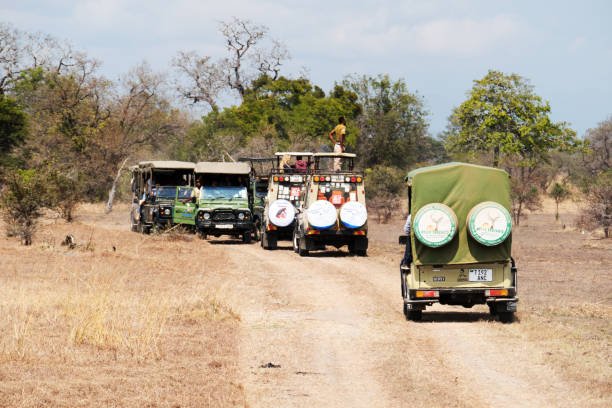
3-Day Selous Honeymoon Safari From Zanzibar: Your Ultimate Romantic Escape
A 3-day Selous honeymoon safari from Zanzibar offers newlyweds an unforgettable blend of wildlife encounters and romantic seclusion in one of Africa's most iconic parks. This short...
View package details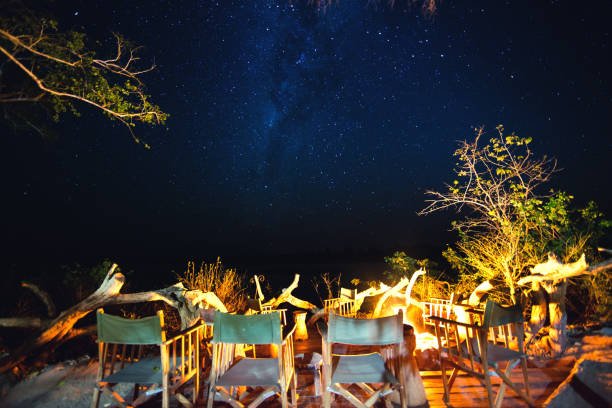
2-Day Mikumi Weekend Safari From Dar Es Salaam In 2026-2027
Discover the magic of Mikumi National Park on a convenient 2-day weekend safari from Dar es Salaam. This short trip offers incredible wildlife viewing opportunities, perfect for those with...
View package details3-Day Budget Mikumi Safari From Dar Es Salaam Guide
Discover how to experience a thrilling 3-day budget Mikumi National Park safari starting from Dar es Salaam. This guide covers everything from wildlife viewing and essential packing to...
View package details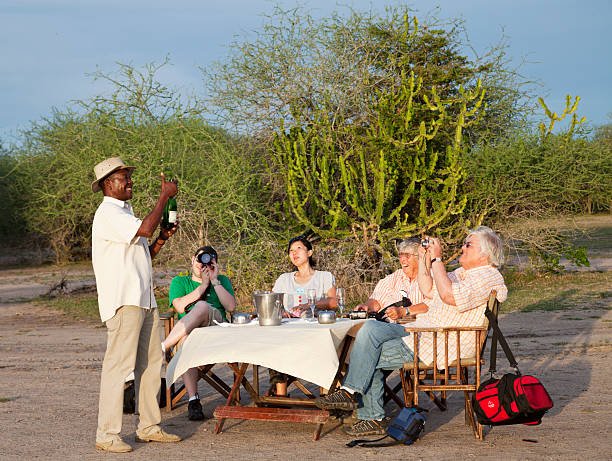
3-Day Luxury Selous Safari From Zanzibar: Your Ultimate Escape 2026-2027
Discover the magic of a 3-day luxury Selous safari departing from Zanzibar. This comprehensive guide covers itinerary options, lodge experiences, wildlife viewing, travel logistics, and...
View package details
2-Day Private Mikumi Safari From Zanzibar: Your Quick Wildlife Escape
Discover the thrill of a 2-day private Mikumi safari departing from Zanzibar. This concise adventure offers a fantastic opportunity to witness Tanzania's iconic wildlife in a short...
View package details
2-Day Shared Nyerere Safari From Zanzibar: Your Essential Guide 2026-2027
Discover the magic of Nyerere National Park (formerly Selous Game Reserve) with a 2-day shared safari departing from Zanzibar. This compact adventure offers a thrilling glimpse into one of...
View package details
3-Day Nyerere Safari With Night Game Drive 2026-2027
3-Day Nyerere Safari with Night Game Drive is explained with current 2026-2027 planning, price, itinerary and booking information.
View package details
3-Day Nyerere Safari With Accommodation Inside The Park 2026-2027
3-Day Nyerere Safari with Accommodation Inside the Park is explained with current 2026-2027 planning, price, itinerary and booking information.
View package details
3-Day Nyerere Boat, Walking And Game Drive Safari: An Unforgettable Southern
Discover the unique blend of water and land-based wildlife viewing on a 3-day safari in Nyerere National Park (formerly Selous Game Reserve). This itinerary focuses on boat safaris along...
View package details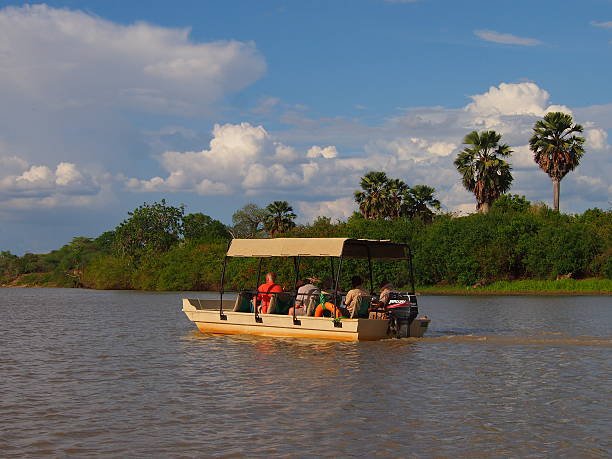
2-Day Nyerere Boat And Game Drive Safari: Your Ultimate Tanzania Adventure
Discover the wild heart of Tanzania on a 2-day Nyerere National Park safari, combining thrilling boat excursions on the Rufiji River with classic game drives. This short yet impactful...
View package detailsNo related package matches those filters. Clear one or more filters to see the other topic-matched options.
Plan your 3-Day Birding Intensives — Manyara & Tarangire with Top Guide Adventures
Tell us your travel dates, group size, comfort level, and dream experience. We will help you shape a clear, realistic, and memorable Tanzania itinerary.



