
Updated planning guide for 2026, 2027-2028
2 Days Tarangire And Ngorongoro Safari From Moshi: Best Guide 2026-2027-2028
A comprehensive guide to organizing a memorable 2-day safari combining the wildlife-rich Tarangire National Park and the iconic Ngorongoro Crater, starting from Moshi. Perfect for those with limited time but a desire to experience Tanzania's best.
WhatsApp +255616946642 | topguideadventures@gmail.com | info@topguideadventures.com
2 Days Tarangire and Ngorongoro Safari From Moshi: The Essential Travel Guide
For many travelers, a trip to Tanzania is synonymous with iconic wildlife encounters. However, limited time often presents a challenge. Fortunately, a 2 Days Tarangire and Ngorongoro Safari From Moshi offers an incredibly efficient and rewarding way to experience two of Northern Tanzania’s most spectacular wildlife destinations. This compact adventure is designed for those who want to maximize their safari experience without needing a full week. Starting from the convenient base of Moshi, this itinerary allows you to witness the vast elephant herds of Tarangire and descend into the unique ecosystem of the Ngorongoro Crater, all within a short, action-packed timeframe. This guide provides everything you need to plan, prepare for, and book your swift yet unforgettable safari in 2026 and 2027.
Quick Answer: A 2 Days Tarangire and Ngorongoro Safari from Moshi is a feasible and popular short safari package. It typically involves driving from Moshi to Tarangire on day one, spending the day on game drives, overnighting near the park or Arusha, and then proceeding to the Ngorongoro Conservation Area for a crater descent game drive on day two before returning to Moshi or Arusha.
Table of Contents
- Safari Overview: Tarangire and Ngorongoro in Two Days
- Why Choose a 2-Day Tarangire & Ngorongoro Safari from Moshi?
- Quick Facts: 2 Days Tarangire & Ngorongoro Safari
- Best Time to Visit for Your 2-Day Safari (2026-2027)
- Route and Area Overview
- Sample Itinerary: 2 Days Tarangire and Ngorongoro Safari from Moshi
- What to Expect on Your Safari
- Wildlife Highlights: Tarangire vs. Ngorongoro
- Accommodation Options
- Safari Preparation: What to Pack and Know
- Common Mistakes to Avoid
- Who is This 2-Day Safari Best Suited For?
- Alternative Short Safari Options from Moshi
- Planning Your 2026-2027 Safari Trip
- Booking Your Safari: Expert Tips
- Frequently Asked Questions (FAQs)
- Ready for Your Adventure? Contact Us!
Safari Overview: Tarangire and Ngorongoro in Two Days
A 2 Days Tarangire and Ngorongoro Safari From Moshi is a popular choice for travelers seeking an efficient wildlife experience. This itinerary is meticulously designed to maximize your exposure to Tanzania’s incredible fauna in a condensed period. It leverages the proximity of these two distinct parks to Moshi, allowing for a focused exploration without excessive travel time. You’ll journey from Moshi to Tarangire National Park on the first day, renowned for its massive elephant populations and iconic baobab trees. After a full day of game drives, you’ll typically spend the night at a lodge or camp situated conveniently for the next day’s journey to the Ngorongoro Conservation Area. Day two involves descending into the Ngorongoro Crater, a UNESCO World Heritage Site, often called ‘Africa’s Eden’ due to its high concentration of wildlife, including the rare black rhino. The swift pace requires early starts and full days, but the rewards are immense: seeing diverse landscapes and a wide array of animals in two of the continent’s premier wildlife reserves.
Why Choose a 2-Day Tarangire & Ngorongoro Safari from Moshi?
Opting for a 2 Days Tarangire and Ngorongoro Safari From Moshi offers several compelling advantages, especially for travelers with specific time constraints or those looking for a concentrated taste of Tanzania’s safari magic:
- Time Efficiency: This is the primary driver. If you have just a few days between other activities like Kilimanjaro climbs or beach holidays in Zanzibar, this package fits perfectly. It minimizes travel days while maximizing wildlife viewing opportunities.
- Diverse Ecosystems: Tarangire and Ngorongoro offer contrasting environments. Tarangire’s savannahs dotted with ancient baobabs are ideal for elephants and big cats, while the Ngorongoro Crater’s unique caldera ecosystem supports a dense population of diverse species, including predators and grazers in close proximity.
- High Wildlife Density: Both parks are known for their exceptional wildlife viewing. Tarangire is famous for its large elephant herds, especially during the dry season. Ngorongoro Crater boasts one of the highest densities of predators in Africa, alongside a healthy population of rhinos.
- Convenient Starting Point: Moshi is a major hub for Kilimanjaro trekkers and has good transport links. Starting your safari from here saves the extra travel to Arusha, often the default starting point for Northern Circuit safaris.
- Iconic Landscapes: From Tarangire’s expansive plains and giant trees to the dramatic caldera walls of Ngorongoro, the scenery itself is a significant draw.
- Value for a Short Trip: While any safari represents an investment, a 2-day trip can be more budget-friendly than longer itineraries, offering significant value for a short duration.
Quick Facts: 2 Days Tarangire & Ngorongoro Safari
| Feature | Details |
|---|---|
| Duration | 2 Days / 1 Night |
| Starting Point | Moshi, Tanzania |
| Ending Point | Moshi, Tanzania (or Arusha) |
| Key Parks Visited | Tarangire National Park, Ngorongoro Conservation Area (Crater) |
| Primary Wildlife Focus | Elephants (Tarangire), Big Five (Ngorongoro), diverse plains game, predators. |
| Typical Accommodation | Mid-range lodge or tented camp (1 night) |
| Best For | Time-constrained travelers, first-time safari-goers, wildlife enthusiasts. |
| Travel Style | Private 4×4 safari vehicle with driver-guide. |
Best Time to Visit for Your 2-Day Safari (2026-2027)
The optimal time for a 2 Days Tarangire and Ngorongoro Safari From Moshi depends on what you prioritize seeing. Both parks are accessible year-round, but wildlife viewing conditions and landscape aesthetics change significantly:
- Dry Season (June to October): This is generally considered the peak season. In Tarangire, wildlife congregates around the Tarangire River as other water sources dry up, leading to spectacular elephant sightings. The vegetation thins, making animals easier to spot. Ngorongoro’s crater floor remains green year-round due to water availability, but predator sightings can be excellent as animals are drawn to the permanent water sources. Expect sunny days and cooler evenings. This period is ideal for maximizing animal sightings. For 2026 and 2027, expect similar patterns, with June-August being particularly busy.
- Short Rains (November): This month can be unpredictable. You might experience some rain showers, but game viewing can still be good, and there are fewer crowds. The landscape begins to turn green.
- Long Rains (December to May): This is the green season, offering lush landscapes and fewer tourists. Birdwatching is exceptional during this time as migratory birds arrive. However, game viewing can be more challenging as animals disperse into thicker vegetation and water is abundant. Roads can become difficult to navigate, especially in late March, April, and May. April and May are often considered the lowest season and can offer better value. The calving season for wildebeest and zebras occurs in the Ngorongoro Conservation Area from January to March, which can be spectacular for predator action.
For a 2-day trip, the dry season (June-October) is often preferred for guaranteed sightings, especially of elephants in Tarangire. However, the green season (December-March) can offer a more intimate experience with fewer crowds and stunning scenery, particularly if you are interested in birdlife or predator-prey interactions during the calving season.
Route and Area Overview
This 2-day safari covers two distinct but geographically close areas within Tanzania’s Northern Safari Circuit. Understanding the route helps in visualizing the journey.
Starting Point: Moshi
Your journey begins in Moshi, a town situated on the slopes of Mount Kilimanjaro. It serves as a crucial logistical hub.
Day 1: Moshi to Tarangire National Park
- Drive: You will drive from Moshi towards Tarangire National Park. This drive typically takes around 3-4 hours, depending on road conditions and your exact starting point in Moshi. The route passes through or near Arusha and then heads southwest towards the Great Rift Valley.
- Tarangire National Park: This park is known for its vast elephant herds, large baobab trees, and the Tarangire River, which is a vital water source during the dry season. Game drives here focus on exploring the different habitats within the park, from acacia woodlands to riverine areas.
- Overnight: After a full day of game drives, you will head to your accommodation. Options are typically located outside the park near the gates, or sometimes within the park for a more immersive experience (though these are less common for short trips due to cost and logistics). Many opt for lodges or tented camps in the Karatu area or near Arusha, which positions them well for the next day’s journey to Ngorongoro.
Day 2: Ngorongoro Conservation Area (Crater) to Moshi
- Drive: From your overnight location, you’ll drive towards the Ngorongoro Conservation Area. This drive is relatively short, usually 1-2 hours depending on where you stayed.
- Ngorongoro Conservation Area: You will descend approximately 600 meters into the Ngorongoro Crater. This is a unique, self-contained ecosystem. The drive down and the game drive on the crater floor offer incredible opportunities to see a high density of wildlife.
- Game Drive: You’ll spend several hours exploring the crater floor, looking for the Big Five (lion, leopard, elephant, buffalo, rhino), hippos, flamingos, and numerous other species.
- Ascent and Return: After your game drive, you will ascend out of the crater and begin your journey back to Moshi. The drive from Ngorongoro back to Moshi takes approximately 4-5 hours.
Visualizing the Route:
| Moshi | –> (3-4 hrs drive) –> | Tarangire NP (Game Drive) | –> (Drive to overnight) –> | Overnight Location (e.g., Karatu/Arusha area) |
| Overnight Location | –> (1-2 hrs drive) –> | Ngorongoro Conservation Area (Crater Descent & Game Drive) | –> (4-5 hrs drive) –> | Moshi |
Sample Itinerary: 2 Days Tarangire and Ngorongoro Safari from Moshi
This is a typical itinerary for a 2 Days Tarangire and Ngorongoro Safari From Moshi. It’s designed to be action-packed and efficient.
Day 1: Tarangire National Park – Land of Giants
- Morning (Approx. 7:00 AM): Pick up from your hotel in Moshi by your experienced safari guide in a custom-built 4×4 safari vehicle. Briefing about the safari ahead.
- Drive to Tarangire (Approx. 7:30 AM – 11:00 AM): Depart for Tarangire National Park. The drive takes approximately 3-4 hours, passing through scenic landscapes and potentially stopping briefly in Arusha or Mto wa Mbu for supplies or a cultural glimpse.
- Park Entry & Game Drive (Approx. 11:00 AM – 4:00 PM): Arrive at Tarangire, complete park entry formalities, and commence your game drive. Focus on the park’s unique features: large baobab trees, diverse birdlife, and of course, the magnificent elephant herds. Look for predators like lions, leopards, and cheetahs, as well as giraffes, zebras, and various antelopes. A picnic lunch will be served at a designated spot within the park.
- Late Afternoon Drive to Accommodation (Approx. 4:00 PM – 6:00 PM): After a fulfilling day, drive towards your lodge or tented camp located either near the park’s boundary or in the Karatu region, which is strategically positioned for the next day’s journey to Ngorongoro.
- Evening: Check into your accommodation, enjoy dinner, and relax, anticipating the wonders of Ngorongoro.
Day 2: Ngorongoro Crater – The Eighth Wonder of the World
- Morning (Approx. 6:00 AM – 7:00 AM): Early wake-up call. Enjoy breakfast at your lodge.
- Drive to Ngorongoro Crater Gate (Approx. 7:00 AM – 8:00 AM): Depart for the Ngorongoro Conservation Area. You’ll stop at the gate for registration and then proceed to the crater rim viewpoint.
- Crater Descent & Game Drive (Approx. 8:30 AM – 1:00 PM): Descend approximately 600 meters onto the crater floor for an unforgettable game drive. The Ngorongoro Crater is a UNESCO World Heritage Site, renowned for its high concentration of wildlife, including the endangered black rhino. You’ll have excellent chances of spotting lions, elephants, buffalo, hippos, flamingos, and a variety of other animals within this compact ecosystem. A picnic lunch will be served on the crater floor, often near a hippo pool.
- Ascent and Drive to Moshi (Approx. 1:00 PM – 6:00 PM): After your game drive, ascend back to the crater rim. Begin the scenic drive back to Moshi. You’ll pass through local villages and agricultural areas, offering glimpses of rural Tanzanian life.
- Arrival in Moshi (Approx. 6:00 PM onwards): Arrive back in Moshi and be transferred to your hotel or preferred drop-off point.
Note: This itinerary is a sample and can be customized based on your interests and pace. Park entry fees, accommodation choices, and travel times can influence the exact schedule.
What to Expect on Your Safari
A 2 Days Tarangire and Ngorongoro Safari From Moshi is an intense but incredibly rewarding experience. Here’s a breakdown of what you can anticipate:
- Early Mornings: To maximize your limited time, expect early starts on both days. This is also when animals are often most active.
- Long Game Drives: You’ll spend significant hours each day in your safari vehicle, traversing the parks and searching for wildlife.
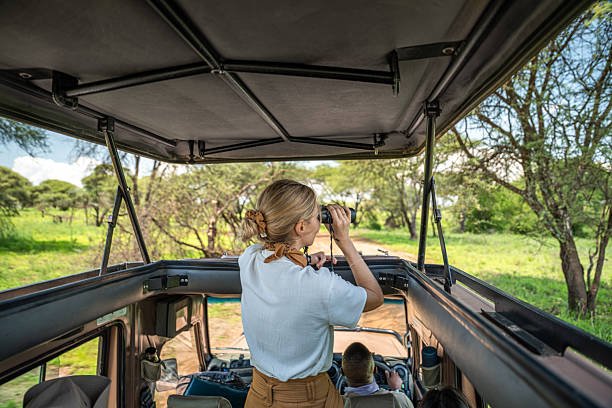
- Comfortable but Functional Vehicle: You will travel in a sturdy 4×4 safari vehicle, typically a Land Cruiser or Land Rover, equipped with pop-up roofs for excellent viewing and photography. Your guide will be knowledgeable about animal behavior and park geography.
- Picnic Lunches: To save time and allow for more game viewing, most lunches on these short safaris are picnic-style, enjoyed at scenic spots within the parks.
- Varied Landscapes: Experience the dramatic contrast between Tarangire’s open plains dotted with baobabs and Ngorongoro’s lush, bowl-like caldera.
- Wildlife Abundance: Both parks are teeming with animals. While no sighting is guaranteed, the chances of seeing iconic African wildlife, including elephants, lions, buffalo, giraffes, zebras, and a variety of antelopes, are very high. Ngorongoro offers a unique opportunity to potentially spot the rare black rhino.
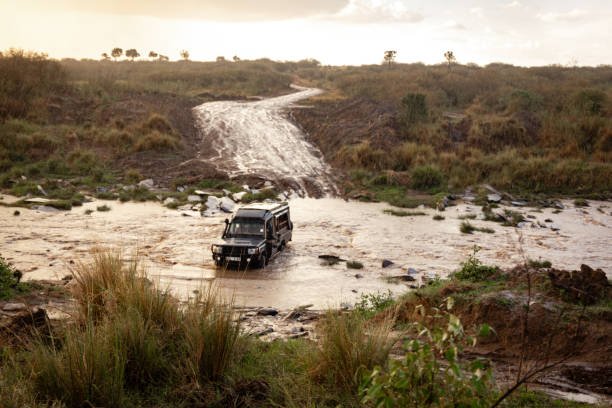
- Road Conditions: Roads within the parks and conservation areas can range from well-maintained tracks to rougher, dustier paths, especially during the rainy season. Your 4×4 vehicle is designed to handle these conditions.
- Accommodation: You’ll typically stay in a mid-range lodge or a comfortable tented camp for one night. These accommodations offer amenities like en-suite bathrooms, dining areas, and sometimes swimming pools, providing a relaxing respite after a day of exploring.
- Communication: Mobile phone reception can be spotty within the parks. Your guide will have a satellite phone for emergencies.
- Cultural Encounters: While the focus is wildlife, you might pass through local villages or encounter Maasai herders within the Ngorongoro Conservation Area, offering brief glimpses into local life.
Wildlife Highlights: Tarangire vs. Ngorongoro
While both parks are crown jewels of Tanzanian safaris, they offer distinct wildlife viewing experiences:
Tarangire National Park
- Elephants: Tarangire is famous for its massive elephant herds, often numbering in the hundreds, especially during the dry season (June-October) when they gather around the Tarangire River.
- Baobab Trees: The park is characterized by its ancient, giant baobab trees, creating a unique and iconic landscape.
- Predators: Lions are commonly seen, often resting in trees during the heat of the day. Leopards and cheetahs are also present but can be more elusive.
- Birdlife: Tarangire is a birdwatcher’s paradise, with over 550 species recorded.
- Other Mammals: Giraffes, zebras, wildebeest, dik-dik, impalas, waterbucks, and many other herbivores are abundant.
Ngorongoro Conservation Area (Crater)
- High Density of Wildlife: The crater floor is a compact ecosystem supporting an incredible concentration of animals.
- The Big Five: It is one of the best places in Tanzania to see the Big Five (lion, leopard, elephant, buffalo, rhinoceros) in a single day.
- Black Rhinos: The Ngorongoro Crater is one of the few places in Tanzania where you have a good chance of spotting the endangered black rhino.
- Predator-Prey Dynamics: Excellent opportunities to witness interactions between lions, hyenas, jackals, and their prey.
- Hippos: Large pods of hippos are found in the crater’s permanent water bodies.
- Flamingos: During certain times of the year, the soda lakes attract large numbers of flamingos.
- Unique Ecosystem: The caldera provides a self-contained environment, meaning animals tend to stay within its boundaries.
Accommodation Options
For a 2 Days Tarangire and Ngorongoro Safari From Moshi, accommodation is typically chosen for its strategic location and comfort, balancing cost and convenience. You will generally have one night of accommodation.
- Types:
- Tented Camps: These offer a more immersive safari experience. They range from basic canvas tents with shared facilities (less common for this type of package) to luxury tented suites with en-suite bathrooms, comfortable beds, and private verandas.
- Lodges: These are permanent structures, often built with local materials, offering comfortable rooms, dining areas, lounges, and sometimes swimming pools. They provide a solid level of comfort and amenities.
- Location:
- Near Tarangire: Staying very close to Tarangire on the first night minimizes driving on day one but might mean a longer drive to Ngorongoro on day two.
- Karatu Area: This is a popular choice. Karatu is a small town situated on the highlands between Tarangire and Ngorongoro. Lodges and camps here offer good access to both parks and are often set in scenic coffee plantations or forested hills. It’s a convenient staging point for Ngorongoro.
- Arusha: Some tours might return to Arusha for the night, especially if it simplifies logistics or if the traveler has onward plans from Arusha. However, this adds extra driving time on day two.
- Standard: Most 2-day packages include mid-range accommodation. This typically means comfortable, clean rooms or tents with private bathrooms, good food, and friendly service. Higher-end luxury options are available at an additional cost.
Safari Preparation: What to Pack and Know
Packing smart is crucial for a short, action-packed safari. You want to be comfortable and prepared without overpacking.
What to Pack:
- Clothing:
- Neutral Colors: Pack lightweight, breathable clothing in neutral colors like khaki, beige, green, or brown. Avoid bright colors (which can scare animals) and dark colors like black or blue (which attract tsetse flies).
- Layers: Mornings and evenings can be cool, especially in the Ngorongoro Crater. Pack long-sleeved shirts and trousers for warmth and sun protection. A fleece jacket or warm sweater is essential.
- T-shirts and Shorts/Light Trousers: For warmer daytime temperatures.
- Rain Jacket: A lightweight, waterproof and windproof jacket is advisable, especially during the shoulder seasons or rainy periods.
- Comfortable Shoes: Closed-toe walking shoes or sturdy sneakers are ideal for walking around lodges/camps. You won’t be doing much walking in the parks themselves.
- Sandals/Flip-flops: For relaxing at your accommodation.
- Sun Protection:
- Sunscreen: High SPF.
- Hat: Wide-brimmed hat for maximum sun protection.
- Sunglasses: Essential for bright days.
- Health & Hygiene:
- Insect Repellent: With DEET, especially for evenings.
- Hand Sanitizer: Useful for use before meals.
- Personal First-Aid Kit: Include any personal medications, pain relievers, antiseptic wipes, bandages, and motion sickness medication if needed.
- Malaria Precautions: Consult your doctor about malaria prophylaxis before your trip.
- Gear:
- Camera: With extra batteries and memory cards. A zoom lens is highly recommended for wildlife photography.
- Binoculars: Essential for spotting distant animals and birds.
- Power Bank/Portable Charger: For keeping electronics charged on the go.
- Adapter: Tanzania uses Type G plugs (UK style), 230V.
- Headlamp or Small Flashlight: Useful for navigating around your camp/lodge at night.
- Documents & Money:
- Passport: With necessary visas.
- Yellow Fever Certificate: May be required.
- Travel Insurance Details: Highly recommended.
- Cash: For tips and souvenirs (USD is widely accepted for park fees and some lodges, but Tanzanian Shillings are useful for local purchases).
Important Considerations:
- Luggage Restrictions: Most safari vehicles have limited luggage space. Soft-sided duffel bags are preferred over hard suitcases. Check with your tour operator for specific weight and size limits.
- Hydration: Drink plenty of water to stay hydrated, especially during long game drives. Your safari vehicle will usually be stocked with bottled water.
- Respect Wildlife: Maintain a safe distance from animals and never feed them. Follow your guide’s instructions at all times.
- Tipping: Tipping your guide is customary and appreciated. Your tour operator can provide guidance on appropriate amounts.
Common Mistakes to Avoid
To ensure your 2 Days Tarangire and Ngorongoro Safari From Moshi is as smooth and enjoyable as possible, be aware of these common pitfalls:
- Underestimating Travel Times: While the distances might seem short on a map, driving in Tanzania can be slower than expected due to road conditions, wildlife on the roads, and the need for breaks. Factor this into your expectations.
- Overpacking: Soft duffel bags are essential due to space constraints in safari vehicles. Hard suitcases are cumbersome.
- Not Packing Layers: The temperature can fluctuate significantly between day and night, and at different altitudes (like the Ngorongoro Crater rim).
- Wearing Bright Colors: Stick to neutral, earthy tones. Bright colors can startle wildlife and attract insects.
- Expecting to See Everything: While these parks are rich in wildlife, seeing specific animals (like leopards or rhinos) is never guaranteed. Embrace the surprise and enjoy what you do see.
- Not Bringing Binoculars or a Good Camera: These are vital for enhancing your wildlife viewing and capturing memories. A zoom lens is highly recommended.
- Forgetting Sun Protection: The African sun is intense. Hats, sunscreen, and sunglasses are non-negotiable.
- Ignoring Health Advice: Consult your doctor about malaria prevention and vaccinations well in advance.
- Booking Too Late: Especially for travel in peak seasons (like 2026 or 2027), popular accommodations and safari vehicles get booked up quickly.
- Not Clarifying Inclusions/Exclusions: Always understand what your safari package covers (park fees, meals, accommodation, guide, vehicle) and what it doesn’t (tips, drinks, personal expenses).
- Trying to Do Too Much: While this 2-day itinerary is efficient, remember it involves long days. Be prepared for early starts and late finishes.
Who is This 2-Day Safari Best Suited For?
This specific 2 Days Tarangire and Ngorongoro Safari From Moshi is an excellent option for several types of travelers:
- Time-Constrained Travelers: Those with only a couple of extra days in their itinerary, perhaps before or after climbing Mount Kilimanjaro, or before heading to Zanzibar.
- First-Time Safari Goers: It offers a fantastic introduction to Tanzanian wildlife and safari experiences, showcasing two of the most famous parks.
- Wildlife Enthusiasts on a Budget: While not the cheapest option, it’s a more economical way to experience high-quality wildlife viewing compared to longer multi-day safaris.
- Travelers Seeking Iconic Scenery: Those who want to see the dramatic landscapes of the baobab-studded Tarangire and the unique caldera of Ngorongoro.
- Couples or Small Groups: The private nature of the safari vehicle allows for an intimate experience.
- Travelers Starting from Moshi: It’s a convenient option that avoids the need to travel to Arusha first for a safari.
It might be less suitable for travelers who prefer a slower pace, want to visit more parks, or have more than 3-4 days available for a safari, as longer itineraries allow for deeper exploration and less rushed experiences.
Alternative Short Safari Options from Moshi
If the 2 Days Tarangire and Ngorongoro Safari doesn’t perfectly fit your needs, or if you’re looking for slightly different experiences, here are some alternatives available from Moshi:
- 1 Day Tarangire Safari: A very rushed option, usually involving an early start and late return to Moshi. It allows a glimpse of Tarangire but is less immersive.
- 1 Day Ngorongoro Crater Safari: Similar to the 1-day Tarangire, this is a long day trip, focusing solely on the crater descent. It’s feasible but tiring.
- 2 Days Lake Manyara & Tarangire Safari: This option replaces Ngorongoro with Lake Manyara National Park. Lake Manyara is known for its tree-climbing lions, large baboon troops, and diverse birdlife, especially in its acacia woodlands and soda lake environment. It offers a different, but equally rewarding, experience.
- 3 Days Tarangire, Lake Manyara & Ngorongoro Safari: This is a more relaxed and comprehensive short safari. It allows more time in each park, reducing the feeling of being rushed and increasing chances of sightings. This is often considered the ‘classic’ short Northern Circuit safari.
- Day Trips to Local Cultural Sites: While not wildlife safaris, Moshi offers opportunities for day trips to waterfalls, local markets, or cultural villages, providing a different kind of experience.
For those with a bit more time, even a 3-day safari provides a significantly more in-depth experience than a 2-day trip, allowing for longer game drives and a less frantic pace.
Planning Your 2026-2027 Safari Trip
Planning ahead is key for a successful safari, especially if you’re looking at travel dates in 2026 or 2027. Early planning ensures better availability and potentially better pricing.
Key Planning Steps for 2026-2027:
Safari Planning Checklist:
- Define Your Budget: Determine how much you are willing to spend. This will influence accommodation choices, vehicle type, and the overall package.
- Choose Your Travel Dates: Consider the best time to visit based on your priorities (wildlife, weather, crowds). Peak seasons (June-October) and holidays (Christmas/New Year) should be booked further in advance for 2026 and 2027.
- Select a Reputable Tour Operator: Research and choose a company with good reviews, local expertise, and clear communication. Best Tanzania Tour Operator (Top Guide Adventures) is a prime example.
- Confirm Inclusions: Understand exactly what your package covers: park fees, accommodation, meals, guide, vehicle, airport transfers, etc.
- Book Flights: Book your international flights to Kilimanjaro International Airport (JRO) or potentially Nairobi (NBO) with a transfer to Tanzania.
- Visa Requirements: Check visa regulations for Tanzania for your nationality. Many can obtain visas on arrival or apply online in advance.
- Health Preparations: Consult your doctor 4-6 weeks before departure regarding vaccinations and malaria prophylaxis.
- Travel Insurance: Secure comprehensive travel insurance covering medical emergencies, trip cancellations, and lost luggage.
- Pack Appropriately: Use the packing list provided in this guide.
- Currency: Arrange for USD for park fees and tips, and some local currency (Tanzanian Shillings) for small purchases.
- Communication: Inform your bank about your travel dates to avoid card issues. Consider a local SIM card if needed.
Booking Timeline Example for 2026-2027 Travel:
| Timeframe | Action |
|---|---|
| 12+ Months Out | Initial research, budget setting, rough date selection. |
| 9-12 Months Out | Contact tour operators, get quotes, finalize itinerary. Book flights if prices are favorable. |
| 6-9 Months Out | Confirm and book your safari package. Pay deposit. |
| 3-6 Months Out | Apply for visas (if required in advance). Book any pre/post-safari accommodation. |
| 1-3 Months Out | Consult doctor for health advice and vaccinations. Purchase travel insurance. Finalize packing list. |
| 2-4 Weeks Out | Confirm all arrangements with your tour operator. Exchange some currency. |
| 1 Week Out | Pack your bags. Confirm flight details. Inform bank of travel. |
Booking Your Safari: Expert Tips
Securing the right safari package is crucial for a memorable 2 Days Tarangire and Ngorongoro Safari From Moshi. Here are expert tips to guide your booking process:
- Choose a Local, Reputable Operator: Companies like Best Tanzania Tour Operator (Top Guide Adventures) have invaluable local knowledge, established relationships with lodges and park authorities, and can often offer better value and more authentic experiences than international agents.
- Read Reviews: Look for independent reviews on platforms like TripAdvisor, Google, and safari forums. Pay attention to comments about guide quality, vehicle condition, accommodation, and customer service.
- Get Detailed Quotes: Don’t just compare prices. Ensure you get detailed quotes that clearly outline what is included and excluded. Ask for specifics on park fees, accommodation names (or standard), meal inclusions, and vehicle type.
- Understand the Vehicle: For a comfortable and effective safari, ensure you’re in a well-maintained 4×4 safari vehicle (Land Cruiser or Land Rover) with a pop-up roof. This is standard for Northern Circuit safaris.
- Clarify Accommodation Standards: Mid-range is common for 2-day trips. Ask for examples of lodges or camps typically used in this category to gauge comfort levels. If you desire luxury, discuss upgrades early.
- Ask About Your Guide: The quality of your safari guide significantly impacts your experience. Inquire about their experience, training (e.g., KPSGA certification), and language proficiency. A good guide is knowledgeable, personable, and safety-conscious.
- Payment Terms: Understand the deposit requirements and payment schedule. Most operators require a deposit to confirm bookings and full payment closer to the travel date. Check their cancellation policy carefully.
- Communication is Key: Choose an operator who communicates clearly and promptly. Ask all your questions, no matter how small they seem. A good operator will be patient and informative.
- Be Wary of Unbelievably Low Prices: If a price seems too good to be true, it often is. Extremely low prices might indicate compromises on accommodation quality, vehicle maintenance, guide experience, or may hide significant extra costs.
- Confirm Park Fees: Park fees are a substantial part of safari costs. Ensure they are included in your quote and understand the current rates (which can change annually).
- Contingency Planning: Discuss with your operator what happens in case of vehicle breakdowns or unforeseen circumstances. A reliable operator will have backup plans.
Frequently Asked Questions (FAQs)
General Questions
Q1: Is it possible to see the Big Five on a 2-day Tarangire and Ngorongoro safari from Moshi?
A1: It is possible, especially in the Ngorongoro Crater, which is renowned for its high concentration of the Big Five. Tarangire is excellent for elephants and often offers lion and buffalo sightings. Leopard and rhino sightings are more challenging but can occur. While not guaranteed, the chances are good on this itinerary.
Q2: What is the best time of year for this safari in 2026-2027?
A2: The dry season (June to October) is generally considered the best for wildlife viewing as animals congregate around water sources, and vegetation is less dense. However, the green season (December to March) offers lush landscapes and excellent birdwatching, with potential predator action during the calving season. For 2026 and 2027, expect similar patterns, with peak season bookings advised well in advance.
Q3: How much driving is involved each day?
A3: Expect significant driving. Day 1 involves a 3-4 hour drive to Tarangire, plus game driving. Day 2 involves a 1-2 hour drive to Ngorongoro, a game drive on the crater floor, and then a 4-5 hour drive back to Moshi. These are long days, but the time in the parks is maximized.
Q4: What kind of vehicle will I be using?
A4: Reputable operators will use a custom-built 4×4 safari vehicle, typically a Land Cruiser or Land Rover, equipped with a pop-up roof for optimal game viewing and photography. This is essential for navigating park tracks.
Q5: What is the typical accommodation like for this safari?
A5: For a 2-day safari, you’ll usually stay in a mid-range lodge or a comfortable tented camp for one night. These offer private bathrooms, meals, and a relaxing atmosphere after a day of game drives.
Q6: Can this safari be customized?
A6: Yes, most reputable tour operators, like Best Tanzania Tour Operator, can customize this itinerary. You can discuss specific interests, preferred accommodation levels, or adjust the pace if needed, though significant changes might affect the feasibility of a 2-day trip.
Q7: Is it safe to travel on this safari?
A7: Tanzania is a safe safari destination. Your safety is prioritized with experienced guides who know wildlife behavior and park rules. Following your guide’s instructions is paramount. Standard travel precautions apply.
Q8: What are the park fees for Tarangire and Ngorongoro?
A8: Park fees are a significant component of safari costs and are subject to change. They are typically charged per person, per 24-hour period, plus vehicle fees. Your tour operator will include these in the total package cost. For planning purposes for 2026-2027, expect fees to be in the range of $50-$70 USD per person per park per day, plus vehicle fees, but always confirm with your operator.
Q9: What currency should I bring?
A9: US Dollars are widely accepted for park fees and often for lodge payments. It’s also useful for tipping. However, carrying some Tanzanian Shillings (TZS) is recommended for small purchases in local markets or shops outside the main tourist hubs.
Q10: How much should I tip the guide?
A10: Tipping is customary and appreciated. A general guideline for a 2-day safari is around $20-$30 USD per day for the guide. Your tour operator can provide more specific recommendations based on the service received.
Ready for Your Adventure? Contact Us!
Don’t miss the chance to experience the magic of Tanzania’s wildlife on an efficient and thrilling 2 Days Tarangire and Ngorongoro Safari From Moshi. Whether you’re an avid wildlife photographer, a nature enthusiast, or simply seeking an unforgettable adventure, this safari offers an incredible taste of what Northern Tanzania has to offer. Planning for 2026 and 2027 is well underway, and we are here to help you craft the perfect short safari experience.
Let the experts at Best Tanzania Tour Operator (Top Guide Adventures) handle all the details. We specialize in creating personalized safari experiences that cater to your interests and budget, ensuring a safe, enjoyable, and memorable journey.
Get in touch today to start planning your dream safari:
- WhatsApp: +255616946642
- Email: topguideadventures@gmail.com
- Backup Email: info@topguideadventures.com
We look forward to helping you discover the wonders of Tarangire and Ngorongoro!
Three Days For Safari In Tanzania: Where To Go An Unforgettable Experience
If you have just three days for a safari in Tanzania, the most recommended destinations for a concentrated and rewarding wildlife experience are the Ngorongoro Conservation Area and...
View package details
Serengeti And Ngorongoro Safari Without Luxury: Your Options For 2026-2027
Discover how to experience the wonders of the Serengeti and Ngorongoro Crater on a safari that prioritizes incredible wildlife viewing and authentic experiences over luxury accommodations...
View package details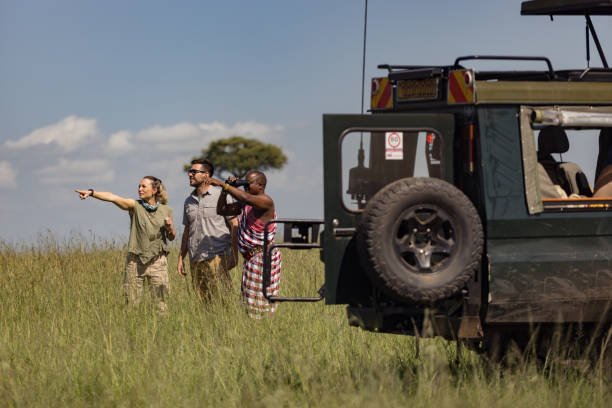
Which Local Tanzania Safari Companies Are Trustworthy In ? 2026-2027
Choosing a trustworthy local Tanzania safari company is crucial for a memorable and safe adventure. This guide helps you identify reliable operators for your 2026-2027 trip, covering...
View package detailsWe Are Arriving At Kilimanjaro Airport, What Safari Itinerary Should We Do?
Planning your safari upon arrival at Kilimanjaro Airport (JRO)? This guide provides tailored safari itineraries for 2026-2027, focusing on Northern Tanzania's iconic parks like the...
View package details
7 Days In Tanzania: Your Expertly Planned Safari Itinerary For 2026-2027
Discover a perfectly crafted 7-day Tanzania safari itinerary for 2026-2027, designed to maximize wildlife viewing and cultural experiences in the Serengeti and Ngorongoro Crater.
View package details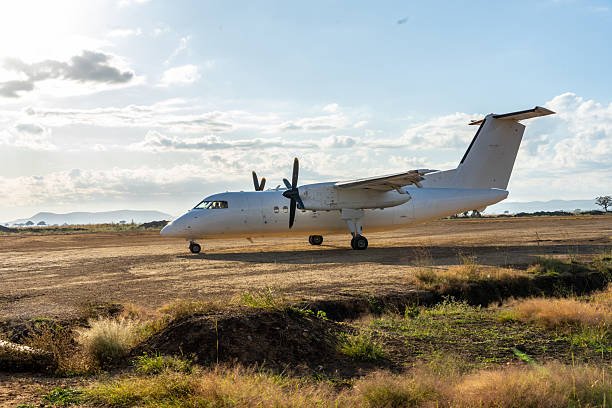
How Much Is A Three-Day Selous Safari? Costs And Whats Included In 2026-2027
Planning a short but impactful safari? A 3-day safari in Tanzania's Selous Game Reserve (now Nyerere National Park) offers a fantastic wildlife experience. Discover the typical costs...
View package details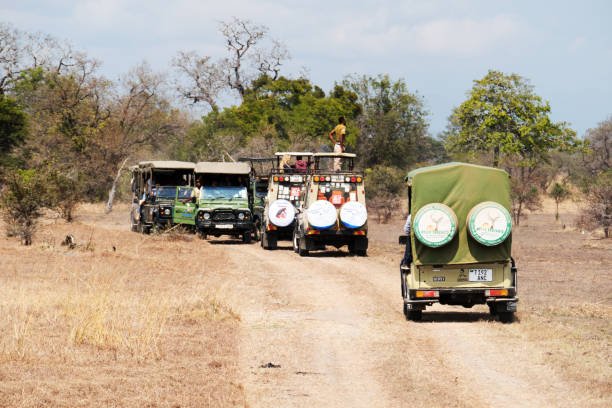
3-Day Selous Honeymoon Safari From Zanzibar: Your Ultimate Romantic Escape
A 3-day Selous honeymoon safari from Zanzibar offers newlyweds an unforgettable blend of wildlife encounters and romantic seclusion in one of Africa's most iconic parks. This short...
View package details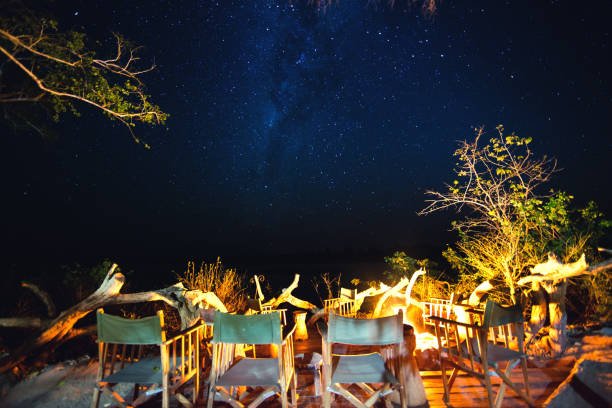
2-Day Mikumi Weekend Safari From Dar Es Salaam In 2026-2027
Discover the magic of Mikumi National Park on a convenient 2-day weekend safari from Dar es Salaam. This short trip offers incredible wildlife viewing opportunities, perfect for those with...
View package details3-Day Budget Mikumi Safari From Dar Es Salaam Guide
Discover how to experience a thrilling 3-day budget Mikumi National Park safari starting from Dar es Salaam. This guide covers everything from wildlife viewing and essential packing to...
View package details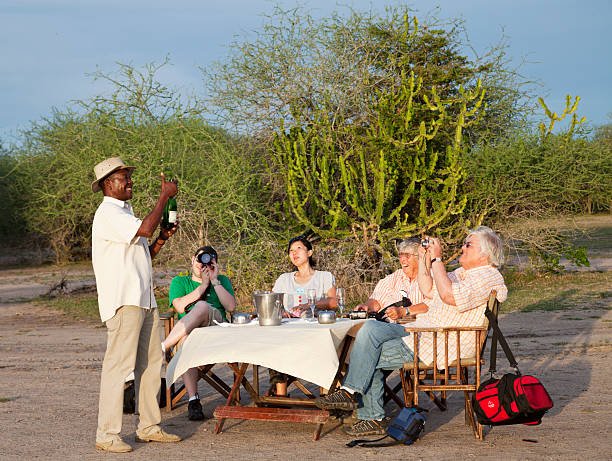
3-Day Luxury Selous Safari From Zanzibar: Your Ultimate Escape 2026-2027
Discover the magic of a 3-day luxury Selous safari departing from Zanzibar. This comprehensive guide covers itinerary options, lodge experiences, wildlife viewing, travel logistics, and...
View package details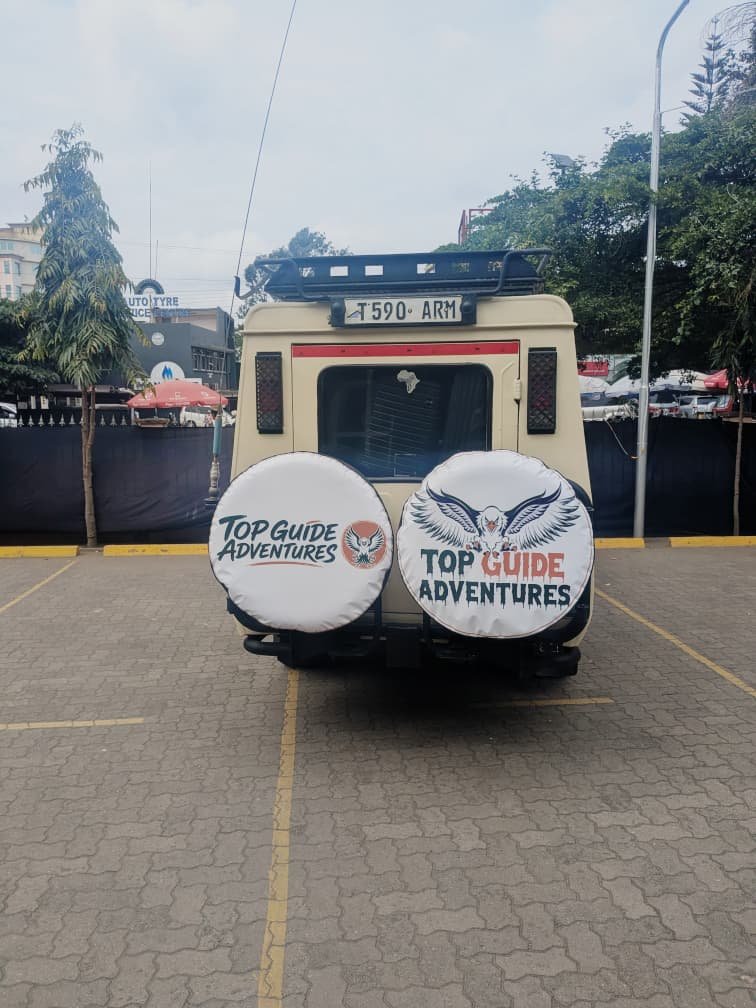
2-Day Private Mikumi Safari From Zanzibar: Your Quick Wildlife Escape
Discover the thrill of a 2-day private Mikumi safari departing from Zanzibar. This concise adventure offers a fantastic opportunity to witness Tanzania's iconic wildlife in a short...
View package details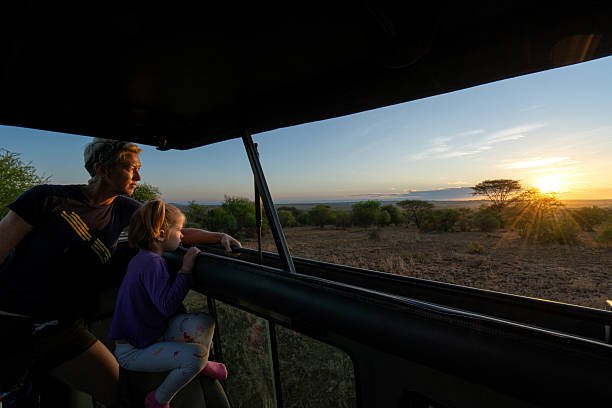
2-Day Shared Nyerere Safari From Zanzibar: Your Essential Guide 2026-2027
Discover the magic of Nyerere National Park (formerly Selous Game Reserve) with a 2-day shared safari departing from Zanzibar. This compact adventure offers a thrilling glimpse into one of...
View package detailsNo related package matches those filters. Clear one or more filters to see the other topic-matched options.
Plan your 2 Days Tarangire and Ngorongoro Safari From Moshi with Top Guide Adventures
Tell us your travel dates, group size, comfort level, and dream experience. We will help you shape a clear, realistic, and memorable Tanzania itinerary.



