
Updated planning guide for 2026-2027
2-Day Primate Conservation Volunteer Intro: Complete Guide 2026-2027
Discover the rewarding experience of a 2-day primate conservation volunteer introduction in Tanzania. This comprehensive guide covers everything from planning and preparation to what you'll do on the ground, helping you make the most of your short but impactful conservation trip.
WhatsApp +255616946642 | topguideadventures@gmail.com | info@topguideadventures.com
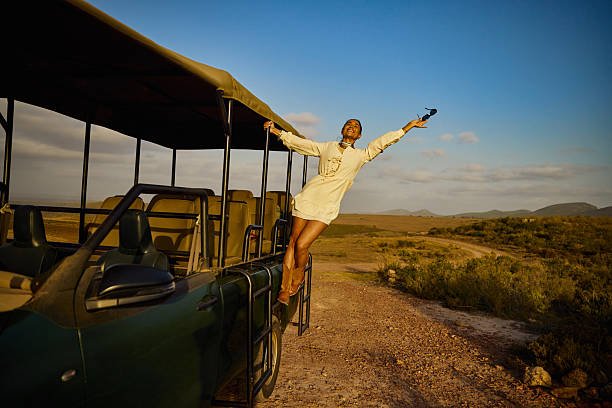
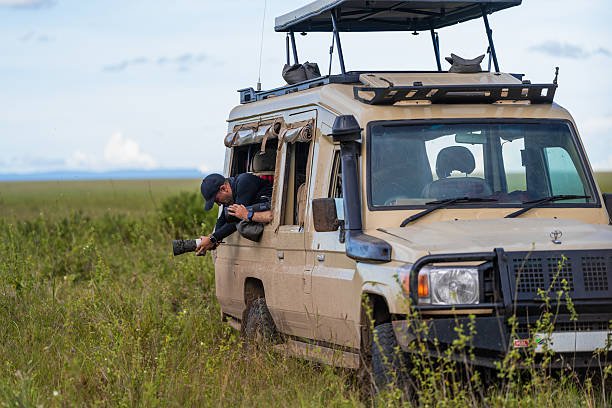
Your Comprehensive Guide to a 2-Day Primate Conservation Volunteer Intro in Tanzania
Considering a brief yet meaningful engagement with wildlife conservation in Tanzania? A 2-day primate conservation volunteer intro offers a unique opportunity to contribute directly to the protection of endangered primate species while experiencing the natural beauty of this incredible country. This guide is designed for travelers seeking a practical, in-depth look at what such a short-term commitment entails, from initial planning and preparation to the actual experience and booking advice. We’ll cover everything you need to know to make your 2-day primate conservation volunteer intro a success, with insights relevant for planning in 2026 and 2027.
Quick Answers: Is a 2-Day Primate Conservation Volunteer Intro Right for You?
A 2-day primate conservation volunteer intro is ideal for travelers who have limited time but a strong desire to contribute to conservation efforts. It’s perfect for those on a broader Tanzania itinerary, perhaps combining it with a safari or a trip to Zanzibar. You’ll gain a foundational understanding of primate conservation challenges and solutions, assist with practical tasks, and connect with nature in a profound way. It’s not about becoming an expert in two days, but about experiencing conservation work firsthand and making a tangible difference.
Quick Facts: 2-Day Primate Conservation Volunteer Intro
| Duration | Typically 2 full days, often including travel to/from the project site. |
| Location | Various sites in Tanzania, often near primate habitats like Gombe, Mahale, or areas with chimpanzee and monkey populations. |
| Activities | Habitat monitoring, data collection, community engagement support, trail maintenance, educational outreach assistance. |
| Accommodation | Basic but comfortable, often within or near the project site (e.g., eco-lodges, research stations, community guesthouses). |
| Physical Demands | Moderate; involves walking, hiking, and sometimes manual labor in tropical conditions. |
| Cost Considerations | Program fees cover accommodation, meals, project activities, and local support. Excludes flights and personal expenses. |
| Best For | Nature lovers, aspiring conservationists, travelers seeking impactful short-term experiences, those combining with other Tanzania tours. |
Table of Contents
- Overview: The Purpose of a 2-Day Primate Conservation Volunteer Intro
- Why Your Contribution Matters
- Best Time to Visit for Primate Conservation
- Potential Project Locations in Tanzania
- Sample 2-Day Primate Conservation Volunteer Itinerary
- What to Expect: Daily Life and Activities
- Preparation and Packing Essentials
- Common Mistakes to Avoid
- Who is a 2-Day Primate Conservation Volunteer Intro Best For?
- Alternatives to a 2-Day Primate Conservation Volunteer Intro
- Planning Your Trip for 2026-2027
- Booking Your Volunteer Experience
- Frequently Asked Questions
Overview: The Purpose of a 2-Day Primate Conservation Volunteer Intro
A 2-day primate conservation volunteer intro is a concentrated experience designed to introduce participants to the challenges and rewards of wildlife conservation, specifically focusing on primates. Unlike longer-term volunteer programs, these short introductions prioritize giving participants a hands-on feel for conservation work, educating them about local ecosystems, and fostering a deeper appreciation for the efforts involved in protecting species like chimpanzees, baboons, and various monkey species found in Tanzania. These programs are often structured to be accessible to individuals with limited time, such as those on a safari or a holiday who wish to add a meaningful dimension to their trip.
The core purpose is multi-faceted: to provide immediate, albeit small-scale, assistance to ongoing conservation projects; to educate volunteers about primate behavior, ecology, and threats; and to raise awareness about the importance of protecting these species and their habitats. For participants, it’s an opportunity to step outside their usual travel experiences, engage with local communities and conservationists, and gain practical insights into conservation science and fieldwork. The short duration means the focus is on high-impact, introductory activities that can be completed efficiently.
Why Your Contribution Matters
Even a two-day commitment can make a difference. Here’s how your participation in a 2-day primate conservation volunteer intro contributes:
- Data Collection Support: Many conservation projects rely on volunteers to assist with collecting vital data. This could involve recording primate sightings, noting their behavior, or mapping vegetation. While your contribution is short, it adds to a larger dataset that informs conservation strategies.
- Habitat Restoration and Monitoring: Tasks might include planting trees to restore degraded habitats, clearing invasive species, or maintaining trails used for research and anti-poaching patrols. These actions directly improve the environment for primates.
- Community Engagement: Some programs involve assisting with educational outreach to local communities. By participating, you help spread awareness about the importance of conservation, fostering local support and stewardship.
- Raising Awareness: Your experience and subsequent sharing of it can inspire others. The stories and photos you bring back can highlight the critical work being done and encourage broader support for conservation initiatives.
- Financial Support: Program fees directly fund conservation activities, research, and the operational costs of the project. Your participation ensures that essential work can continue.
In essence, a 2-day primate conservation volunteer intro allows you to be part of the solution, even for a brief period. It’s about understanding the interconnectedness of ecosystems and human activity and contributing to a more sustainable future for Tanzania’s unique primate populations.
Best Time to Visit for Primate Conservation
Tanzania offers incredible wildlife viewing opportunities year-round, but the best time for primate conservation activities often aligns with specific environmental conditions that make fieldwork more manageable and primate sightings more predictable.
Primate Conservation Seasonality in Tanzania
| Dry Season (June – October) |
|
| Short Rains (November – December) |
|
| Long Rains (March – May) |
|
| Green Season (January – February) |
|
For a 2-day primate conservation volunteer intro, the dry season (June to October) is often preferred due to the reliability of weather for fieldwork. However, some programs operate year-round, adapting their activities to prevailing conditions. It’s always best to consult with the tour operator or conservation organization about specific project sites and their operational seasons.
Potential Project Locations in Tanzania
Tanzania is renowned for its rich primate diversity. While a 2-day intro might not take you to the most remote locations, here are some areas where such programs are typically based or where primate conservation is a significant focus:
- Gombe Stream National Park: Famous for Jane Goodall’s chimpanzee research, Gombe offers opportunities to learn about chimpanzee behavior and conservation. While a full Gombe experience is longer, introductory elements might be offered in nearby community projects or research support roles.
- Mahale Mountains National Park: Home to a large population of wild chimpanzees, Mahale is more remote. Shorter introductions might focus on supporting park rangers or community-based conservation initiatives around the park’s periphery.
- Kibale National Park (Uganda, but often combined with Tanzania trips): While technically in Uganda, many Tanzania itineraries include a detour to Kibale for its incredible primate diversity, including chimpanzees, red colobus monkeys, and more. Conservation projects here are well-established.
- Udzungwa Mountains National Park: This park is a biodiversity hotspot with several endemic primate species, including the Udzungwa red colobus. Conservation efforts here often involve forest monitoring, anti-poaching patrols, and community-based conservation education.
- Various Forest Reserves and Community Areas: Beyond the national parks, numerous smaller forest reserves and community-managed areas host primate populations. Volunteer roles here might focus on reforestation, sustainable land use, and monitoring local primate groups.
Your 2-day primate conservation volunteer intro will likely be situated in areas accessible from major safari circuits or tourist hubs, allowing for efficient logistics. The specific location will depend on the program offered by your tour operator.
Tanzania Primate Conservation Areas Overview (Text-Based)
Northern Tanzania (Serengeti/Tarangire region): Primarily known for safaris, but some primate species like baboons and vervet monkeys are present. Conservation focus here is broader wildlife and habitat management.
Western Tanzania (Gombe, Mahale): The heartland for chimpanzee research and conservation. These are more remote and require dedicated travel.
Southern/Central Tanzania (Udzungwa Mountains): A biodiversity hotspot with unique primate species. Conservation here focuses on forest protection and endemic species.
Eastern Arc Mountains: A chain of ancient mountains hosting significant biodiversity, including primates. Conservation efforts are crucial for these fragmented forests.
Sample 2-Day Primate Conservation Volunteer Itinerary
This is a typical structure for a 2-day primate conservation volunteer intro. Actual activities may vary based on the specific project and location.
Day 1: Introduction and Fieldwork
| Morning (approx. 8:00 AM) | Arrival at the project site. Welcome and introduction to the conservation team and local guides. Briefing on the project’s goals, safety protocols, and the day’s activities. |
| Late Morning (approx. 10:00 AM) | Activity 1: Habitat Assessment or Trail Maintenance. Depending on the project, this could involve walking designated transects to assess forest health, identify invasive species, or clear/maintain primate research trails. You’ll learn to identify key plant species and signs of primate presence. |
| Lunch (approx. 1:00 PM) | Shared meal with the team at the project base. Discussion about morning observations and conservation challenges. |
| Afternoon (approx. 2:30 PM) | Activity 2: Primate Observation and Data Recording. Accompanying researchers or guides on a guided walk to observe local primate populations (e.g., baboons, colobus monkeys, vervets). Learn how to identify individuals, record behaviors, and note their location using GPS or field maps. Strict guidelines on maintaining distance and minimizing disturbance will be emphasized. |
| Late Afternoon (approx. 5:00 PM) | Return to accommodation. Debrief with the team, discuss findings from the day, and prepare for the next day. |
| Evening | Dinner and free time. Opportunity to interact with staff and other volunteers, learn about local culture, or relax. |
Day 2: Community Engagement and Conservation Learning
| Morning (approx. 8:30 AM) | Breakfast and briefing for the day. |
| Late Morning (approx. 9:30 AM) | Activity 3: Community Outreach Support or Reforestation. Depending on the program, you might assist in preparing materials for an educational session in a local school or village about primate conservation, or participate in a tree-planting initiative to restore degraded areas. This highlights the human element of conservation. |
| Lunch (approx. 1:00 PM) | Lunch at the project site or with a local community member if part of an outreach activity. |
| Afternoon (approx. 2:30 PM) | Activity 4: Conservation Workshop or Park Support. Participate in a workshop on conservation techniques, learn about anti-poaching efforts, or assist park rangers with minor tasks like checking signposts or reporting any issues observed on trails. This session often focuses on the broader conservation landscape. |
| Late Afternoon (approx. 4:30 PM) | Wrap-up and Farewell. Final debriefing, feedback session, and a certificate of participation. Thank you and farewell to the project team. |
| Evening | Departure or transfer back to your accommodation/next destination. |
What to Expect: Daily Life and Activities
A 2-day primate conservation volunteer intro is designed to be immersive but manageable. Here’s a breakdown of what daily life and activities typically involve:
Daily Life:
- Accommodation: Expect basic but clean and safe lodging. This could range from simple rooms at a research station, eco-lodges, or guesthouses. Shared facilities are common. It’s about being close to nature and the project, not luxury.
- Meals: Meals are usually provided and consist of local Tanzanian cuisine. They are generally hearty and nutritious, designed to fuel your fieldwork. Dietary restrictions can usually be accommodated if communicated in advance.
- Teamwork: You’ll be working alongside experienced conservationists, researchers, local guides, and potentially other short-term volunteers. Collaboration and a positive attitude are key.
- Environment: You’ll be in natural environments, which can include forests, hills, and sometimes rugged terrain. Be prepared for tropical weather, insects, and the sounds of the wild.
- Pace: While it’s only two days, the pace can be active. Mornings usually start early to make the most of cooler temperatures and animal activity.
Typical Activities:
- Fieldwork: This is the core. Activities are practical and often involve walking. You might be:
- Monitoring: Tracking primate movements, observing feeding habits, and documenting group structures.
- Data Entry: Helping to input field observations into databases or spreadsheets.
- Habitat Management: Planting native trees, removing invasive plants, or cleaning up areas around research sites.
- Trail Maintenance: Clearing vegetation from research trails to ensure safe passage for researchers and rangers.
- Educational Sessions: You might help prepare or deliver simple educational talks to local communities or schoolchildren about the importance of primates and their habitats.
- Learning: A significant part of the experience is learning. You’ll be educated about primate species identification, their social structures, ecological roles, and the threats they face (habitat loss, poaching, human-wildlife conflict).
- Observation: Simply observing primates in their natural habitat is a powerful experience. You’ll learn to do this ethically, without disturbing the animals.
The emphasis is on participation and learning. You won’t be expected to have prior expertise, but a willingness to learn, contribute, and follow instructions is essential.
Preparation and Packing Essentials
Proper preparation ensures you are comfortable, safe, and able to fully participate. Here’s what to pack and consider:
Packing Checklist for a 2-Day Primate Conservation Volunteer Intro
- Clothing:
- Lightweight, quick-drying long-sleeved shirts and trousers (2-3 sets): Protect against sun, insects, and scratches. Neutral colors (khaki, green, brown) are best.
- T-shirts (2-3): For warmer days or relaxing.
- Comfortable walking shorts or capris (1-2): For around the base.
- Fleece jacket or warm sweater: Evenings and early mornings can be cool, especially at higher altitudes.
- Rain jacket or poncho: Essential, especially outside the dry season.
- Underwear and socks (plenty of pairs, moisture-wicking is good).
- Footwear:
- Sturdy, broken-in hiking boots or trail shoes: For fieldwork. Waterproofing is a plus.
- Comfortable sandals or flip-flops: For relaxing at the accommodation.
- Health and Hygiene:
- Personal first-aid kit: Include plasters, antiseptic wipes, pain relievers, antihistamines, any personal medications.
- Insect repellent: High DEET content is recommended for tropical areas.
- Sunscreen: High SPF.
- After-sun lotion.
- Hand sanitizer.
- Basic toiletries: Biodegradable options are preferable.
- Malaria prophylaxis: Consult your doctor about necessary vaccinations and malaria precautions.
- Gear and Accessories:
- Reusable water bottle: Stay hydrated.
- Small backpack or daypack: For carrying water, snacks, camera, and essentials during fieldwork.
- Hat: Wide-brimmed for sun protection.
- Sunglasses.
- Camera and extra batteries/memory cards: To capture your experience.
- Binoculars: Optional, but great for wildlife spotting.
- Headlamp or flashlight: Useful for evenings.
- Notebook and pen: For jotting down observations or notes.
- Power bank: For charging devices if electricity is limited.
- Small towel: Quick-drying travel towel.
- Documents:
- Passport and visa (if required).
- Travel insurance details.
- Copies of important documents (passport, insurance, flight details).
Preparation Steps:
- Consult Your Doctor: Discuss necessary vaccinations (e.g., Yellow Fever, Typhoid, Hepatitis A) and malaria prevention well in advance.
- Travel Insurance: Ensure your policy covers medical emergencies, evacuation, and activities like volunteering in remote areas.
- Physical Fitness: While not extreme, the work involves walking and sometimes hiking. Ensure you are reasonably fit.
- Mental Preparation: Be ready for basic living conditions, potentially challenging weather, and the emotional impact of conservation work.
- Learn Basic Swahili Phrases: A few words like ‘Jambo’ (Hello), ‘Asante’ (Thank you), and ‘Pole pole’ (Slowly, slowly) are always appreciated.
- Confirm Logistics: Double-check meeting points, times, and contact details with your tour operator.
Common Mistakes to Avoid
To ensure a smooth and rewarding 2-day primate conservation volunteer intro, be aware of these common pitfalls:
- Underestimating the Environment: Tanzania’s climate can be intense. Not packing adequate sun protection, insect repellent, or appropriate clothing can lead to discomfort or health issues.
- Expecting Luxury: These programs are focused on conservation, not comfort. Expect basic accommodation and facilities. Adjusting your expectations is crucial.
- Not Being Prepared for Physical Activity: While it’s only two days, you will be walking and potentially doing light manual labor. Being physically unprepared can make the experience difficult.
- Disregarding Safety Instructions: Always listen to your guides and project leaders regarding safety protocols, especially when dealing with wildlife or navigating terrain.
- Not Bringing Necessary Medications: Relying on finding specific medications locally can be risky. Bring all personal prescriptions and a basic first-aid kit.
- Ignoring Insect Protection: Mosquitoes and other insects are common. Failing to use repellent can lead to bites, discomfort, and potential disease transmission.
- Being Disruptive to Wildlife: The primary goal is to observe and protect. Loud noises, getting too close, or trying to feed animals are serious breaches of conservation ethics and will be strictly prohibited.
- Not Communicating Dietary Needs Early: If you have allergies or specific dietary requirements, inform your tour operator well in advance.
- Lack of Flexibility: Conservation work can be unpredictable. Weather, animal behavior, or project needs might change plans. Embrace flexibility.
- Not Asking Questions: If you’re unsure about something, ask! The team is there to guide you and share their knowledge. Your curiosity enhances the learning experience.
Who is a 2-Day Primate Conservation Volunteer Intro Best For?
This type of short-term conservation experience is tailored for a specific type of traveler:
- Time-Constrained Travelers: Individuals on a tight schedule, perhaps on a longer safari, a business trip, or a short holiday, who want to add a meaningful activity.
- Curious Explorers: Those who want to understand conservation challenges firsthand and gain practical insights into wildlife protection efforts.
- Aspiring Conservationists: Students or young professionals interested in a career in conservation who want a taste of fieldwork before committing to longer programs.
- Eco-Conscious Tourists: Travelers who prioritize responsible tourism and want to actively contribute to the places they visit.
- Families with Older Children/Teenagers: As an educational and engaging activity, it can be a valuable experience for families wanting to teach children about conservation and responsible travel. (Age restrictions may apply, check with the provider).
- Anyone Seeking a Unique Experience: Those looking to move beyond typical tourist activities and engage with Tanzania on a deeper, more impactful level.
It is generally not ideal for:
- Travelers seeking a luxury vacation.
- Individuals with significant mobility issues or severe physical limitations (unless the program is specifically adapted).
- Those expecting to be passive observers; active participation is required.
Alternatives to a 2-Day Primate Conservation Volunteer Intro
If a 2-day primate conservation volunteer intro doesn’t quite fit your needs, consider these alternatives:
- Longer Conservation Volunteering Programs: For a more in-depth experience, programs lasting one week to several months offer more comprehensive involvement in research, community projects, and habitat restoration. These allow for deeper learning and greater impact.
- Wildlife Photography Safaris: Focus on capturing stunning images of wildlife, including primates, while adhering to ethical viewing guidelines. Many operators offer specialized photography tours.
- Guided Nature Walks and Birdwatching Tours: These offer a less intensive way to appreciate biodiversity and learn about local ecosystems from expert guides. They are often available as day trips.
- Visiting Conservation Centers/Sanctuaries: Some areas have centers dedicated to rescuing, rehabilitating, or breeding endangered species. While not always direct volunteering, they offer educational insights and support conservation efforts.
- Community-Based Tourism Initiatives: Engage with local communities through cultural tours, homestays, or workshops that often highlight sustainable living and local conservation practices.
- Citizen Science Projects: Participate in ongoing research projects that may involve contributing data through apps or specific observation protocols during your travels.
For travelers keen on primates but with very limited time, a well-chosen day trip focused on primate tracking in a park like Gombe (though often requiring more than a single day due to travel) or guided walks in areas known for monkeys could be a substitute for a formal volunteer intro.
Planning Your Trip for 2026-2027
Planning ahead is key for a successful 2-day primate conservation volunteer intro, especially when looking towards 2026 and 2027. Here’s a guide to help you:
2026-2027 Planning Timeline & Considerations
| Timeline | Key Actions | Notes for 2026-2027 |
|---|---|---|
| 9-12 Months Prior | Research conservation organizations and tour operators. Identify potential project locations and dates. | Start early for best availability, especially for popular periods or specific projects. Check operator websites for updated program details for 2026-2027. |
| 6-9 Months Prior | Book your 2-day primate conservation volunteer intro. Confirm all inclusions and exclusions. | Secure your spot. Many operators offer early bird discounts. Confirm visa requirements for Tanzania for 2026-2027. |
| 4-6 Months Prior | Book international flights. Arrange domestic travel if needed. | Flight prices can fluctuate. Monitor trends and book when prices are favorable. Consider flight times to align with your volunteer program start/end. |
| 3-4 Months Prior | Consult your doctor for vaccinations and malaria prophylaxis. Obtain travel insurance. | Ensure vaccinations are up-to-date. Travel insurance is non-negotiable for remote activities. |
| 1-2 Months Prior | Purchase necessary gear and clothing. Start breaking in hiking boots. | Check weather forecasts for your specific region closer to the date. Pack light but smart. |
| 2-4 Weeks Prior | Confirm all booking details with your tour operator. Share final dietary requirements or medical notes. Pack your bags. | Reconfirm pick-up times and locations. Ensure all documents are in order. |
| During Trip | Stay flexible, be open to learning, follow instructions, and enjoy the experience! | Embrace the adventure and the opportunity to contribute to conservation. |
| Post-Trip | Share your experience, provide feedback to the operator/organization. | Your feedback helps improve future programs. Share your story to inspire others. |
When planning for 2026-2027, remember that conservation projects may evolve. Always rely on the most current information provided by your chosen operator or conservation partner.
Booking Your Volunteer Experience
Choosing the right provider is crucial for a positive and impactful 2-day primate conservation volunteer intro. Here’s how to approach booking:
- Research Reputable Operators: Look for tour operators that specialize in Tanzania and have a strong track record in offering ethical and well-organized volunteer experiences. Best Tanzania tour operator is a good starting point for integrated safari and conservation packages.
- Check Program Details Thoroughly: Understand exactly what the 2-day program includes. Does it cover accommodation, meals, transport to/from the project site, project materials, and guidance? Are there any hidden costs?
- Read Reviews and Testimonials: Look for feedback from previous volunteers. While a 2-day intro might have fewer reviews than longer programs, check for consistency in quality and ethical practices.
- Verify the Conservation Impact: Ensure the project you’re supporting is legitimate and contributes meaningfully to primate conservation. Reputable organizations will be transparent about their goals and methods.
- Inquire About Support: What level of support will you receive from the project staff and your tour operator? This is especially important for short-term visitors who need efficient orientation and guidance.
- Understand the Cost: Program fees typically cover operational costs, staff time, accommodation, and meals. Compare what’s offered for the price. Be wary of programs that seem excessively cheap, as they might compromise on quality or impact.
- Ask About Safety and Health: Clarify the safety protocols in place and what health precautions are recommended or required.
- Communication is Key: Contact the operator with any questions you have. Their responsiveness and clarity can be a good indicator of their professionalism.
For a seamless booking experience and to ensure your 2-day primate conservation volunteer intro aligns with your safari plans, consider contacting specialists who can integrate this experience into a broader Tanzania itinerary. This approach often provides better logistical coordination and support.
Ready to book your impactful 2-day primate conservation volunteer intro?
Contact us today to discuss how we can tailor this experience to your travel plans. Whether you’re combining it with a safari, a trek, or a beach holiday, we ensure a well-organized and meaningful conservation contribution.
WhatsApp: +255616946642
Email: topguideadventures@gmail.com
Backup Email: info@topguideadventures.com
Frequently Asked Questions
Your Questions Answered
Q1: What is the main goal of a 2-day primate conservation volunteer intro?
A1: The primary goal is to provide participants with a hands-on introduction to primate conservation work, educate them about local species and threats, and allow them to contribute directly to ongoing conservation efforts in a short timeframe.
Q2: Do I need any prior experience in conservation?
A2: No, prior experience is generally not required. These introductory programs are designed for beginners. A willingness to learn, work hard, and follow instructions is more important than existing skills.
Q3: What kind of primates will I see?
A3: This depends on the project location. You might see chimpanzees, various species of monkeys (like baboons, vervet monkeys, colobus monkeys), or other primates native to the specific area you are visiting in Tanzania.
Q4: Is it safe to participate in a 2-day primate conservation volunteer intro?
A4: Safety is a top priority. Reputable programs have experienced guides and staff who ensure your well-being. You will receive safety briefings and instructions on how to behave around wildlife and in the environment. Always follow their guidance.
Q5: What are the accommodation and food like?
A5: Accommodation is typically basic but clean and safe, often at research stations or eco-lodges. Meals are usually provided and consist of local Tanzanian cuisine, designed to be filling and nutritious.
Q6: What if I have dietary restrictions?
A6: It is essential to inform your tour operator or the conservation organization about any dietary restrictions or allergies well in advance of your trip. They will do their best to accommodate your needs.
Q7: What is the best time of year for this type of volunteer trip?
A7: The dry season (June to October) is often ideal due to more predictable weather for fieldwork. However, many programs run year-round, adapting activities to the seasons. For 2026-2027, check with your operator for their specific recommendations.
Q8: How can I book a 2-day primate conservation volunteer intro for 2026 or 2027?
A8: You can book by contacting reputable tour operators specializing in Tanzania. We recommend reaching out to experienced local operators who can integrate this into your wider travel plans. For booking assistance for your 2-day primate conservation volunteer intro in 2026-2027, contact us via WhatsApp at +255616946642 or email topguideadventures@gmail.com.
Q9: Can I combine this volunteer intro with a safari?
A9: Absolutely. Many travelers combine a 2-day primate conservation volunteer intro with a safari. It offers a different perspective on Tanzania’s wildlife and conservation efforts, enriching your overall experience.
Q10: What should I pack for just two days?
A10: Pack light but smart: quick-drying clothing, sturdy walking shoes, rain gear, insect repellent, sunscreen, a hat, and a reusable water bottle. Refer to the detailed packing list in this guide for more specifics.
Ready to Make a Difference?
A 2-day primate conservation volunteer intro in Tanzania offers a profound opportunity to connect with nature, contribute to vital conservation work, and gain a unique perspective on wildlife protection. Whether you’re adding it to a longer safari or seeking a standalone impactful experience, this short commitment can leave a lasting impression.
Let us help you plan your unforgettable 2-day primate conservation volunteer intro. We specialize in creating tailored itineraries that combine adventure with purpose, ensuring your trip is both enjoyable and meaningful. Our expertise ensures smooth logistics and access to reputable conservation projects.
Connect with us to start planning your 2026-2027 conservation adventure:
WhatsApp: +255616946642
Email: topguideadventures@gmail.com
Backup Email: info@topguideadventures.com
Plan your 2-Day Primate Conservation Volunteer Intro with Top Guide Adventures
Tell us your travel dates, group size, comfort level, and dream experience. We will help you shape a clear, realistic, and memorable Tanzania itinerary.



