
Updated planning guide for 2026-2027
16-Day Active Adventure — Climbing, Biking & Whitewater In East Africa Guide
Discover the ultimate 16-Day Active Adventure in East Africa, combining challenging climbs, exhilarating bike rides, and thrilling whitewater rafting. This comprehensive guide details itineraries, preparation, and booking for your 2026-2027 adventure.
WhatsApp +255616946642 | topguideadventures@gmail.com | info@topguideadventures.com
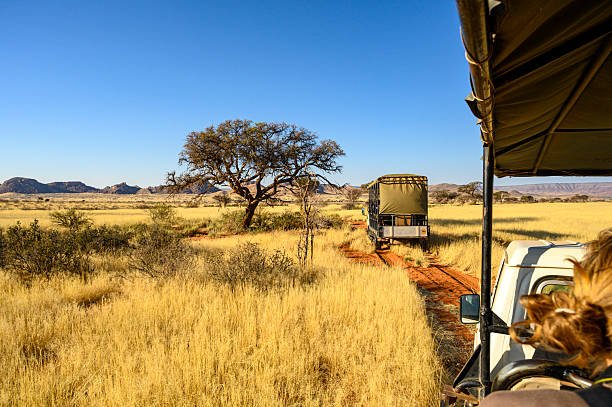
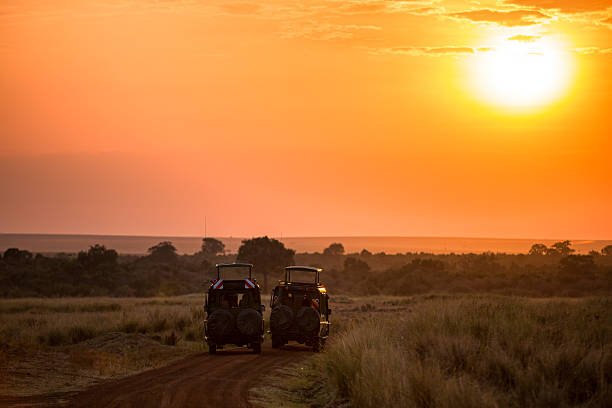
16-Day Active Adventure: Climbing, Biking & Whitewater in East Africa
Imagine yourself conquering a challenging mountain ascent, then cycling through scenic landscapes, and finally navigating the exciting rapids of a wild river – all within a single, unforgettable 16-day journey through East Africa. This isn’t just a vacation; it’s a full-throttle immersion into the raw beauty and thrilling activities this incredible region offers. Best Tanzania tour operator is here to help you craft this unique experience, focusing on the best of Tanzania for an active adventure that blends physical challenge with cultural discovery.
This detailed guide covers everything you need to know to plan your 16-Day Active Adventure — Climbing, Biking & Whitewater in East Africa. We’ll explore potential itineraries, essential preparation, what to expect, and how to book your dream trip for 2026-2027.
Table of Contents
- Quick Facts
- Adventure Overview
- Why This 16-Day Active Adventure?
- Best Time to Go (2026-2027)
- Adventure Region Map
- Sample 16-Day Itinerary
- What to Expect on the Trail and River
- Inclusions, Packing & Preparation
- Common Mistakes to Avoid
- Who is This Adventure For?
- Alternative East African Adventures
- Planning Your 2026-2027 Trip
- Booking Your Adventure
- Frequently Asked Questions
Quick Facts
| Aspect | Details |
|---|---|
| Duration | 16 Days |
| Primary Activities | Mountain Climbing/Trekking, Mountain Biking, Whitewater Rafting |
| Key Destinations (Tanzania) | Mount Meru, Arusha National Park, Usambara Mountains, Pangani River, potentially Kilimanjaro foothills or other regions |
| Physical Demands | High: Requires good fitness, stamina, and previous experience in at least one of the disciplines is beneficial. |
| Accommodation | Mix of lodges, tented camps, and potentially basic mountain huts. |
| Best For | Experienced adventurers seeking a multi-sport challenge. |
| Best Travel Seasons | June-October (dry season), January-February (short dry season). |
Adventure Overview
This 16-Day Active Adventure — Climbing, Biking & Whitewater in East Africa is designed for the traveler who craves adrenaline and a deep connection with nature. It’s a curated journey that moves beyond the typical safari experience to engage with the landscape through demanding physical activities. While East Africa is globally renowned for its wildlife, it also boasts incredible geographical features perfect for adventure sports. This itinerary focuses on Tanzania, a country offering a diverse range of terrains and water bodies suitable for this multi-sport expedition.
The adventure typically kicks off with a challenging climb, often targeting a peak like Mount Meru or exploring the rugged beauty of the Usambara Mountains. This phase builds endurance and offers spectacular panoramic views. Following the ascent, the journey transitions to two wheels. Mountain biking routes can take you through rural villages, coffee plantations, and diverse ecosystems, providing a different perspective on the Tanzanian countryside. The grand finale involves navigating the exhilarating rapids of a river, such as the Pangani, where you’ll experience the thrill of whitewater rafting amidst stunning natural scenery.
This trip requires careful planning and a good level of fitness. It’s about pushing your limits while experiencing the rich culture and breathtaking landscapes of Tanzania in a truly active way.
Why This 16-Day Active Adventure?
Choosing a 16-Day Active Adventure — Climbing, Biking & Whitewater in East Africa offers a unique way to experience the continent. Here’s why it stands out:
- Multi-Sport Immersion: Unlike single-activity trips, this combines three distinct, high-energy pursuits. You get the satisfaction of summiting, the freedom of cycling, and the rush of rafting, all in one trip.
- Deep Nature Connection: These activities place you directly within the environment. You’re not just observing; you’re interacting with mountains, trails, and rivers in a profound way.
- Physical Challenge & Reward: For those who thrive on physical exertion, this trip offers significant challenges that lead to immense personal accomplishment and unforgettable memories.
- Diverse Landscapes: From high-altitude volcanic slopes and lush mountain ranges to rolling hills and flowing rivers, you’ll witness a remarkable variety of Tanzanian scenery.
- Authentic Cultural Encounters: Travel through rural areas on bike and foot often leads to more genuine interactions with local communities than traditional vehicle-based safaris.
- Unique Perspective: This adventure offers a different lens through which to view Tanzania, one that emphasizes its wild, untamed beauty and the physical capabilities of its visitors.
Best Time to Go (2026-2027)
The ideal timing for your 16-Day Active Adventure — Climbing, Biking & Whitewater in East Africa depends on which activities you prioritize and the prevailing weather conditions. Tanzania has distinct wet and dry seasons.
| Period | Conditions | Activity Suitability |
|---|---|---|
| June – October | Long Dry Season: Cooler temperatures, clear skies, minimal rain. Ideal for trekking and biking. | Excellent for climbing (Mount Meru, Kilimanjaro foothills) and mountain biking. Rivers might be lower, but still offer good rafting conditions. This is generally the most popular time for adventure travel. |
| November – December | Short Rains: Intermittent showers, can be humid. | Trekking and biking can be done, but expect muddy trails. Rafting can be good with higher water levels. |
| January – February | Short Dry Season: Warm, sunny days, occasional brief showers. | Good for climbing and biking, though it can be hot at lower elevations. River levels are moderate. |
| March – May | Long Rains: Heavy and prolonged rainfall, can make roads and trails difficult. | Generally not recommended for this type of multi-sport adventure due to challenging conditions, especially for biking and trekking. River levels will be high, potentially too dangerous for rafting. |
For your 2026-2027 planning, aiming for the June to October window offers the most reliable weather for all three activities. The January-February period is a good secondary option if your dates are flexible.
Adventure Region Map
This adventure typically focuses on northern and northeastern Tanzania, leveraging its diverse topography.
| Starting Point/Gateway: Arusha (for Mount Meru, Kilimanjaro region access) |
| Climbing Focus: Mount Meru (4,566m) – Located in Arusha National Park. Offers challenging trekking and high-altitude acclimatization. Alternative: Usambara Mountains for lower-altitude trekking and stunning vistas. |
| Biking Focus: Routes around Arusha, the slopes of Mount Kilimanjaro (lower trails), or through the Usambara Mountains. These offer varied terrain from dirt tracks to rural roads. |
| Whitewater Focus: Pangani River. This river offers sections suitable for rafting, often accessed from areas like Mombo or further east towards the coast. The specific sections depend on water levels and accessibility. |
| Logistics: Travel between these locations will involve road transfers, often by private 4×4 vehicle, which can take several hours. This is factored into the itinerary. |
Sample 16-Day Itinerary
This is a sample itinerary for a 16-Day Active Adventure — Climbing, Biking & Whitewater in East Africa. It can be customized based on your preferences and fitness levels.
Day 1: Arrival in Arusha
Arrive at Kilimanjaro International Airport (JRO), transfer to your lodge in Arusha. Briefing with your tour operator.
Day 2: Arusha National Park & Mount Meru Acclimatization
Morning drive to Arusha National Park. Short hike to acclimatize and explore the park’s lower slopes. Visit Momella Lakes. Return to Arusha for overnight.
Day 3: Mount Meru Trek – Day 1
Begin the trek up Mount Meru. Hike from Momella Gate (1,500m) to Miriakamba Hut (2,100m). This is a moderate ascent through forest.
Day 4: Mount Meru Trek – Day 2
Trek from Miriakamba Hut to Saddle Hut (3,570m). The landscape changes dramatically to moorland. Stunning views of Kilimanjaro on clear days.
Day 5: Mount Meru Summit Attempt & Descent
Early morning summit attempt to Socialist Peak (4,566m). Reach the summit for sunrise. Descend back to Miriakamba Hut, then continue to Momella Gate. Transfer back to Arusha.
Day 6: Rest & Preparation for Biking
A day to rest and recover. Prepare your biking gear. Optional short local exploration or cultural visit.
Day 7: Transfer to Biking Start Point & Short Ride
Transfer to a scenic biking starting point, perhaps near Karatu or on the slopes of Kilimanjaro. Begin with a shorter, guided mountain bike ride to get accustomed to the terrain.
Day 8: Mountain Biking – Day 1
Full day of mountain biking. Routes can include trails through coffee plantations, small villages, and diverse landscapes. Overnight in a lodge or tented camp.
Day 9: Mountain Biking – Day 2
Continue biking, potentially covering more challenging terrain or longer distances. Enjoy the freedom of exploring off the beaten path.
Day 10: Transfer to Pangani River Area
After a final morning bike ride, transfer by 4×4 towards the Pangani River region. This is a longer travel day.
Day 11: Whitewater Rafting – Day 1
Meet your rafting guides and team. Safety briefing and equipment check. Begin the first day of whitewater rafting on the Pangani River. Camp overnight by the river.
Day 12: Whitewater Rafting – Day 2
Continue rafting. Navigate exciting rapids and enjoy the scenic riverine landscape. Possible wildlife sightings along the riverbanks. Overnight camp.
Day 13: Whitewater Rafting – Day 3 & River End Point
Final day of rafting, potentially encountering more challenging sections. Reach the designated river take-out point. Celebrate the completion of the rafting segment.
Day 14: Transfer to Moshi/Arusha & Relaxation
Transfer from the river end point back to Moshi or Arusha. Enjoy a hot shower, comfortable accommodation, and a celebratory dinner.
Day 15: Optional Activities or Relaxation
Depending on your flight schedule and energy levels, you can relax, visit local markets, or engage in a light cultural activity.
Day 16: Departure
Transfer to Kilimanjaro International Airport (JRO) for your departure.
What to Expect on the Trail and River
This 16-Day Active Adventure — Climbing, Biking & Whitewater in East Africa is demanding but incredibly rewarding. Here’s a breakdown of what to anticipate:
Climbing (Mount Meru Example)
- Terrain: Expect varied terrain from lush forest and savanna at the base to rocky, scree-covered slopes near the summit. Trails can be steep and demanding.
- Altitude: Mount Meru reaches 4,566 meters. Altitude sickness is a real concern. Acclimatization is crucial, and you’ll need to monitor yourself and your guides will monitor you.
- Weather: Conditions can change rapidly. Days can be warm, but nights at higher altitudes are cold. Rain, wind, and fog are possible.
- Companions: You’ll likely be accompanied by park rangers (required for security on Meru due to wildlife) and experienced local guides.
- Accommodation: Basic mountain huts (bunk beds, shared facilities) are typical.
Mountain Biking
- Terrain: Ranges from well-maintained dirt tracks and rural roads to challenging single-track trails and rocky descents. You’ll encounter varied gradients.
- Environment: You’ll cycle through agricultural lands, forests, and potentially volcanic landscapes. Expect dust, heat, and potentially mud if it rains.
- Support: A support vehicle is usually provided to carry gear, provide water, and offer assistance if needed.
- Pace: The pace is moderate, allowing for appreciation of the scenery and stops for hydration and photos.
Whitewater Rafting (Pangani River Example)
- Rapids: The Pangani River offers a mix of Class II-III rapids, suitable for adventurous beginners and intermediates. Expect some exciting splashes and maneuvering.
- River Scenery: The river flows through beautiful, often undeveloped landscapes, with opportunities to see local life and potentially wildlife along the banks.
- Teamwork: Rafting requires teamwork with your guide and fellow paddlers to navigate the rapids effectively.
- Safety: Professional guides, safety briefings, and proper equipment (helmets, life vests) are standard.
- Accommodation: Nights are typically spent camping by the river, often in comfortable safari-style tents.
Inclusions, Packing & Preparation
Understanding what’s included and how to pack is vital for a smooth 16-Day Active Adventure — Climbing, Biking & Whitewater in East Africa.
Typical Inclusions
- All ground transportation (4×4 vehicle for transfers, support vehicle for biking).
- Accommodation as per itinerary (lodges, camps, huts).
- Meals during the adventure (breakfast, lunch, dinner).
- Experienced local guides (trekking, biking, rafting).
- Park entrance fees and conservation fees.
- Mount Meru climbing permits and ranger fees.
- Rafting equipment and professional rafting guides.
- Bicycle rental and helmet.
- Camping equipment for river camping.
- Water during activities.
What’s Usually Not Included
- International flights.
- Visa fees.
- Travel insurance (mandatory).
- Personal gear and equipment (sleeping bag, trekking poles, etc.).
- Tips for guides, porters, drivers, and camp staff.
- Alcoholic and soft drinks.
- Personal expenses (souvenirs, laundry).
- Vaccinations and medical expenses.
Essential Packing List
Layering is key. Focus on lightweight, quick-drying, and durable items.
Clothing
- Moisture-wicking base layers (tops and bottoms).
- Insulating mid-layers (fleece jacket or down vest).
- Waterproof and windproof outer shell jacket and pants.
- Trekking trousers (quick-dry, comfortable).
- Cycling shorts/padded bibs.
- T-shirts and long-sleeved shirts (for sun protection).
- Warm hat and gloves (for climbing).
- Sun hat or cap.
- Hiking socks (wool or synthetic).
- Camp clothes (comfortable and warm).
Footwear
- Broken-in hiking boots (waterproof).
- Comfortable camp shoes or sandals.
- Cycling shoes (if preferred, or use flat pedals with sturdy trainers).
Gear
- Backpack (40-60 liters for trekking/biking).
- Daypack (15-25 liters for daily excursions).
- Sleeping bag (rated for cold temperatures, e.g., -5°C to -10°C comfort).
- Sleeping bag liner.
- Trekking poles.
- Headlamp or flashlight with extra batteries.
- Water bottles or hydration reservoir (at least 2-3 liters capacity).
- Sunglasses.
- Sunscreen (high SPF).
- Insect repellent.
- Personal first-aid kit (with any personal medications).
- Camera and extra batteries/power bank.
- Dry bags (essential for rafting).
- Small towel.
- Toiletries (biodegradable if possible).
Preparation
- Fitness: Engage in regular cardiovascular exercise (running, cycling, swimming) and strength training. Incorporate hiking with a weighted pack and practice cycling on varied terrain. Start training at least 3-6 months in advance.
- Acclimatization: Understand the risks of altitude sickness. For Mount Meru, the itinerary is designed to aid acclimatization, but individual responses vary.
- Gear Testing: Ensure all your gear, especially boots and backpack, is well-tested and comfortable before your trip.
- Mental Readiness: Be prepared for basic accommodations, potential discomfort, and long days. A positive attitude is essential.
- Health: Consult your doctor or a travel clinic regarding necessary vaccinations (e.g., Yellow Fever, Hepatitis A/B) and malaria prophylaxis.
Common Mistakes to Avoid
Planning a complex trip like this 16-Day Active Adventure — Climbing, Biking & Whitewater in East Africa requires attention to detail. Avoid these common pitfalls:
- Underestimating Fitness Requirements: This is not a beginner’s trip. Insufficient training will lead to exhaustion and potentially the inability to complete stages.
- Inadequate Gear: Forgetting crucial items like a warm sleeping bag, waterproofs, or proper hiking boots can significantly impact comfort and safety.
- Ignoring Altitude Sickness: Rushing ascents or not listening to your body can lead to severe altitude sickness. Always communicate symptoms to your guide.
- Poor Hydration and Nutrition: Dehydration and lack of energy can cause fatigue and impair performance. Drink plenty of water and eat well.
- Not Booking with Reputable Operators: Especially for multi-sport adventures, ensure your operator has proven experience in all three disciplines, strong safety protocols, and knowledgeable guides.
- Over-scheduling: While this is a packed itinerary, allow for some buffer time for unexpected delays or simply to enjoy the moments.
- Forgetting Travel Insurance: This is non-negotiable. Ensure your policy covers high-risk adventure activities like climbing and whitewater rafting.
- Lack of Flexibility: Weather can change, and rivers have varying conditions. Be prepared to adapt the itinerary if necessary.
Who is This Adventure For?
This 16-Day Active Adventure — Climbing, Biking & Whitewater in East Africa is best suited for:
- Experienced Adventurers: Individuals who have participated in challenging treks, multi-day bike tours, or water sports previously.
- Fitness Enthusiasts: Those who maintain a high level of physical fitness and enjoy pushing their limits.
- Thrill-Seekers: Travelers looking for adrenaline-pumping activities combined with stunning natural beauty.
- Nature Lovers: People who want to experience the wild landscapes of Tanzania up close and personal, through active engagement.
- Those Seeking a Unique Challenge: Travelers who want to go beyond standard tourist routes and undertake a memorable, demanding expedition.
- Couples or Small Groups: This trip is ideal for partners or friends who share a passion for adventure and can support each other.
It is generally not recommended for:
- First-time travelers to Africa seeking a relaxed holiday.
- Individuals with significant health issues or mobility limitations.
- Those who prefer comfortable, luxury accommodations throughout.
- Travelers uncomfortable with basic camping or shared facilities.
Alternative East African Adventures
If a 16-day multi-sport adventure isn’t quite right, or you want to explore other options in East Africa, consider these alternatives:
- Kilimanjaro Climb (5-9 Days): The iconic Mount Kilimanjaro is a classic trek for adventurers. While it’s primarily climbing, it offers a significant physical challenge and incredible views. Best Tanzania tour operator can arrange various routes.
- Rwanda/Uganda Gorilla Trekking & Volcano Hiking (7-10 Days): Combine the awe-inspiring experience of trekking to see mountain gorillas with hiking in the volcanic landscapes of these countries.
- Kenya’s Great Rift Valley Cycling Tour (7-12 Days): Focus purely on cycling through stunning landscapes, visiting Maasai communities, and experiencing wildlife from a different perspective.
- Zanzibar Sea Kayaking & Diving Expedition (7-10 Days): For a water-focused adventure, explore the turquoise waters and coral reefs around Zanzibar with kayaking and world-class diving.
- Tanzania Safari & Cultural Immersion (10-14 Days): A more traditional approach, focusing on wildlife viewing in parks like Serengeti and Ngorongoro, combined with visits to local tribes. This can be combined with shorter adventure activities.
Each of these offers a distinct East African experience, tailored to different interests and fitness levels. The 16-Day Active Adventure — Climbing, Biking & Whitewater in East Africa truly stands out for its comprehensive, high-octane approach.
Planning Your 2026-2027 Trip
Planning ahead is crucial for a trip of this magnitude, especially if you’re targeting specific dates in 2026 or 2027. Here’s a planning timeline and considerations:
| Timeline | Action Items |
|---|---|
| 12-18 Months Before | Research tour operators. Shortlist companies with proven experience in multi-sport adventures in Tanzania. Define your budget range. Book your preferred travel dates, especially for peak seasons (June-October). |
| 9-12 Months Before | Confirm your chosen tour operator and book the 16-Day Active Adventure — Climbing, Biking & Whitewater in East Africa. Pay the initial deposit. Start a dedicated fitness training program. Research visa requirements. |
| 6-9 Months Before | Begin serious gear acquisition. Test your hiking boots and backpack. Consult your doctor about necessary vaccinations and malaria precautions. Book international flights. |
| 3-6 Months Before | Intensify your fitness training. Purchase specialized gear (e.g., sleeping bag, cycling attire). Obtain your visa if required well in advance. Confirm all trip details with your operator. |
| 1-3 Months Before | Finalize packing list. Ensure all gear is ready and tested. Confirm flight details. Inform your bank about your travel dates. Arrange travel insurance (ensure it covers adventure activities). |
| 2-4 Weeks Before | Do a final gear check. Pack your bags. Confirm airport transfers and any last-minute details with the tour operator. Get any necessary prescriptions filled. |
| During Your Trip | Stay hydrated, eat well, listen to your guides, communicate any concerns, and most importantly, enjoy the incredible experience! |
| Post-Trip | Share your feedback with the tour operator. Plan your next adventure! |
Booking early for 2026-2027 is highly recommended, as popular adventure slots fill up quickly.
Booking Your Adventure
Choosing the right tour operator is paramount for a successful and safe 16-Day Active Adventure — Climbing, Biking & Whitewater in East Africa. Here’s how to approach booking:
- Specialization: Look for operators that explicitly offer multi-sport adventures and have demonstrated experience in all three disciplines (climbing, biking, rafting). A general safari operator might not have the specialized guides or equipment.
- Reviews & Reputation: Read reviews from previous clients, paying attention to comments about safety, guide expertise, equipment quality, and overall organization.
- Inclusions & Exclusions: Carefully review what is and isn’t included in the package. Understand if park fees, permits, meals, and specific equipment are covered.
- Safety Protocols: Inquire about their safety procedures, emergency plans, guide certifications, and communication methods in remote areas.
- Customization: A good operator will be willing to customize the itinerary to some extent to match your fitness level, interests, and available time.
- Communication: A responsive and knowledgeable team is a good sign. They should answer your questions thoroughly and promptly.
Contact Us to Plan Your 2026-2027 Adventure!
Best Tanzania tour operator is experienced in crafting unique adventure itineraries. We understand the logistics and safety requirements for combining climbing, biking, and whitewater rafting. Let us help you build your dream 16-Day Active Adventure — Climbing, Biking & Whitewater in East Africa.
WhatsApp: +255616946642
Email: topguideadventures@gmail.com
Backup Email: info@topguideadventures.com
Frequently Asked Questions
What is the minimum age for this adventure?
Typically, participants should be at least 16 years old due to the physical demands and risks involved. Some operators may have specific age limits or require parental consent for minors.
Do I need prior experience in all three activities?
While prior experience in at least one of the activities (climbing, biking, or rafting) is highly recommended, it’s not always mandatory for all three. However, a very good level of general fitness and an adventurous spirit are essential. Operators will assess your suitability.
What if I’m not comfortable with heights for the climbing part?
Mount Meru is a significant climb with exposed sections. If heights are a major concern, discuss this with your tour operator. They might offer alternative trekking routes at lower altitudes or suggest a different adventure focus.
Is it possible to do a shorter version of this adventure?
Yes, itineraries can be customized. You could opt for a 10-day trip focusing on two of the activities, or a shorter 7-day trip concentrating on just one aspect, like a Mount Meru climb or a multi-day biking tour. Contact us to discuss options for 2026-2027.
What kind of wildlife might I see?
During the climbing phase on Mount Meru, you might see monkeys, various bird species, and potentially buffalo or elephants at lower elevations. While biking, you’ll see rural communities and diverse birdlife. Along the Pangani River, you might spot hippos, crocodiles, and a variety of bird species. Major wildlife safaris are not part of this specific adventure but can be added.
How much physical training is required for the 16-Day Active Adventure?
Significant physical preparation is needed. Aim for at least 3-6 months of consistent cardiovascular training (running, cycling, swimming) and strength conditioning. Include hiking with a weighted pack and practice biking on varied terrain to build endurance and stamina for the demands of climbing, biking, and rafting.
What are the accommodation standards like?
Expect a mix. For climbing, it’s basic mountain huts. For biking, it could be comfortable lodges or tented camps. Whitewater rafting often involves camping in safari-style tents with basic amenities by the river. This is an active adventure, so comfort levels are generally functional rather than luxurious.
Can I bring my own bike?
Some operators allow you to bring your own bike, but often it’s easier and more practical to rent one locally. This ensures the bike is suitable for the terrain and readily maintained. Check with your tour operator about their policy and any potential cost adjustments.
What safety measures are in place for whitewater rafting?
Reputable operators use certified and experienced rafting guides, provide comprehensive safety briefings before each trip, and equip all participants with helmets and life vests. They also carry safety equipment and have emergency protocols in place.
How will I communicate in remote areas?
Guides typically carry satellite phones or radios for emergencies in areas with no mobile reception. It’s advisable to inform your family and friends of your itinerary and expected communication blackouts before you depart.
What is the best time for a 16-Day Active Adventure in East Africa in 2026-2027?
The dry seasons are generally best. The long dry season from June to October offers the most stable weather for climbing, biking, and rafting. The short dry season from January to February is also a good option, though it can be hotter.
Ready for Your Ultimate East African Adventure?
The 16-Day Active Adventure — Climbing, Biking & Whitewater in East Africa is an experience that will test your limits and reward you with unparalleled memories. Let Best Tanzania tour operator guide you through the planning and execution of this extraordinary journey.
Contact us today to start customizing your adventure for 2026-2027!
WhatsApp: +255616946642
Email: topguideadventures@gmail.com
Backup Email: info@topguideadventures.com
Plan your 16-Day Active Adventure — Climbing, Biking & Whitewater in East Africa with Top Guide Adventures
Tell us your travel dates, group size, comfort level, and dream experience. We will help you shape a clear, realistic, and memorable Tanzania itinerary.



