
Updated planning guide for 2026-2027
14-Day Photography & Filmmaking Masterclass Across Regions: Complete Guide
Discover the ultimate 14-Day Photography & Filmmaking Masterclass across Tanzania's diverse landscapes. This comprehensive guide covers everything from itinerary planning and gear selection to best times and booking advice for your 2026-2027 adventure.
WhatsApp +255616946642 | topguideadventures@gmail.com | info@topguideadventures.com
14-Day Photography & Filmmaking Masterclass Across Regions: Your Ultimate Planning Guide
Tanzania, a land of breathtaking vistas, abundant wildlife, and vibrant cultures, offers an unparalleled canvas for photographers and filmmakers. A 14-Day Photography & Filmmaking Masterclass Across Regions is not just a trip; it’s an immersive educational journey designed to elevate your visual storytelling skills against the backdrop of Africa’s most iconic landscapes. This guide is crafted for serious visual artists looking to capture the essence of Tanzania, from the vast plains of the Serengeti to the spice-scented streets of Zanzibar, and perhaps even the slopes of Mount Kilimanjaro.
This extensive guide will walk you through every aspect of planning such a specialized expedition for 2026-2027. We cover itinerary design, essential gear, the best times to visit for optimal shooting conditions, what to expect on the ground, common pitfalls to avoid, and how to book the perfect experience. Whether you’re a seasoned professional or an ambitious enthusiast, this masterclass promises a deep dive into capturing stunning visuals and crafting compelling narratives.
Quick Facts About a Tanzania Photography & Filmmaking Masterclass
| Aspect | Details |
|---|---|
| Duration | 14 Days / 13 Nights |
| Focus | Wildlife photography, landscape cinematography, cultural storytelling, portraiture. |
| Key Regions | Serengeti National Park, Ngorongoro Conservation Area, Tarangire National Park, Zanzibar Archipelago, potentially Arusha National Park or Mount Kilimanjaro foothills. |
| Ideal For | Photographers, filmmakers, visual storytellers, serious hobbyists, professionals seeking new content. |
| Best Time (Photography) | Dry seasons (June-October, December-February) for clear skies and accessible wildlife. Wet seasons offer dramatic light and fewer crowds. |
| Accommodation | Lodges, tented camps (luxury and mid-range), boutique hotels. |
Table of Contents
- Masterclass Overview: Capturing Tanzania’s Soul
- Why Choose Tanzania for Your Visual Masterclass?
- Best Time for Photography & Filmmaking in Tanzania (2026-2027)
- Key Regions & Visual Opportunities
- Sample 14-Day Photography & Filmmaking Itinerary
- What to Expect: The Daily Grind of a Masterclass
- Inclusions, Gear, and Preparation Checklist
- Common Mistakes to Avoid
- Who is This Masterclass Best Suited For?
- Alternatives to a Dedicated 14-Day Masterclass
- Planning Your 2026-2027 Tanzania Visual Expedition
- Booking Your Photography & Filmmaking Masterclass
- Frequently Asked Questions (FAQs)
Masterclass Overview: Capturing Tanzania’s Soul
A 14-Day Photography & Filmmaking Masterclass Across Regions in Tanzania is meticulously designed to immerse participants in the art and craft of visual storytelling. This isn’t a typical safari; it’s an educational expedition where every day presents opportunities for learning and practice under expert guidance. The program typically combines the raw beauty of the country’s premier wildlife reserves with its rich cultural heritage and stunning coastal allure. Participants will learn techniques for capturing dramatic wildlife action, serene landscapes, intimate portraits, and vibrant cultural moments, all while developing their ability to construct a cohesive visual narrative.
The masterclass structure often involves early morning and late afternoon shooting sessions – the ‘golden hours’ – when light is most flattering and wildlife is most active. Midday hours might be dedicated to classroom-style workshops, editing sessions, portfolio reviews, and lectures on composition, lighting, storytelling, and the technical aspects of photography and videography. The journey is paced to allow for deep engagement with each location, ensuring participants don’t just see Tanzania but truly capture its essence through their lenses.
Why Choose Tanzania for Your Visual Masterclass?
Tanzania stands out as a premier destination for a photography and filmmaking masterclass due to its extraordinary biodiversity, iconic landscapes, and diverse cultural tapestry. The sheer concentration of wildlife in parks like the Serengeti and Ngorongoro offers unmatched opportunities for capturing dramatic predator-prey interactions, majestic herds, and unique species. The vast, open plains of the Serengeti provide a stunning canvas for landscape photography and cinematic establishing shots. The Ngorongoro Crater, a natural amphitheater teeming with life, offers a concentrated visual feast.
Beyond wildlife, Tanzania’s cultural richness is profound. Interactions with communities like the Maasai offer opportunities for powerful portraiture and cultural documentation. The historic Stone Town in Zanzibar, with its labyrinthine alleys and Swahili architecture, presents a completely different visual challenge – one of atmosphere, detail, and human stories. Furthermore, the dramatic coastlines and turquoise waters of Zanzibar offer a stark, beautiful contrast to the savannah, providing diverse shooting conditions and subjects. For filmmakers, the combination of natural drama and human stories provides endless narrative potential. The country’s infrastructure, while developing, is geared towards tourism, with experienced guides and a range of accommodations that can support a focused learning environment.
Best Time for Photography & Filmmaking in Tanzania (2026-2027)
The optimal timing for your 14-Day Photography & Filmmaking Masterclass Across Regions depends on your specific photographic or filmmaking goals. Tanzania experiences distinct wet and dry seasons, each offering unique visual advantages.
- Dry Season (June to October): This is generally considered the prime time for wildlife photography. Wildlife congregates around water sources, making sightings more predictable. The skies are often clear, offering excellent light, though sometimes harsh midday sun can be challenging. The Great Migration river crossings in the Grumeti and Mara rivers (July-September) are dramatic events perfect for capturing action. Landscapes are drier, with golden grasses. This period is excellent for clear, crisp shots and predictable wildlife behavior.
- Short Rains (November): A transitional period. The landscape begins to green up, and wildlife can be more dispersed. Photography can be good with fewer crowds, but skies can be unpredictable.
- Long Rains (March to May): The landscape is incredibly lush and green, offering beautiful, soft light ideal for landscape photography and cinematic shots. Wildlife can be more challenging to spot as they disperse into the bush, but this is also the calving season for wildebeest in the Serengeti (February-March), offering unique photographic opportunities focused on newborns and their predators. Fewer tourists mean a more intimate experience. This period is ideal for those seeking artistic landscapes and intimate wildlife moments, and for filmmakers interested in dramatic weather and softer light.
- December to February: This period often sees warmer temperatures and can be a mix of dry and wet conditions, particularly in the south. The Serengeti hosts the calving season, offering excellent opportunities for predator action. It’s a popular time for tourists, so expect more company.
For 2026-2027, consider your primary subject. For epic migration action and clear skies, aim for July-September. For lush landscapes and calving season drama, consider February or April-May. The shoulder months of June and November can offer a good balance of weather, wildlife, and fewer crowds.
Key Regions & Visual Opportunities
A 14-day masterclass allows for exploration across several distinct regions, each offering unique visual narratives. Here’s a breakdown:
Visual Route Overview: Northern Circuit & Zanzibar
Arusha (Start) -> Tarangire NP -> Serengeti NP -> Ngorongoro CA -> Zanzibar (End)
1. Tarangire National Park:
- Visual Strengths: Iconic baobab trees, large elephant herds, diverse birdlife, dramatic landscapes, especially during the dry season when animals gather around the Tarangire River. Excellent for wide-angle landscape shots and intimate elephant portraits.
- Filmmaking Potential: Capturing the scale of elephant herds, the contrast of ancient baobabs against the sky, and the dry, rugged terrain.
2. Serengeti National Park:
- Visual Strengths: The quintessential African savanna. Vast open plains, abundant big cats (lions, leopards, cheetahs), vast herds (wildebeest, zebras), dramatic migration events (seasonal), spectacular sunrises and sunsets. Ideal for wildlife action, telephoto wildlife portraits, and sweeping panoramic landscapes.
- Filmmaking Potential: Epic scale of the migration, predator-prey dynamics, vast open spaces for drone shots (where permitted), and capturing the ‘endless plains’ feel.
3. Ngorongoro Conservation Area:
- Visual Strengths: The Ngorongoro Crater itself is a UNESCO World Heritage site. A unique caldera ecosystem teeming with wildlife, including the rare black rhino. High density of animals in a contained area. Offers incredible opportunities for concentrated wildlife photography and unique perspectives looking up from the crater floor.
- Filmmaking Potential: The dramatic descent into the crater, the sheer density of animals, and the unique visual of a natural enclosure.
4. Maasai Communities (En route or specific visits):
- Visual Strengths: Vibrant cultural attire, traditional life, portraits. Ethical engagement is paramount.
- Filmmaking Potential: Documenting daily life, traditions, and the human element of Tanzania. Requires sensitivity and pre-arranged access.
5. Zanzibar Archipelago (Stone Town & Coastal Areas):
- Visual Strengths: Historic Stone Town offers narrow alleyways, intricate wooden doors, bustling markets, and unique architecture. The coastlines provide stunning beaches, turquoise waters, dhows at sunset, and marine life. Offers a complete shift in visual style from the mainland.
- Filmmaking Potential: Atmospheric storytelling in Stone Town, capturing the romance of dhow sailing, and the vibrant underwater world.
Sample 14-Day Photography & Filmmaking Itinerary
This itinerary balances iconic locations with dedicated learning time. It’s a template and can be customized.
Day 1: Arrival in Arusha & Welcome
Arrive at Kilimanjaro International Airport (JRO). Transfer to Arusha. Welcome briefing, gear check, and introduction to the masterclass objectives. Overnight in Arusha.
Day 2: Arusha to Tarangire National Park
Morning drive to Tarangire. Afternoon game drive focusing on elephants and baobabs. Introduction to landscape and wildlife photography techniques. Overnight in a lodge/camp near Tarangire.
Day 3: Tarangire National Park
Full day exploring Tarangire. Focus on capturing large herds, birdlife, and the unique landscape. Workshop session on composition and light during golden hours.
Day 4: Tarangire to Serengeti National Park (Central)
Morning drive to Serengeti, with a stop at a viewpoint. Arrive at your central Serengeti camp. Afternoon game drive. Introduction to wildlife tracking for photographic opportunities.
Day 5: Serengeti National Park (Central)
Full day in the Serengeti. Focus on predators and plains game. Workshop on capturing movement and action. Evening editing session and critique.
Day 6: Serengeti National Park (Central/Western Corridor – Seasonal)
Morning game drive. Depending on the season, explore the Western Corridor for potential river crossing action or focus on resident predators. Workshop on telephoto lens techniques.
Day 7: Serengeti to Ngorongoro Conservation Area
Morning game drive in Serengeti. Drive towards Ngorongoro, possibly stopping for a cultural visit (e.g., Maasai village – pre-arranged and ethical). Descend into the Ngorongoro Crater for an afternoon game drive.
Day 8: Ngorongoro Crater & Highlands
Morning game drive in the crater focusing on the unique ecosystem and chances for black rhino. Afternoon drive in the crater highlands for landscape and cultural elements. Workshop on storytelling through a series of images.
Day 9: Ngorongoro to Arusha / Fly to Zanzibar
Morning drive back to Arusha. Option 1: Relax and process images. Option 2: Fly from Arusha (ARK) to Zanzibar (ZNZ) in the afternoon. Overnight in Arusha or Stone Town, Zanzibar.
Day 10: Zanzibar – Stone Town Exploration
If in Stone Town: Explore the historic alleys, markets, and architecture. Focus on cultural details, street photography, and portraiture. Workshop on capturing atmosphere and narrative in urban environments.
Day 11: Zanzibar – Coastal Exploration (e.g., North or East Coast)
Transfer to a coastal village. Focus on beach landscapes, dhows, local fishing communities, and potentially underwater photography (if conditions/gear allow). Workshop on seascape and travel photography.
Day 12: Zanzibar – Island Activities & Cinematography
Optional activities like spice tours, Jozani Forest (red colobus monkeys), or boat trips. Focus on cinematic techniques, capturing movement, and diverse island life. Drone filming opportunities (check regulations).
Day 13: Zanzibar – Final Shoot & Review
Morning shoot based on participant interest – revisit favorite locations or explore new ones. Afternoon dedicated to final portfolio review, editing, and constructive feedback session.
Day 14: Departure from Zanzibar
Enjoy a final breakfast. Transfer to Zanzibar International Airport (ZNZ) for your departure, or extend your stay.
What to Expect: The Daily Grind of a Masterclass
A 14-Day Photography & Filmmaking Masterclass Across Regions is intense and rewarding. Expect early mornings and late evenings, as these are the prime shooting times.
- Early Starts: Most days will begin before sunrise to catch the best light and wildlife activity. This might mean an early wake-up call for a dawn game drive or shooting session.
- Extended Shooting: You’ll spend significant time in the field, whether on game drives, walking safaris (where permitted), or exploring cultural sites. Patience is key; waiting for the right moment is part of the learning process.
- Dedicated Learning Sessions: Midday hours or evenings are typically reserved for structured learning. This includes lectures, demonstrations, hands-on workshops (e.g., editing software, camera settings), image/video reviews, and one-on-one feedback.
- Travel Time: Be prepared for travel between locations. While the itinerary is designed to maximize shooting time, transfers can take several hours, offering opportunities for landscape shots from the vehicle or simply rest.
- Group Dynamics: You’ll be part of a small, like-minded group. Collaboration and sharing experiences are encouraged, but individual attention from instructors is also a priority.
- Critiques and Feedback: Constructive criticism is a vital part of improvement. Be open to receiving and giving feedback on your work.
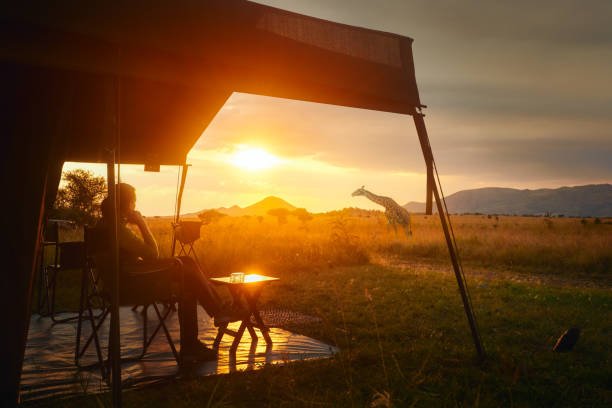
- Accommodation and Meals: Expect comfortable, well-located accommodations ranging from safari lodges and tented camps to boutique hotels. Meals are typically provided, often with opportunities to discuss the day’s shooting over dinner.
- Digital Workflow: You’ll need to manage your digital files. Be prepared for daily downloads, backups, and editing sessions.
Inclusions, Gear, and Preparation Checklist
To ensure a smooth and productive masterclass, careful preparation is essential. This includes understanding what might be included in a tour package and meticulously preparing your gear and personal items.
Typical Inclusions in a Masterclass Package:
| Inclusions | Notes |
|---|---|
| Expert Photography/Filmmaking Instruction | Led by experienced visual storytellers. |
| Accommodation | Lodges, tented camps, hotels as per itinerary. |
| Meals | Breakfast, Lunch, Dinner (often excluding drinks). |
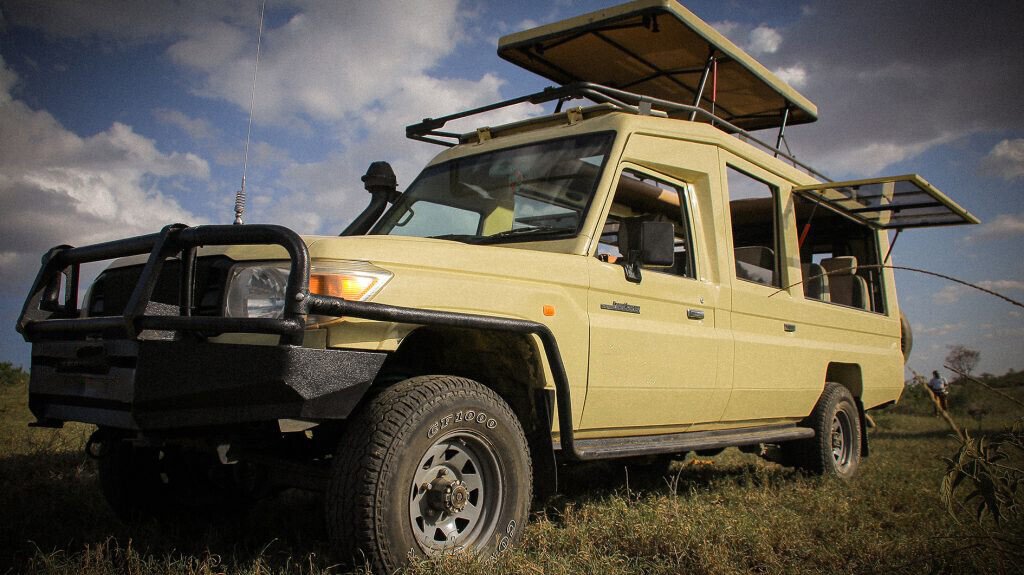
| Ground Transportation | 4×4 safari vehicles with pop-up roofs for optimal viewing and photography. |
| Park Entrance Fees | For all national parks and conservation areas visited. |
| Crater Fees | Specific fees for Ngorongoro Crater. |
| Airport Transfers | Arrival and departure transfers. |
| Bottled Water | During game drives and transfers. |
| Specialized Guiding | Experienced safari guides who understand photographic needs. |
Essential Photography & Filmmaking Gear:
This is not exhaustive, but covers the essentials:
- Camera Bodies: At least two camera bodies (DSLR or Mirrorless) are recommended in case of malfunction.
- Lenses: A versatile range is key. Consider:
- Wide-angle zoom (e.g., 16-35mm or 24-70mm) for landscapes and environmental shots.
- Telephoto zoom (e.g., 70-200mm, 100-400mm, or 150-600mm) for wildlife.
- Prime lenses (e.g., 50mm f/1.8 or 85mm f/1.8) for low light and portraits.
- Tripod/Monopod: Essential for stability, especially in low light or for landscape shots.
- Batteries: Plenty of spares. Rechargeable batteries are essential.
- Memory Cards: High-capacity, fast cards. Bring more than you think you’ll need.
- Laptop/Tablet: For editing, backing up, and reviewing. Ensure sufficient storage.
- External Hard Drives: For backing up your valuable footage and images.
- Power Bank/Adapter: To charge devices on the go. Tanzania uses Type G sockets (UK style), 230V.
- Cleaning Kit: Lens cloths, blower, lens cleaner. Dust is a constant challenge.
- Camera Bag: A comfortable, durable bag that can protect your gear from dust and elements.
- Filters: Polarizing filters can enhance skies and reduce glare; ND filters for video.
- Drone (Optional): Check regulations carefully. Drones are often restricted in national parks.
- Video Gear: If focused on filmmaking, consider a fluid head tripod, external microphone, and potentially a gimbal.
Personal Preparation Checklist:
- Visas: Check requirements for your nationality.
- Vaccinations & Malaria Prophylaxis: Consult your doctor well in advance.
- Travel Insurance: Comprehensive coverage including medical evacuation.
- Clothing: Neutral-colored, lightweight, breathable clothing (khaki, beige, olive green). Avoid bright colors and dark blues/blacks (attract insects). Layers are advisable.
- Footwear: Comfortable walking shoes or hiking boots.
- Sun Protection: High SPF sunscreen, wide-brimmed hat, sunglasses.
- Insect Repellent: With DEET.
- Personal First-Aid Kit: Including any personal medications.
- Adapter/Power Bank: As mentioned above.
- Binoculars: Highly recommended for spotting wildlife.
- Notebook & Pen: For notes during workshops.
- Reusable Water Bottle: To minimize plastic waste.
Common Mistakes to Avoid
To maximize your learning and enjoyment during a 14-Day Photography & Filmmaking Masterclass Across Regions, be aware of these common pitfalls:
- Overpacking Gear: While having the right tools is important, bringing too much can be cumbersome and stressful. Focus on a few versatile lenses rather than many specialized ones.
- Underestimating Dust: The African bush is dusty. Protect your gear rigorously. Keep cameras in bags when not in use, use lens hoods, and clean equipment daily.
- Ignoring the Instructor’s Advice: The instructors are there to guide you. Trust their expertise regarding light, composition, and timing.
- Focusing Only on Gear: The best camera doesn’t guarantee great images. Focus on learning techniques, composition, and storytelling.
- Not Backing Up Data: Losing your precious images or footage is devastating. Implement a robust backup strategy daily.
- Ethical Considerations: Especially when photographing people or sensitive wildlife situations, always prioritize ethical practices. Obtain consent, maintain respectful distances, and avoid actions that disturb animals or communities.
- Not Respecting Wildlife Behavior: Never approach wildlife too closely or disturb their natural behavior for a shot. The safety of both you and the animals is paramount.
- Ignoring the Light: Many amateur photographers shoot in harsh midday sun. Learn to work with the golden hours and use the midday sun creatively or for less critical shots.
- Not Managing Expectations: Wildlife is wild. You won’t always get the perfect shot. Embrace the experience and learn from every moment.
- Poor Digital Workflow: Don’t wait until the end of the trip to download and back up. Do it daily to avoid data loss and to free up memory cards.
Who is This Masterclass Best Suited For?
This specialized 14-Day Photography & Filmmaking Masterclass Across Regions is designed for a specific type of traveler and visual artist:
- Aspiring and Intermediate Photographers/Filmmakers: Individuals who have a solid grasp of their camera’s basic functions but want to significantly improve their technical skills, creative vision, and storytelling abilities in a challenging and inspiring environment.
- Hobbyists Seeking Mastery: Passionate amateurs who want to take their photography or filmmaking to a professional level and are willing to invest time and resources into intensive learning.
- Professionals Looking for New Content/Inspiration: Established photographers or filmmakers seeking to refresh their portfolios with unique African imagery, explore new genres (e.g., wildlife, cultural), or gain experience in specific challenging shooting conditions.
- Visual Storytellers: Anyone interested in using photography or film to tell compelling stories, whether about nature, culture, or human experiences.
- Travelers Prioritizing Learning: Individuals who view a trip not just as a vacation but as an educational opportunity, actively seeking to acquire new skills and knowledge.
- Those Seeking a Focused Experience: Travelers who want an itinerary structured around learning and creating, rather than just casual sightseeing.
It is generally not suited for:
- Complete beginners with no camera knowledge.
- Travelers looking for a purely relaxed, leisurely holiday without a structured learning component.
- Budget travelers, as specialized masterclasses often come with a higher price point due to expert instruction and tailored logistics.
Alternatives to a Dedicated 14-Day Masterclass
If a full 14-day dedicated masterclass doesn’t fit your schedule, budget, or learning style, consider these alternatives:
- Shorter Photography Safaris: Many tour operators offer shorter safaris (e.g., 7-10 days) that focus on photography, with guides experienced in positioning vehicles for optimal shots. While instruction might be less formal, the focus is still on capturing great images.
- Private Photography Guiding: Hire a dedicated photography guide for a standard safari. This allows for flexibility and personalized attention to your photographic needs without the structured workshop component.
- Photography Workshops with a Tour: Some tour operators partner with photography instructors to lead specific departures. You join a group on a standard itinerary but receive expert photographic guidance.
- Self-Guided with Photography Focus: Plan your own itinerary and inform your guide and lodge that you have a strong interest in photography. While you won’t get formal instruction, guides can be very accommodating.
- Destination-Specific Workshops: Instead of a multi-region tour, focus on one area (e.g., a week in the Serengeti) for intensive photographic exploration, perhaps with a local photography expert.
- Online Courses Combined with Travel: Take online photography courses before your trip to build foundational skills, then use your trip to practice in an incredible location.
Planning Your 2026-2027 Tanzania Visual Expedition
Planning a successful 14-Day Photography & Filmmaking Masterclass Across Regions for 2026-2027 requires foresight and attention to detail. Here’s how to approach it:
- Define Your Goals: What do you want to achieve? Focus on wildlife, landscapes, culture, or a mix? This will influence your itinerary and timing.
- Choose the Right Operator: Look for tour operators with proven experience in organizing photography-focused tours. They should understand the need for specific vehicle setups (e.g., pop-up roofs), flexible schedules, and guides knowledgeable about photographic opportunities. Ask about their instructors or photography guides.
- Select Your Season Wisely: As discussed, the time of year significantly impacts light, wildlife behavior, and landscape aesthetics. For 2026-2027, research specific events like the Great Migration’s expected location.
- Budgeting: A specialized masterclass will be more expensive than a standard safari. Factor in accommodation, park fees, transport, expert instruction, and your own gear costs. Look for packages that clearly state inclusions.
- Gear Acquisition and Testing: If you need new gear, purchase it well in advance of 2026-2027. Test everything thoroughly during practice shoots to ensure it’s working correctly and you’re comfortable using it.
- Physical Fitness: While not strenuous trekking, early mornings and long days in vehicles can be tiring. Ensure you are reasonably fit and prepared for the conditions.
- Visa and Health Preparations: Start visa applications and health consultations (vaccinations, malaria) at least 2-3 months before your planned travel in 2026 or 2027.
- Book in Advance: Especially for specialized tours and popular seasons (like the migration), booking 9-12 months ahead for 2026-2027 is advisable to secure your spot and preferred accommodation.
Booking Your Photography & Filmmaking Masterclass
Securing the right tour operator and package for your 14-Day Photography & Filmmaking Masterclass Across Regions is crucial. Here’s advice for making an informed booking:
- Research Operators Specializing in Photography Tours: Look for companies that explicitly mention photography or filmmaking safaris. Check their websites for sample itineraries, instructor bios, and client testimonials related to visual arts.
- Contact Directly: Reach out to potential operators with specific questions about the masterclass. Ask about the instructor’s qualifications, the typical group size, the daily schedule, and how they accommodate photographic needs (e.g., vehicle access, time spent at sightings).
- Clarify Inclusions and Exclusions: Understand exactly what your tour package covers. This includes accommodation type, meals, park fees, activities, and any specific photographic guidance. Drinks, tips, and personal expenses are usually extra.
- Discuss Customization: If the standard itinerary doesn’t quite fit your needs, inquire about customization options. Some operators are flexible, especially for private bookings.
- Read Reviews: Look for reviews specifically mentioning photography or filmmaking experiences. Pay attention to comments about the guide’s knowledge of wildlife behavior and photographic opportunities.
- Inquire About Vehicle Setup: For photography, a pop-up roof is essential. Some operators might offer open-sided vehicles or vehicles with fewer seats to ensure ample space for gear and comfortable shooting positions.
- Payment Terms: Understand the deposit requirements, payment schedule, and cancellation policy.
- Ask About Safety and Ethics: Ensure the operator adheres to strict safety protocols and ethical wildlife viewing and cultural interaction guidelines.
For a tailored and expert-led 14-Day Photography & Filmmaking Masterclass Across Regions, consider contacting us. We specialize in creating immersive visual journeys across Tanzania. You can reach us via:
WhatsApp: +255616946642
Email: topguideadventures@gmail.com
Backup Email: info@topguideadventures.com
Let us help you craft an unforgettable visual expedition for 2026-2027.
Frequently Asked Questions (FAQs)
Q1: What level of photography skill is required for this masterclass?
A1: This masterclass is typically aimed at intermediate photographers and filmmakers who are comfortable with their camera’s manual settings. However, many programs can accommodate enthusiastic beginners with a strong desire to learn, offering foundational instruction. It’s always best to clarify the specific skill level required with the tour operator.
Q2: How much gear can I realistically bring?
A2: While you need versatile gear, avoid overpacking. A carry-on sized camera bag with essential lenses and bodies, plus a larger checked bag for tripods, extra bodies, and accessories, is usually manageable. Remember that space in safari vehicles can be limited. Focus on quality and versatility over quantity.
Q3: Will I be able to charge my camera batteries and devices?
A3: Most lodges and tented camps in Tanzania offer charging facilities, usually via 240V sockets (UK type G). Power availability can sometimes be limited to specific hours or areas, especially in more remote camps. Bringing a reliable power bank is highly recommended for use in vehicles or during power outages.
Q4: How are image reviews and critiques conducted?
A4: Image reviews are a core part of the masterclass. They usually involve group sessions where participants share their work (often projected), and the instructor provides constructive feedback on composition, technical execution, and storytelling. One-on-one sessions may also be available.
Q5: Is a 14-day itinerary enough to cover multiple regions effectively?
A5: A 14-day itinerary allows for a good overview of Tanzania’s diverse offerings, typically focusing on the Northern Safari Circuit and perhaps Zanzibar. It provides enough time to immerse in a few key locations without feeling excessively rushed, balancing travel with dedicated shooting and learning time. For 2026-2027, this duration is ideal for a focused experience.
Q6: What are the visa and health requirements for Tanzania?
A6: Visa requirements vary by nationality; many can obtain a visa on arrival or apply online in advance. Yellow fever vaccination is often required if arriving from an endemic country. Consult your doctor regarding malaria prophylaxis and other recommended vaccinations well before your 2026-2027 trip.
Q7: Can I use a drone for aerial photography/filmmaking?
A7: Drone usage in Tanzania is highly regulated and often prohibited within national parks and conservation areas. Always check the latest regulations with your tour operator and local authorities. Unauthorized drone use can lead to significant fines and confiscation of equipment.
Q8: What if I’m more interested in filmmaking than photography, or vice-versa?
A8: Many masterclasses cater to both photography and filmmaking. If your focus is strongly on one, communicate this to the operator. They may be able to tailor aspects of the instruction or suggest itineraries that better suit your specific needs.
Q9: What is the typical group size for such a masterclass?
A9: Group sizes for specialized masterclasses are usually kept small to ensure personalized attention. Expect anywhere from 4 to 12 participants, depending on the operator and the specific program.
Q10: How much does a 14-day photography and filmmaking masterclass typically cost?
A10: The cost can vary significantly based on accommodation standards, the level of instruction, and inclusions. A mid-range to luxury 14-day masterclass in Tanzania could range from approximately $5,000 to $10,000+ per person, excluding international flights and personal expenses. It’s essential to get detailed quotes for 2026-2027.
Ready to Capture Your Masterpiece in Tanzania?
A 14-Day Photography & Filmmaking Masterclass Across Regions offers an unparalleled opportunity to hone your visual storytelling skills in one of the world’s most photogenic and inspiring locations. From the majestic wildlife of the Serengeti and Ngorongoro to the cultural richness of Zanzibar, Tanzania provides a diverse and dynamic canvas for your creative vision.
Let us help you plan and execute this extraordinary educational adventure for 2026-2027. We understand the unique requirements of photographers and filmmakers, ensuring your trip is logistically sound, educationally enriching, and visually spectacular. Contact us today to discuss your personalized itinerary and start planning your journey.
WhatsApp: +255616946642
Email: topguideadventures@gmail.com
Backup Email: info@topguideadventures.com
Plan your 14-Day Photography & Filmmaking Masterclass Across Regions with Top Guide Adventures
Tell us your travel dates, group size, comfort level, and dream experience. We will help you shape a clear, realistic, and memorable Tanzania itinerary.



