
Updated planning guide for 2026-2027
12-Day Birding Marathon Across East Africa Hotspots: Complete Guide 2026-2027
Discover the ultimate 12-day birding marathon across East Africa's most renowned birding hotspots. This comprehensive guide provides everything you need to plan an unforgettable avian adventure in 2026-2027, from detailed itineraries to essential preparation tips.
WhatsApp +255616946642 | topguideadventures@gmail.com | info@topguideadventures.com

12-Day Birding Marathon Across East Africa Hotspots: An Expert’s Essential Travel Guide
For the dedicated ornithologist and the enthusiastic amateur alike, East Africa presents a birding paradise unlike any other. This region is a global biodiversity hotspot, teeming with endemic species, spectacular migratory visitors, and iconic African wildlife. Planning a focused expedition, such as a 12-day birding marathon across East Africa hotspots, requires careful consideration of destinations, timing, logistics, and specific interests. This guide aims to provide you with the in-depth knowledge and practical advice needed to craft your ultimate birding adventure in 2026-2027.
A well-structured birding marathon is more than just a holiday; it’s an immersive experience designed to maximize sightings of the most sought-after avian species within a concentrated period. East Africa, encompassing countries like Tanzania, Kenya, and Uganda, offers diverse habitats ranging from dense rainforests and acacia savannas to papyrus swamps and Rift Valley lakes. Each offers a unique avifauna that can be explored systematically.
| Quick Facts: 12-Day East Africa Birding Marathon |
|---|
| Duration: 12 Days / 11 Nights |
| Focus: Avian species diversity, endemics, and specialties |
| Key Countries: Tanzania, Kenya, Uganda (can be tailored) |
| Best Time: Dry seasons (June-October, December-February) for migratory birds and ease of travel, but specific areas have optimal times year-round. |
| Travel Style: Guided safari, lodge/tented camp stays, potential for some camping. |
| Difficulty: Moderate to High (requires significant travel, early mornings, and patience) |
Why Undertake a 12-Day Birding Marathon?
A dedicated 12-day birding marathon is for those who want to go beyond casual wildlife viewing. It’s about targeting specific species, experiencing diverse ecosystems, and achieving a high species count in a limited timeframe. East Africa’s birdlife is incredibly rich:
- High Endemism: Many species are found nowhere else on Earth, particularly in the Albertine Rift and Ethiopian Highlands.
- Diverse Habitats: From the Serengeti’s vast plains to Uganda’s Bwindi Impenetrable Forest and Kenya’s Rift Valley lakes, each ecosystem supports unique bird communities.
- Iconic Species: Dream birds like the Shoebill, African Green Broadbill, Grauer’s Broadbill, various turacos, hornbills, and raptors are within reach.
- Migratory Wonders: During specific seasons, European and Asian migrants add to the resident populations, creating exceptional viewing opportunities.
This focused approach allows for a deeper understanding of avian behavior, ecology, and distribution across the region’s varied landscapes. It’s an investment in a truly specialized and rewarding experience.
Understanding East Africa’s Birding Seasons (2026-2027)
Timing is crucial for a successful birding marathon. While East Africa offers good birding year-round, certain periods are superior for specific goals:
| Birding Seasonality in East Africa |
|---|
| Dry Season (June – October): Generally the best time for general birding and mammal safaris. Less vegetation means better visibility. Migratory birds from Europe and Asia begin arriving in September/October. Ideal for areas like the Serengeti, Maasai Mara, and dry savannas. |
| Short Rains (November): Can offer good birding, especially for resident species, but can impact travel on unpaved roads. |
| Long Rains (March – May): This is the breeding season for many resident birds, making it excellent for viewing courtship displays and colorful breeding plumage. However, travel can be challenging due to muddy roads, and vegetation is dense, making sightings harder. Some migratory birds are still present. |
| Short Dry Season (December – February): A popular time, offering good birding and pleasant weather. Excellent for coastal areas and southern Tanzania. Migratory birds are still present. |
For a 12-day birding marathon across East Africa hotspots, aiming for the dry seasons (June-October or December-February) is often recommended for ease of travel and general visibility. However, if your target is breeding plumage or specific resident species, the rainy season might be considered for particular locations.
Sample 12-Day Birding Marathon Route: Tanzania & Kenya Focus
This sample itinerary prioritizes a mix of iconic birding locations across two of East Africa’s premier birding countries. It balances travel time with dedicated birding days. This is a suggestion and can be customized based on your specific interests and desired species.
Objective: To cover key habitats and target a wide range of species, including endemics and specialties.
Countries: Tanzania and Kenya.
Itinerary: Tanzania & Kenya Birding Marathon
- Day 1: Arrival in Arusha, Tanzania
Arrive at Kilimanjaro International Airport (JRO). Transfer to your lodge in Arusha. Briefing with your birding guide. Overnight in Arusha. - Day 2: Arusha National Park & Makuyuni Area
Morning birding in Arusha National Park, focusing on montane species. Afternoon drive towards Makuyuni for dry country species, including Fischer’s Sparrow-lark and Chestnut-backed Sparrow-lark. Overnight near Makuyuni or Karatu. - Day 3: Lake Manyara National Park
Full day birding in Lake Manyara, known for its large flamingo flocks (seasonal), raptors, and diverse woodland birds. Look for Narina’s Trogon and African Emerald Cuckoo. Overnight near Lake Manyara. - Day 4: Ngorongoro Conservation Area (Highlands & Crater Rim)
Morning birding in the Ngorongoro Highlands, seeking endemic species like the Golden-winged Sunbird and Grey-capped Warbler. Afternoon birding around the crater rim, looking for Hildebrandt’s Starling and Schalow’s Turaco. Overnight near the crater. - Day 5: Serengeti National Park (Central)
Drive to the Serengeti, stopping for birding en route. Focus on acacia woodland and grassland species. Look for the Grey-crested Francolin and Black-bellied Bustard. Overnight in Central Serengeti. - Day 6: Serengeti National Park (Central/Western Corridor)
Full day birding in the Serengeti, exploring different habitats. Depending on the season and migration, the Western Corridor can offer unique opportunities. Target species include the Secretarybird and Ostrich. Overnight in Serengeti. - Day 7: Transfer to Lake Victoria (Speke Bay/Musoma)
Morning birding in Serengeti before a long drive to the shores of Lake Victoria (Speke Bay or Musoma area). This region is excellent for water birds and Albertine Rift endemics. Overnight near Lake Victoria. - Day 8: Lake Victoria Birding & Transfer to Kenya
Early morning birding at Lake Victoria, targeting Papyrus Gonolek, White-winged Black Tern, and various kingfishers. Afternoon transfer to the border and onward to Kisumu, Kenya. Overnight in Kisumu. - Day 9: Lake Victoria (Rusinga Island/Ndere Island) & Transfer to Maasai Mara
Morning birding around Lake Victoria or on Rusinga Island, looking for African Fish Eagle and various weavers. Drive towards the Maasai Mara, stopping for birding in suitable habitats. Overnight near Maasai Mara. - Day 10: Maasai Mara National Reserve
Full day birding in the Maasai Mara, famous for its raptors, vultures, and grassland birds. Look for the Ostrich, Secretarybird, and various eagles. Species like the Ross’s Turaco can be found. Overnight in Maasai Mara. - Day 11: Maasai Mara & Transfer to Nairobi
Final morning birding in the Mara. Drive back to Nairobi, with stops for birding in Rift Valley areas. Overnight in Nairobi. - Day 12: Departure
Depending on flight schedules, optional birding around Nairobi (e.g., Kazuri Women’s Group area for endemic species) before transferring to Jomo Kenyatta International Airport (NBO) for your departure.
This itinerary is a dense but rewarding way to experience a 12-day birding marathon across East Africa hotspots, focusing on diverse ecosystems and prime birding locations. The pace is demanding, but the rewards are immense for serious birders.
Alternative Routes and Focus Areas
While the Tanzania-Kenya route is popular, East Africa offers many other possibilities for a birding marathon. You can tailor your trip based on specific species you wish to see or habitats you want to explore.
| Alternative Birding Marathon Focus Areas |
|---|
| Uganda Focus (Albertine Rift Endemics): Duration: 12 Days. Key Locations: Bwindi Impenetrable National Park (African Green Broadbill, Grauer’s Broadbill, Albertine Owlet), Semuliki National Park (African Piculet, Congo Serpent Eagle), Kibale Forest (various turacos), Queen Elizabeth National Park (Shoebill, African Skimmer). This route is excellent for rainforest specialists and Albertine Rift endemics. |
| Tanzania Deep Dive (Southern Highlands & Coast): Duration: 12 Days. Key Locations: Udzungwa Mountains (Udzungwa Forest Partridge, Udzungwa Scops-Owl), Southern Highlands (various endemic species), Selous Game Reserve/Nyerere National Park (water birds, coastal species), Zanzibar (coastal and endemic species). This route focuses on less-visited areas and unique habitats. |
| Kenya Highlands & Rift Valley Focus: Duration: 12 Days. Key Locations: Aberdare National Park (montane species), Mount Kenya National Park (montane forest birds), Lake Bogoria & Lake Nakuru (flamingoes, water birds, Rupell’s Griffon Vulture), Kakamega Forest (African Emerald Cuckoo, Turner’s Eremomela). Excellent for montane forest birds and Rift Valley specialties. |
When planning your 12-day birding marathon across East Africa hotspots, consider which country or region offers the highest concentration of your target species. Combining countries in 12 days is ambitious and involves significant travel time, so focusing on one or two neighboring countries is often more productive.
What to Expect: The Birding Marathon Experience
A birding marathon is an intensive undertaking. Be prepared for:
- Early Mornings: Bird activity is highest at dawn, meaning daily starts before sunrise.
- Long Travel Days: East Africa’s distances can be vast, and roads can be challenging, especially during the wet season. Expect significant time spent in vehicles.
- Varied Accommodation: You’ll likely stay in a range of accommodations, from comfortable lodges and tented camps to more basic guesthouses, depending on the location and your budget.
- Dedicated Guides: A knowledgeable local birding guide is essential. They possess intimate knowledge of species’ locations, calls, and behaviors, significantly enhancing your chances of sightings.
- Patience and Persistence: Not every target species will be seen immediately. Patience, sharp eyes, and keen ears are vital.
- Physical Demands: Early mornings, long days, and sometimes walking in challenging terrain can be physically demanding.
Essential Packing and Preparation for 2026-2027
Proper preparation is key to a comfortable and successful birding marathon. Here’s a checklist:
Birding Marathon Packing List
- Optics: High-quality binoculars (8×42 or 10×42 recommended) and a spotting scope with a tripod if feasible for open areas.
- Camera Gear: DSLR or mirrorless camera with telephoto lens (300mm minimum), extra batteries, memory cards, and a protective bag.
- Field Guides: Comprehensive field guides for East Africa (e.g., Birds of East Africa by Terry Stevenson & John Fanshawe). Consider a pocket guide for quick reference.
- Clothing: Lightweight, breathable, neutral-colored clothing (khaki, olive, brown). Long-sleeved shirts and trousers for sun and insect protection. A warm fleece or jacket for cool mornings/evenings. Waterproof jacket and trousers.
- Footwear: Comfortable, broken-in hiking boots or sturdy walking shoes. Comfortable shoes for evenings.
- Sun Protection: Wide-brimmed hat, sunglasses, high SPF sunscreen.
- Insect Repellent: Strong repellent containing DEET or Picaridin.
- Health: Personal first-aid kit, any prescription medications, malaria prophylaxis (consult your doctor), hand sanitizer.
- Miscellaneous: Headlamp or flashlight with extra batteries, reusable water bottle, dry bags for electronics, binoculars harness, small backpack for day trips.
- Documents: Passport, visas, flight details, vaccination certificates, travel insurance documents.
It’s advisable to pack light but smart. Many lodges offer laundry services, which can be a lifesaver on a long trip.
Common Mistakes to Avoid on Your Birding Marathon
Even experienced travelers can make mistakes when planning a complex trip like a birding marathon. Here are some common pitfalls:
- Over-ambitious Itinerary: Trying to cover too many countries or distant locations in just 12 days. This leads to excessive travel time and less actual birding. Focus is key.
- Underestimating Travel Times: Distances in East Africa are deceiving on a map. Factor in road conditions and potential delays.
- Not Hiring a Specialist Birding Guide: While general safari guides are good, a dedicated ornithologist guide can exponentially increase your species count and understanding.
- Ignoring Specific Habitat Needs: Different species require different habitats. Ensure your itinerary includes a variety of ecosystems relevant to your target birds.
- Poor Timing: Visiting during the peak of the rainy season without proper preparation or understanding its impact on birding and travel.
- Inadequate Optics/Gear: Poor binoculars or an unsuitable camera setup can lead to missed opportunities.
- Not Budgeting for Park Fees and Guide Costs: These can be significant expenses that need to be factored into the overall budget.
A well-planned 12-day birding marathon across East Africa hotspots avoids these errors by focusing on realistic goals and expert advice.
Who is a 12-Day Birding Marathon Best Suited For?
This type of trip is ideal for:
- Serious Birdwatchers: Individuals whose primary goal is to maximize bird species count and observe rare or endemic birds.
- Photographers: Those looking to capture high-quality images of East Africa’s diverse avian life.
- Dedicated Nature Enthusiasts: People who appreciate deep immersion in natural environments and are passionate about ornithology.
- Experienced Travelers: Those comfortable with long travel days, varied accommodation, and potentially challenging logistics.
It is generally not recommended for first-time visitors to Africa who prefer a more relaxed pace, or for those whose primary interest is general wildlife viewing, as the focus is intensely on birds.
Planning Your 2026-2027 Birding Marathon
Planning a trip for 2026 or 2027 allows ample time for research, booking, and preparation. Here’s a timeline:
| 2026-2027 Birding Marathon Planning Timeline |
|---|
| 12-18 Months Prior: Define your target countries and specific birding interests. Research potential tour operators specializing in birding tours. Start preliminary itinerary planning. Consider the best season for your chosen destinations. |
| 9-12 Months Prior: Contact tour operators for quotes and customized itineraries. Book your preferred operator and secure your dates. Start researching visa requirements and necessary vaccinations. |
| 6-9 Months Prior: Book international flights. Purchase travel insurance. Begin purchasing essential gear (binoculars, camera equipment, field guides). |
| 3-6 Months Prior: Confirm all bookings and arrangements. Obtain necessary vaccinations and malaria prophylaxis. Start a physical fitness routine if needed. Begin practicing with your camera gear. |
| 1-3 Months Prior: Finalize packing list. Pack non-perishable items. Confirm luggage allowances with airlines. Inform your bank of your travel dates. Learn a few basic phrases in Swahili if visiting Tanzania/Kenya. |
| 1 Month Prior: Reconfirm all tour details and transfers. Pack your main luggage. Get any necessary currency. Double-check all documents. |
| Week of Departure: Pack last-minute items. Charge all electronics. Confirm airport transfers. Relax and prepare for an incredible adventure! |
Booking Advice for Your Birding Marathon
When booking your 12-day birding marathon across East Africa hotspots, consider the following:
- Specialist Operators: Choose a tour operator that specifically highlights birding tours and has experienced ornithologist guides. Check their reviews and testimonials from other birders.
- Guide Expertise: Ensure your guide is not only experienced in bird identification but also understands birding ethics and how to maximize sightings for clients.
- Inclusions and Exclusions: Clearly understand what is included in the tour price (accommodation, meals, park fees, guide fees, transport) and what is not (international flights, visas, tips, personal expenses).
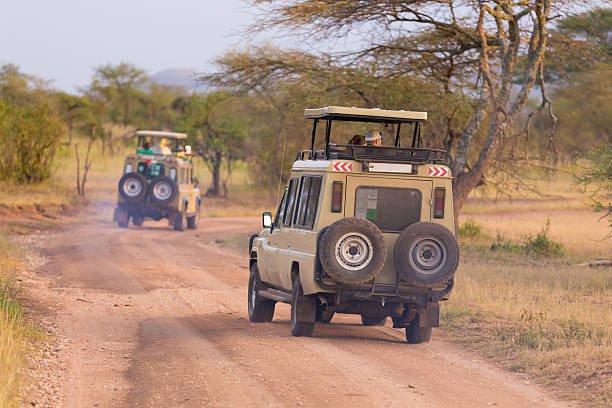
- Vehicle Type: For birding, a pop-up roof vehicle is standard. For rainforest trekking, a 4×4 is essential. Ensure the vehicle is well-maintained.
- Flexibility: While a marathon is structured, some flexibility for unexpected sightings or birding opportunities is beneficial.
- Payment Terms: Understand the deposit requirements and cancellation policies.
Working with a reputable local operator like Best Tanzania Tour Operator can ensure seamless logistics and access to the best guides and resources for your birding expedition in 2026-2027.
Frequently Asked Questions (FAQs)
Q1: Is 12 days enough for a birding marathon in East Africa?
Yes, 12 days is sufficient for a well-planned birding marathon focused on specific regions or countries within East Africa. It allows for dedicated birding time without excessive travel, but it requires a focused itinerary. For instance, a 12-day trip concentrating on Uganda’s Albertine Rift endemics or Tanzania’s diverse parks is achievable.
Q2: What is the best time of year for birding in East Africa in 2026-2027?
The dry seasons (June-October and December-February) are generally considered best for ease of travel and visibility. However, the rainy season (March-May) is excellent for breeding plumage and courtship displays of resident birds, making it ideal for photographers and those interested in breeding behavior.
Q3: Can I combine Tanzania and Kenya in a 12-day birding trip?
Yes, it’s possible, but it will be a fast-paced trip with significant travel time. The sample itinerary provided demonstrates how this can be structured, but it involves border crossings and long drives. Focusing on one country might offer a more relaxed and in-depth experience.
Q4: What are the most sought-after bird species in East Africa?
Highly sought-after species include the Shoebill, African Green Broadbill, Grauer’s Broadbill, Pel’s Fishing Owl, Secretarybird, various turacos (like Schalow’s and Ross’s), and Albertine Rift endemics. The specific targets will depend on the chosen region.
Q5: Do I need to be an expert birder to go on this marathon?
No, you don’t need to be an expert, but a strong interest and some basic bird identification skills are beneficial. A good guide will greatly assist in identifying species. The trip is designed for passionate birders, regardless of their current expertise level.
Q6: How much walking is involved in a birding marathon?
This varies by location. In savanna parks, most birding is done from a vehicle. In forest areas like Bwindi or Kakamega, you’ll do considerable walking on trails. Be prepared for moderate hiking in rainforests and potentially uneven terrain.
Q7: What is the typical cost of a 12-day birding marathon?
Costs can vary widely based on accommodation level, private vs. group tours, and the specific countries visited. A mid-range 12-day private birding marathon in Tanzania or Kenya typically ranges from $4,000 to $7,000+ per person, excluding international flights. This covers park fees, vehicle, guide, accommodation, and most meals.
Q8: What are the visa requirements for Tanzania and Kenya?
Visa requirements can change. Generally, many nationalities can obtain visas on arrival or apply online in advance. It is crucial to check the official immigration websites for Tanzania and Kenya well before your 2026-2027 trip for the most up-to-date information and application procedures.
Q9: Is it safe to travel to East Africa for birding?
East Africa is generally safe for tourists, especially when traveling with reputable tour operators and guides. Standard travel precautions apply. Birding tours often visit national parks and reserves where security is well-managed. Your tour operator will advise on current safety conditions.
Q10: What kind of vehicles are used for birding safaris?
For savanna and open areas, custom-built 4×4 safari vehicles with pop-up roofs are standard, allowing for excellent viewing and photography. For forest birding, you may walk or use specialized vehicles depending on the terrain.
Plan Your Unforgettable 12-Day Birding Marathon Across East Africa Hotspots
A 12-day birding marathon across East Africa hotspots is an expedition for the dedicated birder seeking an unparalleled avian experience. With careful planning, the right guide, and a well-chosen itinerary, you can witness the astonishing diversity of East Africa’s birdlife. Whether you dream of ticking off rare Albertine Rift endemics, spotting the majestic Shoebill, or simply immersing yourself in the symphony of a thousand birds, this region delivers.
Best Tanzania Tour Operator specializes in creating tailor-made safari and birding adventures. We understand the nuances of East African birding and can craft an itinerary that perfectly matches your interests, budget, and desired species list for 2026-2027.
Let us help you plan your ultimate birding marathon. Contact us today to start designing your dream East African birding adventure:
WhatsApp: +255616946642
Email: topguideadventures@gmail.com
Backup Email: info@topguideadventures.com
We look forward to helping you discover the incredible birding opportunities that East Africa has to offer!
Plan your 12-Day Birding Marathon Across East Africa Hotspots with Top Guide Adventures
Tell us your travel dates, group size, comfort level, and dream experience. We will help you shape a clear, realistic, and memorable Tanzania itinerary.



