
Updated planning guide for 2026-2027
1-Day Conservation Day — Ranger Walk & Lodge Talk: Complete Guide 2026-2027
Discover the impact of conservation efforts on a dedicated 1-Day Conservation Day. This guide covers ranger walks, lodge talks, and essential planning for your visit in 2026-2027.
WhatsApp +255616946642 | topguideadventures@gmail.com | info@topguideadventures.com
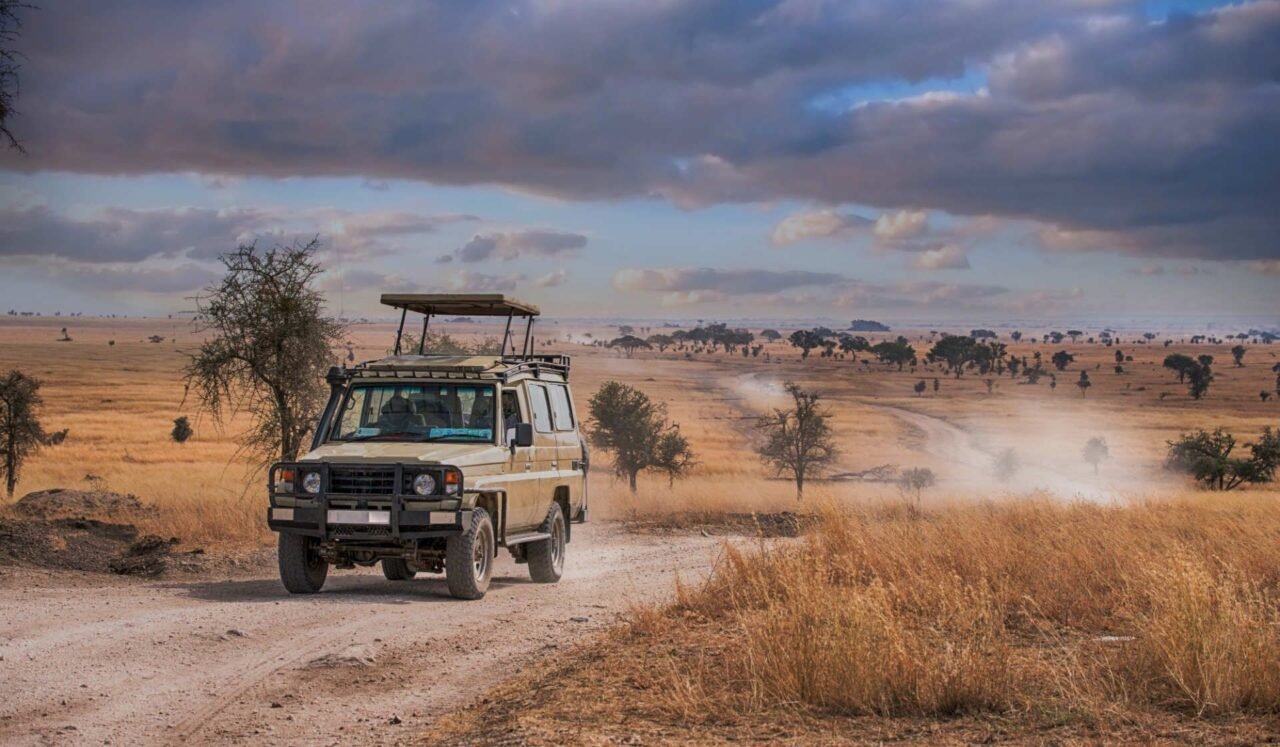
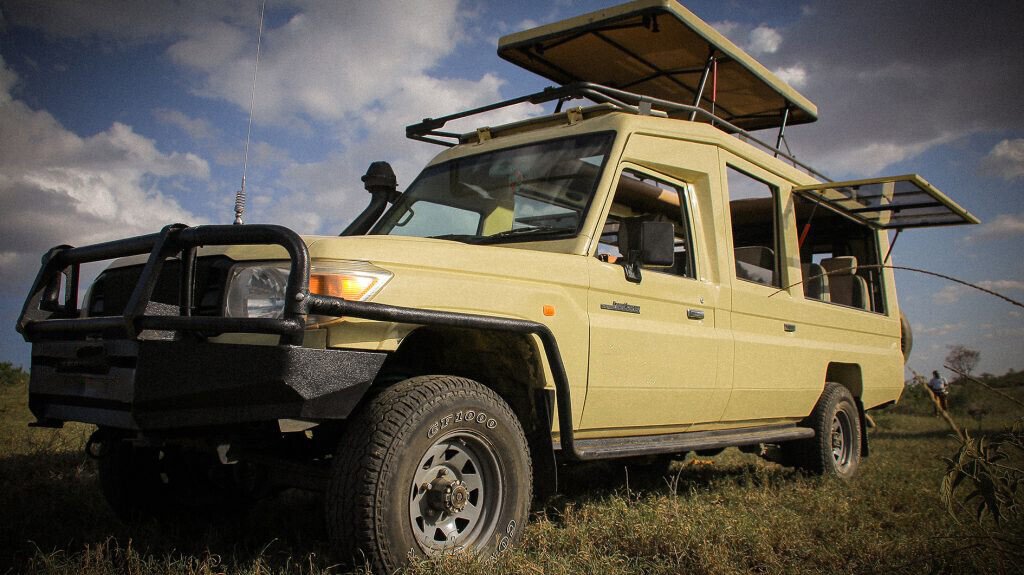
Understanding and actively participating in wildlife conservation is a profound way to experience Tanzania. A dedicated 1-Day Conservation Day — Ranger Walk & Lodge Talk offers an unparalleled opportunity to connect with the natural world and the dedicated individuals who protect it. This isn’t just another day on safari; it’s an immersive experience designed to educate, inspire, and contribute directly to ongoing conservation projects. For travelers planning their 2026 or 2027 adventures, this special day provides a unique lens through which to view Tanzania’s incredible biodiversity and the critical work being done to preserve it for future generations.
What is a 1-Day Conservation Day?
A 1-Day Conservation Day is a specially curated experience that focuses on the principles and practices of wildlife and habitat preservation within Tanzania’s protected areas. It typically combines guided activities led by park rangers or conservation experts with informative sessions hosted at a lodge or research center. The aim is to provide participants with a deeper appreciation for the challenges and successes of conservation work, often with a portion of the day’s proceeds contributing to local conservation initiatives.
This type of day trip is distinct from a standard game drive. While game drives focus on wildlife viewing, a Conservation Day emphasizes understanding the ecological balance, the threats faced by species, and the methods employed to mitigate these threats. It’s an educational journey that complements the thrill of seeing animals in their natural habitat.
Quick Facts: 1-Day Conservation Day
| Aspect | Details |
|---|---|
| Primary Focus | Wildlife conservation, habitat protection, ranger insights, community involvement. |
| Key Activities | Guided ranger walks, informative lodge talks, Q&A sessions, sometimes participation in small conservation tasks. |
| Duration | Typically a full day (approx. 6-8 hours). |
| Locations | Various national parks and conservation areas across Tanzania, often near established lodges or research stations. |
| Best Suited For | Nature enthusiasts, environmentally conscious travelers, families, photographers seeking deeper understanding. |
| Contribution | Often includes a donation towards local conservation projects. |
| Booking | Book in advance through reputable tour operators. |
Table of Contents
- Overview of the 1-Day Conservation Day Experience
- Why Prioritize Conservation in Your Tanzania Trip?
- Best Time to Plan Your Conservation Day
- Sample 1-Day Conservation Day Itinerary
- The Ranger Walk: An In-Depth Look
- The Lodge Talk: Insights and Discussion
- What to Expect on Your Conservation Day
- Inclusions, Packing, and Preparation
- Common Mistakes to Avoid
- Who is This Experience Best For?
- Alternatives to a Dedicated Conservation Day
- Planning Your 2026-2027 Conservation Trip
- Booking Your 1-Day Conservation Day
- Frequently Asked Questions
Overview of the 1-Day Conservation Day Experience
The 1-Day Conservation Day — Ranger Walk & Lodge Talk is more than just an activity; it’s an educational immersion. It’s designed to provide travelers with a direct connection to the vital work of conservationists and rangers in Tanzania. Unlike a typical safari day focused solely on spotting the Big Five, this experience delves into the ecological systems, the challenges of protecting endangered species, and the human efforts behind these crucial initiatives. You’ll walk alongside knowledgeable guides, learning about flora, fauna, tracking, and the delicate balance of the ecosystem. The day often concludes with an insightful talk at a lodge or conservation center, where experts share data, stories, and the impact of their work, often involving Q&A sessions.
This type of day trip is particularly valuable for understanding the ‘why’ behind national park regulations, anti-poaching efforts, and community engagement programs. It offers a tangible way for travelers to appreciate the complexities of wildlife management and the importance of sustainable tourism. It’s an opportunity to see beyond the surface and gain a comprehensive understanding of Tanzania’s commitment to preserving its natural heritage.
Why Prioritize Conservation in Your Tanzania Trip?
Tanzania is home to an extraordinary wealth of biodiversity, from the vast plains of the Serengeti to the unique ecosystems of Mount Kilimanjaro and the coral reefs of Zanzibar. This natural heritage is not only a source of wonder but also a vital economic engine through tourism. However, these precious resources face numerous threats, including habitat loss, poaching, human-wildlife conflict, and the impacts of climate change.
Choosing to engage in conservation-focused activities like a 1-Day Conservation Day — Ranger Walk & Lodge Talk allows you to:
- Gain Deeper Understanding: Learn about the ecological importance of each species and habitat, and the threats they face.
- Support Local Efforts: Many conservation programs rely on funding from tourism. Your participation directly contributes to these vital projects.
- Become an Advocate: Returning home with a greater understanding empowers you to share the importance of conservation and advocate for wildlife protection.
- Experience Authentic Tanzania: Connect with local rangers and conservationists, gaining insights into their daily lives and challenges.
- Promote Sustainable Tourism: By choosing eco-conscious activities, you encourage responsible tourism practices that benefit both wildlife and local communities.
In 2026 and 2027, as global awareness of environmental issues grows, travelers are increasingly seeking meaningful experiences. A Conservation Day aligns perfectly with this desire for responsible and impactful travel.
Best Time to Plan Your Conservation Day
The ideal timing for a 1-Day Conservation Day — Ranger Walk & Lodge Talk depends on the specific region in Tanzania you plan to visit and the activities involved. However, some general guidelines apply:
| Season | Tanzania Mainland (Safari Parks) | Zanzibar |
|---|---|---|
| Dry Season (June – October) | Excellent for wildlife viewing as animals congregate around water sources. Weather is generally pleasant for walking. Ideal for Serengeti, Ngorongoro, Tarangire. | Good for beach activities and exploring spice farms. Conservation activities may be less weather-dependent. |
| Short Rains (November – December) | Landscapes turn green, birdlife is abundant. Wildlife is more dispersed. Can be good for photography. Walking safaris might be affected by rain. | Transitional weather, can be mixed. Good for exploring historical Stone Town. |
| Long Rains (March – May) | Vegetation is lush, fewer tourists, lower prices. Can be challenging for game drives and walking due to muddy conditions. The Great Migration calving season in Southern Serengeti (Jan-Mar) is a highlight. | Can experience heavy rainfall, impacting outdoor activities. Best for cultural tours and indoor exploration. |
| Shoulder Seasons (May, Oct-Nov) | Often offer a good balance of weather, wildlife, and fewer crowds. May is particularly good after the long rains. | Generally pleasant, good for a mix of activities. |
Key Considerations:
- Specific Park Events: Some parks might have specific conservation events or research projects that are more active during certain times of the year.
- Weather for Walks: If your ranger walk involves significant trekking, drier months are usually preferable.
- Lodge Availability: Popular lodges may book up far in advance, especially during peak dry season.
For 2026 and 2027, booking your Conservation Day well in advance is recommended, especially if you are traveling during the popular dry season months.
Sample 1-Day Conservation Day Itinerary
This is a sample itinerary for a 1-Day Conservation Day — Ranger Walk & Lodge Talk, often set within or adjacent to a national park like Tarangire or a conservancy area. Actual timings and activities can vary based on the specific operator and location.
| Time | Activity | Description |
|---|---|---|
| 7:30 AM | Pick-up & Briefing | Collected from your lodge or a designated meeting point. Briefing on the day’s objectives and safety protocols. |
| 8:00 AM – 8:30 AM | Arrival at Conservation Site | Reach the designated starting point, often a ranger post or conservation center. Meet your lead ranger/guide. |
| 8:30 AM – 11:30 AM | Guided Ranger Walk | A guided walk through a designated area. Focus on tracking, identifying animal signs, learning about plant uses, understanding ecosystem dynamics, and discussing conservation challenges firsthand. This is not a typical game drive; expect to be on foot in a safe, controlled environment. |
| 11:30 AM – 12:30 PM | Return & Refreshments | Return to the ranger post or lodge. Opportunity for a short break, water, and light snacks. |
| 12:30 PM – 1:30 PM | Conservation Lodge Talk | An engaging presentation at a lodge or visitor center. Topics may include local wildlife populations, anti-poaching efforts, community conservation projects, research findings, and the impact of tourism. Q&A session follows. |
| 1:30 PM – 2:30 PM | Lunch | A packed lunch or a meal at the lodge, often featuring locally sourced ingredients. |
| 2:30 PM – 4:00 PM | Optional Activity / Discussion | Depending on the program: a short drive to observe specific wildlife relevant to conservation, a visit to a community project, or further discussion with rangers. |
| 4:00 PM | Departure | Begin your return journey to your accommodation. |
The Ranger Walk: An In-Depth Look
The ranger walk is the cornerstone of the 1-Day Conservation Day — Ranger Walk & Lodge Talk. This is where you get hands-on with the environment. Unlike a vehicle-based safari, being on foot allows for a much more intimate connection with nature. Your guide, typically a seasoned park ranger or a trained conservationist, will lead you through specific trails or areas known for their ecological significance.
During the walk, expect to:
- Learn Tracking Skills: Discover how rangers identify animal species by their footprints, scat, and other signs.
- Identify Flora and Fauna: Gain knowledge about medicinal plants, trees used for construction, and the role of different vegetation in the ecosystem. You’ll also learn to spot smaller creatures and insects often missed from a vehicle.
- Understand Habitat: See firsthand how different habitats support specific wildlife and the challenges of maintaining these environments.
- Discuss Conservation Issues: Your ranger will share real-time challenges they face, such as human-wildlife conflict, encroachment, or the impact of climate change on local wildlife.
- Observe Wildlife Safely: While not a primary goal, you may encounter smaller mammals, birds, reptiles, or even large herbivores from a safe distance, with the ranger ensuring your security and the animals’ well-being.
The ranger walk emphasizes observation, learning, and respect for the wild. It’s a chance to ask questions and gain a ranger’s perspective on the daily realities of conservation.
The Lodge Talk: Insights and Discussion
Following the immersive ranger walk, the lodge talk component of the 1-Day Conservation Day — Ranger Walk & Lodge Talk provides a more structured learning environment. This session is often hosted by a senior conservation manager, a researcher, or a representative from a wildlife conservation organization working in the area.
Key aspects of the lodge talk include:
- Presentation of Data: Experts may present findings from wildlife monitoring, population studies, or research projects. This could include data on elephant movements, predator-prey dynamics, or the success rates of anti-poaching patrols.
- Case Studies: Real-life examples of conservation successes and challenges will be shared, illustrating the practical application of conservation strategies.
- Community Engagement: Learn about initiatives that involve local communities in conservation efforts, such as eco-tourism benefits, sustainable land use practices, or education programs.
- Q&A Session: This is your opportunity to ask in-depth questions about conservation strategies, wildlife behavior, the challenges of managing vast protected areas, and how tourism contributes.
- Impact of Your Visit: Understand how your participation in the Conservation Day contributes to the funding and success of these vital projects.
The lodge talk aims to consolidate the practical learning from the ranger walk with broader strategic insights, offering a comprehensive view of conservation efforts in Tanzania.
What to Expect on Your Conservation Day
A 1-Day Conservation Day — Ranger Walk & Lodge Talk is an active and engaging experience. It requires a certain level of physical preparedness and a genuine interest in learning.
Here’s a breakdown of what you can generally expect:
- Physical Activity: The ranger walk involves walking on uneven terrain, potentially for several hours. While not a strenuous hike, comfortable walking shoes are essential. Pace is generally moderate, allowing for observation and discussion.
- Educational Focus: Expect a strong emphasis on learning. Guides will share detailed information about the environment, wildlife, and conservation practices. Be prepared to listen, observe, and ask questions.
- Close Encounters (with caution): While the primary goal isn’t spotting large predators, you might encounter smaller animals, birds, and insects up close. Rangers prioritize safety, ensuring you maintain a respectful distance from all wildlife. You will be in areas where wildlife is present, so awareness is key.
- Weather Dependency: Be prepared for varying weather conditions. Tanzania can experience sun, heat, and occasional rain, even in dry seasons. Layered clothing is recommended.
- Contribution to Conservation: Understand that a portion of your fee typically goes directly to supporting local conservation initiatives, research, or ranger training.
- Authentic Interactions: You’ll interact with dedicated professionals who are passionate about their work. Their insights are invaluable.
- Limited Vehicle Use: The ranger walk portion is primarily on foot. Vehicle use is usually limited to transfers to and from the site, and potentially a short drive for specific observation points.
It’s an experience that offers a different perspective on the African wilderness, moving beyond passive observation to active engagement and understanding.
Inclusions, Packing, and Preparation
To make the most of your 1-Day Conservation Day — Ranger Walk & Lodge Talk, proper preparation is key. Here’s what to consider regarding inclusions, packing, and general preparation.
Typical Inclusions:
- Guided ranger walk with a qualified ranger/guide.
- Lodge talk presentation and Q&A session.
- Packed lunch and water/refreshments.
- Park or conservation area entrance fees (confirm with your operator).
- Transportation to and from the designated conservation area (if booked as a package).
- Contribution to local conservation projects.
What to Pack:
Clothing:
- Lightweight, neutral-colored clothing: Long-sleeved shirts and long trousers are recommended to protect against the sun, insects, and thorny vegetation. Avoid bright colors.
- Comfortable walking shoes: Sturdy, broken-in hiking boots or robust trainers are essential for walking on uneven terrain.
- Hat: A wide-brimmed hat for sun protection.
- Light jacket or fleece: For cooler mornings or evenings.
- Rain jacket: A lightweight, waterproof jacket, especially during the rainy seasons.
Gear:
- Binoculars: Highly recommended for observing wildlife and birds from a distance.
- Camera: With extra batteries and memory cards.
- Sunscreen: High SPF.
- Insect repellent: With DEET or a natural alternative.
- Reusable water bottle: To stay hydrated and minimize waste.
- Small backpack: To carry your essentials.
- Personal first-aid kit: Including any personal medications.
- Hand sanitizer.
Preparation:
- Physical Fitness: Ensure you are reasonably fit for walking on varied terrain for a few hours.
- Hydration: Drink plenty of water before and during the day.
- Sun Protection: Apply sunscreen and wear protective clothing, even on cloudy days.
- Insect Protection: Use repellent, especially during dawn and dusk.
- Respect Wildlife Rules: Always follow the instructions of your ranger guide regarding safety and wildlife interaction.
- Ask Questions: This is a learning experience; don’t hesitate to ask your guide anything you’re curious about.
Common Mistakes to Avoid
To ensure a rewarding and safe 1-Day Conservation Day — Ranger Walk & Lodge Talk, be aware of common pitfalls:
- Underestimating the Walking: Thinking it’s just a short stroll can lead to discomfort. Be prepared for several hours of walking on potentially challenging terrain.
- Inadequate Footwear: Wearing sandals or unsuitable shoes can lead to injuries and make the walk unpleasant. Sturdy, closed-toe shoes are a must.
- Ignoring Sun and Insect Protection: The African sun can be intense, and insects are prevalent. Forgetting sunscreen or repellent can lead to sunburn or uncomfortable bites.
- Wearing Bright Colors: While not as critical as on a game drive, neutral, earthy tones are still preferred to blend in and avoid disturbing wildlife.
- Expecting Close-Up Wildlife Encounters: The focus is education and conservation, not thrill-seeking. While you might see animals, large predators are unlikely to be encountered on foot due to safety protocols.
- Not Asking Questions: This is a unique opportunity to learn from experts. Failing to ask questions means missing out on valuable insights.
- Bringing Too Much Gear: While essentials are important, overpacking can make the walk cumbersome. A small, manageable backpack is best.
- Not Confirming Inclusions: Always clarify what is included in your tour package (e.g., meals, drinks, park fees) with your tour operator beforehand.
- Disrespecting Wildlife or Environment: Never feed animals, leave litter, or stray from the designated paths and your guide’s instructions.
By avoiding these common errors, you can maximize your learning and enjoyment of this special conservation experience.
Who is This Experience Best For?
The 1-Day Conservation Day — Ranger Walk & Lodge Talk is a niche but highly rewarding experience suited for specific types of travelers. It’s ideal for:
- Environmentally Conscious Travelers: Those who are passionate about nature, wildlife, and sustainability and want to understand conservation efforts firsthand.
- Curious Learners: Individuals who enjoy gaining in-depth knowledge and appreciate educational experiences over purely recreational ones.
- Nature Enthusiasts: People who love being outdoors, observing the details of the natural world, and connecting with the environment on a deeper level.
- Families with Older Children: Children who are old enough to understand and appreciate conservation concepts (typically 10+) can benefit immensely from this hands-on learning.
- Photographers Seeking Context: Photographers who want to capture not just images of wildlife, but also the story and context behind conservation.
- Repeat Safari Goers: Travelers who have experienced standard safaris and are looking for a more profound and educational dimension to their trip.
- Anyone Interested in Local Culture and Challenges: The talks often touch upon community involvement and the human element of conservation, offering insights into local life.
It is less suited for travelers seeking a high-adrenaline adventure, those with significant mobility issues, or individuals primarily interested in spotting the Big Five from the comfort of a vehicle.
Alternatives to a Dedicated Conservation Day
While a 1-Day Conservation Day — Ranger Walk & Lodge Talk offers a unique focus, several other activities in Tanzania provide opportunities to engage with conservation and wildlife in different ways:
| Alternative Activity | Focus | How it Relates to Conservation |
|---|---|---|
| Walking Safaris (Guided) | Exploring wildlife and landscapes on foot in designated areas. | Often led by armed rangers or guides who share knowledge about tracking, flora, fauna, and the ecosystem’s balance. Promotes a slower, more observant way of experiencing the bush. |
| Community-Based Tourism Projects | Visiting villages or projects that directly benefit from or contribute to conservation. | Learn about initiatives like sustainable farming, craft production for income, or anti-poaching patrols funded by tourism revenue. Offers insight into human-wildlife coexistence. |
| Visiting Conservation Centers/Sanctuaries | Tours of facilities focused on orphaned animals, rehabilitation, or research. | Directly supports the work of these centers, learn about specific species’ conservation status, and understand rehabilitation processes. Examples include Mnarani Marine Turtle Conservation Pond in Zanzibar or wildlife rehabilitation centers. |
| Citizen Science Programs | Participating in data collection for ongoing research (less common for short-term tourists but available in some specific programs). | Contribute directly to scientific understanding and conservation planning by assisting with wildlife counts, tracking data, or photographic identification. |
| Eco-Lodges with Conservation Focus | Staying at lodges that actively participate in or fund conservation projects. | Many lodges have their own initiatives, employ local conservationists, or contribute a portion of their revenue to wildlife protection. They often provide information sessions or guided walks with an ecological focus. |
| Great Migration Viewing (Serengeti) | Witnessing the incredible movement of wildebeest and zebras. | Understanding the scale of this natural phenomenon highlights the importance of vast, protected landscapes. Supporting lodges and operators committed to minimal impact tourism during this period is crucial. |
While these alternatives offer conservation-related insights, the dedicated 1-Day Conservation Day — Ranger Walk & Lodge Talk provides a more structured and intensive learning experience focused specifically on conservation practices and challenges.
Planning Your 2026-2027 Conservation Trip
Planning a trip that includes a 1-Day Conservation Day — Ranger Walk & Lodge Talk for 2026 or 2027 requires careful consideration to ensure a smooth and impactful experience. Here’s a guide to help you plan:
- Define Your Interests: Are you more interested in predator-prey dynamics, elephant conservation, marine life, or general ecosystem health? This will help narrow down potential locations and tour operators.
- Choose Your Location: Tanzania offers diverse ecosystems. Consider parks like Tarangire (known for elephants and baobabs, often offering walking safaris), areas around Lake Manyara, or conservancies near the Ngorongoro Crater. For marine conservation, Zanzibar offers specific programs.
- Select a Reputable Tour Operator: Look for operators with a strong commitment to responsible tourism and conservation. They should be transparent about their conservation partnerships and practices. Companies like Best Tanzania tour operator (Top Guide Adventures) have a deep understanding of these specialized tours.
- Determine the Best Time to Travel: As outlined earlier, consider the seasons for weather, wildlife viewing, and potential conservation activity. For 2026-2027, booking during the dry season (June-October) is popular for general safari activities, but shoulder seasons might offer a more focused conservation experience with fewer crowds.
- Book in Advance: Specialized tours like Conservation Days, especially those involving ranger participation, often have limited availability. Booking 6-12 months in advance for 2026 or 2027 is highly recommended, particularly for peak travel periods.
- Consider Your Accommodation: Choose lodges or camps that align with your conservation values. Many eco-lodges actively support local conservation efforts and can be excellent bases for your Conservation Day.
- Health and Safety: Consult your doctor regarding necessary vaccinations and malaria precautions for Tanzania. Ensure your travel insurance covers all planned activities.
- Budget: While exact prices vary, factor in tour operator fees, park/conservation fees, accommodation, meals, and transportation. Specialized tours may have a slightly higher cost due to the expertise involved.
- Pack Appropriately: Refer to the packing list provided to ensure you have suitable clothing and gear for walking and varying weather.
By following these planning steps, you can ensure your 1-Day Conservation Day — Ranger Walk & Lodge Talk is a memorable and meaningful part of your 2026 or 2027 Tanzanian adventure.
Booking Your 1-Day Conservation Day
Securing your 1-Day Conservation Day — Ranger Walk & Lodge Talk requires choosing the right partner and understanding the booking process. Here’s expert advice to guide you:
- Choose a Specialist Operator: Work with a tour operator that has proven experience in offering conservation-focused tours. They will have established relationships with park authorities and conservation organizations. For example, Top Guide Adventures is known for its commitment to responsible tourism and can arrange such unique experiences.
- Direct Communication is Key: Don’t hesitate to contact potential operators directly. Ask specific questions about the conservation day: Who leads the walk? What specific conservation projects does it support? What is the typical group size? What is the educational content?
- Verify Inclusions and Exclusions: Always get a clear breakdown of what your booking covers. This should include transportation, guide fees, meals, park or conservation fees, and any specific contributions to conservation projects.
- Read Reviews and Testimonials: Look for feedback from previous travelers who have participated in similar conservation-focused activities. This can provide valuable insights into the quality and authenticity of the experience.
- Understand the Itinerary Logic: Ensure the proposed itinerary makes sense logistically and offers a balanced experience between the ranger walk and the lodge talk.
- Confirm Contribution Details: If the tour advertises a contribution to conservation, ask for specifics. How much of the fee goes to the cause? Which organization benefits?
- Booking Timeline for 2026-2027: As mentioned, popular conservation activities can fill up quickly. For 2026 and 2027, aim to book at least 6-12 months in advance, especially if you plan to travel during peak seasons.
- Payment Terms: Understand the deposit requirements, payment schedule, and cancellation policy. Reputable operators will have clear terms and conditions.
Contact Us to Book:
Ready to plan your impactful 1-Day Conservation Day — Ranger Walk & Lodge Talk? Reach out to our expert team at Top Guide Adventures. We are dedicated to creating responsible and enriching travel experiences in Tanzania.
WhatsApp: +255616946642
Email: topguideadventures@gmail.com
Backup Email: info@topguideadventures.com
Frequently Asked Questions
Q1: Is the 1-Day Conservation Day suitable for children?
A1: It can be, but it depends on the child’s age and maturity. The ranger walk involves walking for several hours and requires a good level of attention and understanding of safety instructions. We generally recommend it for children aged 10 and above who have a keen interest in nature and conservation. Always discuss the suitability with your tour operator.
Q2: What level of physical fitness is required for the ranger walk?
A2: A moderate level of fitness is sufficient. You should be comfortable walking for 3-4 hours on uneven, natural terrain, potentially with some inclines. It’s not a strenuous hike, but requires stamina and good balance. If you have significant mobility issues, this might not be the best activity.
Q3: Will I see a lot of large wildlife on the ranger walk?
A3: The primary focus of the ranger walk is education about the ecosystem, tracking, flora, and fauna, not necessarily spotting large game. While you may encounter smaller animals, birds, or reptiles, and potentially herbivores from a safe distance, the emphasis is on observation and learning rather than actively seeking out predators. Safety protocols mean walking in areas where encounters with dangerous animals are minimized or managed.
Q4: What happens if it rains on the day of my Conservation Day?
A4: This depends on the specific tour operator and location. Often, a ranger walk can proceed in light rain with appropriate gear. However, in heavy or persistent rain, the walk might be shortened, replaced with additional lodge talks, or rescheduled if possible. Always check the operator’s policy on weather cancellations or modifications.
Q5: How much of the fee actually goes to conservation?
A5: This varies significantly between operators and programs. Reputable operators will be transparent about this. Ask your tour provider for a clear breakdown. A genuine conservation day will clearly state the portion of the fee that directly supports local conservation projects, ranger training, or wildlife research.
Q6: Can I book this as part of a longer safari in 2026 or 2027?
A6: Absolutely. The 1-Day Conservation Day — Ranger Walk & Lodge Talk can be seamlessly integrated into a longer safari itinerary. Many travelers choose to do this on a day they are staying at a lodge near a suitable park or conservancy area. It adds a valuable educational layer to a standard safari.
Q7: What should I do if I have specific dietary requirements for lunch?
A7: You must inform your tour operator of any dietary restrictions or allergies well in advance, ideally at the time of booking. They will then communicate this to the lodge or catering service preparing the packed lunch.
Q8: Is there a minimum group size for the ranger walk?
A8: Often, ranger walks are conducted in small groups to ensure a more personal and educational experience, and for safety reasons. Some operators might require a minimum number of participants to run the program, while others offer it as a private experience for an additional cost. Clarify this with your operator.
Q9: How do I ensure the conservation day is authentic and not just a tourist gimmick?
A9: Choose operators with a proven track record in responsible tourism and conservation partnerships. Look for detailed itineraries that involve genuine ranger interaction and educational talks with clear conservation objectives. Asking specific questions about the projects supported and the qualifications of the guides is also crucial. For 2026-2027, selecting established operators is key.
Q10: What are the safety measures during a ranger walk?
A10: Safety is paramount. You will be accompanied by experienced rangers who are trained in wildlife behavior and emergency procedures. You will be instructed on how to behave around wildlife, stay on designated paths, and follow the ranger’s lead at all times. Dangerous animal encounters are managed by trained professionals.
Ready for an Impactful Experience?
A 1-Day Conservation Day — Ranger Walk & Lodge Talk offers a unique perspective on Tanzania’s natural wonders, highlighting the critical efforts to protect them. It’s an enriching experience for the thoughtful traveler, providing education, connection, and a tangible contribution to conservation.
Let us help you plan this extraordinary day as part of your 2026 or 2027 Tanzanian adventure. We partner with trusted conservation initiatives and experienced rangers to deliver authentic and impactful experiences.
Contact Top Guide Adventures today:
WhatsApp: +255616946642
Email: topguideadventures@gmail.com
Backup Email: info@topguideadventures.com
Let’s create your unforgettable conservation journey!
Plan your 1-Day Conservation Day — Ranger Walk & Lodge Talk with Top Guide Adventures
Tell us your travel dates, group size, comfort level, and dream experience. We will help you shape a clear, realistic, and memorable Tanzania itinerary.



