Tailored Tanzania Safari Tours - Top Guide Adventures Best Safari Complete Guide
- Information
- Similar Tours
What's included
Complete 7 Days Rongai Route Kilimanjaro Climb Best Season & Package Price 2026-2027
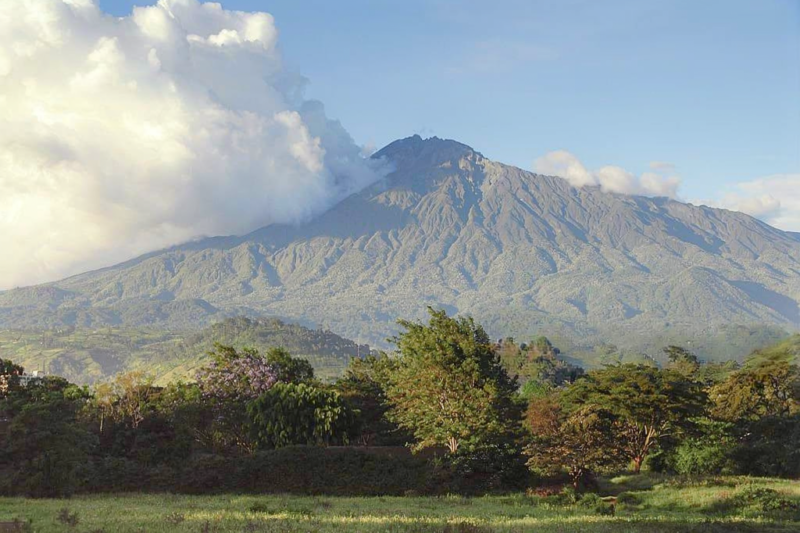
Experience Mount Kilimanjaro through the quieter northern side on the seven-day Rongai Route, an itinerary designed to provide more acclimatization time than the shorter six-day option.
Rongai begins near the Kenya–Tanzania border and approaches Kilimanjaro from the northeast before crossing the high alpine saddle toward Kibo.
The route is known for gradual lower slopes, fewer trekkers during the opening stages and relatively dry conditions on the northern side.
The strongest climbing periods are generally January to early March and June to October, while the exact package price depends on group size, hotel arrangements, transfers and optional upgrades.
Seven-Day Rongai Overview
Why Choose the Seven-Day Rongai Route?
Rongai is the main Kilimanjaro route approaching from the northern side. The climb begins near the Kenya–Tanzania border but remains entirely within Tanzania.
Its opening trail is usually quieter than the southern approaches, making it attractive to travelers who prefer a more remote mountain experience.
The seven-day version includes additional time around Mawenzi, which can support acclimatization before the group crosses toward Kibo.
The descent follows the Marangu Route, allowing climbers to experience contrasting landscapes on two sides of Kilimanjaro.
Best For
- Travelers seeking a quieter Kilimanjaro route.
- Climbers who prefer gradual early slopes.
- People who want more acclimatization than six days.
- Private groups, couples and solo travelers.
- Climbers trekking during selected wetter periods.
- Travelers comfortable with mountain camping.
- Hikers interested in Mawenzi scenery.
- Travelers combining Kilimanjaro with safari or Zanzibar.
Rongai Route Best Season 2026-2027
Kilimanjaro can be climbed throughout the year, but dry-season periods generally provide more stable trails, clearer views and lower rainfall.
Warm Dry Window
Often offers warmer daytime conditions, good visibility and fewer climbers than the busiest July-to-September period.
Long Rains
Expect wetter trails, cloud, mud and changing visibility. Rongai may remain relatively drier than southern routes, but rain is still possible.
Main Dry Season
Commonly offers dry trekking conditions and clear mountain views. July, August and September may be busier.
Short Rains
Conditions are variable, with periods of rain and sunshine. December may become busier around the holiday season.
Best Season Calendar
| Month | General Conditions | Crowd Level | Rongai Recommendation |
|---|---|---|---|
| January | Generally drier and relatively warm | Moderate | Excellent |
| February | Often dry with good visibility | Moderate | Excellent |
| March | Good early; rain risk increases later | Low to moderate | Good early in month |
| April | Long rains, cloud and wet trails | Low | Possible for experienced wet-weather trekkers |
| May | Wet conditions may continue | Low | Less recommended |
| June | Dry season begins; colder nights | Moderate | Excellent |
| July | Dry, cold and generally clear | High | Excellent |
| August | Dry and cold with strong demand | High | Excellent |
| September | Dry with good visibility | High | Excellent |
| October | Often good; rain risk rises later | Moderate | Very good |
| November | Short rains and variable visibility | Low | Possible on Rongai |
| December | Mixed weather; holiday demand later | Moderate to high | Good with flexible expectations |
How Difficult Is the Seven-Day Rongai Route?
Moderate to Difficult
The lower Rongai trail is generally gradual and does not normally require ropes or technical mountaineering skills.
The primary challenge is altitude. Climbers must adapt to reduced oxygen, cold nights and a long summit attempt from Kibo toward Gilman's Point and Uhuru Peak.
The seven-day schedule is usually preferable to the six-day schedule because it provides more time for acclimatization around Mawenzi.
Main Difficulty Factors
- High sleeping elevations.
- Reduced oxygen above 4,000 metres.
- Cold and windy conditions around Kibo.
- Midnight departure for the summit.
- Steep volcanic scree below Gilman's Point.
- Long descent after reaching the summit.
- Seven consecutive trekking days.
- Rapidly changing mountain weather.
Seven-Day Rongai Route Itinerary
Kilimanjaro Airport to Moshi Hotel
Meet an African Trek & Travel representative at Kilimanjaro International Airport and transfer to the confirmed hotel in Moshi.
Meet the mountain guide for a route briefing, health discussion, equipment inspection and final preparation.
Rongai Gate to Simba Camp
Travel from Moshi around the eastern side of Kilimanjaro toward Rongai Gate. Complete park registration and meet the full mountain crew.
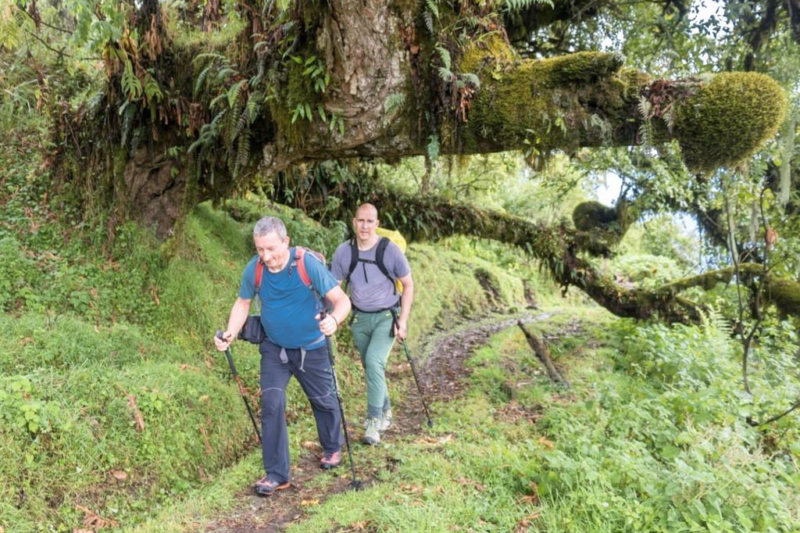
Begin through cultivated land and forest before reaching open heath and moorland near Simba Camp.
Simba Camp to Second Cave Camp
Continue through open moorland with broad views toward the northern plains and the upper slopes of Kilimanjaro when weather conditions are clear.
Reach Second Cave Camp for rest, hydration and an optional acclimatization walk according to the guide's plan.
Second Cave Camp to Kikelewa Camp
Leave Second Cave and traverse quiet moorland toward the eastern slopes beneath Mawenzi.
The landscape becomes increasingly remote and open before reaching Kikelewa Camp in a sheltered valley.
Kikelewa Camp to Mawenzi Tarn Camp
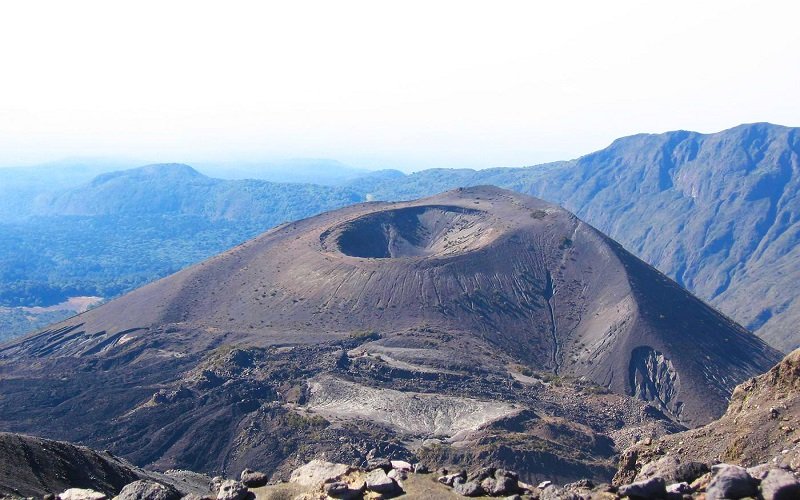
Begin a steeper but relatively short climb toward the dramatic Mawenzi massif.
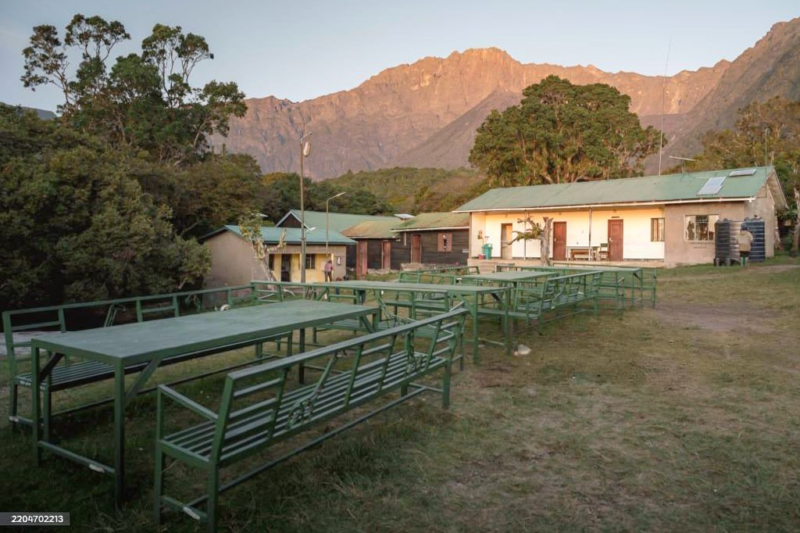
Arrive at Mawenzi Tarn Camp beneath the jagged volcanic ridges. Rest, hydrate and prepare for the additional acclimatization day.
Mawenzi Tarn Acclimatization Day
Spend an additional day around Mawenzi Tarn to support acclimatization. The guide may lead a controlled hike to a higher point before returning to camp.
This climb-high-and-sleep-low approach gives the body more exposure to altitude while maintaining the same sleeping elevation.
Mawenzi Tarn Camp to Kibo Hut
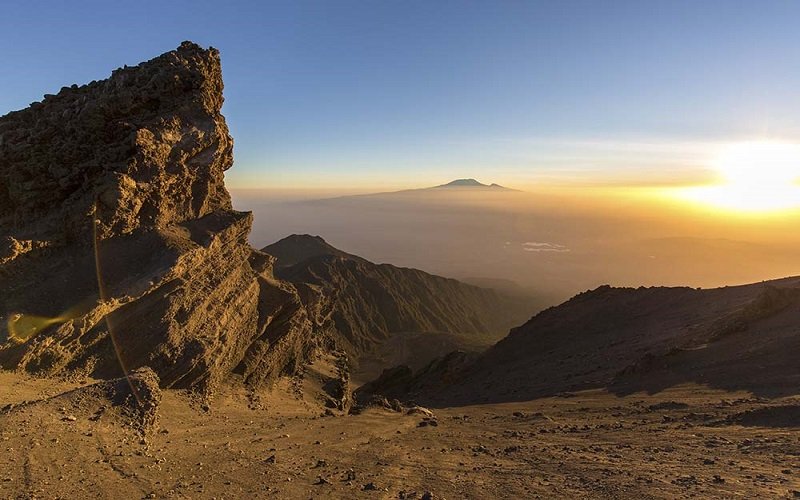
Cross the broad alpine saddle between Mawenzi and Kibo through exposed, dry and high-altitude terrain.
Reach Kibo, organize summit clothing and equipment, eat an early dinner and rest before the midnight summit departure.
Kibo Hut to Uhuru Peak and Marangu Descent
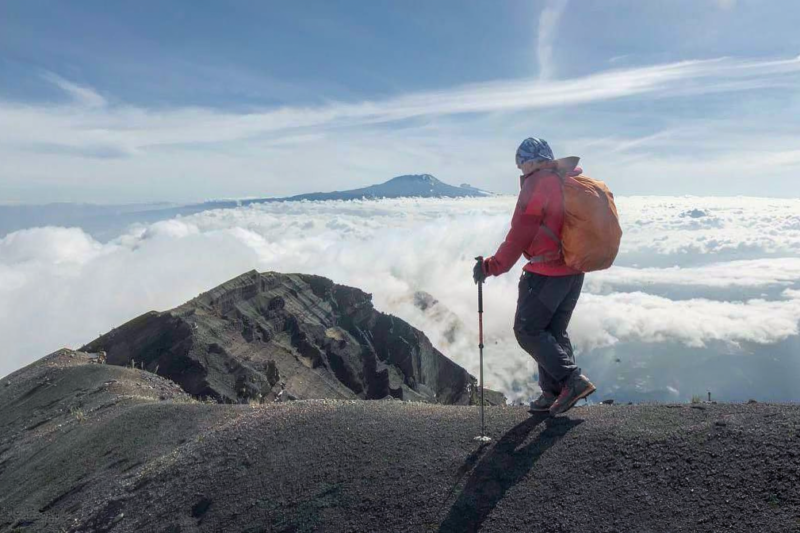
Begin around midnight using headlamps and full cold-weather clothing. Ascend slowly over steep scree toward Gilman's Point at approximately 5,685 metres.
Climbers who remain healthy and strong continue around the crater rim toward Uhuru Peak at 5,895 metres.
Descend to Kibo for a short rest before continuing down through the Marangu side according to the confirmed operational itinerary.
Moshi Hotel, Airport Transfer or Tanzania Safari
Rest at the hotel before transferring to Kilimanjaro International Airport or continuing with a Tanzania safari or Zanzibar holiday.
Seven-Day Rongai Ascent and Marangu Descent
Northern Approach Route Map
Illustrative route showing Rongai Gate, Simba Camp, Second Cave, Kikelewa, Mawenzi Tarn, Kibo, Uhuru Peak and the Marangu descent.
Seven-Day Route Flow
Begin through forest and open heath.
Gain altitude through northern moorland.
Traverse quiet terrain below Mawenzi.
Climb into the dramatic Mawenzi landscape.
Complete a controlled hike and return to camp.
Cross the alpine saddle and prepare for summit night.
Attempt the summit and descend through Marangu.
Seven-Day Rongai Route Price 2026-2027
Scheduled Rongai Departure
- Seven trekking days.
- Six mountain nights.
- Shared professional guide team.
- Porters and mountain cook.
- Mountain meals and treated water.
- Shared gate transportation.
- Hotel nights when listed.
Private Seven-Day Rongai
- Private mountain departure.
- Dedicated guide and crew.
- Flexible travel date.
- Private gate transport.
- Camping and dining equipment.
- Hotel and airport options.
- Safari extension planning.
Upgraded Private Package
- Solo or small private expedition.
- Dedicated mountain support team.
- Premium hotel category.
- Private airport transfers.
- Private toilet tent option.
- Sleeping bag and gear rental.
- Customized safari or Zanzibar trip.
What Determines the Seven-Day Rongai Cost?
| Cost Factor | Standard Arrangement | Possible Upgrade | Effect on Price |
|---|---|---|---|
| Group Size | Shared or multi-person climb | Solo or private couple | Smaller groups generally cost more |
| Park Fees | Included when stated | Updated official tariffs | Fee changes affect final price |
| Hotel Category | Standard midrange hotel | Luxury or extra nights | Higher room cost |
| Airport Transfer | Scheduled or shared | Private transfer | Private vehicles cost more |
| Camping Equipment | Standard mountain tents | Private toilet or upgrades | Extra crew and equipment cost |
| Rental Equipment | Personal climbing gear | Sleeping bag, poles and clothing | Rental charges added separately |
| Safari Extension | Not included | Shared or private safari | Depends on parks and duration |
| Zanzibar Extension | Not included | Flights, hotels and transfers | Customized quotation required |
Typical Inclusions and Exclusions
Typical Package Inclusions
- Licensed Kilimanjaro lead guide.
- Assistant guides according to group size.
- Professional mountain porters.
- Mountain cook and camp support.
- Park fees stated in the quotation.
- Camping fees and mountain accommodation.
- Mountain sleeping tents.
- Dining tent, tables and chairs.
- Mountain breakfast, lunch and dinner.
- Treated drinking water.
- Transport to Rongai Gate.
- Return transport from Marangu.
- Airport transfers when listed.
- Hotel accommodation when listed.
- Pre-climb briefing and gear inspection.
- Emergency oxygen and listed safety equipment.
- Daily guide health monitoring.
Typical Package Exclusions
- International and domestic flights.
- Tanzania visa charges.
- Travel and high-altitude insurance.
- Personal trekking clothing.
- Personal hiking equipment.
- Sleeping bag unless specified.
- Private toilet tent unless specified.
- Personal medication and vaccinations.
- Guide, porter and cook gratuities.
- Alcoholic beverages.
- Personal snacks and energy products.
- Single-room hotel supplement.
- Additional accommodation nights.
- Emergency evacuation outside package coverage.
- Safari and Zanzibar extensions.
- Services not stated in the quotation.
Seven-Day Rongai Packing List
Clothing Layers
- Moisture-wicking base-layer tops.
- Thermal long-sleeve top and leggings.
- Fleece or softshell jacket.
- Insulated down or synthetic jacket.
- Waterproof shell jacket and trousers.
- Hiking trousers and warm summit trousers.
- Dry sleeping clothes.
Footwear
- Broken-in waterproof hiking boots.
- Camp shoes or lightweight trainers.
- Moisture-wicking hiking socks.
- Warm summit socks.
- Gaiters.
- Blister prevention supplies.
Head and Hand Protection
- Sun hat or hiking cap.
- Warm fleece or wool hat.
- Balaclava or neck gaiter.
- Lightweight trekking gloves.
- Insulated summit gloves.
- Waterproof outer mittens.
- UV-protection sunglasses.
Sleeping and Bags
- Warm four-season sleeping bag.
- Sleeping bag liner.
- Daypack of approximately 25-35 litres.
- Soft porter duffel bag.
- Backpack rain cover.
- Waterproof dry bags.
Trekking Equipment
- Adjustable trekking poles.
- Headlamp with spare batteries.
- Reusable water bottles.
- Insulated bottle covers.
- Hydration bladder where preferred.
- Power bank and charging cables.
Health and Personal Items
- Personal prescription medication.
- Travel insurance documents.
- High-SPF sunscreen and lip balm.
- Personal first-aid supplies.
- Wet wipes and hand sanitizer.
- Electrolytes and personal snacks.
- Passport and visa documents.
Rongai Route Safety Guidelines
Report Symptoms Quickly
Tell the guide about headache, nausea, dizziness, confusion, weakness or unusual breathing difficulty.
Walk Pole Pole
A slow and consistent pace supports energy conservation and acclimatization.
Drink Regularly
Follow guide instructions and protect water from freezing during summit night.
Maintain Energy Intake
Continue eating even when altitude reduces appetite.
Carry Warm Layers
Conditions may change quickly, especially around Mawenzi, Kibo and the summit.
Respect Guide Decisions
Immediate descent may be necessary when serious altitude illness is suspected.
How to Book the Seven-Day Rongai Route
Choose suitable arrival and climbing dates in 2026 or 2027.
Decide whether you prefer a scheduled group or private departure.
Send the number of climbers, ages, nationality, hiking experience and dietary requirements.
Confirm room type, airport transfers and additional accommodation nights.
Check the itinerary, price, inclusions, exclusions and booking terms.
Follow the confirmed payment instructions to reserve the climb.
Arrange cover for high-altitude trekking, treatment, evacuation and cancellation.
Meet the guide in Moshi for equipment checks and final preparation.
Seven-Day Rongai Route FAQs
What is the best season for the seven-day Rongai Route?
The main dry-season windows are generally January to early March and June to October.
How much does the seven-day Rongai Route cost?
Planning prices range from approximately USD 1,870 to USD 4,000 per person depending on group size and package services.
Is seven days better than six days?
Seven days normally offers more acclimatization time around Mawenzi before the summit attempt.
How difficult is the route?
It is moderate to difficult. The trail is non-technical, but altitude, cold and summit-day fatigue are significant challenges.
Where does Rongai begin?
It begins at Rongai Gate on the northeastern side of Kilimanjaro near the Kenya–Tanzania border.
Does the trek enter Kenya?
No. The entire Kilimanjaro climb remains within Tanzania.
Where does the route finish?
The normal descent follows the Marangu trail and finishes at Marangu Gate.
Is Rongai quieter than Machame?
The opening stages are generally quieter than Machame, although trails become busier near Kibo and the descent.
Is Rongai suitable for beginners?
Fit and well-prepared beginners may attempt it with professional guidance and suitable equipment.
Does Rongai require technical climbing?
No technical climbing equipment is normally required.
What is the hardest day?
The summit climb from Kibo toward Gilman's Point and Uhuru Peak is normally the most difficult stage.
How cold is summit night?
Temperatures may fall well below freezing, particularly with strong wind.
Do climbers sleep in tents?
The Rongai ascent is normally operated as a camping trek.
Is a sleeping bag included?
A sleeping bag is included only when stated in the quotation. Rental may be arranged.
Can trekking equipment be rented?
Many items may be rented in Moshi, subject to size, quality and availability.
Are hotel nights included?
Hotel nights are included only when listed in the confirmed package.
Are airport transfers included?
Airport transfers are included when stated in the final quotation.
Can solo travelers book Rongai?
Yes. Solo travelers may arrange a private climb or join a scheduled departure when available.
Can dietary requirements be accommodated?
Vegetarian, vegan, halal and allergy-related requirements should be submitted before arrival.
Is reaching Uhuru Peak guaranteed?
No. Summit success depends on altitude response, health, preparation, weather and guide safety decisions.
Do I need travel insurance?
Travelers should obtain insurance covering high-altitude trekking, treatment, evacuation, cancellation and trip interruption.
Can I climb during the rainy season?
Yes, but expect wetter and cloudier conditions. Rongai may be relatively drier than southern routes.
Can I add a Tanzania safari?
Yes. Shared or private safari packages may be arranged before or after Kilimanjaro.
Can I visit Zanzibar after the climb?
Yes. Domestic flights, hotels, transfers and Zanzibar activities may be added.
How do I receive an exact quotation?
Send your dates, group size, nationality or residency status, hotel requirements, transfers and equipment needs.
Book the Complete Seven-Day Rongai Route
Contact African Trek & Travel with your preferred dates, number of climbers, nationality or residency status, hotel preference, airport transfers, equipment rental requirements and safari or Zanzibar plans.