
Updated planning guide for 2026, 2027-2028
Moshi Local Farm Tour: Complete Guide 2026-2027-2028
Explore the vibrant agricultural heart of Tanzania with a Moshi Local Farm Tour. This comprehensive guide covers everything you need to know for an authentic experience in 2026-2027, from planning and itineraries to what to expect and booking.
WhatsApp +255616946642 | topguideadventures@gmail.com | info@topguideadventures.com
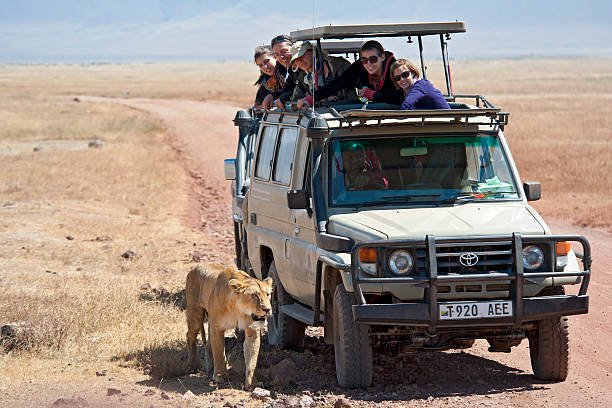
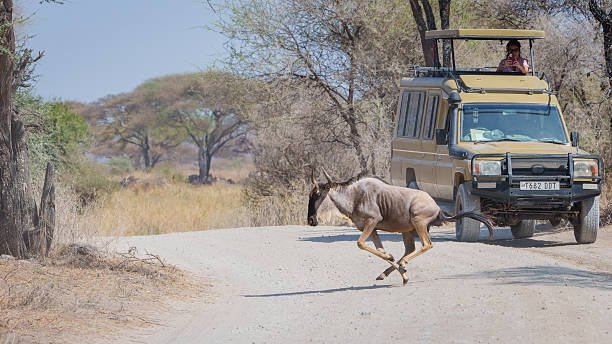
Moshi Local Farm Tour: A Deep Dive into Tanzania’s Agricultural Soul
When planning a trip to Tanzania, many travelers focus on the iconic safaris of the Serengeti, the majestic climb of Mount Kilimanjaro, or the pristine beaches of Zanzibar. While these are undoubtedly incredible experiences, there’s a rich, authentic layer of Tanzanian culture and life waiting to be discovered just beneath the surface. For those seeking a genuine connection with the land and its people, a Moshi Local Farm Tour offers an unparalleled opportunity. This guide provides an extensive look at what makes this experience so rewarding, how to plan it, and what to expect during your visit to the fertile lands surrounding Moshi, near the foot of Africa’s highest peak.
This isn’t just a sightseeing trip; it’s an immersion into the daily rhythms of Tanzanian rural life, a chance to understand the agricultural practices that sustain communities, and an opportunity to engage directly with local farmers. Whether you’re a seasoned traveler looking for off-the-beaten-path adventures or a first-time visitor wanting a deeper cultural understanding, the Moshi Local Farm Tour is an enriching addition to any Tanzania itinerary for 2026 and 2027.
Table of Contents
- Quick Facts: Moshi Local Farm Tour
- Understanding the Moshi Local Farm Tour Experience
- Why Choose a Moshi Local Farm Tour?
- Best Time to Visit for a Farm Tour
- Moshi Region: Agricultural Landscape Overview
- Sample Moshi Local Farm Tour Itinerary (1-Day)
- What to Expect During Your Farm Visit
- Inclusions, Packing, and Preparation Tips
- Common Mistakes to Avoid
- Who is the Moshi Local Farm Tour Best Suited For?
- Alternatives to a Dedicated Farm Tour
- Planning Your 2026-2027 Moshi Farm Tour
- Booking Your Moshi Local Farm Tour
- Frequently Asked Questions (FAQs)
Quick Facts: Moshi Local Farm Tour
| Aspect | Details |
|---|---|
| Location | Moshi District, Kilimanjaro Region, Tanzania |
| Primary Focus | Agriculture, local farming practices, rural life, cultural exchange |
| Typical Duration | Half-day to full-day tours; can be customized |
| Key Activities | Visiting local farms, learning about crops (coffee, bananas, maize, etc.), participating in light farm work, interacting with farmers, enjoying local meals, understanding irrigation and harvesting techniques. |
| Accessibility | Generally accessible via 4×4 vehicle, followed by walking. Some farms may require moderate walking. |
| Seasonality | Year-round, though harvesting seasons for specific crops offer unique insights. |
| Cultural Significance | Provides direct insight into the livelihoods of Chagga and other local communities. |
Understanding the Moshi Local Farm Tour Experience
The Moshi Local Farm Tour is more than just a visit to a farm; it’s a carefully curated experience designed to connect visitors with the agricultural heritage of the Kilimanjaro region. This area is renowned for its fertile volcanic soil, which supports a diverse range of crops, from the world-famous Kilimanjaro coffee to bananas, maize, beans, and various vegetables. The tour typically involves visiting one or more family-run farms, often owned by members of the Chagga community, the indigenous people of this region.
You’ll have the opportunity to walk through the fields, learn about traditional and modern farming methods, and understand the challenges and rewards of agricultural life in Tanzania. Depending on the tour, activities can range from planting seedlings and harvesting crops to learning about coffee processing from bean to cup, or even preparing a traditional meal using fresh produce. The interaction with the farmers themselves is a central part of the experience, offering a genuine glimpse into their daily lives, customs, and aspirations.
These tours are often led by local guides who have deep knowledge of the area’s agriculture and culture. They facilitate communication, explain complex processes, and ensure a respectful and enriching exchange between visitors and the farming families. The aim is to foster mutual understanding and appreciation, moving beyond the typical tourist gaze to a more engaged and meaningful connection.
Why Choose a Moshi Local Farm Tour?
In a country celebrated for its wildlife and natural wonders, the agricultural landscape around Moshi offers a different, yet equally compelling, dimension of Tanzania. Here’s why a local farm tour stands out:
- Authentic Cultural Immersion: This experience provides direct, unscripted interaction with local communities. You’ll witness firsthand how families live, work, and sustain themselves through farming, offering a deeper cultural understanding than many other tourist activities.
- Educational Value: Learn about diverse crops, organic farming techniques, sustainable practices, and the economic importance of agriculture in Tanzania. Understanding the journey of food from farm to table is incredibly insightful.
- Support Local Communities: By participating in these tours, you directly contribute to the livelihoods of local farmers and their families. Your visit provides an alternative income stream and encourages the preservation of traditional farming methods.
- Unique Perspective: Gain a new appreciation for the effort and skill involved in producing the food we often take for granted. It’s a grounding experience that connects you to the earth.
- Scenic Beauty: The farms are often situated on the fertile slopes of Mount Kilimanjaro, offering breathtaking views of the mountain (weather permitting) and the surrounding valleys. The lush greenery and vibrant produce create a visually stunning backdrop.
- Personalized Experience: Unlike large-scale attractions, farm tours are often intimate, allowing for personalized attention and deeper engagement with your guide and the farming families.
- Complementary to Other Tours: A farm tour is an excellent addition to a safari, Kilimanjaro trek, or Zanzibar holiday, offering a diverse range of experiences within a single trip to Tanzania.
Best Time to Visit for a Farm Tour
Tanzania’s climate is generally favorable year-round, and the Moshi region’s agricultural activities continue throughout the year. However, certain periods offer slightly different experiences:
- Dry Seasons (June to October, January to February): These months are ideal for general travel due to less rainfall, making travel easier and outdoor activities more comfortable. Harvesting of some crops like maize and beans typically occurs during these times, offering opportunities to see active harvesting. The coffee harvest is usually in the drier months, from July to October, which can be a particularly interesting time to visit coffee farms.
- Rainy Seasons (March to May, November to December): While often referred to as rainy seasons, the showers are typically short and intense, often occurring in the afternoon. The landscape is exceptionally lush and green during these periods, which can be visually stunning. Planting seasons for many crops occur after the rains begin, offering a chance to see farmers preparing the soil and planting seeds. Visiting during these times can also mean fewer tourists.
For specific crop interests:
- Coffee: The main harvest season is typically from July to October. However, you can see different stages of growth and processing throughout the year.
- Bananas: Bananas grow year-round in the Kilimanjaro region, so you can see them at any time.
- Maize and Beans: Planting often happens with the long rains (March-May), and harvesting occurs in the dry seasons (July-October).
Planning for 2026 and 2027: Regardless of the season, a Moshi Local Farm Tour can be arranged. The choice of season might influence what specific agricultural activities are most prominent during your visit. For instance, if you are particularly interested in coffee processing, aiming for the July-October window in 2026 or 2027 would be beneficial.
Moshi Region: Agricultural Landscape Overview
The Moshi district, nestled on the southern and eastern slopes of Mount Kilimanjaro, is one of Tanzania’s most fertile and agriculturally productive areas. The volcanic soil, combined with ample rainfall and a favorable climate, creates an ideal environment for a wide variety of crops.
Key Agricultural Zones and Crops:
| Area/Altitude | Dominant Crops | Farming Style |
|---|---|---|
| Lower Slopes (approx. 900-1200m) | Maize, beans, bananas, cassava, vegetables | Mixed farming, subsistence and small-scale commercial |
| Mid-Slopes (approx. 1200-1800m) | Coffee (Arabica), bananas, tea (in some areas), fruits | Shade-grown coffee plantations, intercropping with bananas and other crops |
| Higher Slopes (above 1800m) | Less intensive agriculture, more natural vegetation, some smallholder plots for hardy crops. | Grazing land, small plots. |
Route Illustration:
A typical Moshi Local Farm Tour might follow a route like this:
- Start Point: Moshi Town or your accommodation.
- Drive: A scenic drive (approximately 30-60 minutes) from Moshi town into the surrounding rural villages, often heading towards the foothills of Kilimanjaro. Roads can vary from paved to unpaved tracks.
- First Farm Visit: Arrive at a family-owned farm. This could be a mixed farm growing bananas, maize, and vegetables, or a dedicated coffee farm.
- Farm Activities: Guided walk through the fields, explanations of cultivation, harvesting demonstrations, participation in light tasks (e.g., weeding, planting).
- Cultural Interaction: Meet the farmer and their family, learn about their daily life, traditions, and how farming contributes to their income and sustenance.
- Local Meal (Optional but recommended): Enjoy a traditional lunch prepared with fresh, locally sourced ingredients, often cooked by the family.
- Second Farm Visit (Optional): If time and interest permit, visit another farm with different specializations (e.g., a coffee farm after visiting a banana farm).
- Return Journey: Scenic drive back to Moshi town or your accommodation.
The exact route and farms visited will depend on the tour operator and the specific focus of the tour. Many tours are designed to showcase the diversity of agriculture in the region.
Sample Moshi Local Farm Tour Itinerary (1-Day)
This is a sample itinerary for a full-day Moshi Local Farm Tour, designed to provide a comprehensive and immersive experience. It can be adjusted for half-day tours or customized based on your interests.
| Time | Activity | Description |
|---|---|---|
| 8:00 AM | Pick-up | Your guide will pick you up from your hotel in Moshi or a nearby lodge in a comfortable 4×4 vehicle. Briefing on the day’s activities. |
| 8:30 AM – 9:30 AM | Scenic Drive to Rural Village | Journey through picturesque landscapes towards the Kilimanjaro foothills. Observe local life and the transition from town to countryside. |
| 9:30 AM – 12:30 PM | Visit to a Mixed Farm (e.g., Bananas, Maize, Vegetables) |
|
| 12:30 PM – 2:00 PM | Traditional Lunch Preparation & Meal |
|
| 2:00 PM – 4:00 PM | Visit to a Coffee Farm (Optional/Alternative) |
|
| 4:00 PM – 5:00 PM | Return Drive to Moshi | Reflect on the day’s experiences during the drive back, enjoying the changing light on Kilimanjaro. |
| 5:00 PM | Drop-off | Arrive back at your hotel or lodge in Moshi. |
What to Expect During Your Farm Visit
A Moshi Local Farm Tour is designed to be an authentic and engaging experience. Here’s what you can generally anticipate:
- Warm Welcome: Expect to be greeted warmly by the farming families. Hospitality is a cornerstone of Tanzanian culture.
- Hands-On Activities: While not mandatory, you’ll likely be invited to participate in light farm work. This could involve anything from helping to plant seedlings, water crops, or assist with harvesting, depending on the season and the farm’s needs. It’s a great way to connect with the land.
- Learning Opportunities: Your guide and the farmers will explain various aspects of agriculture. You’ll learn about crop rotation, organic pest control, irrigation methods (often traditional), and the lifecycle of key crops like coffee, bananas, and maize.
- Cultural Exchange: This is a core component. You’ll have chances to ask questions about daily life, family structures, local customs, education, and the challenges faced by farmers. Be prepared to share a bit about your own life too.
- Simple but Delicious Food: If a meal is included, expect traditional Tanzanian dishes made from fresh, locally sourced ingredients. This might include ugali (a staple maize porridge), various vegetable stews, rice, and fresh fruits. It’s a true taste of local cuisine.
- Unpaved Paths and Natural Surroundings: Farms are rural environments. Expect to walk on unpaved paths, potentially through muddy areas if it has rained recently. The scenery will be natural, with lush vegetation and often stunning views of Mount Kilimanjaro.
- Basic Facilities: While the hospitality is warm, the facilities might be basic. Restrooms might be simple pit latrines or basic flush toilets. Embrace the authenticity of the experience.
- Language: While your guide will translate, you might hear local languages like Swahili or Chagga spoken. Learning a few basic Swahili phrases (like ‘Jambo’ for hello, ‘Asante’ for thank you) is always appreciated.
- No Two Tours Alike: Each farm is unique, and each family has its own story. Your experience will be distinct and personal.
Inclusions, Packing, and Preparation Tips
To make the most of your Moshi Local Farm Tour, careful preparation is key. Here’s what to consider regarding inclusions, packing, and general preparation:
Typical Inclusions:
While this can vary between tour operators, a comprehensive Moshi Local Farm Tour package often includes:
- Private transportation (usually a 4×4 vehicle) with a driver/guide.
- Services of a knowledgeable local guide who speaks English.
- Visits to one or two local farms.
- Guided tours of the farms, with explanations of crops and practices.
- Opportunities for hands-on participation in farm activities.
- A traditional lunch prepared with local ingredients.
- Bottled water during the tour.
- Community contribution/donation to the visited families.
What to Pack:
Comfort and practicality are paramount for a farm tour.
- Lightweight Clothing: Long trousers or sturdy hiking pants are recommended to protect against sun, insects, and scratches from plants. A long-sleeved shirt is also advisable.
- Comfortable Walking Shoes: Closed-toe shoes like hiking boots or sturdy trainers are essential. You’ll be walking on uneven terrain.
- Hat: A wide-brimmed hat or cap for sun protection.
- Sunscreen: High SPF sunscreen, as the Tanzanian sun can be intense.
- Insect Repellent: Especially important during warmer months or if you are sensitive to bites.
- Camera: To capture the beautiful scenery and memorable interactions. Ensure you have enough battery and storage.
- Small Backpack: To carry water, sunscreen, camera, and any personal items.
- Reusable Water Bottle: While bottled water is usually provided, a reusable bottle is eco-friendly.
- Hand Sanitizer: Useful for hygiene, especially before meals or after handling soil.
- Light Rain Jacket/Poncho: Especially during the rainy seasons (March-May, November-December), as showers can be sudden.
- Small Cash: For any optional souvenirs or tips, though not required.
Preparation Tips:
- Book in Advance: Especially if you are planning for peak travel seasons in 2026 or 2027, it’s wise to book your tour a few months ahead.
- Communicate Interests: Let your tour operator know if you have specific interests (e.g., coffee, organic farming, specific crops) so they can tailor the tour.
- Physical Fitness: The tour involves walking on uneven terrain and potentially light manual labor. A moderate level of fitness is sufficient.
- Cultural Sensitivity: Be respectful of the local customs and the farmers’ privacy. Always ask permission before taking close-up photos of people. Dress modestly.
- Learn Basic Swahili: Knowing a few phrases like ‘Jambo’ (Hello), ‘Asante sana’ (Thank you very much), ‘Karibu’ (Welcome) can enhance your interactions.
- Hydration: Drink plenty of water throughout the day, especially when it’s warm.
- Be Open-Minded: Embrace the differences in lifestyle and practices. This is an opportunity for learning and genuine connection.
Common Mistakes to Avoid
To ensure your Moshi Local Farm Tour is as rewarding as possible, here are a few common mistakes travelers make:
- Expecting a Pristine, Commercial Farm: These are working farms, often family-run, with varying levels of infrastructure. Embrace the authenticity rather than expecting manicured tourist attractions.
- Not Asking Questions: The farmers and guides are there to share their knowledge. Don’t be shy to ask about their practices, daily life, or the challenges they face. This is your chance for genuine learning.
- Being Disrespectful of Culture: Dress modestly (shoulders and knees covered is a good guideline), ask before taking photos of people, and be mindful of local customs.
- Underestimating the Terrain: While not a strenuous hike, you’ll be walking on uneven, potentially muddy ground. Wearing inappropriate footwear (like flip-flops) can lead to discomfort or injury.
- Not Staying Hydrated: The Tanzanian climate can be warm and humid, even with breezes on the slopes. Dehydration is a real risk if you don’t drink enough water.
- Focusing Only on Photos: While it’s tempting to capture every moment, remember to put your camera down and be present. Engage with the people and the environment.
- Being Late: Punctuality is appreciated. Ensure you are ready at the agreed pick-up time.
- Not Communicating Dietary Needs: If you have severe allergies or dietary restrictions, inform your tour operator well in advance so they can arrange suitable meals.
- Expecting Instant Wi-Fi or Modern Amenities: While some rural areas have connectivity, it’s not guaranteed. Embrace the digital detox opportunity.
- Trying to Negotiate Prices for Farm Produce On the Spot: If you wish to purchase any produce or crafts, it’s best to ask your guide about the appropriate way to do so, as it’s often handled through the tour operator or a specific arrangement.
Who is the Moshi Local Farm Tour Best Suited For?
The Moshi Local Farm Tour appeals to a specific type of traveler seeking depth and authenticity in their journeys. It is particularly well-suited for:
- Culturally Curious Travelers: Those who want to understand the fabric of local life beyond the typical tourist trail.
- Educational Travelers: Individuals interested in learning about agriculture, food production, and sustainable practices.
- Responsible Tourists: Travelers who prioritize supporting local communities and engaging in ethical tourism practices.
- Food Enthusiasts: Anyone interested in where their food comes from, and who enjoys tasting authentic, locally prepared meals.
- Nature Lovers: The tour takes place in beautiful, green landscapes on the slopes of Kilimanjaro, offering scenic views and a connection with the natural environment.
- Adventurous Spirit (Light): Those who are comfortable with a bit of walking on uneven ground and embrace simple, rural living for a few hours.
- Families: Older children can gain valuable insights into different ways of life and participate in light activities. It can be a very educational experience for younger generations.
- Solo Travelers: This tour provides a safe and structured way for solo travelers to interact with locals and experience rural Tanzania.
- Travelers Seeking a Break from Traditional Tourism: Those who have already experienced safaris or Kilimanjaro and want a different perspective on Tanzania.
It might be less suitable for travelers who prefer luxury accommodations throughout their trip, have significant mobility issues that would prevent walking on uneven terrain, or are solely focused on wildlife viewing.
Alternatives to a Dedicated Farm Tour
While a dedicated Moshi Local Farm Tour offers the most immersive agricultural experience, there are related activities and tours in and around Moshi that offer glimpses into local life and the region’s produce:
- Coffee Plantation Tours: Many operators offer specific tours focused solely on coffee. These often include visiting a plantation, learning about the process from bean to cup, and enjoying a tasting. This is a great option if coffee is your primary interest.
- Local Market Visits: Exploring the bustling local markets in Moshi town provides a vibrant snapshot of daily life and the variety of produce sold. While not a farm visit, it shows the end products of agriculture.
- Chagga Cultural Tours: Some cultural tours may include visits to traditional Chagga homes or villages, which often have small gardens or banana plantations attached. These tours focus more broadly on cultural heritage but can offer agricultural insights.
- Community-Based Tourism Projects: Look for initiatives that work directly with local communities. These might involve homestays or village visits where you can interact with families and see their daily routines, which often include farming.
- Cooking Classes: Some lodges or cultural centers offer Tanzanian cooking classes where you learn to prepare local dishes using fresh ingredients. This indirectly connects you to the agricultural produce.
- Visiting Local Villages (General): A guided village walk can provide a general understanding of rural life, where farming is usually a central activity for most households.
While these alternatives offer valuable experiences, they typically don’t provide the same depth of engagement with farming practices and direct participation as a dedicated Moshi Local Farm Tour.
Planning Your 2026-2027 Moshi Farm Tour
Planning ahead is crucial for a smooth and enjoyable trip, especially when targeting specific years like 2026 and 2027. Here’s a structured approach to planning your Moshi Local Farm Tour:
Booking Timeline:
| Timeframe | Action |
|---|---|
| 9-12 Months Before Travel (2025 for 2026 travel, 2026 for 2027 travel) | Research tour operators. Identify reputable companies specializing in cultural and local tours. Consider your overall Tanzania itinerary (safari, Kilimanjaro, Zanzibar) and where a farm tour fits best. |
| 6-9 Months Before Travel | Shortlist 2-3 operators. Request detailed itineraries and quotes for your Moshi Local Farm Tour. Discuss customization options and your specific interests (e.g., coffee processing, specific crops). Book flights and major accommodation. |
| 3-6 Months Before Travel | Confirm your chosen tour operator and book the Moshi Local Farm Tour. Pay the deposit. Finalize your overall itinerary. |
| 1-3 Months Before Travel | Start purchasing necessary gear (appropriate clothing, shoes). Consult your doctor about vaccinations and malaria prophylaxis. Obtain your Tanzanian visa if required. |
| 2-4 Weeks Before Travel | Confirm all tour details with your operator. Pack your bags, ensuring you have all essentials. Inform your bank about your travel dates. |
| During Travel | Enjoy your Moshi Local Farm Tour! Stay flexible, be open to new experiences, and engage respectfully with locals. |
Key Considerations for 2026-2027:
- Demand: As responsible and experiential tourism grows, demand for authentic tours like the Moshi Local Farm Tour is increasing. Booking early for 2026 and 2027 is advisable, especially for peak travel periods.
- Sustainability Practices: Look for operators who demonstrate a commitment to sustainable tourism, fair compensation for farmers, and minimal environmental impact.
- Customization: Many operators can tailor the tour to your interests. If you’re passionate about coffee, perhaps a longer session at a coffee farm is possible. If you’re interested in local cuisine, emphasize the cooking aspect.
- Integration with Other Trips: Moshi is a common starting or ending point for Kilimanjaro treks and a gateway to Northern Circuit safaris. Plan the farm tour to logically fit within your broader Tanzanian adventure. For instance, after descending Kilimanjaro, a day of gentle cultural immersion on a farm can be very restorative.
- Weather Patterns: While year-round, be aware of potential weather shifts. If you are sensitive to heat or rain, choose your travel dates accordingly.
Booking Your Moshi Local Farm Tour
Choosing the right tour operator is essential for a memorable and authentic Moshi Local Farm Tour. Here’s how to approach the booking process:
How to Find a Reputable Operator:
- Recommendations: Seek advice from travel forums, blogs, or friends who have visited Tanzania.
- Online Research: Look for tour companies with a strong online presence, positive reviews (on platforms like TripAdvisor, Google Reviews), and clear contact information.
- Specialization: Opt for operators who specifically mention cultural tours, community-based tourism, or local experiences in their offerings, rather than those solely focused on safaris.
- Transparency: A good operator will be transparent about what is included in the tour, the itinerary, pricing, and their commitment to local communities.
What to Discuss When Booking:
- Itinerary Details: Understand the exact schedule, the types of farms you will visit, and the activities involved.
- Inclusions and Exclusions: Clarify what is covered (transport, guide, meals, activities) and what is not (tips, personal expenses, souvenirs).
- Guide Qualifications: Ensure your guide is knowledgeable about local culture, agriculture, and speaks fluent English.
- Community Impact: Ask how the tour benefits the local farming families. Do they receive fair compensation? Is there a community contribution included?
- Group Size: For a more personal experience, inquire about the typical group size. Smaller groups often allow for better interaction.
- Customization: If you have specific interests, discuss how the tour can be tailored.
- Payment Terms: Understand the deposit required, payment methods, and cancellation policy.
Contact Information for Booking:
For a reliable and enriching Moshi Local Farm Tour experience, we at Best Tanzania Tour Operator are dedicated to providing authentic encounters with local culture and agriculture. We work closely with local farming communities to ensure your visit is both educational and beneficial to them.
Reach out to us to plan your 2026 or 2027 adventure:
- WhatsApp: +255616946642
- Email: topguideadventures@gmail.com
- Backup Email: info@topguideadventures.com
Let us help you craft an unforgettable experience that connects you with the heart of Tanzania.
Frequently Asked Questions (FAQs)
Q1: Is a Moshi Local Farm Tour suitable for children?
Yes, a Moshi Local Farm Tour can be very suitable for children, especially those aged 8 and above. It offers a fantastic educational opportunity to see where food comes from and interact with different lifestyles. Activities like planting or harvesting can be engaging for kids. Ensure you mention the age of children when booking so the operator can tailor activities accordingly and ensure safety.
Q2: What should I wear on a farm tour?
Comfortable, sturdy, closed-toe shoes (like hiking boots or trainers) are essential as you’ll be walking on uneven terrain. Lightweight, long trousers and a long-sleeved shirt are recommended to protect against the sun, insects, and plants. A hat for sun protection is also advisable.
Q3: Can I buy produce directly from the farm?
While you might see a variety of produce, direct purchasing from the farm isn’t always standard practice as it’s often a family’s livelihood and not a commercial shop. It’s best to ask your guide about the protocol. Some tours might facilitate the purchase of specific items like coffee beans, or there might be opportunities to buy handicrafts. Your contribution is primarily through the tour fee itself.
Q4: What is the best time of year for a Moshi Local Farm Tour in 2026 or 2027?
The Moshi region is agriculturally active year-round. The dry seasons (June-October, January-February) offer pleasant weather for travel and are often harvest times for crops like maize. The rainy seasons (March-May, November-December) bring lush green landscapes and planting activities. If you’re keen on coffee, the main harvest is typically July-October.
Q5: How much physical activity is involved?
The tour involves moderate physical activity. You’ll be walking around the farm fields, which can be uneven and sometimes muddy. There might be opportunities to participate in light farm tasks. It’s not a strenuous hike, but comfortable walking shoes are a must.
Q6: Will I be able to communicate with the farmers?
Your tour will be accompanied by an English-speaking guide who will facilitate communication between you and the farmers. While farmers may speak Swahili or the local Chagga language, your guide will translate conversations, ensuring you can interact meaningfully.
Q7: What if I have dietary restrictions or allergies?
It is crucial to inform your tour operator well in advance about any dietary restrictions or allergies. They can work with the farming families to ensure the prepared meal is safe and suitable for you. Early communication is key.
Q8: How does this tour benefit the local community?
Reputable tour operators ensure that a portion of the tour fee goes directly to the farming families you visit, providing them with income. This supports their livelihoods, encourages the continuation of traditional farming practices, and fosters positive community engagement.
Q9: Can I take photos during the tour?
Yes, you are generally welcome to take photos. However, always ask for permission before taking close-up photos of people, especially children. Respecting privacy is important.
Q10: What happens if it rains during my scheduled tour?
Tours usually proceed rain or shine, as the rains are often short-lived and vital for the farms. Your guide will have a light rain jacket or poncho, and you should also be prepared. The experience can be quite beautiful in the rain, with lush greenery and the smell of fresh earth.
Ready to Experience Authentic Tanzania?
A Moshi Local Farm Tour offers a unique window into the heart of Tanzania’s agricultural heritage and the lives of its people. It’s an experience that nourishes the soul and provides a deeper appreciation for the land and its bounty. Whether you’re planning for 2026, 2027, or beyond, this immersive journey promises lasting memories.
Let Best Tanzania Tour Operator guide you through this incredible cultural and agricultural adventure. We specialize in creating personalized experiences that connect you with the authentic spirit of Tanzania.
Contact us today to plan your unforgettable Moshi Local Farm Tour:
- WhatsApp: +255616946642
- Email: topguideadventures@gmail.com
- Backup Email: info@topguideadventures.com
We look forward to helping you discover the rich agricultural tapestry of Moshi!
Plan your Moshi Local Farm Tour with Top Guide Adventures
Tell us your travel dates, group size, comfort level, and dream experience. We will help you shape a clear, realistic, and memorable Tanzania itinerary.



