
Updated planning guide for 2026, 2027-2028
4 Days Tanzania Photography Safari From Moshi: Best Guide 2026-2027-2028
Capture stunning wildlife and landscapes on a 4 Days Tanzania Photography Safari starting from Moshi. This comprehensive guide covers everything you need to know for an unforgettable photographic adventure in 2026-2027.
WhatsApp +255616946642 | topguideadventures@gmail.com | info@topguideadventures.com
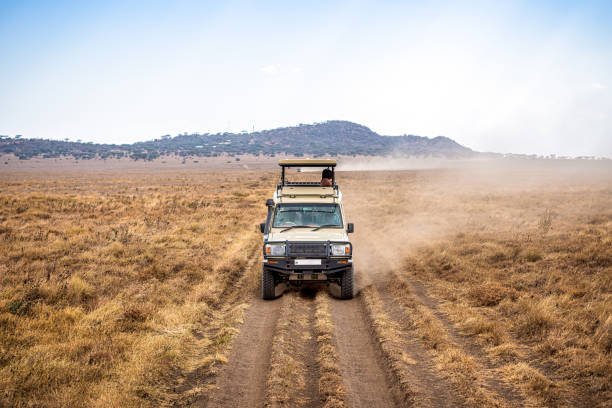
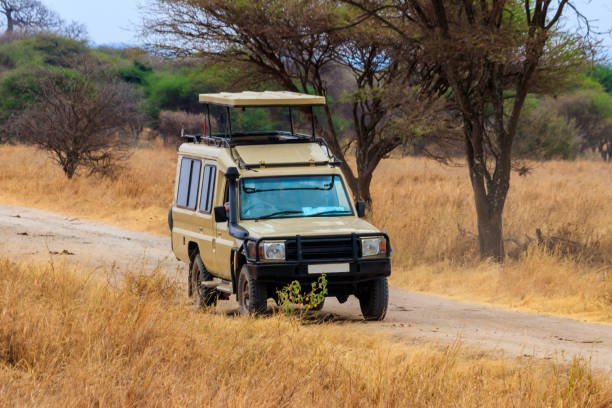
4 Days Tanzania Photography Safari From Moshi: The Ultimate Visual Expedition
For photographers and nature enthusiasts seeking to capture the essence of East Africa, a 4 Days Tanzania Photography Safari From Moshi offers an intense yet rewarding visual journey. This compact itinerary is designed to maximize wildlife encounters and scenic beauty within a limited timeframe, perfect for those with busy schedules or as an add-on to a Kilimanjaro climb. Starting from the bustling town of Moshi, gateway to Mount Kilimanjaro, this safari experience focuses on some of Tanzania’s most iconic national parks, renowned for their diverse fauna and breathtaking landscapes. Whether you aim to photograph the vast plains of the Serengeti, the dramatic escarpment of the Ngorongoro Crater, or the unique tree-climbing lions of Lake Manyara, this guide provides an in-depth look at planning, experiencing, and making the most of your photographic adventure.
This guide is crafted to assist you in planning every aspect of your 4-day photographic safari. We will cover essential considerations such as the best times to visit for photography, suggested itineraries, what equipment to bring, and how to prepare for your trip. We also address common questions and offer advice on choosing the right tour operator to ensure a successful and memorable experience in 2026 and 2027.
Quick Answer
A 4 Days Tanzania Photography Safari from Moshi is an expertly curated, short-duration wildlife photography trip focusing on accessible yet wildlife-rich parks like Tarangire, Lake Manyara, and the Ngorongoro Crater. It’s ideal for capturing diverse species and landscapes, offering a concentrated dose of Tanzania’s natural beauty for photographers.
Table of Contents
- Safari Overview: Capturing Tanzania’s Wild Heart
- Why Choose a Photography-Focused Safari?
- Best Time for Photography: Seasonality and Light
- Key Parks for a 4-Day Itinerary from Moshi
- Sample 4-Day Tanzania Photography Safari Itinerary
- Route Illustration: Moshi to Northern Circuit Parks
- What to Expect: The Photographer’s Experience
- Essential Photography Gear for Your Safari
- Packing List: Beyond the Camera
- Pre-Safari Preparation and Tips
- Common Mistakes to Avoid
- Who is a 4-Day Photography Safari Best Suited For?
- Alternatives to a 4-Day Safari
- Planning Your 2026-2027 Safari: Key Considerations
- Booking Your Safari: Expert Tips
- Frequently Asked Questions (FAQs)
Safari Overview: Capturing Tanzania’s Wild Heart
A 4 Days Tanzania Photography Safari From Moshi is meticulously designed to offer a concentrated yet comprehensive wildlife photography experience. This itinerary typically covers the most accessible and visually rich parks within Tanzania’s famed Northern Circuit. Starting from Moshi, your journey will likely take you through diverse ecosystems, from the baobab-studded plains of Tarangire National Park, famous for its large elephant herds and birdlife, to the unique Great Rift Valley escarpment of Lake Manyara National Park, known for its tree-climbing lions and abundant bird species. The pinnacle for many is the Ngorongoro Conservation Area, a UNESCO World Heritage Site boasting the ‘eighth wonder of the world’ – the Ngorongoro Crater, an intact volcanic caldera teeming with a high density of wildlife, including the Big Five.
This short safari is not just about ticking off species; it’s about understanding animal behavior, finding optimal light, and composing compelling shots. You’ll spend significant time on game drives, often with early morning and late afternoon departures to catch the golden hours, which are crucial for photographers. Your experienced driver-guide will be adept at spotting wildlife and positioning the vehicle for the best photographic opportunities, understanding the nuances of light and animal movement.
The logistics are streamlined for a 4-day trip. Typically, you’ll drive from Moshi to your first park, spending a day or two exploring, then moving to the next, often culminating in the Ngorongoro Crater before returning towards Arusha (the closest airport to Moshi for departures). Accommodation ranges from comfortable lodges and tented camps to more rustic options, each chosen to enhance the immersive safari experience and provide a base for early morning shoots.
Why Choose a Photography-Focused Safari?
While any safari offers incredible photo opportunities, a dedicated photography safari, even a short 4-day one, elevates the experience for visual storytellers. Here’s why it’s a distinct choice:
- Optimized Timing: Photography safaris prioritize early morning and late afternoon game drives. These are the ‘golden hours’ when the light is soft, warm, and dramatic, ideal for capturing stunning wildlife portraits and landscapes. You’ll often start before sunrise and finish after sunset, maximizing your chances for unique shots.
- Vehicle Adaptations: Some photography safaris may use custom vehicles designed for photographers. This could include pop-up roofs for unobstructed 360-degree views, beanbags for stabilizing long lenses, and guides trained to understand the needs of photographers, such as stopping frequently for shots and positioning the vehicle strategically.
- Guide Expertise: Your driver-guide is not just a wildlife spotter but also understands photographic principles. They know the best angles, are patient, and can anticipate animal behavior that might lead to a great photograph. They are often knowledgeable about the specific photographic interests of their clients.
- Focus on Composition and Light: The pace is often slower. Instead of rushing from one sighting to another, there’s an emphasis on observing subjects, waiting for the perfect moment, and capturing compelling compositions.
- Learning Opportunities: Guides on photography safaris may offer tips on camera settings, wildlife identification, and understanding animal behavior to improve your photographic outcomes.
- Targeted Wildlife: While a 4-day trip is short, the focus is on parks known for high wildlife densities and diverse species, ensuring a rich portfolio of images, from the smallest bird to the largest mammal.
Best Time for Photography: Seasonality and Light
The ‘best’ time for a 4 Days Tanzania Photography Safari From Moshi depends on your photographic priorities and tolerance for weather conditions. Tanzania offers fantastic photographic opportunities year-round, but different seasons present unique advantages.
| Season | Months | Photography Advantages | Considerations |
|---|---|---|---|
| Dry Season (Peak) | June – October | Clear skies, excellent visibility, concentrated wildlife around water sources, easier game viewing due to sparser vegetation. Ideal for dramatic landscapes and animal interactions. | Higher tourist numbers, potentially higher prices. Dust can be an issue. |
| Short Rains | November – December | Greener landscapes, dramatic skies with potential for rain showers and rainbows, fewer tourists. Birdlife is often spectacular as migratory birds arrive. | Rain can disrupt game drives. Some roads may become muddy. |
| Long Rains (Low Season) | March – May | Lush, green scenery, dramatic lighting after rain, very few tourists, lowest prices. Newborn animals may be present (especially early in the season). | Heavy rains can make some areas inaccessible and disrupt game drives significantly. Vegetation can be very thick, making spotting difficult. |
| Shoulder Seasons | Late May, Early June, January, February | Good balance of weather, wildlife, and fewer crowds. Often good photographic conditions. | Weather can be unpredictable. |
Light Quality: Regardless of the season, the quality of light in Tanzania is exceptional. The equatorial sun provides intense light, but the early mornings and late afternoons offer that sought-after soft, warm glow. The dry season often provides clearer skies, allowing for crisp landscape shots, while the wet seasons can bring dramatic cloud formations and atmospheric light.
For 2026 and 2027 planning: Consider the June-October dry season for reliable game viewing and clear light, or the shoulder months of January-February for a good mix of wildlife and fewer crowds, especially if you want to witness calving season in the Serengeti (though a 4-day trip might not reach deep into the Serengeti). If you don’t mind potential rain for greener scenery and fewer people, November-December or March-May could be considered, but with more flexibility needed.
Key Parks for a 4-Day Itinerary from Moshi
Given the limited time of a 4-day safari starting from Moshi, the focus is usually on the parks closest to Arusha and Moshi that offer the highest wildlife concentrations and photographic potential. This typically includes:
- Tarangire National Park: Known for its large elephant herds, iconic baobab trees, and diverse birdlife. It’s particularly spectacular during the dry season when elephants congregate around the Tarangire River. The landscape offers great opportunities for wide-angle shots and capturing animals against dramatic backdrops.
- Lake Manyara National Park: Famous for its shallow alkaline lake, teeming with flamingos (seasonal), baboons, and a variety of woodland birds. It’s also one of the few places where lions are known to climb trees. The park’s compact size makes it ideal for a few hours of exploration, offering diverse habitats from groundwater forest to savannah.
- Ngorongoro Conservation Area (Crater): The undisputed highlight for many. This UNESCO World Heritage Site is a caldera that houses an incredible density of wildlife, including all of the Big Five (lion, leopard, elephant, rhino, buffalo) in a relatively small area. The crater floor offers unparalleled photographic opportunities with dramatic backdrops and abundant wildlife sightings. The conservation area also encompasses Maasai lands, offering cultural photography potential if time permits.
While the Serengeti is Tanzania’s most famous park, fitting a substantial photographic experience there into just 4 days from Moshi is challenging due to travel times. However, some operators might offer a very rushed Serengeti experience, often involving a flight from Arusha to Seronera airstrip, which significantly increases cost but saves driving time. For a 4-day trip, concentrating on Tarangire, Lake Manyara, and Ngorongoro offers a more relaxed and logistically sound photographic experience.
Sample 4-Day Tanzania Photography Safari Itinerary
This sample itinerary is designed for maximum photographic opportunities within a 4-day timeframe, starting and ending near Moshi/Arusha. It prioritizes wildlife encounters during optimal light conditions.
Day 1: Moshi to Tarangire National Park – Elephants and Baobabs
Morning (Approx. 8:00 AM): Depart from Moshi after an early breakfast. Your driver-guide will pick you up. The drive to Tarangire National Park takes approximately 3-4 hours, passing through Maasai lands and rural landscapes. Stop for photos of local life and scenery along the way.
Late Morning: Enter Tarangire National Park. Begin your game drive, focusing on the park’s famous baobab trees and its large elephant herds. Tarangire is a paradise for photographers, especially during the dry season (June-October) when elephants gather around the Tarangire River.
Afternoon: Continue your game drive, exploring different areas of the park. Look for predators like lions, leopards, and cheetahs, as well as diverse birdlife. The late afternoon light is perfect for capturing dramatic shots of elephants against the iconic baobab silhouette.
Evening: Check into your lodge or tented camp near the park. Enjoy dinner and review your day’s photos.
Day 2: Tarangire Exploration & Transfer to Lake Manyara
Early Morning (Sunrise): An optional early morning game drive in Tarangire to capture the sunrise and any nocturnal activity. This is often the best time for photographing predators.
Late Morning: After breakfast, continue with a game drive in Tarangire, perhaps exploring areas you missed on Day 1 or focusing on specific photographic subjects.
Afternoon: Drive to Lake Manyara National Park (approx. 1.5-2 hours). Upon arrival, begin a game drive within this compact park. Focus on the lake’s edge for birdlife (flamingos, pelicans, storks) and look for the famous tree-climbing lions in the groundwater forest. The diverse habitats offer varied photographic subjects.
Evening: Check into your lodge or camp located near Lake Manyara or Karatu. Enjoy dinner and the sounds of the African night.
Day 3: Ngorongoro Crater – The Eighth Wonder
Early Morning (Sunrise): Depart from your lodge after an early breakfast. Drive to the Ngorongoro Conservation Area and descend into the Ngorongoro Crater. This is the prime time to photograph wildlife as they are most active and the light is ideal.
Morning/Afternoon: Spend the full day exploring the crater floor. This UNESCO World Heritage Site is home to an incredible density of wildlife, including the Big Five (lion, leopard, elephant, rhino, buffalo). Your guide will help you find opportunities to photograph rhinos (often difficult to spot elsewhere), large prides of lions, hippos in the permanent pools, and a vast array of other mammals and birds.
Lunch: Enjoy a picnic lunch on the crater floor, a classic safari experience. Continue your photographic exploration in the afternoon.
Late Afternoon: Ascend from the crater and drive to your lodge in the Karatu area or near Arusha, depending on your preference and onward travel plans. This allows for a relaxed evening after a day of intense photography.
Day 4: Cultural Interaction/Arusha Departure
Morning: Depending on your flight schedule and interests, you might have time for a short morning activity. This could include:
- A final short game drive in a nearby area (if staying near a park).
- A visit to a local Maasai village for cultural photography (ensure this is ethically arranged and respectful).
- A visit to a local market or craft center in Arusha.
Late Morning/Afternoon: Transfer to Kilimanjaro International Airport (JRO) or Arusha Airport for your onward journey, filled with incredible photographic memories.
Route Illustration: Moshi to Northern Circuit Parks
This route is a common and efficient path for a 4-day safari starting from Moshi, focusing on the Northern Circuit parks.
| Leg | Starting Point | Destination | Approx. Driving Time | Key Parks/Areas |
|---|---|---|---|---|
| 1 | Moshi | Tarangire National Park | 3-4 hours | Scenic drive, Maasai lands |
| 2 | Tarangire National Park | Lake Manyara National Park | 1.5-2 hours | Park exploration |
| 3 | Lake Manyara / Karatu | Ngorongoro Crater (descent & exploration) | ~1 hour to crater rim, then descent | Crater floor wildlife |
| 4 | Ngorongoro / Karatu | Arusha / JRO Airport | 2-3 hours | Optional cultural stop, departure |
Note: This route is flexible and can be adjusted based on your specific interests and the wildlife movements during your visit. The driving times are approximate and can vary based on road conditions and traffic.
What to Expect: The Photographer’s Experience
A 4 Days Tanzania Photography Safari From Moshi is an immersive experience tailored for those who want to capture high-quality images of Africa’s wildlife and landscapes. Here’s what you can expect:
- Early Mornings and Late Evenings: To maximize photographic opportunities, expect to be out on game drives during the prime light hours. This means early starts (before sunrise) and late finishes (after sunset).
- Patient Observation: The pace is often slower than a typical safari. Your guide will be patient, allowing you ample time to frame shots, wait for animal behavior, and capture the perfect moment.
- Focus on Light: Guides will actively look for opportunities to photograph in the best light, understanding the importance of golden hour, blue hour, and dramatic skies.
- Vehicle Positioning: Expect your driver-guide to be skilled at positioning the safari vehicle for optimal light and unobstructed views, whether it’s for a lion pride or a distant herd.
- Diverse Subjects: You’ll encounter a wide range of subjects, from large mammals like elephants, lions, and giraffes, to smaller creatures like birds and reptiles. Landscapes, from the vast plains to the acacia woodlands, will also be prime subjects.
- Comfort and Safety: While focused on photography, your comfort and safety are paramount. Safari vehicles are designed for viewing and photography, and guides are trained to handle wildlife encounters responsibly. Lodges and camps offer comfortable resting places.
- Limited Time, Maximum Impact: Four days is short, so the itinerary is packed. You’ll be on the move quite a bit, but the focus is on quality sightings and photographic potential in each park visited.
- Potential for Customization: While itineraries are set, experienced operators can often make minor adjustments based on your photographic interests, such as spending more time in a specific habitat if you’re keen on bird photography.
Essential Photography Gear for Your Safari
To make the most of your 4 Days Tanzania Photography Safari From Moshi, having the right gear is crucial. Here’s a breakdown:
- Camera Body: A DSLR or mirrorless camera with interchangeable lenses is recommended. Consider a backup body if possible, especially for longer trips or professional work.
- Lenses:
- Telephoto Lens: A 70-200mm, 100-400mm, or even a 150-600mm lens is essential for capturing wildlife at a distance. A fast aperture (f/2.8, f/4) is beneficial for low light and subject isolation.
- Mid-Range Zoom: A 24-70mm or 24-105mm lens is versatile for landscapes, wider shots of animals in their habitat, and general use.
- Wide-Angle Lens: For dramatic landscapes, sunrises, sunsets, and capturing the vastness of the African savanna.
- Tripod/Monopod: While difficult to use in a moving safari vehicle, a monopod can offer stability for longer lenses when the vehicle is stationary. A small, sturdy tripod might be useful at lodges or for specific landscape shots.
- Beanbags: Essential for stabilizing your camera and lens on the window ledge or vehicle door. Most operators can provide these, but it’s good to confirm.
- Memory Cards: Bring plenty of high-capacity SD cards. It’s wise to have more than you think you’ll need.
- Batteries: Carry multiple fully charged batteries. Power outlets may be limited in vehicles, and charging opportunities at lodges can vary.
- Power Bank/Charger: A portable power bank is useful for charging devices on the go. Ensure you have the correct travel adapter for Tanzania (Type G plug, 230V).
- Camera Bag: A comfortable, durable camera bag that can protect your gear from dust and elements. A backpack style is often best for carrying.
- Cleaning Kit: Lens cloths, a blower, and lens cleaning solution are vital for keeping your gear dust-free. Dust is a significant challenge on safaris.
- Rain Cover: A waterproof cover for your camera and bag is essential, especially during the rainy seasons.
- Laptop/Tablet: For backing up photos and reviewing your work.
Tip: Consider renting specialized lenses or equipment if you don’t own them. Many photography tour operators can also advise on gear.
Packing List: Beyond the Camera
Packing smart is key to enjoying your 4 Days Tanzania Photography Safari From Moshi. Focus on comfort, practicality, and layers.
- Clothing:
- Neutral Colors: Earth tones (khaki, beige, olive green, brown) are best. Avoid bright colors or black/dark blue, which can attract insects or be too hot.
- Layers: Temperatures can vary significantly from cool mornings/evenings to hot middays. Pack t-shirts, long-sleeved shirts (for sun protection and warmth), a fleece or light jacket, and a windbreaker.
- Comfortable Trousers: Lightweight, breathable trousers (not jeans) are ideal for game drives.
- Shorts: Suitable for warmer parts of the day or at the lodge.
- Hat: A wide-brimmed hat is essential for sun protection.
- Scarf/Bandana: Useful for dust protection or warmth.
- Swimsuit: If your lodge has a pool.
- Footwear:
- Comfortable Walking Shoes/Hiking Boots: For any light walking or around the lodge.
- Sandals/Flip-flops: For relaxing at the lodge.
- Health & Hygiene:
- Insect Repellent: With DEET or Picaridin.
- Sunscreen: High SPF.
- Personal First-Aid Kit: Including any personal medications, pain relievers, antiseptic wipes, bandages.
- Hand Sanitizer.
- Malaria Prophylaxis: Consult your doctor well in advance.
- Documents & Money:
- Passport: With at least 6 months validity.
- Visa: Check requirements for your nationality.
- Yellow Fever Certificate: If required.
- Travel Insurance Details.
- Cash: USD is widely accepted for tips and personal expenses. Local currency (Tanzanian Shilling) for smaller purchases.
- Credit/Debit Cards: For larger expenses or emergencies.
- Other Essentials:
- Binoculars: Crucial for spotting wildlife, even with a telephoto lens.
- Water Bottle: Reusable, as lodges often provide filtered water.
- Small Backpack: For day trips and carrying essentials.
- Headlamp/Torch: Useful for moving around lodges at night.
Pre-Safari Preparation and Tips
Proper preparation ensures a smoother and more enjoyable 4 Days Tanzania Photography Safari From Moshi. Here are key steps:
- Consult Your Doctor: Get advice on necessary vaccinations (like Yellow Fever), malaria prophylaxis, and any other health precautions. Start this process at least 4-6 weeks before your trip.
- Book in Advance: Especially for popular seasons (June-October) and for 2026-2027 travel, book your safari well in advance to secure preferred lodges and vehicles.
- Research Tour Operators: Choose a reputable operator with experience in photography safaris. Check reviews, ask about their guides’ expertise, and clarify what their vehicles offer for photographers.
- Understand Visa Requirements: Check the latest visa regulations for Tanzania for your nationality and apply if necessary.
- Travel Insurance: Ensure you have comprehensive travel insurance that covers medical emergencies, trip cancellation, and lost/damaged equipment.
- Physical Fitness: While not strenuous, you’ll be spending long hours in a vehicle. Basic fitness is helpful.
- Camera Gear Check: Test all your photography equipment before you leave. Ensure batteries are charged, memory cards are formatted, and lenses are clean.
- Learn Basic Swahili Phrases: A few words like ‘Jambo’ (Hello) and ‘Asante’ (Thank you) can go a long way in interactions.
- Understand Local Customs: Be respectful of local cultures, especially if visiting villages. Ask permission before taking photos of people.
- Pack Light but Smart: Most safari lodges have laundry services, so you don’t need to pack outfits for every single day. Stick to the neutral, layered clothing advice.
Common Mistakes to Avoid
To ensure your 4 Days Tanzania Photography Safari From Moshi is a success, be aware of these common pitfalls:
- Underestimating Dust: Safari vehicles are open, and dust is inevitable. Protect your camera gear diligently with covers and cleaning supplies.
- Packing Too Much: Especially for flights, baggage restrictions apply. Stick to essentials and utilize lodge laundry services.
- Not Bringing Enough Batteries/Memory Cards: Running out of power or storage is a photographer’s nightmare. Overpack these items.
- Ignoring Light Conditions: Don’t just shoot when you see an animal. Pay attention to the time of day and light quality. Golden hours are your best friends.
- Rushing Sightings: A photography safari requires patience. Don’t expect to see everything in a fleeting moment. Enjoy the process.
- Choosing the Wrong Tour Operator: A generic tour operator might not understand the specific needs of photographers. Look for specialization.
- Not Considering a Photography-Specific Vehicle: While not always available on short trips, inquire about vehicles with pop-up roofs or other features beneficial for photography.
- Forgetting Binoculars: Even with a telephoto lens, binoculars are invaluable for spotting distant animals and observing behavior.
- Ignoring Health Precautions: Skipping vaccinations or malaria medication can lead to serious health issues.
- Not Budgeting for Tips: Tipping your guide and lodge staff is customary and appreciated.
Who is a 4-Day Photography Safari Best Suited For?
A 4 Days Tanzania Photography Safari From Moshi is an excellent choice for several types of travelers:
- Enthusiast Photographers: Individuals who want to capture high-quality images of wildlife and landscapes and are willing to focus on photographic techniques like composition, light, and timing.
- Time-Constrained Travelers: Those who have limited vacation time but still want to experience Tanzania’s iconic wildlife and capture stunning visuals. This includes business travelers, short-break adventurers, or those adding it to a longer trip.
- Add-on to Kilimanjaro Climbs: Climbers who have completed their trek and are based in Moshi and want a brief, impactful wildlife experience before departing.
- First-Time Safari Goers: It offers a taste of Tanzania’s renowned Northern Circuit, providing a good overview of its diverse ecosystems and wildlife.
- Couples and Small Groups: The intimate nature of a safari vehicle and the shared experience of wildlife viewing make it ideal for couples or small groups of friends.
- Travelers Interested in Specific Parks: If your primary interest lies in the elephants of Tarangire, the birds of Lake Manyara, or the dense wildlife of the Ngorongoro Crater, this concentrated itinerary delivers.
It is less suitable for those seeking a deep dive into multiple parks or a very relaxed pace with extensive downtime. For those, longer safaris (7-10 days) are more appropriate.
Alternatives to a 4-Day Safari
If a 4 Days Tanzania Photography Safari From Moshi doesn’t quite fit your needs, consider these alternatives:
- Longer Northern Circuit Safaris (7-10 Days): This is the classic Tanzanian safari experience. It allows for in-depth exploration of Tarangire, Lake Manyara, Ngorongoro Crater, and the vast Serengeti National Park, offering more time for photography in each location and potentially different migration patterns if timed correctly.
- Serengeti-Focused Safari (Add-on): If the Serengeti is your absolute priority, you could arrange a 2-3 day extension to the Serengeti, likely involving a flight from Arusha to save driving time. This would mean sacrificing time in other parks but would give you more dedicated time in the iconic plains.
- Day Trips from Arusha/Moshi: For a very short taste, consider a single-day trip to a nearby park like Arusha National Park (great for views of Kilimanjaro and Mount Meru, diverse birdlife, and colobus monkeys) or a cultural tour. This is a very brief introduction.
- South Tanzania Safaris: Parks like Selous Game Reserve (now Nyerere National Park) and Ruaha National Park offer a wilder, less crowded experience, often with boat safaris and walking safaris. However, these are typically accessed via flights from Dar es Salaam and are logistically separate from a Moshi-based itinerary.
- Kenya Safari: If you’re looking for a different perspective, Kenya’s Maasai Mara offers excellent wildlife viewing, especially during the Great Migration (July-October). It can often be combined with Tanzania or done as a separate trip.
For photography, longer durations in the Serengeti often yield the best results due to the sheer scale and opportunities for capturing migration events, predator action, and diverse landscapes. However, for a concentrated visual feast of varied habitats and iconic species, the 4-day itinerary from Moshi is highly effective.
Planning Your 2026-2027 Safari: Key Considerations
Planning ahead is crucial, especially for popular travel years like 2026 and 2027. Here’s what to focus on:
- Book Early: As mentioned, for 2026 and 2027, popular lodges and safari vehicles get booked up to a year in advance, particularly during peak seasons (June-October). Start your research and booking process at least 9-12 months prior.
- Choose Your Season Wisely: Revisit the ‘Best Time for Photography’ section. For 2026-2027, decide if you prioritize clear skies and concentrated wildlife (dry season), green landscapes and fewer crowds (rainy season), or a balance.
- Operator Selection: Look for tour operators with a strong reputation for photography safaris. Ask specific questions about their guides’ knowledge of wildlife photography, vehicle modifications (e.g., beanbags), and flexibility for photo stops. Request testimonials from previous photography clients.
- Budget Allocation: While exact prices vary, understand that photography-focused safaris might sometimes be slightly higher due to specialized vehicle needs or guide expertise. Factor in costs for park fees, accommodation, transport, meals, and discretionary spending.
- Gear Preparation: If you plan to buy new gear for your 2026-2027 trip, allow ample time for research, purchase, and practice. Consider renting specialized lenses if needed.
- Health and Visas: Start looking into visa requirements and health advice for Tanzania well in advance. Regulations can change.
- Flexibility: While you’ll have an itinerary, be prepared for slight adjustments based on wildlife movements or unexpected opportunities. A good guide will leverage these.
Booking Your Safari: Expert Tips
Securing the right 4 Days Tanzania Photography Safari From Moshi requires careful booking. Here’s how to do it effectively:
- Research Reputable Operators: Look for companies that specialize in Tanzania and have clear expertise in photography tours. Check online reviews (TripAdvisor, Google), industry affiliations, and ask for recommendations.
- Get Detailed Itineraries: Ensure the itinerary clearly outlines daily activities, park visits, driving times, and accommodation types. For photography, confirm early morning/late afternoon drives are prioritized.
- Inquire About Photography-Specific Services: Ask about:
- Pop-up roofs or open-sided vehicles for unobstructed views.
- Provision of beanbags for camera support.
- Guides’ knowledge of wildlife photography and patience for photo stops.
- Customized vehicle options if available.
- Clarify Inclusions and Exclusions: Understand exactly what is covered in the price. This typically includes park fees, vehicle and driver-guide, accommodation, meals as specified, and water. Exclusions often are flights, tips, personal expenses, drinks, and travel insurance.
- Ask About Vehicle Type: For photography, a 4×4 safari vehicle (like a Land Cruiser) is standard and preferred for its durability and visibility. Ensure it’s well-maintained.
- Payment Terms: Understand the deposit requirements, payment schedule, and cancellation policy. Reputable operators will have clear terms.
- Communicate Your Needs: Be clear about your photographic goals. Mention if you are particularly interested in bird photography, specific animals, or landscape shots. This helps the operator tailor the experience and brief the guide.
- Read the Contract Carefully: Before signing and paying, read all terms and conditions, especially regarding cancellations, changes, and liability.
- Finalize Details: Confirm pick-up locations and times, emergency contact information, and any specific dietary requirements.
Contact Us: For a personalized 4 Days Tanzania Photography Safari From Moshi, tailored to your photographic needs and planned for 2026 or 2027, reach out to our expert team. We understand the unique demands of wildlife photography and are dedicated to creating an unforgettable experience.
WhatsApp: +255616946642
Email: topguideadventures@gmail.com
Backup Email: info@topguideadventures.com
Frequently Asked Questions (FAQs)
1. Is 4 days enough for a photography safari in Tanzania from Moshi?
Yes, 4 days is sufficient for a focused photography safari covering key parks like Tarangire, Lake Manyara, and Ngorongoro Crater. It offers a concentrated experience of diverse wildlife and landscapes, ideal for capturing memorable shots within a limited timeframe. For 2026-2027, this short itinerary is popular for those with tight schedules.
2. What kind of wildlife can I expect to photograph on this safari?
You can expect to photograph a wide array of wildlife, including elephants, lions, leopards, buffalos, giraffes, zebras, wildebeest, hippos, and numerous bird species. The Ngorongoro Crater is particularly known for its high density of animals and is one of the best places to see the rare black rhinoceros.
3. Do I need a special vehicle for a photography safari?
While not strictly mandatory, a photography-focused safari often uses vehicles with pop-up roofs for unobstructed 360-degree views. Many operators also provide beanbags for stabilizing cameras. It’s advisable to confirm these provisions with your tour operator when booking your 2026-2027 trip.
4. What is the best time of year for wildlife photography in Tanzania?
The dry season (June to October) is generally considered best for wildlife photography due to clear skies, sparser vegetation, and animals congregating around water sources. However, the green season (November to May) offers lush landscapes and dramatic skies, with fewer crowds, which can also be excellent for photography, especially for birdlife and newborns in early months.
5. How much photography gear should I bring?
Bring versatile lenses, such as a telephoto zoom (e.g., 70-200mm or longer) and a mid-range zoom (e.g., 24-70mm). Ensure you have plenty of memory cards and fully charged batteries. A beanbag is highly recommended for stabilizing your camera in the vehicle.
6. What should I wear on a photography safari?
Wear comfortable, neutral-colored clothing (khaki, beige, olive green) in layers. Avoid bright colors or black. Pack long-sleeved shirts for sun protection and warmth, comfortable trousers, a hat, and sturdy walking shoes. Dust is prevalent, so consider how your clothing might be affected.
7. How dusty is it on safari, and how do I protect my camera?
Safari environments are dusty. Protect your camera gear with a dust cover or rain cover, use a good camera bag, and carry cleaning supplies like lens cloths and a blower. Clean your gear regularly, especially at the end of each day.
8. Can I get good photos if I’m not a professional photographer?
Absolutely! Even with basic equipment, you can capture stunning images. The key is patience, observing animal behavior, and utilizing the excellent light conditions. Your driver-guide will also assist in positioning the vehicle for better shots.
9. What are the costs associated with a 4-day photography safari?
Costs vary based on accommodation level, vehicle type, and operator. Generally, expect to pay for park fees, vehicle and driver-guide, accommodation, meals, and park entrance fees. Exclusions typically include flights, tips, drinks, and personal expenses. For planning in 2026-2027, it’s best to get a detailed quote from operators.
10. What if I want to photograph the Great Migration?
A 4-day safari from Moshi is unlikely to include the Great Migration, which is primarily in the Serengeti and typically requires longer itineraries (7-10 days) to follow its movements. For migration photography, a dedicated Serengeti safari is recommended.
Ready to Capture Tanzania’s Wild Beauty?
A 4 Days Tanzania Photography Safari From Moshi offers an unparalleled opportunity to capture the vibrant life and breathtaking landscapes of Tanzania. Whether you’re aiming to photograph the majestic elephants of Tarangire, the unique tree-climbing lions of Lake Manyara, or the dense wildlife of the Ngorongoro Crater, this short, impactful journey is designed for visual storytellers. Let us help you plan your perfect photographic adventure for 2026 or 2027.
Contact our expert team today to customize your itinerary, discuss your photographic needs, and book an unforgettable safari experience.
WhatsApp: +255616946642
Email: topguideadventures@gmail.com
Backup Email: info@topguideadventures.com
6-Day Nyerere Safari And Zanzibar Holiday: Your Ultimate Tanzania Adventure
Discover the perfect blend of adventure and relaxation with a 6-day Nyerere Safari and Zanzibar holiday. Explore the vast wilderness of Nyerere National Park, renowned for its large...
View package details
6-Day Southern Tanzania Wildlife Safari With Top Guide Adventures 2026-2027
Discover the wild heart of Tanzania on a 6-day Southern Tanzania wildlife safari. This itinerary highlights the unique ecosystems and abundant wildlife of Selous Game Reserve and Ruaha...
View package details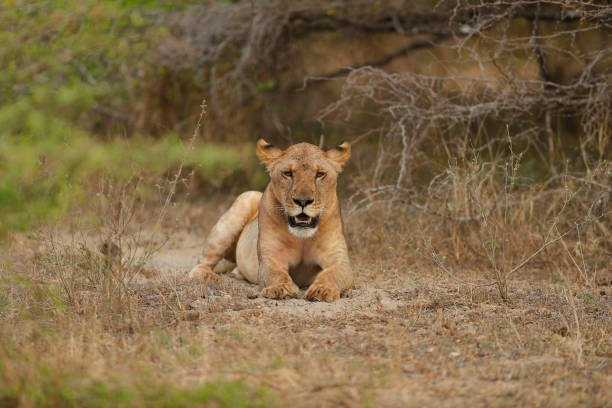
6-Day Selous, Mikumi & Udzungwa Safari: Southern Tanzanias Wildlife Trio
Discover the untamed beauty of Southern Tanzania on a 6-day safari adventure. This journey takes you through the vast Selous Game Reserve, the wildlife-rich Mikumi National Park, and the...
View package details
6-Day Nyerere, Mikumi, And Udzungwa Safari: Your Southern Tanzania Adventure
Explore the wild heart of Southern Tanzania on a 6-day safari adventure. This journey combines the vast wilderness of Nyerere National Park (formerly Selous), the abundant wildlife of...
View package details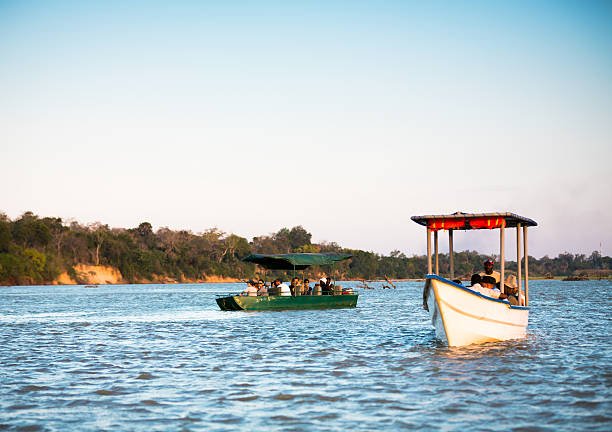
5-Day Southern Tanzania Group Joining Safari: Your Ultimate Adventure
Discover the wild heart of Southern Tanzania on a 5-day group joining safari. This adventure offers incredible wildlife viewing in Selous Game Reserve and Ruaha National Park, perfect for...
View package details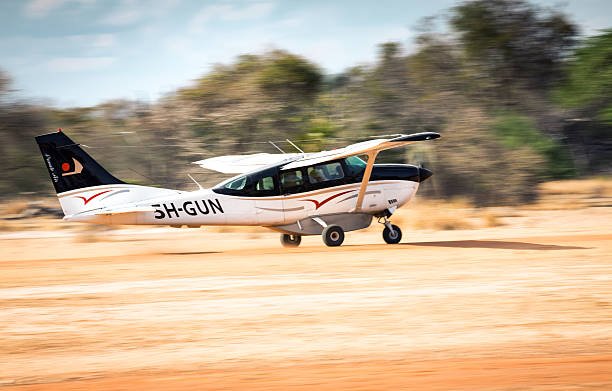
6-Day Nyerere And Mikumi Southern Tanzania Safari With Top Guide Adventures
This 6-day safari adventure takes you through Southern Tanzania's Nyerere National Park (formerly Selous) and Mikumi National Park. Expect incredible wildlife viewing, unique activities...
View package details
5-Day Selous, Mikumi & Udzungwa Safari: Your Ultimate Southern Tanzania
Plan your 5-day safari adventure covering Selous, Mikumi, and Udzungwa National Parks in Southern Tanzania. This itinerary offers a rich blend of game drives, walking safaris, and unique...
View package details4-Day Mikumi And Nyerere Safari: Your Ultimate Southern Tanzania Adventure
Discover the wild heart of Southern Tanzania on an unforgettable 4-day safari adventure, expertly combining the diverse ecosystems of Mikumi National Park and the vast wilderness of Nyerere...
View package details5 Days Southern Tanzania Safari From Dar Es Salaam: Ultimate Itinerary & Guide
Discover a 5-day Southern Tanzania safari adventure starting from Dar es Salaam, focusing on the wild beauty of Selous Game Reserve and Ruaha National Park. This comprehensive guide covers...
View package details
Best 6-Day Southern Tanzania Safari From Dar Es Salaam In 2026-2027
A 6-day Southern Tanzania safari from Dar es Salaam offers an unparalleled wildlife experience in vast, unspoiled parks like Ruaha and Nyerere (formerly Selous). This itinerary focuses on...
View package details4 Days Southern Tanzania Lodge Safari From Dar Es Salaam: Your Ultimate Guide
Explore a 4-day Southern Tanzania lodge safari starting from Dar es Salaam. This itinerary focuses on the vast wilderness of Selous Game Reserve and Ruaha National Park, offering an...
View package details
6 Days Southern Tanzania Lodge Safari From Dar Es Salaam 2026-2027
Discover a curated 6-day Southern Tanzania lodge safari departing from Dar es Salaam, designed for an unforgettable wildlife adventure. This journey focuses on two of Tanzania's most...
View package detailsNo related package matches those filters. Clear one or more filters to see the other topic-matched options.
Plan your 4 Days Tanzania Photography Safari From Moshi with Top Guide Adventures
Tell us your travel dates, group size, comfort level, and dream experience. We will help you shape a clear, realistic, and memorable Tanzania itinerary.



